Panic attacks can be overwhelming, leaving individuals feeling trapped in a cycle of fear and anxiety. Did you know that nearly one in five adults experiences a panic attack at some point in their lives? These intense episodes can disrupt daily activities and diminish your quality of life. Fortunately, there are effective techniques to help manage and alleviate these distressing symptoms. In this article, we’ll explore five instant relief techniques designed to empower you with the tools to regain control during a panic attack. Understanding how to respond quickly can not only ease immediate discomfort but also provide the confidence needed to face future challenges. Join us as we delve into these techniques and take the first step toward reclaiming your peace of mind.
Understanding Panic Attacks and Their Symptoms
Panic attacks can strike unexpectedly, leaving individuals with a profound sense of fear and urgency that often feels overwhelming. These intense episodes can affect anyone, with studies showing that about 11% of adults in the United States experience panic attacks each year. Understanding the nature of panic attacks and recognizing their symptoms is crucial in managing and mitigating their effects.
During a panic attack, individuals typically exhibit a range of physical and emotional symptoms that can include but are not limited to:
- Chest pain or discomfort
- Shortness of breath or a feeling of choking
- Rapid or pounding heartbeat
- Excessive sweating
- Trembling or shaking
- Nausea or abdominal distress
- Dizziness, lightheadedness, or feeling faint
- Feelings of unreality or detachment from oneself
- Fear of losing control or “going crazy”
- Fear of dying
These symptoms arise from the body’s fight-or-flight response being triggered by perceived danger. Interestingly, the sensation of a panic attack may last for only a few minutes, yet it can feel as though it lasts for an eternity, creating a lingering state of dread and anxiety in its wake.
Recognizing these symptoms is the first step toward seeking relief. Many people find comfort in understanding that panic attacks are a common experience and that effective coping strategies exist. From immediate techniques like deep breathing exercises to more sustained practices such as cognitive behavioral therapy, individuals can develop a toolbox of strategies that works for them. It is vital to remember, however, that while self-help methods can be beneficial, consulting with a healthcare professional is crucial for personalized advice and treatment.
The Science Behind Panic Attacks Explained
The rush of adrenaline, the pounding of your heart, the sense of dread-these sensations are not just fleeting moments; they are the physical manifestations of an intricate physiological process deeply rooted in our evolutionary biology. Panic attacks can feel like a betrayal of your own body, triggered by a misfiring of the brain’s danger signals. In essence, what happens during a panic attack is a dramatic activation of the body’s fight-or-flight response, a mechanism designed to protect us from real threats but which can become maladaptive in the absence of danger.
When faced with perceived danger, the brain’s amygdala signals the release of stress hormones like cortisol and adrenaline, which prepare the body to react immediately. This response leads to various symptoms, including increased heart rate, rapid breathing, and heightened alertness. While these responses can provide a life-saving advantage in acute situations, they become problematic when they are triggered without any actual threat, leading to the overwhelming feelings associated with panic attacks. Understanding this process can empower individuals to reclaim control over their responses and reduce the fear of future episodes.
Interestingly, panic attacks can also be linked to specific triggers or stressors in an individual’s life. For some, these may be situational-such as getting stuck in an elevator or facing a large crowd-while for others, they may arise from more generalized anxiety or stressful life events. This connection emphasizes the importance of identifying and understanding personal triggers as a critical step in managing and reducing the frequency and intensity of panic attacks.
In the pursuit of relief, several immediate techniques can be employed to counteract the physiological effects of a panic attack. These may include controlled breathing exercises that slow the heart rate, grounding techniques that anchor the individual in the present moment, and visualization strategies that promote a sense of calm. By understanding the science behind their panic attacks, individuals can better navigate their experiences, encouraging both self-help and the exploration of therapeutic options with healthcare professionals for tailored strategies.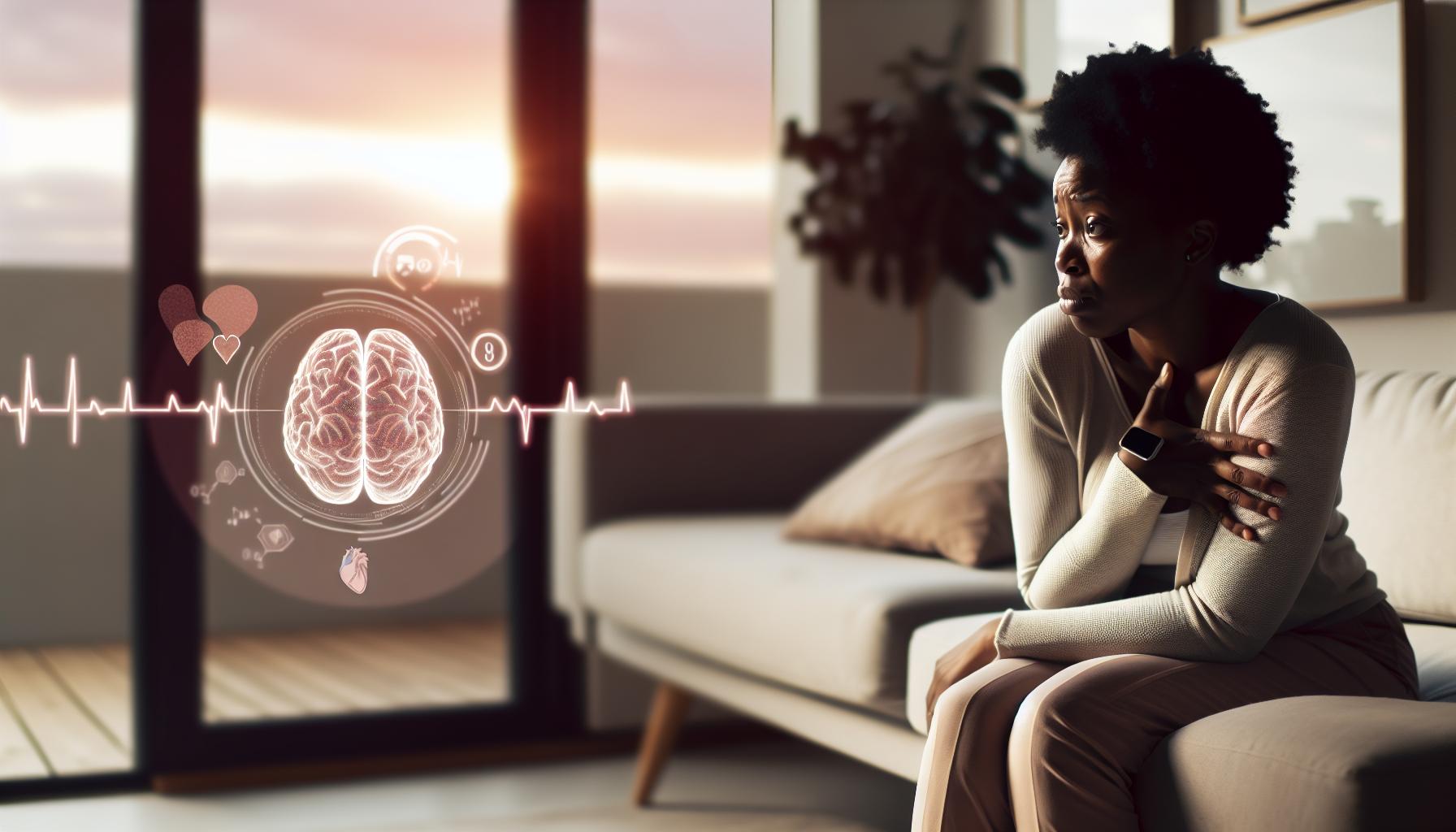
Immediate Techniques for Panic Attack Relief
Experiencing a panic attack can be an overwhelming challenge, but knowing how to respond in the moment can significantly help. Panic attacks often strike unexpectedly, leaving individuals to grapple with intense physical sensations and emotions. Implementing a few immediate techniques can not only provide relief but also empower those affected to regain control over their responses.
One of the most effective techniques is controlled breathing. When a panic attack occurs, it’s common for individuals to breathe rapidly and shallowly, which can exacerbate feelings of distress. By focusing on your breath and deliberately slowing it down, you can counteract the physiological symptoms of panic. Begin by inhaling deeply through your nose for a count of four, holding that breath for a moment, then exhaling slowly through your mouth for a count of four. Repeat this cycle several times until you start to feel your heart rate decrease and your body relax.
Another practical approach is the use of grounding techniques. Grounding helps you anchor yourself in the present and distracts from spiraling anxiety. An effective method is the 5-4-3-2-1 technique, where you identify:
- Five things you can see
- Four things you can touch
- Three things you can hear
- Two things you can smell
- One thing you can taste
This exercise not only shifts focus away from the panic but also creates a heightened awareness of your surroundings, helping to reduce feelings of detachment and fear.
In addition, employing visualization strategies can be another powerful tool. Picture a peaceful scene-perhaps a serene beach or a tranquil forest. Engage all your senses in this mental image: hear the waves crashing, smell the salt in the air, feel the warmth of the sun. Such vivid imagery can transport your mind away from the current panic state and evoke feelings of calmness.
Being proactive and exploring these techniques can empower individuals facing panic attacks. However, remember that seeking advice from healthcare professionals is crucial for tailored coping strategies and ongoing support. Embracing these immediate relief techniques not only aids during panic episodes but also builds resilience for managing anxiety over time.
Breathing Exercises to Calm Your Mind
Experiencing a panic attack can often lead to overwhelming feelings of fear and anxiety, and understanding how to manage these sensations is crucial to regaining control. One of the most effective strategies to help calm your mind during these episodes is practicing breathing exercises. These techniques not only slow down your heart rate but also anchor your focus, redirecting your thoughts away from the distressing symptoms of panic.
To begin, try the 4-7-8 Breathing Technique, which can be incredibly soothing. Start by finding a comfortable position, either sitting or lying down. Inhale deeply through your nose for a count of four, allowing your abdomen to expand. Hold your breath for a count of seven, giving your body a moment to absorb the oxygen. Finally, exhale completely through your mouth for a count of eight. This cycle can be repeated several times, often resulting in a noticeable reduction in feelings of anxiety.
Another popular method is diaphragmatic breathing. Often referred to as “belly breathing,” this technique emphasizes deep, abdominal breathing rather than shallow chest breathing. Place one hand on your chest and the other on your abdomen. As you breathe in through your nose, focus on expanding your abdomen while keeping your chest relatively still. Breathe out slowly through your mouth, ensuring that the exhalation is longer than the inhalation. This exercise not only helps to calm your mind but also stabilizes the body’s stress response.
Incorporating these breathing exercises into your daily routine can empower you to manage panic attacks more effectively. Practicing these techniques regularly-even when you’re not feeling anxious-can help condition your body to respond more calmly when faced with stress. If you find that panic attacks persist or worsen, consider reaching out to a healthcare professional for personalized guidance and tailored coping strategies. Remember, taking control of your breathing is a step toward taking control of your emotions and well-being.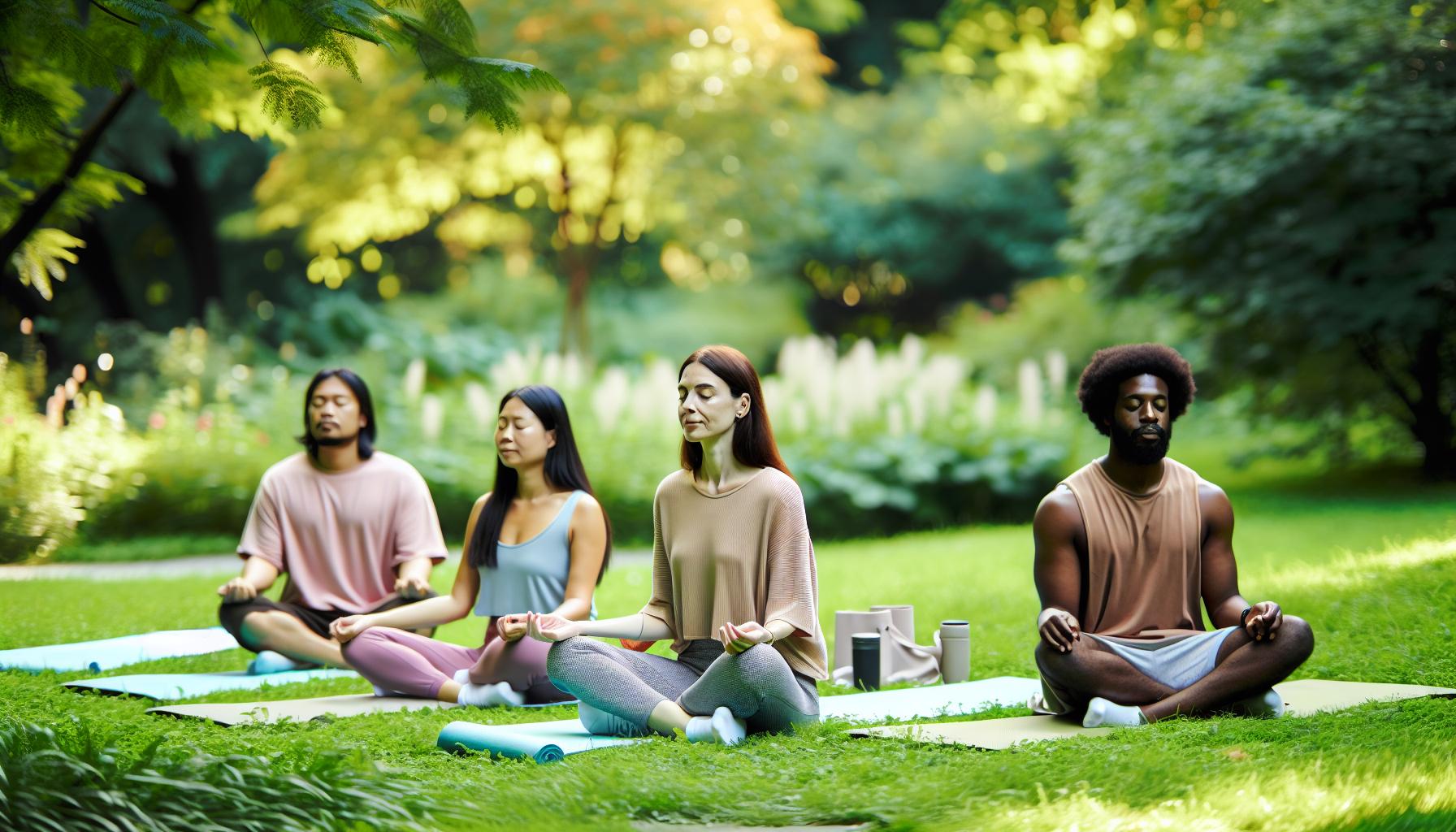
Grounding Techniques to Combat Anxiety
Connecting with the present moment can be a powerful antidote to the overwhelming sensations of anxiety that accompany panic attacks. Grounding techniques serve as handy tools to help anchor you in the here and now when fear begins to take over. These techniques can redirect your focus from the distressing symptoms of a panic attack to the immediate environment, reinstating a sense of control.
One effective grounding technique is the 5-4-3-2-1 method, which engages your senses to establish your presence in reality. When you feel a panic attack nearing, take a moment to identify:
- 5 things you can see: Look around and notice details-colors, shapes, and textures.
- 4 things you can touch: Feel the ground under your feet, the texture of your clothing, or the surface of an object nearby.
- 3 things you can hear: Focus on ambient sounds, like the rustle of leaves, distant chatter, or the hum of a machine.
- 2 things you can smell: This could be a thoughtful evaluation of your surroundings or even the scent of your skin or hair.
- 1 thing you can taste: This might involve focusing on the drink or food in your mouth or the lingering taste of a previous meal.
Another invaluable technique is the use of physical movement to ground oneself. Activities such as squeezing a stress ball, walking barefoot on grass, or even light stretching can help you connect with your body and distract from panic symptoms. The act of moving becomes a vital reminder of your physicality and presence in the moment.
Practicing these techniques regularly can enhance your ability to respond to anxiety with resilience. If you find difficulty managing these experiences alone, seeking guidance from a healthcare professional can provide personalized strategies and support tailored to your needs. Remember, grounding is not just about alleviating panic-it’s about cultivating a deeper awareness and connection to your environment, fostering long-term wellness and peace of mind.
Visualization Strategies for Instant Calm
Visualization can be a transformative tool in managing panic attacks, providing a mental escape that helps to soothe overwhelming feelings of anxiety. By engaging your imagination, you can create a safe haven within your mind, a space where you can retreat when the physical symptoms of panic begin to surface. This method harnesses the power of your mind to signal the body to relax, turning a moment of distress into an opportunity for calm.
To start, find a quiet space where you can focus entirely on your breathing and visualize your peaceful place. It could be a serene beach, a quiet forest, or even a cozy room filled with your favorite items. Close your eyes and take a few deep breaths. As you inhale, imagine drawing in soothing energy, and as you exhale, visualize releasing tension and fear. Spend a moment really picturing every detail: the sound of gentle waves, the scent of pine trees, and the warmth of sunlight. This sensory involvement enhances the vividness of your visualization, making it more effective.
Creating Your Visualization
Consider employing these steps to enhance your visualization practice:
- Choose a vivid location: Select a place that brings you joy and comfort. Imagine every detail of this location-the colors, sounds, and smells.
- Engage all your senses: Picture what you see around you, what you feel under your feet, what you hear, what scents fill the air, and what you might taste.
- Practice regularly: Just like any skill, visualization improves with practice. Spend a few minutes each day visualizing this peaceful place.
You may even find it helpful to practice your visualization technique while in a calm state, allowing it to become familiar before you need it in times of panic. By developing this skill, you create an instant tool you can access in moments of distress, fortifying your mental resilience and providing you with a greater sense of control.
Fostering these skills doesn’t replace professional help but can complement ongoing therapy or medical treatment. If panic attacks persist or worsen, consulting a healthcare professional offers tailored approaches to your specific experiences. Remember, taking proactive steps toward managing anxiety is a powerful act of self-care that can significantly improve your quality of life.
The Role of Physical Activity in Reducing Panic
Engaging in physical activity can be a powerful antidote to the stress and anxiety that accompany panic attacks. Not only does exercise help to release endorphins, which are natural mood lifters, but it also provides a distraction from the cycle of negative thoughts that can fuel panic. The benefits extend beyond immediate relief; regular physical activity has been shown to enhance overall mental health, increasing resilience to stress and anxiety over time. For many, incorporating even small amounts of physical activity into their daily routine can lead to significant improvements in how they feel mentally and emotionally.
When considering physical activity as a way to reduce panic, it’s essential to find exercises that feel enjoyable and manageable. Activities can range from brisk walking or jogging to yoga and dance, each offering unique benefits. For example, yoga not only stretches and strengthens the body but also emphasizes breath control-an effective counter to panic attack symptoms. Moreover, incorporating activities like team sports fosters social interaction, which can be beneficial in relieving feelings of isolation often associated with anxiety.
To get started, aim for a simple plan that includes a mix of aerobic exercises and mindful movements. Here are some actionable steps to help integrate physical activity into your routine:
- Set realistic goals: Begin with achievable targets, such as walking for 10-15 minutes each day or attending a weekly yoga class.
- Choose activities you enjoy: Experiment with different types of exercise to find what you love-be it cycling, swimming, or group fitness classes.
- Schedule regular sessions: Treat exercise as a vital appointment in your days. Consistency is key to reaping long-term benefits.
- Track your progress: Keep a journal to reflect on how you feel after exercising, which can serve as a powerful motivator.
Ultimately, the goal of using physical activity to combat panic attacks is not only immediate relief but also cultivating a healthier lifestyle that supports your mental well-being. Remember, while exercise can be beneficial, it should complement other structured treatments prescribed by healthcare professionals. If panic attacks continue or escalate, seeking the advice of a qualified therapist or doctor ensures you are taking a comprehensive approach to your mental health.
Connecting with Support Systems for Help
Connecting with others is a powerful antidote to the feelings of isolation often experienced during panic attacks. Support systems can play a crucial role in your journey toward managing panic and anxiety. Whether it’s friends, family, or support groups, having a network of individuals who understand your struggles can offer both emotional relief and practical assistance when you need it the most. Creating connections can also help you realize that you are not alone in your experiences, which can be incredibly comforting.
Consider reaching out to trusted friends or family members who can listen and empathize without judgment. Their support can provide immediate comfort and assurance. You might discover that simply discussing your feelings or concerns can alleviate some of the burden you’re carrying. If you’re uncertain about talking to individuals close to you, seek out support groups, either locally or online. These groups often comprise people who share similar experiences, allowing for a sense of community and shared understanding. Many individuals find that being part of such a group helps normalize their feelings and symptoms, reducing the stigma and fear associated with panic attacks.
Another effective way to solidify your support system is through professional help. A mental health professional can offer guidance tailored to your needs, equipping you with the tools to manage panic attacks better. Therapies like Cognitive Behavioral Therapy (CBT) can be particularly effective in teaching you practical skills to handle anxiety-provoking situations. Don’t hesitate to ask about referral resources from your doctor, as they can direct you to qualified therapists or counselors.
Lastly, maintaining open lines of communication with your support system is essential. Share your triggers, coping mechanisms, and any changes in your feelings or symptoms with those around you. This transparency not only fosters understanding but can also prompt your support contacts to better assist you. In times of distress, having someone who knows what you are experiencing can make an enormous difference toward finding comfort and reassurance. The key is to take the initiative to connect; it’s an empowering step that can significantly impact your journey toward managing panic attacks effectively.
Mindfulness and Meditation for Long-Term Relief
Practicing mindfulness and meditation can serve as powerful tools in managing panic attacks and reducing anxiety over the long term. Engaging in these practices helps individuals develop a greater awareness of their thoughts and emotions, allowing for a more grounded response to stressful situations. Studies have shown that regular mindfulness meditation can decrease the frequency and intensity of panic attacks by fostering a state of relaxation and emotional regulation.
Mindfulness involves focusing on the present moment without judgment, which can disrupt the cycle of worry and fear that often accompanies panic attacks. Simple techniques like the body scan can promote a sense of connection to one’s physical self, helping to alleviate the physical symptoms of anxiety. During a body scan, practitioners consciously relax and focus on different parts of their body, recognizing tension and consciously releasing it. This practice can help create a mental distance from distressing thoughts, reducing their power.
Meditation, particularly when integrated with breathing exercises, can enhance emotional resilience. By dedicating a few minutes each day to meditate, individuals can train their minds to respond to stress more calmly. A common technique is focused breathing, which involves inhaling deeply through the nose, holding for a moment, and exhaling slowly through the mouth while visualizing the release of tension. This practice can stabilize heart rate and promote an overall sense of well-being, making it easier to navigate anxious moments.
Long-term commitment to mindfulness and meditation yields substantial benefits. Over time, these techniques can help reshape your emotional landscape, allowing you to cultivate a more peaceful mindset. Furthermore, they can improve your ability to identify triggers before they spiral into panic attacks. As you become more attuned to your body and reactions, you can constructively differentiate between manageable anxiety and the acute symptoms of a panic attack, empowering you to respond more effectively. Engaging with guided meditation apps or local mindfulness workshops can also foster community support, reinforcing your journey toward a healthier, more serene state of mind.
Cognitive Behavioral Techniques to Manage Triggers
Cognitive Behavioral Techniques (CBT) stand out as a powerful framework for managing the triggers of panic attacks. This approach enables individuals to identify the specific thoughts and beliefs that contribute to their feelings of panic, facilitating a pathway to healthier responses. By recognizing the connections between thought patterns, emotional responses, and behaviors, you can begin to sever the cycle that perpetuates anxiety.
One effective CBT technique is known as cognitive restructuring, which involves challenging and reframing negative thoughts. For example, if you find yourself thinking, “I’m going to have a panic attack again,” you can counter this with more balanced thoughts, such as, “I have managed my anxiety before, and I can use my tools to calm myself now.” This shift in perspective helps reduce the power of fear over you, providing a sense of control and self-efficacy.
Another useful technique is exposure therapy, where you gradually face your triggers in a controlled manner. By incrementally exposing yourself to feared situations-around which your thoughts and feelings of anxiety revolve-you can lessen their impact over time. For instance, if public speaking triggers your anxiety, start by practicing in front of a mirror, then progress to speaking in small gatherings. This method can desensitize you to anxiety-inducing scenarios, making them feel less daunting in the future.
Incorporating journaling into your routine can also enhance CBT effectiveness. Documenting your thoughts and feelings when triggered by anxiety can help you recognize patterns and develop insights about the antecedents of your panic attacks. Reflecting on your entries allows you to notice recurring themes or triggers and develop strategies to address them proactively.
Ultimately, the goal of applying cognitive behavioral techniques is to empower you to take charge of your anxiety. By actively engaging with your thought processes, determining strategies that work for you, and reflecting on your progress, you can cultivate resilience against panic attacks. Integrating these techniques with professional guidance can further bolster your coping strategies, ensuring you’re equipped with a comprehensive toolkit for managing anxiety effectively.
Lifestyle Changes to Prevent Future Attacks
Making intentional lifestyle changes can significantly reduce the frequency and intensity of panic attacks, helping you regain control over your emotional well-being. For many, these changes might not only alleviate anxiety but also enhance overall quality of life. A well-rounded approach involves adjustments in various areas, including nutrition, physical activity, sleep hygiene, and stress management.
A balanced diet plays a crucial role in stabilizing mood and energy levels. Foods high in omega-3 fatty acids, such as salmon, walnuts, and flaxseeds, are known to support brain health and can contribute to lower anxiety levels. Similarly, incorporating complex carbohydrates like whole grains can help increase serotonin production, a neurotransmitter that promotes feelings of well-being. It’s also beneficial to limit caffeine and alcohol, as these substances can exacerbate anxiety symptoms and trigger panic attacks. Staying hydrated is essential too, as dehydration can lead to irritability and increased feelings of stress.
Regular physical activity is another cornerstone of effective anxiety management. Engaging in activities such as walking, yoga, or swimming can significantly improve mood and reduce stress. Exercise releases endorphins, which are natural mood lifters. Aim for at least 30 minutes of moderate exercise most days of the week. Finding an activity you enjoy makes it easier to maintain this routine, contributing to a more resilient mindset against anxiety triggers.
Establishing healthy sleep hygiene is equally important. Aim for 7-9 hours of restful sleep per night. Create a relaxing bedtime routine by avoiding screens before bed, which can interfere with melatonin production. Instead, consider reading a book or practicing relaxation techniques. Sleep deprivation can heighten anxiety levels, making it vital to protect your restorative sleep periods.
Lastly, learn to manage stress through mindfulness and relaxation techniques. Practices such as meditation, deep-breathing exercises, or progressive muscle relaxation can ground you during overwhelming moments and reduce the risk of panic attacks. Journaling your thoughts and emotions can help identify and process triggers, allowing you to approach them with greater clarity and composure.
By incorporating these lifestyle changes into your daily routine, you can foster a supportive environment for yourself, reduce the likelihood of future panic attacks, and enhance your overall mental health. Remember, while these strategies are effective, they should complement professional guidance tailored to your unique needs. Always consult with a healthcare provider before making significant changes to your health regimen.
When to Seek Professional Help for Panic Attacks
Experiencing panic attacks can be a profoundly distressing ordeal, often leaving individuals feeling isolated and confused about their emotions. Recognizing when to seek professional help is a crucial step toward regaining control over your mental health. If your panic attacks are frequent, intense, or interfere significantly with your daily life-such as disrupting work, relationships, or daily tasks-it’s essential to consider reaching out for support from healthcare professionals.
There are several indicators that suggest it’s time to seek professional help. If you find yourself avoiding social situations or familiar environments due to a fear of having an attack, or if you are relying on unhealthy coping mechanisms such as substance use, these are strong signs that professional intervention could be beneficial. Additionally, if self-help strategies-like breathing exercises or mindfulness practices-aren’t providing the relief you need and the severity of your attacks is escalating, engaging with a mental health professional can help you explore deeper underlying issues.
In therapeutic settings, a range of effective treatments is available, including Cognitive Behavioral Therapy (CBT), which helps reshape negative thought patterns. Medications such as SSRIs or benzodiazepines may also be considered as part of a comprehensive treatment plan. Collaborating with a therapist can provide personalized approaches and coping strategies tailored to your specific challenges, promoting a sense of empowerment in managing anxiety and panic disorders.
Understanding your experience is vital, but you do not have to navigate this journey alone. Reaching out for help is a sign of strength, and various support options are available, including therapy, support groups, and helplines. Taking that first step toward seeking professional assistance can lead to meaningful improvements in your quality of life and emotional well-being.
Frequently Asked Questions
Q: What are the first signs of a panic attack?
A: The first signs of a panic attack often include rapid heartbeat, shortness of breath, sweating, trembling, and a feeling of impending doom. Recognizing these symptoms early can help you apply relief techniques effectively, as discussed in the section on “Immediate Techniques for Panic Attack Relief.”
Q: How can I calm myself down during a panic attack?
A: To calm yourself during a panic attack, practice deep breathing exercises and grounding techniques. Focus on your surroundings by naming five things you can see, feel, or hear. This immediate action can help divert your mind and reduce anxiety, aligning with the techniques listed in the article.
Q: What is a panic attack vs. anxiety attack?
A: A panic attack is typically sudden and peaks within minutes, involving intense fear and physical symptoms. An anxiety attack, conversely, tends to build gradually and is often tied to specific triggers. Understanding these differences can help you address them appropriately.
Q: How long does a panic attack last?
A: A panic attack usually lasts between 5 to 30 minutes, although it may feel longer. Knowing this can help you use techniques from the article to manage the symptoms more effectively as the episode begins to subside.
Q: Are there natural remedies to help stop panic attacks?
A: Yes, natural remedies such as herbal teas (like chamomile), exercise, and mindfulness practices can alleviate anxiety. Incorporating these into your daily routine may enhance your ability to handle panic attacks, as mentioned in the discussion on lifestyle changes.
Q: When should I seek help for panic attacks?
A: If panic attacks become frequent or interfere with daily life, it’s time to seek professional help. Early intervention can prevent more severe anxiety or panic disorders, as highlighted in the section titled “When to Seek Professional Help for Panic Attacks.”
Q: Can medication help with panic attacks?
A: Yes, medications such as SSRIs or benzodiazepines may be prescribed to manage panic attacks. However, they should be discussed with a healthcare provider to tailor a treatment plan that works best for you.
Q: How does physical activity reduce panic attacks?
A: Engaging in regular physical activity releases endorphins, which can improve mood and reduce stress. This is crucial for long-term management of anxiety disorders and panic attacks, elaborated in the section on “The Role of Physical Activity in Reducing Panic.”
In Retrospect
As you take charge of your mental well-being with these five instant relief techniques for panic attacks, remember that understanding your triggers and practicing these strategies regularly can build your resilience over time. Don’t wait-start implementing these techniques today to regain control and enhance your daily life.
For more insights, explore our related articles on “Understanding Anxiety Triggers” and “Meditation for Stress Relief.” Have questions or experiences to share? We invite you to comment below or connect with our community for support.
Ready to deepen your understanding of mental health? Subscribe to our newsletter for the latest tips and resources, or consider scheduling a consultation with one of our expert therapists to receive personalized guidance tailored to your needs. Empower yourself today-your journey toward tranquility begins now!