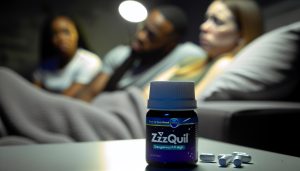
Many people turn to muscle relaxers for relief from muscle spasms and pain, but some misuse these medications by snorting them, seeking a quick euphoric high. This practice poses serious risks, including addiction and life-threatening side effects. Understanding the dangers of snorting muscle relaxers is crucial for those looking to manage pain safely. By exploring the alarming realities of this trend, readers can make informed decisions and prioritize their health. Join us as we uncover the hidden perils and empower you to seek safer alternatives for muscle relief.
Understanding Muscle Relaxers: What You Need to Know
Muscle relaxers, primarily prescribed for conditions like acute pain or muscle spasms, can pose significant risks when misused. These medications function by acting on the central nervous system to reduce muscle tension and alleviate discomfort, but their powerful effects can lead to dangerous consequences if not used as intended. Understanding the nature of muscle relaxers is crucial for anyone using them or considering them as a treatment option. Despite their therapeutic benefits, many individuals may not fully grasp the potential for misuse or addiction associated with these drugs.
When muscle relaxers are used appropriately, they can significantly improve the quality of life for those suffering from chronic pain or muscle spasms. However, the allure of a quicker and more intense effect leads some individuals to misuse these medications, sometimes resorting to methods such as snorting. This form of intake bypasses the body’s normal processing system, often amplifying the effects but simultaneously increasing the risk of overdose, dependence, and other severe health complications.
It’s essential to recognize that muscle relaxers are not a one-size-fits-all solution. Different types, such as carisoprodol, cyclobenzaprine, and tizanidine, have varying effects on the body, and what works for one person may not be suitable for another. For those considering muscle relaxers for pain relief, consulting a healthcare professional is paramount. They can provide personalized advice on safe usage, proper dosages, and alternative treatments that might better suit individual needs.
In sum, informed usage of muscle relaxers hinges on understanding both their benefits and risks. A responsible approach not only emphasizes the importance of adherence to prescribed guidelines but also encourages open communication with healthcare providers to ensure safety and efficacy in pain management.
The Dangers of Snorting Muscle Relaxers
Snorting muscle relaxers is a dangerous practice that has become increasingly prevalent, often driven by the desire for a more intense and immediate effect. When these medications are snorted, the intended slow release into the bloodstream is bypassed, leading to rapid absorption into the system. This can dramatically amplify the sedative effects, increasing the risk of severe side effects, overdose, and even fatal consequences. One compelling statistic from recent studies indicates that misuse of muscle relaxers can lead to a threefold increase in the likelihood of life-threatening respiratory depression, a condition where breathing becomes dangerously slow or stops altogether.
The potent effects of muscle relaxers can quickly become a double-edged sword. While they are designed to alleviate muscle tension and discomfort, the urge to achieve heightened euphoria can lure individuals into dangerous behaviors. Snorting can not only lead to a quick spike in drug action but also compromises the individual’s ability to gauge safe dosages, often resulting in unintentional overdoses. It’s critical to understand that the process of snorting can also introduce harmful substances into the nasal passages, causing damage and increasing vulnerability to infections and other health complications.
Recognizing the signs of misuse is essential for those who may be impacted by someone else’s behavior or even their own. Symptoms such as unusual lethargy, confusion, or respiratory problems should not be ignored. Additionally, the psychological aspect of addiction often compounds the physical dangers, leading to a devastating cycle of dependence. When individuals find it challenging to abstain from using muscle relaxers inappropriately, it’s imperative to seek help from healthcare professionals who can provide tailored support and recovery options.
Elevating awareness around supports a broader conversation about responsible medication use. While they play a valuable role in managing pain and muscle spasms under medical supervision, there are numerous effective alternatives available. It is essential for individuals considering muscle relaxers to engage in open discussions with their healthcare provider, fostering a team approach to treatment that prioritizes safety and long-term well-being. Always remember that self-medication, particularly through methods like snorting, can lead to serious health risks and that professional guidance is crucial in navigating pain management strategies.
Why Do People Misuse Muscle Relaxers?
Many individuals misuse muscle relaxers not solely for their intended purpose of relieving muscle tension or spasms but also in pursuit of heightened effects that can lead to euphoric sensations. This dangerous trend often stems from a combination of factors, including self-medication, recreational use, and a lack of understanding about the risks involved. Some may believe that because these medications are prescribed by healthcare professionals, they are inherently safe to use outside of medical guidelines, leading to a false sense of security.
The appeal of muscle relaxers can often relate to their sedative properties. For some, they provide a temporary escape from stress, anxiety, or physical discomfort. This perceived relief can become addictive, as the cycles of temporary respite are quickly replaced by underlying issues that prompt the need for further use. The allure of quickly intensifying the effects through practices like snorting only compounds this problem, increasing the risk of overdose and other serious side effects. Many users are unaware that these drugs have not been tested for such delivery methods and thus can be even more dangerous.
Another significant aspect influencing misuse is social or peer pressure. In social contexts where drug use is normalized, individuals may feel compelled to experiment with muscle relaxers as a means of fitting in or enhancing their experiences. This peer influence can diminish awareness of the potential dangers, leading individuals to ignore or underestimate the harmful consequences of their actions.
Lastly, the desire for quick relief from both physical pain and emotional distress can drive individuals toward misuse. Many people suffering from chronic pain or psychological issues may find traditional treatments inadequate, prompting them to seek alternatives that offer faster results. Unfortunately, this often results in the temptation to misuse medications, such as muscle relaxers, in a misguided attempt to find relief. Engaging with healthcare professionals about these struggles is essential, as they can provide safer, more effective coping strategies and treatment options tailored to individual needs.
Common Types of Muscle Relaxers and Their Effects
Muscle relaxers are commonly prescribed medications that play a critical role in treating a variety of conditions characterized by muscle pain or spasms. However, it’s essential to understand the differences among the different classes of muscle relaxers and the effects they produce, especially considering the alarming trend of misuse, including snorting. This practice not only heightens the risk of overdose but also can lead to severe health complications due to the untested methods of administration.
When discussing muscle relaxers, it is helpful to categorize them into two main groups: central nervous system (CNS) depressants and peripherally acting agents. CNS depressants, such as carisoprodol (Soma) and cyclobenzaprine (Flexeril), are more commonly associated with recreational use and misuse. These medications work by affecting the brain and spinal cord to reduce muscle tension. Users may seek to enhance the euphoric effects by snorting, which radically alters the drug’s absorption rate and can lead to dangerous side effects, including respiratory depression, cardiovascular issues, and addiction.
On the other hand, peripherally acting muscle relaxants like methocarbamol (Robaxin) and orphenadrine primarily target muscle tissue and may not have the same recreational appeal but still pose risks when misused. Their sedative properties may contribute to a sense of relaxation that some seek out in social settings, leading to improper and dangerous use.
Given the growing problem of misuse, it is vital to recognize the signs of overdose, which can include extreme drowsiness, confusion, slow breathing, and muscle weakness. Awareness of these factors can help guide individuals towards safer pain management practices. If you or someone you know is struggling with muscle relaxer misuse, seeking professional medical help is crucial to ensure a comprehensive understanding of safer alternatives and treatment options tailored to individual needs. As medications can significantly vary in their effects and risks, consulting a healthcare professional before making any changes to medication use is always advised.
Signs and Symptoms of Muscle Relaxer Overdose
Recognizing the signs of muscle relaxer overdose is crucial, especially as misuse-such as snorting these medications-can lead to severe and potentially life-threatening consequences. An overdose may occur when individuals consume these drugs in higher doses than prescribed or through unapproved methods of administration, increasing the absorption rate unpredictably.
Some of the most alarming symptoms of a muscle relaxer overdose include:
- Extreme Drowsiness: One of the most common signs, where individuals may find it hard to wake or stay alert.
- Confusion: Cognitive functions may become impaired, causing individuals to struggle with clarity of thought or understanding their surroundings.
- Slow or Difficult Breathing: Respiratory depression is a critical indicator of overdose, which can lead to insufficient oxygen supply in the body, increasing the risk of organ damage.
- Muscle Weakness: A profound reduction in muscle control and strength can also manifest, making physical movement challenging.
- Loss of Coordination: Difficulty in performing tasks that require motor skills may become apparent, resulting in potential falls and injuries.
- Seizures: In severe cases, overdose can provoke seizures, posing an immediate threat requiring urgent medical attention.
- Unconsciousness: This is a critical situation that necessitates immediate emergency intervention.
Due to the potentially rapid progression of these symptoms, it’s imperative for individuals or bystanders to act swiftly. If you suspect someone is experiencing an overdose, it’s vital to call emergency services without delay. Early intervention can significantly improve outcomes and reduce the risk of long-term damage or fatality.
Education and awareness about the dangers of misuse can empower those who might feel tempted to misuse muscle relaxers. If you or someone you know struggles with the temptation to misuse these medications, consult a healthcare professional for guidance on safer pain management strategies and alternatives.
Legal Implications of Muscle Relaxer Misuse
The misuse of muscle relaxers, particularly through methods like snorting, carries significant legal implications. Authorities are increasingly scrutinizing prescription medications, leading to stricter regulations concerning their distribution and use. Engaging in the non-prescribed use of these drugs can classify as drug abuse or illegal drug possession, potentially resulting in criminal charges. Law enforcement agencies view such actions seriously, particularly given the addiction potential and health risks associated with muscle relaxers.
Individuals caught misusing muscle relaxers may face a range of penalties depending on the extent of their actions. For example, possession of a prescription medication without a valid prescription can lead to misdemeanor or felony charges, contingent on local laws. In many places, repeated offenses can escalate consequences, leading to longer prison sentences, fines, or mandatory rehabilitation programs. Moreover, legal repercussions can extend beyond immediate penalties, affecting employment opportunities and personal relationships, as many employers conduct background checks that may reveal drug-related offenses.
In addition to criminal consequences, individuals can face civil liability if their actions harm others. For instance, if someone misuses muscle relaxers and subsequently causes an accident, they may be held responsible in a civil court for damages incurred. This perspective highlights the dual nature of legal ramifications-for both criminal and civil liabilities-which underscores the importance of understanding and adhering to prescribed medical guidelines regarding muscle relaxers.
Navigating the complexities of drug laws can be daunting, and seeking guidance from healthcare professionals or legal advisors is crucial for anyone grappling with these issues. It is vital to prioritize health and legal well-being by reframing approaches to pain management and adhering to prescribed treatment plans. Awareness and education empower individuals to make informed decisions and avoid the pitfalls associated with misuse.
Long-Term Health Consequences of Snorting Drugs
The allure of instant relief can often lead individuals to make dangerous choices, and snorting muscle relaxers is an alarming practice that poses serious long-term health consequences. When these medications, which are prescribed to alleviate muscle spasms and discomfort, are inhaled, they bypass the body’s natural digestive processes and deliver a rapid, intense high. However, this method of consumption can wreak havoc on the body, leading to a range of chronic health issues.
One of the most significant risks associated with snorting muscle relaxers is the potential for respiratory problems. The drugs can irritate the nasal passages and lungs, leading to inflammation and increased susceptibility to infections. Over time, this can result in chronic bronchitis or even irreversible lung damage. Additionally, engaging in this behavior can compromise the integrity of the nasal tissues, causing bleeding, scarring, and even perforation of the nasal septum.
Aside from respiratory ailments, individuals who snort muscle relaxers often experience dependence and addiction. The body can quickly develop a tolerance, necessitating higher doses for the same effect, which perpetuates a cycle of misuse and can lead to overdose. The psychological impacts are also dire; frequent use can result in cognitive decline, memory issues, and mood fluctuations, severely affecting daily functioning and mental health.
Furthermore, long-term misuse of these substances can lead to serious cardiovascular problems. Muscle relaxers can disrupt normal heart rhythms and blood pressure levels, increasing the risk of heart disease or stroke. This risk is amplified for those who combine muscle relaxers with other substances, such as alcohol or opioids, creating a dangerous synergy that can be fatal.
It’s imperative for anyone struggling with substance misuse to seek help and support. A healthcare professional can provide guidance tailored to individual needs, ensuring a safe and effective path toward recovery while addressing any underlying health issues. Open conversations about pain management that prioritize safety and well-being can pave the way for healthier choices in the future.
Alternatives to Muscle Relaxers for Pain Relief
Finding safe and effective alternatives to muscle relaxers is vital for those seeking relief from pain without the associated risks of misuse or addiction. Various strategies can help alleviate muscle discomfort and promote recovery without the dangers posed by prescription medications.
One highly recommended approach is physical therapy, which focuses on tailored exercises designed to improve flexibility, strength, and mobility in affected areas. A physical therapist can develop a personalized plan that incorporates stretching, strengthening, and manual techniques, empowering individuals to manage their pain and discomfort through active participation.
Additionally, complementary therapies such as acupuncture and massage therapy can offer significant relief. Acupuncture targets specific points in the body to alleviate pain and muscle spasms, while massage therapy assists in relaxing tense muscles, improving circulation, and reducing overall discomfort. Both methods can serve as important components of a holistic pain management strategy that aligns with individual preferences.
For those who prefer a more proactive approach, engaging in regular physical activity can be beneficial. Simple exercises like walking, swimming, or yoga not only strengthen muscles but also enhance overall flexibility and promote mental well-being. Incorporating activities into one’s routine can significantly reduce the likelihood of muscle spasms and chronic pain flare-ups.
Dietary considerations play a role as well. Nutrition rich in anti-inflammatory foods-such as fruits, vegetables, whole grains, and omega-3 fatty acids-can support muscle recovery and overall health. Staying well-hydrated is equally important, as dehydration can contribute to muscle cramps and discomfort.
While exploring these alternatives, it is essential to consult with healthcare professionals. They can provide guidance on the most appropriate approaches based on individual health needs and medical history, ensuring a safer path to pain relief without the hazards of muscle relaxer misuse. Embracing these strategies can lead not only to improved physical well-being but also to a greater sense of empowerment in managing one’s health.
The Role of Healthcare Professionals in Treatment
With the rise of prescription medication misuse, particularly with substances like muscle relaxers, the guidance of healthcare professionals has never been more crucial. These medical experts play a significant role in educating patients about the risks associated with muscle relaxers, especially when misused through methods like snorting, which dramatically increases the danger of overdose and addiction. Their expertise not only helps in managing pain but also in navigating potential substance abuse issues.
Healthcare providers can implement comprehensive assessment strategies to understand a patient’s specific health needs and medication history. This tailored approach allows them to identify any predispositions to misuse and educate patients on the dangers of consuming muscle relaxers inappropriately. By fostering an open dialogue, clinicians can address common misconceptions and instill a sense of responsibility regarding medication use. Patients often benefit from individualized treatment plans that incorporate various modalities, such as physical therapy, mental health support, and medication management, all designed to alleviate pain while minimizing risks.
Furthermore, healthcare professionals are pivotal in creating awareness about alternative treatments that can substitute muscle relaxers. They can introduce options like physical therapy, acupuncture, and lifestyle modifications that promote pain relief without the hazards associated with pharmaceutical misuse. This holistic method not only mitigates immediate pain but also empowers patients to take an active role in their recovery journey. Knowledgeable practitioners encourage patients to explore nutritional adjustments and regular exercise, which can enhance overall muscle health and resilience.
Monitoring and follow-up are critical components of the healthcare professional’s role in treatment related to muscle relaxers. Regular check-ins allow providers to adjust treatment plans as necessary, ensuring patients are on the right track while preventing the development of addiction or misuse. In cases where patients struggle with substance use, healthcare professionals can facilitate access to specialized addiction treatment resources, ensuring a supportive network is in place for those in need. Ultimately, the informed guidance of healthcare professionals is integral to safely navigating the complexities of pain management and preventing dangerous practices associated with muscle relaxers.
How to Recognize and Prevent Substance Abuse
Recognizing and preventing substance abuse, particularly with muscle relaxers, is critical in today’s healthcare environment. The misuse of medications like these can lead to serious health risks, including addiction and overdose. An essential step in prevention is understanding the signs that someone might be misusing muscle relaxants. Common indicators include changes in behavior, such as increased secrecy, mood swings, or withdrawal from social activities. Physical signs might also manifest, including impaired coordination, excessive drowsiness, or unusual fluctuations in weight.
Awareness of these indicators is vital not only for individuals but also for family members and friends who may notice changes in a loved one’s behavior. If you suspect someone is misusing muscle relaxers, approach the situation with compassion and concern. Open and honest communication can help convey your worries and encourage the individual to seek support. Furthermore, education about the risks associated with snorting muscle relaxers-such as higher chances of overdose and permanent health damage-empowers individuals to make informed decisions about their health and medication use.
To effectively prevent substance abuse, cultivating a supportive environment is crucial. Establishing healthy coping mechanisms for stress and pain management can significantly reduce reliance on medication. Engaging in physical activities, practicing mindfulness, and exploring alternative therapies like acupuncture or physical therapy can provide effective relief without the risks associated with pharmaceuticals. Additionally, healthcare providers play a central role in this preventative framework. They can offer guidance on proper medication usage and alternatives, ensuring patients are well-informed about the potential consequences of misuse.
Educational initiatives that focus on substance abuse prevention should also target communities, workplaces, and educational settings. By providing resources and workshops on safe medication practices, communities can foster a collective understanding of the dangers associated with misuse, ultimately reducing stigma and encouraging individuals to seek help when needed. Remember, if you or someone you know is struggling with substance misuse, reaching out to healthcare professionals can provide invaluable support and guidance on the path to recovery.
Support Options for Those Struggling with Misuse
An alarming number of individuals turn to muscle relaxers in a misguided attempt to alleviate pain or discomfort, often unaware of the significant risks associated with misuse. For those grappling with addiction or potential misuse, comprehensive support systems are crucial for recovery and well-being. Understanding the multifaceted nature of these resources can empower individuals and their families to seek the help that is essential for overcoming substance misuse.
Connecting with healthcare professionals is a vital first step in addressing muscle relaxer misuse. These professionals can provide tailored advice and support, including referrals to addiction specialists or rehabilitation programs. Therapeutic interventions may also include cognitive-behavioral therapy (CBT), which has been shown to help individuals reframe their thoughts around pain and develop healthier coping mechanisms. In addition, substance abuse counseling can offer strategies to navigate cravings and triggers, establishing a foundation for long-term recovery.
Support groups are another powerful resource for those affected by substance misuse. These groups, such as Narcotics Anonymous (NA) or similar community-based programs, provide a space for individuals to share experiences and struggles in a non-judgmental environment.
Peer support
can make a significant difference, as it fosters a sense of belonging and reduces feelings of isolation. Additionally, these groups often offer structured programs that emphasize accountability and personal growth.
Family involvement is also essential in the recovery journey. Encouraging open communication and making a concerted effort to understand the challenges of addiction can strengthen familial bonds. Education for family members about the effects of muscle relaxer misuse can help them provide a supportive environment for their loved one. Families can also benefit from their own counseling or support groups to address the emotional strain that substance misuse can inflict on relationships.
To navigate the recovery process, it’s important to explore available resources. Many organizations and nonprofits provide educational materials, hotlines, and recovery programs tailored to individual needs. Online resources, such as mental health apps or websites dedicated to substance abuse support, can also offer guidance and community connections for those seeking help. Ultimately, embracing the journey toward recovery involves utilizing a combination of professional guidance, community support, and family involvement, collectively fostering resilience in the face of misuse.
Resources for Safe Pain Management Practices
Experiencing pain can significantly impact a person’s quality of life, and with the rising caution around the misuse of prescription medications, finding safe and effective pain management strategies is more crucial than ever. There are a variety of alternatives and holistic approaches available that can help alleviate discomfort without the potential risks associated with muscle relaxers or other opioids.
- Physical Therapy: Engaging in structured physical therapy sessions can improve mobility, strengthen muscles, and promote healing. A physical therapist can develop a customized exercise plan tailored to your specific needs, helping you manage pain effectively.
- Mind-Body Techniques: Practices such as yoga, meditation, and tai chi focus on the mental aspect of pain management, helping individuals cope with discomfort through relaxation and mindfulness.
- Over-the-Counter Pain Relievers: Non-prescription medications like ibuprofen and acetaminophen can be effective for mild to moderate pain. Always consult with a healthcare provider to ensure these medications are appropriate for your situation.
- Nutrition: A balanced diet rich in anti-inflammatory foods such as fruits, vegetables, whole grains, and fatty fish can support overall health and potentially reduce pain levels.
- Alternative Therapies: Acupuncture, chiropractic care, and massage therapy have shown positive results for some individuals. These modalities may help alleviate pain and improve mental well-being when integrated into a comprehensive treatment plan.
It’s important to understand that any approach to pain management should be personalized. Consulting with healthcare professionals-such as primary care physicians, pain specialists, or alternative medicine practitioners-can provide the guidance necessary to identify the safest and most effective strategies tailored to individual needs. These professionals can assess the underlying causes of pain and recommend appropriate treatments, ensuring that patients have a safe pain management plan in place.
Education is vital; understanding the risks associated with various pain management strategies can empower individuals to make informed decisions. Seeking professional advice before trying a new treatment or therapy not only promotes safety but also fosters a more collaborative relationship between patients and healthcare providers, leading to better outcomes and an enhanced quality of life.
FAQ
Q: What happens if you snort muscle relaxers?
A: Snorting muscle relaxers can lead to severe respiratory distress, overdose, or even death, as the high dosages increase the drug’s effects rapidly. This method bypasses safe absorption processes, making it extremely dangerous. It’s essential to seek help if you or someone you know is misusing these substances.
Q: Why do some people misuse muscle relaxers?
A: People may misuse muscle relaxers for various reasons, including seeking a euphoric high, attempting to self-medicate for pain or anxiety, or due to peer pressure. Understanding these motivations can help in addressing misuse through education and prevention strategies.
Q: Are there safer alternatives to muscle relaxers?
A: Yes, alternatives include physical therapy, proper stretching, over-the-counter pain relievers, and lifestyle modifications such as exercise or yoga. Consulting with a healthcare provider can help identify the best approach for managing pain safely.
Q: What are the signs of muscle relaxer overdose?
A: Signs of muscle relaxer overdose include extreme drowsiness, confusion, muscle weakness, and breathing difficulties. If you notice these symptoms in someone, seek emergency medical attention immediately to prevent serious complications.
Q: Can snorting muscle relaxers lead to addiction?
A: Yes, snorting muscle relaxers can lead to physical dependence and addiction due to the rapid onset and enhanced effects. It is vital for those struggling with misuse to seek professional help and support to avoid long-term consequences.
Q: What legal risks are associated with misusing muscle relaxers?
A: Misusing muscle relaxers can lead to legal issues, including charges for illegal drug possession or distribution. Understanding the law and the consequences of misuse is crucial for individuals to avoid potential legal repercussions.
Q: How can healthcare professionals help with muscle relaxer misuse?
A: Healthcare professionals can provide guidance on safe pain management techniques and early intervention strategies for substance misuse. They can also connect individuals to addiction resources, ensuring a comprehensive approach to treatment.
Q: What is the long-term impact of snorting muscle relaxers on health?
A: Long-term snorting of muscle relaxers can result in chronic health issues, such as respiratory problems, cognitive decline, and increased risk of heart complications. Prioritizing safe medical practices is essential for maintaining overall health.
Concluding Remarks
As we’ve explored the serious dangers of snorting muscle relaxers, it’s clear that understanding these risks is crucial for your health and well-being. Don’t ignore the potential consequences and take charge of your choices. If you’re seeking more information on safe usage of medications, or the implications of substance use, check out our articles on Understanding Prescription Medications and The Risks of Misusing Pharmaceuticals.
We urge you to consider professional medical guidance if you or someone you know is experiencing challenges with substance use. Empower yourself with knowledge and take that next step-sign up for our newsletter for the latest updates on health topics relevant to you. Your journey toward informed health decisions starts here. Share your thoughts or questions in the comments below, and let’s continue this important conversation. Together, we can foster a community focused on health and safety.