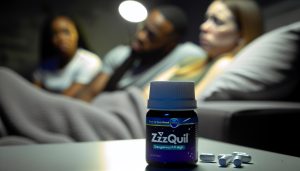
In recent years, the misuse of prescription medications has become a significant public health concern, particularly with substances like Xanax (alprazolam). Many individuals may wonder about the dangers of injecting Xanax, a practice that can lead to severe health complications and even fatal outcomes. Understanding this topic is crucial, as it not only addresses the risks associated with abuse but also emphasizes the importance of proper medication use. This article delves into the deadly precautions related to such practices, aiming to equip readers with knowledge to make informed choices about their health. By recognizing the potential pitfalls, you can protect yourself or a loved one from the devastating consequences of opioid misuse and addiction, leading to safer, healthier lives. Keep reading to discover essential insights and practical advice on this critical issue.
Understanding Xanax: What You Need to Know
Xanax, a widely prescribed medication for anxiety and panic disorders, belongs to the benzodiazepine class of drugs. It works by enhancing the effects of a neurotransmitter called gamma-aminobutyric acid (GABA), which promotes feelings of calm and relaxation. However, the appeal of Xanax is not without its dangers, particularly when misused. Many people wonder about the risks associated with shooting Xanax, or injecting it, and whether this route of administration is safer or yields a greater effect than taking it orally.
Shooting Xanax can dramatically increase the potential for addiction and overdose. When injected, the drug enters the bloodstream rapidly, leading to an immediate and intense effect, which many users mistakenly equate with a safer high. In reality, this method can lead to severe health complications, including respiratory depression, cardiovascular issues, and even death, especially when mixed with other substances like alcohol or opioids. The physical act of injecting itself can also introduce infections, vein damage, and other serious complications. Users may not realize that the formulation of Xanax pills is not designed for injection, leading to blockages and other medical emergencies.
When dealing with benzodiazepines like Xanax, it’s essential to understand that frequent misuse can spiral quickly into addiction. Experiencing withdrawal symptoms after reducing dosage or discontinuing use is often a clear sign of addiction. Mixed substance use is common among those addicted to Xanax, which only exacerbates the risks and complicates recovery efforts. For individuals struggling with Xanax use, reaching out for professional help is crucial. Medical professionals can provide tailored support and recovery plans that prioritize safety and individual health needs.
In summary, understanding the implications of Xanax use-especially the dangerous method of injection-is vital for anyone considering its use. Prioritizing reliable information and professional advice can foster a safer approach to managing anxiety and related conditions. Always consult healthcare providers for personalized recommendations on medication and treatment options.
The Dangers of Shooting Xanax: A Critical Overview
Shooting Xanax may seem like a shortcut to quickly achieve its calming effects, but this dangerous practice comes with myriad risks, far outweighing any perceived benefits. When injected, alprazolam (the active ingredient in Xanax) bypasses the body’s natural barriers, sending the substance directly into the bloodstream. This results in an immediate and intense effect, which can lead users to believe it is a safer method of consumption. However, the truth is that the method of injection significantly increases the likelihood of severe health complications, addiction, and overdose.
One of the most alarming dangers of injecting Xanax lies in the potential for respiratory depression, a condition where breathing becomes dangerously slow or shallow. This can lead to hypoxia, a lack of oxygen in the body, resulting in irreversible brain damage or death. Moreover, the combination of Xanax with other depressants, such as alcohol or opioids, can dramatically heighten these risks. Mixing substances can create a synergistic effect, leading to unanticipated levels of sedation and increasing the chances of overdose. Users are often unaware of the dangers that lurk in this combination, making education about these risks vital.
In addition to systemic dangers, the act of shooting Xanax presents local health risks, including infections at the injection site and potential damage to veins. The pills are not formulated for injection, leading to the risk of blockages and complications such as abscesses or thrombosis. These adverse effects can escalate into serious medical emergencies that may require surgical intervention. It’s essential to realize that the pursuit of a more potent high can lead to a cycle of physical and psychological dependence, where users find themselves needing to inject increasingly larger amounts to achieve the same effects.
Understanding these dangers is crucial for anyone considering shooting Xanax or struggling with substance use issues. Seeking help from healthcare professionals for addiction treatment can not only assist in safely managing usage but also provide access to resources for recovery and support. Knowledge is key, and empowering oneself with reliable information can foster healthier choices and a path to recovery. Always consult with a healthcare provider for personalized medical advice and treatment options tailored to individual health needs.
How Xanax Affects the Body When Injected
Injecting Xanax may seem like a quick way to experience its calming effects, but the consequences on the body are severe and multifaceted. When alprazolam is injected, it bypasses the digestive system and enters the bloodstream immediately, resulting in a surge of the drug that can trigger intense sedation within moments. This rapid onset drastically alters how the body processes the medication compared to traditional ingestion methods. Users may find this immediate effect appealing; however, it comes with an elevated risk of adverse reactions, including respiratory depression, a condition where breathing slows to a dangerous level.
The physiological effects of injected Xanax can also lead to profound disruptions in other bodily systems. Due to its potent sedative properties, the central nervous system is heavily impacted, which raises the likelihood of confusion, dizziness, and even loss of consciousness. Furthermore, the combination of Xanax with other substances, especially depressants like alcohol or opioids, can exacerbate these effects. The synergistic relationship between these drugs can lead to severe respiratory complications, as the cumulative depressant effect can suppress the body’s natural drive to breathe.
Moreover, there are significant local health risks associated with the act of injecting Xanax. Unlike medications specifically designed for injection, Xanax tablets contain binders and fillers that can cause blockages when injected. This can lead to serious issues such as vein damage, abscesses, or infections at the injection site, which might require surgical intervention if not treated promptly. The consequences of such infections can include systemic infections like sepsis, further complicating an already precarious situation.
It’s essential for anyone considering this route of administration to be fully informed about the dangers involved. Seeking guidance from healthcare professionals can be invaluable, as they can provide information about safer treatment options and effective strategies for dealing with substance use issues. Understanding the real consequences helps individuals make more informed decisions about their health and wellness. Always prioritize talking to a healthcare provider for personal medical advice tailored to your situation.
Potential Risks and Consequences of Shooting Xanax
Injecting Xanax, or alprazolam, can lead to dire consequences, not only for the immediate health of the user but also for their long-term wellness. The allure of rapid relief from anxiety or panic symptoms can overshadow the severe risks associated with this method of administration. When Xanax is injected, it circumvents the body’s digestive system, causing a swift surge of the drug into the bloodstream that can overwhelm the central nervous system. This often results in profound sedation, but it also increases the risk of life-threatening conditions like respiratory depression-a serious complication where breathing becomes dangerously slow or stops altogether.
The combination of Xanax with other depressants, such as alcohol or opioids, compounds these risks, leading to potentially fatal outcomes. The synergistic effects of mixing these substances can significantly heighten the likelihood of severe respiratory issues and overdose. Adding to the danger, Xanax tablets contain various fillers and binders that can cause physical harm when injected, including vessel damage, localized infections, and even the risk of developing serious conditions like sepsis if infections spread.
Moreover, the act of injecting itself poses unique challenges. Users may not always follow safe needle practices, risking the transmission of bloodborne pathogens such as HIV or hepatitis. This behavior can lead to a host of additional health problems that complicate recovery and treatment. Being aware of these risks is crucial, as knowledge is the first step towards making safer choices regarding medication use.
To mitigate these dangers, it’s essential that anyone considering this method of administration consults healthcare professionals. Medical providers can offer guidance on safer alternatives for managing anxiety and provide resources for those struggling with substance use disorders. Engaging with a supportive community and accessing proper medical care are key steps in navigating the complex landscape of prescription medication use and addiction recovery. Always prioritize your health by seeking professional advice tailored to your specific needs.
Recognizing the Signs of Xanax Abuse and Addiction

is crucial for early intervention and effective treatment. Xanax (alprazolam), a prescription benzodiazepine, is often prescribed for anxiety and panic disorders. However, its potential for misuse is significant, particularly when used outside of prescribed guidelines. Understanding the behavioral and physical indicators of addiction can empower you or your loved ones to seek help promptly.
Individuals struggling with Xanax addiction may display a range of behavioral changes. These can include a marked increase in secrecy, withdrawal from social activities, and a preoccupation with obtaining more of the medication. Additionally, users may exhibit risk-taking behaviors, such as using Xanax in conjunction with other drugs or alcohol, which can heighten the risk of overdose. Emotional symptoms can also be present; those abusing Xanax may experience increased anxiety, irritability, or mood swings, contrasting sharply with their prior demeanor.
Physical signs of Xanax misuse can be just as telling. Users may show noticeable changes in their appearance, including weight loss or neglect of personal hygiene. There may also be signs of physical dependence, such as withdrawal symptoms when the drug is not taken, including insomnia, tremors, or seizures. Recognizing these signs early can be vital for addressing the issue before it escalates into a more severe addiction.
Taking Action
If you or someone you know exhibits these signs, it is essential to take action. Reach out to a healthcare professional who can provide guidance and support tailored to the individual’s needs. Engaging in an open conversation about concerns surrounding Xanax use can be the first step towards recovery. Remember, seeking help is a sign of strength, and recovery is possible with the right resources and support systems in place.
Alternatives to Xanax: Safer Treatment Options

Anxiety management is crucial for many individuals, yet the risks associated with benzodiazepines like Xanax (alprazolam) have led to increased interest in alternative treatments. While Xanax can provide quick relief, its potential for addiction and misuse raises significant concerns. Fortunately, several non-addictive options are available that can help alleviate anxiety without the dangers that come with injecting or misusing prescription medications.
Effective Alternatives
Among the most commonly recommended alternatives are selective serotonin reuptake inhibitors (SSRIs) and serotonin norepinephrine reuptake inhibitors (SNRIs). Medications such as sertraline (Zoloft) and escitalopram (Lexapro) not only reduce anxiety but also have a lower risk of addiction compared to benzodiazepines. These medications work by increasing the levels of serotonin in the brain, leading to improved mood and anxiety relief over time. Other options include buspirone, a non-benzodiazepine anxiolytic that can effectively manage anxiety without the potential for dependency.
Additional Non-Drug Options
Beyond medications, several non-drug therapies can complement pharmaceutical treatments. These may include:
- Cognitive Behavioral Therapy (CBT): This type of psychotherapy focuses on changing negative thought patterns that contribute to anxiety.
- Mindfulness and Stress Management Techniques: Practices such as meditation, yoga, and deep-breathing exercises can help mitigate anxiety symptoms.
- Support Groups: Connecting with others who understand your experiences can provide emotional support and coping strategies.
By exploring these non-addictive alternatives, individuals suffering from anxiety can find effective ways to manage their symptoms safely. It is essential to consult with a healthcare professional to determine the most suitable treatment based on individual needs and medical history, ensuring a personalized approach to anxiety management that minimizes risks associated with substance misuse.
The Importance of Medical Supervision in Medication Use

Medical supervision in medication use is paramount, especially when it involves powerful substances like Xanax (alprazolam). The administration of Xanax requires careful evaluation and oversight due to its potential for dependence, withdrawal symptoms, and the risks associated with misuse-particularly through non-prescribed methods such as injection. A healthcare professional not only assesses the appropriateness of the medication for an individual’s unique medical history and anxiety profile but also monitors the therapy’s efficacy and safety throughout the treatment process.
When Xanax is misused or taken outside of prescribed guidelines, the potential for adverse effects-including overdose-is significantly heightened. Integrous guidance from healthcare providers ensures that patients are educated about both the benefits and risks associated with their medications, including proper usage methods. For example, a doctor can provide crucial advice on tapering doses to avoid withdrawal while managing the underlying anxiety disorder effectively. Moreover, routine follow-ups allow for the identification of any developing addiction or abuse issues early on, which can lead to timely interventions.
Collaboration with medical professionals also extends to discussions about alternative treatments. By engaging in open conversations with a healthcare provider about other potential therapies-such as cognitive-behavioral therapy (CBT) or non-benzodiazepine anxiety medications-individuals can explore safer options that align with their health goals. Patients are encouraged to voice concerns regarding their treatment plan, establishing a partnership that empowers them in their recovery journey. Reliable medical supervision becomes a safeguard not only for effective treatment but also for the overall well-being and safety of individuals grappling with anxiety.
In conclusion, anyone taking medications like Xanax should recognize the critical role that healthcare professionals play in their treatment. Not only does this oversight promote safe practices, but it also fosters a supportive environment that enhances recovery and reduces the risk of substance dependency. Always consult a medical professional to discuss any concerns or questions about medication use, ensuring a well-informed and health-focused approach.
How to Seek Help for Substance Abuse Issues
When grappling with substance abuse issues, recognizing the need for help is a crucial first step on the path to recovery. Many individuals struggling with addiction feel overwhelmed, lost, or uncertain about how to reach out for support. However, seeking help can dramatically improve one’s chances of overcoming addiction and reclaiming a healthier, fulfilling life. The journey toward healing often begins with understanding available resources and options.
One effective way to seek help is by contacting addiction hotlines or helplines dedicated to substance abuse, including those specific to Xanax. These confidential resources are staffed by trained professionals who can provide immediate assistance, guidance, and a listening ear. They often help you assess your situation, discuss your concerns, and outline possible treatment options. National helplines offer free services, ensuring that individuals can access help without financial burden. For example, if you or someone you love is struggling with Xanax addiction, contacting a specialized hotline can be a vital lifeline, offering insights into personalized treatment plans and next steps for recovery.
In addition to hotlines, consider exploring local treatment centers, counseling services, and support groups. Many communities have resources tailored specifically for substance abuse recovery, providing both medical intervention and emotional support. Support groups, such as Narcotics Anonymous (NA) or Alcoholics Anonymous (AA), create a safe space for individuals to share experiences, build connections, and gain encouragement from others on similar paths. Therapy options may include cognitive-behavioral therapy (CBT) or holistic approaches that address the physical, emotional, and psychological aspects of addiction.
To facilitate the process of seeking help, it is beneficial to prepare a list of questions or concerns you may wish to address during initial consultations or meetings. Topics might include treatment approaches, expected outcomes, and support systems available during and after your recovery. This preparation not only empowers you but also aids healthcare professionals in providing the most suitable advice and intervention.
Ultimately, confronting substance abuse requires courage and a proactive approach to seeking help. By taking advantage of available resources and support systems, individuals can navigate the path to recovery with greater clarity and confidence, fostering an environment conducive to lasting change. Always remember that reaching out for help is a sign of strength, and you do not have to face this challenge alone.
Navigating Recovery: Resources and Support for Users
Navigating the journey of recovery from Xanax addiction can be daunting, yet countless resources and support systems are available to guide individuals toward a healthier life. One pivotal aspect of recovery is connecting with the right supports that address both the physical and emotional challenges of substance use. Understanding where to turn for help can empower users to reclaim their lives and foster lasting change.
Utilizing national helplines can be an excellent first step. These confidential services are staffed by professionals trained in addiction recovery, ready to provide immediate support and guidance. They can assess individual needs, help create personalized treatment plans, and connect users to local resources. Additionally, many communities offer ongoing support through treatment centers that specialize in Xanax addiction. These facilities often employ a multidisciplinary approach, incorporating medical detox, therapy, and aftercare to support sustained recovery.
Support Groups and Therapy
Support groups such as Narcotics Anonymous (NA) offer a safe and understanding environment where individuals can share their experiences and challenges. These gatherings are valuable for fostering community and accountability among peers who understand the struggle. Furthermore, therapy options like cognitive-behavioral therapy (CBT) can help users address underlying psychological issues contributing to their addiction. By reworking negative thought patterns and behaviors, individuals can develop healthier coping mechanisms.
Combining these resources creates a robust framework for recovery. For example, someone may start by reaching out to a national hotline, transition to a local treatment center for intensive support, and then engage with a support group while continuing therapy. Each step helps build resilience and connects individuals with others on similar journeys, reinforcing the message that they are not alone.
In the recovery journey, having the right tools and support is essential. For those navigating the complexities of Xanax addiction, taking proactive steps-like seeking help, participating in support groups, and engaging in therapeutic practices-can dramatically alter the trajectory of their lives. Always remember, reaching out for help is a powerful act of self-care and strength.
Legal Implications of Xanax Abuse: What to Know
The misuse of Xanax, particularly through methods such as injecting, poses significant legal ramifications that can extend beyond personal health impacts. In many regions, Xanax (alprazolam) is classified as a Schedule IV controlled substance, reflecting its potential for abuse and dependency. This legal status means that possessing Xanax without a valid prescription can lead to serious legal consequences, including fines and imprisonment. Furthermore, if an individual is caught in possession of Xanax used in a manner deemed illegal-such as injecting it-they may face heightened penalties, including charges related to drug trafficking if found with large quantities.
Moreover, the act of shooting Xanax complicates the legal landscape even further. The method itself is indicative of addiction and raises concerns about intent. Law enforcement may interpret injection not only as misuse but as a potential intent to distribute, especially if other paraphernalia is found, which can lead to severe legal action against the individual involved. In cases where Xanax contributes to harm or overdose situations, individuals could also face additional legal ramifications if found negligent or if they fail to report drug-related incidents to authorities.
Understanding these implications is crucial for anyone considering the misuse of Xanax. Legal outcomes can profoundly affect not only personal freedom but also employability, housing opportunities, and familial relationships. Awareness of both state and federal laws regarding controlled substances can guide individuals toward safer choices. Those struggling with substance abuse are encouraged to seek help through local treatment centers or national helplines, providing a pathway to recovery and a better understanding of the legal aspects of their situation. Always consult with legal professionals for advice tailored to individual circumstances, ensuring informed decisions that protect health and well-being.
Preventing Substance Abuse: Strategies for Safety
The alarming rise in substance misuse, particularly with medications like Xanax, underscores the critical need for effective prevention strategies. By understanding the dangers associated with misuse, individuals can take charge of their health and make informed decisions that protect their well-being. Education is perhaps the most powerful tool in prevention; being well-informed about the risks of Xanax abuse, particularly through injection, is essential. Those who know the consequences are better equipped to resist temptations and seek help if needed.
Establishing a supportive environment can significantly aid in preventing substance abuse. Surrounding oneself with positive influences-friends and family who encourage healthy behaviors-can reduce the risk of addiction. Communicating openly about struggles and offering support to others can foster a community of understanding and resilience. Moreover, understanding stress management techniques such as mindfulness, yoga, or physical activity can help individuals cope with anxiety and other triggers without resorting to medication misuse.
Strategies for Safety:
- Education: Attend workshops or seminars about substance abuse; knowledge empowers better decisions.
- Medical Consultation: Always consult with healthcare professionals before changing or stopping medication.
- Intensive Support: Seek out counseling or therapy if struggling with anxiety or feelings that may lead to misuse.
- Mindfulness: Engage in practices that promote mental wellness and resilience against substance misuse.
Through consistent vigilance and support, the risks associated with Xanax misuse can be mitigated. Always prioritize open communication about mental health and substance use, and remember that help is available. If you or someone you know is struggling, do not hesitate to reach out for professional assistance.
Q&A
Q: What happens if you inject Xanax instead of taking it orally?
A: Injecting Xanax can lead to severe health risks, including overdose, infections, and complications from improper administration. Unlike oral use, injecting bypasses the digestive system, rapidly increasing the drug’s effects and potential danger. Always consult a healthcare professional for safe medication practices.
Q: Can shooting Xanax cause long-term health effects?
A: Yes, shooting Xanax can lead to long-term health effects such as cardiovascular issues, vein damage, and dependency. Regular injection alters the way the body processes the drug, escalating risks of chronic health problems. Seeking professional guidance is crucial for safe medication use.
Q: Is it safe to mix Xanax with other substances when injected?
A: No, mixing Xanax with other substances, especially depressants like alcohol, can amplify risks such as respiratory failure and increased overdose potential. Always consult with a healthcare provider before combining any medications or substances.
Q: What should I do if someone overdoses on Xanax?
A: If someone overdoses on Xanax, call emergency services immediately. Provide first aid, if trained, and do not leave the individual alone. Prompt medical intervention is essential to address the life-threatening consequences of an overdose.
Q: What are the signs that someone is abusing Xanax?
A: Signs of Xanax abuse include drowsiness, confusion, mood swings, and withdrawal symptoms when not using the drug. If you suspect someone is abusing Xanax, encourage them to seek professional help. Monitoring behavior changes can be critical for intervention.
Q: Are there safer methods of using Xanax prescribed by doctors?
A: Yes, Xanax should only be used as prescribed by a healthcare professional, typically in oral form. Always discuss any concerns or side effects with your doctor, who can suggest safer alternatives or adjustments to your treatment plan.
Q: What resources are available for Xanax addiction recovery?
A: Numerous resources exist for Xanax addiction recovery, including counseling, support groups, and rehabilitation programs. Websites such as SAMHSA provide information on treatment options, while local health services can guide you toward professional help.
Q: How can I talk to someone about my Xanax abuse issues?
A: When discussing Xanax abuse, approach conversations with honesty and openness. Choose a supportive environment, express your feelings, and consider reaching out to healthcare professionals who can provide guidance and treatment options tailored to your needs.
Closing Remarks
Understanding the potential dangers of misusing Xanax is crucial for your health and safety. If you or someone you know is struggling with anxiety or related conditions, consider seeking professional guidance rather than resorting to risky practices. Explore our related articles on safe medication use and mental health management to empower your decision-making journey.
Don’t hesitate to reach out and share your thoughts or experiences in the comments below; your input can help others in similar situations. Stay informed by signing up for our newsletter, where we provide insights on wellness, natural remedies, and safe practices. Remember, your health is your priority-always consult healthcare professionals for tailored advice. Together, let’s make informed choices for a healthier tomorrow.