Did you know that 40 to 50% of pregnant women experience hair loss at some point during their journey? While hair growth typically increases during pregnancy, hormonal fluctuations and stress can lead to unexpected thinning or shedding. For many, this change can be concerning and impact self-esteem. However, it’s crucial to understand that pregnancy-related hair loss is usually temporary and manageable. This article will explore eight proven methods to help you effectively address hair loss during pregnancy. By understanding the underlying causes and implementing supportive strategies, you can nurture your hair and embrace this unique phase of life with confidence. Join us as we delve into practical solutions that can empower you on your journey to overcoming hair loss during pregnancy.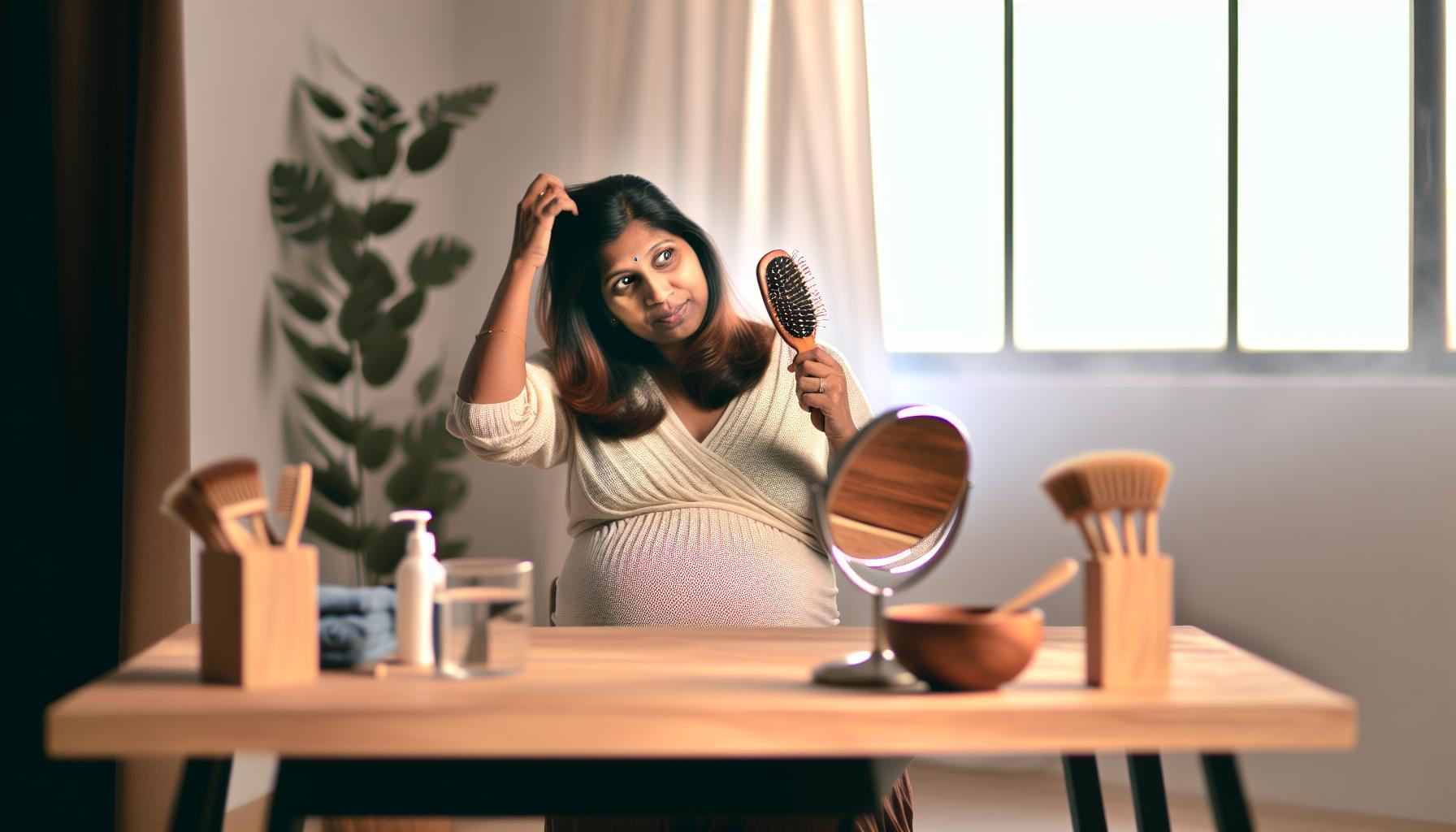
Understanding Hair Loss Causes During Pregnancy
During pregnancy, many women may notice changes in their hair, which can lead to concerns about hair loss. Interestingly, while hair growth often appears to increase due to hormonal shifts, it is common to experience temporary hair loss that can be alarming. The underlying causes of hair loss during pregnancy can be attributed to various factors, primarily hormonal fluctuations, nutritional deficiencies, and changes in hair growth cycles.
One key factor is the body’s response to hormonal changes. The surge in hormones like estrogen during pregnancy can prolong the growth phase of hair follicles, typically causing less hair to shed. However, after delivery, as hormone levels return to normal, many women experience a phenomenon known as telogen effluvium. This condition results in a sudden release of hair that was retained during pregnancy, leading to noticeable hair thinning or loss shortly after childbirth [2].
Nutritional factors also play a critical role in maintaining healthy hair during pregnancy. Deficiencies in key vitamins and minerals such as iron, folate, and biotin can contribute to hair thinning or loss. Therefore, it’s essential for pregnant women to support their hair health through adequate nutrition, ensuring they consume a balanced diet rich in these essential nutrients [3].
In summary, understanding the causes of hair loss during pregnancy involves recognizing the complex interplay of hormonal changes and nutritional needs. It is essential for women to consult healthcare professionals for personalized advice on managing hair health throughout their pregnancy journey. This proactive approach can empower women to take control of their hair health, alleviating worries and fostering a supportive environment for their wellbeing during this transformative time in their lives.
Nutritional Support for Healthy Hair Growth
Maintaining a well-nourished body during pregnancy is crucial not only for the health of the mother but also for the vibrant growth and maintenance of hair. Nutritional support plays a significant role in combating hair loss, ensuring that you’re receiving essential vitamins and minerals that promote healthy hair follicles and growth cycles. A balanced diet can help bridge any nutritional gaps and support the body’s increased demands during this transformative period.
Key nutrients vital for hair health include iron, which is essential for healthy circulation and encourages blood flow to the scalp, and biotin, often called the hair growth vitamin. Folate also contributes to the production of new cells, including hair cells, while omega-3 fatty acids help nourish the hair and support growth from the follicles. To optimize these nutrients, pregnant women should incorporate a variety of food sources into their diet, such as:
- Leafy greens: Spinach and kale are rich in iron and folate.
- Nuts and seeds: Walnuts and flaxseeds provide omega-3 fatty acids.
- Lean proteins: Chicken, fish, and legumes support overall hair growth with necessary amino acids.
- Whole grains: Brown rice and oats are excellent sources of biotin and other B vitamins.
Additionally, staying well-hydrated is paramount, as proper moisture levels in the body can significantly impact hair health. Aim for at least 8-10 glasses of water daily, and consider herbal teas, which can offer hydration along with other benefits.
It’s important for pregnant individuals to remember that while nutrition plays a critical role in hair health, individual needs can vary widely. Therefore, consulting with healthcare professionals, such as registered dietitians or obstetricians, can provide tailored advice and supplementation if needed. They can help establish a personalized nutrition plan that supports both overall health and promotes a lush, healthy mane during pregnancy.
Safe Natural Remedies for Hair Regrowth
Natural remedies can be an effective and safe way for pregnant individuals to promote hair regrowth while navigating the hormonal changes that often accompany pregnancy. With hair loss being a common experience during this time, turning to nature offers a gentle approach that can help stimulate hair health without the risks associated with chemical treatments or medications.
One of the most popular natural remedies is the use of essential oils. Oils such as rosemary, peppermint, and cedarwood have been shown to enhance circulation to the scalp, which may promote healthier hair growth. To use, try creating a simple scalp massage blend by diluting a few drops of essential oil in a carrier oil like coconut or jojoba oil. Massage this mixture gently into the scalp a couple of times a week to encourage blood flow and nourishment to hair follicles.
Additionally, herbal remedies can offer added benefits. Aloe vera, known for its soothing properties, can also help reduce inflammation on the scalp, while its enzymes may promote healthy hair growth. Applying fresh aloe vera gel directly to the scalp and rinsing it off after 30 minutes can provide both hydration and nourishment. Similarly, green tea is rich in antioxidants and may help stimulate hair follicles. Drinking green tea or, for a topical application, applying cooled, brewed green tea directly to the scalp can offer dual benefits for hair health.
For those looking to explore nutrition further, some natural supplements might support overall hair growth. Supplements like saw palmetto and horsetail extract are often cited for their potential to bolster hair strength and stimulate growth. However, it’s crucial to consult a healthcare professional before beginning any new supplement, particularly during pregnancy, to ensure safety and appropriateness for individual health needs.
Incorporating these natural remedies, along with a holistic focus on nourishment, can empower pregnant individuals to take proactive steps in supporting their hair health during a transformative time. Balancing these practices with professional guidance ensures that hair regrowth efforts remain safe and effective.
Effective Hair Care Practices During Pregnancy
During pregnancy, maintaining healthy hair can be a challenge due to the myriad hormonal changes and physical stresses that occur. However, adopting effective hair care practices can significantly improve the condition of your hair and help mitigate any potential loss. Engaging in simple yet impactful routines can keep your locks vibrant and resilient throughout this transformative time.
One essential aspect of hair care during pregnancy is to ensure the right cleansing routine. Opt for a gentle, sulfate-free shampoo that cleanses without stripping natural oils. Look for products enriched with natural oils or botanical extracts, as they provide hydration and nourishment. Follow up with a rich conditioner to keep hair moisturized; focus on the ends, which are often the most prone to damage. It’s advisable to limit washing to every other day, allowing your hair’s natural oils to condition and protect the strands.
In addition to shampooing and conditioning, regular trimming is vital for maintaining hair health. Scheduling a trim every six to eight weeks not only helps eliminate split ends but also improves the overall look and feel of your hair. Another useful practice includes reducing heat styling. Embrace your natural hair texture when possible, and when you do use heat, always apply a protective spray or serum to minimize damage.
Maintaining a balanced diet rich in nutrients is equally crucial. Foods high in proteins, vitamins, and minerals-such as leafy greens, nuts, seeds, and whole grains-support healthy hair growth. Incorporate omega-3 fatty acids found in fish, flaxseeds, and walnuts, which can nourish the scalp and stimulate hair follicles. Staying hydrated is just as important, as water intake affects overall hair moisture and health.
Lastly, being mindful of stress levels can play a significant role in hair health. Activities such as prenatal yoga, meditation, and gentle exercise not only reduce stress but also encourage blood flow to the scalp. Consider engaging in self-care practices that promote relaxation, which can ultimately support stronger, healthier hair.
Implementing these practices can empower you to nurture your hair effectively during pregnancy, supporting both your personal well-being and the health of your growing baby. Remember, though, that individual needs may vary, and consultation with a healthcare professional can provide tailored recommendations for your unique situation.
Hormonal Changes and Their Impact on Hair
During pregnancy, women undergo significant hormonal shifts that can greatly affect hair growth and health. Elevated levels of hormones such as estrogen can lead to a lush mane during the initial phases of pregnancy, as these hormones prolong the growth phase of hair follicles. However, these changes are often temporary; after childbirth, many women experience a sudden drop in estrogen, leading to hair shedding. This phenomenon, known as telogen effluvium, typically occurs around three to six months postpartum, although some women may notice changes in hair health during pregnancy itself.
To understand the impact of hormones on hair, it’s crucial to recognize how they influence the hair growth cycle, which consists of three stages: anagen (growth), catagen (transition), and telogen (resting). During pregnancy, increased estrogen means more hair follicles are in the anagen phase, resulting in thicker hair. Unfortunately, this is often followed by a rapid transition to the telogen phase after delivery, causing a shock in the system that leads to noticeable hair loss.
Another factor tied to hormonal fluctuations is the effect of progesterone, which can alter oil production in the scalp. An increase in sebum may lead to a greasy feeling, but for some women, it can also lead to less frizz and enhanced shine, making hair appear healthier. Yet, this balance is delicate-if the scalp becomes overly oily, it could contribute to issues like dandruff, which may exacerbate hair loss or thinning.
To maintain healthy hair during this time, it’s advisable to adopt a gentle hair care regimen that includes using sulfate-free shampoos and avoiding harsh chemical treatments. Incorporating a balanced diet rich in proteins, vitamins, and essential fatty acids will also support hair health by providing the necessary nutrients for optimal follicle function. Staying mindful of stress levels is equally important, as stress can further derail hormonal balance and impact hair growth. Engaging in relaxation techniques such as prenatal yoga or meditation can promote overall wellness and potentially ease hair loss linked to hormonal changes. Remember, individual experiences may vary, so consulting with a healthcare professional for personalized recommendations is essential.
The Role of Supplements in Hair Health
Certain dietary supplements can play a pivotal role in maintaining hair health, particularly during pregnancy when nutrient needs change significantly. Ensuring adequate intake of specific vitamins and minerals can help counteract potential hair loss and support overall hair vitality. For instance, iron, a critical mineral that supports oxygen transport in the blood, is essential for nutrient delivery to hair follicles. Low iron levels, which can occur during pregnancy due to increased blood volume needs, may lead to increased hair shedding.
Another vital player is biotin, a B vitamin that supports healthy hair structure and growth. Biotin deficiency can manifest in brittle hair and thinning, so many prenatal vitamins include this nutrient. Additionally, vitamin D is crucial for hair follicle cycling. Research suggests that higher levels of vitamin D may contribute to the initiation of new hair follicles, so ensuring adequate exposure to sunlight or considering a supplement can be beneficial, especially in regions with limited sunlight.
Taking a holistic approach to hair health means recognizing the synergy between various nutrients. For example, combining zinc with omega-3 fatty acids from fish oil supplements can provide anti-inflammatory benefits, which may contribute to healthier scalp conditions, ultimately promoting hair growth. Foods such as flaxseeds, walnuts, and fatty fish are excellent sources of these essential fatty acids.
It’s important to remember, however, that while supplements can support hair health, they shouldn’t replace a balanced diet. Consulting healthcare professionals before starting any supplementation is crucial, especially during pregnancy, to tailor approaches based on individual health status and needs. Regular blood tests may help identify deficiencies and guide appropriate supplement use, making it a safer and more effective strategy for combating hair loss.
Stress Management Techniques to Support Hair
Experiencing hair loss during pregnancy can be disheartening, and it’s essential to recognize that stress can significantly exacerbate this issue. Managing stress effectively not only supports overall well-being but can also promote healthier hair growth during this pivotal time. By adopting practical stress management techniques, pregnant women can enhance their emotional resilience and potentially mitigate hair loss.
Engaging in regular physical activity is a powerful way to manage stress. Whether it’s a gentle walk, prenatal yoga, or swimming, exercise releases endorphins, known as the body’s natural stress relievers. Aim for at least 30 minutes of moderate exercise most days of the week, as it benefits both mental health and physical well-being. Additionally, consider incorporating breathing exercises or mindfulness meditation into your daily routine. Taking just a few minutes to focus on your breath can reduce anxiety and foster a sense of calm.
Establishing a supportive social network is another critical element. Surround yourself with friends and loved ones who encourage and uplift you. Sharing your concerns and experiences with others can provide relief and foster connections that ease stress. Participating in prenatal classes not only enhances your knowledge about pregnancy and childbirth but also introduces you to other expecting mothers, creating a community that understands your journey.
Lastly, ensuring adequate rest and sleep is vital in managing stress levels. Prioritize your sleep by developing a calming bedtime routine-consider reading, taking a warm bath, or practicing relaxation techniques before bed. Limit screen time in the hour leading up to sleep, as this can disrupt your natural circadian rhythm and lead to increased stress and fatigue. By recognizing the interconnectedness of stress and hair health, you can take meaningful steps to foster a positive mindset throughout your pregnancy journey.
When to Consult a Healthcare Professional
Acknowledging when to seek medical advice is crucial, especially during pregnancy, when physical and emotional changes can be overwhelming. If you’re experiencing hair loss, it’s important to distinguish between what’s considered normal and when it may require professional intervention. While some hair thinning is common due to hormonal changes, particularly in the postpartum phase, excessive or sudden hair loss may indicate an underlying issue that should be addressed.
Consult a healthcare professional if you notice any of the following signs:
- Sudden Hair Loss: If you’re experiencing rapid or localized hair loss, it could be a sign of a more serious condition, such as alopecia areata or thyroid disorders.
- Patchy Areas: The occurrence of bald patches or thinning areas not attributed to normal pregnancy changes should prompt a medical consultation.
- Scalp or Skin Changes: If you notice changes to your scalp, such as redness, itching, or scaling, these could signal skin conditions that require treatment.
- Nutritional Deficiencies: If you suspect your hair loss may be linked to dietary inadequacies, consult a healthcare provider to evaluate your nutritional intake and consider testing for deficiencies.
- Emotional Distress: If hair loss is severely impacting your self-esteem or mental health, discussing these feelings with a professional can provide both support and practical solutions.
Your healthcare provider can perform assessments to determine the cause of your hair loss and recommend a course of action tailored to your individual needs. This may include lifestyle changes, nutritional guidance, or, if necessary, treatments that are safe during pregnancy. Remember, while seeking advice online can be helpful, personal medical decisions should always be grounded in professional healthcare consultations. Taking proactive steps to understand and address your health can ultimately lead to both improved well-being and hair health during your pregnancy journey.
FAQ
Q: What are the common causes of hair loss during pregnancy?
A: Hair loss during pregnancy can be caused by hormonal changes, nutritional deficiencies, and physical stress on the body. Increased hormone levels may initially thicken hair, but postpartum fluctuations often lead to noticeable hair thinning once levels stabilize. Consult your healthcare provider for personalized insights.
Q: How can I improve my hair health during pregnancy?
A: To improve hair health during pregnancy, focus on a balanced diet rich in vitamins A, C, D, E, zinc, and omega-3 fatty acids. Regular scalp massages can also stimulate blood circulation. Ensure adequate hydration and consider incorporating prenatal vitamins after consulting your doctor.
Q: Are there safe hair treatments during pregnancy?
A: Yes, safe hair treatments during pregnancy include using mild shampoos, avoiding harsh chemicals, and opting for natural hair masks. Consult your healthcare provider before trying any new haircare products or treatments to ensure they’re safe for you and your baby.
Q: When does hair loss typically occur during and after pregnancy?
A: Hair loss can occur during pregnancy, but it’s most common postpartum due to hormonal shifts returning to pre-pregnancy levels. This shedding is often temporary, with many women seeing regrowth within six to twelve months.
Q: What lifestyle changes can help manage hair loss during pregnancy?
A: To manage hair loss during pregnancy, adopt a stress-reducing routine, such as prenatal yoga or meditation. Prioritize sleep and hydration, and maintain a balanced diet to support overall health and promote hair strength.
Q: How can stress affect hair growth during pregnancy?
A: Stress can significantly impact hair growth during pregnancy by triggering hormonal fluctuations that may lead to hair thinning. Implement stress management techniques, such as mindfulness, exercise, and adequate rest, to support both your mental health and hair vitality.
Q: Are there specific vitamins that help in reducing hair loss during pregnancy?
A: Essential vitamins for reducing hair loss during pregnancy include biotin, vitamins B6 and B12, folate, and iron. These nutrients support healthy hair growth. Always discuss with your healthcare provider before adding supplements to ensure safety and proper dosage.
Q: When should I consult a healthcare professional regarding hair loss during pregnancy?
A: Consult a healthcare professional if you notice significant hair loss, or if it’s accompanied by other symptoms such as scalp irritation or changes in hair texture. Timely advice can help identify underlying issues and ensure your overall health during pregnancy.
For more detailed strategies on overcoming hair loss during pregnancy, navigate to the respective sections of our article on nutritional support and safe natural remedies. Empower yourself with knowledge while ensuring to consult your healthcare provider for tailored advice.
Concluding Remarks
As you navigate the journey of overcoming hair loss during pregnancy, remember that you are not alone, and there are proven methods to help you regain your confidence. From hormonal management to addressing nutrient deficiencies, the strategies outlined can empower you to take control of your hair health. Don’t hesitate to explore our additional resources, such as our articles on postpartum hair recovery and nutritional support during pregnancy, which can further enrich your understanding and approach.
We encourage you to take action today by signing up for our newsletter for personalized tips and insights, or consider consulting a healthcare professional for tailored advice. Your journey toward healthier hair starts now, and we’re here to support you every step of the way. Join the conversation in the comments below-share your experiences or ask questions to connect with others facing similar challenges. Together, let’s tackle hair loss and celebrate the beauty of motherhood!