Many individuals experience delays in their menstrual cycles, which can lead to frustration and uncertainty. Whether you’re dealing with an unexpected late period or simply seeking ways to kickstart your cycle, understanding natural methods to encourage menstruation can be empowering. This guide explores six effective, holistic approaches that may help stimulate your period while emphasizing the importance of listening to your body and consulting with healthcare professionals. By taking charge of your menstrual health, you’ll not only feel more in control but also gain valuable insights into your body’s rhythms. Let’s delve into these natural methods, offering you practical alternatives that align with your wellness goals.
Understanding Your Menstrual Cycle and Natural Methods
Understanding the intricacies of your menstrual cycle can empower you to approach issues such as delayed periods with knowledge and confidence. The menstrual cycle is a natural process that typically lasts around 28 days, though it can vary from 21 to 35 days among different individuals. Each phase of the cycle-menstrual, follicular, ovulation, and luteal-serves a unique purpose influenced by hormonal changes. An understanding of these phases can provide insight into when your period may occur and how to potentially induce it naturally when needed.
Natural methods to encourage the onset of your period are often holistic and involve lifestyle adjustments. Nutrition plays a significant role; incorporating foods rich in vitamin C, such as oranges and strawberries, may help stimulate your body to start bleeding by increasing estrogen levels. Additionally, maintaining a balanced diet with healthy fats, particularly from avocados and nuts, can help regulate hormonal balance. Regular physical activity, such as gentle exercise or yoga, can also promote circulation and balance hormones, potentially encouraging menstrual flow.
Managing stress is another essential aspect of maintaining a healthy menstrual cycle. High levels of stress can disrupt hormonal balance, delaying your period. Techniques like meditation, mindfulness, and relaxation exercises can help alleviate stress, promoting a more regular cycle. Remember that every body is unique, and what works for one person may not work for another; thus, prioritizing self-care and paying attention to how different methods affect you is crucial as you explore natural ways to stimulate your menstrual health. Always consider consulting a healthcare professional for personalized advice tailored to your individual health needs.
6 Natural Ways to Induce Your Period Safely
Understanding how to safely induce your period can be both empowering and relieving, especially when delays leave you feeling uneasy. Here are some effective natural methods you might consider incorporating into your routine to help stimulate menstrual flow.
Eat Foods Rich in Vitamin C
Fruits high in vitamin C, such as oranges, kiwi, and strawberries, can boost estrogen levels and potentially trigger the onset of your period. This vitamin is known for its role in enhancing hormone production, which may help your cycle regulate.
Incorporate Herbal Teas
Certain herbal teas have been traditionally used to promote menstrual health. For instance, ginger tea can improve blood circulation and promote uterine contractions. Another option is cinnamon tea, which not only aids circulation but may also help balance hormones, creating a conducive environment for menstruation [[1](https://www.tuasaude.com/en/teas-for-late-period/)].
Increase Physical Activity
Engaging in regular exercise or physical activities like yoga can enhance blood flow and stimulate hormone production. Activities that promote moving your body can encourage your menstrual cycle to start. Gentle exercises, in particular, can be beneficial as they help keep stress levels down, which is also linked to menstrual regularity.
Manage Stress Levels
High stress can lead to hormonal imbalances that might delay your period. Practicing relaxation techniques such as meditation, deep breathing, or yoga can help manage stress and support a healthier menstrual cycle. By creating a calming routine, you may foster an environment in which your body feels more at ease to initiate menstruation.
Consider Natural Supplements
Some supplements, such as evening primrose oil or chasteberry (vitex), are believed to help regulate the menstrual cycle. They work by influencing hormonal balance, although it’s essential to discuss with a healthcare professional before starting any supplementation to ensure it’s appropriate for your individual health needs.
Maintain Balanced Nutrition
A well-rounded diet not only supports overall health but can also play a vital role in menstrual health. Foods rich in healthy fats (like avocados and nuts) can help regulate hormones, and adequate hydration keeps your bodily functions well-balanced. Removing excessively processed foods and sugar may additionally help prevent hormonal fluctuations.
Remember, while these natural methods can be helpful, always consult with a healthcare professional for personalized advice to ensure that you’re making the best choices for your body and health circumstances. Balancing natural interventions with professional guidance will provide a holistic approach to managing your menstrual health.
Herbal Remedies That May Help Your Menstrual Cycle
Utilizing herbal remedies is a time-honored approach to support menstrual health and encourage the onset of your period. Many women have turned to specific herbs known for their emmenagogue properties-those that stimulate menstrual flow-to help regulate their cycles and bring about a delayed menstruation. These remedies often come in the form of teas, tinctures, or capsules, and can be a natural alternative to medications.
Ginger is one of the most popular herbs for inducing menstruation. Known for its ability to improve blood circulation and reduce inflammation, ginger can be consumed as a tea or added to meals. To make ginger tea, simply steep fresh ginger slices in hot water for several minutes and enjoy it daily leading up to your expected period.
Cinnamon is another powerful herb that not only adds flavor to your dishes but also helps in balancing hormones. This aromatic spice is believed to help regulate menstrual cycles by stimulating the uterus and potentially easing irregularities. You can sprinkle cinnamon on your breakfast, add it to smoothies, or brew it into a tea.
Parsley, often overlooked, is a mild emmenagogue that may help induce a period. Drinking parsley tea is a simple way to incorporate this herb into your routine. To make the tea, steep fresh parsley leaves in boiling water for about 5-10 minutes.
Other herbs like fennel, chasteberry (vitex), and mugwort have also been noted for their ability to support menstrual health. Fennel seeds can be infused into water to create a soothing tea that might help relieve menstrual discomfort and encourage flow. Moreover, chasteberry is well-regarded for its role in restoring hormonal balance and has been used as a traditional remedy for various menstrual irregularities.
When exploring herbal remedies to induce your period, it’s critical to remember that everyone’s body is different. While these natural options may be beneficial, consulting with a healthcare professional prior to incorporating new herbs into your routine is essential. Individual health conditions, potential side effects, and interactions with other medications can impact the efficacy and safety of these natural treatments. Embracing a holistic approach that combines diet, stress management, and professional guidance will lead to more effective menstrual health management.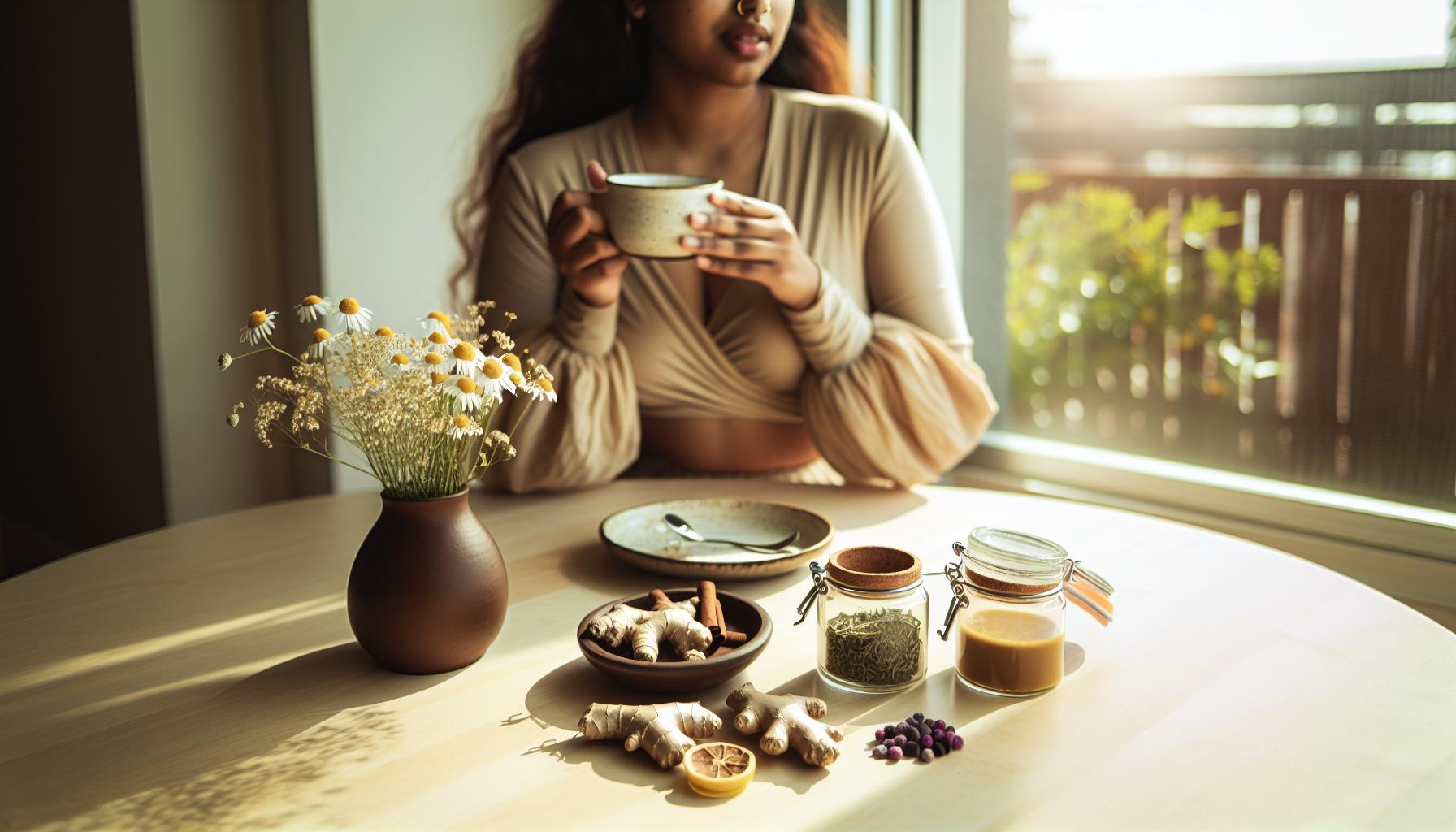
Dietary Changes to Encourage Your Period’s Arrival
Making specific dietary changes can have a significant impact on your menstrual health and may help encourage the onset of your period. Foods rich in certain nutrients not only support your overall reproductive system but also can stimulate hormonal balance and regularity. For instance, incorporating foods high in vitamin C, such as oranges, strawberries, and bell peppers, may stimulate the production of estrogen, which can promote menstruation. Moreover, these foods are also rich in antioxidants, supporting overall health and reducing inflammation.
Another crucial component of a diet that may help prompt your period is healthy fats. Omega-3 fatty acids, found in fatty fish like salmon, walnuts, and flaxseeds, play a vital role in regulating hormones. Consuming these fats can help decrease inflammation and improve hormonal balance. Additionally, whole grains and legumes provide essential fiber and can have a positive effect on blood sugar levels, which is important for maintaining consistent hormonal fluctuations.
You might also want to consider integrating iron-rich foods into your meals, such as spinach, lentils, and red meat. Low iron levels can often lead to irregular periods, so ensuring you get enough of this important mineral can support your menstrual cycle. Pair these iron-rich foods with vitamin C sources to enhance iron absorption-think of a spinach salad topped with strawberries and nuts!
Adopting a balanced diet that includes a variety of these nutrients can create a conducive environment for your menstrual cycle to regulate itself. However, it’s important to approach dietary changes with patience and mindfulness, as everyone’s body responds differently. Always consider consulting with a healthcare professional before making significant changes to your diet, particularly if you’re experiencing menstrual irregularities. They can provide personalized guidance tailored to your individual health needs.
Physical Activities to Stimulate Your Menstrual Flow
Engaging in specific physical activities can be a powerful way to stimulate your menstrual flow and encourage the arrival of your period. Many women find that regular exercise not only boosts their overall health but also helps regulate their cycles. By integrating movement into your routine, you can promote blood circulation and boost hormonal balance, both of which are necessary for a healthy menstrual cycle.
One of the most effective types of exercise to induce menstruation is aerobic activity. Engaging in cardiovascular exercises such as jogging, cycling, or brisk walking can significantly enhance circulation. Aim for at least 30 minutes of moderate aerobic exercise several times a week. Additionally, high-intensity interval training (HIIT) can offer similar benefits, enabling your body to release endorphins and help manage stress-another factor that can disrupt your cycle.
Yoga is another gentle yet effective way to encourage menstrual flow. Certain poses, particularly those that involve inversion or gentle stretching of the lower abdomen, can stimulate the reproductive organs. Consider incorporating poses such as forward bends, twists, and hip openers into your routine. These stretches may enhance blood flow to the pelvic area, potentially stimulating menstruation. Practices like Surya Namaskar (Sun Salutations) can also help in promoting hormonal balance and relaxation, which may alleviate menstrual irregularities.
Finally, remember the importance of listening to your body. While regular physical activity is beneficial, it is crucial not to overexert yourself. Finding a balance between activity and rest is essential for managing your menstrual health effectively. Consulting with a healthcare professional can provide tailored advice based on your individual needs and help you establish a fitness regimen that supports your menstrual cycle optimally.
Managing Stress for a Healthier Cycle
Stress can significantly impact your menstrual cycle, sometimes delaying or disrupting your period. The hormonal fluctuations that accompany stress create an imbalance, affecting the hypothalamus, which regulates the hormones necessary for ovulation and menstruation. Understanding and managing stress effectively can thus play a critical role in promoting a healthier menstrual cycle.
To alleviate stress and foster a regular cycle, incorporating mindfulness techniques can be particularly beneficial. Practices such as meditation, deep breathing exercises, and progressive muscle relaxation help reduce anxiety levels, allowing your body to return to a more balanced state. Consider setting aside a few minutes each day to focus on your breath or engage in guided meditation, which can help clear your mind and promote relaxation.
In addition to mindfulness, physical activity serves as a potent stress reliever. Engaging in aerobic exercises not only raises your heart rate but also promotes the release of endorphins-natural hormones that uplift your mood. Activities like running, cycling, or even a brisk walk in nature can help mitigate feelings of stress while also improving your overall health. Yoga, which combines physical movement with mental focus, can be especially effective; specific poses may enhance circulation, contributing further to menstrual health.
Don’t forget the importance of sleep in managing stress. Lack of adequate rest can exacerbate feelings of anxiety and contribute to hormonal imbalance. Aim for 7-9 hours of quality sleep each night, and establish a calming bedtime routine that may include reading, gentle stretching, or sipping herbal teas.
Being aware of your body’s signals and making proactive choices to manage stress can lead not only to a healthier menstrual cycle but also to enhanced overall well-being. For tailored strategies, consider seeking guidance from healthcare professionals, who can provide personalized advice based on your unique circumstances and health needs.
When to Consult a Healthcare Professional
Many women may experience irregularities in their menstrual cycles, leading them to seek methods to induce their periods faster. While various natural techniques can be beneficial, it is crucial to recognize . Hormonal imbalances, lifestyle factors, and underlying health conditions can all play significant roles in menstrual irregularities. If you find that your cycle is consistently irregular, absent, or accompanied by severe symptoms, it may be time to reach out for expert guidance.
If you experience any of the following situations, it’s advisable to consult a healthcare professional:
Signs to Seek Medical Help
- Persistent Irregularity: If your periods are consistently irregular or absent for several months, it may indicate a hormonal imbalance or another medical condition.
- Severe Pain: Experiencing extreme menstrual pain that interferes with daily activities warrants a professional evaluation to rule out conditions such as endometriosis or fibroids.
- Unusual Symptoms: Symptoms like excessive bleeding, severe cramping, or any unusual discharge should be assessed by a healthcare provider. These can be signs of underlying health issues.
- Unexpected Changes: If you notice significant changes in your cycle after a regular pattern, such as being unable to predict your periods or experiencing drastic changes in mood, it’s essential to seek medical advice.
Understanding your body is essential, and when you notice signs that something may be off, don’t hesitate to consult with a professional. They can provide comprehensive examinations, suggest relevant tests, and offer tailored advice based on your personal health history. Utilizing such resources not only empowers you to take control of your health but ensures that any potential issues are addressed effectively. Remember, maintaining open communication with your healthcare provider can lead to a clearer understanding of your menstrual health and what steps may benefit you best.
Tips for Tracking Your Cycle Effectively
Tracking your menstrual cycle effectively can empower you to understand your body better and manage irregularities or delays. With the right approach, you can uncover patterns that may suggest when your period will arrive, which can be especially helpful when you’re looking to induce it naturally. Here’s how you can optimize your cycle tracking.
Start with a simple calendar or a mobile app specifically designed for menstrual tracking. These tools allow you to log the dates of your periods, along with any other relevant symptoms, such as mood changes, physical discomfort, or lifestyle factors like exercise and nutrition. In doing so, you’ll create a snapshot of your cycle, making it easier to identify any irregularities or patterns over time. Many apps also provide predictive insights about your next period based on your historical data.
To enhance your tracking, consider taking note of your basal body temperature (BBT) and cervical mucus changes throughout your cycle. Your BBT typically rises slightly after ovulation, which can help pinpoint when you are most fertile. Observing changes in cervical mucus-transitioning from sticky and thick to clear and slippery-can also give you clues about your cycle stages. These physical indicators can be incredibly insightful in understanding your personal cycle rhythm.
In addition to logging physical symptoms, it’s vital to reflect on your emotional and mental well-being. Hormonal fluctuations can affect mood, energy levels, and overall emotional state. By noting these changes, you may identify stressors or lifestyle habits that impact your cycle, empowering you to make adjustments for better menstrual health.
Finally, remember that while tracking can be an excellent self-help tool, it does not replace professional medical advice. If you notice persistent irregularities or have concerns about your menstrual health, reaching out to a healthcare professional is always wise. They can help unravel any underlying issues and provide the guidance you need to maintain a healthy menstrual cycle.
Common Myths About Menstrual Induction
Although many people may feel pressured to find quick fixes for irregular periods, several myths circulate about menstrual induction that can mislead and confuse those seeking natural solutions. One common misconception is that certain foods or supplements can instantly trigger menstruation. While some items, like parsley or ginger, are believed to have mild emmenagogue effects-stimulating the uterine muscles-there’s no scientific guarantee that these methods will effectively induce a period for everyone. Individual body chemistry varies significantly, underscoring the importance of understanding that what works for one person may not work for another.
Another myth is the belief that engaging in strenuous exercise will definitively induce a period. While moderate physical activity is beneficial for overall health and can help regulate the menstrual cycle, over-exercising can actually lead to missed periods or amenorrhea. Striking the right balance is crucial; instead of resorting to extreme measures, aiming for regular, moderate workouts is a healthier approach to maintaining your menstrual health.
Additionally, some people believe that menstrual induction techniques can replace medical treatments when in fact, they should not. It’s vital to understand that persistent irregularities in your cycle can signify underlying health issues that require professional evaluation. Relying solely on natural methods without consulting a healthcare provider may lead to overlooking serious concerns. Thus, while exploring natural methods for inducing your period can be part of your toolkit, it’s essential to prioritize your health by consulting professionals when needed.
In conclusion, separating fact from fiction regarding menstrual induction is key to making informed decisions about your reproductive health. Practice healthy habits and stay educated on your body’s needs, but always seek advice from healthcare professionals to ensure you’re taking the right steps for your individual situation.
How Lifestyle Choices Affect Your Menstrual Health
The intricate relationship between lifestyle choices and menstrual health is significant, often influencing the timing and regularity of menstrual cycles. Factors such as diet, physical activity, stress management, and sleep patterns can play pivotal roles in how your body functions and responds to natural cycles. For instance, a diet lacking in essential nutrients can lead to irregular cycles, while particular foods may help support hormonal balance, potentially easing the path toward a timely period.
Dietary Influence on Menstrual Regularity
Nutrition is a cornerstone of menstrual health. Diets high in processed sugars and unhealthy fats may contribute to hormonal imbalances, leading to irregularities in your cycle. Incorporating a variety of whole foods, including fruits, vegetables, whole grains, and healthy fats, can provide the nutrients your body needs to regulate hormones effectively. Certain foods like flaxseeds, which are high in omega-3 fatty acids, can balance estrogen levels and potentially encourage menstrual flow. Additionally, ensuring adequate intake of iron and vitamin B12 can help counteract fatigue often experienced during the menstrual cycle, making you feel more energized and balanced.
Physical Activity and its Impact
Engaging in regular physical activity can be a powerful way to support your menstrual health. Moderate exercise, such as walking, yoga, or swimming, can boost endorphin levels and reduce stress, both of which are beneficial for regulatory processes in your body. Striking the right balance is essential, as excessive exercise can lead to missed periods due to extreme calorie deficits or physical stress. Aim for a routine that includes both cardiovascular and strength-training exercises while allowing time for recovery to maintain optimal cycle health.
Stress Management Techniques
Chronic stress can wreak havoc on your menstrual cycle by disrupting hormone production and leading to irregularities. Implementing stress-reduction strategies such as mindfulness, meditation, or even simple breathing exercises can significantly improve your overall well-being and promote a more regular cycle. Create a personal wellness plan that includes downtime and activities you enjoy, helping to manage stress levels effectively.
By prioritizing these lifestyle factors, you can not only enhance your menstrual health but also establish a stronger connection between your overall well-being and reproductive health. Always keep in mind that while these strategies can be effective, maintaining open communication with healthcare professionals is critical to address any ongoing issues or concerns regarding your menstrual cycle.
FAQ
Q: How can I naturally induce my period?
A: You can naturally induce your period by engaging in regular exercise, managing stress effectively, and incorporating specific dietary changes, such as consuming ginger or vitamin C-rich foods. Additionally, certain herbal remedies may also help stimulate your menstrual cycle.
Q: What home remedies can help bring on my period quickly?
A: Home remedies to induce your period quickly include drinking herbal teas, such as parsley or chamomile, and maintaining a balanced diet rich in nutrients. Staying hydrated and applying heat to your lower abdomen may also promote blood flow and help herald your period.
Q: Does stress affect my menstrual cycle?
A: Yes, stress can significantly affect your menstrual cycle. High levels of stress can lead to hormonal imbalances, which may delay or disrupt your period. Practicing relaxation techniques like deep breathing, yoga, or meditation can help manage stress and promote regular cycles.
Q: What foods should I avoid if I want my period to come?
A: Avoiding excessively processed foods, high-sugar items, and too much caffeine may benefit your menstrual cycle. Instead, focus on whole foods and nutrients that support hormonal balance, such as fruits, vegetables, and healthy fats.
Q: Can exercise help bring on my period?
A: Yes, regular physical activity can help regulate your menstrual cycle. Engaging in moderate exercise, such as brisk walking or yoga, can stimulate hormone production and promote blood flow, potentially inducing your period.
Q: How does hydration affect my menstrual cycle?
A: Staying well-hydrated is essential for overall health and can positively influence your menstrual cycle. Adequate hydration helps maintain hormone balance and supports uterine health, which may aid in the timely onset of your period.
Q: When should I see a doctor about delayed periods?
A: If your period is delayed for more than a week and you experience significant changes in your cycle, it’s best to consult a healthcare professional. Additionally, if you have other concerning symptoms, such as severe pain or unusual discharge, seek medical advice for personalized evaluation.
Q: Do herbal supplements really work to induce menstruation?
A: Some herbal supplements, like ginger, turmeric, and black cohosh, are believed to help induce menstruation, but their efficacy can vary. It’s crucial to consult with a healthcare provider before starting any supplement to ensure it’s safe and appropriate for your situation.
For more detailed insights and tips on menstrual health, feel free to explore the relevant sections in our article. Always remember to consult healthcare professionals for personalized medical advice.
Concluding Remarks
Thank you for exploring our tips on how to make your period come faster using natural methods. Remember, while these strategies can be effective, it’s essential to consult a healthcare professional for personalized advice that considers your unique health needs. If you found this information helpful, consider checking out our articles on natural remedies for menstrual health and nutrition for women’s wellness.
Don’t forget to subscribe to our newsletter for the latest health insights and exclusive content! Your journey towards understanding your body better starts here, so feel free to leave a comment below with your thoughts or questions. Let’s keep the conversation going and empower you to take charge of your health!