Fertility concerns can be a source of stress and uncertainty for many couples hoping to conceive. If you’re exploring natural ways to enhance your reproductive health, the nutrient-rich Maca root may offer promising benefits. Traditionally revered for its ability to boost energy and stamina, Maca is also linked to potential improvements in sexual health and hormonal balance. While scientific evidence is still emerging, many individuals report positive effects on their overall reproductive wellness, making it an intriguing option for those seeking alternative remedies. In this article, we will delve into how Maca roots may help you achieve a fertility boost naturally, empowering you to discover if this ancient superfood could be part of your journey to parenthood.
How Maca Roots Support Natural Fertility Enhancement
Maca root has long been celebrated as a natural remedy for enhancing fertility, and its potential benefits are rooted in both tradition and emerging research. Traditionally, it has been used as an energizing tonic and an aphrodisiac, suggesting that it may be able to positively affect reproductive health in both men and women. This ancient superfood, native to the Andes mountains of Peru, contains a variety of essential nutrients, including vitamins, minerals, and amino acids, that are crucial for overall health and well-being, laying a strong foundation for optimal reproductive function.
Research indicates that maca root may influence various aspects of fertility, particularly in men. Studies suggest that maca can improve sperm parameters, including increasing sperm count, motility, and morphology, which are essential factors in male fertility. Although higher doses, such as 1500 to 3000 mg daily, have been tested in men without significant changes in hormone levels (like testosterone, LH, or FSH), the improvements in sperm quality can still provide a notable impact on fertility outcomes[[1]](https://rscbayarea.com/article/maca-for-fertility/). While the scientific evidence regarding its effects on female fertility is limited, the nutrient density of maca supports overall hormonal balance and reproductive health, potentially benefiting women as well[[2]](https://www.rupahealth.com/post/exploring-the-health-benefits-of-maca-for-enhanced-fertility).
Including maca in a fertility enhancing regimen can be approached in various ways. It can be consumed in its raw powder form, added to smoothies, baked goods, or even integrated into soups. Importantly, the incorporation of maca should complement a balanced diet rich in vegetables, whole grains, healthy fats, and proteins, which collectively contribute to reproductive health. It is always recommended to discuss any new supplement or dietary change with a healthcare provider, especially for those facing fertility challenges, to ensure a personalized approach that considers individual health needs and lifestyle factors.
The Nutritional Profile of Maca Root
Maca root is often hailed as a superfood, and for good reason. This small, radish-like vegetable from the high Andes mountains of Peru boasts a rich nutritional profile that supports overall health and may specifically enhance fertility. Packed with essential vitamins, minerals, and amino acids, maca serves as a natural supplement that nourishes the body and optimizes reproductive function.
The nutritional composition of maca root is truly impressive. It contains:
- Vitamins: Maca is rich in B vitamins, including B1 (thiamine), B2 (riboflavin), B6, and B12, which are crucial for energy production and overall metabolic health. It also offers vitamin C, an important antioxidant that helps protect bodily cells and supports the immune system.
- Minerals: This root vegetable is a source of essential minerals such as iron, calcium, magnesium, and zinc. Iron is vital for oxygen transport in the blood, while zinc plays a significant role in hormone production and regulation, directly impacting fertility.
- Amino Acids: Maca contains all eight essential amino acids, which are the building blocks of proteins that support muscle repair, hormone production, and the synthesis of neurotransmitters, crucial for emotional well-being during fertility journeys.
- Fiber: The dietary fiber in maca aids digestive health and helps maintain stable blood sugar levels, which can be beneficial for hormonal balance.
Moreover, the unique glucosinolates and macamides in maca root have been studied for their potential to enhance energy levels and reduce stress. Stress management is vital for those trying to conceive, as high stress levels can adversely affect fertility. By supporting overall vitality and reducing stress, maca may create a favorable environment for conception.
Incorporating maca into your diet can be both easy and enjoyable. The root can be found in various forms, such as powder, capsules, or extracts, making it versatile for different preferences and lifestyles. Adding maca powder to smoothies, oatmeal, or baked goods can enhance both the flavor and nutritional value of your meals, making it a simple addition to a fertility-focused diet.
Consulting with a healthcare provider before starting any new supplement is essential to ensure it aligns with your individual health needs and fertility goals. Embracing a holistic approach, including a balanced diet alongside maca supplementation, may provide the best support for enhancing natural fertility.
The Science Behind Maca Root and Fertility
The impact of maca root on fertility has garnered significant attention, backed by a growing body of research that explores its potential mechanisms and benefits. One of the most compelling aspects of maca is its ability to enhance reproductive health, which has intrigued both scientists and those on personal fertility journeys. Studies suggest that maca may positively influence various sperm parameters, including motility, count, and morphology, thus presenting it as a natural ally for male fertility. These effects are attributed to maca’s rich nutritional content, which aids in overall vitality.
Numerous studies indicate that maca can help reduce stress levels, an essential component for those trying to conceive. Chronic stress has been shown to negatively affect hormone levels and reproductive capability. By promoting a sense of well-being and reducing anxiety, maca may help create a more conducive hormonal environment for conception. Additionally, the dynamic compounds found in maca, such as macamides and glucosinolates, are thought to contribute to its adaptogenic properties, thus enhancing the body’s resilience during stressful times.
Moreover, research shows that maca can influence hormonal balance not just for men, but also for women. It has been linked to improved ovarian function and menstrual regularity, both crucial for fertility. As maca helps the body achieve a more stable hormonal state, it facilitates optimal reproductive processes. This dual action makes maca a versatile supplement for both partners on the fertility journey, enhancing the likelihood of conception naturally.
While the science surrounding maca root is promising, it is essential for individuals to consider using it as part of a holistic approach to fertility. Combining maca supplementation with a balanced diet, regular physical activity, and stress-management techniques can provide a comprehensive strategy for enhancing fertility. As always, consulting with a healthcare professional is recommended to tailor any supplement approach to individual health needs and fertility goals, ensuring optimal benefits from this remarkable root.
How Maca Root Affects Hormonal Balance
Maca root, often celebrated for its potential health benefits, plays a pivotal role in supporting hormonal balance, particularly vital for fertility. This remarkable tuber, rich in vitamins and minerals, has shown promise in regulating hormonal functions that are integral to reproductive health. What makes maca particularly appealing is its adaptogenic properties, which help the body adapt to stress-an often-overlooked factor that can significantly impact hormone levels.
One of the key components in maca root is its unique blend of compounds, including macamides and glucosinolates, which are thought to influence the endocrine system positively. Research indicates that these compounds may help normalize hormone levels, thereby promoting a more stable environment for the reproductive system to function effectively. For instance, in women, maca can enhance ovarian function and regularize menstrual cycles, both crucial elements for those trying to conceive. Similarly, for men, while studies have shown that maca does not directly boost testosterone levels, it may improve sperm parameters like motility and volume, indirectly supporting fertility through better reproductive function.
Moreover, maca root’s ability to mitigate the effects of chronic stress contributes to its role in enhancing hormonal balance. Stress can lead to an increase in cortisol, a hormone that can disrupt the delicate balance of sex hormones, thereby affecting fertility. By promoting a heightened sense of well-being and reducing anxiety levels, maca helps create a fertility-friendly hormonal environment. This dual action of stabilizing hormonal fluctuations while providing vital nutrients makes maca a valuable addition for individuals on their fertility journey.
When considering the integration of maca into a fertility-enhancing regimen, it is essential to approach it holistically. Engaging in a well-rounded lifestyle that includes a nutritious diet, regular exercise, and appropriate stress management techniques complements the benefits of maca. As always, it’s advisable to consult with a healthcare professional before beginning any new supplement, ensuring that it aligns well with individual health needs and fertility goals. Taking this thoughtful approach allows individuals to harness the full potential of maca root in their quest for enhanced fertility.
Exploring Traditional Uses of Maca for Fertility
In the Andes mountains of Peru, maca has been revered for centuries not only as a nutritious food but also as a potent herb thought to enhance fertility. Traditionally used by indigenous peoples to improve energy levels and sexual endurance, maca root is often referred to as a natural aphrodisiac. The historical context of its use reflects a deep understanding of its potential effects on reproductive health, as even today, many people seek out this root for its purported benefits in fertility.
Maca’s historical applications highlight its reputation as a fertility enhancer. For centuries, Andean farmers relied on maca not just as a food source but also for its ability to promote reproduction in livestock, particularly during breeding season. This agricultural practice laid the groundwork for the perception of maca as a fertility tonic. Folklore suggests that maca can balance hormones, enhance sexual desire, and improve reproductive outcomes, ideals that resonate in modern health trends where natural remedies are sought for fertility support.
While scientific studies are still catching up with the traditional claims, anecdotal evidence from generations of usage cannot be easily dismissed. People incorporating maca into their diets often report increased libido and improved reproductive health. Modern usage typically includes ground maca root added to smoothies, cooked into cereals, or taken as supplements, mirroring historical practices in new forms to cater to contemporary lifestyles.
Though research on human fertility benefits is still evolving, the habitual use of maca in traditional cultures emphasizes its role as a natural ally for those on the fertility journey. For individuals considering maca as part of their fertility regimen, it is prudent to consult healthcare professionals to ensure it fits harmoniously with their overall health plan and goals. Balancing traditional wisdom with scientific inquiry and personal health is key to unlocking the full potential of this ancient root in supporting fertility today.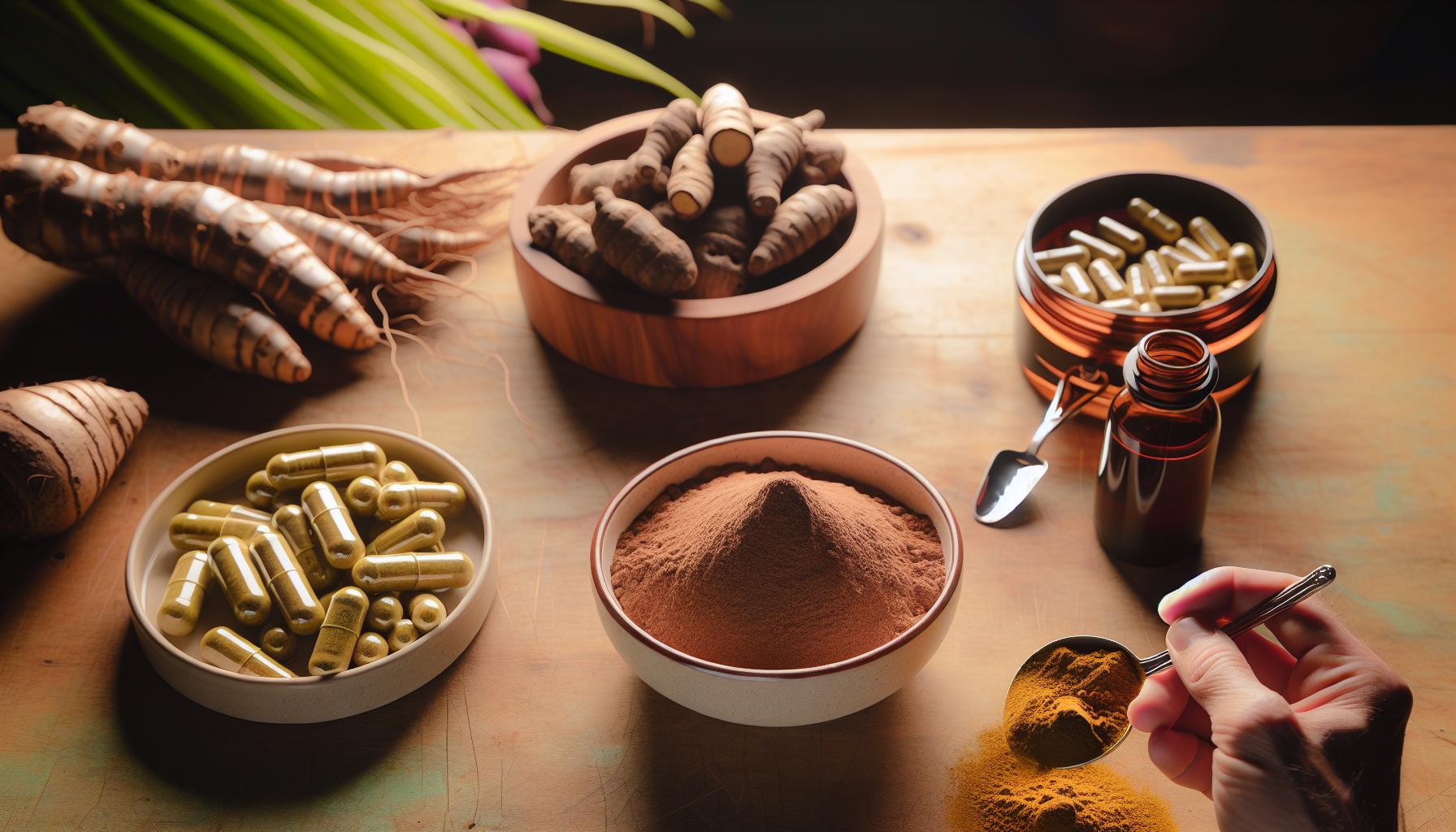
Maca Root in Different Forms: Which is Best?
Maca root is available in several forms, each offering unique benefits that cater to individual preferences and lifestyles. Understanding these different options can help you choose the most suitable way to incorporate this powerful root into your fertility-boosting regimen.
One of the most popular forms of maca is the powdered form, which is often used in smoothies, cereals, or baked goods. This versatile option allows you to easily incorporate maca into your daily meals. For many, using maca powder provides a simple and effective way to enjoy its potential fertility-enhancing properties without much hassle. The taste is often described as earthy and nutty, making it a pleasant addition to various dishes.
Another common option is maca capsules or tablets. This form is ideal for those who prefer a no-fuss solution and want to avoid the taste of maca. Capsules deliver a concentrated dose of the root’s nutrients, which can be particularly beneficial for individuals focused on precise dosage control. Many users appreciate the convenience of capsules, as they can be taken on-the-go without the need for preparation.
For those interested in maca extracts, these products often contain higher concentrations of active compounds compared to the raw or powdered forms. Extracts may be a good choice for individuals looking for targeted effects, as they can be more potent. However, it’s essential to check the product’s formulation and to use extracts as part of a broader approach to wellness, considering other aspects of diet and lifestyle.
Lastly, raw maca is sometimes available. While retaining most of its natural properties, it is crucial to note that the raw form has not been heated. Some practitioners believe that raw maca offers the most potent benefits, but it may not be suitable for everyone due to its potential digestive challenges. Consulting with a healthcare provider can guide you in determining the best form based on your personal health goals and sensitivities.
In choosing the best form of maca, consider factors like convenience, taste preferences, and specific health needs. Regardless of the form you choose, it’s a wise practice to consult with a healthcare professional to ensure that maca is a suitable addition to your fertility journey, validating its benefits within the context of your overall health regimen.
Dosage Recommendations for Fertility Benefits
To effectively harness the potential fertility benefits of maca root, understanding dosage is crucial. Research suggests that a daily intake ranging from 1,500 to 3,000 mg may be beneficial. However, individual responses can vary based on several factors, including health status, lifestyle, and whether one is male or female. Starting with a moderate dose, such as 1,500 mg, can help gauge tolerance before gradually increasing up to the higher end of the spectrum if desired.
Forms and Dosage Considerations
Maca root can be taken in various forms, including powder, capsules, and extracts. Each form has its own recommended dosage, which is important to adhere to for maximum effectiveness:
- Maca Powder: Typically, one to two tablespoons (15-30 grams) daily, mixed into smoothies or meals.
- Maca Capsules: Generally, 1,000 mg to 1,500 mg per capsule, with one to three capsules taken daily, depending on the product.
- Maca Extracts: These are more concentrated, so following the manufacturer’s instructions is key; often, 500 mg to 1,000 mg per day is sufficient.
It’s vital to consult with a healthcare professional before starting any new supplement regimen, especially for those with underlying health conditions, or those who are pregnant or breastfeeding. Monitoring your body’s response to maca is equally important; if any adverse effects occur, adjusting the dosage or discontinuing use may be necessary.
In summary, while many individuals report positive effects of maca on fertility, finding the right dosage for your unique body is essential. Embracing this exploration can lead to a more informed and effective fertility-boosting strategy.
Potential Side Effects and Precautions
There’s a growing interest in maca root as a natural supplement for enhancing fertility, but as with any supplement, it’s vital to understand the associated with its use. While maca is generally considered safe for most individuals, some may experience adverse reactions that warrant attention. Notably, common issues include digestive upset, including bloating, gas, and stomach cramps, particularly when taken in excess or without gradually introducing it into the diet.
For individuals with specific health conditions, such as hormonal imbalances or thyroid disorders, caution is advisable. Maca can have an impact on hormonal levels and may interact with medications or existing health issues. Therefore, before embarking on a maca regimen, it is highly recommended to discuss this with a healthcare provider who can offer personalized advice based on your unique medical history and circumstances.
Moreover, pregnant and breastfeeding women should approach maca with caution. While it’s widely used as a fertility enhancer, the effects of maca during pregnancy and lactation are not well-studied. This uncertainty gives reason to consult a healthcare professional to ensure the safety of both the mother and the child.
It’s also important to highlight that when introducing maca root-or any new supplement-monitoring for any changes or side effects is crucial. Keeping a journal of your experiences can help track how your body responds and inform any necessary adjustments to dosage or even discontinuation. By being well-informed and proactive, you can safely explore the potential benefits of maca root for fertility while safeguarding your health.
Maca Root vs. Other Natural Fertility Remedies
Maca root has gained significant attention as a natural remedy for enhancing fertility, but it’s important to understand how it compares with other popular natural fertility supplements and remedies. One of the standout features of maca is its adaptogenic properties, which help the body manage stress and hormonal balance, factors that are crucial in fertility. This unique characteristic often sets it apart from other remedies that may focus mainly on hormonal augmentation or specific nutritional support.
When comparing maca to other natural fertility enhancers, such as vitex (chaste tree berry) or evening primrose oil, the holistic approach of maca stands out. While vitex is primarily used to regulate menstrual cycles and boost progesterone levels, maca works more broadly by supporting the endocrine system, thereby influencing overall hormonal health. Evening primrose oil is known for its gamma-linolenic acid (GLA) content, which can support cervical mucus production, but it does not have the adaptogenic qualities that maca provides. This means that for individuals dealing with stress or emotional challenges related to fertility, maca might be a more suitable choice.
Another important distinction is the way maca and other remedies impact male fertility. Research indicates that maca can enhance sperm parameters such as count and motility, which is particularly beneficial for men struggling with fertility issues [2]. In contrast, remedies like zinc supplements or coenzyme Q10 have been shown to support male fertility by targeting oxidative stress but may not offer the same broad-spectrum hormonal support. This broad functionality of maca makes it a versatile addition to a fertility-enhancing regimen.
Incorporating maca into a holistic fertility plan along with other natural remedies could yield the best results. A well-rounded approach might involve pairing maca with dietary adjustments, lifestyle changes, and other supplements tailored to individual needs. However, it’s crucial to consult with a healthcare professional to determine the combined effects and appropriate dosages, ensuring that your fertility strategy is both safe and effective. This whirlwind of natural options underscores the importance of personalization in fertility enhancement – what works for one person may not work for another.
Real-life Success Stories: Maca and Fertility
Many individuals and couples seeking to enhance their fertility have found success by incorporating maca root into their wellness routines. Anecdotal evidence and personal testimonies highlight the versatile benefits of this ancient superfood, suggesting that it may play a crucial role in fertility enhancement.
One compelling story comes from a couple who struggled with infertility for several years. After exploring various avenues, they decided to try maca powder, incorporating it into their smoothies each morning. Within a few months, they not only felt an improvement in their energy levels but also noticed positive changes in their reproductive health. The couple attributes their eventual success in conceiving to the holistic support that maca provided, especially in reducing stress levels and enhancing hormonal balance.
In a separate example, a woman shared her journey of being diagnosed with polycystic ovary syndrome (PCOS), which significantly affected her menstrual cycle and fertility. After consulting with a healthcare professional, she began taking maca supplements daily while also making dietary changes. Over time, she noted more regular cycles and increased libido, which she credited to the combination of lifestyle modifications and the adaptogenic properties of maca. This journey led her to conceive naturally after only a few months.
These success stories are not just tales of isolated incidents; they reflect a growing body of shared experiences where maca root contributes positively to fertility. The enthusiasm around these accounts encourages others facing similar challenges to consider natural remedies like maca, emphasizing the importance of individual experiences in navigating the complexities of fertility. However, it’s essential for anyone considering maca as part of their fertility strategy to consult with a healthcare professional to tailor their approach to their specific needs and circumstances.
Incorporating Maca into Your Diet: Tips and Recipes
Incorporating maca root into your daily diet can be a simple yet effective way to boost fertility naturally. Known for its adaptogenic properties and ability to balance hormones, maca is a versatile superfood that can enhance your overall well-being. Here are some practical tips and delicious recipes to seamlessly add maca to your meals, enabling you to reap the potential fertility benefits while enjoying its unique flavor.
Ways to Include Maca in Your Diet
- Smoothies: One of the easiest ways to consume maca is by blending it into your morning smoothie. Combine a banana, a handful of spinach, almond milk, and a tablespoon of maca powder for a nutrient-packed drink.
- Overnight Oats: Mix maca powder into your overnight oats for a nutritious breakfast. Combine rolled oats, chia seeds, almond milk, and a scoop of maca, topped with fruits and nuts.
- Baking: Add maca to your baking recipes. It works well in muffins, pancakes, and energy bars, contributing a subtle nutty flavor while boosting nutritional content.
- Hot Beverages: Stir maca powder into your coffee or hot chocolate. It adds a unique taste and can serve as a delicious pick-me-up.
Simple Maca Recipe Ideas
1. Maca Energy Bites
| Ingredients | Instructions |
|---|---|
| 1 cup dates | Put all ingredients in a food processor and blend until mixed. |
| 1/2 cup nuts (almonds or walnuts) | Form the mixture into small bite-sized balls. |
| 2 tablespoons maca powder | Chill in the fridge for 30 minutes before enjoying. |
| 1 tablespoon coconut oil |
2. Maca Latte
To make a comforting maca latte, mix 1-2 teaspoons of maca powder with a little hot water to form a paste. Then add steamed milk (dairy or plant-based) and sweeten to taste with honey or maple syrup. A sprinkle of cinnamon on top can provide an extra flavor boost.
As you explore incorporating maca into your diet, remember that moderation is key, and consulting with a healthcare professional can help tailor maca use to your individual health needs. By creatively adding this ancient root to your meals, you not only enhance your culinary experience but potentially support your fertility journey too.
Faq
Q: How does maca root improve male fertility?
A: Maca root is known to enhance male fertility by improving sperm quality and increasing sperm count, motility, and morphology. Its adaptogenic properties may also reduce stress, which is beneficial for overall reproductive health [2].
Q: When is the best time to take maca root for fertility benefits?
A: The best time to take maca root for fertility benefits is typically daily, as consistent intake can help balance hormones. Consider integrating it into your morning routine, perhaps mixed into smoothies or cereals for optimum absorption [1].
Q: Can maca root help with hormone regulation?
A: Yes, maca root can assist in hormone regulation by balancing estrogen and testosterone levels, particularly in those experiencing issues with hormonal imbalances, such as women in menopause [1].
Q: What forms of maca root are most effective for enhancing fertility?
A: Maca root is available in various forms, including powder, capsules, and liquid extract. Maca powder is often recommended for culinary use, while capsules offer convenience for consistent dosing [1].
Q: Are there specific dosages of maca root for improving fertility?
A: Dosages for fertility benefits typically range from 1,500 mg to 3,000 mg per day. It’s advisable to start with a lower dose and gradually increase while monitoring your body’s response [1].
Q: Why is maca root considered an adaptogen?
A: Maca root is classified as an adaptogen because it helps the body adapt to stress and promotes overall balance and well-being, which can indirectly support fertility by reducing stress-related hormonal disruptions [2].
Q: How long does it take to see results from taking maca root for fertility?
A: Users often report noticeable benefits within 2 to 3 months of consistent maca intake, although individual responses may vary based on factors like diet and health status [3].
Q: Are there any side effects of maca root for fertility?
A: Generally, maca root is considered safe when taken in recommended amounts. However, some individuals may experience digestive issues or hormonal changes. Consulting a healthcare professional before beginning supplementation is advisable [1].
The Way Forward
Unlock the potential of maca roots for a natural fertility boost by integrating this powerful herbal remedy into your wellness routine. With evidence pointing to maca’s benefits in enhancing sexual health and alleviating stress, there’s no better time to explore how it can support your journey to parenthood. Don’t wait-start incorporating maca into your life today and take a step towards nurturing your fertility.
For more on optimizing your reproductive health, check out our articles on fertility supplements and natural remedies for menopause that can complement your fertility journey. We invite you to subscribe to our newsletter for the latest tips and insights, or connect with a nutritionist for personalized advice tailored to your needs. Ready to explore more? Discover the vast world of holistic health solutions that can empower your wellness journey today!