Navigating the uncertain waters of a potential pregnancy can be both exciting and anxiety-inducing. With commercial pregnancy tests often being expensive and not always accessible, many people are turning to homemade pregnancy tests as a way to find answers in the comfort of their own homes. In this article, we’ll explore five DIY methods that have been reported to work effectively, from sugar and bleach tests to unusual ingredients like toothpaste and hydrogen peroxide. It’s essential to understand that while these methods can provide a preliminary indication, they are not substitutes for professional medical advice or confirmation. We aim to empower you with knowledge, giving you the tools to inquire about your health, but always remember to consult a healthcare provider for personalized guidance and support. Let’s dive into these methods and uncover how they can help you on your journey to understanding your health better.
Homemade Pregnancy Test: Understanding DIY Methods
In a world where instant answers are often at our fingertips, many individuals turn to homemade pregnancy tests as a quick solution to their concerns. These DIY methods often utilize common household items, making them easily accessible. However, it’s essential to understand the science behind these tests and their reliability, as misconceptions can lead to undue stress or false hope.
Homemade pregnancy tests typically rely on the detection of human chorionic gonadotropin (hCG), a hormone produced during pregnancy. While some DIY methods aim to trigger a chemical reaction that signifies a positive result, they do not undergo the rigorous testing that commercial pregnancy tests do. For instance, methods that use shampoo, baking soda, or sugar involve observing reactions that are not scientifically proven to correlate accurately with hCG levels, leading to questions about their validity. As engaging as these methods can be, it’s vital to approach them with caution and a healthy skepticism.
Those exploring these DIY methods may find themselves curious about various approaches, each with its level of anecdotal support. Techniques such as the sugar test or using baking soda involve mixing the substance with urine and watching for specific reactions. From fizzing to color changes, practitioners often seek signs that could indicate pregnancy. Remember, while these experiments can be fun, they should never replace a professional medical assessment. Consulting with healthcare providers remains the most reliable way to confirm pregnancy and get necessary advice for your individual situation.
Ultimately, understanding the limitations of homemade tests and acknowledging their DIY nature can help individuals navigate their reproductive health with more clarity. If a positive result or an unexpected situation arises, visiting a healthcare professional for confirmation and guidance is paramount to ensuring a healthy outcome.
The Science Behind At-Home Pregnancy Testing
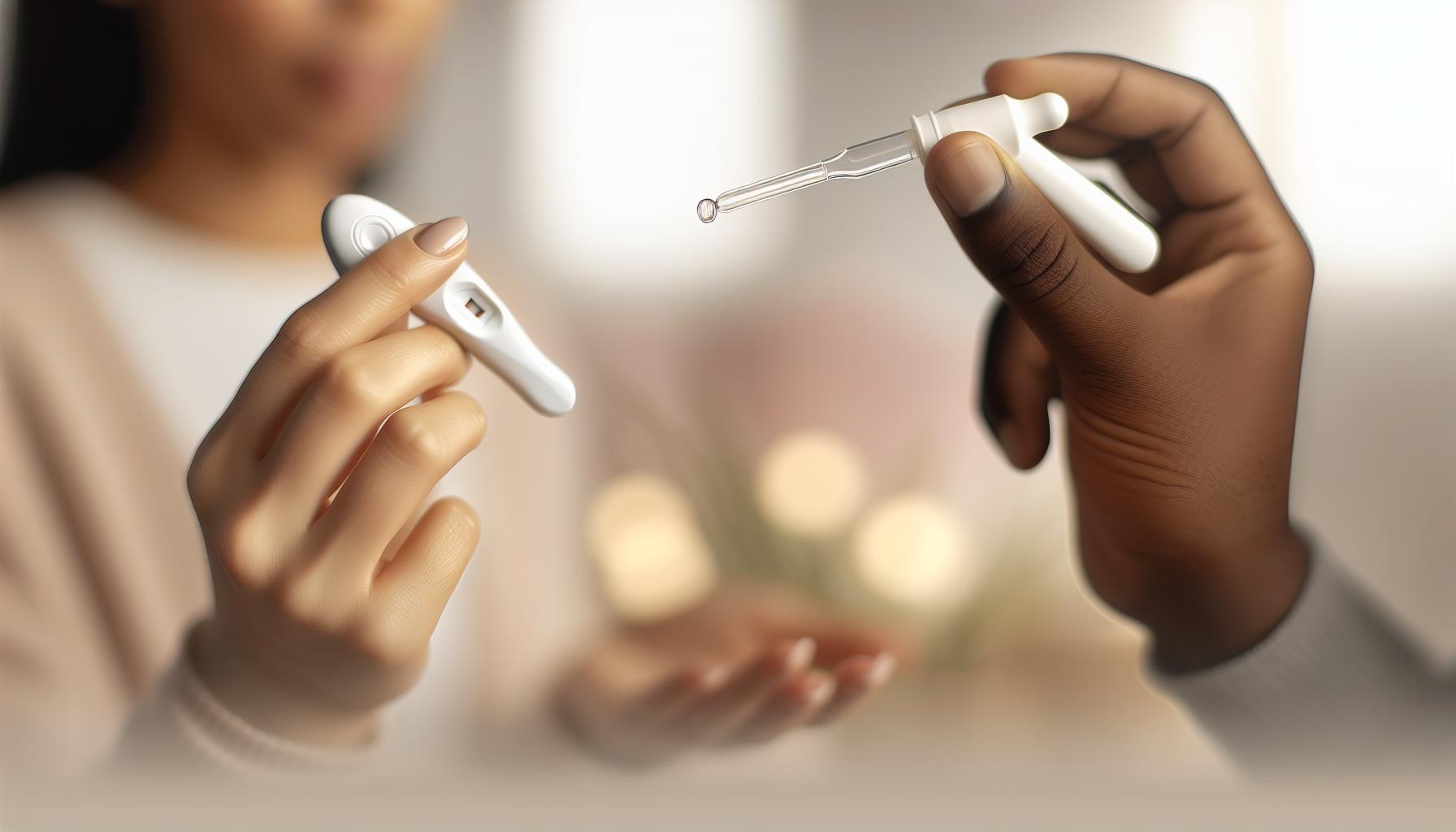
The fascinating field of at-home pregnancy testing draws interest from many who seek immediate answers about their reproductive health. At the core of these DIY methods is the detection of human chorionic gonadotropin (hCG), a hormone produced shortly after a fertilized egg attaches to the uterine wall. In professional pregnancy tests, this hormone’s presence is measured accurately through chemical reactions that depend on specific benchmark levels. However, the science backing homemade tests is not as rigorous, which can lead to uncertainty about their effectiveness and reliability.
Homemade tests often involve mixing urine with common household items, creating reactions that some believe indicate pregnancy. For instance, a sugar test that claims to show positive results if sugar clumps instead of dissolving relies on anecdotal evidence rather than scientific validation. Similarly, vinegar tests have been passed down through generations, offering a highly speculative reaction that purportedly changes color or bubbles if hCG is present. While these tests are intriguing, they lack the controlled clinical conditions necessary to provide trustworthy results alongside the hormonal fluctuations unique to every individual.
Understanding these factors is essential for navigating the realm of homemade pregnancy tests. Although they can serve as a fun experiment or an early indicator of pregnancy, they should not replace the accuracy of commercial tests or a healthcare provider’s diagnosis. If you choose to explore these methods, it’s crucial to remain mindful of their limitations. Proper medical guidance ensures that any decisions regarding your health, pregnancy, or potential health conditions are based on reliable data and tailored advice. Engaging in open discussions with healthcare professionals can help clarify doubts and provide the support needed during this significant life event.
Top 5 Homemade Pregnancy Test Methods

The world of homemade pregnancy tests is filled with intriguing possibilities, appealing to those who seek quick answers with common household items. While these methods are often based on folklore or anecdotal evidence, many still explore them as a fun alternative to commercial tests. Below, we delve into five popular DIY methods that are commonly discussed and offer an insight into their purported effectiveness.
Sugar Test
One of the simplest and most widely known homemade pregnancy tests is the sugar test. To perform this, mix a tablespoon of sugar with a small amount of your urine. If the sugar clumps together rather than dissolving, some interpret this as a sign of pregnancy. While it’s an easy method that requires minimal materials, it’s essential to note that scientific backing for this test is lacking. Clumping could also occur for other reasons such as humidity levels or the quality of the sugar itself, so this test should be taken with caution [[2](https://www.thebump.com/a/homemade-pregnancy-test)].
Baking Soda Test
Another intriguing method involves baking soda. This test proposes mixing a few tablespoons of baking soda with urine. If the mixture fizzes or bubbles, it may suggest a positive result. The theory behind this test lies in the idea that the acidity of the urine might react with the alkaline baking soda, leading to a fizzy reaction. However, like the sugar test, there’s no solid scientific evidence to support its reliability, and results can vary significantly based on individual circumstances [[3](https://timesofindia.indiatimes.com/life-style/parenting/getting-pregnant/simple-homemade-diy-pregnancy-test-to-try/photostory/68167254.cms)].
Vinegar Reaction
The vinegar test is one of the oldest methods passed down through generations. For this test, mix urine with the same amount of vinegar. If a reaction occurs, such as the mixture changing color or bubbling, it is often taken as a positive indication of pregnancy. This method is rooted in the concept that hCG might cause a chemical reaction with vinegar. However, it’s crucial to understand that like other homemade tests, there is little scientific evidence backing this claim, making it a speculative method at best [[1](https://ru.pinterest.com/ideas/homemade-pregnancy-test/917994763366/)].
Dandelion Root Test
Surprisingly, dandelion leaves are sometimes used in DIY pregnancy tests. The process involves soaking dandelion leaves in urine and then waiting for a certain period to see if any red spots appear on the leaves. This unique approach is said to indicate the presence of hCG. Despite its popularity in some circles, there’s no scientific validation for this method, leaving it in the realm of natural remedies rather than an accurate testing method.
Toothpaste Technique
The toothpaste test is another household method gaining traction. To conduct this test, mix a small amount of urine with white toothpaste. If the mixture turns blue within a few minutes, it is often claimed as a positive sign for pregnancy. Theoretically, some believe that hCG interacts with the ingredients in the toothpaste, but this approach suffers from the same reliability issues as others. Individual results may vary widely, and background factors-for instance, different types and brands of toothpaste-could significantly alter outcomes [[3](https://timesofindia.indiatimes.com/life-style/parenting/getting-pregnant/simple-homemade-diy-pregnancy-test-to-try/photostory/68167254.cms)].
While the exploration of these homemade pregnancy tests can be a curious endeavor, they should not replace professional medical advice or accurate commercial pregnancy tests. Being informed means recognizing both the appeal and the limitations of these DIY methods. For the best clarity regarding pregnancy, consulting with a healthcare provider remains the safest and most reliable course of action.
Method 1: Sugar Test – Does It Really Work?

Mixing household ingredients for an at-home pregnancy test can feel like alchemy, but does it really yield reliable results? The sugar test, in particular, draws attention for its simplicity: combine a spoonful of sugar with urine and await the results. Advocates claim that if the sugar clumps together, it indicates pregnancy, ostensibly due to the presence of the hormone hCG (human chorionic gonadotropin) in urine. However, this method raises important questions regarding its effectiveness and accuracy.
While the sugar test is easy and requires only common kitchen staples, it lacks scientific credibility. Factors such as humidity, sugar quality, and even urine composition can affect the reaction, leading to misinterpretations of clumping. Dr. Jordan emphasizes that homemade pregnancy tests, including this one, are not recommended due to the inaccuracy they often produce, making reliance on them a gamble [2].
For those curious about trying the sugar test, it’s crucial to approach it as a fun experiment rather than a definitive diagnosis. The sugar test should not replace commercial pregnancy tests or consultations with healthcare professionals. To ensure health and peace of mind when it comes to questions of pregnancy, it’s advisable to seek a proper medical test or guidance from a trusted provider. Whether you’re exploring natural remedies or simply experimenting with folklore, remember that knowledge is most powerful when paired with professional advice.
Method 2: Baking Soda Test Explained
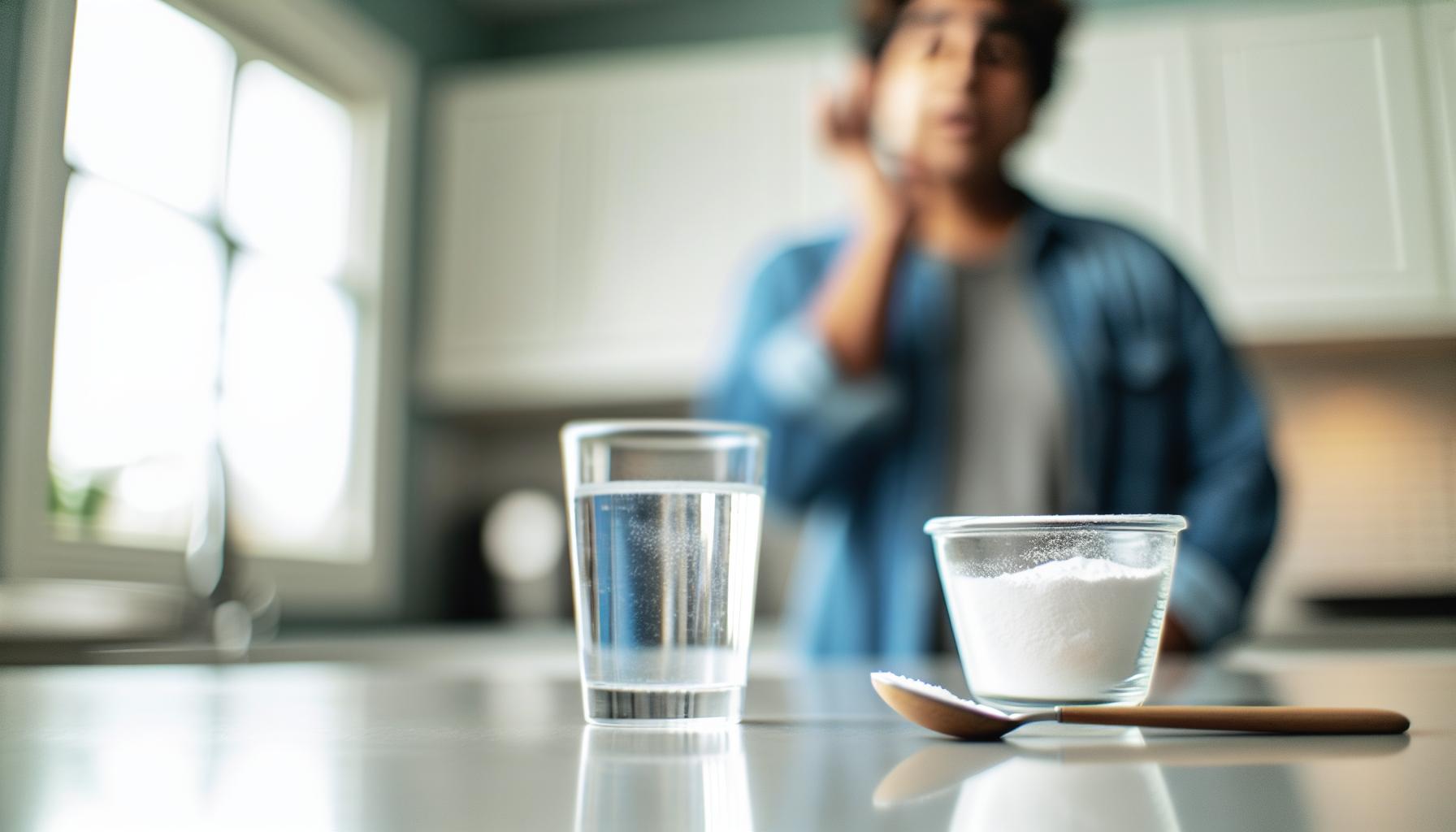
Using baking soda as a homemade pregnancy test is a method that many have turned to out of curiosity, hoping for a simple solution to confirm or deny pregnancy. The basic premise is straightforward: the belief is that if you mix baking soda with urine and it fizzes or bubbles, it may indicate the presence of the pregnancy hormone hCG (human chorionic gonadotropin), which is produced shortly after conception. While this method is intriguing, it is essential to approach it with a critical mindset.
The baking soda test involves pouring a small amount of baking soda into a container that contains urine. If you observe a vigorous fizzing reaction, some claim this indicates pregnancy. However, scientific studies have shown that this DIY method lacks reliability and is not supported by established medical evidence. The reaction can be influenced by various factors, including the acidity of your urine, which can fluctuate based on hydration levels and diet, making the results far from definitive. Experts recommend using this test as a lighthearted experiment rather than a serious diagnostic tool; the most reliable answers regarding pregnancy come from commercial tests that specifically detect hCG levels in the urine.
To ensure safe and empowered decision-making around pregnancy, individuals are encouraged to consult with healthcare providers. Learning about one’s body and seeking clarification through professional channels can provide peace of mind and accurate information. Homemade tests may seem tempting and accessible; however, relying on scientifically proven methods is always the best approach when seeking to understand your health. Always remember, if you suspect you might be pregnant, a visit to a healthcare professional for a clinical test is the most reliable way to confirm your status.
Method 3: Vinegar Reaction – What to Expect
Trying out a vinegar reaction as a homemade pregnancy test is an intriguing experiment that dates back to old folklore. Many claim that mixing white vinegar with a sample of urine can provide insights into whether or not one might be pregnant. The underlying premise is that when the hormone human chorionic gonadotropin (hCG) is present in urine, it will react with vinegar, potentially causing a color change or fizzing effect. However, it’s crucial to understand the science (or lack thereof) behind this method before placing any weight on the results.
To conduct this test, you simply need clear, white vinegar and a fresh urine sample. Pour approximately one cup of vinegar into a clean container, then add a similar amount of urine. Observers of this method often expect to see a fizzing reaction; a bubbling or fizzing sound has traditionally been interpreted as a positive sign. The rationale is that hCG will react with the acetic acid in vinegar. However, it’s important to note that scientific studies have debunked the reliability of this test, emphasizing that any response may be coincidental or caused by other contaminants in the urine.
While some report success with this method, it is essential to underscore that vinegar tests lack scientific validation and should not replace professional testing. False positives or negatives can occur, influenced by various factors such as the concentration of hCG and the chemical composition of the urine. Relying solely on this homemade method could lead to misunderstandings about one’s health status. Realistically, the most consistent way to determine pregnancy is through commercial tests, which are specifically designed to accurately detect hormone levels.
In terms of decision-making regarding potential pregnancy, consulting a healthcare provider remains the best course of action. If you suspect you could be pregnant, a visit to a doctor for a reliable, medically approved test can ease concerns and provide definitive answers. While exploring DIY approaches can be fun and informative, it’s vital to always base health decisions on scientific evidence and professional guidance to ensure safety and well-being.
Method 4: Dandelion Root Test Insights
Dandelion root has long been valued in herbal medicine, not only for its potential health benefits but also for its intriguing role in homemade pregnancy tests. Many individuals seeking alternative methods to detect pregnancy recall folklore claiming that a dandelion root test can indicate the presence of the hormone human chorionic gonadotropin (hCG) in urine. This test is based on the premise that hCG may produce a specific reaction when mixed with dandelion root extract, often thought to manifest as a change in color or the presence of a particular effect on the leaves.
To conduct a dandelion root test, you will need some fresh or dried dandelion roots and a sample of urine. The traditional procedure involves brewing dandelion roots to create a concentrated tea. After the tea cools, add your urine sample to it. Observers anticipate that if hCG is present, the leaves of the dandelion will turn red or develop spots within a few hours. However, like other DIY pregnancy tests, this method lacks rigorous scientific support. The interactions between dandelion components and hCG are not well-studied, meaning any observed color changes could be attributed to factors unrelated to pregnancy.
While many people find the dandelion root test an interesting exploration of herbal lore, it is essential to approach it with caution. Even enthusiastic proponents of this method acknowledge that the dandelion root test is not a reliable or accurate measure of pregnancy. It’s crucial to bear in mind that commercial pregnancy tests undergo validation and provide reliable results based on established protocols for detecting hCG in urine. Thus, while engaging in these traditional practices can be enlightening, it’s wise to follow up with a medical-grade pregnancy test or consult a healthcare professional for an accurate assessment.
Incorporating dandelion into your wellness routine can be beneficial for various other health aspects, such as liver support or as a mild diuretic. However, when it comes to detecting pregnancy, relying solely on herbal remedies may lead to unnecessary confusion and stress. Therefore, understanding the limitations of DIY methods and seeking professional medical advice ensures that you make informed decisions about your health.
Method 5: Toothpaste Technique – Success Stories
The toothpaste pregnancy test has gained attention as a simple and intriguing DIY method to determine pregnancy. This test leverages a chemical reaction between the urine and certain compounds found in toothpaste. Supporters claim that the presence of the pregnancy hormone hCG in urine will cause distinct changes in the toothpaste-such as fizzing or color change-indicating a positive result. This method is easy to conduct, requiring just a small amount of urine and a strip of toothpaste, making it accessible to many.
To perform the toothpaste test, start by collecting your urine sample in a clean container. Then, take a small amount of toothpaste-preferably white and without any additional colorants or properties-and mix it with the urine. Many individuals report waiting a few minutes to observe any reactions, with a fizzing reaction often interpreted as a positive result. However, as with all homemade pregnancy tests, the accuracy and reliability are highly questionable. Anecdotal reports primarily drive success stories, and scientific validation is sorely lacking.
Despite its simplicity, it is essential to approach the toothpaste technique with caution. Although some users have shared positive experiences regarding its effectiveness, reliance on this test alone can lead to unnecessary anxiety or misinformation. It is crucial to keep in mind that only medically approved tests are scientifically validated to detect pregnancy accurately. Hence, if you suspect you may be pregnant, consider following up with a reliable commercially available pregnancy test and consulting a healthcare professional for further guidance.
While exploring various home remedies can be an engaging and educational experience, it’s vital to prioritize accurate and effective methods for health-related inquiries. Empower yourself with knowledge and take proactive measures by consulting with healthcare providers to ensure informed decisions when it comes to your well-being.
Comparing DIY Tests to Commercial Pregnancy Tests
Comparing homemade pregnancy tests to commercial ones reveals a significant disparity in reliability and scientific backing. While DIY methods like the sugar test or vinegar test may provide an entertaining experiment, they lack the accuracy and standardization of commercially available pregnancy tests, which are specifically designed to detect the hormone human chorionic gonadotropin (hCG) found in urine during early pregnancy.
Reliability and Accuracy
Commercial pregnancy tests utilize advanced technology and are subject to rigorous testing for accuracy. These tests can detect even minute levels of hCG, often providing reliable results within days of a missed period. In contrast, DIY methods often rely on chemical reactions that may not consistently react to the presence of hCG. For example, while anecdotal success stories exist, they are not substantiated by scientific evidence, leaving many to question the true effectiveness of these homemade options.
Ease of Use and Convenience
Commercial tests are typically straightforward: you collect urine, dip the test strip, and await the result, often within a few minutes. They are readily available at pharmacies and online, providing privacy and convenience. On the other hand, DIY tests may require specific household items and careful timing to potentially yield a result, which can complicate their use.
Cost Implications
While homemade tests may seem cost-effective since they often use common household items, the potential for false positives or negatives may lead individuals to spend more on additional tests or medical consultations later. In contrast, while the initial cost of a commercial pregnancy test might be higher, it can save time and emotional distress associated with unreliable results.
Conclusion
Considering the potential health implications of pregnancy, reliance on tested and approved commercial pregnancy tests is strongly recommended. They not only provide more accurate results but also offer peace of mind that homemade methods cannot guarantee. If you suspect you may be pregnant, consulting a healthcare professional for confirmation and advice is the best approach for your health and well-being.
Common Myths About Homemade Pregnancy Tests
Many beliefs surrounding homemade pregnancy tests can lead to confusion and misinformation. It’s essential to differentiate between facts and myths when conducting such tests, especially since the stakes often involve personal health and family planning. Let’s explore some of the common misconceptions associated with DIY pregnancy testing.
One prevalent myth is that homemade tests can provide results as reliable as those from commercial kits. While DIY methods may seem intriguing and fun, they often lack the scientific backing and accuracy inherent in commercial tests designed to detect the hormone hCG (human chorionic gonadotropin). These tests utilize advanced technology to deliver reliable results, especially after a missed period. In contrast, homemade tests, which frequently rely on household items like sugar or vinegar, can produce inconsistent results that may lead to unnecessary stress or misinterpretation.
Another common misconception is that any positive reaction in a homemade test indicates pregnancy. For example, reactions from substances like baking soda or mustard powder can result in chemical interactions that do not correlate with the hCG hormone. Many individuals might interpret a change in color or effervescence as a definitive sign of pregnancy, but this could easily be a false positive stemming from other factors present in the household substances. It’s crucial to acknowledge that these reactions can happen for reasons unrelated to pregnancy, misleading users into thinking they might be expecting.
Furthermore, some people believe that the timing of the test doesn’t matter, assuming that any time of day produces valid results. In reality, the concentration of hCG varies throughout the day, and the first morning urine is often recommended for its higher hormone levels, which can potentially lead to more accurate readings in commercial tests as well as in some homemade methods. Ignoring this tip can add to the uncertainty of the results, reinforcing the notion that DIY tests might not hold up under scrutiny.
Lastly, there is a belief that homemade tests are a suitable substitute for medical advice. While conducting a DIY test might be a fun activity, it shouldn’t replace consulting a healthcare professional. If there is any suspicion of pregnancy, seeking medical confirmation not only provides a more accurate assessment but also guarantees proper guidance regarding prenatal health and early intervention if needed.
In conclusion, while homemade pregnancy tests can be intriguing to explore, understanding their limitations and the surrounding myths is crucial. Relying on scientifically backed methods and advice is paramount for any health-related decisions. If you suspect you are pregnant, it’s best to seek professional medical advice to ensure your health and well-being.
Signs You Should See a Doctor After Testing
When it comes to testing for pregnancy at home, the allure of DIY methods can sometimes overshadow the need for medical validation. However, there are critical situations where seeking the expertise of a healthcare professional becomes essential. Recognizing the signs that signal you should consult a doctor can help ensure your health and well-being.
Firstly, if you receive inconsistent results from any of the homemade methods you’ve tried, such as the sugar or baking soda tests, it’s essential to see a healthcare provider. Inconsistent results could reflect the presence of pregnancy, but they might also indicate another underlying issue that needs to be addressed. A professional can provide a reliable commercial pregnancy test and interpretation of results, ensuring you receive accurate information regarding your health status.
Additionally, if you start experiencing any unusual symptoms such as severe abdominal pain, heavy bleeding, or persistent nausea, these could indicate complications either related to a possible pregnancy or other medical conditions. In such instances, prompt medical attention is vital to rule out conditions like ectopic pregnancy or other serious health concerns.
Another important reason to seek a doctor is if you have tested positive through a DIY method and find yourself feeling extremely anxious or uncertain about the result. A healthcare professional can offer support not only in confirming the pregnancy with a definitive test but also in discussing your options, whether you intend to continue the pregnancy or explore alternatives. Having a clear understanding of your situation reduces stress and enables informed decision-making.
In summary, while homemade pregnancy tests can provide some level of insight, they should not replace professional medical advice, especially when faced with ambiguous results or concerning symptoms. Always prioritize your health by consulting a healthcare professional, who can guide you through this significant period in your life with accurate information and support.
Understanding Test Accuracy and Limitations
When considering homemade pregnancy tests, it’s essential to understand that their accuracy is often questionable. Unlike commercial pregnancy tests, which are scientifically validated and designed to detect the presence of the hormone hCG (human chorionic gonadotropin) in urine, DIY methods rely on chemical reactions that may not consistently yield reliable results. Factors such as the concentration of urine, the time of testing, and the specific method used can all impact outcomes, making it critical to approach these tests with caution.
Many popular homemade tests, such as the sugar or baking soda tests, are frequently discussed online and in social circles but lack substantial scientific support. For example, the sugar test involves mixing sugar with urine, and if it clumps together, some claim it indicates pregnancy. However, this reaction can occur regardless of pregnancy due to other factors, such as the presence of glucose or varying sugar sensitivity. Similarly, the baking soda test relies on the pH of urine reacting with baking soda, which can also produce misleading results. It’s important to remember that these reactions are anecdotal and not based on rigorous clinical research.
Limitations of DIY Pregnancy Tests
The limitations of homemade tests extend beyond just accuracy. They generally do not provide the definitive and timely information that commercial tests can offer. Moreover, certain medical conditions or hormonal imbalances can alter the results, leading to false positives or negatives. Here are some limitations to keep in mind:
- False Positives/Negatives: Many variables can lead to incorrect results, including testing too early, diluted urine, or environmental factors affecting the chemical reactions.
- Lack of Standardization: Homemade methods can vary widely in execution, making it difficult to achieve consistent results across different tests or users.
- No Medical Guidance: Without consultation with a healthcare provider, individuals may misinterpret results and overlook necessary medical evaluations.
While exploring these tests might be a point of curiosity or convenience, they should never replace professional medical advice or testing. If you suspect pregnancy, the safest route is to consult a healthcare professional, who can offer accurate testing and guidance. Homemade tests can serve as a preliminary check, but understanding their limitations is crucial for making informed decisions about your health.
Tips for Making Your Pregnancy Test More Reliable
While homemade pregnancy tests can be intriguing, optimizing your process may yield more reliable results. Here are some tips to help enhance the accuracy of these DIY methods, though it is crucial to remember that consulting a healthcare professional remains the most dependable approach for confirming a pregnancy.
First, timing matters significantly. Ideally, you should wait until after your missed period to conduct a test. Pregnancy hormones (hCG) incrementally increase after conception, and testing too early may yield false negatives. Most homemade tests, such as those using sugar or baking soda, may not react as expected if hCG levels are still too low for detection. To improve your chances of accurate results, consider using your first-morning urine, which typically has the highest concentration of any hormones.
Additionally, ensuring that you are using fresh, uncontaminated supplies is vital. For instance, when mixing ingredients for a test, use clean and dry vessels to avoid any unintended chemical reactions from residual substances. Likewise, conduct the test in a consistent environment, away from moisture and other factors that may influence the outcome.
- Document Your Method: Note the specific quantities and timing of your test. Monitoring results over multiple trials can help you detect patterns and improve reliability.
- Use Multiple Tests: If you’re curious about DIY tests, consider using two different methods for comparison. This can provide a clearer picture of your results.
- Stay Hydrated, but Not Too Much: While drinking water is essential for overall health, avoid excessive hydration before testing, as diluted urine can affect the concentration of hormones and lead to misleading results.
Lastly, recognize the limitations of homemade methods and don’t solely rely on them for making significant health decisions. If you receive a positive or uncertain result from a DIY test, follow up with a commercial pregnancy test or a visit to your healthcare provider for confirmation. Understanding these guidelines can help you approach homemade pregnancy tests more effectively while prioritizing your well-being.
When to Trust Your DIY Pregnancy Results
While the allure of DIY pregnancy tests is understandable, it’s crucial to approach the results with caution. Homemade tests can be fun experiments, but they lack the reliability of commercial pregnancy tests, which are designed specifically to detect human chorionic gonadotropin (hCG) with high accuracy. Trusting your DIY pregnancy test results depends heavily on the method used and the circumstances surrounding the test.
First and foremost, consider the timing of your test. For the most accurate results, it’s advisable to wait until after you’ve missed your period. This delay allows for levels of hCG, the hormone present during pregnancy, to build up sufficiently in your urine. Many homemade tests, such as those using sugar or baking soda, may not yield the expected reactions if conducted too early, leading to false negatives. The concentration of urine also plays a vital role; testing first thing in the morning can increase the likelihood of detecting hCG accurately since this urine is typically more concentrated.
The method’s reliability is another critical aspect to evaluate. Popular DIY tests, like the vinegar or sugar test, have anecdotal backing but lack scientific validation. It’s essential to use fresh, uncontaminated materials, as any residual substances might interfere with the results. If you undertake multiple DIY methods and find consistent positive results, that can bolster the potential reliability of your tests. However, even then, a positive result from a homemade method should be seen as a signal to seek a professional assessment with a commercial test or consultation with a healthcare provider.
In essence, while DIY pregnancy tests can be an engaging approach to gauge possibility, they should not replace professional medical advice. If you receive a positive or uncertain outcome from a DIY test, it’s imperative to follow up with a healthcare professional. They can provide a thorough evaluation and the most accurate testing options to confirm a pregnancy. Always prioritize your health and well-being throughout this process, recognizing that while experimenting can be part of the journey, reliable, health-focused decisions are paramount.
FAQ
Q: What is a homemade pregnancy test, and how does it work?
A: A homemade pregnancy test is a DIY method used to check for pregnancy using common household items. These tests often rely on chemical reactions that may occur when urine is mixed with substances like sugar, baking soda, or vinegar. They are not scientifically proven to be reliable compared to commercial tests.
Q: Are homemade pregnancy tests accurate?
A: Homemade pregnancy tests are generally not accurate. They can provide false positives or negatives due to various factors like the concentration of hCG in urine. Reliably detecting pregnancy is best done with an FDA-approved home test kit or a visit to a healthcare professional.
Q: How do you perform a baking soda pregnancy test?
A: To perform a baking soda pregnancy test, mix one tablespoon of urine with two tablespoons of baking soda. If fizzing occurs, some believe it indicates pregnancy; however, this is not scientifically validated. It’s more important to use reliable methods for testing.
Q: Is it safe to rely on DIY pregnancy tests?
A: Relying solely on DIY pregnancy tests is not safe because they lack scientific backing and can lead to uncertainty and anxiety. It’s advisable to use commercial tests or consult a healthcare professional for accurate results.
Q: When is the best time to take a homemade pregnancy test?
A: The best time to take a homemade pregnancy test is after you have missed your period. This allows more time for the pregnancy hormone hCG to build in your urine, which can lead to more accurate results, although DIY methods are still unreliable.
Q: Can homemade pregnancy tests indicate early pregnancy?
A: Homemade pregnancy tests typically cannot indicate early pregnancy accurately. Most rely on observable reactions rather than measuring hCG levels, which makes them unreliable for detecting pregnancy early. For reliable results, consider using a commercial pregnancy test.
Q: What are some common myths about homemade pregnancy tests?
A: Common myths include the belief that certain reactions in tests indicate pregnancy. For instance, if a mixture fizzles or changes color, it is often thought to mean a positive result. These claims lack clinical evidence and can lead to misconceptions regarding pregnancy status.
Q: Why should I use a commercial pregnancy test instead of a DIY test?
A: Commercial pregnancy tests are designed to detect the presence of hCG in urine with high accuracy. They undergo rigorous testing and are regulated, providing a more reliable result than DIY methods. For peace of mind, opt for a commercial test or consult a healthcare provider.
In Summary
As you explore the world of homemade pregnancy tests, remember that while these methods can offer some insight, they aren’t substitutes for professional medical advice. If you suspect you may be pregnant, consider following up with a healthcare provider for accurate testing and guidance tailored to your situation. Don’t forget to check out our articles on women’s health and natural remedies for more valuable insights!
Curious about other DIY projects or health topics? Dive into our related posts on natural fertility tips or prenatal vitamins to fortify your journey. We’d love to hear your experiences-share your thoughts in the comments below and connect with our community! Your health education journey starts here, so keep exploring, and don’t hesitate to sign up for our newsletter for the latest information and resources on health and wellness. Your path to empowerment is just a click away!