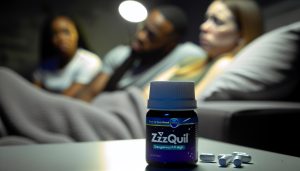
Every year, millions struggle with the challenges of narcotic addiction, affecting not only their lives but also the lives of their loved ones. Suboxone therapy has emerged as a crucial treatment option, combining buprenorphine and naloxone to help individuals safely transition away from opioid dependence. This guide will explore how Suboxone works, its benefits, and essential considerations for effective treatment. If you’re seeking to understand more about overcoming addiction and reclaiming quality of life, you’re not alone. With the right knowledge and resources, a path to recovery is within reach. Dive into this guide to learn how Suboxone can transform lives and discover steps toward a healthier future.
Understanding Narcotic Addiction and Its Impact

Narcotic addiction is a complex, multifaceted issue that affects millions of individuals and their families worldwide. Characterized by compulsive drug-seeking behavior and use, despite harmful consequences, addiction can stem from various factors, including biological, psychological, and social influences. Understanding the nature of this addiction is crucial, as it lays the foundation for effective treatment and support strategies.
Addiction to narcotics, such as opioids, can lead to devastating physical and mental health consequences. Users often experience significant alterations in brain chemistry, which can manifest as cravings, withdrawal symptoms, and an inability to function normally without the substance. This creates a vicious cycle, where the drive to alleviate discomfort leads to further substance use, exacerbating the addiction. The impact of narcotic addiction extends beyond the individual; it strains personal relationships, disrupts social and professional lives, and contributes to broader societal problems such as crime and healthcare burdens.
Addressing narcotic addiction requires a comprehensive approach that includes medical intervention, psychological support, and community resources. Treatment options must be tailored to the individual’s needs, considering their unique circumstances and the degree of their addiction. Efforts to reduce stigma surrounding addiction are vital, promoting a more supportive environment where individuals feel empowered to seek help and recovery.
For those struggling with narcotic addiction, recognizing the need for change is the first step towards recovery. Support from healthcare professionals, family, and friends can make a significant difference. Building a strong support system and accessing effective treatments, such as Suboxone therapy, allows individuals to reclaim their lives and foster healthier futures.
What is Suboxone Therapy?
Suboxone therapy has emerged as a cornerstone in the battle against narcotic addiction, offering a balanced approach to recovery. With its unique formulation of buprenorphine and naloxone, Suboxone not only helps alleviate withdrawal symptoms but also decreases cravings for opioids. This dual-action strategy supports individuals in overcoming the physical aspects of addiction while simultaneously addressing psychological needs, making it a versatile option for many seeking recovery.
Buprenorphine, a partial opioid agonist, binds to the same receptors in the brain that other opioids do, albeit with less intensity. This helps to minimize withdrawal symptoms and suppress cravings without producing the euphoric high associated with full opioids. Conversely, naloxone acts as a safeguard against misuse; if someone attempts to inject Suboxone, naloxone will block the effects of the opioids, thereby deterring misuse of the medication. This mechanism is crucial as it maintains therapeutic effectiveness while reducing the risk of relapse.
Another advantage of Suboxone therapy is its relatively flexible administration. Pills or film strips dissolve under the tongue, providing a discreet and convenient option for patients. Treatment can often be managed in outpatient settings, allowing individuals to maintain responsibilities like work or family while undergoing therapy. Regular follow-ups with healthcare professionals ensure that the treatment is tailored to the patient’s evolving needs, providing opportunities for adjustments in dosage and support resources.
Incorporating counseling and support into Suboxone therapy further enhances its effectiveness by addressing the psychological and behavioral components of addiction. Programs that offer group therapy, motivational interviewing, or cognitive-behavioral therapy can significantly boost recovery outcomes, helping individuals develop healthier coping strategies and a supportive community. By understanding the multifaceted nature of addiction and combining effective medication with psychological support, Suboxone therapy equips individuals with the tools they need to navigate the challenges of recovery successfully.
How Suboxone Works to Reduce Cravings

Buprenorphine, the key ingredient in Suboxone, effectively targets the brain’s opioid receptors, providing a unique approach to managing cravings associated with narcotic addiction. Unlike full agonist opioids that produce a significant euphoric high, buprenorphine acts as a partial agonist. This means it activates these receptors but to a lesser degree, mitigating withdrawal symptoms and cravings without inducing strong feelings of euphoria. As a result, individuals in recovery can experience relief from physical dependence while reducing the potential for misuse-a crucial factor in maintaining sobriety.
The dual-action of Suboxone becomes even more impactful when considering its formulation that includes naloxone, an opioid antagonist. By combining these two medications, Suboxone not only addresses the physiological aspects of addiction but also incorporates a powerful deterrent against misuse. Should someone attempt to inject Suboxone, naloxone will block the effects of any other opioids, effectively minimizing the risk of relapse and encouraging adherence to therapy. This clever design supports individuals by providing a safety mechanism that further reduces cravings and the temptation to revert to substance use.
Moreover, the administration method of Suboxone enhances its capability to reduce cravings. The sublingual pills or film strips dissolve quickly, making it easy for patients to incorporate the treatment into their daily lives discreetly. This convenience allows those in recovery to continue their roles in society-be it work, family obligations, or community involvement-without the stigma often associated with traditional injectable therapies. Such accessibility is a vital component in fostering sustained engagement with the treatment plan and ultimately leads to improved outcomes in managing cravings.
Incorporating psychological support alongside Suboxone therapy amplifies its effectiveness. Cognitive-behavioral therapy, support groups, and individual counseling tackle the underlying emotional and psychological triggers that contribute to cravings. By addressing these components, individuals can develop healthier coping mechanisms and build a robust support network, which further empowers them on their recovery journey. This comprehensive approach not only curbs cravings but also equips patients with tools to manage life’s challenges without reverting to opioid use, paving the way for lasting recovery.
Benefits of Suboxone in Addiction Treatment
Suboxone therapy offers a revolutionary approach to treating narcotic addiction, significantly transforming the lives of individuals struggling with opioid dependence. As a combination medication containing buprenorphine and naloxone, it plays a crucial role in alleviating withdrawal symptoms and reducing cravings, which are often significant barriers to recovery. The effectiveness of Suboxone stems not only from its pharmacological properties but also from its ability to integrate seamlessly into patients’ daily lives, empowering them on their journey to recovery.
One of the primary benefits of Suboxone is its safety profile. Unlike traditional opioids, which can lead to harmful dependencies and severe withdrawal symptoms, Suboxone acts as a partial agonist. This means it stimulates opioid receptors in the brain but does so to a lesser extent, effectively reducing cravings without producing intense euphoric effects. As a result, patients can manage their opioid dependence while minimizing the risk of misuse and relapse, making it a viable option for long-term recovery. Furthermore, the inclusion of naloxone not only deters misuse but also acts as a safeguard, preventing the effects of other opioids if Suboxone is misused.
Additionally, the sublingual method of administration offers greater convenience, allowing patients to easily integrate their treatment into their daily routines. This discreet approach helps to reduce the stigma often associated with addiction therapies, making it easier for individuals to remain engaged in both their treatment and their daily social and professional responsibilities. The flexibility of Suboxone encourages compliance with treatment, which is critical for achieving and maintaining sobriety.
Combining Suboxone with counseling and support services enhances its effectiveness. Engaging in therapy allows individuals to explore the emotional and psychological aspects of their addiction, equipping them with coping strategies to handle triggers and stressors. This holistic model of care fosters a supportive environment, empowering individuals to reclaim their lives while addressing the root causes of their addiction. Thus, the multifaceted benefits of Suboxone therapy extend beyond simple medication; they encompass a comprehensive, compassionate approach to addiction recovery.
Who Can Benefit from Suboxone Therapy?
Many individuals struggling with opioid dependence may find hope and healing through Suboxone therapy. This treatment is particularly beneficial for those diagnosed with opioid use disorder (OUD), including those who have previously tried other methods without success. Suboxone is designed for patients facing challenges such as cravings, withdrawal symptoms, and a history of substance misuse. Its unique formulation allows individuals to regain control over their lives while promoting stability and reducing the risk of relapse.
People who can most benefit from Suboxone therapy often share common traits such as a commitment to recovery and an understanding that complete abstinence from opioids can be daunting. This therapy is especially advantageous for those seeking a long-term solution to opioid addiction, as it fosters medication adherence through its convenient sublingual form. Those who have experienced severe withdrawal symptoms or felt overwhelmed by cravings in the past will find Suboxone’s partial agonist properties particularly useful. It activates opioid receptors to a limited degree, offering relief from withdrawal while significantly curbing cravings without the risk of intense euphoria.
It’s critical for individuals with certain conditions, such as pregnant women or those with liver dysfunction, to consult healthcare professionals before initiating treatment. Family involvement can also play a key role; those with a supportive network may experience enhanced outcomes. For those contemplating Suboxone therapy, engaging with healthcare providers early on ensures a tailored approach to treatment that considers unique personal and medical histories.
Ultimately, the journey through addiction recovery is personal and multifaceted. Suboxone therapy serves as a critical tool for many, not just in reducing physical dependence but also in embracing a holistic approach that includes counseling and community support. Individuals seeking assistance should explore their options thoroughly and lean on the expertise of their healthcare providers to determine if Suboxone therapy is the right fit for their recovery journey.
Potential Side Effects and Considerations
While Suboxone therapy has proven effective for many individuals battling opioid addiction, it is essential to understand the that accompany its use. Knowledge of these factors not only fosters informed decision-making but also prepares patients for what they might experience during treatment, thereby enhancing adherence and overall health outcomes.
Common side effects of Suboxone may include drowsiness, headaches, and nausea. These effects can range from mild to severe, depending on the individual’s reaction to the medication. It’s important for patients to monitor their responses, as some may experience more intense side effects that warrant medical attention. For example, if signs of an allergic reaction occur-such as hives, difficulty breathing, or swelling of the face-patients are advised to seek emergency care immediately. Other serious side effects could include respiratory depression, particularly if Suboxone is combined with other central nervous system depressants like alcohol or benzodiazepines.
Considerations Before Starting Treatment
Before initiating Suboxone therapy, patients should consult healthcare professionals about their personal and family medical histories. Certain conditions, such as liver dysfunction or a history of substance misuse, can complicate treatment. Additionally, women who are pregnant or breastfeeding must discuss the potential risks and benefits with their doctors. This collaborative approach enhances safety and allows for tailored treatment plans that suit individual health needs.
Engaging in open communication with healthcare providers fosters an environment where patients feel supported throughout their recovery journey. Monitoring one’s health while on Suboxone is crucial. Regular check-ups help practitioners evaluate the effectiveness of the therapy and make necessary dosage adjustments. Moreover, patients should not hesitate to report any unexpected symptoms or concerns.
By remaining well-informed and proactive, individuals using Suboxone can navigate their treatment successfully while minimizing risks. Establishing a strong support network, whether through family, friends, or support groups, provides additional encouragement and accountability, which are vital for sustained recovery.
The Suboxone Treatment Process: Step-by-Step
Initiating Suboxone therapy marks a pivotal moment for individuals ready to combat opioid addiction. Understanding the step-by-step treatment process not only demystifies the journey but also empowers patients to engage actively in their recovery. The process typically unfolds over several key phases, each designed to promote safety, effectiveness, and a supportive environment.
The first stage involves a thorough initial assessment by a qualified healthcare provider. During this consultation, the clinician will gather essential information about the patient’s medical history, current health status, and substance use patterns. This initial evaluation sets the foundation for tailored treatment plans and helps identify any underlying conditions that must be taken into account. It’s vital that patients are honest during this assessment, as it significantly impacts the course of treatment.
Following the assessment, if Suboxone is deemed appropriate, the next step is induction. This phase usually begins after a period of medically supervised withdrawal from opioids. The patient is then prescribed a monitored dosage of Suboxone, which contains buprenorphine and naloxone. This combination not only helps ease cravings but also minimizes the risk of misuse. During induction, patients are closely monitored for any side effects and to ensure the medication is effective.
As patients stabilize on their prescribed dose, they transition into the maintenance phase. This long-term period of treatment allows individuals to focus on sustainable recovery strategies. Regular check-ins with healthcare providers are essential during this stage to adjust dosages as needed and to provide continuous support. Patients are encouraged to engage in additional therapeutic options such as counseling and support groups, which can enhance their recovery and address the psychological components of addiction.
Finally, the treatment process may culminate in a tapering phase when appropriate. This involves gradually reducing the dosage of Suboxone, with the aim of eventually discontinuing medication. Each step of this process requires careful planning and regular evaluation by healthcare professionals. Throughout the entire treatment journey, maintaining open lines of communication with caregivers is essential, allowing for adjustments based on individual experiences and progress.
Overall, understanding and navigating the Suboxone treatment process can empower individuals on their path to recovery. Each stage is designed to support not just the physical aspects of addiction but also the emotional and psychological components, creating a comprehensive approach to healing.
Combining Suboxone with Counseling and Support
Integrating counseling and support into Suboxone therapy significantly enhances recovery outcomes for individuals battling narcotic addiction. While Suboxone plays a critical role in reducing cravings and withdrawal symptoms, the emotional and psychological aspects of addiction require comprehensive care. Combining medication with behavioral therapies provides a holistic approach that addresses the root causes of addiction, increases coping strategies, and assists individuals in navigating the challenges of recovery.
Counseling can take various forms, including individual therapy, group sessions, and family therapy. Each mode offers distinct benefits. For instance, individual therapy allows patients to explore personal triggers, trauma, and emotional issues in a safe environment, fostering deeper self-understanding. In contrast, group sessions provide a sense of community and shared experiences, reducing feelings of isolation and empowering individuals through collective support. Family therapy involves loved ones in the recovery process, aiming to rebuild trust and communication, which are often strained by addiction.
To maximize the effectiveness of Suboxone therapy, consider the following practices:
- Engage in Regular Counseling Sessions: Schedule consistent appointments with a therapist experienced in substance use disorders to work through psychological barriers and enhance coping mechanisms.
- Participate in Support Groups: Join local or online support groups, such as Narcotics Anonymous (NA), to connect with others who share similar experiences and insights.
- Incorporate Life Skills Training: Seek programs that focus on life skills-such as stress management, communication, and problem-solving-to improve overall well-being and preparedness for challenges outside of treatment.
- Utilize Family Support: Include family members in therapy sessions to empower them with knowledge about addiction and improve support systems at home.
These combined efforts not only support the physical recovery facilitated by Suboxone but also cultivate essential emotional resilience. By addressing both medication and behavioral health, individuals are better positioned to navigate the complexities of addiction, reduce the risk of relapse, and build a fulfilling, drug-free life. It’s crucial to discuss personalized treatment plans with healthcare professionals to ensure the chosen support methods best align with individual needs and recovery goals.
Managing Relapse: Strategies for Success
Throughout the recovery process, it’s vital to acknowledge that the journey to overcoming narcotic addiction may come with setbacks. Relapse can occur, but it’s important to understand that it does not signify failure. Instead, recognizing a relapse as a learning opportunity is essential for building a stronger, more resilient foundation for long-term sobriety. By implementing effective strategies, individuals can better equip themselves to manage these challenges and navigate the path to recovery with confidence.
One of the most effective ways to manage the risk of relapse is to establish a robust support network. Surrounding yourself with individuals who understand your struggles can provide a sense of accountability and belonging. This network may include fellow participants from support groups, family members, and friends who are committed to your recovery journey. Additionally, engaging in regular counseling sessions can help you identify triggers and develop coping strategies. It’s crucial to be proactive in communicating your feelings and struggles to your therapist, as this openness can significantly enhance your coping techniques.
Another important strategy is to maintain a structured daily routine. Having a consistent schedule that includes activities promoting physical and mental well-being can decrease the likelihood of relapse. Incorporate activities such as exercise, mindfulness practices, or pursuing hobbies that you are passionate about. These activities not only serve as healthy distractions but also empower you to create a sense of purpose and fulfillment outside of substance use. For instance, taking up yoga or joining a local sports team can enhance your physical health while also fostering connections with others who share similar interests.
Moreover, practicing mindfulness and stress management techniques can be beneficial. Tools such as meditation, deep-breathing exercises, or journaling can help you stay centered during challenging times. Learning to identify when stress levels rise enables you to implement these techniques proactively, preventing possible cravings from taking hold. It’s also valuable to develop a personalized action plan that outlines the steps to take when cravings arise, including reaching out for support or engaging in a distracting activity.
In conclusion, while managing relapse is a significant aspect of recovery from narcotic addiction, understanding that it’s part of the journey helps shift the perspective from fear to empowerment. By building a strong support system, maintaining a structured routine, and employing mindfulness techniques, individuals can enhance their resilience against relapse and pursue a fulfilling, drug-free life. Remember, consultation with healthcare professionals can provide tailored strategies and ongoing support that align with your unique recovery needs.
Long-Term Outcomes of Suboxone Therapy
Achieving sustainable recovery from narcotic addiction is a complex journey, and the can significantly influence this path. Research shows that individuals receiving Suboxone treatment not only have better control over their addiction but also experience improved overall quality of life. One of the most noteworthy benefits is the reduction in illicit opioid use, which can lead to decreased rates of overdose and hospitalizations. This effect contributes to a broader community impact by fostering safer environments and reducing the burden on healthcare systems.
Key Long-Term Benefits of Suboxone Therapy
The long-term effects of Suboxone therapy extend beyond the cessation of illicit drug use. Here are several key areas where individuals often see significant improvements:
- Increased Stability: Patients often report enhanced emotional and psychological stability. By minimizing cravings and withdrawal symptoms, Suboxone allows individuals to focus on rebuilding their lives.
- Improved Social Functioning: Those in recovery can engage more fully in personal relationships, work, and community activities, fostering a sense of belonging and purpose.
- Health Outcomes: Long-term Suboxone use is associated with decreased transmission rates of infectious diseases, such as HIV and hepatitis, often exacerbated by needle-sharing among active users.
- Better Mental Health: Many individuals experience a reduction in co-occurring mental health issues such as depression and anxiety, allowing for a more comprehensive approach to wellness.
Adherence and Ongoing Support
Successful long-term outcomes depend heavily on adherence to the treatment plan. Regular consultations with healthcare providers and counseling sessions can dramatically enhance the likelihood of sustained recovery. Engaging in support groups provides a network of encouragement and accountability that is essential for individuals navigating the complexities of long-term recovery. This holistic approach not only addresses the physical aspects of addiction but also emphasizes the importance of mental and emotional wellness.
Ultimately, while Suboxone therapy has proven effective for many, recovery is a personalized journey. Continuous monitoring, lifestyle adjustments, and a proactive approach to managing triggers are essential components of a successful long-term strategy. By partnering with healthcare professionals, individuals can create tailored plans that address their unique needs, ensuring the best possible outcomes on their road to recovery.
Frequently Asked Questions About Suboxone
Many people struggling with narcotic addiction have questions about Suboxone, a medication that has gained recognition for its role in helping individuals manage their addiction. Understanding how Suboxone works, its benefits, and its practical implications can empower users to make informed decisions about their recovery journey. Here, we address some common questions regarding Suboxone therapy to provide clarity and support.
What is Suboxone and How Does It Work?
Suboxone is a combination medication containing buprenorphine and naloxone. Buprenorphine is a partial opioid agonist, meaning it activates opioid receptors in the brain but to a much lesser degree than full agonists like heroin or morphine. This helps reduce cravings and withdrawal symptoms without producing the same level of euphoria. Naloxone is included to prevent misuse; it blocks the effects of other opioids if Suboxone is tampered with or misused.
Who Can Benefit from Suboxone Therapy?
Suboxone is primarily designed for individuals with moderate to severe opioid dependence. It can be particularly beneficial for those who have tried other treatment methods unsuccessfully. This medication is often used in conjunction with counseling and support groups, which further enhances its effectiveness. Additionally, individuals with a history of chronic pain may find Suboxone useful as it addresses pain management alongside addiction treatment.
What Are the Potential Side Effects?
Like any medication, Suboxone can come with side effects. Common side effects include headaches, nausea, sweating, and insomnia. More severe but less common side effects might involve respiratory issues or allergic reactions. It’s crucial for individuals to discuss potential side effects with their healthcare provider, who can provide tailored advice based on personal medical history and current medications. Engaging in an open dialogue with healthcare professionals ensures that any side effects are managed effectively.
Where Can I Find a Certified Provider?
To receive Suboxone treatment, it’s essential to work with certified providers who specialize in addiction medicine. The Substance Abuse and Mental Health Services Administration (SAMHSA) offers a treatment locator tool that helps individuals find approved treatment centers nearby. Additionally, engaging in local support groups can provide further guidance on reputable providers in the area.
Understanding the nuances of Suboxone therapy can significantly enhance an individual’s recovery journey. For those grappling with addiction, accessing accurate information and professional support can make all the difference. Always consult healthcare professionals when considering treatment options.
Finding a Certified Provider for Suboxone Treatment
Finding the right provider for Suboxone treatment can be a crucial step in reclaiming your life from opioid addiction. The process may feel daunting, but knowing where to look and what to ask can empower you to make informed decisions. It’s essential to choose certified healthcare professionals who specialize in addiction treatment to ensure you receive a comprehensive and effective approach tailored to your needs.
To start your search, the Substance Abuse and Mental Health Services Administration (SAMHSA) offers a treatment locator tool that allows you to find certified providers in your area. This resource can connect you with approved treatment centers that are equipped to handle your specific situation. You can visit their website and enter your zip code to find a list of local facilities. Additionally, discussing your options with trusted friends or family members who have experience in recovery can provide valuable insights and recommendations.
When you contact potential providers, consider asking the following questions to gauge their suitability:
- What qualifications and certifications do you have in addiction treatment?
- How long have you been providing Suboxone therapy?
- What is the structure of your program, including counseling support?
- How do you approach treatment for patients with co-occurring conditions?
- What does the follow-up care look like after the initial treatment phase?
Having these discussions can help you feel more secure about your treatment choice. Remember, choosing a provider that makes you feel comfortable and supported can significantly enhance your recovery journey. Engaging with local support groups can also lead to additional recommendations for reputable providers and recovery resources, creating an interconnected support network as you navigate this path. Ultimately, seeking professional guidance and conducting thorough research will set you up for success in your healing process.
Q&A
Q: How long does Suboxone stay in your system?
A: Suboxone can stay in your system for several days after the last dose, typically detectable in urine for 3 to 7 days. Factors such as metabolism, frequency of use, and dosage may influence this duration. Always consult your healthcare provider for concerns regarding drug testing.
Q: Is Suboxone safe to use in the long term?
A: Long-term use of Suboxone is generally considered safe, but it should be monitored by a healthcare professional. Regular assessments will help manage any potential side effects and ensure the treatment remains effective for your addiction recovery.
Q: Can Suboxone be used for pain management?
A: Yes, Suboxone contains buprenorphine, which can be effective for pain management. However, it is primarily prescribed for opioid addiction treatment. Consult with your healthcare provider to discuss your specific needs and potential treatment plans.
Q: What should I do if I miss a dose of Suboxone?
A: If you miss a dose, take it as soon as you remember unless it’s close to your next scheduled dose. Don’t double up to compensate. Follow your provider’s instructions and maintain a consistent dosing schedule for optimal effectiveness.
Q: Can Suboxone interact with other medications?
A: Yes, Suboxone can interact with various medications, potentially increasing the risk of side effects or reducing effectiveness. Inform your healthcare provider about all medications and supplements you are taking to avoid dangerous interactions.
Q: What to expect during the first few weeks of Suboxone treatment?
A: Initially, patients may experience withdrawal relief and reduced cravings. However, side effects like headache, nausea, or insomnia may occur. Regular follow-ups with your provider are essential to monitor progress and address any issues that arise.
Q: How does Suboxone compare to Methadone for addiction treatment?
A: Suboxone and Methadone are both effective for treating opioid addiction, but Suboxone has a lower risk of overdose due to its partial agonist properties. Individual response varies; consultation with a healthcare provider is crucial to determine the best treatment approach.
Q: Can Suboxone help with alcohol addiction?
A: Suboxone is not specifically approved for alcohol addiction treatment. However, some studies suggest it might help in managing cravings for alcohol. Speak with a healthcare professional for tailored advice on managing alcohol dependency effectively.
For further insights, please refer to relevant sections in our guide on Suboxone therapy and addiction treatment. Always consult a healthcare professional for personalized medical advice.
Wrapping Up
As we conclude this guide on “Treating Narcotic Addictions with Suboxone Therapy,” remember that seeking help is a pivotal step toward recovery. Suboxone therapy offers a path to reclaiming your life from addiction, but it’s essential to work closely with healthcare professionals to create a personalized treatment plan. Don’t hesitate to explore additional resources such as our articles on narcotic addiction recovery methods or understanding the side effects of opioid treatment.
If you’re ready to take action, consider signing up for our newsletter for ongoing support and the latest updates in addiction treatment. Your journey toward wellness is important, and we encourage you to engage with our community-share your experiences, ask questions, and connect with others who are on similar paths. Together, we can continue to provide valuable insights as you navigate your recovery. Let’s empower each other and take these important steps forward!