Selecting the right dog food for your German Shepherd is crucial for their health and well-being, and this breed’s unique nutritional needs require special consideration. Did you know that German Shepherds are prone to certain health issues, such as hip dysplasia and digestive problems? Choosing a high-quality, vet-approved diet can help prevent these conditions and promote a long, active life for your furry friend. In this guide, we’ll explore the top five vet-approved dog food options tailored specifically for German Shepherds, providing you with insights to make informed decisions. By prioritizing your dog’s nutritional needs, you can ensure they thrive, enhancing their energy levels and overall quality of life. Let’s dive into the choices that best support your loyal companion’s health!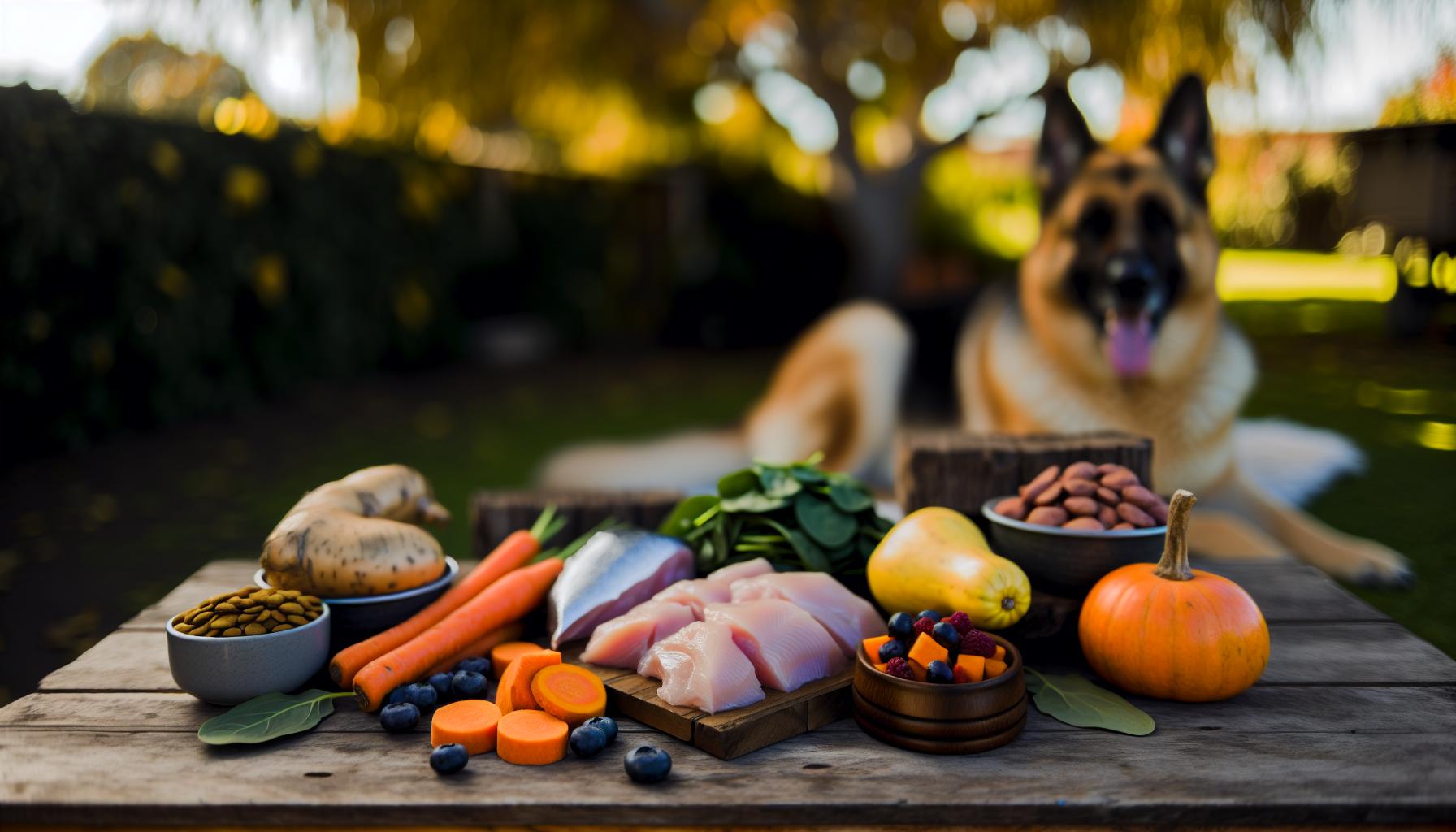
Best Ingredients for German Shepherds’ Health
German Shepherds are known for their intelligence, loyalty, and strength. However, to ensure they thrive, it’s vital to provide them with the right nutrients. The best ingredients for their health should include a balanced mix of proteins, fats, carbohydrates, vitamins, and minerals. Understanding what specifically benefits their unique physiology will help in selecting appropriate dog food and ensuring a long and healthy life for your furry companion.
One of the most crucial ingredients for German Shepherds is high-quality protein. Proteins facilitate muscle development and are essential for overall growth and energy. Look for animal-based proteins such as chicken, beef, or lamb as the primary ingredient in dog food. These sources provide not only the necessary amino acids but also help maintain a healthy coat and skin.
Healthy fats are equally important, serving as a concentrated source of energy while supporting brain health and maintaining joint function. Ingredients rich in omega-3 and omega-6 fatty acids, like fish oil or flaxseed, promote healthy skin and a shiny coat.
Additionally, digestible carbohydrates such as sweet potatoes, brown rice, or oats can provide the energy they need for their active lifestyles. These ingredients ensure that your German Shepherd is not only energized but also receives the necessary fiber for digestive health.
Lastly, don’t overlook the value of vitamins and minerals. Ingredients like carrots, spinach, and blueberries are packed with antioxidants, vitamins, and fiber, which are crucial for immune support and overall vitality. Including these healthful ingredients will help keep your German Shepherd in peak condition while also preventing common health issues.
Incorporating a combination of these best ingredients in your German Shepherd’s diet will make a significant difference in their overall health and well-being. Always consult with a veterinarian to tailor a diet that best meets your dog’s specific health needs, lifestyle, and preferences.
Understanding Dietary Needs for German Shepherds
To thrive, German Shepherds require a well-balanced diet tailored to their specific nutritional needs, which are influenced by their breed characteristics and active lifestyles. These dogs are not only highly active but also intelligent and strong, making it crucial to provide them with the right nutrients that support their muscle development, coat health, and overall well-being. Understanding what goes into their food can empower you as a dog owner to make informed choices and create a diet that optimally supports their health.
One of the primary dietary needs of German Shepherds is high-quality protein. Proteins are the building blocks for muscle growth and repair, making them essential for these strong dogs. Look for foods that list animal-based proteins, such as chicken, beef, or lamb, as the first ingredient. These options not only provide the necessary amino acids but also contribute to healthy skin and coat conditions, vital for these active canines.
In addition to proteins, healthy fats play a pivotal role in your German Shepherd’s diet. Fats are a concentrated energy source, vital for maintaining stamina during exercise, and are critical for brain function and joint health. Ingredients high in omega-3 and omega-6 fatty acids, like fish oil and flaxseed, help ensure a shiny coat and healthy skin, aiding in overall health and wellness.
Digestible carbohydrates are equally important, as they provide the necessary energy for your dog’s daily activities. Opt for sources like sweet potatoes, brown rice, or oats, which can support sustained energy release and contribute to digestive health due to their fiber content. Furthermore, vitamins and minerals should not be overlooked; ingredients like carrots, blueberries, and spinach are packed with antioxidants and micronutrients that bolster immune function and overall vitality. By balancing these vital nutrients, you’ll support a healthy lifestyle for your German Shepherd and help prevent common health issues associated with the breed.
Always keep in mind that dietary needs can vary based on age, activity level, and specific health conditions. Regular consultations with a veterinarian will help tailor a diet that meets your German Shepherd’s unique needs, ensuring they live a vibrant and healthy life.
How to Choose the Right Dog Food
Choosing the right dog food for your German Shepherd is not just about convenience; it’s about their health and well-being. The myriad of options available today can be overwhelming, but understanding what makes a quality dog food can simplify the process and help ensure your dog thrives. The best dog food will be tailored to their unique nutritional needs, which are significant due to their active and robust nature.
When selecting dog food, always start by checking the ingredient list, looking for high-quality, recognizable ingredients. A top-tier dog food should list a specific animal protein (like chicken or lamb) as the first ingredient, as this provides the necessary amino acids your German Shepherd requires for muscle development and overall health. Avoid foods that list generic terms like “meat meal” or “by-products,” as these can include lower-quality ingredients.
In addition to quality proteins, look for balanced levels of fats. Ingredients like fish oil or chicken fat provide essential fatty acids that promote healthy skin and a shiny coat, while also supporting joint health. Remember that your German Shepherd’s energy needs will vary based on their age, size, and activity level, so the caloric content of the food matters. Opt for formulas specially designed for large or active breeds, which usually contain higher amounts of protein and fat to meet their needs.
Moreover, consider any specific health issues your dog may have. For instance, German Shepherds are prone to certain health conditions like hip dysplasia and allergies. In such cases, consult with your veterinarian to select a food that may help manage these conditions, possibly choosing grain-free formulas if food sensitivities are a concern. Always prioritize dog foods that undergo rigorous testing and have undergone veterinary recommendations to ensure safety and efficacy.
In conclusion, the right food for your German Shepherd should cater specifically to their dietary requirements, taking into account their age, activity level, and any health issues. By dedicating time to explore various options and consulting with a vet, you can confidently nourish your furry friend for a long, healthy life.
Top 5 Vet-Approved Dog Food Brands
When it comes to feeding your German Shepherd, choosing a dog food brand that is trusted and recommended by veterinarians can play a significant role in ensuring your dog maintains optimal health and vitality. Here’s a look at five top brands that are frequently endorsed by vets for their high-quality ingredients and balanced nutrition.
Hill’s Science Diet
Hill’s Science Diet is often favored by veterinarians thanks to its commitment to nutrition that supports various health needs. They offer specific formulas targeting weight management, sensitive stomachs, and joint health, making it a versatile choice for German Shepherds prone to certain health conditions. With an emphasis on high-quality protein sources and clinically proven antioxidants, this brand helps ensure dogs get the nutrients essential for their overall well-being.
Royal Canin
Royal Canin is renowned for its breed-specific formulas, including options tailored specifically for German Shepherds. Their food is designed to meet the unique nutritional needs of the breed, incorporating an ideal blend of nutrients to support skin, coat, and digestive health. With high digestibility and added vitamins and minerals, Royal Canin work to ensure your dog’s dietary needs are met at every life stage.
Purina Pro Plan
Purina Pro Plan is another top contender among the vet-approved brands, particularly noted for its range of performance-driven formulas. This brand is created with real meat as the first ingredient, providing the essential proteins that German Shepherds require for muscle maintenance and energy. The inclusion of natural prebiotic fiber also promotes digestive health, making it a well-rounded option.
Blue Buffalo
Blue Buffalo is highly regarded for its commitment to natural ingredients and holistic health. Their formulas feature high-quality proteins and a blend of whole grains, fruits, and vegetables, providing a comprehensive nutrient profile. Additionally, Blue Buffalo offers options specifically formulated for large breeds, which is perfect for German Shepherds who need extra support for their joints and overall health.
Orijen
For pet owners looking for a grain-free and high-protein option, Orijen is a popular choice. This brand prides itself on using fresh, regional ingredients and adheres to a biologically appropriate philosophy, which aims to mimic a natural canine diet. The use of whole prey ingredients helps ensure that your German Shepherd receives a balanced intake of protein, fats, and nutrients.
Each of these brands provides a unique approach to canine nutrition that aligns well with the specific needs of German Shepherds. When selecting the best food for your furry friend, consider their health status, activity level, and any allergies they may have, and consult with your veterinarian to ensure the chosen food is appropriate for their individual dietary requirements.
Common Allergies and Sensitivities in German Shepherds
Certain breeds, including German Shepherds, are more prone to allergies and sensitivities, which can affect their overall health and well-being. A common reaction in these dogs can stem from various food ingredients or environmental factors, making it crucial for owners to be vigilant about their pet’s diet and lifestyle. One of the most frequent dietary offenders is protein sources, such as beef, chicken, or dairy, but grains and artificial additives can also trigger adverse reactions.
Identifying Allergies
Understanding the symptoms of allergies in German Shepherds is the first step in helping them lead a healthy life. Common signs include:
- Itchy skin or excessive scratching
- Red, inflamed skin
- Ear infections
- Digestive issues such as diarrhea or vomiting
- Hair loss or hot spots
These reactions can vary in severity, so it’s essential to monitor your dog’s behavior and health closely. If you observe these symptoms, consult with your veterinarian, who can provide guidance on allergy testing or elimination diets.
Choosing the Right Food
When selecting dog food for a German Shepherd with allergies, focus on limited-ingredient formulas or those specifically labeled as hypoallergenic. Many vet-approved brands, like Hill’s Science Diet and Royal Canin, offer specialized products that can help manage food sensitivities while still providing balanced nutrition. Ingredients like novel proteins (e.g., lamb or duck) and whole grains (e.g., brown rice) are often recommended, as they tend to be better tolerated by sensitive pups.
It’s worthwhile to remember that allergies can develop over time. A dog that previously handled a specific food well may suddenly show sensitivities. Always be prepared to consult with a veterinary professional to adjust your dog’s diet and ensure they are receiving the vital nutrients required for optimal health. By being proactive and informed about your dog’s dietary needs, you can greatly enhance their quality of life.
Homemade vs. Commercial Dog Food: What to Know
When considering what to feed your German Shepherd, the choice between homemade and commercial dog food can significantly impact your dog’s health and vitality. Each option has its own set of advantages and considerations. Homemade dog food allows for complete control over ingredients, providing you the opportunity to tailor meals specifically to your dog’s needs, particularly if they have sensitivities or allergies. By cooking at home, you can select high-quality ingredients such as fresh meats, vegetables, and grains, ensuring a balanced diet without artificial additives or fillers that are often found in mass-produced foods.
However, preparing homemade meals requires a thorough understanding of your dog’s nutritional requirements. It’s essential to ensure that the diet is well-rounded, including adequate proteins, fats, vitamins, and minerals. Many pet owners may find it challenging to formulate recipes that meet all of these needs, potentially leading to nutritional deficiencies. Consulting with a veterinarian or a pet nutritionist is advisable to develop a nutritionally complete homemade diet.
On the other hand, commercial dog foods, especially those that are vet-approved, are designed to meet specific dietary needs and are generally convenient. These foods undergo rigorous testing to ensure they provide balanced nutrition. Brands like Hill’s Science Diet and Royal Canin offer specialized formulations for German Shepherds, taking into account their size, age, and any known sensitivities. Commercial options often include comprehensive labels that help you understand the nutritional content, aiding in the selection of the right food for your dog.
Ultimately, the decision comes down to your dog’s particular health needs, your ability to prepare balanced homemade meals, and your lifestyle. Transitioning from one to the other should be handled carefully to avoid stomach upset. It’s always best to consult with your veterinarian to determine what aligns best with your German Shepherd’s unique dietary requirements, ensuring optimal health and well-being.
Balanced Nutrition for Active German Shepherds
Active German Shepherds are known for their strength, agility, and high energy levels. To support these vibrant dogs, it’s crucial to provide a diet that meets their specific nutritional needs, ensuring they remain healthy, energetic, and ready for action. With their robust build and active lifestyle, German Shepherds require a balanced mix of proteins, fats, carbohydrates, vitamins, and minerals tailored to fuel their daily activities.
Essential Nutrients for Active German Shepherds
When selecting food for your German Shepherd, focus on high-quality sources of protein, as these are essential for muscle development and maintenance. Look for real meat, such as chicken, beef, or fish, listed as the first ingredient. Active dogs typically require around 18-25% protein in their diet, depending on their age and activity level. Additionally, healthy fats like omega-3 and omega-6 fatty acids support brain function and coat health, contributing to an overall vibrant appearance.
Carbohydrates are also pivotal in providing the energy necessary for rigorous physical activity. Incorporate whole grains like brown rice, along with fruits and vegetables, to supply fiber and essential nutrients. These ingredients not only offer sustained energy but also aid digestion, promoting a healthy gut. The combination of these key nutrients ensures that your German Shepherd has the stamina for playtime, training, and daily walks.
Understanding Caloric Needs
Caloric requirements can vary significantly based on age, weight, and activity level. An average active German Shepherd generally needs between 1,300 to 1,800 calories per day. Monitor your dog’s body condition and adjust food intake accordingly to prevent obesity while ensuring they have enough energy. Consulting with a veterinarian can help you determine precise caloric needs tailored to your dog’s unique profile.
Hydration and Supplements
Hydration is vital for any active dog. Always provide fresh, clean water to keep your German Shepherd well-hydrated, especially after vigorous exercise. In some cases, adding supplements such as glucosamine can be beneficial to support joint health, particularly in larger breeds that may be more prone to joint issues.
By understanding the specific dietary requirements and caloric needs of active German Shepherds, you can better support their health and activities. Feeding them a balanced diet tailored to their lifestyle will not only enhance their vitality but also contribute to a longer, healthier life. Finally, always consult with your veterinarian to ensure that your dog’s nutrition is appropriately managed, aligning with their health objectives and individual requirements.
Signs Your German Shepherd Needs a Diet Change
When your German Shepherd begins showing changes in behavior, weight, or overall health, it may be time to reevaluate their diet. Dogs are unable to communicate their nutritional needs directly, so observing their physical and behavioral cues is essential. If your furry friend is sluggish during their daily walks, struggles with maintaining an ideal weight, or exhibits signs of digestive discomfort, these could be indicators that their current food is no longer meeting their needs.
One of the most apparent signs that your German Shepherd may need a diet change is a shift in their energy levels. If they seem more lethargic than usual, frequently taking breaks during play, or showing reluctance to engage in their favorite activities, it might be worth investigating their diet. Additionally, weight changes can also signal dietary issues; dogs who lose or gain weight unexpectedly could require a diet tailored to their unique metabolism. It’s crucial to monitor their body condition regularly and adjust their food intake accordingly.
Another red flag is changes in gastrointestinal health, such as frequent gas, diarrhea, or vomiting. These symptoms can indicate that your dog may be sensitive to certain ingredients in their current food. In such cases, it’s beneficial to keep a record of their diet and any symptoms that arise, as this information can help your veterinarian recommend the best dietary adjustments.
Lastly, pay attention to coat quality and skin health. A dull coat, excessive shedding, or the presence of skin irritations may suggest nutritional deficiencies or allergies. Foods rich in omega fatty acids are critical for skin and coat health, and if your dog is not thriving, it could be a sign that their current diet is lacking.
By keeping a close eye on these indicators, you can better support your German Shepherd’s health and wellbeing. If you notice persistent issues or significant changes, it’s always best to consult with a veterinarian. They can provide tailored advice and suggest appropriate dietary options to ensure that your dog receives the nutrition they need for an active and healthy life.
Feeding Guidelines Based on Age and Activity Level
Whether you’re a proud new owner of a German Shepherd or a seasoned caretaker, understanding the best feeding practices for your dog based on their age and activity level is paramount. Puppies have distinct nutritional requirements as they grow and develop rapidly, while adult and senior dogs need tailored diets to maintain their health and energy levels. A balanced diet ensures that your dog can thrive, both physically and mentally.
For German Shepherd puppies, the key is to provide high-quality dog food rich in protein and essential nutrients, which supports their developing muscles and bones. Typically, puppies require about 3-4 meals per day filled with calories from high-quality meats and fats. As they approach adulthood (around 12-18 months), you can gradually transition to adult dog food, maintaining a focus on balanced nutrients that cater to their growing needs. This is also when monitoring calories is crucial; ensuring that your puppy doesn’t grow too quickly can help avoid skeletal issues common in large breeds.
Adult German Shepherds, who are generally very active and require plenty of physical exercise, typically need two meals a day. Their food should be higher in protein to support muscle maintenance, alongside a proper amount of fats for energy. Incorporating omega fatty acids can also enhance coat health. Adjust the quantity based on their daily activity levels; working dogs may require more calories compared to those with a more sedentary lifestyle.
Senior dogs, usually seven years and older, may not need as many calories as their younger counterparts, as their metabolism can slow. It’s essential to choose a dog food that is specially formulated for senior dogs, which often includes joint-supporting ingredients like glucosamine and chondroitin. Feeding smaller, more frequent meals can also aid in digestion and prevent discomfort from eating larger portions.
Regardless of your dog’s age, always remember that hydration is equally important. Provide access to clean, fresh water at all times and consider adjusting their food intake if they are more or less active on certain days. Consulting with your veterinarian about the specific dietary needs based on your German Shepherd’s age, weight, and activity level is always a prudent step to ensure optimal health and wellbeing.
Tips for Transitioning Dog Food Safely
Transitioning your German Shepherd to a new dog food can be a crucial step toward improving their health and ensuring they receive the best nutritional benefits. However, sudden changes in diet can lead to digestive issues, including vomiting or diarrhea. Therefore, a gradual approach is essential. Start by incorporating a small amount of the new food into their current diet. Over the course of about a week to ten days, gradually increase the proportion of the new food while decreasing the old. This slow transition allows your dog’s digestive system to adjust and minimizes the risk of gastrointestinal upsets.
When beginning the transition, it can be helpful to monitor your dog closely for any signs of discomfort or adverse reactions. Look for symptoms such as changes in bowel movements, lethargy, or unusual behavior. If any of these issues arise, consider slowing the transition process or consulting your veterinarian. For example, if your German Shepherd is experiencing slight stomach discomfort, try maintaining the same ratio of old to new food for an extra day or two before progressing further.
It’s also a good idea to keep mealtime consistent. Feed your dog at the same times each day, and provide a calm environment during meals to help them feel secure. Some owners find it beneficial to add a little warm water or low-sodium broth to the new kibble to enhance flavor and make it more palatable, which can encourage your dog to embrace the new food.
In addition, keep your dog’s hydration in mind during this transition. Fresh, clean water should always be available, as proper hydration supports digestion and overall health. If your German Shepherd seems hesitant to drink water, consider offering them ice cubes or a dog-safe flavored coolant to encourage fluid intake. By taking these careful steps, you can ensure a smoother food transition and contribute positively to your dog’s dietary health.
The Importance of Consulting with Your Veterinarian
Consulting with your veterinarian is crucial in ensuring that your German Shepherd receives the best nutrition suited for its specific needs. As a breed known for its unique physical and behavioral characteristics, German Shepherds may have dietary requirements that differ from those of other dogs. Veterinary professionals have the expertise to guide you through these nuances, helping you make informed decisions that can enhance your dog’s health and longevity.
One of the most significant reasons to engage your veterinarian regarding your dog’s diet is to identify any pre-existing health conditions or sensitivities that may influence their nutritional needs. For instance, some German Shepherds are prone to conditions like hip dysplasia or skin allergies, which can be exacerbated by inadequate nutrition or certain ingredients in dog food. Your vet can recommend specialized diets or dog food brands that not only meet general nutritional standards but also cater to these particular health challenges.
Additionally, as dietary needs can change with age, activity level, or health status, regular consultations with your veterinarian can keep you informed about the best feeding practices. For example, puppies, adults, and senior dogs all have different nutritional requirements, and a vet can advise you on how to transition between stages effectively. They can also address common concerns such as weight management, providing tailored advice on suitable food options, portion sizes, and feeding schedules that fit your dog’s lifestyle.
Incorporating regular veterinary consultations into your dog’s health regimen can also help prevent dietary-related issues before they escalate. If your German Shepherd shows signs of digestive distress, unusual behavior, or skin irritations, discussing these symptoms with your vet can ensure timely interventions. Your veterinarian can also assist in safely transitioning to new foods, minimizing the risk of digestive upset, and ensuring that changes are beneficial.
In summary, while it’s essential to stay informed about your German Shepherd’s dietary needs through research and personal experience, the insights gained from a professional can profoundly impact your dog’s overall health. Collaborating with your veterinarian empowers you as a pet owner to make the best choices for your furry friend, setting the foundation for a long, healthy, and active life.
Faq
Q: What are the best types of dog food for German Shepherds?
A: The best types of dog food for German Shepherds include high-quality dry kibble that lists whole meats or fish as the first ingredient, and grain-free or limited ingredient diets to prevent allergies. Look for formulations rich in omega fatty acids, glucosamine, and antioxidants for optimal health.
Q: How much should I feed my German Shepherd?
A: A German Shepherd typically requires 2-3 cups of high-quality dog food daily, divided into two meals. The exact amount may vary based on age, weight, and activity level. Always consult with your veterinarian to determine the most appropriate feeding amount for your dog.
Q: What should I look for in dog food for German Shepherds with allergies?
A: Look for limited ingredient diets that minimize potential allergens, focusing on single protein sources and avoiding common fillers like corn or soy. Grain-free options may also be beneficial. Always check for specific ingredients that your dog is sensitive to and discuss with your vet if unsure.
Q: Can German Shepherds eat homemade dog food?
A: Yes, German Shepherds can eat homemade dog food, but it requires careful formulation to ensure it meets their nutritional needs. Include a balance of proteins, fats, carbohydrates, vitamins, and minerals. Always consult your veterinarian before transitioning to homemade diets.
Q: When should I switch my German Shepherd to adult dog food?
A: Switch your German Shepherd to adult dog food around 12-18 months of age. Puppies have different nutritional needs, and adult food will provide the right balance for their energy levels and growth. Monitor your dog’s weight and health after the switch.
Q: How do I know if my German Shepherd is allergic to their food?
A: Signs of food allergies in German Shepherds include itching, skin irritations, gastrointestinal upset, and ear infections. If you suspect allergies, consult your veterinarian and consider an elimination diet to identify the offending ingredient.
Q: What are the benefits of feeding my German Shepherd a high-protein diet?
A: A high-protein diet supports muscle maintenance and energy levels, which are crucial for active breeds like German Shepherds. Proteins from quality sources also aid in healthy skin and coat, promote muscle recovery, and support overall well-being.
Q: Is wet dog food good for German Shepherds?
A: Wet dog food can be beneficial for German Shepherds, especially if they are picky eaters or need more hydration. However, it should complement a balanced diet and not replace high-quality dry kibble that aids in dental health. Use it as a treat or mix-in to encourage eating.
Key Takeaways
Selecting the right dog food for your German Shepherd is crucial for their health and well-being. With our top 5 vet-approved picks, you now have a solid foundation to ensure your furry friend thrives at every stage of life. Don’t wait-your dog’s optimal nutrition is just a click away! Explore our in-depth guides on dog health and nutrition, or check out our comparison of budget-friendly and premium options to find what fits your needs best.
Have questions or experiences to share? We’d love to hear from you! Leave a comment below and join our community of dedicated pet owners. For ongoing tips and expert advice, subscribe to our newsletter and never miss an update that can benefit your beloved companion. Remember, a healthy dog is a happy dog-let’s pave the way together!