Did you know that just one ounce of chia seeds packs a whopping 11 grams of fiber, making them a powerful ally in your weight loss journey? For many, shedding those extra pounds can feel overwhelming, often leading to frustration and confusion about what foods to incorporate into their diets. Fortunately, these tiny, nutrient-dense seeds can be your secret weapon. Not only do they help you feel fuller for longer, but they also provide essential nutrients without many calories. In this article, we will explore seven proven methods to seamlessly integrate chia seeds into your daily routine, enhancing your meals while supporting your weight loss goals. Get ready to discover how simple it can be to boost your nutrition and achieve the results you desire!
How Chia Seeds Aid in Weight Loss
Chia seeds have garnered significant attention for their potential to aid in weight loss, and for good reason. These tiny seeds pack a powerful punch when it comes to nutrition and health benefits. With their impressive ability to absorb water-up to 12 times their weight-chia seeds can expand in your stomach, creating a feeling of fullness that may help curb hunger and reduce overall calorie intake. This phenomenon is largely attributed to their high fiber content, which also plays a crucial role in regulating digestion and promoting gut health.
Moreover, chia seeds are rich in omega-3 fatty acids, antioxidants, protein, and various essential nutrients. The presence of healthy fats can support metabolic health, while the protein content can aid in muscle preservation during weight loss efforts.
Incorporating chia seeds into your daily diet can be both simple and enjoyable. Their neutral flavor allows them to seamlessly blend into a variety of dishes. Adding them to smoothies, yogurt, or even baked goods can increase their nutritional value. Additionally, they can be used as an egg substitute in vegan recipes or combined with water to create a thick gel that can serve as a base for healthy desserts or puddings.
As you embark on your weight loss journey, consider including chia seeds as part of a balanced diet. However, it’s vital to stay aware of portion sizes; while they are beneficial, consuming them in moderation is key to avoiding excessive calorie intake. Always remember to consult with a healthcare professional or a registered dietitian before making significant dietary changes, ensuring that your weight loss plan is tailored to your individual health needs.
Understanding Chia Seeds: Nutritional Benefits
Chia seeds are a powerhouse of nutrition, making them an excellent addition to any weight loss plan. Just two tablespoons of these tiny seeds provide a rich source of essential nutrients that can support your journey toward healthier living. Chia seeds contain about 10 grams of fiber, which is more than a third of the daily recommended intake. This high fiber content contributes significantly to a feeling of fullness, helping to curb hunger and prevent overeating.
One of the most remarkable properties of chia seeds is their ability to absorb water, expanding up to 12 times their weight in liquid. This not only aids in digestion but also promotes hydration, which is vital for sustaining energy and overall well-being during weight loss efforts. Furthermore, chia seeds are rich in omega-3 fatty acids-a type of healthy fat known to support heart health and potentially enhance metabolism. The balance of protein and healthy fats in chia seeds helps maintain muscle mass while losing weight, making it an ideal food for those aiming for fat loss without sacrificing lean tissue.
In addition to fiber, protein, and healthy fats, chia seeds are packed with a wide array of micronutrients, including calcium, magnesium, and phosphorus. These nutrients are essential for bone health and can play a crucial role in your overall wellness as you lose weight. If you’re looking for a versatile food, chia seeds are incredibly easy to incorporate into your diet; they can be sprinkled on salads, added to smoothies, or mixed into yogurt for a nutritious boost.
For maximum benefits, consider pairing chia seeds with other nutrient-dense foods. They work well in breakfast recipes or as a topping for whole grain cereals, promoting a balanced intake of macronutrients. However, it’s important to consume them in moderation due to their high caloric density. Always consult with a healthcare professional or a registered dietitian for personalized advice, ensuring your dietary choices align with your individual health goals and needs.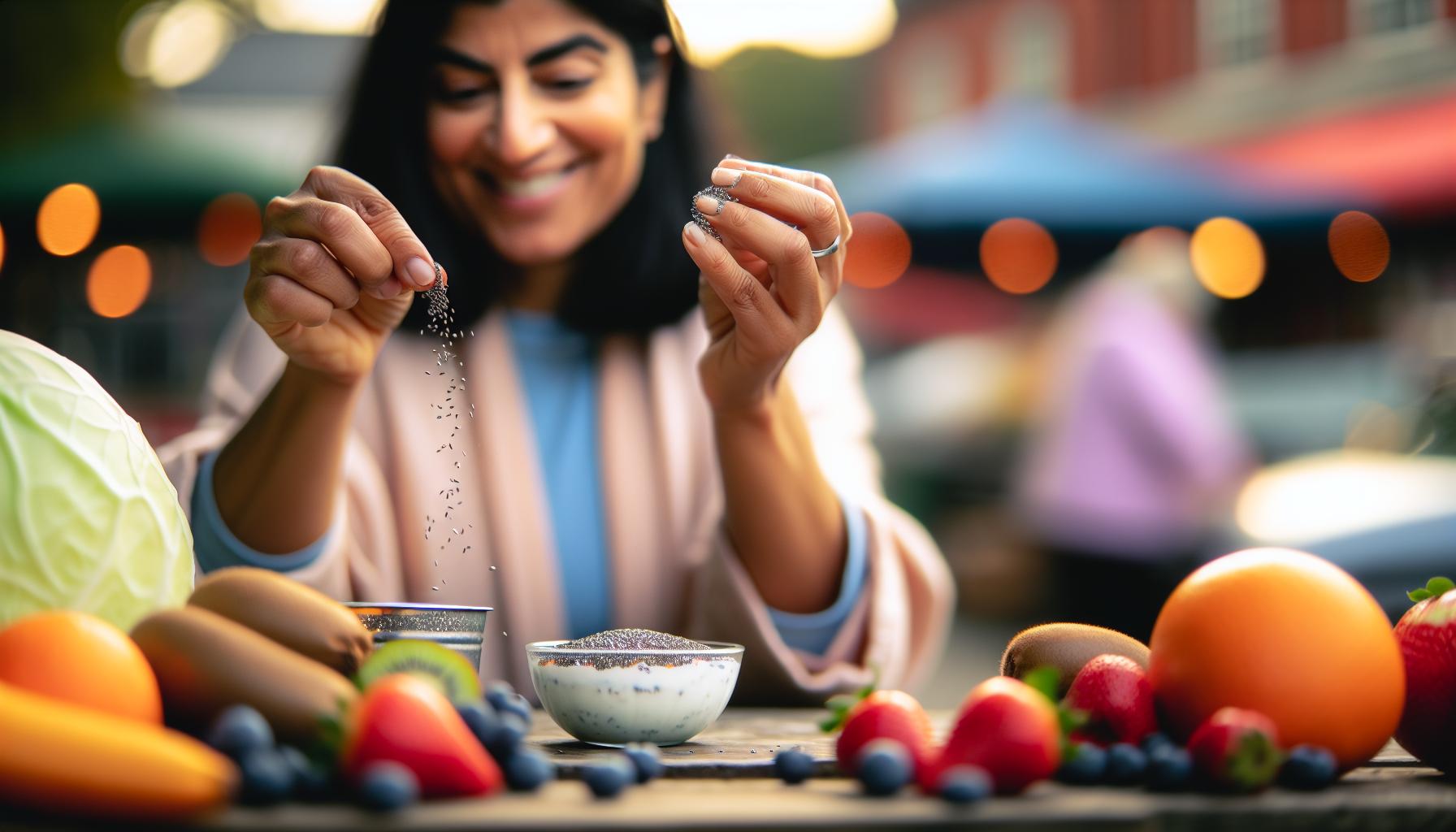
Incorporating Chia Seeds into Your Diet
can be both enjoyable and beneficial for your weight loss journey. These tiny seeds not only pack a nutritional punch but also serve as a versatile ingredient that can enhance the flavor and texture of many dishes. Whether you’re looking to add more fiber to your meals or increase your satiety levels, the following methods will help you seamlessly include chia seeds into your daily routine.
One of the simplest ways to enjoy chia seeds is by adding them to your breakfast. Consider mixing them into your overnight oats or yogurt for a quick and nutritious meal. When soaked, chia seeds absorb liquid and create a gel-like consistency that adds bulk to your dishes, helping you feel fuller for longer. You can also sprinkle chia seeds on smoothies or smoothie bowls to boost their nutritional profile without altering the taste. Here are some easy ideas to get you started:
- Overnight Chia Pudding: Combine chia seeds with almond milk and your favorite sweetener, refrigerate overnight, and enjoy it for breakfast topped with fresh fruits.
- Smoothie Add-in: Blend chia seeds into your smoothies for a nutrient-dense breakfast or snack that helps stabilize your energy levels.
- Salad Topper: Sprinkle chia seeds onto salads for added crunch and nutrition, enhancing both flavor and fiber content.
For those who enjoy baking, chia seeds can be incorporated into recipes for muffins and granola bars. They can also replace eggs in vegan baking when mixed with water to form a gel. This not only provides binding but also increases the fiber content of your baked goods. Try experimenting with recipes by substituting a portion of your flour with chia seeds or adding them to bread dough for a healthy twist.
Another innovative way to add chia seeds to your diet is by creating chia-infused beverages. Consider making a refreshing chia lemonade by soaking chia seeds in water, adding lemon juice, and a sweetener of your choice. This drink not only hydrates but also provides additional nutrients, making it a delightful and healthy choice.
With such a wide variety of ways to incorporate chia seeds into your meals and snacks, you can easily enhance your diet while working towards your weight loss goals. As always, remember to consult with a healthcare professional or registered dietitian when making significant dietary changes to ensure that these adjustments align with your individual health objectives.
7 Proven Methods to Use Chia Seeds for Weight Loss
Chia seeds are an incredible powerhouse for weight loss, providing an excellent source of dietary fiber, healthy fats, and plant-based protein. Integrating them into your diet can help you feel fuller for longer periods, which is crucial when trying to shed those extra pounds. Here are seven proven methods to use chia seeds effectively for your weight loss journey:
1. Create Chia Gel for Portion Control
One of the easiest ways to use chia seeds is to make chia gel. By mixing three tablespoons of chia seeds with one cup of water and letting it sit for about 30 minutes, you create a gel that can be added to various dishes. This gel adds volume to foods without many calories, making it an excellent filler for smoothies, oatmeal, or even savory dishes.
2. Add to Smoothies for Nutrient Boost
Chia seeds can turn an ordinary smoothie into a nutrient-dense meal. By blending them into your favorite smoothie recipe, you enhance the fiber content and provide a source of omega-3 fatty acids. This not only promotes weight loss through increased satiety but also contributes to overall health.
3. Incorporate into Baked Goods
Chia seeds can easily be incorporated into baked goods, from muffins to bread. They can replace eggs in vegan recipes by mixing one tablespoon of chia seeds with three tablespoons of water, allowing it to sit until it thickens. This substitution adds fiber and helps keep baked goods moist while maintaining nutritional value.
4. Top Your Salads
Sprinkling chia seeds on salads can elevate both flavor and texture. They introduce a delightful crunch while boosting the nutritional profile of your greens. This small addition can help improve satiety and keep you feeling full longer, which is vital when trying to maintain a calorie deficit.
5. Experiment with Chia Puddings
Chia puddings are a popular and versatile way to enjoy chia seeds. Combine chia seeds with your choice of milk (dairy or plant-based) and let it sit overnight. This creates a creamy, satisfying pudding that can serve as a breakfast option or a healthy dessert. Add fruits or nuts for extra flavor and nutrients.
6. Create Chia Infused Drinks
Chia seeds can enhance your hydration routine. Make a refreshing chia-infused drink by mixing soaked chia seeds with fruit juices or flavored waters. It’s an inventive way to stay hydrated while also benefiting from the added fiber, promoting a feeling of fullness that can help reduce snacking on less healthy options.
7. Use as a Thickening Agent
Chia seeds can act as a natural thickener for soups, sauces, and gravies. Adding ground or whole chia seeds can enhance the texture of your favorite dishes, allowing you to enjoy hearty meals that are still lower in calories and higher in nutrients.
Incorporating chia seeds into your diet doesn’t have to be complicated. These methods offer creative and enjoyable ways to enhance your meals while supporting your weight loss goals. Always remember to stay hydrated and consult with a healthcare professional or registered dietitian if you have specific dietary needs or questions about adding chia seeds to your regimen.
Creative Chia Seed Recipes for Weight Loss
The versatility of chia seeds makes them an exciting addition to your diet, especially when aiming for weight loss. These tiny powerhouses can be transformed into various delicious recipes that not only incorporate their nutritional benefits but also make mealtime enjoyable. Here are some creative ways to leverage chia seeds for your weight loss journey.
Chia Seed Pudding
A simple yet delightful dish, chia seed pudding can be prepared in countless flavors. Combine 1/4 cup of chia seeds with 1 cup of almond milk (or any milk of your choice), add a sweetener like honey or maple syrup to taste, and mix well. Let it sit in the refrigerator overnight. The next morning, you’ll wake up to a creamy, satisfying dessert. Top with fresh fruits, nuts, or a sprinkle of cinnamon for added flavor and nutrients.
Chia Seed Energy Bars
Making your own energy bars is a great way to control ingredients while enjoying a snack that keeps you full. In a mixing bowl, combine 1 cup of rolled oats, 1/2 cup of nut butter, 1/4 cup of honey, and 1/4 cup of chia seeds. Press the mixture into a baking dish and refrigerate until set. Cut into bars for a perfect on-the-go option that provides fiber and healthy fats, helping to curb hunger between meals.
Chia Seed Jam
Create a delicious, low-sugar jam using chia seeds. Mash 2 cups of your favorite berries (strawberries, blueberries, or raspberries) in a bowl, add 2 tablespoons of chia seeds and a tablespoon of honey or a sugar substitute. Mix well and let it sit for about 30 minutes until it thickens. This jam can be spread on whole-grain toast or used as a topping for yogurt, boosting your meals with flavor and fiber.
Chia-Infused Salad Dressings
Enhance the nutritional value of your salads with a homemade chia-infused dressing. Whisk together 1/4 cup of olive oil, 2 tablespoons of apple cider vinegar, 1 tablespoon of Dijon mustard, and 1 tablespoon of chia seeds. Let it sit for about 10 minutes to allow the chia seeds to thicken the dressing. Drizzle over your favorite greens for a satisfying meal that promotes fullness and delivers beneficial fats.
Embracing chia seeds in these creative recipes not only adds variety to your meals but also harnesses their weight-loss benefits. Remember to consult a healthcare professional or dietitian for personalized advice on incorporating these seeds into your diet to best support your health goals.
Measuring Your Success: Tracking Weight Loss with Chia Seeds
Tracking your journey with chia seeds can be both motivating and enlightening. These tiny seeds not only contribute to your weight loss efforts through their unique nutritional profile, but they also provide a tangible way to measure progress. Understanding the various methods of tracking can help ensure you’re maximizing the benefits of chia seeds while staying committed to your goals.
To properly measure your success, start by keeping a food journal. Document each meal and snack that includes chia seeds, noting the quantity used and the specific recipe, if applicable. This can help identify which methods resonate best with your palate and body. For example, after incorporating chia seed pudding into your breakfast routine, you might notice a decrease in mid-morning snacking or better overall satiety. Tracking your weight weekly or bi-weekly is also beneficial; however, it’s important to remember to consider other metrics of success beyond just the scale, such as how your clothes fit or your energy levels throughout the day.
Implementing regular check-ins on your hydration status and digestive health is crucial, given chia seeds’ high fiber content. You might find it helpful to set reminders to assess your hydration level since chia seeds absorb liquid and expand in your stomach, promoting a feeling of fullness. Monitoring digestive changes-such as improved regularity or less bloating-can serve as additional indicators of how effectively chia seeds are supporting your weight loss goals.
Ultimately, the journey of incorporating chia seeds into your meal plan should feel rewarding. Set small, achievable goals that can keep you engaged, such as trying one new chia seed recipe each week or increasing your daily intake gradually. And always consult with healthcare professionals for personalized insights that align with your health journey, ensuring you’re on the right track to success while incorporating these nutritious seeds into your lifestyle.
Potential Side Effects and Considerations
Incorporating chia seeds into your diet can be beneficial for weight loss, but it’s important to be aware of . While these nutrient-dense seeds offer a wealth of health benefits, they can also lead to some unwanted issues if not used correctly. For many, the high fiber content in chia seeds is a double-edged sword. Initially, it can promote feelings of fullness and help control appetite, but suddenly increasing fiber intake without adequate hydration can lead to digestive discomfort, bloating, or even constipation.
To minimize adverse effects, consider the following tips:
- Hydrate adequately: Chia seeds can absorb up to 10-12 times their weight in liquid. When incorporating them into your meals, be sure to drink plenty of water to support digestion and prevent potential blockages in the gastrointestinal tract.
- Start small: If you’re new to chia seeds, begin with a small amount-about one teaspoon-gradually increasing to the suggested servings, which is typically 1-2 tablespoons. This allows your body to adjust to the higher fiber content.
- Soak before consuming: Soaking chia seeds in water, milk, or a dairy substitute can help them expand before they enter your digestive system, making them easier to digest and more effective at promoting a feeling of fullness.
It’s also vital to consider individual health conditions. People with certain pre-existing conditions like irritable bowel syndrome (IBS) may find that high-fiber foods exacerbate their symptoms. Furthermore, chia seeds have a small amount of oxalates, which could be problematic for individuals prone to kidney stones. Always consult with a healthcare professional before significantly altering your diet or if you have concerns regarding the incorporation of chia seeds into your meals.
In summary, while chia seeds can play a valuable role in weight loss, being mindful of their potential drawbacks is crucial for achieving a balanced and healthy diet. By approaching their use with care and proper hydration, you can enjoy the benefits while minimizing side effects.
Expert Tips: Maximizing Weight Loss with Chia Seeds
To truly harness the weight loss potential of chia seeds, it’s essential to apply some expert strategies that can amplify their benefits in your diet. One fascinating fact about chia seeds is their ability to absorb liquid and expand up to 12 times their original size, creating a gel-like substance that not only enhances satiety but also slows down digestion. This unique property can be a game-changer in managing hunger and reducing overall calorie intake.
One of the most efficient ways to maximize weight loss is to integrate chia seeds into meals that provide sustained energy. For example, blending chia seeds into a nutritious smoothie or adding them to overnight oats creates a filling breakfast that can carry you through the morning without the need for snacking. Additionally, incorporating soaked chia seeds into soups or salads can create a sense of fullness, making it easier to resist cravings.
Another effective method is to use chia seeds as a replacement for less healthy ingredients in your recipes. They can act as a binding agent in baked goods or a thickener in sauces, allowing you to reduce calories without sacrificing flavor. A simple swap of chia seeds for part of the flour in baking can enhance the nutritional value of your favorite treats.
Lastly, timing can play a crucial role in how you use chia seeds for weight loss. Consuming them before meals, particularly during lunch and dinner, can significantly curb your appetite. This practice can lead to better portion control and ultimately contribute to a caloric deficit-key in any weight loss plan. Remember to stay hydrated, as pairing chia seeds with plenty of water will aid in their digestion and maximize their appetite-suppressing capabilities.
By implementing these strategies, you are setting yourself up for success in using chia seeds as an effective tool in your weight loss journey. Always remember, though, that personal adjustments may be needed, and consulting with health professionals can provide personalized advice tailored to your unique dietary needs.
Chia Seeds vs. Other Weight Loss Foods
Chia seeds are quickly becoming a staple in the weight loss conversation, but how do they measure up against other foods touted for their slimming properties? Their unique ability to absorb water-expanding up to 12 times their original size-means they create a gel-like consistency that promotes a feeling of fullness, leading to reduced calorie intake. This differentiates chia seeds from many traditional weight loss foods that don’t provide the same satiating effects.
When comparing chia seeds to other popular weight loss ingredients, it’s essential to consider their nutrient profile. For instance, while oats and quinoa are excellent sources of fiber and protein, chia seeds not only deliver similar benefits but also pack a potent punch of omega-3 fatty acids and antioxidants. This makes them a versatile addition to various meals. Incorporating chia seeds into your diet can elevate your nutrient intake and satiation levels, all while helping to maintain energy levels throughout the day.
Another significant advantage of chia seeds over other weight loss foods, such as processed snacks or high-calorie protein bars, is their natural composition. While many weight loss products may contain additives or excess sugars, chia seeds are a whole food option. They can easily blend into smoothies, yogurts, or salads, making them a more appealing choice for health-conscious consumers.
It’s also worth mentioning the ease of incorporating chia seeds into daily meals compared to some other diet-friendly foods that may necessitate more complex recipes or meal prep. Whether mixed into overnight oats, blended into smoothies, or sprinkled on salads, chia seeds offer a straightforward way to enhance satiety and ensure a nutritious diet without overcomplicating your meal planning.
As you explore the optimal dietary choices for weight loss, consider integrating chia seeds alongside other wholesome foods. Don’t hesitate to consult with a healthcare professional or a registered dietitian to create a balanced plan tailored to your specific health needs and goals. Remember, while chia seeds can bolster your weight loss strategy, the foundation of any successful weight management plan is rooted in a balanced, varied diet and healthy lifestyle habits.
Real-Life Success Stories: Chia Seeds Impact on Weight Loss
Incorporating chia seeds into diets has led to compelling success stories, as numerous individuals have experienced notable transformations in their weight loss journeys. One powerful example is Sarah, a busy professional who struggled with frequent cravings and snacking throughout her workday. After learning about the satiating properties of chia seeds, she began adding them to her morning smoothies. Within just a few weeks, she noticed significantly reduced hunger pangs, allowing her to maintain better control over her eating habits. As a result, Sarah managed to lose 15 pounds over a few months, attributing her success to the integrated chia seeds, which helped her feel fuller for longer periods.
Another inspiring case comes from Mark, an avid fitness enthusiast who wanted to shed some extra weight before his summer vacation. Seeking to enhance his meal prep efficiently, he began incorporating chia seeds into his overnight oats and salad dressings. By doing so, he not only enriched the nutritional content of his meals but also increased his fiber intake, which aided his digestion and enhanced satiety. Mark’s commitment to including chia seeds as a staple in his diet resulted in shedding 10 pounds in just under two months, giving him the confidence he needed for beach season.
These stories exemplify how easily chia seeds can fit into various lifestyles while contributing to successful weight loss. They illustrate the importance of making small, sustainable changes in dietary habits rather than resorting to extreme dieting or restrictive eating plans. For those curious about their potential impact, incorporating chia seeds could be a straightforward addition to enhance satiety and improve overall nutrition. As you consider your weight loss journey, remember that such personal experiences can be valuable guides, but consulting with a healthcare professional is crucial for personalized nutrition advice.
Frequently Asked Questions About Chia Seeds and Weight Loss
Incorporating chia seeds into your diet can spark many questions, especially when it comes to their impressive role in weight loss. One common inquiry is about their suitability for everyone. Due to their high fiber content, chia seeds can help promote satiety, making them an excellent addition for those looking to manage their appetite. However, individuals with specific dietary restrictions or medical conditions should consult a healthcare professional before adding chia seeds to their routine, ensuring they suit their unique dietary needs.
Another frequent topic of discussion is how to effectively use chia seeds to maximize their weight loss benefits. Many users wonder whether it’s better to consume them whole or soaked. Soaking chia seeds in water or other liquids before consumption not only enhances their digestibility but also allows them to absorb liquid, expanding their volume. This property contributes to feeling fuller longer, which can be particularly beneficial for individuals looking to reduce calorie intake. Incorporating them into meals like smoothies, yogurt, or oatmeal can be an effective way to ensure you’re leveraging their full potential.
Moreover, some people ask about optimal serving sizes. A typical recommendation is to start with one to two tablespoons of chia seeds per day, gradually increasing the quantity as tolerated. It’s essential to drink plenty of water when consuming chia seeds, especially in their dry form, to prevent any digestive discomfort. This practice not only aids digestion but also enhances the overall hydration benefits associated with these tiny powerhouses.
Lastly, individuals often express curiosity about the time frame in which they can expect to see results from incorporating chia seeds into their diet. While some may notice changes in their appetite or energy levels relatively quickly, significant weight loss results typically require consistent dietary alterations and a commitment to a balanced lifestyle. As with any dietary method, patience and persistence play key roles in achieving long-term goals with chia seeds as part of a broader weight loss strategy.
Frequently asked questions
Q: How do chia seeds help with weight loss?
A: Chia seeds promote weight loss by absorbing water, expanding in the stomach, and increasing feelings of fullness. Their high fiber content aids in digestion and regulates blood sugar levels, helping to control cravings and reduce food intake.
Q: What is the best way to consume chia seeds for weight loss?
A: The best ways to consume chia seeds for weight loss include adding them to smoothies, yogurt, or oatmeal. You can also mix them into water or juice to create a gel-like substance that helps you feel fuller longer.
Q: Can chia seeds be taken on an empty stomach?
A: Yes, chia seeds can be taken on an empty stomach. Soaking them in water or juice before consumption may enhance their benefits, as they expand and keep you feeling full, which can help reduce overall calorie intake throughout the day.
Q: How many chia seeds should I eat daily for weight loss?
A: A typical daily serving of chia seeds for weight loss is about 1-2 tablespoons. It’s important to start with small amounts and increase gradually to avoid digestive discomfort, while ensuring you drink plenty of water.
Q: Are there any side effects of eating chia seeds for weight loss?
A: While chia seeds are generally safe, potential side effects include digestive issues, such as bloating or gas, especially if consumed in large quantities without adequate hydration. It’s wise to consult with a healthcare professional before adding them to your diet.
Q: When is the best time to eat chia seeds for weight loss?
A: The best time to eat chia seeds for weight loss is either in the morning to kick-start metabolism or before meals to enhance satiety. Incorporating them into snacks can also help curb cravings throughout the day.
Q: Can chia seeds replace meals for weight loss?
A: While chia seeds can be a part of a weight loss plan, they should not fully replace meals. Instead, use them as a nutrient-dense addition to meals that contributes to overall calorie reduction while providing essential nutrients.
Q: How do chia seeds compare to flaxseeds for weight loss?
A: Chia seeds and flaxseeds both offer health benefits for weight loss. Chia seeds contain more fiber and protein, contributing to satiety, while flaxseeds provide omega-3 fatty acids. Incorporating both into your diet can enhance their individual benefits.
Future Outlook
Now that you’ve discovered the transformative ways chia seeds can aid your weight loss journey, it’s time to take action! Incorporating these nutrient-rich seeds into your diet is not only simple but also an empowering step towards a healthier you. If you’re curious about more ways to enhance your nutrition, check out our articles on “Top Superfoods for Weight Loss” and “Healthy Snack Ideas with Chia Seeds” to continue your path to wellness.
Don’t wait-start experimenting with the practical tips we’ve shared and witness the benefits firsthand! If you have questions or want to share your chia experiences, drop a comment below or connect with us on social media. Remember, your health journey is unique; consider consulting a healthcare professional to tailor these strategies to your individual needs.
For regular updates on health tips and recipes, subscribe to our newsletter, and take the first step today toward an empowered you! Your journey doesn’t end here; explore our blog for more insights into nutrition, supplements, and holistic wellness. Let’s keep the conversation going-together, we can achieve lasting health!