Hair loss can be a distressing experience, affecting not just your appearance but also your confidence. Did you know that Ayurvedic medicine, a holistic health system originating in India over 3,000 years ago, offers effective treatments that target the root causes of hair loss? By understanding your unique dosha and embracing natural remedies derived from plants and minerals, you can restore balance and promote healthy hair growth. This article delves into Ayurvedic hair loss treatments that genuinely work, addressing common concerns and highlighting the importance of tailored approaches. As you navigate through these time-tested strategies, you’ll discover how you can harness the power of Ayurveda to regain your vitality and self-assurance. Continue reading to explore the insights and natural remedies that may transform your hair care journey.
Understanding Hair Loss: Causes and Types
Understanding why hair loss occurs is crucial for anyone seeking effective remedies. Hair loss can manifest in several ways, including thinning hair, bald patches, or a receding hairline. The causes of hair loss are multifaceted, often stemming from a blend of genetic, hormonal, environmental, and lifestyle factors.
- Genetic Factors: Hereditary conditions such as androgenetic alopecia (commonly known as male or female pattern baldness) can significantly influence hair loss. This type is typically characterized by a gradual thinning of hair, often starting at the temples or crown.
- Hormonal Changes: Shifts in hormone levels-due to pregnancy, menopause, or thyroid disorders-can lead to hair loss. Conditions like polycystic ovary syndrome (PCOS) are also known to affect hormonal balance, resulting in hair thinning.
- Health Conditions: Scalp infections, autoimmune diseases (such as alopecia areata), and other health disorders can disrupt normal hair growth cycles, leading to patches of hair loss or overall thinning.
- Lifestyle Factors: Stress, poor nutrition, and neglecting hair care routines can all exacerbate hair loss. A diet lacking essential nutrients, including proteins, vitamins, and minerals, can significantly weaken hair follicles.
Recognizing the type of hair loss can provide direction for treatment. For instance, if the hair loss is due to a hormonal imbalance, addressing that issue may help restore hair growth-an approach emphasized in Ayurvedic practices that focus on balancing the body’s internal energies.
In summary, understanding the causes of hair loss not only helps set the stage for targeting the right treatments but also empowers individuals to take proactive steps towards regaining their hair health. Always consider consulting with healthcare professionals when developing a strategy tailored to specific hair loss needs.
Ayurvedic Principles for Hair Health
The journey to healthier hair can often feel overwhelming, especially when faced with the myriad of products and treatments available today. However, Ayurvedic principles offer a time-tested approach rooted in the concept of balance. This ancient healing system emphasizes the importance of harmonizing the body’s energies-known as doshas-to promote overall well-being, including hair health. In Ayurveda, unhealthy hair is often seen as a manifestation of an imbalance in one or more of these doshas: Vata, Pitta, and Kapha.
To support hair health, Ayurveda recommends a holistic approach that addresses both internal and external factors. This includes tailored diet and lifestyle changes alongside treatment methods that nourish the hair directly. For example, incorporating foods that enhance circulation-such as sesame seeds and nuts-can help improve blood flow to the scalp, thereby supporting hair growth. Additionally, herbal oils like Bhringraj and Amla are revered for their ability to strengthen hair follicles and promote thicker hair.
Implementing regular scalp massages with Ayurvedic oils not only nurtures the hair but also helps to relieve stress, a common contributor to hair loss. These massages serve to stimulate blood circulation, opening up the energy pathways crucial for healthy hair growth. Moreover, Ayurveda suggests the importance of using natural, chemical-free products, aligning with the belief in treating hair with care and respect, allowing it to thrive in its natural beauty.
Understanding these principles can empower you to take charge of your hair health journey. By listening to your body and making informed choices that reflect your unique constitution, you can create a nourishing environment conducive to revitalizing your hair. Always consider consulting with a healthcare professional to create a personalized plan that best addresses your specific needs.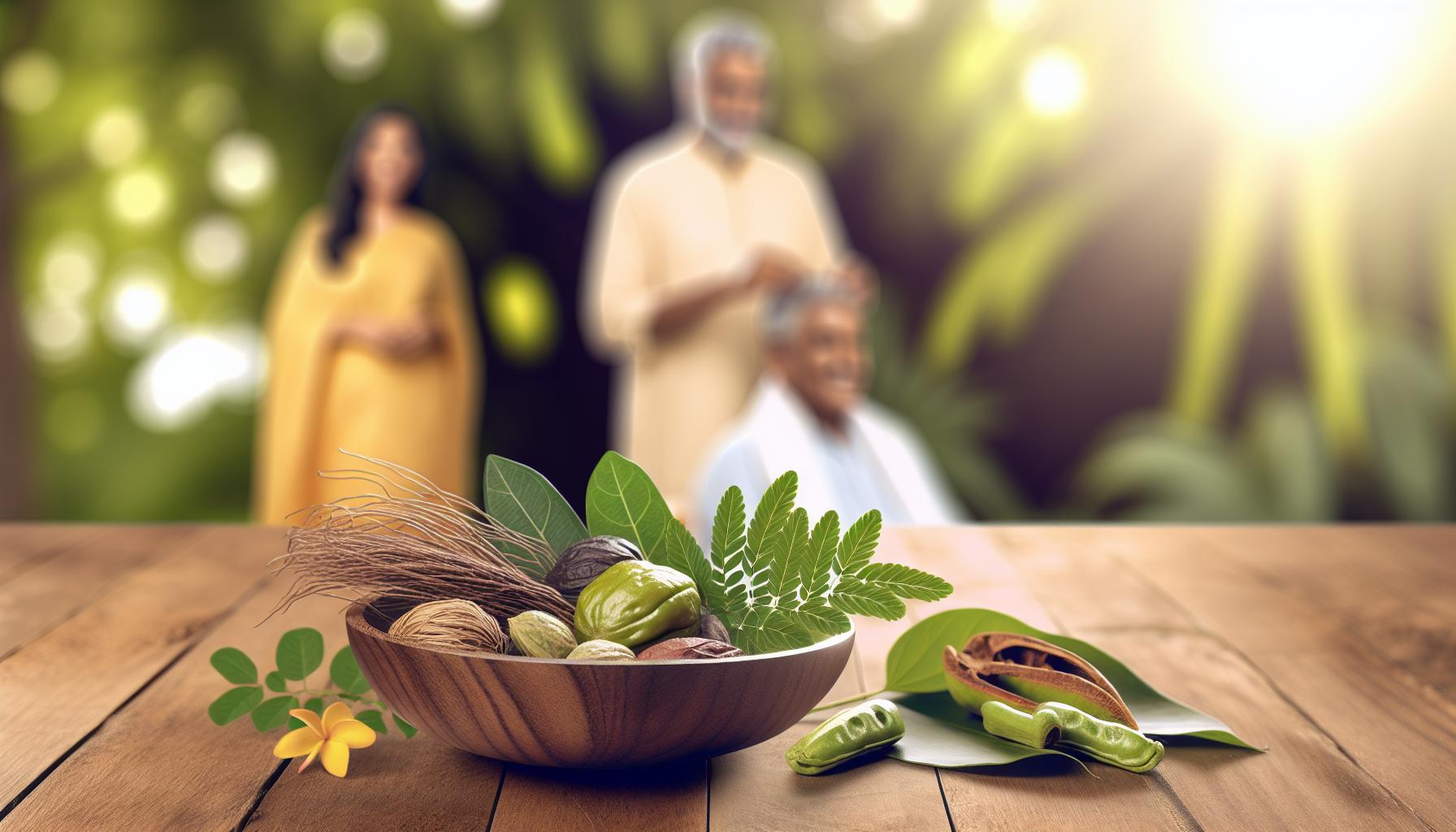
Essential Ayurvedic Herbs for Hair Loss
For those seeking natural remedies to combat hair loss, Ayurvedic herbs present a treasure trove of options that have been celebrated for centuries. These time-tested plants are not just remedies; they are integral to a holistic approach that aims to restore balance and vitality to your hair. Among them, certain herbs stand out for their potent effects on hair strength, growth, and overall health.
Bhringraj (Eclipta alba)
Bhringraj, often referred to as the “king of hair,” is renowned in Ayurvedic medicine for its ability to promote hair growth and prevent hair loss. Rich in nutrients, this herb nourishes the hair follicles, enhances blood circulation in the scalp, and may even assist in pigmentation restoration. Regular application of Bhringraj oil through scalp massages can lead to thicker, healthier hair while also helping reduce stress, which is a common contributor to hair loss.
Amla (Emblica officinalis)
Amla, or Indian gooseberry, is packed with antioxidants and vitamin C, vital for collagen production and overall scalp health. Its properties not only help strengthen hair but also prevent premature graying and increase shine. Whether consumed fresh, as juice, or applied as an oil, Amla nourishes hair from the inside out, making it an essential addition to any hair care regimen.
Nettle (Urtica dioica)
Often overlooked, nettle is another powerful herb favored in Ayurveda. Known for its high silica and sulfur content, nettle promotes hair growth by strengthening hair strands and reducing breakage. Incorporating nettle tea into your daily routine or using nettle-infused hair rinses can provide an effective boost to your hair health.
Fenugreek (Trigonella foenum-graecum)
Fenugreek seeds are a rich source of proteins and nicotinic acid, which are essential for strengthening hair and preventing hair fall. Soaking the seeds overnight and grinding them into a paste, which can be applied to the scalp, offers a natural treatment that encourages hair growth and combats dandruff, ensuring a healthier scalp environment.
For those looking to explore these herbal remedies, it is crucial to approach them with mindfulness. While integrating these herbs into your routine, consider consulting with a healthcare professional or an Ayurvedic practitioner for personalized advice tailored to your specific needs. Embracing these natural approaches can significantly enhance your hair health journey, providing you with not just remedies, but also a deeper understanding of your body’s unique requirements.
DIY Ayurvedic Treatments to Try at Home
Embracing the art of DIY Ayurvedic treatments can be a transformative experience, especially when addressing the common concern of hair loss. These natural remedies not only enhance hair health but also embody the holistic principles of Ayurveda, merging the mind, body, and spirit in an empowering journey towards rejuvenation. Utilizing easily accessible ingredients, you can create effective treatments right at home that tap into the wisdom of ancient healing practices.
Bhringraj and Amla Hair Mask
A blend of Bhringraj and Amla is a powerhouse for promoting hair growth. Combine two tablespoons of Bhringraj powder with three tablespoons of Amla powder and mix them with water to form a paste. Apply this mask to your scalp and hair, allowing it to sit for about 30-40 minutes before rinsing it off with a gentle shampoo. This treatment not only nourishes the hair follicles but also enhances the scalp’s health, leveraging Bhringraj’s restorative properties and Amla’s rich vitamin C content for maximum effectiveness.
Fenugreek Seed Conditioning Treatment
Fenugreek seeds are known for their high protein content and beneficial properties for tackling hair loss. To prepare a conditioning treatment, soak half a cup of fenugreek seeds overnight in water. The next day, drain the water and blend the seeds into a fine paste. Apply this paste to your scalp and hair, leaving it on for at least an hour before rinsing. This natural conditioner strengthens hair strands and promotes a healthier scalp environment, combating dandruff and dryness.
Nettle Tea Rinse
Nettle is often recognized for its powerful contribution to hair health, primarily due to its high levels of vitamins and minerals. Brew a strong nettle tea by steeping dried nettle leaves in boiling water for about 10-15 minutes. After cooling, use this tea as a final rinse after washing your hair. Not only does this rinse help add shine and smoothness to your hair, but it also strengthens hair follicles and promotes growth over time.
Essential Oil Serums
Incorporating essential oils can elevate your hair care routine. Create a serum by mixing a few drops of essential oils such as rosemary, lavender, or tea tree oil with a carrier oil like coconut or olive oil. Massage this blend into your scalp regularly. Essential oils have been shown to stimulate hair growth, reduce thinning, and improve scalp health, providing aromatic relaxation as a bonus.
These DIY approaches are powerful steps toward nurturing your hair naturally. Remember, while these treatments can yield great benefits, individual results may vary. It’s always wise to consult with a healthcare professional or an Ayurvedic practitioner to tailor treatments according to your unique hair and scalp needs, ensuring that you receive the most appropriate advice and care for your specific situation. Embrace this journey, and let nature guide you towards healthier, more vibrant hair.
Nutritional Support for Healthy Hair
Nutritional choices play a critical role in maintaining healthy hair, and understanding the right foods can empower you to support your hair health effectively. The body requires a variety of nutrients to promote hair growth and prevent loss, and integrating specific Ayurvedic principles into your diet can enhance these effects. A balanced intake of vitamins, minerals, and proteins is essential for not just your hair, but overall well-being, making dietary adjustments a key aspect of your hair care regimen.
To foster hair health, consider incorporating the following nutrients into your meals:
- Proteins: Hair is primarily made up of a protein called keratin. Including protein-rich foods such as lentils, chickpeas, chicken, fish, and eggs can help strengthen hair strands and encourage new growth.
- Healthy Fats: Omega-3 fatty acids, present in foods like walnuts, flaxseeds, and fatty fish, contribute to scalp health and can reduce inflammation that leads to hair loss.
- Vitamins: Vitamin A, found in carrots and sweet potatoes, aids in the production of sebum, a natural oil that keeps your scalp moisturized. Vitamins B, particularly Biotin, are vital for hair growth and can be found in green leafy vegetables, bananas, and dairy products.
- Minerals: Zinc and iron are crucial for preventing hair loss. Foods rich in these minerals include spinach, pumpkin seeds, and quinoa. Incorporating these foods into your diet can improve circulation to the scalp and support hair follicle health.
Ayurvedic Superfoods for Hair
Several Ayurvedic superfoods can complement your diet and enhance hair health. For instance, amla (Indian gooseberry) is renowned for its high vitamin C content and antioxidant properties, which help promote collagen production, contributing to stronger hair. Another powerful ingredient is sesame seeds, often recommended in Ayurvedic texts for their richness in minerals and healthy fats, supporting scalp health and nourishing hair follicles.
Moreover, drinking herbal teas infused with ingredients like nettle or hibiscus can be beneficial. Nettle, in particular, promotes hair growth through its rich vitamin and mineral profile, while hibiscus aids in preventing hair fall.
Incorporating these foods and practices into your daily routine not only nourishes your hair but also aligns with the holistic philosophy of Ayurveda, addressing the body’s needs from within. As you make dietary changes, remember that individual results vary, and consulting a healthcare professional is always advisable to tailor dietary recommendations to your unique health needs.
Lifestyle Changes to Reduce Hair Loss
Making simple yet impactful lifestyle changes can significantly reduce hair loss, aligning perfectly with Ayurvedic principles that emphasize holistic well-being. Stress is one of the primary factors that can lead to hair loss, and managing it can be essential for maintaining a healthy mane. Incorporating practices such as yoga and meditation into your daily routine not only fosters relaxation but also improves blood circulation, nourishing the scalp and encouraging hair growth. For example, dedicating just 15-20 minutes each day for deep-breathing exercises or mindfulness meditation can create a noticeable difference in stress levels, ultimately benefiting your hair health.
Another critical lifestyle factor is sleep. Quality sleep is vital for the body to repair and rejuvenate, including hair follicles. Establishing a consistent sleep schedule that allows for 7-9 hours of restorative sleep each night can enhance overall vitality. Creating a relaxing bedtime ritual, such as drinking herbal teas infused with calming ingredients like chamomile or lavender, can help in transitioning your body into a restful state, promoting better sleep quality and, subsequently, healthier hair growth.
Nutrition also plays a crucial role beyond just what you eat. It’s essential to stay hydrated, as water supports various bodily functions, including circulation to the scalp. Aim for at least 8 glasses of water a day, and consider incorporating hydrating foods like cucumbers, oranges, and berries into your diet. These foods not only keep your body hydrated but are also packed with nutrients that promote hair health.
Lastly, limiting the use of harsh hair products and styling tools can avoid unnecessary damage to your hair. Opt for gentle, natural shampoos and conditioners that align with Ayurvedic principles, such as those containing amla or bhringraj, which are known for their nourishing properties. Embracing natural hairstyles and avoiding excessive heat or chemical treatments can help maintain hair integrity, paving the way for growth and vitality.
By integrating these lifestyle changes into your routine, you not only support your hair health but also embrace a comprehensive approach to well-being that Ayurveda champions. Always consult with a healthcare professional to tailor these recommendations to your individual needs and ensure effective implementation for lasting results.
Integrating Ayurveda with Modern Practices
Integrating ancient wisdom with contemporary methods can create a powerful approach to combat hair loss. Ayurveda, the traditional Indian system of medicine, promotes a holistic perspective on health, emphasizing the balance between the body, mind, and spirit. By harmonizing these principles with modern scientific insights, individuals facing hair loss can benefit from a comprehensive strategy tailored to their unique needs.
One effective way to blend Ayurveda with modern practices is through the use of personalized dietary changes. While Ayurvedic medicine emphasizes specific foods based on individual dosha types (Vata, Pitta, and Kapha), contemporary nutritional science outlines the importance of vitamins and minerals for hair health. For instance, incorporating nutrient-rich foods that are known to support hair growth, such as leafy greens, nuts, and seeds, can be beneficial. A diet high in antioxidants (like berries) not only nourishes the body but also protects hair follicles from oxidative stress.
Additionally, modern advancements in hair health technology, such as follicle-stimulating hair serums, can be paired with traditional Ayurvedic oils. Oils such as Bhringraj and Amla have been used for centuries to strengthen hair and promote growth. Applying these oils while using high-tech laser therapy or platelet-rich plasma (PRP) treatments can enhance the overall effectiveness of hair restoration efforts, providing a synergistic approach that draws on the strengths of both worlds.
Regular exercise, which is often emphasized in Ayurveda to balance bodily energies, can also find support in modern fitness practices. Yoga and pranayama, ancient techniques that enhance circulation and reduce stress, align well with contemporary fitness routines. These practices not only improve physical health but also promote mental well-being, which is vital when addressing hair loss, as stress can be a significant contributing factor.
Lastly, maintaining open communication with healthcare practitioners who are knowledgeable about both Ayurveda and modern medicine is crucial. This partnership can empower individuals to make informed decisions about their treatment options, leveraging the wisdom of ages-old practices combined with the latest scientific findings for optimal hair health. Consulting an Ayurvedic practitioner or a healthcare provider specializing in integrative medicine can help create a tailored plan that incorporates lifestyle adjustments, dietary changes, and therapeutic treatments designed for lasting results.
Real Success Stories: Ayurveda and Hair Regrowth
Many individuals struggling with hair loss have turned to Ayurvedic treatments and seen remarkable results, helping to restore not just their hair but also their confidence. The success stories of these transformations often highlight the holistic approach of Ayurveda, which treats the underlying causes rather than just the symptoms. For instance, one user shared their journey of significant hair thinning due to stress and hormonal imbalances. By consulting with a knowledgeable Ayurvedic practitioner, they adopted a personalized regimen involving a combination of dietary adjustments, herbal supplements, and traditional oil treatments like Bhringraj and Amla. Over six months, they reported substantial regrowth and improved hair texture, underscoring Ayurveda’s effectiveness in fostering holistic well-being.
Another compelling narrative comes from someone who battled alopecia areata, an autoimmune condition that causes patchy hair loss. After extensive research, they began incorporating Ayurvedic practices into their daily routine, including meditation and specific dietary changes aimed at balancing doshas. Alongside topical applications of herbal oils, they also engaged in yoga to reduce stress. Results began to surface within a few weeks, with the appearance of fine hairs where there had once been bald patches. This case emphasizes how integrative practices can lead to unexpected recovery and provide a sense of clarity on one’s health journey.
Real-Life Transformations
The success of Ayurveda in hair regrowth isn’t limited to a few anecdotal accounts; many practitioners report similar outcomes for their patients. Here are some key elements that contribute to these positive results:
- Customized Herbal Treatments: Formulations using Ayurvedic staples like Bhringraj, Hibiscus, and Amla can enhance blood circulation to the scalp and strengthen hair follicles.
- Diet and Nutrition: Patients often see improvements by aligning their diet with Ayurvedic principles, incorporating foods rich in vitamins E and D, proteins, and omega-3 fatty acids.
- Stress Management Techniques: Meditation techniques and yoga not only help in stress reduction but directly support scalp health and hair growth.
These stories serve as inspiring reminders that solutions may lie closer than one thinks. However, while these real-life transformations showcase the potential of Ayurvedic methods, it’s important for individuals experiencing hair loss to consult with healthcare professionals. They can provide personalized guidance on safe and effective treatment plans that align with one’s overall health strategy.
Common Myths About Ayurvedic Hair Treatments
Many misconceptions surround Ayurvedic hair treatments, often deterring individuals from exploring these natural remedies. One prevalent myth is that Ayurveda offers quick fixes for hair loss. Unlike conventional treatments that may provide immediate results, Ayurvedic approaches emphasize a holistic, long-term perspective on health. They focus on balancing the body’s energies and addressing root causes, such as dietary habits and lifestyle factors, which can take time to manifest as visible improvements in hair health.
Another common misconception is that Ayurvedic treatments are one-size-fits-all solutions. Many believe that using a popular herb like Amla or Bhringraj will work for everyone. However, Ayurveda recognizes the uniqueness of each individual’s constitution (Prakriti) and specific health conditions (Vikriti). Therefore, personalized treatment plans developed by trained practitioners are essential. These plans typically incorporate a combination of herbs, dietary recommendations, and lifestyle practices tailored to the individual’s needs.
Additionally, some people worry that Ayurvedic treatments lack scientific backing. While it’s true that Ayurveda is an ancient system of medicine, a growing body of research supports its effectiveness for various conditions, including hair loss. Studies have shown that specific Ayurvedic herbs can promote hair growth, enhance scalp health, and improve overall well-being. Emphasizing holistic self-care through Ayurveda can yield lasting benefits when integrated with modern medical practices.
As you explore Ayurveda for hair health, it’s vital to consult with a qualified Ayurvedic practitioner. They can help debunk myths and ensure that your treatment plan is safe and effective, promoting not just hair regrowth but overall wellness. Empowering yourself with accurate information will enable you to make informed decisions on your journey toward healthier hair.
Expert Tips for Maximizing Treatment Effectiveness
Maximizing the effectiveness of Ayurvedic treatments for hair loss requires a holistic and informed approach. To truly harness the potential of these natural remedies, integrating various aspects of Ayurveda with practical lifestyle changes can significantly enhance results. Consider the following expert tips to empower your journey towards healthier hair.
Consistency is Key
Establishing a regular routine for your Ayurvedic treatments is vital. Whether you are applying herbal oils or consuming dietary supplements, stick to a schedule to allow your body to respond effectively. Results often take time, so patience and commitment are essential. Incorporate treatments at specific times each week to help your body adapt and optimize the benefits.
Personalized Treatments
Since Ayurveda emphasizes individual differences, seek personalized treatment plans that cater to your unique constitution (Prakriti). Consult a qualified Ayurvedic practitioner who can assess your specific needs and recommend herbs, oils, and dietary adjustments tailored just for you. Formulating a regimen that respects your body’s unique requirements ensures a more effective outcome.
Nurture Your Scalp
A healthy scalp is the foundation of hair growth. Incorporate gentle scalp massages with Ayurvedic oils such as Bhringraj or Amla oil, which can enhance blood circulation and nourish hair follicles. To maximize absorption, warm the oil slightly before application. Regular massages can stimulate hair growth and reduce stress, further contributing to overall hair health.
Nutrition and Hydration
Proper nutrition significantly influences hair health. Include rich sources of essential vitamins and minerals in your diet, such as omega-3 fatty acids, biotin, and zinc. Foods like nuts, seeds, leafy greens, and fish can support hair growth. Additionally, staying hydrated is vital; aim for at least eight glasses of water a day to keep your scalp and hair adequately moisturized.
Stress Management
Understanding that stress can exacerbate hair loss, incorporate practices to manage stress effectively. Engage in relaxation techniques such as yoga, meditation, or breathing exercises. These practices not only contribute to overall wellness but also create a supportive environment for hair regrowth.
Implementing these tips as part of a comprehensive approach can empower you on your journey to healthier hair. Remember, while Ayurvedic treatments can significantly contribute to hair health, consistent communication with a healthcare professional is crucial for tailored advice and active monitoring of your hair restoration journey.
Choosing the Right Ayurvedic Practitioner
is crucial in your journey to address hair loss effectively. Not only do they provide personalized treatment plans, but their expertise can also make the difference between a mediocre experience and remarkable results. With the growing popularity of Ayurvedic treatment, ensuring you find a qualified professional can enhance the authenticity and effectiveness of your care.
Start by looking for practitioners who have the essential credentials and experience. Check their qualifications: Ideally, they should have a degree in Ayurveda from a recognized institution and a valid license to practice. This formal training equips them with a solid understanding of Ayurvedic principles and their application in modern contexts, particularly when it comes to conditions like hair loss. Don’t hesitate to ask for recommendations or search for reviews from previous clients; firsthand experiences can provide valuable insights.
In your quest for the right practitioner, consider their approach to treatment. A good Ayurvedic expert will perform an extensive assessment of your health history, constitution (Prakriti), and current concerns before recommending any remedies. Open communication is key: During your consultations, pay attention to how well they listen and respond to your questions. A practitioner who values your input and tailors their suggestions accordingly is likely to provide the most effective care.
Additionally, ensure that they take a holistic perspective that encompasses not just herbal remedies, but also dietary guidance, lifestyle changes, and stress management techniques. This comprehensive approach reflects the true essence of Ayurveda, aiming to balance the body, mind, and spirit for optimal health outcomes. Ultimately, can empower you on the path to healthier hair while fostering a supportive community focused on well-being.
Maintaining Long-Term Hair Health with Ayurveda
Maintaining healthy hair over the long term often requires a multifaceted approach, especially when integrating Ayurvedic practices into your routine. One intriguing fact is that Ayurveda, a holistic system of medicine, emphasizes balance and harmony in all aspects of life. This principle can significantly impact your scalp and hair health by addressing the root causes of hair issues, rather than merely alleviating symptoms.
A consistent regimen that combines Ayurvedic dietary practices, herbal applications, and lifestyle adjustments can create an optimal environment for hair growth and maintenance. For instance, including nutrient-rich foods that are abundant in omega-3 fatty acids, antioxidants, and vitamins A, C, and E can bolster hair health. Foods such as almonds, flaxseeds, spinach, and avocados should be staples in your diet, as they nourish both the scalp and hair follicles.
In addition to nutrition, employing Ayurvedic herbs like amla, bhringraj, and hibiscus can enhance your hair care routine. Amla, known for its high vitamin C content, not only strengthens hair but also promotes natural pigmentation, potentially reducing premature greying. Bhringraj has been celebrated in Ayurvedic texts for its ability to rejuvenate hair follicles and prevent hair loss. Incorporating these herbs into oil treatments or hair masks can provide profound benefits.
Moreover, lifestyle factors such as stress management and adequate sleep are crucial for sustaining hair health. Frequent practices such as yoga and meditation can help alleviate stress, which is often a significant contributor to hair loss. Regularly practicing self-care routines, including scalp massages with Ayurvedic oils like coconut or sesame oil, can increase blood circulation to the scalp and enhance nourishment to hair roots.
Ultimately, maintaining long-term hair health requires patience and consistency while utilizing Ayurvedic principles. By adopting a holistic approach that includes dietary practices, herbal applications, and lifestyle changes, you can cultivate a supportive environment for your hair to flourish, enhancing not just the appearance but the overall vitality of your hair.
Q&A
Q: What are the best Ayurvedic herbs for stopping hair loss?
A: Some of the most effective Ayurvedic herbs for hair loss include Bhringraj, Amla, and Ashwagandha. Bhringraj promotes new hair growth, Amla provides essential nutrients and strengthens hair, while Ashwagandha helps in reducing stress-related hair thinning. Incorporating these herbs in oils or dietary supplements can be beneficial.
Q: How long does it take for Ayurvedic treatment to show results for hair loss?
A: Ayurvedic treatments typically take 6 to 12 weeks to show noticeable results in hair regrowth, depending on the individual’s health and hair loss severity. Consistency with treatments and a healthy lifestyle are key factors in achieving effective results.
Q: Can diet affect the effectiveness of Ayurvedic treatment for hair loss?
A: Yes, diet significantly impacts the effectiveness of Ayurvedic hair loss treatments. Consuming nutrient-rich foods, particularly those high in vitamins A, C, D, E, and omega-3 fatty acids, can enhance the benefits of Ayurvedic herbs and improve overall hair health.
Q: Is there a specific Ayurvedic oil recommended for hair loss?
A: Yes, Bhringraj oil is highly recommended in Ayurveda for hair loss. It nourishes the scalp, strengthens hair roots, and promotes growth. Regularly massaging the scalp with this oil can improve circulation and help combat hair thinning.
Q: What lifestyle changes can support Ayurvedic treatments for hair loss?
A: Incorporating stress-reducing practices like yoga or meditation, maintaining a balanced diet, ensuring adequate hydration, and getting enough sleep can significantly enhance the effectiveness of Ayurvedic treatments for hair loss. These lifestyle adjustments promote overall health which is essential for hair growth.
Q: Why is understanding the root cause of hair loss important in Ayurveda?
A: Understanding the root cause of hair loss is crucial in Ayurveda because treatments are personalized based on individual body types (doshas) and specific health conditions. Identifying whether hair loss is due to stress, hormonal imbalance, or poor nutrition allows for targeted treatments that are more likely to be effective.
Q: Are there any side effects associated with Ayurvedic hair treatments?
A: Generally, Ayurvedic treatments are considered safe and have minimal side effects. However, allergic reactions to certain herbs can occur. It’s essential to consult with an Ayurvedic practitioner to tailor treatments specific to your needs and ensure safe use of herbs.
Q: How can I find a qualified Ayurvedic practitioner for hair loss treatment?
A: To find a qualified Ayurvedic practitioner for hair loss treatment, seek referrals from trusted healthcare providers or look for accreditation from recognized Ayurvedic associations. Additionally, check reviews and credentials to ensure the practitioner specializes in hair health and Ayurvedic scalp treatments.
Wrapping Up
Thank you for exploring our effective Ayurvedic treatment for hair loss. Remember, taking action now can make all the difference in achieving the healthy hair you desire. Discover more about related topics such as natural remedies for hair growth and essential oils for scalp health on our blog for deeper insights. If you still have questions or concerns, don’t hesitate to reach out for a personalized consultation to ensure the best approach for your unique situation.
Stay informed and empowered by subscribing to our newsletter for the latest tips on wellness and natural health solutions. Your journey to stopping hair loss starts today-let’s continue to uncover the secrets for vibrant hair together!