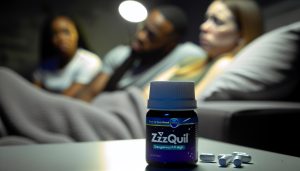
Snorting Xanax, a practice that many might consider for its quick effects, poses severe risks that can seriously jeopardize your health and wellbeing. While Xanax (alprazolam) is prescribed to manage anxiety and panic disorders, altering its intended use through methods like snorting can lead to dangerous outcomes, including overdose and addiction. This article delves into the extreme dangers associated with this practice, arming you with vital information to understand its consequences. If you or someone you know is struggling with anxiety, it’s essential to explore safe, effective treatment options and consult a healthcare professional. Your health is paramount, and being informed is the first step in making safer choices regarding mental health management. Join us as we explore these critical concerns to help empower yourself and others.
The Dangers of Snorting Xanax: Essential Insights
Snorting Xanax, a potent benzodiazepine prescribed to manage anxiety and panic disorders, poses severe health risks that can result in devastating consequences. This method of intake bypasses the body’s normal absorption processes, delivering the drug directly to the bloodstream and leading to an immediate and intense high. However, this extreme route of administration significantly heightens the potential for addiction, overdose, and other serious health complications.
The dangers of snorting Xanax extend beyond mere dependency. The nasal passages are not designed to handle harsh substances, which can lead to chronic respiratory issues. Users may experience damage to the mucous membranes, leading to nasal infections, bloody noses, and even the potential for long-term damage, such as a perforated septum. Additionally, the rapid spike in drug levels in the system can cause acute cognitive and motor impairment, greatly increasing the risk of accidents or dangerous behavior.
Moreover, the practice of snorting Xanax is frequently associated with other substance use, including alcohol and opioids. This poly-drug use can compound the dangers, further endangering users and complicating treatment options. Each additional substance introduces its own risks and the potential for a fatal overdose. Understanding these dangers is crucial for those considering this form of drug use, as well as their loved ones, who may be seeking to provide support and intervention.
In summary, snorting Xanax poses significant health risks-not just from the drug itself but also from the method of administration. Individuals are encouraged to explore safer alternatives for managing anxiety and to seek professional help if they or someone they know is struggling with substance use. The conversation around these risks is vital in fostering awareness and promoting healthier choices.
Why Do People Snort Xanax? Motivations Explained
Many individuals who snort Xanax do so out of a desire for a more immediate and intense experience than what oral use provides. This method of administration allows the drug to enter the bloodstream faster, producing a quicker onset of effects. For some, this rush can lead to feelings of euphoria, relaxation, or a temporary escape from anxiety and stress. The allure of such immediate relief can be particularly compelling for those struggling with anxiety disorders, where symptoms may feel overwhelming and unmanageable.
Another driving factor behind this dangerous practice is the misguided belief that snorting Xanax is safer than other methods, such as injecting opioids or alcohol. Some users may perceive snorting as a “less harmful” route, not fully understanding the multitude of risks involved. The act of snorting also carries a social element; in certain environments, it may be perceived as a more acceptable or trendy way to use the drug, further perpetuating its misuse.
Motivations for Snorting Xanax can be varied and complex, often intertwined with emotional or psychological factors. Individuals may resort to this behavior in an attempt to cope with deeper issues such as trauma, depression, or an anxiety disorder. Peer pressure and the desire for social acceptance can also contribute to the normalization of such behavior, particularly among younger users. As many people look for quick fixes to avoid discomfort or pain, the darker side of substance use becomes increasingly prevalent, leading to cycles of dependency and addiction.
Ultimately, it’s essential to emphasize that snorting Xanax is not a solution. While some may feel momentarily relieved, the long-term consequences can be devastating. Those struggling with anxiety or substance use should seek professional help to find safer, healthier coping mechanisms. Conversations about the motivations and dangers associated with drug misuse can promote understanding and support, helping individuals to make informed decisions about their health and well-being.
The Health Risks of Snorting Xanax: What You Should Know
Snorting Xanax can seem like a quick route to relief, but the health risks associated with this method of use are significant and potentially life-threatening. When Xanax, or alprazolam, is snorted, it bypasses the body’s natural filtering mechanisms, entering the bloodstream rapidly and intensifying the drug’s effects. This enhanced potency can lead to overdose, respiratory failure, and other severe complications more quickly than oral ingestion.
One of the most alarming consequences of snorting Xanax is the increased likelihood of dependence and addiction. The powerful and immediate effects can create a cycle of misuse where individuals may seek to recreate that initial high, escalating their dosage and frequency of use. This habit can cause structural changes in the brain associated with reward processing, making it increasingly difficult to function without the drug and heightening the risk of developing co-occurring mental health disorders.
Snorting Xanax also poses serious physical dangers. The act can lead to nasal damage, chronic sinus issues, and increased risk of infections. Furthermore, if the powder form is mixed with other substances, the risk of toxicity multiplies, particularly with the rising presence of fentanyl in various illicit drugs. This powerful opioid can be fatal even in minute quantities, and the uncertainty of its presence in counterfeit Xanax pills further compounds the dangers of misuse.
To safeguard your health and well-being, it’s crucial to seek professional guidance if you or someone you know is struggling with Xanax misuse. Engaging in open conversations about these risks and exploring healthier coping mechanisms can pave the way toward a more balanced and fulfilling life, free from the shadows of addiction. Remember, understanding the dangers is the first step towards making informed choices about your health and seeking the help you deserve.
How Snorting Xanax Affects the Body
Snorting Xanax leads to rapid and intense effects, but the consequences on the body can be devastating. When the drug is inhaled, it bypasses the digestive system, allowing for quicker absorption into the bloodstream. This method can result in much higher concentrations of the medication reaching the brain in a shorter period, often leading to an overwhelming feeling of euphoria or sedation. However, this increased potency can also trigger a range of immediate and severe health risks, highlighting why such methods of use are extremely dangerous.
One of the most serious impacts of snorting Xanax is the damage it can cause to the nasal passages. The powder can irritate the delicate tissues of the nose, leading to chronic sinus problems and even perforation of the nasal septum over time. Users may experience persistent nosebleeds and increased susceptibility to infections, as the introduction of foreign substances can disrupt the natural defenses of the nasal mucosa. Moreover, the risk of developing dependence and addiction skyrockets with this method of consumption, as the brain quickly adapts to the sudden surges in the drug, altering its reward pathways and making it harder to function without the substance.
The physiological effects do not stop with nasal damage; snorting Xanax can also severely affect the central nervous system. The rapid onset of action means that users may not accurately judge how much they have taken, leading to potential overdose. Symptoms of overdose can include extreme drowsiness, confusion, slurred speech, impaired coordination, and, in severe cases, respiratory failure. If not addressed promptly, these symptoms can be fatal.
It’s crucial for anyone considering or currently misusing Xanax to understand these risks and seek help. Finding healthier coping mechanisms and engaging with healthcare professionals can provide valuable support for recovery. Recognizing the dangers associated with these practices is the first step toward making informed decisions about health and wellness.
Comparing Snorting vs. Oral Use of Xanax
When it comes to using Xanax (alprazolam), the method of ingestion can significantly affect both its effectiveness and the associated risks. Oral consumption remains the prescribed and safest method, whereas snorting Xanax can lead to immediate and dangerous consequences. Understanding the differences between these routes of use is crucial for those seeking relief from anxiety or panic disorders, as well as for those who may be tempted to misuse the medication.
Taking Xanax orally involves swallowing the medication whole or breaking it up depending on the formulation (immediate-release vs. extended-release). This process allows for a controlled release of the drug into the bloodstream, leading to gradual effects that can last several hours. By contrast, snorting Xanax bypasses the gastrointestinal tract, leading to a quick spike in the drug’s concentration in the bloodstream. This rapid absorption can result in severe euphoria, but it is often coupled with an elevated risk for overdose and adverse reactions. Furthermore, the short-lived high from snorting can lead individuals to take higher doses more frequently, significantly increasing the risk of addiction.
One of the most significant disadvantages of snorting Xanax is the impact it has on the body, particularly the nasal passages. When powdered Xanax is inhaled, it can cause severe irritation and damage to the sensitive tissues within the nose, potentially leading to chronic sinus problems, frequent nosebleeds, and increased vulnerability to infections. The potential for long-term damage is substantial, with users facing the risk of nasal septum perforation over time. In comparison, oral use typically avoids such physical consequences, promoting healthier long-term use when administered as prescribed.
In conclusion, while the allure of instant effects may drive some individuals toward snorting Xanax, the inherent dangers cannot be overlooked. Encouraging safe practices and promoting awareness about the risks of misuse are essential steps in preventing addiction and preserving overall health. Anyone struggling with anxiety should consult a healthcare professional to explore safe alternatives and develop effective coping strategies. The conversations surrounding substance use are complex, and seeking help is a critical part of making informed decisions.
Signs of Xanax Misuse and Addiction
Recognizing the is crucial for early intervention and support. Xanax, while prescribed for anxiety and panic disorders, can lead to serious dependency issues, especially when misused through methods like snorting. Users may initially feel the allure of rapid relief from anxiety, but this can quickly spiral into harmful patterns of behavior.
Common indicators of Xanax misuse include an increased tolerance to the medication, where individuals find themselves needing higher doses to achieve the same calming effects. Physical symptoms might manifest as frequent drowsiness, confusion, or unexpected changes in mood and behavior. Users may also display signs like social withdrawal or neglecting responsibilities, indicating that their focus is shifting towards obtaining and using Xanax instead of fulfilling their daily commitments.
People struggling with usage might also experience compulsive behaviors such as doctor shopping-visiting multiple doctors to acquire prescriptions-or engaging in dishonest behaviors to obtain the drug. They may become secretive about their use or show changes in their social circles, often gravitating towards others who misuse substances. Additionally, common withdrawal symptoms, such as agitation or heightened anxiety when the drug is not available, can further signal a dependency that has developed.
If you or a loved one is exhibiting these warning signs, it’s essential to seek professional help. The earlier addiction is acknowledged and addressed, the better the chances of achieving a full recovery. Support from healthcare professionals can provide guidance, treatment options, and the tools necessary to reclaim a healthy, drug-free life. Consulting a doctor or a mental health specialist can be the first step towards healing and establishing healthier coping mechanisms for anxiety.
The Role of Fentanyl in Xanax Misuse
The alarming rise of fentanyl-laced substances has created an unnerving landscape for individuals misusing Xanax, especially through methods such as snorting. Fentanyl, a synthetic opioid that is exponentially more potent than morphine, has increasingly been found mixed with counterfeit Xanax tablets, posing unprecedented risks to users. This dangerous combination can significantly escalate the likelihood of overdose and death, as users might unknowingly ingest a lethal dose disguised as a familiar anxious relief.
When individuals choose to snort Xanax, they often seek rapid relief from anxiety or sedation. However, the introduction of fentanyl into this mix complicates matters drastically. Users might be drawn in by the quick onset of effects, but the unpredictability of dosage can result in fatal consequences. For example, merely a small amount of fentanyl can overwhelm the respiratory system, leading to severe respiratory depression or death within minutes.
Recognizing the signs of fentanyl-laced Xanax use can be crucial. Users might exhibit heightened sedation, unresponsiveness, or even decline in physical coordination-often misattributed solely to Xanax. In the face of this deadly combination, understanding the dangers is key. Educating oneself and others about the potential for fentanyl interactions provides a crucial line of defense against misuse.
If you or a loved one is struggling with Xanax misuse, especially in the context of potential fentanyl exposure, it’s vital to seek professional help immediately. Resources are available that can guide individuals through addiction recovery and offer support tailored to their specific needs. Engaging with healthcare providers, counselors, or addiction specialists can pave the way to recovery and ensure a safer approach to anxiety management.
How to Seek Help for Xanax Addiction
Seeking help for Xanax addiction is a crucial step, especially given the acute dangers associated with snorting this medication. Many individuals struggling with substance misuse may feel overwhelmed or unsure about where to turn. The first and most vital action is to reach out to a healthcare professional who can provide a comprehensive assessment and guide the individual through the recovery process. Understanding that help is available and that recovery is possible is essential.
When seeking help, consider the following avenues:
- Contact a Healthcare Provider: Schedule an appointment with a doctor or psychiatrist who specializes in addiction. They can evaluate your situation and develop a tailored treatment plan.
- Reach Out to Addiction Specialists: Many treatment centers offer specialized programs for benzodiazepine addiction, including support for those misusing Xanax. Look for facilities that provide both detoxification and ongoing therapy.
- Support Groups: Joining a support group, such as Narcotics Anonymous (NA) or Alcoholics Anonymous (AA), can connect you with others who share similar experiences. These groups provide a space for sharing struggles and successes in recovery.
- Hotlines and Crisis Centers: In immediate situations of crisis, calling a local addiction hotline can be a lifeline. Trained professionals can provide advice, support, and resources at any hour.
Treatment options may include a combination of detoxification, therapy, and medication-assisted treatment. Detoxification helps manage withdrawal symptoms safely, often involving medical supervision. Therapy, whether individual or group based, can address the underlying issues related to addiction, such as anxiety or depression, while equipping individuals with coping strategies to maintain sobriety.
For many, taking the first step-reaching out for help-can be daunting, but it is also empowering. Acknowledging the problem and seeking assistance is a sign of strength, not weakness. Remember, the journey to recovery is personal and may involve setbacks, but professional guidance can make the path to sobriety more navigable and ultimately rewarding.
Alternatives to Xanax: Safer Options for Anxiety
Finding effective alternatives to Xanax is essential for those seeking safer ways to manage anxiety. Many individuals are turning to natural solutions and different medications that offer fewer risks of dependency and severe side effects. A plethora of options exists that can help to alleviate anxiety without the dangers commonly associated with benzodiazepines, particularly when misused through methods like snorting.
Natural Remedies
Several natural approaches can be beneficial in managing anxiety. Techniques such as mindfulness meditation and yoga have proven effective for many. These practices not only help to reduce stress but also improve overall mental well-being. Furthermore, dietary supplements such as magnesium, omega-3 fatty acids, and herbal alternatives like chamomile, lavender, and passionflower have shown promise in easing anxiety symptoms for some individuals.
Non-Benzo Medications
For those seeking pharmaceutical alternatives, certain medications can provide relief without the heightened risks linked to Xanax. Selective Serotonin Reuptake Inhibitors (SSRIs), such as sertraline and escitalopram, are commonly prescribed for anxiety disorders and come with a different legal and health profile. Another option is buspirone, which offers a lower risk for dependency while effectively managing anxiety symptoms. Always consult a healthcare professional to find the best approach for your individual needs.
Therapeutic Approaches
Cognitive Behavioral Therapy (CBT) is another excellent alternative for individuals suffering from anxiety. This form of therapy focuses on modifying negative thought patterns and behaviors associated with anxiety. Engaging in such therapeutic interventions can empower individuals, equipping them with tools to manage their anxiety more effectively than medication alone.
Making informed decisions about anxiety management is crucial. While known treatments like Xanax provide immediate relief, they carry significant risks, especially when misused. The alternatives mentioned above can help foster healthier approaches to managing anxiety-leading to improved long-term outcomes. Always prioritize professional guidance when exploring new treatments.
The Importance of Professional Support in Recovery
Recognizing the extreme risks associated with snorting Xanax can be pivotal in initiating the journey toward recovery. Many individuals grappling with Xanax misuse find themselves in a cycle of dependency that can feel insurmountable. The importance of professional support cannot be overstated, as it serves as a critical lifeline for those seeking to break free from the grip of addiction and the associated dangers.
Engaging with healthcare professionals provides multifaceted benefits. Professionals can offer personalized treatment plans that encompass medical supervision, therapy, and support groups. These resources not only facilitate physical recovery but also address the psychological elements of addiction. For instance, a combination of Cognitive Behavioral Therapy (CBT) and medication-assisted treatment has been shown to be effective in helping individuals manage withdrawal symptoms and cravings, ultimately leading to sustainable recovery.
Moreover, being part of a supportive community enables individuals to share experiences and strategies for coping with the challenges of addiction. This environment fosters accountability and motivation, which are crucial for long-term sobriety. Many treatment centers also offer family therapy sessions, recognizing that addiction impacts loved ones as well. Educating family members about the complexities of addiction can help create a supportive home environment that encourages recovery.
Ultimately, the journey of recovery from Xanax misuse is often complex and fraught with challenges. Seeking professional help equips individuals with the tools and strategies necessary to navigate this difficult path effectively. By prioritizing professional support, those affected can find immense relief and begin to reclaim their lives, moving toward a healthier, more fulfilling future.
Navigating Conversations About Xanax Use with Loved Ones
Having open conversations about Xanax use with loved ones can be intimidating, especially given the stigma that often surrounds addiction. However, transparency and honesty are crucial in addressing any potential misuse or dependency. Initiating these dialogues can pave the way for understanding and support, which are essential for anyone struggling with substance use.
When bringing up the topic, it’s essential to approach the conversation with empathy and concern rather than judgment. You might start by expressing your feelings or observations-such as changes in behavior or mood-without accusations. For example, saying something like, “I’ve noticed you seem different lately, and I’m worried about you,” opens the door for a dialogue rather than defensiveness. Creating a safe space for discussion encourages your loved one to share their thoughts and feelings about their Xanax use, including why they may feel compelled to snort it instead of taking it orally.
To facilitate a constructive conversation, consider these strategies:
- Educate Yourself: Understand the potential dangers associated with snorting Xanax, including health risks and the possibility of addiction. This knowledge can help you explain your concerns more clearly.
- Listen Actively: Allow your loved one to express their feelings without interruption. Listening attentively shows that you care and value their perspective.
- Encourage Professional Help: Suggest that they speak with a healthcare professional. Provide information on local treatment resources and perhaps offer to help them make an appointment.
- Be Supportive: Let them know you are there for them. Offer to accompany them to therapy sessions or support groups if they feel comfortable.
Navigating these conversations may not lead to immediate changes, but your support can make a significant difference in your loved one’s journey toward recovery. It’s vital to remember that recovery is often a gradual process, and reinforcing that you are there for them, regardless of their choices, can help foster an enduring bond built on trust and understanding.
Faq
Q: What are the immediate effects of snorting Xanax?
A: The immediate effects of snorting Xanax can include rapid sedation, euphoria, and reduced anxiety. However, users may also experience intense drowsiness and impaired coordination. These effects can escalate quickly, leading to increased risks of overdose and severe side effects, especially when combined with other substances.
Q: How does snorting Xanax differ from taking it orally?
A: Snorting Xanax delivers the drug into the bloodstream more rapidly than oral consumption, leading to quicker and potentially more intense effects. However, this method increases the risk of addiction, overdose, and damage to nasal passages, making it a far more dangerous option.
Q: What are the long-term risks of snorting Xanax?
A: Long-term snorting of Xanax can lead to chronic respiratory issues, dependency, and a heightened risk of overdose. Users may also suffer from psychological problems, including increased anxiety and depression, as their body adjusts to the drug’s presence.
Q: Can snorting Xanax lead to overdose?
A: Yes, snorting Xanax can significantly increase the risk of overdose. This is due to the drug entering the bloodstream rapidly, making it easier to consume a potentially lethal dose before side effects are recognized. Symptoms of overdose may include confusion, severe drowsiness, and respiratory failure.
Q: What should someone do if they suspect a Xanax overdose?
A: If someone’s experiencing suspected Xanax overdose symptoms, it is crucial to call emergency services immediately. While waiting for help, ensure the person is breathing normally; if not, administer CPR if trained. Stay with them until professional help arrives.
Q: Are there safe alternatives to Xanax for anxiety management?
A: There are several safe alternatives to Xanax for anxiety management, including cognitive-behavioral therapy (CBT), mindfulness practices, and natural supplements like valerian root or chamomile. Always consult with a healthcare professional before switching medications or trying new treatments.
Q: What signs indicate someone may be misusing Xanax?
A: Signs of Xanax misuse include frequent mood swings, increased tolerance, neglecting responsibilities, or experiencing withdrawal symptoms when not using the drug. If you notice these behaviors in yourself or someone else, it may be time to seek professional help.
Q: How can someone find support for Xanax addiction?
A: To find support for Xanax addiction, consider reaching out to healthcare professionals, addiction support groups, or therapists specializing in substance use disorders. Many resources, such as 12-step programs or outpatient rehabilitation, can aid in recovery.
The Conclusion
Understanding the extreme dangers of snorting Xanax is crucial for your health and safety. This method poses significant risks, including overdose and severe respiratory issues, which can escalate quickly. Remember, seeking help is essential if you or someone you know is struggling with substance use. Don’t hesitate to explore our detailed articles on the safer use of medications and the importance of consultations with healthcare professionals.
If you’re looking to equip yourself with more knowledge, check out our resources on managing anxiety and the risks of benzodiazepines. For regular updates, consider signing up for our newsletter, where you’ll receive valuable insights that empower your health choices. Your well-being is paramount; take the time to educate yourself, share your thoughts in the comments below, and continue your journey toward better health with us.