Did you know that sclerosis can affect not just physical movement but also your overall quality of life? Sclerosis of the spine, often associated with multiple sclerosis, can lead to debilitating symptoms such as pain, weakness, and mobility issues. Understanding these symptoms and exploring available treatment options is crucial for anyone experiencing these challenges. This article delves into the signs of spinal sclerosis, the various therapeutic approaches to manage it, and how to empower yourself on this health journey. Whether you’re seeking to alleviate discomfort or enhance your daily functioning, gaining insight into your condition can make a significant difference. Keep reading to uncover valuable information that can guide you towards a more informed and healthier life.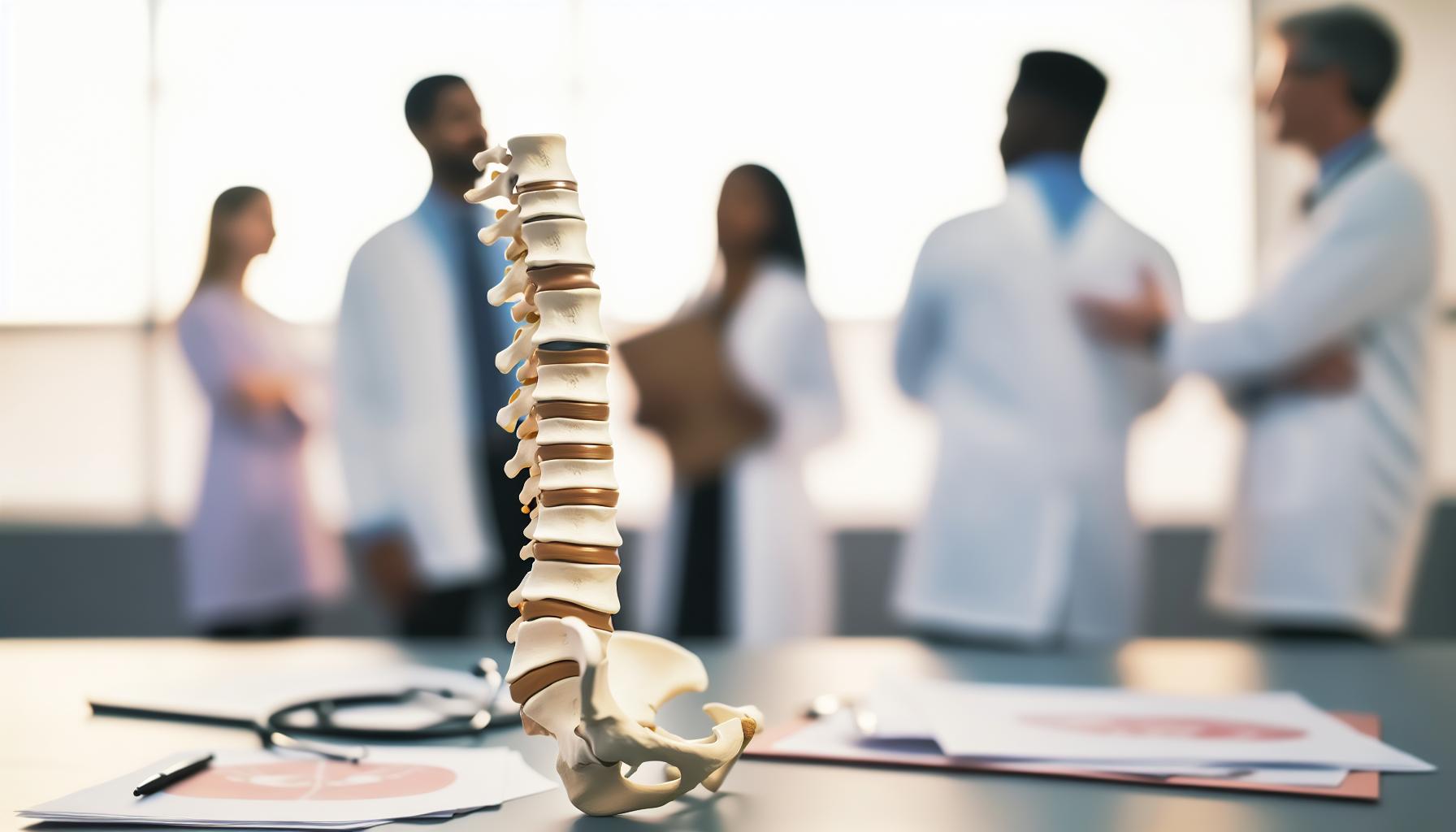
Understanding Sclerosis Spine: Overview and Types
Understanding the types and implications of sclerosis can significantly enhance one’s understanding of potential symptoms and treatment pathways. Primarily, sclerosis refers to the hardening of tissue, particularly within the nervous system, which can lead to various neurological issues. In the context of the spine, sclerosis typically relates to conditions where the spinal cord’s function is compromised due to localized or widespread damage to the myelin sheath, the protective covering that insulates nerve fibers.
Types of Sclerosis Affecting the Spine
There are several types of sclerosis that can impact spinal health, including:
- Multiple Sclerosis (MS): This is an autoimmune disease where the body’s immune system attacks the myelin in the central nervous system, leading to inflammation and the formation of scar tissue or plaques. Symptoms may include pain, muscle weakness, and visual disturbances.
- Idiopathic Sclerosis: This type doesn’t have a known cause and may present with varying symptoms depending on the affected areas. It often requires a thorough diagnostic process to identify underlying causes.
- Degenerative Sclerosis: Associated with aging or wear and tear, degenerative sclerosis can occur in the spine, often leading to conditions like spinal stenosis, where the spinal canal narrows and compresses the spinal cord or nerves.
Understanding these differences is crucial for identifying appropriate treatment strategies. Individuals experiencing symptoms such as persistent pain, changes in mobility, or neurological disturbances should consult healthcare professionals for an accurate diagnosis. Tailored treatment plans can then be developed based on the specific type of sclerosis and individual patient needs, enhancing the potential for effective management and improved quality of life.
Common Symptoms of Sclerosis Spine You Should Know
Experiencing symptoms of sclerosis affecting the spine can be both confusing and concerning. Many individuals may not link their symptoms to a sclerosis-related condition, as they can vary significantly from one person to another. Common symptoms often arise from damage to the myelin sheath surrounding nerve fibers, leading to disruptions in communication between the brain and the rest of the body. Understanding these symptoms is vital for early identification and appropriate management of the condition.
One of the most common signs of spinal sclerosis is pain, which can manifest in different forms, such as sharp, shooting pain or a dull ache. This may be accompanied by muscle weakness, particularly in the extremities, making daily activities challenging. Individuals may also experience numbness or tingling, often described as a “pins and needles” sensation, which can affect coordination and balance. Other neurological symptoms may include visual disturbances, such as blurred vision or double vision, and fatigue, which can be debilitating and affect overall quality of life.
In cases of degenerative sclerosis, symptoms might also include stiffness or an overall sense of decreased range of motion in the back. Additionally, bowel and bladder dysfunction can occur due to nerve involvement, which may lead to a sense of urgency or incontinence. Recognizing these varied symptoms is crucial, as early intervention can lead to more effective treatment outcomes, improving daily function and overall well-being.
If you or someone you know is experiencing such symptoms, consulting with a healthcare professional is essential. They can help in diagnosing the specific type of sclerosis and recommend tailored treatment approaches to manage symptoms effectively.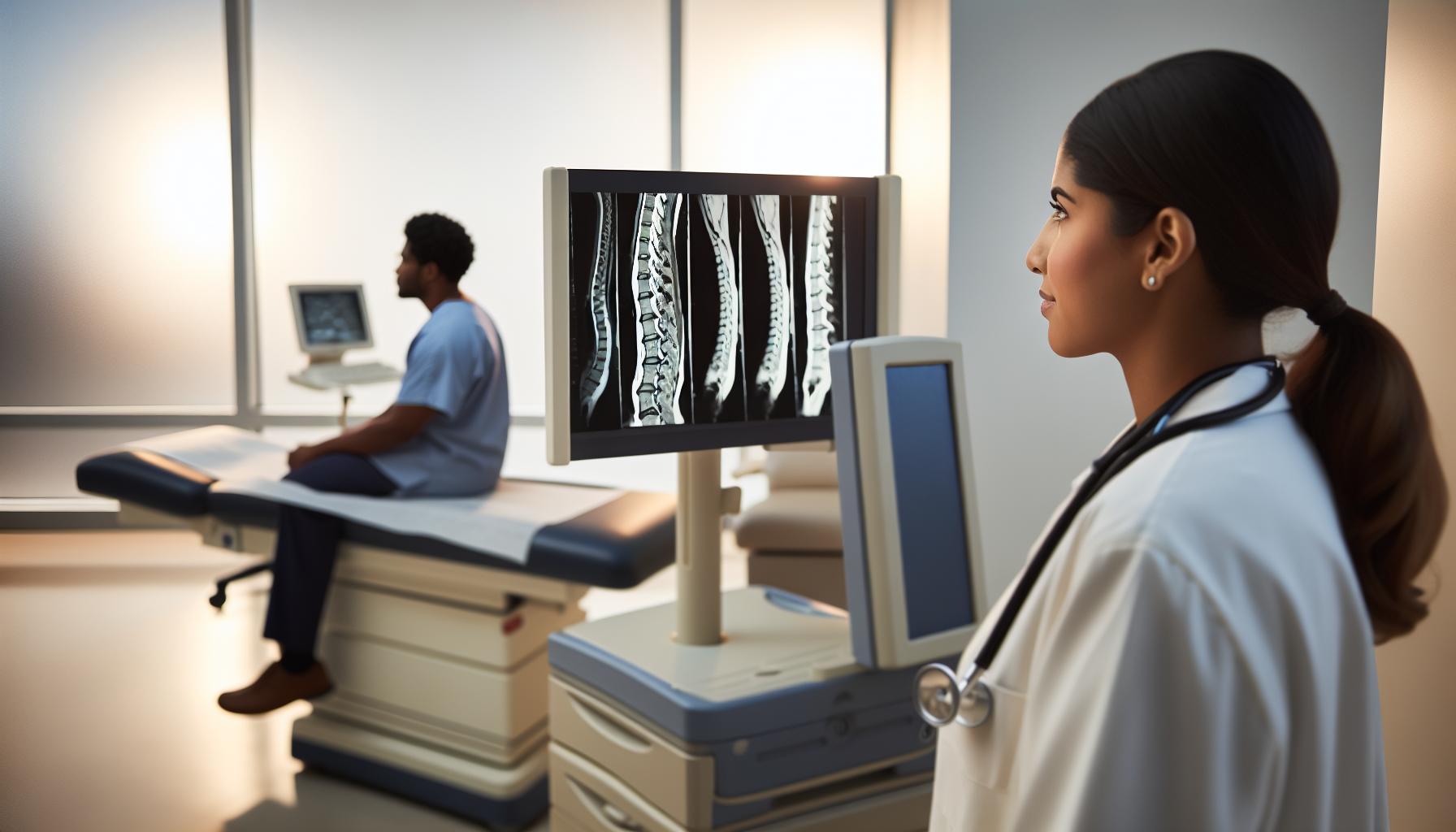
Diagnostic Procedures for Sclerosis Spine
Diagnosing spinal sclerosis involves a thorough evaluation that combines clinical assessments and advanced imaging techniques. This process is crucial because early diagnosis can lead to more effective management strategies, potentially improving quality of life for those affected. Common diagnostic procedures focus on understanding the extent of myelin damage and its impact on the nervous system.
One of the primary tools used in diagnosis is Magnetic Resonance Imaging (MRI). This imaging technique allows doctors to visualize the spinal cord and brain in detail, identifying any lesions or plaques that may indicate myelin damage. MRIs are non-invasive and can detect changes even before symptoms become pronounced, making them invaluable in early detection.
Another important procedure is the neurological examination, in which healthcare providers assess motor skills, reflexes, and sensory function. This examination helps identify specific areas of the nervous system that may be affected by spinal sclerosis. Physicians may also perform electromyography (EMG) and nerve conduction studies to evaluate the electrical activity of muscles and the speed of nerve signals, respectively. These tests can provide additional information on the degree of nerve damage.
For some patients, a lumbar puncture (spinal tap) might be necessary. This procedure involves extracting cerebrospinal fluid to look for specific markers that indicate inflammation or other abnormalities related to sclerosis. Supporting these diagnostic efforts, doctors typically review the patient’s medical history and consider any relevant genetic factors, as certain types of sclerosis can run in families.
In summary, a combination of MRI, neurological exams, EMG, nerve conduction studies, and lumbar punctures constitutes a comprehensive diagnostic approach for spinal sclerosis. If you’re experiencing symptoms indicative of this condition, it’s crucial to consult a healthcare professional who can guide you through the diagnostic process and develop a tailored treatment plan based on your specific needs.
Exploring Non-Surgical Treatment Options
Many individuals living with spinal sclerosis are often overwhelmed by treatment options and may not be fully aware of non-surgical avenues available to them. These treatments can play a critical role in managing symptoms, improving mobility, and enhancing overall quality of life without the need for invasive procedures. Non-surgical approaches typically encompass a blend of medication, lifestyle changes, and supportive therapies designed to alleviate symptoms and address the underlying issues associated with spinal sclerosis.
One of the primary non-surgical treatments involves the use of medications, which may include anti-inflammatory drugs, muscle relaxants, and medications specifically designed to address pain associated with nerve damage. For instance, corticosteroids can help reduce inflammation during exacerbations, while drugs like Gabapentin or Pregabalin are often prescribed to manage neuropathic pain. It’s vital to work closely with a healthcare provider to determine the most effective medication regimen tailored to individual symptoms and needs.
In addition to pharmaceutical interventions, lifestyle modifications are equally essential. Regular exercise can be particularly beneficial, as it supports flexibility, strength, and mobility. Adaptive physical activities, such as swimming, yoga, or walking, can enhance physical function and well-being without putting undue stress on the spine. Furthermore, occupational therapy might help individuals learn how to perform daily activities with greater ease and less discomfort, optimizing their home and work environments.
Incorporating complementary therapies can also enhance traditional medical treatment. Practices like acupuncture, chiropractic care, and massage therapy have been reported to provide relief from pain and promote relaxation, although it’s important to consult a healthcare provider before beginning any new complementary therapies. Additionally, engaging in mindfulness practices such as meditation or deep breathing exercises can significantly reduce stress and overall discomfort, contributing to an improved sense of well-being.
Embarking on a non-surgical treatment journey for spinal sclerosis can often lead patients to discover new resources and support systems, empowering them to stay engaged with their health. The key is to maintain ongoing communication with healthcare professionals, ensuring that all treatment strategies align with personal health goals and lifestyle.
Surgical Interventions: When Are They Necessary?
Surgical interventions can be a pivotal consideration for individuals grappling with spinal sclerosis, particularly when non-surgical treatments fail to provide sufficient relief or when symptoms severely limit daily functioning. Surgery might become necessary if there is significant structural damage to the spine, such as herniated discs or severe stenosis, that contributes to chronic pain or neurological deficits. Understanding when to explore surgical options can empower patients to make informed decisions about their health.
One common surgical procedure used in managing spinal sclerosis is decompression surgery, which aims to relieve pressure on the spinal cord or nerves that might be causing pain or mobility issues. This type of surgery may involve removing bone spurs or a portion of a herniated disc. Another option is spinal fusion, which stabilizes the spine by fusing together two or more vertebrae, providing support and potentially reducing pain. Surgeons often recommend these procedures when conservative measures such as physical therapy, medications, and injections have proven inadequate.
Before proceeding with surgery, it is crucial for patients to have thorough discussions with their healthcare providers about the risks and benefits, as well as alternative treatment options. Factors such as the patient’s overall health, age, and specific symptoms play significant roles in the decision-making process. Additionally, obtaining a second opinion can often provide further clarity and reassurance regarding the surgical route.
Ultimately, when surgical interventions become a viable option, patients can expect a tailored approach aimed at restoring function, alleviating pain, and improving quality of life. Staying engaged with healthcare professionals and actively participating in the treatment planning process can greatly enhance outcomes and satisfaction with the chosen course of action.
The Role of Physical Therapy in Recovery
Engaging in physical therapy can be a transformative experience for individuals dealing with spinal sclerosis. Research shows that tailored rehabilitation programs can significantly improve mobility, reduce pain, and enhance overall quality of life. By integrating specific exercises and therapeutic methods, physical therapy addresses not just the physical symptoms associated with spinal sclerosis but also contributes to emotional well-being and functional independence.
One of the primary goals of physical therapy is to enhance strength and flexibility in the muscles supporting the spine. Through targeted exercises, patients can work on stabilizing their core muscles, which play a crucial role in maintaining proper posture and reducing strain on the spine. Additionally, physical therapists often employ techniques such as manual therapy, which involves hands-on manipulation to alleviate pain and promote better movement patterns.
Building a Personalized Plan
A fundamental aspect of physical therapy is the personalized treatment plan designed by a qualified practitioner. This plan typically includes:
- Strength training: Focused exercises help build muscle strength, providing better support for the spine.
- Stretching exercises: Regular stretching can improve flexibility and reduce stiffness, allowing for more fluid movement.
- Balance and coordination training: This is crucial for preventing falls and enhancing overall mobility.
- Patient education: Learning how to manage one’s condition is vital, including proper body mechanics during daily activities.
Regular appointments with a physical therapist can guide patients through their recovery journey. Furthermore, combining physical therapy with other treatments-such as medication management and surgical options-can create a comprehensive approach to addressing spinal sclerosis. Remember, it’s essential to work closely with healthcare professionals to create a holistic and effective treatment path tailored to individual needs. Whether it’s through improved strength training or simply understanding how to move more safely, cannot be overstated.
Living with Sclerosis Spine: Lifestyle Modifications
Adopting effective lifestyle modifications can play a crucial role in managing the challenges presented by spinal sclerosis. Incorporating small but impactful changes can significantly enhance daily functioning and overall well-being. For instance, maintaining a balanced routine that prioritizes physical activity, nutrition, and mental health can create a supportive environment for your spine and overall health.
Physical Activity Integration
Regular physical activity is essential for maintaining mobility and strength. Engaging in low-impact exercises such as swimming, walking, or yoga can help in reducing stiffness and enhancing flexibility. Aim for at least 150 minutes of moderate aerobic activity each week in combination with strength training exercises two days a week. These activities not only strengthen the muscles supporting the spine but also bolster cardiovascular health.
Nutrition for Spine Health
Eating a balanced diet rich in anti-inflammatory foods is vital for managing spinal sclerosis. Focus on incorporating:
- Fruits and vegetables: Opt for a variety of colorful options, which are packed with antioxidants.
- Whole grains: Foods like brown rice and whole wheat bread promote long-term energy and fiber intake.
- Healthy fats: Include sources such as avocados, nuts, and fatty fish, which can help reduce inflammation.
Staying hydrated is equally important, as proper hydration can support overall health and joint function.
Ergonomics and Daily Activities
Modifying your workspace and living environment can alleviate strain on your spine. Using ergonomic furniture, such as chairs with lumbar support, or ensuring that your workstation is set up to promote good posture can significantly reduce discomfort. Simple adjustments like taking frequent breaks to stretch can also help in preventing stiffness during long periods of sitting or standing.
Mental and Emotional Wellness
Taking care of your mental health is just as important as physical health. Stress can exacerbate symptoms; thus, activities that promote relaxation, such as meditation, mindfulness practices, or engaging in hobbies, can create a sense of calm. Connecting with support groups or counseling services can also provide emotional support and coping strategies, making it easier to navigate the complexities of living with spinal sclerosis.
Making these lifestyle modifications requires commitment but can create a solid foundation for better managing scoliosis. Throughout this journey, consulting healthcare professionals for personalized guidance remains essential to ensure that your approach is tailored to your specific needs and circumstances.
Nutritional Support for Managing Sclerosis Spine
Maintaining a nutritious diet is not just a matter of health; it can significantly impact your wellbeing when managing spinal sclerosis. Research suggests that certain foods can influence inflammation levels in the body, and adopting anti-inflammatory dietary practices may help alleviate some symptoms associated with this condition. This highlights the importance of making informed food choices that support spinal health and overall vitality.
Key Nutritional Elements
Incorporating specific nutrients into your diet can promote spinal health:
- Anti-Inflammatory Foods: Focus on foods like fatty fish (salmon, mackerel), flaxseeds, and walnuts, which are high in omega-3 fatty acids known to help reduce inflammation.
- Colorful Produce: A wide variety of fruits and vegetables-especially berries, cherries, spinach, and kale-are rich in antioxidants that combat oxidative stress.
- Whole Grains: Swapping out refined grains for whole grains, such as quinoa, brown rice, and oats, can provide fiber and essential nutrients that support digestive health.
Staying adequately hydrated also plays a vital role in maintaining spinal function, as water helps lubricate joints and tissues.
Meal Planning Tips
Building a meal plan centered around these nutritional principles can be manageable and satisfying. Consider preparing meals ahead of time to ensure you have healthy options readily available. Incorporate a variety of colors on your plate to make your meals not only nutritious but appealing.
For instance, a typical day might include:
- Breakfast: Oatmeal topped with fresh berries and a sprinkle of chia seeds.
- Lunch: Quinoa salad with mixed greens, cherry tomatoes, avocado, and a dressing made from olive oil and lemon.
- Dinner: Grilled salmon with a side of steamed broccoli and sweet potatoes.
By concentrating on a balanced diet that includes these elements, individuals managing spinal sclerosis can take proactive steps towards enhancing their health and potentially minimizing discomfort. However, it is essential to tailor dietary changes to your unique needs and consult with healthcare professionals or a registered dietitian for personalized guidance.
Alternative Therapies for Sclerosis Spine Relief
Exploring alternative therapies can offer additional avenues for relief in managing the symptoms of spinal sclerosis. Many individuals find that these approaches complement traditional medical treatments, potentially enhancing overall well-being. These therapies may range from physical practices to holistic methods, each providing unique benefits that can help alleviate discomfort and improve quality of life.
Common Alternative Therapies
Several alternative therapies have gained popularity among those seeking relief from spinal sclerosis symptoms. Here are some notable options:
- Acupuncture: This traditional Chinese medicine technique involves inserting thin needles into specific points on the body. Many patients report reduced pain and improved mobility following acupuncture treatments.
- Massage Therapy: Therapeutic massage can help relax tense muscles, improve circulation, and reduce pain. Techniques such as myofascial release and deep tissue massage specifically target muscle stiffness associated with spinal conditions.
- Chiropractic Care: Chiropractors specialize in spinal adjustments that can relieve pain and improve functionality. Regular visits might assist in maintaining spinal alignment and reducing tension.
- Yoga and Pilates: Both practices focus on strengthening the core, enhancing flexibility, and promoting relaxation. They can be particularly beneficial for building the strength needed to support the spine and manage discomfort.
- Mindfulness and Meditation: These techniques are beneficial for reducing stress and fostering a sense of calm. Mindfulness practices can also help individuals develop better pain management strategies.
Integrative Approaches
Incorporating nutritional considerations with alternative therapies can further enhance recovery. For example, some patients find that anti-inflammatory diets, along with regular acupuncture sessions, help to alleviate symptoms more effectively than either approach alone. Exploring options like herbal remedies or essential oils for topical applications may also be part of an integrative strategy.
It’s essential to approach these therapies with an informed perspective. Consulting healthcare professionals before starting any new treatment regimen is crucial, as they can help identify what options may be most beneficial based on individual health circumstances. By taking a comprehensive approach to care, individuals living with spinal sclerosis can empower themselves and potentially experience an enhanced quality of life.
Emotional Support and Counseling Resources
The emotional toll of managing spinal sclerosis can be profound, impacting not only individuals but also their families and loved ones. Support systems and counseling resources play a crucial role in fostering resilience and coping strategies. Understanding that it’s okay to seek help is integral to navigating the challenges associated with this condition. Whether it’s through individual therapy, support groups, or online forums, connecting with others who share similar experiences can provide comfort and strength.
Many find value in support groups, which offer a space for sharing feelings, challenges, and successes. Being in a group setting can alleviate feelings of isolation, allowing individuals to discuss their concerns and receive feedback from those who truly understand. These groups may be available locally or through hospitals, rehabilitation centers, or online platforms, making them accessible regardless of geographical constraints.
Moreover, professional counseling can provide tailored strategies for coping with the emotional and psychological aspects of spinal sclerosis. Therapists trained in chronic illness and pain management can assist individuals in developing effective coping mechanisms, addressing anxiety, and managing depression. Techniques such as cognitive-behavioral therapy (CBT) can help restructure negative thought patterns, instilling a renewed sense of hope and agency.
Resources to Consider
- National Multiple Sclerosis Society: Provides information about support groups and counseling resources.
- Psychology Today: A directory for finding therapists specializing in chronic illness.
- Online forums: Websites like PatientsLikeMe allow for peer-to-peer support and sharing of personal experiences.
- Apps for mental health: Tools like BetterHelp offer online therapy sessions which can be more convenient for individuals with mobility challenges.
Encouraging emotional resilience through these resources not only enhances the individual’s quality of life but also empowers them to take an active role in their health journey. Always remember, seeking professional advice is a positive step in managing both the physical and emotional facets of living with spinal sclerosis.
Emerging Research and Future Treatment Trends
Innovative approaches to managing spinal sclerosis are emerging, fueled by advances in medical research and a deeper understanding of the condition. As the field progresses, scientists and healthcare professionals are exploring new methods that not only aim to improve symptoms but also seek to address the underlying causes of spinal sclerosis diseases, such as multiple sclerosis and other degenerative conditions. For instance, regenerative medicine, which includes stem cell therapy, is gaining traction. Early studies suggest that stem cells could help repair damaged tissues in the spinal cord, potentially leading to improved functionality and reduced disability in patients.
Additionally, the potential of gene therapy is being investigated as a future treatment modality. By targeting specific genes involved in cellular repair processes, researchers hope to create therapies that could halt or even reverse the progression of spinal diseases. Such advancements are complementary to existing therapies and could significantly enhance the quality of life for individuals living with these conditions.
Recent breakthroughs are also being made in the realm of pharmaceuticals. New immunomodulatory medications are being studied to better manage inflammation and immune responses related to sclerosis. These drugs are designed to minimize side effects while maximizing efficacy, thus providing patients with more tailored treatment options. Moreover, the integration of artificial intelligence in diagnostic procedures is simplifying the identification of spinal sclerosis variants, leading to earlier intervention and better patient outcomes.
Moving forward, ongoing clinical trials are essential for validating these innovative therapies and ensuring they meet safety and efficacy standards. Patients are encouraged to engage in discussions with their healthcare providers about participating in such trials, as they not only explore new treatment options but also contribute to the larger body of knowledge that will benefit future generations. As research continues to evolve, it holds great promise for transforming the landscape of spinal sclerosis treatment, paving the way for hope and improved management strategies for those affected.
Questions to Ask Your Healthcare Provider
When dealing with scoliosis, it’s crucial to have open and informed discussions with your healthcare provider. Engaging in a meaningful dialogue can help demystify your condition, clarify treatment options, and ultimately empower you to take control of your health. Here are some essential questions to consider asking your healthcare provider:
Understanding Your Condition
– What type of sclerosis do I have, and what does that mean for my health?
– Can you explain how my condition progresses over time?
– What are the potential complications associated with my type of sclerosis?
Treatment Options
– What non-surgical treatment options are available for my condition?
– Are there specific medications that can help manage my symptoms?
– When would you consider surgical intervention as a necessary option?
Diagnostics and Monitoring
– What diagnostic tests will help monitor the progression of my condition?
– How often should I have follow-up appointments to track changes in my health?
Impact on Daily Life
– What lifestyle modifications should I consider to improve my quality of life?
– Are there specific exercises or physical therapy routines that would be beneficial for my condition?
– Can you recommend any nutritional strategies or supplements that might help manage my symptoms?
Emotional and Psychological Support
– What support resources are available if I experience emotional difficulties related to my condition?
– Should I consider seeing a counselor or therapist to help cope with the challenges of living with sclerosis?
Research and Advancements
– Are there any upcoming clinical trials that I might be eligible to join?
– What emerging treatments should I be aware of that could potentially benefit my condition?
These questions can serve as a roadmap for your conversations, ensuring that you leave every appointment with a clearer understanding of your sclerosis and a personalized action plan moving forward. Remember, taking the initiative to ask questions not only enhances your knowledge but fosters a partnership with your healthcare team, ultimately leading to better management of your condition.
Q&A
Q: What causes Sclerosis of the Spine?
A: Sclerosis of the spine can be caused by various factors including genetic predisposition, autoimmune disorders, infections, and injury. It’s essential to consult a healthcare professional for accurate diagnosis and understanding of individual cases, which might involve reviewing medical history and conducting tests.
Q: How does Sclerosis of the Spine affect mobility?
A: Sclerosis of the spine can significantly impact mobility due to muscle weakness, coordination issues, and potential pain. These symptoms can lead to challenges in daily activities, making early intervention and personalized treatment crucial for managing mobility effectively.
Q: Are there specific dietary recommendations for Sclerosis of the Spine?
A: Yes, a diet rich in anti-inflammatory foods such as fruits, vegetables, and omega-3 fatty acids can benefit individuals with Sclerosis of the Spine. Staying hydrated and maintaining a balanced diet may also support overall health. It is advisable to work with a healthcare provider or nutritionist for personalized dietary guidance.
Q: What holistic approaches exist for managing Sclerosis of the Spine?
A: Holistic approaches may include acupuncture, yoga, and mindfulness practices, which aim to reduce stress and improve physical well-being. These methods can complement traditional treatments but should be discussed with a healthcare professional to ensure they fit within your treatment plan.
Q: When should someone seek medical help for Sclerosis of the Spine symptoms?
A: You should seek medical help if you experience worsening symptoms, such as significant pain, mobility issues, or changes in bowel or bladder function. Early intervention can be crucial for effective management and treatment options tailored to your needs.
Q: What role does mental health play in managing Sclerosis of the Spine?
A: Mental health plays a vital role in managing Sclerosis of the Spine, as coping with chronic pain and disability can lead to anxiety and depression. Engaging in counseling or support groups can provide emotional relief and improve overall quality of life. Awareness of mental health’s importance is essential for comprehensive care.
Q: Are there age-related considerations in treating Sclerosis of the Spine?
A: Yes, age can impact the treatment approach for Sclerosis of the Spine, as younger individuals may respond differently to therapies compared to older adults. Treatment plans should be customized based on age, overall health, and specific symptoms to ensure optimal care and recovery.
Q: How does physical therapy aid recovery in Sclerosis of the Spine?
A: Physical therapy is crucial for recovery in Sclerosis of the Spine by enhancing strength, flexibility, and balance. A personalized physical therapy plan can help manage symptoms, improve function, and reduce the risk of further injury, making it an essential part of the treatment process.
In Summary
As we conclude our exploration of Sclerosis Spine and the associated symptoms and treatment options, it’s essential to stay informed and proactive about your health. Understanding how this condition can affect your life empowers you to make better decisions and seek the right care. If you found this information helpful, consider diving deeper into our related articles on managing chronic pain or exploring nutrition’s role in spinal health.
Remember, the journey doesn’t end here-stay engaged with our community by subscribing to our newsletter for the latest insights on health and wellness. If you have further questions or concerns, consult with a healthcare professional who can provide personalized advice tailored to your situation.
Don’t hesitate to share your thoughts or experiences in the comments below; your input could help others. Together, we can create a supportive space for everyone navigating the complexities of spinal health. Explore more and continue your path to wellness today!