Did you know that heartworms can grow up to a foot long and live for several years inside your beloved pet? These harmful parasites can cause serious health issues, including severe lung disease and heart failure, emphasizing the importance of prevention. As a responsible pet owner, safeguarding your furry friend from heartworm disease should be a top priority. Understanding how heartworms infect pets, their life cycle, and the symptoms to watch for can empower you to take proactive measures for your pet’s health. This article delves into the vital information you need to protect your pet from these dangerous parasites, ensuring they lead a happy, healthy life. Keep reading to discover effective prevention strategies and essential treatment options that could save your pet’s life.
Understanding Heartworms: What Pet Owners Must Know
Heartworms, scientifically known as Dirofilaria immitis, can be devastating parasites for pets, particularly dogs and cats. These parasites are transmitted through mosquito bites, leading to serious health issues if left untreated. It’s estimated that millions of pets in the United States are at risk of heartworm disease, underscoring the importance of awareness among pet owners. Understanding heartworms, their lifecycle, and the potential consequences of infection is crucial for effective prevention and care.
The lifecycle of heartworms is intricate, starting when a mosquito bites an infected animal, ingesting microfilariae (larval stage). The larvae develop within the mosquito and are then transmitted to a new host when the mosquito bites again. Once inside the host, they travel through the bloodstream, maturing into adult worms that can live for several years in the heart and pulmonary arteries, causing significant damage. This can lead to severe complications, including congestive heart failure and damage to the lungs.
Pet owners should be vigilant for signs of heartworm infection, which may not become apparent until serious damage has occurred. While some dogs might initially show symptoms like a mild cough and fatigue, others may appear completely healthy until the disease progresses. Regular veterinary check-ups and heartworm testing are essential for prevention and early detection. Understanding that these parasites can pose a threat to pets highlights the necessity of proactive care and the importance of following veterinary guidance on heartworm prevention and treatment methods.
The Lifecycle of Heartworms Explained
Once a mosquito bites an infected host, it ingests the first stage of the heartworm, known as microfilariae. This crucial moment marks the beginning of a complex lifecycle that can have devastating effects on pets if left unmonitored. Over a period of about two weeks within the mosquito, the microfilariae develop into infective larvae. When the mosquito subsequently bites a new host, it transmits these larvae straight into the bloodstream, setting the stage for infection.
Upon entering the pet’s body, the larvae migrate through the tissues and blood vessels. This journey can take several months, during which time the larvae mature into adult heartworms. The adults typically settle in the heart and pulmonary arteries, where they can live for many years, often up to seven or even ten years. This prolonged period of residence leads to significant damage to the heart and lungs, resulting in serious conditions such as heart failure, lung disease, and potentially death if left untreated.
Pet owners should recognize the importance of prevention, as the lifecycle of heartworms demonstrates that early intervention can significantly alter the health outcomes for infected animals. During this lifecycle, an infected pet may remain asymptomatic for months, emphasizing the necessity for regular veterinary check-ups and heartworm testing. The risk doesn’t just end with one infected mosquito; in areas where heartworms are prevalent, the chances of exposure can be high, making effective prevention methods critical.
Understanding this lifecycle empowers pet owners to take proactive measures. By ensuring their pets receive monthly heartworm preventatives, they can effectively block the lifecycle from completing. Consistency in preventive care not only protects individual pets but also contributes to community health, reducing the overall incidence of heartworm disease in the pet population. Regular consultations with a veterinarian can provide tailored advice, ensuring that pets remain safeguarded against these dangerous parasites.
Signs and Symptoms of Heartworm Infection

While heartworm infection can start without noticeable symptoms, it can lead to serious health issues for pets if not recognized and treated promptly. Early detection is crucial for effective management and successful outcomes. It’s essential for pet owners to be vigilant and aware of the signs that may indicate their dog has contracted heartworms.
Many of the signs associated with heartworm infection can be subtle, often easily mistaken for other health issues. Common indications include:
- Coughing: Persistent or intermittent coughing is one of the earliest signs. It may worsen during exercise.
- Decreased Activity: Pets may show reluctance to engage in physical activities they once enjoyed, reflecting fatigue and weakness.
- Weight Loss: Unexplained loss of weight can occur, particularly if the pet has reduced appetite.
- Labored Breathing: Difficulty in breathing or rapid breaths may develop as heartworm damage progresses.
- Swollen Abdomen: An accumulation of fluid in the abdomen, known as ascites, may occur in advanced cases.
- Fainting or Collapsing: In severe infections, pets may experience fainting or collapse due to restricted blood flow.
Pet owners should remain alert for these symptoms and seek veterinary attention if they notice any changes in their pet’s behavior or health. Heartworm disease can cause irreversible damage and can even be fatal, so consider consulting a veterinarian for regular testing, especially in regions where the disease is common. As always, timely action is key, so don’t hesitate to reach out for professional advice if you suspect your pet might be at risk.
How Heartworms Are Transmitted to Pets
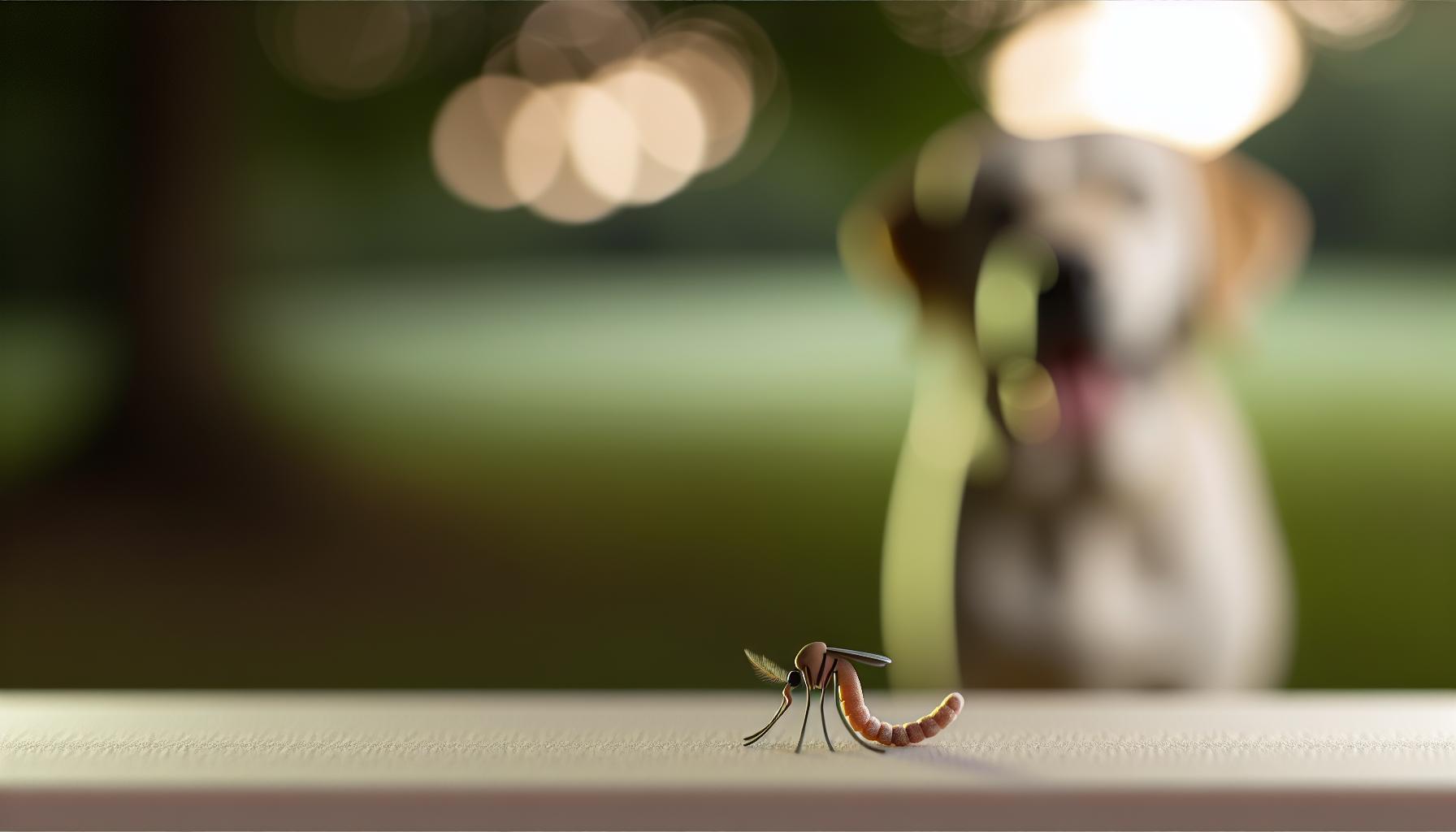
Heartworms have a stealthy yet impactful way of endangering your pet’s health. They are transmitted primarily through the bite of infected mosquitoes, making the prevention of mosquito bites an important aspect of safeguarding your furry companion. Once a mosquito feeds on the blood of an animal that has adult heartworms, it acquires microfilariae, which are the early life stages of heartworms. These microfilariae undergo a development process within the mosquito, transforming into larval forms called L3 larvae, which can then be transmitted to other pets during a subsequent bite.
The transmission cycle is quite efficient. When the infected mosquito subsequently bites a dog or cat, it injects these infective larvae into the pet’s bloodstream. Within a few months, these larvae migrate through the body, eventually settling in the heart and pulmonary arteries, where they mature into adult heartworms. An adult heartworm can grow to be up to a foot long, leading to severe complications such as heart failure or lung disease as they multiply.
Preventing heartworms requires a proactive approach. Effective heartworm prevention can include a combination of topical solutions, oral medications, and regular veterinary check-ups. Pet owners are encouraged to maintain a year-round heartworm prevention plan, especially in areas where mosquitoes are prevalent. Just as human health relies on preventative measures, your pet’s vitality depends on consistent heartworm protection.
Always consult your veterinarian about the best prevention options for your pet, and be mindful of the environmental conditions that promote mosquito breeding, such as standing water. Educating yourself and your community about heartworms can help thwart this dangerous parasite and protect countless pets from the risks associated with heartworm disease.
Preventing Heartworm Disease: Essential Tips

Effective heartworm prevention is crucial for keeping your pet healthy and free from these harmful parasites. Did you know that heartworms can grow up to a foot long and cause severe damage to your pet’s heart and lungs? That’s why taking preventive measures is not only wise but necessary for pet owners. Here are some essential tips to help you safeguard your furry companion against heartworm disease.
Regular Veterinary Check-ups
One of the most effective ways to prevent heartworm disease is by staying consistent with veterinary care. Schedule annual check-ups, as your veterinarian can recommend the best preventive medications tailored specifically to your pet. Regular testing, ideally before starting any preventive regimen, ensures that no existing infections go unnoticed.
Year-Round Prevention
Start a heartworm prevention program early in the year and maintain it throughout, even during colder months when mosquitoes are less active. Options include:
- Oral Medications: Given monthly, these are often tasty and easy to administer.
- Topical Solutions: Applied directly to the skin, these protect against both heartworms and some other parasites.
- Injectable Treatments: A single injection provides protection for several months, which can be convenient for busy owners.
Always consult your veterinarian for recommendations based on your pet’s specific needs and local climate conditions.
Minimizing Mosquito Exposure
Since heartworms are transmitted through mosquito bites, reducing your pet’s exposure to these pests can greatly lower their risk. Consider the following strategies:
- Eliminate standing water where mosquitoes breed, such as in flower pots or bird baths.
- Use mosquito repellents specifically designed for pets if your local environment is especially prone to mosquitoes.
- Limit outdoor activities during peak mosquito hours (dusk and dawn) or encourage indoor play.
By incorporating these tips into your routine, you enhance your pet’s protection against heartworm disease. Remember, proactive prevention is far more effective and less costly compared to treating an already infected pet. Always consult with your veterinarian for personalized advice tailored to your pet’s unique needs.
Effective Treatment Options for Heartworm-Infected Pets
Heartworm disease is a serious and potentially life-threatening condition that requires prompt and effective treatment. Once a dog is diagnosed with heartworms, the treatment process becomes crucial for the pet’s recovery and long-term health. The primary method for tackling a heartworm infection involves a multi-step approach that targets the worms in the heart while managing the associated risks and symptoms.
The cornerstone of treatment for heartworm disease in dogs is a medication called melarsomine. This drug is specifically designed to kill adult heartworms residing in the heart and pulmonary arteries. The treatment process typically unfolds over several weeks, beginning with an initial assessment by the veterinarian. This assessment often includes a thorough examination, blood tests to confirm the severity of the infection, and possibly X-rays to evaluate the condition of the heart and lungs.
Multi-Stage Treatment Protocol
Most veterinarians follow a multi-stage treatment protocol that includes the following steps:
- Pre-Treatment Phase: Prior to administering melarsomine, dogs may be placed on a regimen of medications to manage the dying worms and prevent complications, such as inflammation in the lungs.
- Adulticide Treatment: Melarsomine is given through injections. The typical protocol involves two injections spaced 24 hours apart, administered deep into the muscle. In some cases, a third injection may be recommended later for more severe infections.
- Post-Treatment Care: After the adulticide injections, dogs require strict rest for several weeks to minimize the risk of complications as the dead worms are absorbed by the body.
It’s essential for pet owners to understand that the treatment protocol also focuses on managing the dog’s activity levels and monitoring for potential side effects, such as coughing or lethargy, which are signs that could suggest complications from the treatment.
Supportive Care and Monitoring
Alongside the primary treatment, supportive care is critical. Depending on the severity of the disease, additional medications may be prescribed to control cough, prevent infections, and improve overall comfort. Regular follow-up visits with the veterinarian allow for monitoring the dog’s recovery and checking for any adverse reactions to the treatment.
Ultimately, the success of heartworm treatment hinges on early detection and ongoing care. Pet owners are urged to maintain open communication with their veterinarians to navigate the treatment process effectively and understand the necessary post-treatment protocols to ensure their furry companions lead happy, healthy lives following recovery from heartworm disease.
The Importance of Regular Heartworm Testing
One of the most crucial steps in safeguarding your pet’s health against the insidious threat of heartworm disease is regular testing. Did you know that heartworm disease in dogs can progress silently, often showing few or no symptoms until it reaches an advanced stage? By the time a pet owner notices signs of infection, such as coughing or lethargy, the worms may have already caused significant damage to the heart and lungs. This makes timely testing not just important but essential for early detection and effective treatment.
The Role of Regular Testing
Regular heartworm testing, typically recommended annually for dogs and every two years for cats, allows pet owners to detect and address infections before they can lead to serious complications. Testing involves a simple blood test conducted by your veterinarian, which checks for the presence of adult heartworms. Understanding your pet’s risk factor-be it their geographic location, lifestyle, or exposure to mosquitoes-is vital in determining the appropriate frequency of testing. For example, pets living in areas highly infested with mosquitoes or those that frequently enjoy outdoor activities may benefit from more frequent screenings.
Benefits of Early Detection
Catching heartworm infections early can lead to a more straightforward treatment process. When diagnosed early, pets can often return to health more quickly and with fewer complications. Regular testing not only aids in the timely diagnosis of heartworm infections but also provides an opportunity for veterinarians to educate pet owners about preventative measures. This proactive approach encompasses a combination of appropriate veterinary care, consistent preventative medications, and educational resources, empowering pet owners to make informed decisions that protect their furry friends.
By ensuring your pets are tested for heartworms regularly, you are taking a significant step towards protecting their health and well-being. Encourage conversations with your veterinarian about testing schedules tailored to your pet’s specific needs. Emphasizing the importance of these tests in your pet care routine can be a game-changer in the fight against heartworm disease. Together, you can develop a comprehensive plan that includes prevention and timely intervention if necessary, providing your pet with the best chance for a long and healthy life.
Myths and Facts About Heartworm Prevention
Many pet owners have heard various claims about heartworm prevention, leading to confusion about the effectiveness and necessity of preventive measures. One common myth is that heartworm disease is only a concern in certain geographic regions. However, this belief can be misleading. While some areas have higher mosquito populations, heartworms can be found in nearly every state, emphasizing the need for vigilance regardless of location. Regardless of where you live, ensuring consistent preventive care is crucial for your pet’s health.
Another prevalent misconception is that heartworms only affect dogs. In reality, cats are also susceptible to heartworm infection, although the disease manifests differently in them. Due to their smaller size, even a few heartworms can lead to severe health complications in felines. Therefore, heartworm prevention should apply to both dogs and cats to protect them from the potentially fatal ramifications of this disease.
It’s also important to clarify that using heartworm prevention medications does not mean that pets are immune to heartworms. Some owners mistakenly believe that if their pet is on preventive medication, there’s no need for annual testing. In fact, even pets on preventive treatments can occasionally harbor heartworms, making regular testing essential. The detection of the infection can significantly affect treatment outcomes and ensure your pet receives timely care if needed.
When seeking heartworm prevention products, some owners might buy over-the-counter medications, assuming they are just as effective as those prescribed by a veterinarian. However, the products prescribed by veterinarians undergo rigorous testing and are tailored to the specific needs of your pet. Thus, consulting with a veterinarian about the best heartworm prevention strategy is essential.
Understanding these is vital for any pet owner. By staying informed, you are better equipped to protect your pet from this serious threat. Regular consultations with your veterinarian will provide tailored advice and help keep your beloved companions safe from heartworm disease.
Choosing the Right Heartworm Prevention Products
is critical for ensuring your pets remain safe from this potentially life-threatening disease. With a range of options available on the market, selecting the appropriate preventive measure may seem overwhelming. However, a well-informed decision can greatly reduce the risk of heartworm infection, providing peace of mind for you and a healthy environment for your furry companions.
When considering heartworm prevention, it is essential to consult with a veterinarian who understands your pet’s specific health needs and lifestyle. Different animals require tailored approaches based on factors like their age, weight, health status, and geographic location. For instance, some products might be more effective in areas where the risk of heartworm disease is higher due to prevalent mosquito populations. Veterinary-prescribed medications often undergo rigorous testing and clinical evaluations, ensuring their effectiveness and safety compared to over-the-counter alternatives.
While browsing for heartworm prevention products, you may encounter various formulations, such as topical treatments, oral tablets, and injections. Each has distinct advantages:
- Topical treatments: Applied monthly to the skin, they offer the convenience of easy administration and often repel other parasites.
- Oral tablets: Typically given monthly or daily, these allow for straightforward tracking of dosages but require regular feeding times for consistency.
- Injections: Administered by a veterinarian every six or twelve months, these provide a long-lasting solution with reduced risk of missed doses.
When making your choice, factor in your pet’s preferences. If your dog is fussy about taking pills, a topical or injected option may be more suitable. Cats generally require a more cautious approach due to their unique physiology and behaviors, making vet-recommended treatments even more critical.
It’s also important to keep your pet’s regular veterinary check-ups in mind. Even if you’re using a preventive treatment, annual heartworm testing remains vital. This ensures that any potential infections are detected early, allowing for timely treatment. With the proper preventive measures in place, your pet can lead a long, healthy life, free from the dangers of heartworm disease.
Cost of Heartworm Prevention and Treatment
The financial implications of heartworm prevention and treatment can be significant, but they are a crucial investment in your pet’s health. Heartworm disease can lead to severe health complications, extensive veterinary bills, and sometimes even a pet’s death. Preventive measures, while incurring some upfront costs, are often far less expensive than treating an active infection. Many pet owners may not realize that monthly heartworm preventives can cost as little as $10 to $20, depending on the product and the pet’s size. In contrast, treatment for established heartworm infection can exceed thousands of dollars, not to mention the emotional toll it can take on both the pet and the owner.
Cost Breakdown of Prevention and Treatment
When calculating the costs, consider the following points:
- Monthly Prevention: This usually ranges from $10 to $20 per month, translating to $120 to $240 annually, making it a manageable expense for most pet owners.
- Annual Testing: Many veterinarians recommend annual heartworm testing, which can cost between $40 to $70. This is essential even if your pet is on preventive medication.
- Treatment for Infected Pets: If your pet contracts heartworm disease, treatments can cost anywhere from $500 to $1,500 or more, depending on the severity of the infection and the necessary care.
By committing to regular preventive measures and annual testing, pet owners not only save money in the long run but significantly enhance their furry companions’ quality of life.
Factors Affecting Cost
The costs associated with heartworm prevention and treatment can vary based on several factors, including:
- Pet Size: Larger dogs generally have higher medication costs due to the dosage needed.
- Location: Prices can vary by region, with urban areas often having higher veterinary fees.
- Type of Preventive: Different formulations (topical, oral, or injectable) have varying price points.
- Veterinary Practice: Some clinics may offer packages that bundle preventive medications with testing, providing further savings.
The importance of discussing with a veterinarian cannot be overstated, as they can provide tailored recommendations that fit both your pet’s needs and your budget. Taking proactive steps in heartworm prevention is not just financially savvy; it’s a commitment to your pet’s long-term health and happiness.
Heartworm Awareness: Educating Your Community
Raising awareness about heartworm disease is crucial for the well-being of our pets and the broader community. Many pet owners may mistakenly believe that heartworm is only a regional concern, but this parasitic infection can be found in various climates, making every pet at risk. With the right education, pet owners can make informed decisions about prevention and treatment, protecting not only their furry friends but also contributing to the overall health of the community.
One effective way to educate your community is through workshops and informational sessions at local veterinary clinics or pet stores. These gatherings can serve as platforms for veterinarians and animal health professionals to share valuable insights about the lifecycle of heartworms, transmission methods, and the symptoms of heartworm disease. Providing pamphlets or brochures containing easy-to-understand information can also reinforce the message and ensure it reaches a wider audience. Important topics to cover include how heartworms are transmitted through mosquito bites, the need for regular veterinary check-ups, and the significance of month-to-month preventive medications.
Another impactful strategy is to utilize social media campaigns. Platforms like Facebook, Instagram, and Twitter can help spread awareness quickly and effectively. Sharing success stories of pets who have benefited from prevention, along with alarming statistics about heartworm disease, can motivate pet owners to take action. Creating engaging, informative posts about myths versus facts surrounding heartworm can dispel common misconceptions, such as the belief that indoor pets are safe from this parasite.
By working together as a community, we can create an environment where heartworm prevention is prioritized. Encourage local pet owners to participate in community events focused on pet health, where they can learn about heartworm and other preventive care measures. Whether it’s through fun pet parades, free veterinary check-ups, or informational booths at community fairs, fostering a collective sense of responsibility will enhance awareness and promote healthier lives for pets across the board.
Frequently Asked Questions About Heartworms
Understanding heartworms and their impact on our pets can lead to better prevention and care. Here are some common questions that many pet owners might have about heartworms and the associated risks.
What are heartworms and how do they affect pets?
Heartworms are parasitic worms primarily affecting dogs, but they can also infect cats and other animals. They reside in the heart and lungs, leading to serious health issues such as heart disease, lung disease, and even death if left untreated. The adult heartworms can grow up to a foot long and can live for several years inside a host, causing significant damage over time.
How do pets get heartworms?
Heartworms are transmitted through the bites of infected mosquitoes. When a mosquito bites a host animal, it can inject tiny heartworm larvae, known as microfilariae, into the bloodstream. These larvae develop into adult worms over several months, ultimately leading to infection. It’s essential to understand that both indoor and outdoor pets are at risk, as mosquitoes can enter homes.
What are the signs of heartworm infection?
Many dogs and cats may not show early signs of heartworm infection, which can make it difficult to detect without regular testing. However, some potential signs include:
- Chronic cough
- Fatigue or lethargy
- Difficulty breathing
- Blood in the urine
- Weight loss or poor condition
If you notice any of these symptoms, it is crucial to consult your veterinarian promptly.
How can heartworm disease be prevented?
Prevention is far superior to treatment when it comes to heartworm disease. The best way to protect your pet is to administer veterinarian-recommended heartworm preventives monthly. These medications kill any larvae that may be introduced and assure your pet’s safety. Routine heartworm testing, ideally every year, is also vital to catch any potential infections early.
What should I do if my pet is diagnosed with heartworms?
If your pet is diagnosed with heartworms, follow your veterinarian’s advice closely. Treatment typically involves a series of injections to eliminate the adult worms and may require strict rest and care to ensure your pet’s recovery. The treatment process can be lengthy and may require follow-up testing to confirm the worms are gone.
By staying informed and proactive about heartworm prevention, you can greatly enhance your pet’s health and well-being. Regular discussions with your veterinarian and adherence to a prevention plan are the best defenses against this harmful parasite.
Q&A
Q: What are heartworms and how do they affect pets?
A: Heartworms are parasitic worms primarily affecting dogs and cats, causing serious health issues like heart disease and lung damage. If left untreated, heartworm disease can be fatal. Understanding the risks and how to manage heartworms is crucial for pet owners.
Q: How can I tell if my pet has heartworms?
A: The most reliable way to determine if your pet has heartworms is through a veterinary blood test. Symptoms like coughing, lethargy, and difficulty breathing may indicate infection, but many pets show no symptoms until the disease is advanced.
Q: When is the best time to start heartworm prevention?
A: It’s best to start heartworm prevention before the warmer months when mosquitoes, the carriers of heartworm larva, are active. Discuss seasonal strategies with your vet to ensure your pet is protected year-round.
Q: Are heartworm treatments safe for my pet?
A: Yes, heartworm treatments are generally safe when administered under veterinary supervision. Treatments can be rigorous, so your vet will monitor your pet closely to manage any potential side effects.
Q: What should I do if my pet tests positive for heartworms?
A: If your pet tests positive for heartworms, consult your veterinarian to discuss treatment options. This may include medication to kill adult heartworms and strict exercise restrictions during recovery.
Q: Can indoor pets get heartworms?
A: Yes, indoor pets can get heartworms because mosquitoes can enter homes. Therefore, all pets should be given heartworm prevention regardless of whether they spend time outside.
Q: How effective are heartworm preventatives?
A: Heartworm preventatives are highly effective if given consistently as directed. Most preventatives kill the immature larvae, preventing them from developing into adult worms, which is crucial in stopping heartworm disease.
Q: Why is regular testing for heartworms important?
A: Regular testing for heartworms is crucial because it allows for early detection and treatment, which can significantly lower the health risks to your pet. Routine testing also helps ensure that prevention protocols are working effectively.
These FAQs provide valuable insights into understanding and managing heartworm disease in pets, emphasizing the importance of prevention and regular veterinary care. For more detailed information, please refer to our sections like “Preventing Heartworm Disease: Essential Tips” in the main article.
In Summary
As we wrap up our discussion on heartworms and their impact on your pet’s health, remember that prevention is paramount. Taking proactive steps can protect your furry friends from these harmful parasites and ensure their well-being. Don’t wait until it’s too late-schedule that vet appointment today and explore heartworm prevention options, such as monthly medications and lifestyle adjustments tailored to your pet’s needs.
For further insights, dive into our articles on “Common Symptoms of Heartworm Disease” and “Best Practices for Pet Preventive Care.” Equip yourself with knowledge to keep your pets safe and healthy, and consider signing up for our newsletter for ongoing tips and resources. Your pets rely on you, so let’s work together to safeguard their future-take action now and ensure their lives are cherished and parasite-free.
We’d love to hear your thoughts! Share your experiences or questions in the comments, and help fellow pet owners navigate this crucial aspect of pet care. Together, we can build a community dedicated to the health and happiness of our beloved companions.