When you’re feeling under the weather, DayQuil can be a go-to solution for relief from cold and flu symptoms like cough, congestion, and fever. However, understanding how often you can safely take DayQuil is crucial to avoiding potential side effects and ensuring effective symptom management. Many people may wonder about the appropriate dosing intervals and the total daily limit to maximize benefits without risking their health. In this article, we’ll explore safe dosing guidelines for DayQuil, helping you make informed decisions about your health while ensuring you get back to your day-to-day activities with ease. Dive deeper to empower yourself with the knowledge to use DayQuil safely and effectively.
How Dayquil Works: An Overview of Ingredients
DayQuil is a popular over-the-counter medication designed to alleviate the common symptoms of cold and flu, such as headache, fever, and nasal congestion. Understanding how it works begins with its active ingredients, each of which plays a specific role in providing relief. DayQuil typically contains a combination of acetaminophen, dextromethorphan, and phenylephrine.
Acetaminophen is a well-known pain reliever and fever reducer. It works by inhibiting certain chemicals in the brain that signal pain and fever, making it effective for soothing discomfort associated with colds and flu. This makes DayQuil particularly useful for those suffering from headaches or body aches.
Dextromethorphan acts as a cough suppressant, which is crucial for those experiencing persistent coughing. It works on the brain’s cough center to decrease the urge to cough, thus allowing for more comfortable breathing and rest.
Lastly, Phenylephrine is a decongestant that helps relieve nasal congestion by narrowing the blood vessels in the nasal passages. This action reduces swelling and congestion, leading to clearer breathing.
Together, these ingredients create a multi-faceted approach to relieving cold and flu symptoms. However, as with any medication, it’s essential for users to adhere to recommended dosages and understand how often they can safely take DayQuil. Being mindful of potential side effects and interactions with other medications is crucial for effective and safe symptom management. Always consult a healthcare professional for personalized advice, especially if underlying health conditions are present or if the symptoms persist.
Recommended Dosage Guidelines for Dayquil
When battling the discomfort of cold and flu symptoms, understanding the correct dosage of DayQuil is essential for effective relief and safety. DayQuil is available in various formulations, including liquid-filled capsules and oral liquid, allowing users to choose the form that best suits their needs. For adults, the typical recommended dosage is 2 caplets every 4 hours as needed, with a maximum of 6 doses within a 24-hour period. This structured approach helps ensure that the body receives the medicine at appropriate intervals without exceeding safe limits, mitigating risks associated with overdose or adverse effects [1][2].
It’s vital to read the product label carefully since specific formulations might have slightly different dosing recommendations, particularly for children or individuals with certain health conditions. Additionally, it’s important to avoid combining DayQuil with other medications that contain acetaminophen to prevent unintentional overdosing [1]. Staying mindful about when and how often to take DayQuil can enhance its effectiveness while promoting safety.
If you find yourself needing DayQuil for an extended period or if symptoms worsen, don’t hesitate to consult a healthcare professional. They can provide personalized advice tailored to your health history and specific needs, ensuring that you make informed decisions about your treatment plan [2][3].
How Often Can You Take Dayquil Safely?
Taking DayQuil can provide much-needed relief from cold and flu symptoms, but understanding how often it can be safely taken is crucial for avoiding potential side effects and ensuring effectiveness. Generally, adults are advised to take 2 caplets every 4 hours as needed, with a maximum of 6 doses within a 24-hour period. This specific dosing guideline is important not just for alleviating symptoms but also for maintaining safety and preventing overdose, particularly given the presence of acetaminophen in DayQuil, which can be harmful in excessive amounts [2].
It’s essential to adhere to these guidelines and read the product label carefully, as formulations may vary, especially for children or individuals with unique health considerations. If you find that you need DayQuil frequently or need to take it for more than a few days, it may be time to reassess your symptoms or consult a healthcare professional. They can provide guidance tailored to your individual health needs and help ensure you are on the right track towards recovery [3]. Tracking your intake and symptoms can also assist in making informed decisions about your medication use.
If you suspect an adverse reaction or find relief ineffective, it’s always best to seek medical advice. Engaging with a healthcare provider ensures that you are not inadvertently masking a more severe condition while managing your symptoms [1]. Staying informed and cautious about the frequency of DayQuil use can significantly enhance safety and health outcomes.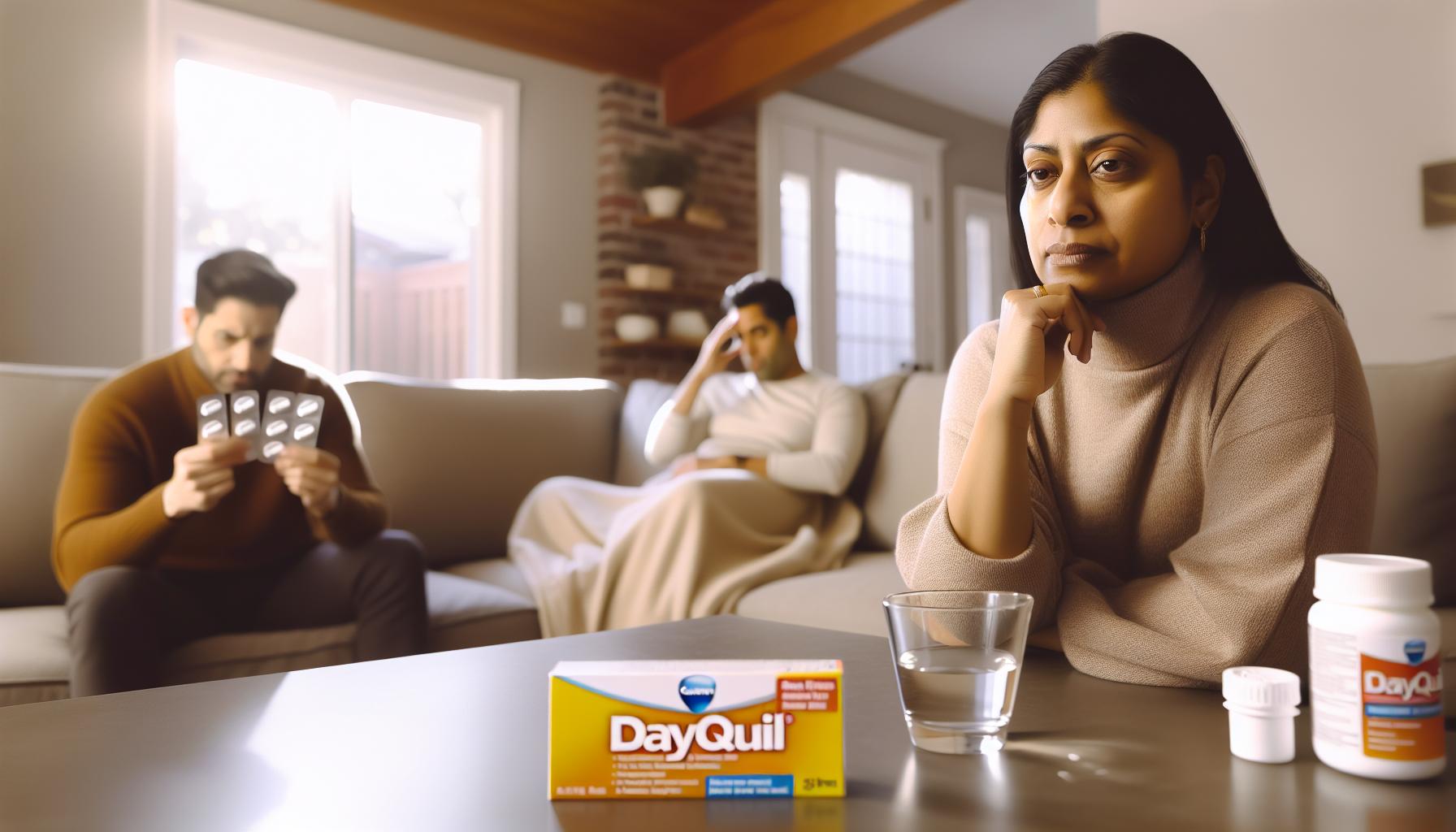
Common Side Effects and Risks of Dayquil
Taking over-the-counter medications like DayQuil can relieve cold and flu symptoms, but it’s essential to understand the potential side effects associated with its use. While many people tolerate DayQuil well, being mindful of its ingredients can help avoid undesirable reactions and ensure a safer experience.
DayQuil typically includes active ingredients such as acetaminophen, dextromethorphan, and phenylephrine. Each component, while effective individually, can lead to a range of side effects. Commonly reported issues include:
- Drowsiness or dizziness: These effects may occur due to dextromethorphan, which can also cause confusion in some individuals.
- Stomach upset: Acetaminophen might cause gastrointestinal discomfort or nausea, especially if taken on an empty stomach.
- Dry mouth or throat: Phenylephrine, a decongestant, can lead to dryness, which may be uncomfortable.
- Increased heart rate: Some users may experience a rapid heartbeat, especially with higher doses or prolonged use.
It’s crucial to adhere to recommended dosages-generally, 2 caplets every 4 hours, with a maximum of 6 doses within a 24-hour period. Exceeding this dose can result in serious health risks, particularly from acetaminophen, which can lead to liver damage if overconsumed. If any concerning symptoms arise or you suspect an adverse reaction, consult a healthcare professional immediately for guidance tailored to your individual health needs. Remember, while DayQuil can alleviate symptoms, it is not a substitute for addressing the underlying illness; ongoing issues might warrant a review by your doctor.
Ultimately, understanding these side effects will enable you to use DayQuil more safely, empowering you to make informed decisions about your health. If you experience prolonged discomfort or if symptoms persist for more than a few days, seeking professional medical advice is always the best course of action.
Understanding Drug Interactions with Dayquil
It’s crucial to be aware of how DayQuil interacts with other medications, as these interactions can significantly impact your safety and the efficacy of your treatment. Many people taking over-the-counter medications assume they are harmless, but combining DayQuil with certain prescriptions, supplements, or even other OTC medications can lead to unintended side effects or reduce its effectiveness.
DayQuil contains active ingredients like acetaminophen, dextromethorphan, and phenylephrine, each of which can alter how other drugs function. For instance, combining DayQuil with other medications that contain acetaminophen increases the risk of liver damage, especially if the cumulative dose surpasses the recommended limits. Similarly, mixing DayQuil with other central nervous system depressants, such as alcohol or benzodiazepines, may heighten sedative effects, leading to increased dizziness or drowsiness.
It’s also worth noting that some medications, particularly those for blood pressure or diabetes, may interact with the decongestant properties of phenylephrine. This interaction can lead to elevated blood pressure or unintended fluctuations in blood sugar levels. Always check with your healthcare provider or pharmacist before incorporating DayQuil into a treatment regimen, especially if you’re already managing chronic conditions or taking multiple medications.
By being proactive about understanding potential drug interactions, you can make informed decisions to enhance your well-being. It’s always advisable to maintain an open dialogue with your healthcare provider about all the medications, supplements, and herbal products you’re using to ensure safe and effective treatment pathways.
When to Avoid Taking Dayquil
It’s essential to know when to steer clear of DayQuil to ensure your safety and avoid unwanted side effects. While DayQuil can provide effective relief from cold and flu symptoms, certain health conditions, medications, and situations warrant caution or complete avoidance. This understanding will empower you to make informed choices about your health and wellness.
Individuals with specific health conditions should consider avoiding DayQuil. If you have a history of liver disease or currently consume alcohol regularly, it’s critical to refrain from using this medication, as the acetaminophen in DayQuil can exacerbate liver damage. Additionally, if you’re managing high blood pressure, diabetes, or severe heart conditions, the phenylephrine component can elevate blood pressure and may interfere with blood sugar levels. Always consult your healthcare provider if you have underlying health conditions to determine the best approach.
Medications and Drug Interactions
Another major factor in deciding whether to take DayQuil is the presence of other medications in your routine. Mixing DayQuil with other medications containing acetaminophen can result in an overdose risk, leading to potential liver damage. It’s also important to avoid combining DayQuil with central nervous system depressants such as alcohol, benzodiazepines, or narcotics, as this can enhance sedative effects, resulting in increased dizziness or drowsiness. Patients on blood pressure medications should discuss with their healthcare provider the potential risks associated with phenylephrine, which can counteract the intended effects of these treatments.
Special Circumstances
Expecting or nursing mothers should proceed with caution when it comes to DayQuil. While some women might find occasional use safe, it’s prudent to consult with a healthcare professional to ensure that it won’t adversely affect the pregnancy or breastfeeding. If you experience a new or worsening condition or if symptoms persist beyond a few days, it’s advisable to seek medical attention rather than self-diagnosing or relying on over-the-counter solutions.
By being informed and cautious about when to bypass DayQuil, you can better navigate your health and make choices that support your well-being. Always have an open dialogue with your healthcare provider regarding any symptoms, existing health conditions, or medications to ensure safe and effective treatment tailored to your individual needs.
Alternatives to Dayquil: Natural Remedies and OTC Options
When faced with the discomfort of cold and flu symptoms, many people often turn to over-the-counter options like DayQuil. However, for those who prefer alternative approaches or need solutions suitable for specific health conditions, natural remedies and other OTC options can be effective as well. Understanding these alternatives not only empowers individuals to make informed health choices but also allows for the integration of holistic approaches to symptom relief.
Natural remedies are a fantastic option for soothing cold and flu symptoms. Honey, for example, is renowned for its soothing qualities, especially for sore throats and coughs; just a tablespoon can provide significant relief. Ginger tea, made from fresh ginger root, can help reduce inflammation and improve digestive health, making it a comforting beverage to sip during illness. Additionally, eucalyptus oil, known for its decongestant properties, can be used in steam inhalation or added to a diffuser to help clear nasal passages.
In addition to natural strategies, several over-the-counter alternatives provide symptom relief without the main ingredients found in DayQuil. Medications containing guaifenesin, a common expectorant, can help clear mucus from the airways and alleviate coughing. For headache relief, ibuprofen or naproxen can be helpful while providing non-drowsy pain relief without affecting respiratory systems. Ensure to follow dosage guidelines and consider consulting with a healthcare professional to ensure these alternatives fit your individual health profile.
Using a combination of natural remedies and alternative OTC options can provide a holistic approach to managing cold and flu symptoms. Keeping open lines of communication with healthcare providers is essential to tailor treatments to individual needs while ensuring the safety and effectiveness of the chosen remedies. Always remember to prioritize overall wellness by maintaining a balanced diet, staying hydrated, and getting plenty of rest to support recovery.
What to Do in Case of Overdose
When it comes to over-the-counter medications like DayQuil, understanding how to respond in the event of an overdose is crucial for ensuring safety and well-being. Accidental overdoses can occur, especially if individuals are not fully aware of their current dosage or if they are taking multiple medications that contain similar active ingredients. DayQuil typically contains ingredients such as acetaminophen, which can lead to severe liver damage if taken in excessive amounts. Therefore, it’s important to act quickly and appropriately if an overdose is suspected.
If you suspect an overdose, the first step is to read the packaging for guidance on maximum dosage limits. But the most critical action is to contact a healthcare professional or your local poison control center immediately. They can provide expert advice tailored to the specific situation. If the individual is experiencing severe symptoms-such as difficulty breathing, confusion, or loss of consciousness-do not hesitate to call emergency services right away.
While waiting for help, keeping track of the details can be beneficial. Document the time of ingestion and the amount taken, as this information can help medical professionals provide targeted care. Additionally, do not attempt to induce vomiting unless explicitly instructed by a healthcare provider. In some cases, this action could worsen the situation.
In the aftermath, individuals should be educated on the importance of adhering to recommended dosages and being aware of all medication ingredients being consumed. Maintaining a medication diary or using pill organizers can help prevent future overdoses, ensuring that individuals take medications safely. Always prioritize safety by consulting with a healthcare provider if there’s any uncertainty regarding dosage or potential interactions with other medications.
Expert Tips for Effective Dayquil Use
When it comes to using DayQuil effectively, understanding and adhering to dosage guidelines is essential in ensuring maximum relief with minimal risk. Notably, adults can take up to 30 mL every four hours, with a maximum of 120 mL within 24 hours. This helps manage symptoms like cough, congestion, and fever while preventing the potential pitfalls of overuse, which can lead to serious health issues like liver damage, particularly due to its acetaminophen element.
To enhance your DayQuil experience, timing can play a crucial role. For instance, using DayQuil during the daytime allows you to maintain alertness, given that it is a non-drowsy formulation. Consider planning your doses around your daily activities. If symptoms strike later in the day, you might benefit from using a different evening formulation that aids sleep while addressing nighttime symptoms.
Another tip involves keeping a medication log. This log can help ensure you don’t accidentally exceed the recommended dosage or mix it with other medications that contain similar active ingredients. It is also wise to become familiar with the specific ingredients in your DayQuil formulation and be vigilant about checking other medications to avoid duplication.
Lastly, if you notice that your symptoms persist despite taking DayQuil according to the guidelines, it’s wise to consult a healthcare professional. They can provide a more personalized treatment approach and may suggest alternative therapies or compounded medications that suit your specific health needs. Remember, your safety and well-being should always come first when managing your health.
Dayquil Use During Pregnancy and Breastfeeding
During pregnancy and breastfeeding, managing health symptoms can be tricky, especially when considering over-the-counter medications like Dayquil. Pregnant individuals often find themselves navigating various discomforts, from colds to flu-like symptoms, but with the need to prioritize the health of both themselves and their developing baby. It’s vital to understand that while Dayquil may provide temporary relief from symptoms such as fever, cough, and nasal congestion, its use comes with important considerations.
Many healthcare professionals advise caution when using Dayquil during pregnancy. Some of its key ingredients, particularly acetaminophen, are generally considered safe when taken as directed. However, studies suggest that excessive use of acetaminophen might be linked to risks, such as developmental issues in children. Therefore, if you choose to use Dayquil while pregnant, it’s crucial to stick to the recommended dosing guidelines-usually not exceeding 30 mL every four hours and not surpassing a total of 120 mL in a 24-hour period. Always consult with a healthcare provider before starting any new medication during pregnancy, as they can provide personalized recommendations based on your health history.
For breastfeeding individuals, the situation varies slightly. Many medications, including those found in Dayquil, are generally considered safe for short-term use while breastfeeding. Acetaminophen, one of the primary components, passes into breast milk in small amounts and is often seen as safe. However, it’s wise to monitor any potential reactions in the baby, as some infants may be sensitive to certain substances. Additionally, it’s crucial to avoid combining Dayquil with other medications that also contain acetaminophen or similar active ingredients to prevent accidental overdose.
In conclusion, while Dayquil can offer symptom relief during pregnancy and breastfeeding, its use should always be approached with caution. Empowering oneself with information and seeking advice from healthcare professionals ensures safety for both mother and child. Keeping an open dialogue about medication use and any health concerns can provide peace of mind during these significant life stages.
When to Consult a Healthcare Professional
When managing cold and flu symptoms, many people reach for over-the-counter remedies like Dayquil without considering the nuances of their personal health situations. It’s essential to recognize that while Dayquil can effectively alleviate symptoms, there are situations where consulting a healthcare professional becomes crucial to ensure safety and appropriate treatment.
If you experience symptoms that persist despite using Dayquil, such as a fever lasting more than three days, severe headache, or shortness of breath, seeking medical advice is vital. These symptoms might indicate a more serious condition requiring different or additional treatments. Moreover, individuals with pre-existing health conditions, such as liver disease, hypertension, or asthma, should consult their healthcare provider before using Dayquil to understand potential impacts and ensure it’s safe for them.
Another critical scenario for seeking professional guidance is if you’re currently taking other medications. Drug interactions can complicate treatment, so verifying with a healthcare professional can help prevent adverse reactions. It’s particularly important to report any other medications containing acetaminophen to avoid the risk of overdose, as Dayquil contains this ingredient.
Lastly, consult a healthcare professional if you’re pregnant or breastfeeding. While some ingredients in Dayquil are generally considered safe, a healthcare provider can help you navigate your specific circumstances and adjust dosages if necessary. Their expertise ensures you’remaking informed decisions for your health and that of your baby.
Ultimately, medicine is not one-size-fits-all; personalized advice from a healthcare provider is invaluable when considering how often to take Dayquil and how to manage your symptoms safely.
Storing Dayquil: Best Practices for Safety
When it comes to over-the-counter medications like Dayquil, proper storage is essential not only for maintaining efficacy but also for ensuring safety. Many people may not realize that how and where you store your medicine can impact its effectiveness and prevent potential hazards. Exposure to moisture, heat, and light can degrade active ingredients, leading to a less effective treatment when you need it most.
To optimize the lifespan and effectiveness of Dayquil, follow these best practices for storage:
- Keep it in a cool, dry place: Store Dayquil at room temperature, away from direct sunlight and humidity, such as bathrooms or kitchens where moisture can accumulate.
- Secure the lid tightly: Always close the container securely to prevent contamination and exposure to air, which can affect the product’s shelf life.
- Avoid in-car storage: Temperatures inside vehicles can fluctuate greatly. Storing Dayquil in your car exposes it to extremes that can compromise its effectiveness.
- Check expiration dates: Regularly check the expiration date on the packaging. Discard any expired medication according to local guidelines, as using it can pose risks to your health.
- Keep it out of reach of children: Always store medications in a secure location, away from children, to prevent accidental ingestion.
Adhering to these storage practices can help ensure that your Dayquil remains effective and safe to use. If you’re ever unsure about the condition of the medication or how to store it properly, consult your pharmacist or healthcare professional for personalized advice. Keeping your medications stored safely and correctly is an essential aspect of self-care that helps you manage your health effectively.
Q&A
Q: How frequently can I take Dayquil?
A: You can take Dayquil every four hours, but do not exceed more than 30 ml (2 tablespoons) at a dose. Ensure not to exceed 120 ml in 24 hours to avoid potential side effects and toxicity. For more details, consult the section on safe dosing guidelines.
Q: What should I do if I miss a dose of Dayquil?
A: If you miss a dose of Dayquil, take it as soon as you remember. However, skip the missed dose if it’s near the time for your next scheduled dose. Never double up to make up for a missed dose. For more assistance, refer to our expert tips for effective Dayquil use.
Q: Can I take Dayquil with other medications?
A: It is essential to consult a healthcare professional before combining Dayquil with other medications, as interactions can occur. Certain medications may increase the risk of side effects. Check out the section on understanding drug interactions for detailed information.
Q: How long does Dayquil stay effective?
A: Dayquil generally provides symptom relief for about four to six hours. If symptoms persist beyond that, a new dose may be necessary, adhering to the recommended frequency to avoid overdosing.
Q: Are there any age restrictions for taking Dayquil?
A: Dayquil is typically safe for adults and children 12 years and older. Children under 12 should not take Dayquil without consulting a healthcare provider due to safety concerns and appropriate dosing. For further insights, please refer to our guidelines on when to consult a healthcare professional.
Q: Is it safe to use Dayquil while pregnant?
A: It’s recommended to consult with a healthcare provider before using Dayquil while pregnant, as certain ingredients may affect both the mother and fetus. Please review the section on Dayquil use during pregnancy and breastfeeding for more guidance.
Q: What happens if I overdose on Dayquil?
A: Overdosing on Dayquil can lead to severe health issues such as liver damage. If you suspect an overdose, seek immediate medical attention. More information can be found in our section on what to do in case of overdose.
Q: Can I take Dayquil for more than 3 consecutive days?
A: Dayquil should not be used for extended periods without consulting a healthcare professional. Extended use may mask underlying conditions and increase the risk of side effects. Review our common side effects and risks of Dayquil for more details.
Final Thoughts
When it comes to managing your cold and flu symptoms, understanding how often you can safely take DayQuil is crucial for effective relief. Remember, spacing your doses appropriately ensures you get the maximum benefit while minimizing risks. If you still have questions or concerns, don’t hesitate to consult with a healthcare professional for personalized advice tailored to your needs.
For further exploration, check out our related articles on effective home remedies for cold and flu and understanding cold vs. flu symptoms, so you can stay informed and ready to fight off illness. Be sure to share your experiences in the comments and visit our product pages to find the best DayQuil options for daytime relief. Your health journey matters, and we’re here to support you every step of the way!