Mixing Suboxone, a medication used to treat opioid addiction, with Xanax, commonly prescribed for anxiety, can pose serious risks to your health. While both medications serve important therapeutic purposes, their combination can lead to dangerous respiratory depression, increased sedation, and a heightened risk of overdose. Understanding the implications of this mix is crucial for anyone seeking treatment for substance use disorders or mental health issues. Many might believe that combining these medications can enhance relief from their symptoms, but this misconception can have dire consequences. As you navigate your health journey, it’s vital to prioritize safety and fully understand how these substances interact. Continuing on this path of knowledge can empower you to make informed decisions about your health, urging a discussion with a healthcare professional about the safest approaches to your treatment.
Understanding the Dangers of Mixing Suboxone and Xanax
Mixing Suboxone and Xanax is a practice that comes with significant risks, often leading to alarming consequences for users. Both medications affect the central nervous system, but they do so in different ways. Suboxone is primarily used in treating opioid addiction, combining buprenorphine and naloxone to relieve withdrawal symptoms without producing the same high as opioids. In contrast, Xanax, a benzodiazepine, is commonly prescribed for anxiety and panic disorders, offering quick relief from the overwhelming feelings that these conditions can cause. When used together, the sedative effects of Xanax can amplify the respiratory depressant qualities of Suboxone, significantly increasing the risk of overdose.
The dangers escalate when individuals do not fully understand their bodies’ reactions to these substances. Symptoms of combining these drugs can include severe drowsiness, confusion, slowed breathing, and loss of consciousness. This dangerous interaction can overwhelm the body’s ability to regulate essential functions, making immediate medical intervention critical. Moreover, the tolerance developed with long-term use of either medication can exacerbate these effects, leading users to consume larger doses, unknowingly putting themselves at greater risk.
Understanding the risks is vital for cultivating a safer approach to medication management. Individuals prescribed either of these medications should engage in open dialogues with their healthcare providers about their full medication regimen, including any other drugs they may be taking, whether prescribed or over-the-counter. It’s also essential to develop a safety plan for managing anxiety or addiction without relying on multi-drug use, potentially exploring therapy, lifestyle changes, or alternative medications under medical advice.
If you or someone you know is considering combining these medications, or if you’re already experiencing adverse effects, it is essential to seek help from a healthcare professional immediately. Establishing supportive networks can also aid in maintaining recovery and addressing behavioral health issues effectively. Remember, while medication can be an effective part of treatment, safety and well-being should always come first.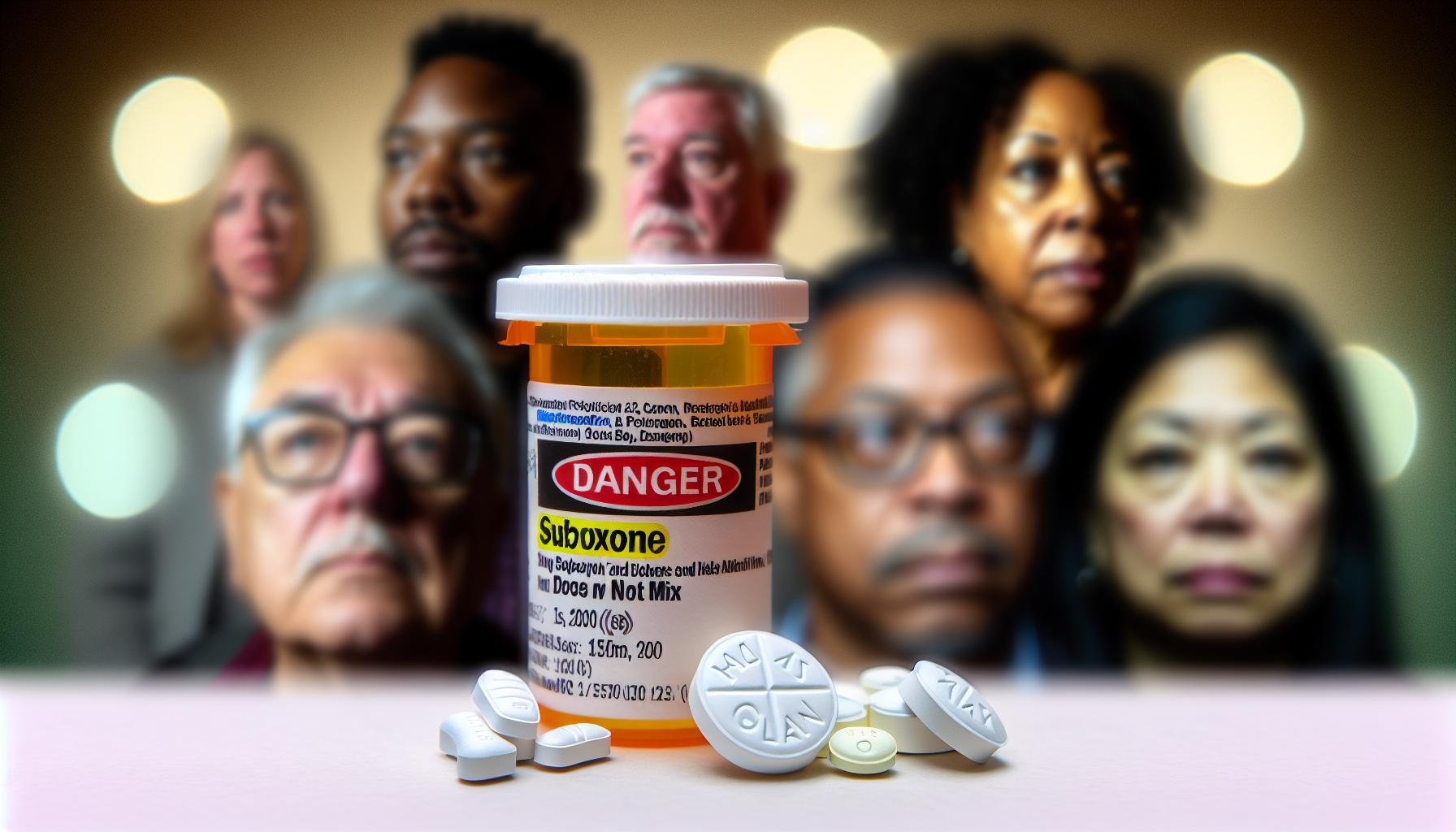
How Suboxone and Xanax Work in the Body
Understanding how Suboxone and Xanax interact in the body reveals the serious complexities and dangers of mixing these medications. Suboxone, a combination of buprenorphine and naloxone, is designed to alleviate opioid withdrawal symptoms by attaching to the same receptors in the brain that opioids do, but in a way that minimizes the euphoric effects typically associated with full agonists. Buprenorphine is a partial agonist, which means it activates these receptors to a lesser degree. This property makes it effective for treating opioid addiction while reducing the risk of misuse and overdosage compared to stronger opioids.
On the other hand, Xanax (alprazolam) is a benzodiazepine that exerts its effects by enhancing the activity of gamma-aminobutyric acid (GABA), a neurotransmitter that promotes relaxation and helps reduce anxiety. By facilitating GABA’s calming effects, Xanax can produce sedation and a sense of well-being. However, the sedative effects of Xanax can dangerously overlap with the respiratory depressant effects of Suboxone, leading to an increased risk of respiratory failure, particularly when used in tandem.
- Suboxone: Partial agonist for opioid receptors; mitigates withdrawal without high.
- Xanax: Enhances GABA activity; effective for anxiety relief, but can be highly sedative.
When combining these two substances, the risk is amplified because both can lead to sedation and respiratory depression, and this combination can overwhelm the body’s capacity to regulate vital functions. Those using these medications concurrently may experience compounded effects such as extreme drowsiness, confusion, and impaired cognitive and motor functions. It is crucial for anyone taking either medication to communicate openly with their healthcare provider about their complete medication regimen and any changes in their mental or physical health, ensuring tailored and safe treatment approaches.
Recognizing the Symptoms of Potential Overdose
Recognizing the signs of potential overdose is crucial for anyone using Suboxone and Xanax, especially given the serious risks associated with their combination. Overdose occurs when there is too much of a substance in the body, leading to life-threatening symptoms. Understanding these symptoms not only empowers individuals to safeguard their health but also enables friends and family to act promptly in emergencies.
Common symptoms of an overdose can include extreme drowsiness, confusion, and respiratory depression. A noticeable decrease in breathing rate is particularly alarming; breaths may become slow and shallow, or even cease altogether. Other significant signs include:
- Impaired Coordination: Difficulty walking or maintaining balance.
- Unresponsiveness: Inability to wake up or respond to stimuli.
- Purple or Blue Tints: Skin or lips may indicate poor oxygen circulation.
- Fainting: Sudden loss of consciousness without warning.
- Slurred Speech: Noticeable changes in speech patterns.
If you or someone you know is taking both medications and experiences any of these symptoms, it’s crucial to act quickly. Calling emergency services can make a life-saving difference. Additionally, always keep a trusted friend or family member informed about any medication regimen, allowing them to recognize the signs of overdose if they arise. Education on these symptoms can lessen the potential for tragic outcomes, making awareness a vital component of managing health safely. Always consult with healthcare professionals regarding any concerns related to your medication or treatment plans.
The Risks of Combining Suboxone and Xanax
Combining Suboxone and Xanax presents significant health risks that can lead to dire consequences. Both medications depress the central nervous system (CNS), meaning that taking them together can amplify their sedative effects. This overlap can result in dangerously slow breathing, impaired coordination, and increased drowsiness, escalating the likelihood of overdose. In fact, the potential for life-threatening respiratory depression is particularly concerning when these two medications are used simultaneously, as one might not be aware of how quickly their effects can compound.
Moreover, individuals taking Suboxone-a medication primarily used for treating opioid addiction-may mistakenly believe that Xanax, a benzodiazepine used for managing anxiety disorders, can be safely utilized as needed. However, this misconception can lead to an underestimation of the risks involved in mixing these substances. The combination not only heightens the risk of addiction but can also lead to tolerance, where higher doses become necessary, increasing the chances of overdose and other harmful side effects.
It’s vital to recognize that each individual may respond differently to these medications. Factors such as metabolism, overall health, and the presence of other underlying conditions can influence how dangerous this combination may be for a specific person. Thus, anyone contemplating or currently using both medications should engage in an open dialogue with their healthcare provider. This communication is crucial to ensure safety and to explore alternative treatments if necessary.
Ultimately, understanding the risks associated with mixing Suboxone and Xanax is essential for anyone taking these medications. Empowering oneself with knowledge can lead to better health decisions and encourage individuals to seek appropriate support systems, mitigating the harmful effects of these powerful drugs. Always prioritize medical guidance and supervision to navigate the complexities of medication management effectively.
Seeking Help: When to Contact a Healthcare Provider
It’s essential to be proactive about your health, especially when dealing with medications like Suboxone and Xanax. If you or someone you know is using these medications together, recognizing the signs that indicate it’s time to seek help can be critical. Many people underestimate the dangers of mixing these drugs, often believing they can manage their dosages without professional guidance. However, the risks are significant and warrant immediate consultation with a healthcare provider.
If you experience symptoms such as extreme drowsiness, confusion, impaired coordination, or difficulty breathing while taking Suboxone and Xanax, it’s crucial to contact a healthcare provider right away. These could be signs of potentially life-threatening complications like respiratory depression. Additionally, if you notice an increasing tolerance, where you find yourself needing higher doses to achieve the same effect, this is a clear signal to seek help. This situation not only heightens the risk of overdose but can also indicate developing dependency, which requires professional intervention.
Creating a supportive environment for yourself can help facilitate an open conversation with your healthcare provider. Prepare for your appointment by jotting down your experiences, concerns, and any symptoms you’ve observed. Consider sharing how the combination of medications impacts your daily life, including both physical and emotional well-being. This information can assist your provider in offering effective solutions, whether that means adjusting dosages, exploring alternative medications, or recommending therapy options tailored to your needs.
In situations where you’re unsure whether your symptoms warrant contacting a healthcare provider, it’s always better to err on the side of caution. Engaging with a medical professional can provide peace of mind and potentially avert serious health issues. Remember, prioritizing your health and safety starts with clear communication with those responsible for your care, ensuring that you can navigate the complexities of your treatment effectively.
Tips for Managing Prescription Medications Safely
Managing prescription medications safely is crucial, especially when dealing with potential interactions between drugs like Suboxone and Xanax. Understanding how to navigate your medication regimen can empower you to take charge of your health. Here are some actionable tips to help ensure that you manage your prescriptions effectively while minimizing risks.
- Always Consult Your Healthcare Provider: Never make changes to your medication without consulting your doctor. If you’re prescribed both Suboxone and Xanax, ensure that your healthcare provider is aware of all medications you’re taking to avoid harmful interactions.
- Keep a Detailed Medication List: Maintain a comprehensive list of all your medications, including dosages and schedules. This can help you track your prescriptions and provide crucial information during medical appointments.
- Employ Reminders and Organizers: Use weekly pill organizers or mobile apps to help you remember when to take your medications. This can reduce the risk of missed doses or accidental double-dosing.
- Monitor Symptoms: Be vigilant about how you feel when taking these medications. If you notice any unusual symptoms such as excessive drowsiness, confusion, or breathing difficulties, contact your healthcare provider immediately.
- Educate Yourself: Understanding how each medication affects your body can help you recognize when something isn’t right. Research reputable sources or ask your healthcare provider for resources related to Suboxone and Xanax.
- Avoid Alcohol and Other Depressants: Mixing alcohol or other central nervous system depressants with Suboxone or Xanax can significantly increase the risk of serious side effects, including overdose. Always ask your provider about interactions with alcohol or other substances.
Integrating these strategies into your routine can foster better communication between you and your healthcare team, leading to a safer medication experience. Remember, while it’s important to educate yourself about your prescriptions, it’s equally vital to consult healthcare professionals for personalized guidance tailored to your unique health needs.
Understanding Withdrawal and Dependency Issues
The journey through withdrawal and dependency can be fraught with challenges, especially for individuals navigating the complexities of medications like Suboxone and Xanax. Understanding the potential for withdrawal symptoms is crucial for anyone considering or already using these medications. Suboxone, primarily used to treat opioid dependence, contains buprenorphine, which can create a physical dependence over time. Xanax, on the other hand, is a benzodiazepine often prescribed for anxiety and panic disorders, and is notorious for its potential to lead to dependency when mismanaged.
Withdrawal from either of these medications can manifest in various forms, often making it difficult for individuals to recognize the onset of issues. Common symptoms of withdrawal may include nausea, anxiety, insomnia, muscle aches, and irritability. For individuals who have been taking Xanax, symptoms might escalate more severely, particularly if the drug is suddenly discontinued. The paradox lies in the treatment; while Suboxone can help manage cravings for opioids, combining it with Xanax can elevate the risk of dependency and complicate the withdrawal process further.
It’s important for individuals to be proactive in their health management. Those experiencing withdrawal symptoms should seek support from healthcare professionals who can provide a tailored approach to recovery. This may involve a gradual tapering off of medications, therapy sessions, or participation in support groups. Engaging with healthcare providers who understand the intricacies of both Suboxone and Xanax can create a balanced plan that minimizes risks and encourages safe practices.
In addressing potential dependency issues, it is essential to develop coping strategies for stress and anxiety that do not involve medication. Approaches may include mindfulness techniques, physical activity, and establishing robust support networks. By focusing on holistic well-being and education about the medications in use, individuals can take significant steps towards recovery and a healthier life. Always remember, the journey towards managing withdrawal and dependency should be undertaken with the guidance of qualified healthcare professionals to ensure safety and effective outcomes.
Support Networks for Addiction Recovery
Building a strong support network is crucial for anyone navigating the complexities of addiction recovery, especially when it comes to the risks associated with mixing medications like Suboxone and Xanax. Engaging with individuals or groups who understand the challenges can greatly enhance the recovery experience, providing motivation, solidarity, and accountability during tough times. Research shows that social support can lead to better health outcomes, as shared experiences foster resilience and reduce feelings of isolation.
Support networks can take many forms, including:
- Family and Friends: Involving loved ones in your recovery journey can provide emotional backing and understanding. Educational resources can help them understand the nature of addiction and the specific risks associated with mixing medications.
- Support Groups: Organizations such as Narcotics Anonymous (NA) or Alcoholics Anonymous (AA) offer community resources that can connect you with others facing similar struggles. Sharing experiences in a non-judgmental space can relieve stress and highlight coping strategies.
- Professional Help: Therapists and counselors trained in addiction can provide tailored guidance and encouragement. They can assist with managing withdrawal symptoms and offer tools to navigate the path to recovery safely.
- Online Communities: Virtual support networks can be a valuable resource, especially if in-person options are limited. Forums and social media groups allow individuals to connect, share experiences, and find encouragement from those who understand the journey.
Establishing a diverse support system can lead to more effective recovery strategies. Not only does it create an avenue for sharing burdens, but it also opens up resources for learning healthier coping mechanisms and reinforcing positive behaviors. For example, a supportive friend might join you in mindfulness practices or physical activities, fostering a healthier lifestyle that doesn’t rely on substances.
Ultimately, surrounding yourself with positive influences and informed individuals can make a substantial difference in your recovery journey. Always remember that reaching out for help is a sign of strength, and maintaining open communication with your support network will contribute to long-term success in overcoming dependency issues.
Alternative Treatments and Substitutes for Anxiety
Exploring alternative treatments for anxiety can provide valuable options for those navigating the complexities of mood disorders, especially for individuals who may be vulnerable to the risks associated with medications like Xanax. It’s essential to consider a holistic approach to managing anxiety, which can include various non-pharmacological interventions that support mental well-being without relying on potentially dangerous combinations of medications.
Natural Remedies
Natural remedies can be an effective way to alleviate anxiety symptoms. Some individuals find relief through herbal supplements such as valerian root, passionflower, or ashwagandha, known for their calming properties. However, it’s crucial to consult a healthcare professional before starting any herbal treatments, as they can also interact with other medications.
Mindfulness and Meditation
Incorporating mindfulness practices, such as meditation and deep breathing exercises, can significantly reduce anxiety levels. Mindfulness encourages individuals to stay present and engaged, helping to ground them in moments of stress or worry. Techniques such as guided imagery or progressive muscle relaxation can also prove beneficial.
Physical Activity
Regular physical activity is another powerful tool for managing anxiety. Exercise increases the production of endorphins, known as “feel-good” hormones, which can enhance mood and overall sense of well-being. Engaging in activities like yoga, walking, or team sports not only provides physical benefits but also fosters social connections that can bolster mental health.
Cognitive Behavioral Therapy (CBT)
Cognitive Behavioral Therapy (CBT) is a structured, time-limited psychotherapy that focuses on altering negative thought patterns and behaviors that contribute to anxiety. By working with a trained therapist, individuals can develop coping strategies and resilience to manage their anxiety effectively.
Ultimately, while exploring alternative treatments for anxiety, it’s vital to maintain an open dialogue with healthcare providers. They can guide individuals toward the most appropriate and safe treatments tailored to their specific needs, ensuring a supportive and effective approach to anxiety management.
Legal and Ethical Considerations of Mixing Medications
Mixing medications can carry significant legal and ethical implications, particularly when it comes to powerful substances like Suboxone and Xanax. Acting against prescribed guidelines can not only endanger health but also expose individuals to legal repercussions. For instance, using Xanax, a benzodiazepine known for its sedative properties, alongside Suboxone, which contains buprenorphine, can lead to severe respiratory depression, overdose, or even death. This combination often violates best practices established for managing addiction and mental health conditions, highlighting the necessity for strict compliance with medical protocols.
Healthcare providers are obligated to adhere to ethical standards that prioritize patient safety above all. When prescribing medications, it is essential for physicians to conduct thorough assessments and provide complete information about potential drug interactions. This means being transparent about the risks of mixing substances. Patients must also recognize their responsibility in this dynamic; conveying accurate medical histories and discussing all medications-prescribed, over-the-counter, and recreational-is crucial for safety. Ignoring these discussions can not only jeopardize one’s health but, in some cases, may lead to lost access to necessary medications if flagged for misuse.
In situations where medications are prescribed inappropriately or combined recklessly, legal consequences can ensue. Medical malpractice or negligence can emerge if a healthcare provider fails to inform a patient of the risks involved in combining certain medications. Consequently, individuals must be aware of local regulations regarding controlled substances and maintain a proactive approach by questioning their treatment plans.
Furthermore, ethical considerations extend into the realm of addiction treatment, where the focus should be on recovery and well-being. Patients should engage proactively with healthcare providers, ensuring that their treatment aligns with safe practices. The potential for abuse and misuse of both Suboxone and Xanax must also be part of ongoing assessments, allowing adjustments to be made where necessary. Ultimately, fostering an open, honest dialogue with medical professionals not only adheres to legal requirements but also cultivates a therapeutic environment conducive to recovery and health.
It’s essential for anyone contemplating the use of medications like Suboxone and Xanax to consult healthcare professionals for personalized guidance. Taking charge of your health involves understanding the legal implications and ethical responsibilities, ensuring that the path to wellness is both safe and effective.
Real Stories: Experiences with Suboxone and Xanax
Amid the growing discourse on mental health and substance use, real stories from individuals who have navigated the challenging waters of mixing Suboxone and Xanax provide critical insights into the dangers of such practices. Many users report severe repercussions after combining these medications, often unaware of the potential for life-threatening interactions. For instance, a young woman shared her experience of initially using Suboxone to manage opioid dependency but later turning to Xanax for anxiety. She described how the combination led to episodes of confusion and respiratory distress, bringing her to the emergency room multiple times before recognizing the gravity of the situation.
In another account, a man who had been prescribed both medications found himself in a downward spiral. He felt that while Suboxone helped with cravings, Xanax was his go-to for anxiety relief. Unfortunately, he described moments of “blacking out” and waking up in unfamiliar places, completely unaware of how he got there. This experience highlighted a crucial aspect: the unpredictable nature of mixing potent medications. These stories frequently conclude with the same takeaway: the importance of maintaining open communication with healthcare providers and adhering to prescribed treatment plans.
Strengthening awareness around these personal narratives can empower others facing similar dilemmas. Individuals must recognize that they are not alone in their struggles and that seeking help from qualified professionals is paramount. If someone is prescribed both medications, they should have candid conversations with their healthcare providers about the risks and potential side effects. In sharing these stories, a community ethos develops, reminding individuals that recovery and safety come first, and that exploring alternative therapies or coping strategies under professional guidance can lead to healthier outcomes.
Engaging with support groups or forums dedicated to recovery can also foster a sense of belonging and inspire action. This community-driven approach not only demystifies addiction and mental health issues but also equips individuals with resources and shared experiences that can aid in navigating their health journeys.
Frequently Asked Questions About Mixing Medications
Mixing medications can be a perilous decision, especially when it comes to powerful drugs like Suboxone and Xanax. The combination of these two substances can lead to severe consequences, including respiratory distress, heightened risk of overdose, and unpredictable behavioral changes. As more individuals seek relief from substance use disorders and anxiety disorders, understanding the danger of mixing these medications becomes critical in safeguarding health and well-being.
One common question arises: Why can’t I take Suboxone and Xanax together? Both medications have central nervous system (CNS) depressant effects, meaning they can significantly slow down brain function. Combining them can amplify these effects, potentially leading to extreme sedation, breathing difficulties, or loss of consciousness. It’s crucial to consult with a healthcare professional before making any decisions about treatment plans involving either medication.
Another frequent concern is about recognizing symptoms of a potential overdose. Symptoms can range from excessive drowsiness, confusion, and slowed heart rate, to difficulty breathing and loss of consciousness. If anyone notices these signs, seeking immediate medical help is essential. Having a trusted friend or family member aware of the medications being taken can also provide an additional layer of safety.
Many people also wonder about what to do if I’m already on both medications. Open and honest communication with healthcare providers is vital. They can help adjust dosages, explore alternative medications, or implement safer treatment strategies. Additionally, utilizing support networks, including therapy and support groups, can provide crucial emotional support during this challenging journey.
By being informed and cautious, individuals can navigate complex medication regimens more safely. Remember that maintaining a proactive approach to health by discussing any concerns or symptoms with a healthcare provider can lead to better treatment outcomes. Lastly, exploring alternative therapies for anxiety or opioid dependence under professional guidance can ensure a well-rounded and safer approach to treatment.
Faq
Q: Why is it dangerous to mix Suboxone and Xanax?
A: Mixing Suboxone and Xanax is dangerous because it can lead to severe respiratory depression, increased sedation, and a higher risk of overdose. Both medications depress the central nervous system, and combining them can amplify these effects, putting the user at significant risk of harm.
Q: What should I do if I’ve accidentally taken Suboxone and Xanax together?
A: If you accidentally take Suboxone and Xanax together, seek medical attention immediately. Call emergency services or go to the nearest hospital. Quick intervention is crucial to manage any potential overdose symptoms and ensure your safety.
Q: Are there safer alternatives to treat anxiety for patients on Suboxone?
A: Yes, there are safer alternatives for treating anxiety in patients on Suboxone, such as therapy, mindfulness techniques, or non-benzodiazepine medications. Discuss any changes with a healthcare provider to find a suitable and safe treatment plan tailored to your needs.
Q: How can I recognize symptoms of a Suboxone and Xanax overdose?
A: Symptoms of a Suboxone and Xanax overdose may include extreme drowsiness, confusion, slowed breathing, and unresponsiveness. If you or someone else exhibits these symptoms, it is critical to call emergency services immediately for help.
Q: What are the legal implications of combining Suboxone and Xanax?
A: Combining Suboxone and Xanax can have serious legal implications, especially if it results in harm to the individual or others. Additionally, misuse of these medications may lead to legal complications, including charges related to prescription drug abuse. Consult a legal professional if needed.
Q: Can I safely wean off Xanax while on Suboxone?
A: Weaning off Xanax while on Suboxone should only be done under the guidance of a healthcare provider. A tapering schedule can help minimize withdrawal symptoms and ensure safety. It’s essential to communicate openly about any changes in your medication regimen.
Q: What are the long-term effects of mixing Suboxone and Xanax?
A: Long-term effects of mixing Suboxone and Xanax can include persistent cognitive impairment, increased dependency on both substances, and heightened risk of overdose. Ongoing monitoring and professional support are vital for managing health and wellness.
Q: How can I talk to my doctor about concerns regarding Suboxone and Xanax?
A: To address concerns about Suboxone and Xanax, schedule an appointment with your doctor and prepare specific questions. Be honest about your medication use and feelings, enabling them to offer informed advice and potential adjustments to your treatment plan.
The Conclusion
Mixing Suboxone and Xanax poses significant health risks, and understanding the dangers is crucial for your safety. If you or someone you know is considering these medications, it’s vital to consult with a healthcare professional immediately. For a deeper understanding of Suboxone’s benefits and potential side effects, explore our detailed guides on Suboxone Uses and Warnings and Common Side Effects of Suboxone.
Stay informed and empowered on your health journey by signing up for our newsletter, where we share valuable insights on managing addiction and maintaining overall wellness. Remember, prioritizing your health safety today can lead to a more secure tomorrow. Don’t hesitate to ask questions or share your experience with us in the comments-we’re here to support you. Together, let’s navigate these important topics, ensuring you make the best decisions for your health!