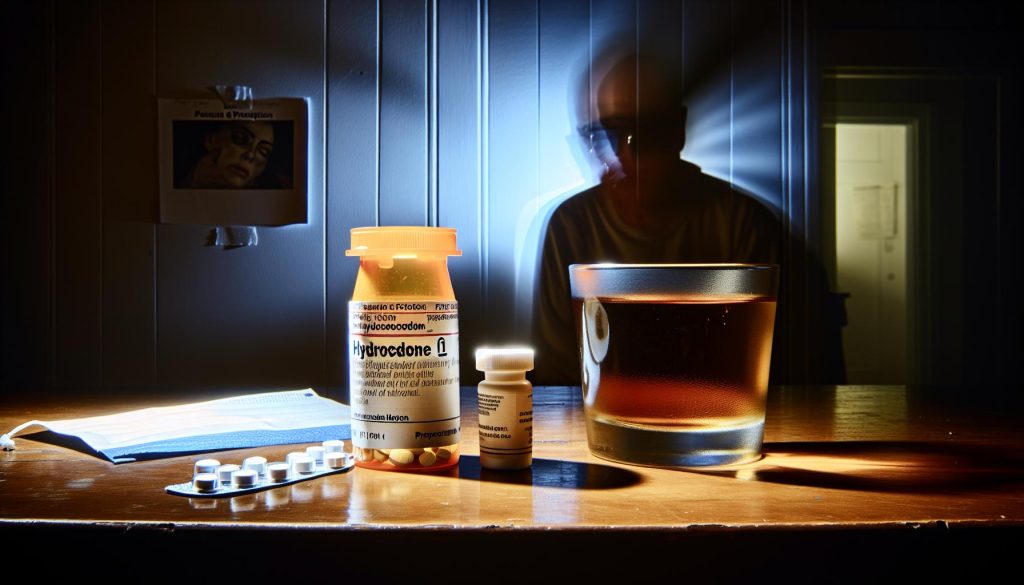
Mixing hydrocodone and alcohol may seem innocuous to some, but it poses serious health risks that can lead to life-threatening consequences. Both substances are central nervous system depressants, which can amplify each other’s sedative effects, significantly increasing the risk of respiratory failure, overdose, or even death. As many people seek relief from pain or stress, understanding the dangers of combining these commonly used substances is crucial for informed decision-making. By exploring the risks associated with this combination, you can empower yourself or a loved one to make safer choices regarding pain management and overall health. Stay with us to learn more about the serious implications of mixing hydrocodone and alcohol, and how to prioritize safety in your health journey.
Mixing Hydrocodone and Alcohol: What You Need to Know

Mixing hydrocodone and alcohol poses serious health risks that can lead to life-threatening consequences. Both substances are central nervous system depressants, meaning they slow down brain activity, which can significantly compromise respiratory function and lead to overdose. When consumed together, their effects are not merely additive but can be synergistic, escalating the sedative effects to dangerous levels.
The potential for respiratory distress increases dramatically when hydrocodone, an opioid painkiller, is taken in conjunction with alcohol. Users may experience decreased awareness, impaired judgment, and reduced coordination, which can increase the risk of accidents and injuries. The combination can also lead to profound drowsiness or confusion, making it difficult for individuals to recognize the onset of an overdose. Understanding these risks is vital for anyone who might consider using these substances together.
For individuals who are prescribed hydrocodone, it is crucial to discuss alcohol consumption with a healthcare provider. Health professionals emphasize that even small amounts of alcohol can exacerbate the risks associated with opioid use. Moreover, personal factors such as age, weight, and overall health can influence how both substances affect an individual, making personalized medical advice essential.
To mitigate risks, individuals are encouraged to explore safer alternatives for pain management and to seek professional guidance if they face challenges with substance use. Recognizing the dangers of mixing hydrocodone and alcohol can empower users and their families to make informed decisions, prioritize health, and prevent potentially fatal outcomes.
Understanding Hydrocodone: Uses and Risks

Hydrocodone is a powerful opioid used primarily to manage moderate to severe pain following injury, surgery, or during illness. Often combined with acetaminophen (Tylenol) in medications like Vicodin, it works by altering how the brain and nervous system respond to pain. While it can be effective for pain relief, its benefits come with significant risks that users should understand fully before beginning treatment.
Using hydrocodone can lead to physical dependence and addiction, with the potential for misuse increasing if the prescribed dosage or duration is exceeded. The risks are heightened for individuals who may mix hydrocodone with other depressants, such as alcohol. Both substances slow down brain activity and respiratory function, and their combination can result in dangerously low breathing rates, increasing the likelihood of overdose. It is vital to discuss any existing use of alcohol, recreational drugs, or other prescriptions with healthcare providers when starting hydrocodone treatment to develop a safe and effective pain management plan.
Another important aspect to consider is the potential for side effects. Common side effects of hydrocodone include nausea, vomiting, constipation, and dizziness; however, more severe reactions can occur, particularly when combined with other substances. Individuals should remain vigilant for any signs of adverse effects and communicate openly with their healthcare provider about their symptoms or concerns. Ultimately, understanding the uses and potential risks associated with hydrocodone can empower patients to make informed decisions about their pain management and seek help when necessary.
For anyone prescribed this medication, education and awareness are key.
Here are some steps for responsible use:
- Follow Prescription Guidelines: Always adhere to the prescribed dosage and instructions.
- Communicate with Your Doctor: Discuss any concerns or side effects experienced with your healthcare provider.
- Avoid Alcohol: Refrain from consuming alcohol while taking hydrocodone to reduce risk of overdose.
- Seek Help if Needed: If you feel dependent on hydrocodone or have trouble managing pain, consult a medical professional for alternative strategies and support.
Remember, your health is paramount, and reaching out for guidance from a healthcare professional is always a crucial step toward safe medication use.
The Dangers of Mixing Alcohol and Opioids
Mixing hydrocodone with alcohol creates a hazardous combination that can have life-threatening consequences. Both substances are central nervous system depressants, meaning they slow down brain activity and impair bodily functions. This interaction can lead to profound sedation, significantly increasing the risk of respiratory depression, where breathing becomes dangerously slow or even stops altogether. It is crucial to understand that even relatively small amounts of alcohol can amplify the effects of hydrocodone, leading to an overdose more easily than either substance would on its own.
In many cases, individuals may underestimate the dangers of this combination due to a lack of awareness or misconceptions about how these substances interact. For instance, one might believe that alcohol can relieve pain or enhance the effects of pain medication, which is a dangerous myth. The reality is that the blending of these compounds can lead to unpredictable and severe side effects, such as heightened risk of dizziness, confusion, and falls, especially in older adults or those with pre-existing health conditions.
To mitigate these dangers, it’s essential to take proactive steps. Avoid drinking alcohol when prescribed hydrocodone, regardless of the amount. This proactive approach not only safeguards physical health but also supports mental clarity, allowing individuals to manage their medication effectively. If alcohol use is a concern, healthcare providers should be made aware, so they can implement safer pain management strategies that do not involve the risk of harmful interactions. Remember, your well-being matters, and prioritizing safety involves open communication with healthcare professionals about substance use while managing pain.
Physiological Effects of Hydrocodone and Alcohol
Mixing hydrocodone with alcohol can lead to extremely dangerous physiological effects due to the way both substances interact within the body. When hydrocodone, a potent opioid pain reliever, is ingested alongside alcohol, the combined depressant effects can disrupt normal bodily functions in alarming ways. The risk of respiratory depression-where breathing slows to life-threatening levels-escalates dramatically, particularly as both substances exert sedative effects on the central nervous system.
The interaction of hydrocodone and alcohol can intensify feelings of drowsiness, dizziness, and confusion, creating a perilous environment where individuals might underestimate their functional capacity. This combination compromises cognitive functions and coordination, raising the likelihood of falls and accidents, especially among older adults, who may already be vulnerable due to pre-existing health issues. The euphoric effects that some users might seek can deeply mislead them about the risks involved, leading to potential overdose situations.
Moreover, the liver, which is responsible for metabolizing both hydrocodone and alcohol, is put under tremendous stress during simultaneous use. This can result in a toxic buildup of either substance, further exacerbating the risk of harmful side effects. Understanding these serious implications emphasizes the importance of adhering strictly to medical guidelines when prescribed hydrocodone. If alcohol use is part of one’s lifestyle, consulting with healthcare providers about the safe use of medications is essential for maintaining overall well-being.
In summary, the physiological impacts of mixing hydrocodone and alcohol are severe and can rapidly lead to life-threatening conditions. Prioritizing safety through informed decision-making and open communication with medical professionals is critical for anyone managing pain with hydrocodone.
Signs of Hydrocodone-Alcohol Overdose
The perilous combination of hydrocodone and alcohol can swiftly escalate to a life-threatening situation, making it crucial to recognize the signs of an overdose. When these two depressants are taken together, the risk of respiratory depression-a serious condition where breathing becomes dangerously slow or stops altogether-significantly increases. Understanding and identifying these critical symptoms can provide an avenue for timely intervention, potentially saving a life.
Common indicators of a hydrocodone-alcohol overdose include:
- Extreme Drowsiness or Unresponsiveness: The individual may appear excessively sleepy or fail to respond to stimuli, such as being spoken to or lightly shaken.
- Slow or Difficult Breathing: A noticeable decrease in the rate of breathing (fewer than 8 breaths per minute) or irregular respiratory patterns can be alarming signs.
- Pale or Bluish Skin: Noticeable paleness or a bluish tint, especially around the lips or fingertips, may indicate insufficient oxygen levels.
- Confusion or Disorientation: The person may have difficulties knowing where they are or may exhibit abnormal behavior, ranging from extreme agitation to bewilderment.
- Weak Pulse: A significantly weak pulse or a heart rate that is abnormal can also hint at critical complications.
Recognizing these signs early is vital. If you suspect someone is experiencing an overdose, it is essential to seek emergency medical assistance immediately. Do not wait for symptoms to improve or change, as the situation can deteriorate rapidly. As a preventive measure, having open discussions about the risks associated with hydrocodone and alcohol is encouraged, especially for those managing chronic pain or lifestyle choices that may lead to misuse.
Creating a supportive atmosphere where family and friends can discuss substance use freely can also mitigate the risks of dangerous combinations and promote healthier decision-making. Empower yourself and others with knowledge, and prioritize safety by approaching healthcare professionals for any uncertainties or guidance concerning medication and alcohol use.
Long-Term Consequences of Mixing Substances
Mixing hydrocodone and alcohol can have lasting repercussions that extend far beyond immediate health risks. Prolonged use of these substances in combination often leads to significant changes in both psychological and physical health. Over time, individuals may develop a tolerance, requiring larger doses of either substance to achieve the desired effects. This cycle can accelerate dependency, making it increasingly difficult to stop using these substances without professional help.
The impact on mental health is also profound. Long-term use of alcohol and hydrocodone can result in persistent anxiety, depression, and cognitive decline. Users may find themselves trapped in a cycle of misuse, where the substances serve as a temporary escape from emotional pain but ultimately exacerbate mental health issues. Relationships may suffer as friends and family notice changes in behavior, leading to social isolation and further entrenchment in substance use.
Physical health consequences are equally severe. Chronic mixing can lead to liver damage, especially due to alcohol’s toll when combined with hydrocodone, which is metabolized in the liver. Long-term users may face cardiovascular problems, increased risk of overdose, and symptoms of respiratory distress. Regular medical check-ups and honest conversations with healthcare providers are vital for those who have mixed these substances to prevent irreversible health damage.
Recognizing these long-term dangers highlights the need for education and open dialogue about substance use. Encouragingly, awareness can empower individuals and families to seek help and foster healthier lifestyles. Striving for supportive environments and utilizing available resources can ultimately give users the tools they need to navigate their recovery journey responsibly and effectively.
Finding Help: Treatment Options for Substance Abuse
Recognizing the signs of substance abuse is crucial for taking the first step toward recovery, especially when it involves dangerous combinations like hydrocodone and alcohol. Many individuals may feel trapped in a cycle of dependence, but help is available through various treatment options that can lead to a healthier, more fulfilling life. Whether it’s through behavioral therapies, support groups, or medical intervention, a path to recovery exists for those willing to seek it.
Types of Treatment Options
There are multiple treatment approaches that can effectively address the dual challenges of opioid and alcohol misuse. Here are some common options:
- Detoxification Programs: Supervised detox is often the first step, allowing the body to adjust as substances are eliminated. Medical supervision can help manage withdrawal symptoms safely.
- Inpatient Rehabilitation: These programs provide a structured environment offering 24/7 care. They focus on intensive therapies aimed at early recovery and relapse prevention.
- Outpatient Programs: For those who cannot commit to inpatient treatment, outpatient programs offer flexibility while providing counseling and support. This is ideal for individuals with a supportive home environment.
- Cognitive Behavioral Therapy (CBT): CBT helps individuals identify and change negative thought patterns and behaviors, making it a powerful tool in overcoming addiction.
- Support Groups: Engaging with groups like Alcoholics Anonymous (AA) or Narcotics Anonymous (NA) offers a community of shared experiences, providing encouragement and accountability.
Taking the Next Steps
If you or a loved one is struggling with substance abuse, it’s vital to reach out for help. Begin by consulting healthcare professionals who specialize in addiction medicine. They can provide guidance tailored to individual situations, including recommendations for specific treatment programs or counseling services.
Additionally, family involvement can play a significant role in recovery. Open conversations about substance use without judgment can foster a supportive environment, encouraging individuals to enter treatment. Being proactive and informed not only contributes to better health outcomes but also enhances the overall well-being of individuals and their families.
By taking these steps, individuals can begin their journey toward recovery from the life-threatening effects of mixing hydrocodone and alcohol. Remember, you do not have to face this challenge alone; support is always available, and taking that first step is a sign of strength, not weakness.
Legal Implications of Mixing Hydrocodone and Alcohol
Mixing hydrocodone and alcohol is not just a health risk; it can also lead to significant legal consequences. In many jurisdictions, the combination of these substances can lead to charges of illegal substance use or reckless behavior, especially if an individual is involved in an accident or other harmful incidents while under their influence. Law enforcement can classify this combination as negligence, particularly if a person injures someone else or causes property damage while impaired. Furthermore, if someone is found in possession of prescription drugs like hydrocodone without a proper prescription while using alcohol, they could face additional legal repercussions.
Beyond immediate legal concerns, habitual mixing of these substances can lead to longer-term legal consequences. For example, individuals who develop a dependency on both alcohol and opioids may encounter issues while applying for jobs, particularly in fields that require background checks. Employers often scrutinize drug use history, which can include legal infractions stemming from substance misuse. Additionally, any DUI charges resulting from driving under the influence of these substances can carry heavy fines, restrictions on driving privileges, or even incarceration, creating a ripple effect that can impact personal and professional aspects of the individual’s life.
Understanding the legal implications can empower individuals to make more informed decisions about their health and substance use. Engaging in open dialogues with healthcare professionals can help clarify the behavioral and legal risks associated with mixing hydrocodone and alcohol, thereby supporting individuals in taking proactive steps towards safer practices and finding healthier alternatives for managing pain or stress. If you find yourself or a loved one caught in this cycle, consider consulting legal and addiction specialists who can provide guidance tailored to individual circumstances.
Myths and Misconceptions About Opioids and Alcohol
Many people believe that mixing opioids like hydrocodone with alcohol is a harmless party trick or a way to enhance the effects of the medications. This myth can have dire consequences, as the combination significantly increases the risk of severe side effects, addiction, and even death. Understanding the misconceptions surrounding this dangerous duo is critical for making informed choices about substance use.
One common belief is that taking hydrocodone and drinking alcohol in small amounts is safe because both substances are often prescribed for pain management or relaxation. In truth, both hydrocodone and alcohol depress the central nervous system, leading to compounded effects such as increased sedation and impaired motor skills. This risk is particularly pronounced as even a small amount of alcohol can trigger respiratory depression, a leading cause of mortality when combined with opioids.
Another misconception is that prevalence and cultural acceptance of mixing these substances in social contexts render it harmless. The reality is that many individuals may not be aware of their own tolerances or health conditions, which can reframe the dangers of these substances. For instance, people with pre-existing respiratory issues or a history of substance use disorders may face unanticipated complications when combining hydrocodone and alcohol.
The notion that addiction only happens to those who misuse substances is also misleading. Hydrocodone is highly addictive, and the risk of dependency escalates when mixed with alcohol-which itself can lead to addiction. When addiction develops, it often takes on a life of its own, leading to a cycle of misuse and worsening health outcomes.
To dispel these myths and protect health, it is essential for anyone considering using hydrocodone-especially alongside alcohol-to have an open conversation with a healthcare provider. Individual guidance can help clarify personal risks and instill a greater awareness of the effects of mixing these substances. Empowering oneself with knowledge is the first step toward safer health practices and making informed decisions regarding substance use.
Support Resources for Users and Families
While the combination of hydrocodone and alcohol can have devastating consequences, there are numerous resources available for individuals and families grappling with substance use issues. It’s crucial to know that help is accessible and effective, paving the way toward recovery and healthier choices. Connecting with the right support can make a significant difference in overcoming the challenges associated with opioid and alcohol use.
One of the first steps towards seeking help is engaging with healthcare professionals who specialize in addiction. Medical practitioners, including primary care doctors, psychiatrists, and addiction specialists, can provide crucial assessments and treatment plans tailored to individual needs. Additionally, mental health counselors and therapists can offer emotional support and coping strategies to address underlying issues often linked to substance use.
Support groups can also prove invaluable. Programs like Alcoholics Anonymous (AA) and Narcotics Anonymous (NA) provide peer support, which can foster a sense of community and accountability. These groups often utilize a 12-step approach that has helped countless individuals navigate the journey to recovery. Furthermore, many local communities offer family support groups that allow loved ones to share experiences, receive support, and learn how to best assist a person struggling with addiction.
For those seeking structured treatment options, numerous facilities across the country specialize in substance use disorder treatment. Inpatient rehabilitation centers provide a safe and supportive environment where individuals can detoxify, receive medical care, and undergo comprehensive therapy. Outpatient programs are another option, allowing individuals to maintain their daily responsibilities while participating in treatment. In either case, evidence-based approaches, like cognitive-behavioral therapy (CBT) and motivational interviewing, are often employed to help users understand their addiction and develop healthier habits.
In summary, if you or someone you care about is struggling with the risky combination of hydrocodone and alcohol, proactive steps can lead to a healthier, more supportive environment. Connecting with healthcare professionals, attending support groups, and considering structured treatment options can together create a robust support system. Remember, it’s vital to consult with a healthcare provider for tailored advice, as they can guide you on the best paths to recovery.
How to Talk to Loved Ones About Substance Use
Opening a dialogue about substance use, particularly the dangerous combination of hydrocodone and alcohol, can be challenging yet essential. Many individuals may feel uncomfortable or fearful about discussing this sensitive topic, but addressing it openly can save lives. Research shows that direct conversations often lead to better understanding and ultimately to recovery. The right approach can create an atmosphere of support and trust, encouraging open communication.
To effectively engage with a loved one about their substance use, consider these strategies:
- Choose the Right Time and Place: Find a quiet, comfortable setting where distractions are minimal. Timing is crucial; avoid initiating the conversation during moments of anger or when the individual is under the influence.
- Express Concern, Not Judgment: Approach the conversation from a place of care. Use “I” statements-such as “I feel worried about your health”-instead of making accusatory remarks.
- Be Prepared for Resistance: Understand that your loved one may not be ready to talk or may react defensively. Listen actively to their concerns and feelings, showing empathy without enabling negative behaviors.
- Provide Resources and Support: Offer information about treatment options, support groups, or therapy. Let them know that you’re there to help and that recovery is possible.
Encouraging Ongoing Communication
Make it clear that this conversation is just the beginning. Encouraging ongoing dialogue about their substance use can foster a supportive environment for recovery. Check in periodically, ask about their feelings, and continue to express your concern and support. Remind them that seeking help is a sign of strength, not weakness, and emphasize the importance of consulting healthcare professionals for tailored advice. Sharing information about the life-threatening risks associated with mixing hydrocodone and alcohol can also enhance understanding and motivate them to seek help.
In summary, approaching a loved one about potential substance use issues requires a thoughtful, empathetic strategy. By fostering open communication and showing unwavering support, you can help guide them toward the resources they may need to address their situation. Remember, recovery is a journey best taken with understanding and compassion.
FAQ
Q: What are the risks of mixing hydrocodone and alcohol?
A: Mixing hydrocodone and alcohol significantly increases the risk of respiratory depression, sedation, and overdose. This dangerous combination can lead to life-threatening effects, including coma and death. To ensure safety, avoid using these substances together and consult a healthcare professional if needed.
Q: How does alcohol affect the metabolism of hydrocodone?
A: Alcohol can impair the body’s ability to metabolize hydrocodone efficiently, leading to higher concentrations of the drug in the bloodstream. This can increase the risk of side effects and overdose. It’s critical to avoid alcohol if you’re prescribed hydrocodone to prevent serious health risks.
Q: Why is combining hydrocodone and alcohol particularly dangerous?
A: Combining hydrocodone and alcohol is particularly dangerous due to their cumulative effects on the central nervous system. This can result in enhanced sedation, slower breathing, and heightened risk of overdose. For more detailed information, refer to the section on the dangers of mixing these substances.
Q: What should I do if I or someone I know has mixed hydrocodone and alcohol?
A: If you suspect someone has mixed hydrocodone and alcohol, it’s crucial to seek emergency medical help immediately. Signs of overdose include difficulty breathing, extreme drowsiness, or unresponsiveness. Prompt intervention can be life-saving.
Q: What long-term effects can result from mixing hydrocodone and alcohol?
A: Long-term mixing of hydrocodone and alcohol can lead to significant health issues, including liver damage, dependence, and cognitive impairment. Individuals may experience ongoing addiction problems or develop chronic health conditions, making it essential to seek help if struggling with substance use.
Q: Are there alternatives to hydrocodone for pain management without alcohol?
A: Yes, there are several non-opioid pain management options, including NSAIDs like ibuprofen or acetaminophen, physical therapy, and alternative treatments like acupuncture. Consulting a healthcare provider can help you find the safest pain relief strategies tailored to your needs.
Q: How can I talk to someone about their hydrocodone and alcohol use?
A: Approach the subject with empathy and concern. Begin by expressing your worries without judgment, and encourage them to share their feelings. Providing information about resources and support for substance use can help start a productive conversation. For tips, see the section on support resources.
Q: What educational resources are available for understanding the dangers of hydrocodone and alcohol?
A: Numerous resources are available for educating yourself about the dangers of mixing hydrocodone and alcohol. Trusted health websites, counseling services, and support groups provide valuable information. Always consult healthcare professionals for personalized advice regarding substance use.
Closing Remarks
As we wrap up our discussion on the life-threatening effects of mixing hydrocodone and alcohol, it’s crucial to remember that safety is paramount. The combination can lead to severe health risks, including overdose and even death. If you or someone you know is considering these substances for any reason, please seek professional medical guidance. For more insights, check out our related articles on opioid safety and the dangers of alcohol misuse.
Stay informed and take proactive steps toward a healthier lifestyle. Sign up for our newsletter for more educational content like this and ensure you’re not alone in your journey-support and resources are available. Don’t hesitate to share your thoughts below or explore our other health topics to deepen your understanding. Your health matters; take the first step today!