
Xanax, a common prescription medication for anxiety and panic disorders, can pose serious risks when misused or taken in excessive amounts. With increasing awareness of mental health issues, many individuals seek relief through medications like Xanax, but it’s crucial to understand the potentially life-threatening consequences of an overdose. Recognizing the warning signs of a Xanax overdose early can be the difference between life and death. This article delves into the symptoms of an overdose and outlines essential emergency actions to take if you or someone you love is affected. Empower yourself with knowledge to ensure safety and well-being, enabling informed discussions with healthcare professionals about medication management and support. Your awareness can lead to timely intervention and potentially save a life.
Warning Signs of Xanax Overdose
Recognizing the warning signs of a Xanax overdose is crucial, as timely intervention can be lifesaving. Xanax (alprazolam) is a powerful benzodiazepine commonly prescribed for anxiety and panic disorders, but misuse or accidental overdosing can lead to severe consequences. One of the first indicators of overdose is an increased level of sedation; individuals may experience extreme drowsiness or unresponsiveness. Other alarming symptoms can include confusion, disorientation, or difficulty speaking.
In more severe cases, physical symptoms such as a slowed heart rate, respiratory distress, or even loss of consciousness may occur, indicating a critical state that necessitates immediate medical attention. Understanding these signs not only empowers individuals who take Xanax but also their family and friends to act swiftly if they notice someone displaying these symptoms. If you suspect an overdose, it’s essential to call emergency services immediately; timely intervention can significantly improve outcomes.
Proactive conversations about Xanax use and its risks can help mitigate potential overdoses. Regular consultations with healthcare professionals can ensure that prescriptions are monitored closely, and adjustments can be made based on how the medication affects the individual over time. Always remember that combining Xanax with other substances, especially alcohol or opioids, can drastically increase the risk of an overdose. Staying informed and vigilant about these risks is a vital step in safer medication use and overall well-being.
Understanding the Risks of Xanax Use
Xanax, a medication widely used to manage anxiety and panic disorders, comes with inherent risks that deserve careful consideration. While it can provide relief for many, the potential for misuse and overdose is a critical concern. Understanding these risks is essential for anyone prescribed Xanax and their loved ones, as it allows for informed decisions regarding use and highlights the importance of open dialogue with healthcare providers.
The sedative effects of Xanax can be profoundly beneficial, but they also carry the risk of dependency and abuse. Over time, individuals may find themselves requiring higher doses to achieve the same therapeutic effect, which can lead to a dangerous cycle of increased intake and, consequently, a higher likelihood of overdose. Factors such as concurrent use of other substances-especially alcohol or opioids-can significantly exacerbate these risks, leading to severe respiratory depression and other life-threatening complications.
To navigate the complexities of Xanax use, it is vital to establish a clear communication channel with healthcare professionals. Regular check-ins can help assess the effectiveness of the medication and allow for timely adjustments to avoid potential overdose situations. Additionally, educating oneself and one’s support system about the medication’s effects and risks can foster a community of vigilance around its use, ensuring that everyone is prepared to recognize warning signs of an overdose.
In summary, while Xanax can be an effective treatment for anxiety-related conditions, it is imperative to remain cognizant of its risks. Embracing a proactive approach through education, communication, and careful monitoring can empower individuals to use Xanax safely while minimizing the chances of overdose. Your health journey is unique, so always consult with a healthcare professional to tailor your treatment plan to your specific needs.
What to Do in an Overdose Emergency
Recognizing and responding promptly to an overdose emergency can significantly improve outcomes and save lives. If you suspect someone has taken an excessive amount of Xanax (alprazolam), it’s crucial to act quickly. The symptoms can escalate rapidly, leading to severe complications such as respiratory failure or loss of consciousness. In these critical moments, knowing what steps to take can make all the difference.
The first course of action is to call emergency services immediately. Provide them with all relevant details, including the person’s symptoms, the amount of Xanax taken, and any other substances they may have consumed. While help is on the way, ensure the individual is in a safe position. If they are conscious, encourage them to stay awake and alert. Position them on their side to prevent choking in case they vomit, and monitor their breathing closely. If they become unresponsive, check their airway to ensure it is clear and consider starting CPR if they are not breathing.
While waiting for professional assistance, try to gather any information that could be helpful for the medical team, such as their medical history, previous medications, and whether they have used any other drugs. If there are any pills or packaging, have those ready for the emergency responders. This information will assist healthcare providers in delivering the most effective treatment.
Finally, reassure the individual. Staying calm can help them feel more secure and less frightened, which can be beneficial during such a dire situation. Open channels for communication and maintain a reassuring presence until help arrives. While this process can be stressful, knowing that immediate action is taken increases the chances of a positive outcome. Always remember, overdose situations are serious, and seeking professional help should never be delayed.
Important First Aid Steps for Xanax Overdose
In a crisis involving a Xanax overdose, acting swiftly and knowledgeably can significantly influence the outcome. When you suspect someone has ingested too much Xanax (alprazolam), the first imperative action is to immediately call emergency services. Provide detailed information about the situation, including the amount taken and any other substances involved. This will guide the medical professionals in their response.
While waiting for help to arrive, assess the person’s condition closely. If they remain conscious, encourage them to stay awake and alert. It can be crucial to place them in the recovery position-lying on their side-to minimize the risk of choking should they vomit. Monitor their breathing carefully; if they become unresponsive or their breathing ceases, it’s vital to check their airway. Clear any obstructions that may impede breathing and be prepared to perform CPR if necessary.
Gathering pertinent information before medical responders arrive can enhance the treatment they’ll receive. Any details about the individual’s medical history, current medications, or drug use can prove invaluable. Have any medications or their packaging on hand, as this aids the healthcare team in administering the most effective care. It’s also essential to maintain a calm demeanor; your reassurance can help reduce the panic experienced by the person in distress.
Ultimately, first aid measures during a Xanax overdose focus on stabilizing the individual until professional assistance takes over. Knowing these steps can empower you to act decisively in a high-pressure situation. Always prioritize seeking professional medical help immediately and encourage a supportive environment as you await their arrival.
Identifying Symptoms of Xanax Overdose
Recognizing the warning signs of a Xanax overdose is critical, as timely intervention can save lives. An overdose can occur when a person consumes more than the prescribed dosage of Xanax (alprazolam) or mixes it with other depressants like alcohol or opioids. The symptoms of an overdose can vary based on the individual, the amount taken, and whether other substances are involved.
One of the most alarming symptoms is respiratory depression, where breathing becomes shallow or even stops entirely. This can lead to inadequate oxygen levels in the body, resulting in confusion or loss of consciousness. Other common signs include:
- Drowsiness or Sedation: An overwhelming sense of sleepiness, making it difficult to stay awake or alert.
- Confusion or Disorientation: The individual may be unable to think clearly or recognize their surroundings.
- Slurred Speech: A noticeable change in speech patterns that appears similar to intoxication.
- Loss of Coordination: Difficulty walking or maintaining balance may occur as the body’s motor functions are impaired.
- Unresponsiveness: In more severe cases, the individual may not respond to stimuli, prompting immediate medical help.
Being aware of these key symptoms can help friends or family members act fast in an emergency. Swift recognition and reaction can greatly improve outcomes for someone experiencing a Xanax overdose, emphasizing the importance of monitoring someone else’s condition closely if an overdose is suspected. In such critical situations, encouraging medical assistance and being prepared to provide essential information about the individual’s medical history will facilitate effective care.
Long-Term Effects of Xanax Overdose
The long-term effects of a Xanax overdose can be severe and far-reaching, impacting both physical and mental health. One of the most concerning outcomes is the potential for lasting cognitive impairment. Regular misuse or overdose can lead to long-term memory problems, difficulties with concentration, and changes in personality that may persist even after the individual stops taking the drug. These cognitive challenges can profoundly affect personal relationships and job performance, creating a cycle of stress and anxiety that might prompt further substance use as a coping mechanism.
Another significant consequence of prolonged Xanax misuse or overdose is the risk of developing a substance use disorder. The body can become physically dependent on alprazolam, requiring higher doses to achieve the same effects and leading to withdrawal symptoms when trying to reduce or stop use. This dependence is not just a physical burden; it can also spiral into a psychological struggle, where individuals may feel trapped in a cycle of anxiety and substance use.
Physical Health Risks
Long-term overdoses or misuse can lead to various physical health complications. Chronic respiratory issues are among the most concerning, as overdosing can already depress breathing; ongoing misuse increases the likelihood of respiratory failure, which can be life-threatening. Additionally, misuse can strain the liver and other organs, as they work to metabolize the drug, leading to conditions such as liver disease.
In the context of mental health, individuals may also experience heightened anxiety, depression, or other mood disorders after prolonged Xanax use, due to the brain’s adaptation to the drug.
Recovery and Support
Recognizing these potential long-term effects underscores the importance of seeking help early and often. If you or a loved one is struggling with Xanax use, it’s essential to consult with healthcare professionals who can provide tailored support and navigate the path to recovery.
The journey after a Xanax overdose requires patience and professional guidance to address both the physical and psychological aftermath. Building a robust support system, engaging in therapy, and exploring different coping strategies can greatly enhance the chances of recovery and help individuals reclaim their life without dependence on substances. Remember, reaching out for help is a critical step in this journey.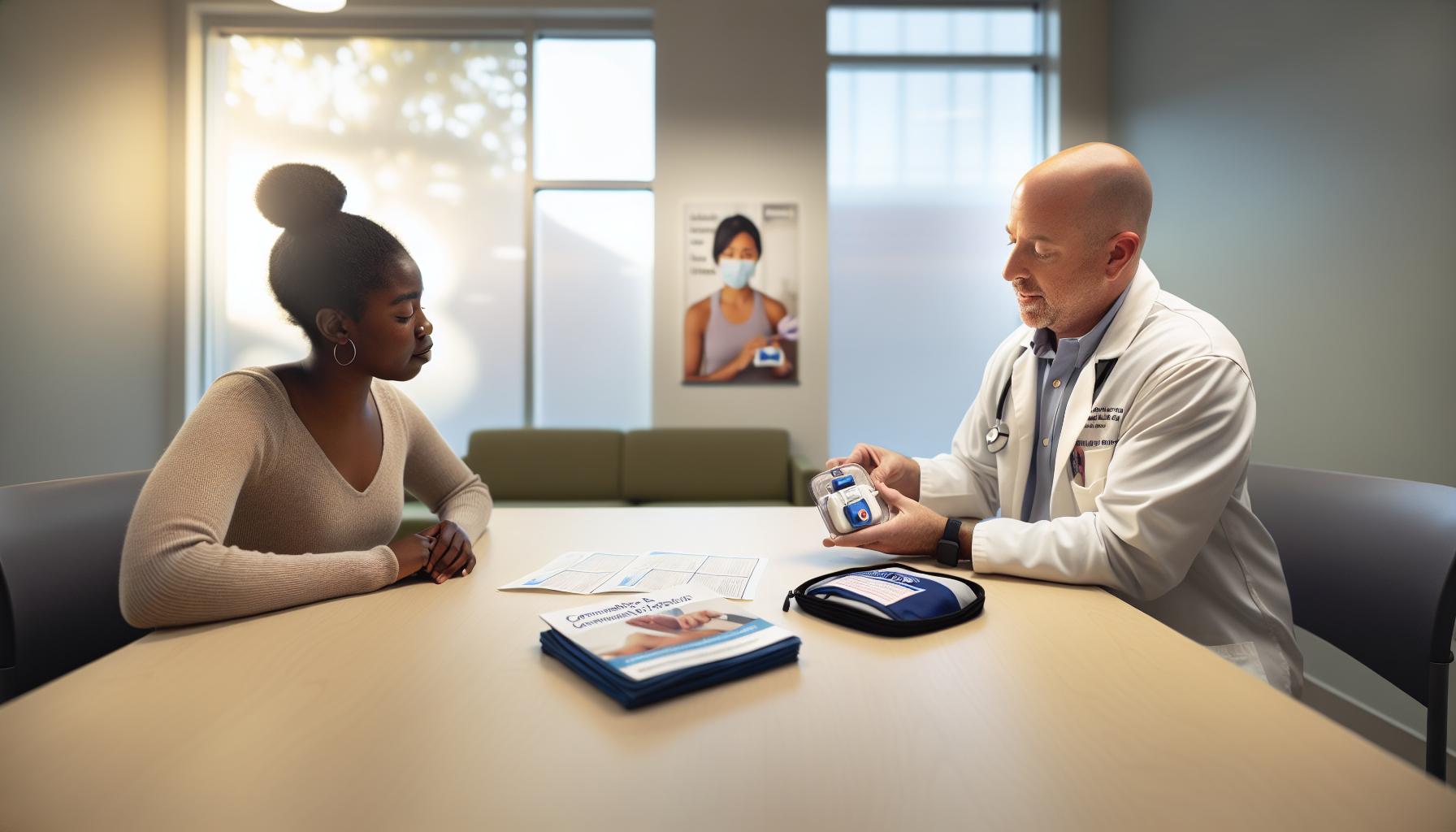
How to Monitor and Prevent Overdose Risks
Monitoring and preventing the risks associated with Xanax overdose is crucial for anyone using the medication or supporting someone who is. With benzodiazepines like Xanax, it is important to recognize that even prescribed dosages can lead to dependency and potential overdose when misused. According to studies, the likelihood of overdose can significantly increase when Xanax is combined with other substances, particularly alcohol or opioids. Therefore, proactive measures can make a substantial difference.
To effectively monitor Xanax use, establish a system that includes keeping track of dosages and any changes in behavior or health conditions. Consider the following strategies:
- Maintain a Medication Log: Document the dates, times, and amounts of Xanax taken. This helps ensure adherence to prescribed dosages and assists in identifying any patterns that may suggest misuse.
- Regular Check-ins: Connect with friends, family, or healthcare providers to discuss usage patterns and any physiological or emotional changes experienced. Open communication can aid in early detection of potential issues.
- Avoid Mixing Substances: Be vigilant about the use of alcohol, opioids, or other sedatives alongside Xanax. Each interaction can exacerbate side effects and increase the risk of overdose.
- Know Warning Signs: Familiarize yourself with symptoms of overdose, such as extreme drowsiness, confusion, respiratory difficulties, or loss of consciousness. This knowledge enables prompt responses in emergencies.
It’s also essential to consult healthcare professionals regularly to discuss any concerns about Xanax use. They can provide guidance tailored to individual needs, adjusting dosages or recommending alternative treatments if necessary. Understanding that Xanax can lead to physical dependency should reframe the approach to its management-monitoring is not just a precautionary step but a necessary element of responsible usage.
By implementing these monitoring strategies, individuals can mitigate the risks associated with Xanax and significantly enhance safety. Remember, your health and well-being are paramount; do not hesitate to seek professional support if concerns arise. Regular consultations with a healthcare provider not only reinforce safe use but also foster a support system for those using Xanax as part of their treatment plan.
When to Seek Medical Help for Xanax Use
It’s vital to recognize that seeking medical help regarding Xanax use is paramount, especially given the potential for serious side effects and dependence. If you or someone you know is using Xanax, understanding the appropriate moments to reach out for professional assistance can be life-saving. Instances such as experiencing adverse reactions, signs of overdose, or changes in mental health stability warrant immediate attention. Notably, a swift response can be crucial in mitigating the risks associated with Xanax and ensuring safety.
Identifying when to seek medical intervention can sometimes be challenging. Here are key circumstances in which intervention is necessary:
- Signs of Overdose: If you observe symptoms such as extreme drowsiness, confusion, trouble breathing, or unresponsiveness, it is critical to seek emergency medical help without delay.
- Increased Dependence: If you find yourself needing higher doses to achieve the same anxiolytic effects, that’s a clear signal you should talk to a healthcare professional. This could indicate developing tolerance or potential dependence.
- Change in Mood or Behavior: Sudden shifts in your emotional state, such as heightened anxiety, increased agitation, or depressive symptoms, can signal that it’s time to consult a medical provider.
- Withdrawal Symptoms: If you attempt to discontinue Xanax and experience withdrawal symptoms like tremors, sweating, or severe anxiety, immediate medical advice is crucial.
Communicating openly with your healthcare provider about any concerns can facilitate a plan that supports your mental health while reducing the risks associated with Xanax use. Remember, you do not have to navigate this alone-support is available, and taking that step toward professional guidance can lead to safer, healthier outcomes. Regular follow-ups and discussions about your medication can significantly help monitor your health and well-being.
Understanding Xanax and Its Effects on the Body
Xanax, the brand name for alprazolam, is widely recognized for its effectiveness in managing anxiety and panic disorders. However, it’s essential to understand how Xanax interacts with the body to ensure safe usage and to mitigate overdose risks. When ingested, Xanax acts on the central nervous system by enhancing the activity of gamma-aminobutyric acid (GABA), a neurotransmitter that promotes relaxation and sedation. This calming effect can be beneficial for those suffering from anxiety but also poses the risk of over-sedation and dependency when not used as directed.
The potential for addiction and misuse is significant, particularly because the sedative effects of Xanax can lead users to seek higher doses over time to achieve the same calming effects. As tolerance increases, individuals may inadvertently enter a cycle of increasing consumption, leading to severe health risks including overdose. Recognizing the delicate balance between therapeutic benefits and harmful effects is crucial for anyone prescribed this medication.
Common side effects might include drowsiness and fatigue, which can impair everyday activities. Moreover, when combined with other substances, particularly alcohol or opioids, the risk of overdose escalates dramatically, underscoring the importance of clear communication with healthcare providers about all medications and substances being taken. Always consult with a medical professional to tailor treatment plans that consider personal health histories and potential interactions.
It’s vital to approach Xanax with caution, understanding not only its intended effects but also its serious side effects and the substantial risk for dependency. For those prescribed these medications, regular check-ins with a healthcare provider can help monitor usage, mitigate risks, and safeguard against the potential for overdose.
Xanax Overdose vs. Other Benzodiazepines
The potential for overdose associated with Xanax (alprazolam) is significant, particularly when compared to other benzodiazepines. Each benzodiazepine, while serving similar purposes in treating anxiety and panic disorders, has distinct pharmacological profiles that can influence the risk of overdose. Xanax is known for its rapid onset of action, which can lead to a quicker build-up of tolerance and dependence. This characteristic, combined with its potency, places it at a higher risk for overdose compared to longer-acting benzodiazepines like diazepam (Valium) or lorazepam (Ativan).
When looking at the safety profiles of benzodiazepines, several factors highlight the differences that impact overdose potential.
- Dosing and Duration: Xanax’s short half-life means that it needs to be taken more frequently, potentially leading to higher cumulative doses. In contrast, medications like diazepam have a longer half-life, reducing the frequency of dosing and the likelihood of unintentional overdose.
- Withdrawal Symptoms: The intensity and duration of withdrawal symptoms are often more pronounced with Xanax. This can drive individuals to self-medicate with higher doses, increasing the risk of overdose.
- Interaction with Other Substances: The risk of overdose escalates when Xanax is combined with other central nervous system depressants such as alcohol or opioids. While this risk exists with all benzodiazepines, the rapid effects of Xanax can lead to particularly dangerous outcomes.
Understanding these differences is crucial for anyone using benzodiazepines. While all medications require careful management to prevent overdose, the specific risks associated with Xanax should be communicated clearly by healthcare providers to ensure safe usage. Effective monitoring and open dialogue with medical professionals can help individuals manage their prescriptions safely, reducing the likelihood of dangerous interactions and overdose incidents. Regular evaluations of medication efficacy, dosage adjustments when necessary, and education on identifying early warning signs of overdose are essential components of responsible benzodiazepine use.
Resources for Support and Recovery
Recognizing the potential for overdose with Xanax (alprazolam) is crucial, but equally important is knowing where to find help and support. There are numerous resources available, designed to assist individuals struggling with substance use issues, including those related to benzodiazepines like Xanax. Whether you or someone you care about is dealing with overdose concerns, understanding the path to recovery can be both empowering and transformative.
One highly valuable resource is the Substance Abuse and Mental Health Services Administration (SAMHSA), which offers a national helpline available 24/7. This confidential service can guide individuals toward local treatment facilities, support groups, and counseling services specifically tailored for those dealing with substance misuse. Their website provides extensive information on treatment options and recovery support.
Additionally, local community health centers often provide crucial services, including mental health counseling, substance use treatment programs, and crisis intervention services. Engaging with a healthcare provider can also open doors to therapeutic approaches such as Cognitive Behavioral Therapy (CBT), which has proven effective for those battling anxiety and dependency issues related to medications like Xanax.
Support groups, such as Alcoholics Anonymous (AA) or Narcotics Anonymous (NA), can also be instrumental. These peer-led organizations create an environment of understanding and empathy, where individuals can share their experiences and strategies for maintaining sobriety. Many groups now offer virtual meetings, allowing for greater accessibility.
Finally, make sure to stay informed about the various local and national hotlines for mental health crises. Many of these resources can offer immediate support, making a significant difference in urgent situations. Prioritizing communication with healthcare professionals and loved ones about the risks of Xanax use is vital for prevention and recovery, and it fosters a supportive network that encourages safe practices and healthier choices moving forward.
Pharmacological Interactions That Increase Overdose Risk
The combination of Xanax (alprazolam) with certain other medications can significantly elevate the risk of overdose, making it crucial for individuals using this medication to be aware of potential pharmacological interactions. Benzodiazepines like Xanax work by enhancing the effects of a neurotransmitter called gamma-aminobutyric acid (GABA), which has a sedative effect on the nervous system. When combined with other substances that also depress the central nervous system, such as opioids, alcohol, or certain antihistamines, the risk of severe side effects and overdose rises dramatically.
Understanding these interactions can be lifesaving. For instance, taking Xanax alongside opioids, such as prescription painkillers or street drugs like heroin, can lead to profound respiratory depression, resulting in a potential fatal overdose. Similarly, mixing Xanax with alcohol, which depresses the nervous system, can intensify sedation, impair cognitive function, and slow down vital bodily functions. Antihistamines, especially older ones like diphenhydramine or chlorpheniramine, can also increase sedative effects, compounding risks.
Key Interactions to Avoid
To avoid dangerous outcomes, it’s vital to consult with a healthcare provider about all medications and substances being consumed. Here are some common interactions that should be closely monitored or avoided entirely:
- Opioids: Increased risk of respiratory depression and sedation.
- Alcohol: Amplified sedative effects, leading to increased drowsiness and impaired motor functions.
- Barbiturates: Together they can dangerously enhance the depressant effects on the central nervous system.
- Certain antidepressants: Specific antidepressants, particularly other central nervous system depressants, can interact and increase sedation.
Always discuss with your doctor if you’re starting a new medication or considering taking over-the-counter drugs while on Xanax. Being proactive about these interactions not only helps manage anxiety effectively but also safeguards against the risks associated with overdose.
Frequently Asked Questions
Q: What are the first signs of a Xanax overdose?
A: The first signs of a Xanax overdose may include extreme drowsiness, confusion, or difficulty breathing. Other symptoms can include slurred speech, impairment in coordination, and unresponsiveness. Recognizing these signs early is crucial for timely intervention. For detailed emergency actions, refer to the section on “What to Do in an Overdose Emergency.”
Q: How long does it take for Xanax to cause an overdose?
A: Xanax can lead to an overdose within a short time, especially if taken in higher doses or combined with other depressants. Symptoms can occur within minutes to hours after ingestion. Always monitor for signs of overdose, particularly when starting new medications or increasing dosages.
Q: Can you recover from a Xanax overdose?
A: Yes, recovery from a Xanax overdose is possible, but it depends on the severity and timeliness of treatment. Medical intervention, such as the administration of flumazenil in a healthcare setting, can reverse the effects. Always seek immediate help in the event of an overdose.
Q: What emergency actions should I take if someone overdoses on Xanax?
A: If someone is suspected of overdosing on Xanax, call emergency services immediately. Keep the person awake and alert if possible. Do not induce vomiting unless instructed by a medical professional. Monitoring their breathing and responsiveness is crucial until help arrives.
Q: How can I prevent a Xanax overdose?
A: Preventing a Xanax overdose involves taking the medication exactly as prescribed, avoiding alcohol or other sedatives, and communicating with your healthcare provider about any changes in mood or side effects. Regularly monitoring your dosage can also help reduce overdose risks.
Q: Are there specific interactions that increase the risk of Xanax overdose?
A: Yes, certain medications and substances can significantly increase the risk of a Xanax overdose, particularly other CNS depressants like opioids, alcohol, and some antidepressants. Always inform your doctor about all medications you are taking to prevent dangerous interactions.
Q: What long-term effects can result from a Xanax overdose?
A: Long-term effects from a Xanax overdose can include cognitive impairments, dependency issues, and increased risk of withdrawal symptoms. It may also lead to long-lasting emotional and psychological disturbances. Regular follow-ups with a healthcare provider can aid in management and recovery.
Q: Where can I find support after a Xanax overdose?
A: Support is available through various resources such as counseling, support groups, and medical professionals specializing in addiction recovery. Local and online support communities can provide valuable help and encouragement. For more assistance, check the section on “Resources for Support and Recovery.”
The Way Forward
Understanding the warning signs of a Xanax overdose is crucial for safeguarding your health and the well-being of those around you. If you or someone you know experiences any alarming symptoms, it’s essential to seek immediate medical attention. Don’t hesitate-your prompt action can make all the difference. For deeper insights, explore our articles on the dangers of benzodiazepines and safe anxiety management strategies.
Join our community by signing up for our newsletter for ongoing support and information on mental health resources. Remember, it’s always wise to consult healthcare professionals regarding any concerns about medication and its effects. Your health journey matters, and we are here to guide you! Share your thoughts below and connect with others who are navigating similar challenges. Together, we can foster a supportive environment focused on wellness and informed choices.