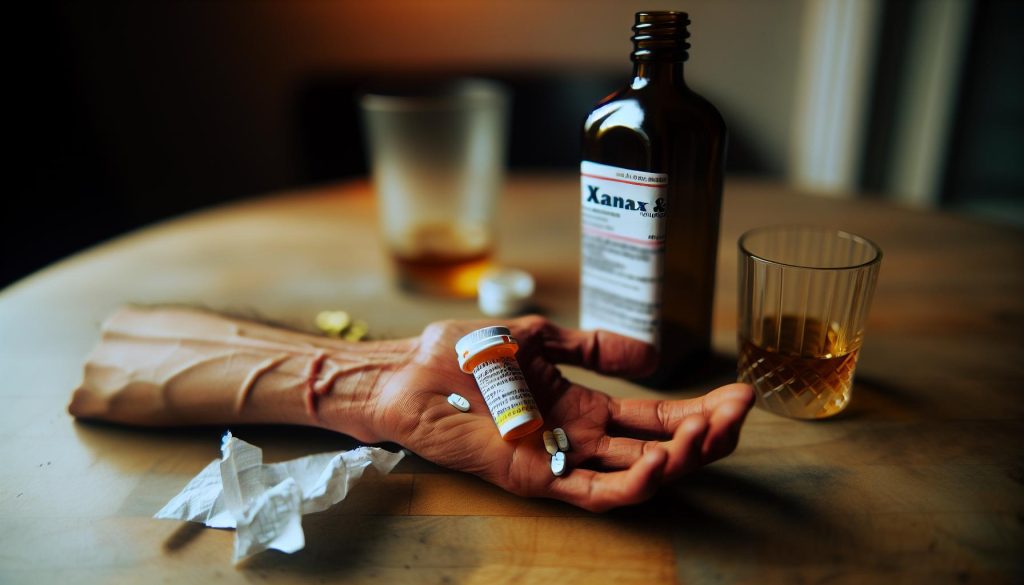
Mixing Xanax, a commonly prescribed medication for anxiety, with alcohol can have perilous consequences. Many people may not realize that this combination significantly increases the risks of overdose, respiratory problems, and even death. As we navigate the complexities of mental health treatments, understanding the dangers of such interactions is crucial for anyone using these substances. If you or someone you know is considering using Xanax alongside alcohol, it’s vital to stay informed and consult with healthcare professionals. Delve into this article to discover why the combination of Xanax and alcohol is often described as a “deadly mix” and how you can protect your health and well-being. Arm yourself with knowledge to make informed choices about your treatment options and lifestyle.
The Dangers of Combining Xanax and Alcohol
Combining Xanax and alcohol can be particularly perilous, as both substances act as central nervous system depressants. This complicates their effects, as the use of either can intensify the other’s sedative properties, dramatically increasing the risk of serious health complications. Individuals often underestimate this dangerous mixture, sometimes believing that alcohol can mitigate the anxiety effects of Xanax or enhance its calming benefits. However, this false sense of security can lead to unintentional overdoses, impaired motor functions, and a higher likelihood of accidents and injuries.
When Xanax is ingested alongside alcohol, the combination can lead to profound respiratory depression, where breathing slows dangerously or may even stop. The symptoms of this interaction can escalate rapidly, presenting as dizziness, blurred vision, difficulty with coordination, and an overwhelming sense of sedation, potentially culminating in loss of consciousness. In severe cases, this can result in coma or fatal overdose, with multiple factors including dosage, individual tolerance, and the setting in which these substances are consumed contributing to the outcome. Given these risks, it is crucial to approach the use of Xanax with caution, particularly in social situations where alcohol is present.
Understanding the dynamics of how these substances work together reveals why this combination can have life-threatening consequences. The liver metabolizes both Xanax and alcohol, and when taken together, they can overwhelm this system, impairing the body’s ability to safely process either substance. This interaction not only heightens the risk of overdose but can also impact long-term health, contributing to cognitive deficits and memory problems. Those who struggle with anxiety or panic disorders need to be especially aware of these dangers, ensuring they have safe, effective treatment plans without the added risks of mixing substances.
In light of these dangers, it is essential for individuals to consult healthcare professionals regarding their medications and potential interactions with substances like alcohol. Openness about usage and any experiences of adverse effects can help in finding safer alternatives for managing anxiety and reducing dependence on substances that pose serious health risks. If you or someone you know is grappling with the implications of combining Xanax and alcohol, seeking support from addiction specialists or mental health professionals can pave the way for more sustainable, healthier coping mechanisms.
Understanding the Risks of Xanax Use
Xanax, a medication commonly prescribed for anxiety and panic disorders, is often perceived as a safe option for managing stress. However, it carries significant risks, especially when mixed with alcohol. The underlying danger of combining these two substances stems from their shared effects as central nervous system depressants. This means they both slow down brain activity, which can lead to heightened sedation and impaired cognitive function. Many individuals underestimate the severity of this interaction, thinking that alcohol can counteract the effects of Xanax. This misconception can quickly spiral into life-threatening situations.
One of the most alarming aspects of Xanax use is its potential for dependence. Users might find themselves leaning on the medication for relief from anxiety while concurrently consuming alcohol, creating a dangerous cycle. Over time, tolerance can develop, prompting users to increase their doses, further escalating the risk of overdose and other serious health complications. Addiction to Xanax can be insidious, often beginning with the best intentions for mental health management, but transforming into a struggle for the substance itself.
Understanding the effects of Xanax on the body is crucial. It can lead to numerous side effects, including drowsiness, confusion, and impaired motor skills. When alcohol is introduced, these effects can become magnified, leading to severe consequences such as respiratory depression and loss of consciousness. Users may also experience impaired judgment, increasing the potential for accidents and risky behaviors. Therefore, it’s vital for anyone using Xanax to approach their treatment with caution, particularly regarding alcohol consumption.
For individuals seeking alternatives, consulting healthcare professionals can provide guidance tailored to personal needs. Therapies such as cognitive-behavioral therapy (CBT), mindfulness practices, or natural supplements may offer effective ways to manage anxiety without the dangers associated with benzodiazepines or alcohol. Awareness and education are key. Engaging with healthcare providers about any concerns can empower individuals to make informed decisions about their mental health.
What Makes Alcohol Dangerous with Xanax?
Combining alcohol with Xanax poses significant dangers that can jeopardize both physical and mental health. Both substances are central nervous system depressants, which means they work by slowing down brain activity, leading to increased sedation and can exacerbate cognitive impairments. Many individuals incorrectly assume that consuming alcohol can counteract the effects of Xanax, but this dangerous misconception can lead to severe health consequences, including respiratory failure and even death.
When alcohol is ingested alongside Xanax, the risks of overdose multiply. This combination can produce a state of heightened sedation where users may lose coordination, judgment, and the ability to respond to their surroundings. As the effects of the two substances stack, users might experience extreme drowsiness and confusion, heightening the chance of accidents-whether it’s a fall, a car accident, or other hazardous situations. Moreover, the risk of respiratory depression-the slowing or halting of breathing-rises significantly, which can be fatal without prompt medical intervention.
The social context around drinking can also exacerbate the dangers of mixing these substances. For example, someone may consume alcohol in a social setting to feel relaxed but may not realize how the addition of Xanax amplifies the depressant effects. This can lead individuals to inadvertently consume much larger amounts of alcohol than they would normally, spiraling into a state that they cannot control.
If you or someone you know is struggling with anxiety and considering using Xanax, it’s crucial to approach alcohol consumption with extreme caution or ideally to avoid it altogether. Engaging with healthcare professionals can provide personalized treatment options, including therapy and lifestyle changes that promote long-term wellness without the associated risks of mixing these two substances.
Identifying Symptoms of Overdose
Recognizing the signs of an overdose is crucial, especially when it involves the dangerous combination of Xanax and alcohol. Both substances can induce profound sedation, and in higher doses, the consequences can escalate rapidly. One of the primary indicators of a potential overdose is unusual drowsiness or lethargy that seems disproportionate to the individual’s normal state. This can progress to a point where the person may be difficult to wake or even unresponsive.
The following symptoms can signal an overdose situation when combining Xanax with alcohol:
- Confusion or Disorientation: Users may struggle to maintain coherent conversations or fail to understand their surroundings.
- Severe Respiratory Depression: This is characterized by unusually slow or shallow breathing, which can be life-threatening.
- Loss of Coordination: Difficulty in performing simple tasks, walking, or maintaining balance can indicate a heightened state of sedation.
- Memory Loss: Temporary gaps in memory or the inability to recall events can occur with an overdose.
- Signs of Hypoxia: Look for bluish discoloration of the lips or fingertips, which signals a lack of oxygen and requires immediate medical attention.
Being aware of these symptoms can empower friends and family to take action quickly. If you observe someone exhibiting these signs after consuming Xanax and alcohol, it’s vital to seek emergency medical services (EMS) without delay. Time is of the essence, as significant respiratory distress and unconsciousness can lead to irreversible damage or death. Always prioritize safety and err on the side of caution; if in doubt, it’s best to intervene by calling for help. Engaging with healthcare professionals for any concerns surrounding these substances is critical for informed decision-making and effective treatment strategies.
How Xanax and Alcohol Affect Your Body
Consuming Xanax and alcohol together can create a perilous combination that significantly impacts your body and overall health. Both substances are central nervous system (CNS) depressants, and their interaction can lead to enhanced sedation and respiratory depression, increasing the risk of overdose. This duo alters brain chemistry in a way that can be both frightening and dangerous, often clouding judgment and impairing coordination. With alcohol, individuals may feel euphoric initially, which can mask the sedative effects of Xanax, leading to higher doses of both substances and a greater risk of severe consequences.
When Xanax is ingested with alcohol, the effects are magnified. The combination increases the likelihood of experiencing profound drowsiness, confusion, and memory impairment, potentially making it difficult to perform daily activities or respond to emergencies. In serious cases, this mixture can slow the heart rate and depress breathing, which may lead to coma or even death. The unpredictability of this interaction means that even small amounts of alcohol can have profound effects when paired with Xanax.
Understanding the Biological Impact
Both Xanax and alcohol work by enhancing the effects of a neurotransmitter called gamma-aminobutyric acid (GABA) in the brain. GABA has an inhibitory effect, meaning it reduces neuronal activity, which leads to the calming effects many seek from these substances. However, this also means that the dangers escalate when they are used together. Some physiological responses to this combination include:
- Respiratory Depression: Both substances can slow down breathing, risking inadequate oxygen supply to vital organs.
- Increased Risk of Blackouts: Memory formation can be severely impaired, leading to gaps that might not be remembered once sober.
- Altered Judgment: The combination can lead to risky behaviors, as the sedative effects may impair decision-making capabilities.
Understanding these effects highlights the importance of seeking healthier alternatives for managing anxiety or stress. If you or someone you know is struggling with anxiety or is tempted to use substances like Xanax and alcohol together, consulting a healthcare professional is essential for developing safe coping strategies and receiving proper treatment. Prioritizing your health and well-being is crucial, and support is readily available for those in need.
The Impact on Mental Health and Mood
The interplay between Xanax and alcohol can have devastating effects on mental health and mood, significantly exacerbating conditions such as anxiety and depression. While both substances may initially offer a sense of relief or euphoria, their combined use often results in a troubling emotional rollercoaster. Individuals may experience heightened feelings of sadness, increased anxiety, or mood swings that can leave them feeling worse than before they began using these substances. This paradoxical response is largely due to their profound impact on the brain’s neurotransmitter systems, particularly GABA, which becomes imbalanced when both substances are consumed together.
Using Xanax in conjunction with alcohol can lead to a state of temporary bliss followed by severe emotional lows. The initial calming effects of Xanax may make individuals more inclined to drink alcohol as a way to enhance their relaxation. However, this can quickly spiral into a cycle of dependency, where the user relies on both substances for relief, only to find that their overall mental state deteriorates over time. Moreover, the confusion and impaired judgment caused by this combination can prevent individuals from recognizing their changing moods, making it difficult to seek help or identify the need for healthier coping strategies.
It’s crucial to understand that the risks extend beyond immediate mood disturbances. Chronic use can lead to increased feelings of isolation and hopelessness, further aggravating underlying mental health conditions. Those struggling with anxiety may find themselves caught in a cycle where brief moments of relief are overshadowed by potential bouts of depression or panic. Seeking professional help is essential for anyone caught in this cycle, as therapy or medication may provide more sustainable and healthier alternatives for managing anxiety and improving mood.
If you or someone you know is dealing with the mental health impacts of combining Xanax and alcohol, consider reaching out to a healthcare provider. They can offer invaluable support and guidance tailored to individual needs, helping to foster a path toward recovery and emotional balance. Remember, prioritizing your mental well-being is not only possible but can lead to a healthier, more fulfilling life.
Who is Most at Risk?
Individuals at heightened risk of complications from combining Xanax and alcohol often comprise several specific groups. Understanding these at-risk populations is crucial for effective prevention and intervention strategies. For instance, those with a personal or familial history of substance abuse are particularly susceptible, as their patterns of behavior may predispose them to mix these substances, amplifying the potential for dangerous outcomes.
Moreover, people diagnosed with anxiety or panic disorders are also at an increased risk. They may initially turn to Xanax for relief, mistakenly believing that alcohol can enhance its calming effects. This dangerous misconception can lead to a rapid deterioration in mental health, characterized by increased anxiety and depressive episodes. It’s vital for individuals in this category to engage in open dialogues with healthcare providers about their medication and lifestyle choices.
Age and gender can also contribute to vulnerability. Younger adults, particularly those in social settings, may feel pressured to consume alcohol while on Xanax, leading to impulsive decisions that compromise their health. Additionally, women may experience stronger effects due to physiological differences, making them more prone to excessive sedation and its associated risks when substances are mixed.
Other factors include those with comorbid physical health conditions, such as liver disease or respiratory problems, as the combination of Xanax and alcohol can exacerbate these issues. Understanding these risks allows for better education and awareness, and encourages individuals to seek professional guidance if they belong to any of these at-risk groups. Engaging with healthcare professionals can provide tailored strategies to manage anxiety effectively without jeopardizing health through substance misuse.
Safe Alternatives for Managing Anxiety
For individuals seeking to manage anxiety without the dangerous combination of Xanax and alcohol, several effective alternatives can provide relief while maintaining safety. Understanding these options can empower those struggling with anxiety to make informed choices about their mental health and overall well-being.
One promising avenue is the incorporation of lifestyle changes that promote mental resilience. Regular physical exercise has been shown to enhance mood and reduce anxiety through the release of endorphins, which are natural mood lifters. Whether it’s engaging in aerobic workouts, yoga, or even daily walks, finding an enjoyable physical activity can significantly alter one’s mental state. Additionally, mindfulness practices such as meditation and deep-breathing exercises can help ground individuals in the present moment, alleviating feelings of anxiety and creating a sense of calm.
Another effective alternative is the exploration of therapy options. Cognitive Behavioral Therapy (CBT) is particularly useful as it equips individuals with coping mechanisms and strategies to challenge and change negative thought patterns associated with anxiety. Engaging with a licensed therapist can provide personalized support and help identify triggers, leading to better management of anxiety symptoms. For some, group therapy or support groups can also offer shared experiences that foster community and understanding.
Herbal supplements and natural remedies may also serve as adjunct therapies, but it’s crucial to consult a healthcare professional before starting any new treatment. Options like chamomile, valerian root, and lavender have been traditionally used for their calming effects. However, individuals must ensure there are no interactions with existing medications, including Xanax.
Lastly, fostering a strong support network can play a vital role in managing anxiety. Building relationships with family, friends, or support groups encourages open communication about feelings and challenges. These connections can provide reassurance, diminish feelings of isolation, and create a shared space for discussing coping strategies without resorting to harmful substances.
In summary, many alternatives can help individuals manage anxiety safely and effectively. By adopting healthier lifestyle choices, seeking professional help, exploring natural remedies, and leveraging social support, individuals can find a path to wellness that circumvents the risks associated with combining Xanax and alcohol. Remember, it is essential to work closely with healthcare professionals to develop a tailored approach that fits individual needs and circumstances.
Guidance on Seeking Help for Addiction
Recognizing the signs of addiction and knowing when to seek help is crucial when dealing with substances like Xanax and alcohol, especially considering the potential dangers they pose when used together. Many people find themselves trapped in a cycle of dependency, underscoring the importance of addressing these issues head-on rather than waiting for them to worsen. If you or someone you know is struggling with addiction or substance misuse, the first step is acknowledging the problem.
When seeking help, it’s essential to approach the situation with an open mind and a supportive attitude. Numerous avenues may assist in recovery:
- Professional Counseling: A trained therapist can provide guidance tailored to individual needs. Therapy options such as Cognitive Behavioral Therapy (CBT) are effective in helping individuals understand and change negative thought patterns associated with addiction.
- Support Groups: Engaging with local or online support groups, such as Narcotics Anonymous or Alcoholics Anonymous, can create a sense of community and shared experience. Hearing the stories of others can be motivating and reassuring, allowing individuals to feel less isolated in their struggles.
- Medical Intervention: Consulting with a healthcare professional about possible medication-assisted treatment can address withdrawal symptoms and cravings. A doctor can offer options to manage anxiety without increasing risks associated with Xanax, especially if transitioning away from alcohol is needed.
- Holistic Approaches: Techniques like mindfulness, yoga, or art therapy can complement traditional treatments. These methods allow individuals to develop new coping strategies and explore emotional expressions that don’t rely on substances.
Additionally, having a solid support network made up of friends and family can significantly enhance recovery efforts. Open conversations about struggles with substance use can lead to understanding and encouragement from loved ones.
Ultimately, the journey to recovery from addiction requires a comprehensive approach that addresses both the physical and psychological aspects. Don’t hesitate to reach out for help-whether it’s talking to a professional or confiding in someone you trust. The sooner you take action, the better the chances for a healthier and more fulfilling future. Always remember that consulting healthcare professionals is paramount for tailored advice and treatment options specific to individual circumstances.
Tips for Reducing Alcohol Consumption
Reducing alcohol consumption can feel daunting, especially when navigating its interplay with substances like Xanax. However, making small, manageable changes can lead to substantial benefits for both your physical and mental health. Setting a clear intention is essential; understanding why you want to cut back can serve as a powerful motivator during challenging moments.
To start, consider tracking your drinking habits in a journal or through an app. Documenting when and how much you drink can illuminate patterns and triggers, helping you identify situations where you’re most likely to overindulge. From there, you can set realistic goals. For instance, you might begin by designating specific days as alcohol-free or gradually reducing your intake by a certain number of drinks each week.
Another effective strategy involves replacing alcoholic beverages with non-alcoholic alternatives. Mocktails, sparkling water with fruit, or herbal teas can satisfy the desire for something special while keeping alcohol at bay. Social settings often present challenges, so preparing for these scenarios in advance can be beneficial. Communicate your goals to friends and family, and consider proposing activities that don’t revolve around drinking.
Additionally, practice self-care by engaging in activities that soothe your mind and body. Techniques such as mindfulness meditation, exercise, or hobbies can help fill the emotional spaces that alcohol might have occupied. Seeking professional help for personalized advice is also crucial, particularly if you find it difficult to manage alcohol consumption on your own. Remember, reducing alcohol intake is a journey, and each step you take can lead to a healthier, more fulfilling life.
Recognizing Warning Signs of Dependency
Recognizing when a substance has taken a firm hold on your life can be challenging, but acknowledging the warning signs of dependency is a crucial step towards regaining control. Dependency on substances like Xanax and alcohol often manifests in various ways, many of which can initially be overlooked. If you or someone you know finds themselves increasingly relying on these substances, it’s vital to be aware of the signs that indicate a deeper issue.
Some of the most common warning signs include:
- Changes in Social Behavior: Withdrawing from friends, family, or activities that were once enjoyable can be an early indication of dependency. If someone prioritizes drinking alcohol or using Xanax over social engagements or hobbies, it may be a cause for concern.
- Increased Tolerance: Needing more of the substance to achieve the same effect is a classic sign of growing dependency. If an individual finds they require higher doses of Xanax or more alcohol to cope, this can indicate that their body is becoming accustomed to it.
- Physical Symptoms: Look for changes in physical health, such as frequent headaches, fatigue, or stomach issues. Withdrawal symptoms, which can occur when the substance is reduced or stopped, may also be a red flag.
- Risky Behavior: Engaging in unsafe activities while under the influence, such as driving or mixing substances, signals a concerning relationship with alcohol and Xanax that warrants attention.
- Neglecting Responsibilities: If important obligations at work, school, or home are being neglected, and responsibilities are being compromised due to substance use, this is a significant warning sign that help may be needed.
Recognizing these symptoms early can provide an opportunity for intervention and seeking help. It’s essential to approach the situation with compassion, as dependency often comes with feelings of shame or guilt that can make it harder for individuals to seek support. If you’re concerned about yourself or a loved one, consulting with a healthcare professional can provide personalized advice and effective strategies for overcoming dependency. Remember, acknowledging the problem is the first courageous step towards recovery, and support is available.
What to Do in an Emergency Situation
In an emergency involving the combination of Xanax and alcohol, quick and informed action can be critical in preventing severe consequences, including overdose and even death. If you suspect someone is experiencing an adverse reaction, it’s essential to remain calm and act promptly. First, assess the person’s response: Are they conscious and responsive? Are they showing signs of severe drowsiness, confusion, slowed breathing, or an inability to wake up? Recognizing these symptoms early can dictate the right course of action.
If an individual is unresponsive or having difficulty breathing, do not hesitate to call emergency services immediately. Provide them with as much information as possible, including the substances involved, the amount taken, and the time of ingestion. While waiting for help, ensure the person is in a safe position. If they are conscious, try to keep them calm and sitting up to help with breathing. If they become unconscious, gently turn them onto their side to reduce the risk of choking.
It’s crucial to avoid giving them food, water, or additional substances in an attempt to counteract the effects, as this can complicate the situation further. Staying with the individual and monitoring their breathing can be life-saving; if their breathing becomes irregular or stops, administering CPR until professional help arrives may be necessary.
Always remember that the effects of combining Xanax and alcohol can be unpredictable, highly dangerous, and vary greatly from person to person. Recovery may depend significantly on timely intervention. For anyone struggling with the potential dangers of mixing these substances, seeking help from healthcare professionals can offer guidance, alternatives for managing anxiety, and support for overcoming dependency.
Frequently Asked Questions
Q: What are the dangers of mixing Xanax and alcohol?
A: Mixing Xanax and alcohol can lead to severe central nervous system depression, resulting in respiratory failure, coma, or even death. This combination enhances the sedative effects, increasing the risk of overdose and detrimental side effects such as dizziness, memory loss, and impaired judgment.
Q: How does Xanax affect alcohol consumption?
A: Xanax can intensify the effects of alcohol, making individuals feel more intoxicated than usual. This increases the likelihood of dangerous behaviors and makes it harder to recognize when one has consumed too much, raising the risk of addiction and overdose.
Q: Can I take Xanax after drinking alcohol?
A: It is strongly advised against taking Xanax after consuming alcohol, even if you feel sober. The interactions can be unpredictable and dangerous, leading to increased sedation and risk of overdose. Always consult a healthcare professional for guidance on medication use.
Q: What should I do if someone has combined Xanax and alcohol?
A: Seek immediate medical attention if you suspect someone has combined Xanax and alcohol. Look for signs of overdose such as extreme drowsiness, difficulty breathing, or unresponsiveness. Call emergency services right away for assistance.
Q: Are there safer alternatives for anxiety management aside from Xanax?
A: Yes, alternatives include therapy (like cognitive-behavioral therapy), lifestyle changes (like exercise and meditation), and medications such as SSRIs. Discuss with a healthcare provider to find the most suitable options and avoid substances like alcohol.
Q: Why is there a risk of addiction when using Xanax and alcohol together?
A: Both Xanax and alcohol are depressants that can be habit-forming. Using them together increases the potential for dependency, as the body may require higher doses over time to achieve the same effects, leading to a dangerous cycle of misuse.
Q: Who is most at risk for dangerous interactions between Xanax and alcohol?
A: Individuals with a history of substance abuse, older adults, and those with certain medical conditions are at higher risk. It’s crucial for these individuals to seek safe alternatives and professional advice for anxiety management.
Q: What are the long-term effects of combining Xanax and alcohol?
A: Long-term use can lead to severe cognitive impairment, memory issues, and an increased risk of developing mental health disorders like depression or anxiety. Additionally, it heightens the risk of overdose and other serious health complications.
Future Outlook
Understanding the dangers of combining Xanax and alcohol is crucial for your health and safety. Remember, this deadly mix can lead to severe consequences, including respiratory depression or overdose. If you or someone you know is struggling with substance use, seeking help is a vital first step. Don’t wait-explore our resources on addiction treatment and recovery options today.
For more insights on medications, check out our articles on the safe use of benzodiazepines and effective ways to manage anxiety. This can empower you to make informed decisions about your health and well-being. Join our community by subscribing to our newsletter, and stay updated on vital health topics. Your journey to understanding and wellness starts now-take action and protect yourself!