
Hydrocodone is a powerful medication often prescribed to relieve moderate to severe pain, but there’s an ongoing debate about its classification as an opiate. Understanding whether hydrocodone fits this definition is crucial, especially for those navigating pain management or concerns about dependency. With opioid misuse becoming a pressing health issue, educating ourselves about hydrocodone can empower informed decisions regarding its use and risks. In this article, we’ll explore hydrocodone’s classification, its effects on the body, and what you need to know to safely manage your health. Dive in to uncover key insights that can help you or a loved one make more informed choices regarding pain relief options and their implications.
What Is Hydrocodone? A Comprehensive Overview
Hydrocodone is a semisynthetic opioid that plays a crucial role in pain management, particularly for patients experiencing moderate to severe pain. Often prescribed in combination with acetaminophen or ibuprofen, hydrocodone enhances the analgesic effect while also addressing pain relief more effectively. Recognized for its efficacy, hydrocodone is one of the most widely used opioids in medical practice, providing patients with vital pain management options.
This medication works by binding to specific receptors in the brain and spinal cord, altering the perception of pain and inducing a sense of euphoria. Due to these effects, hydrocodone not only alleviates pain but can also lead to its potential misuse and dependence. As a result, it is classified as a Schedule II controlled substance under the Controlled Substances Act, indicating that while it has legitimate medicinal uses, it is also associated with a higher risk of addiction and abuse compared to other medications.
Clinical uses of hydrocodone extend beyond pain relief; it is often employed in cough suppression, particularly in formulations designed for this purpose. Its versatility in treating various conditions underscores its importance in medical practice, yet underscores the necessity for careful patient monitoring. In managing hydrocodone prescriptions, healthcare professionals must balance the benefits with the risks, ensuring that patients receive effective pain relief without compromising their safety.
For anyone considering medication such as hydrocodone, or anyone currently using it, consulting with a healthcare professional is essential. Personalized advice from a medical expert can empower patients to use hydrocodone safely and effectively, minimizing the risks while maximizing its therapeutic benefits.
Understanding Opiates: Definition and Categories

Opiates have been a cornerstone in the management of pain for centuries, and understanding their definition and categories is essential for anyone considering their use. Opiates are natural or semi-synthetic compounds derived from the opium poppy, targeting specific receptors in the brain to alleviate pain and produce feelings of euphoria. These substances can be classified into various categories based on their origins and mechanisms of action, which provide critical insights into their applications and potential risks.
The primary categories of opiates include:
- Natural Opiates: These are directly derived from the opium poppy and include morphine and codeine. They are commonly used due to their potent analgesic properties.
- Semi-Synthetic Opiates: These are chemically modified versions of natural opiates. Examples include hydrocodone and oxycodone, which maintain the pain-relieving effects while potentially increasing the risk of dependence.
- Synthetic Opiates: Unlike their natural counterparts, these are entirely man-made and include drugs like fentanyl and methadone. Synthetic opiates can be significantly more potent than natural opiates, introducing higher risks of overdose.
Opiates interact with the body’s central nervous system, primarily by binding to opioid receptors, which are responsible for pain signaling and mood regulation. This interaction can lead to effective pain relief but also poses risks such as tolerance, dependence, and addiction. For individuals, the knowledge of these categories aids in understanding the varying potential for abuse and therapeutic use, highlighting the necessity for responsible prescribing practices.
It’s essential for anyone considering the use of opiates like hydrocodone to engage with healthcare professionals who can provide personalized guidance based on individual health needs. This ensures that while patients benefit from these medications, they are also monitored for any adverse effects or signs of misuse, enabling a balanced approach to pain management.
Is Hydrocodone Considered an Opiate? The Key Differences

Hydrocodone often raises the question of whether it falls under the category of opiates, and the answer is an emphatic yes. As a semi-synthetic opioid derived from codeine, it carries similar properties and effects to naturally occurring opiates such as morphine. The distinction between natural opiates, semi-synthetic opioids, and synthetic opioids is crucial for understanding their respective roles in pain management and their potential for misuse and addiction.
Unlike natural opiates obtained directly from the opium poppy, hydrocodone is chemically altered, which can enhance its effectiveness but also escalate the risk of dependency. This key difference means that while hydrocodone is indeed an opiate, it operates slightly differently on the body’s receptors, allowing it to provide potent pain relief while carrying concerns typical of opioid medications, such as tolerance and potential for abuse.
Key Differences to Consider
- Origin: Natural opiates, like morphine, come directly from opium poppy, whereas hydrocodone is derived from codeine.
- Chemical Structure: Hydrocodone has a modified structure that enhances its analgesic effects and alters its interaction with the brain’s opioid receptors.
- Usage: While both natural opiates and hydrocodone are effective in pain relief, hydrocodone has been designed for formulations that ease severe pain, particularly in chronic situations.
Understanding these differences can empower patients and caregivers to make informed decisions when it comes to pain management strategies. It is vital for anyone considering hydrocodone or any other opioid-based medication to engage in open discussions with healthcare professionals. This collaboration ensures not only optimized treatment plans but also proactive monitoring for any signs of misuse, thereby supporting a balanced and safe approach to pain management.
The Mechanism of Action: How Hydrocodone Works
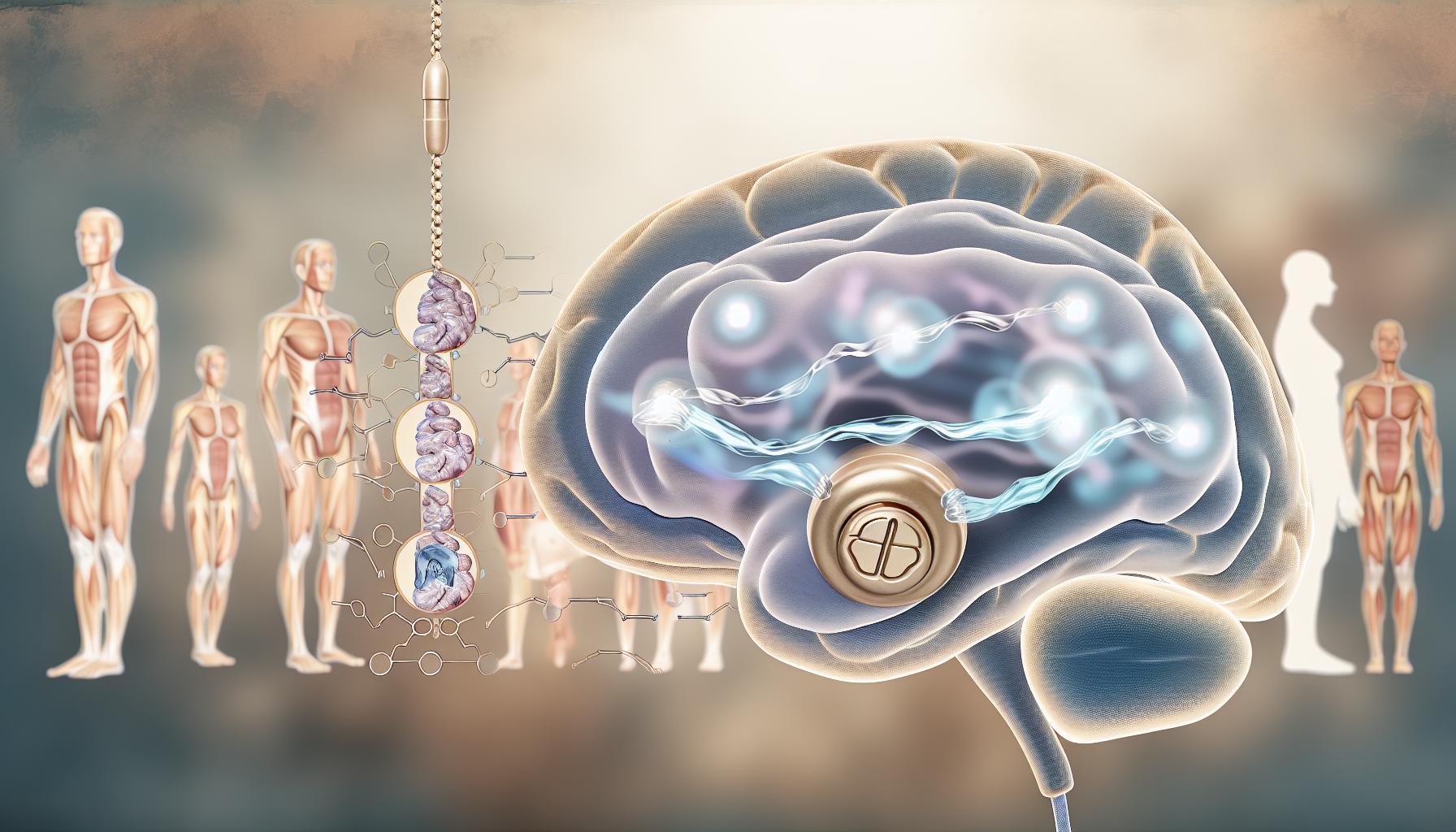
The potency of hydrocodone lies in its intricate mechanism of action, which is primarily mediated through its interaction with the brain’s opioid receptors. Unlike natural opiates, hydrocodone is a semi-synthetic opioid that works by binding to these receptors in the central nervous system, primarily the mu-opioid receptor. This binding action initiates a cascade of biochemical events that lead to reduced perception of pain and altered emotional response to discomfort. Importantly, this mechanism can cause feelings of euphoria in addition to pain relief, which contributes to its potential for misuse and addiction.
When hydrocodone enters the body, it undergoes metabolism in the liver, where it is converted into its active form, morphine, by the enzyme CYP2D6. This metabolism enhances its analgesic effects and prolongs its duration of action, making it particularly effective for managing severe pain conditions. Because of its ability to cross the blood-brain barrier, hydrocodone’s effects can be felt relatively quickly, providing prompt relief in acute settings. The variation in individual metabolism can affect the drug’s efficacy and risk of side effects, underscoring the importance of personalized medical oversight when using hydrocodone.
Furthermore, the use of hydrocodone often requires careful monitoring due to the potential for developing tolerance. Over time, patients may need increasing doses to achieve the same pain-relieving effects, raising concerns about dependency. This underscores the importance of using hydrocodone within a structured treatment plan, guided by healthcare professionals who understand both its benefits and risks. Engaging in open discussions about pain management strategies can empower patients to make informed decisions while ensuring safety and efficacy in their treatment.
Patients should always adhere to prescribed dosages and consult their healthcare provider regarding any changes in their pain management needs. Understanding how hydrocodone works can aid in recognizing potential challenges and optimizing strategies for safe and effective pain relief.
Hydrocodone vs. Other Opiates: A Comparative Analysis
Hydrocodone is a common prescription medication often compared to other opiates, particularly because it is a semi-synthetic opioid that bears similarities and distinctions to its natural counterparts. When considering pain management options, understanding these nuances is vital for both patients and healthcare providers. Hydrocodone, derived from codeine, is primarily used as a pain reliever and cough suppressant, but it operates differently than naturally occurring opiates such as morphine and codeine.
One significant aspect to consider is the potency and efficacy of hydrocodone versus other opiates. For instance, while hydrocodone is effective at managing moderate to severe pain, other opiates like morphine and oxycodone are typically reserved for more intense pain scenarios. For most patients, hydrocodone may provide quicker pain relief with fewer side effects related to sedation compared to stronger opiates. However, the risk of dependency and tolerance applies to all opioids, necessitating careful management and monitoring regardless of the specific medication used.
Another critical differentiator is the metabolic pathway of hydrocodone. The drug is metabolized in the liver to produce active metabolites, including morphine, which contributes to its analgesic effects. In contrast, other opiates like fentanyl can produce stronger pain relief without being converted in the same manner. This metabolic process can lead to variations in how individuals respond to medications, emphasizing the necessity for personalized treatment plans. Regular consultations with healthcare providers can help ensure that patients receive the most effective medication tailored to their specific needs.
Ultimately, being informed about the differences between hydrocodone and other opiates can empower patients to engage proactively in their treatment plans. It’s crucial to assess not only the effectiveness of the medication but also potential side effects, interactions, and personal health factors that may influence the choice of pain management strategy. Consulting with healthcare professionals can provide valuable insights, ensuring a balanced approach to managing pain while minimizing risks associated with opioid use.
Common Uses of Hydrocodone in Medical Practice
Hydrocodone serves as an essential tool for managing pain in clinical settings, significantly impacting patients’ quality of life. This semi-synthetic opioid is widely used to treat moderate to severe pain conditions, making it a staple in pain management protocols. Due to its effectiveness, hydrocodone is often prescribed for post-operative pain, injury recovery, or chronic conditions like arthritis and back pain. Notably, hydrocodone can also address cough, providing relief in cases where a persistent cough disrupts daily activities.
The dual function of hydrocodone as both an analgesic and an antitussive plays a critical role in its clinical application. Healthcare providers frequently prescribe hydrocodone in combination with other medications, such as acetaminophen or ibuprofen, to enhance its analgesic properties while balancing the side effects. For example, medications like Vicodin or Norco combine hydrocodone with acetaminophen, targeting pain relief while allowing for lower doses of hydrocodone.
Indications for Use
- Post-Surgical Pain Management: Frequently prescribed in the immediate aftermath of surgeries to manage acute pain effectively.
- Chronic Pain Conditions: Used for conditions like osteoarthritis and chronic back pain, helping patients maintain functionality.
- Cough Suppression: Provides relief for severe, non-productive coughs, especially in cough associated with colds or respiratory illnesses.
The choice to use hydrocodone in pain management is predicated on several factors, including the patient’s individual health status, potential for drug interactions, and specific pain needs. Given the inherent risks associated with opioid medications, including the potential for addiction and tolerance, healthcare providers must closely monitor patients during treatment. Therefore, it is crucial for patients to engage in open dialogue with their healthcare provider regarding their pain management needs and any concerns they may have about using opioids. By fostering a strong partnership, both patients and providers can develop a tailored approach to treatment that optimizes pain relief while minimizing potential risks.
Potential Side Effects and Risks of Hydrocodone
The use of hydrocodone, while effective for pain management, comes with a range of potential side effects that patients and healthcare providers need to consider. Understanding these risks is essential for ensuring safe and effective treatment. Common side effects include dizziness, drowsiness, and constipation. These effects can significantly impact a person’s daily life, making it crucial for individuals to be aware of how the medication may alter their capabilities, particularly when driving or operating heavy machinery.
Beyond common side effects, hydrocodone usage also presents serious risks, including the potential for respiratory depression, where breathing becomes dangerously slow or shallow. This symptom can become life-threatening, particularly when combined with other central nervous system depressants like alcohol or benzodiazepines. The risk of overdose increases significantly with higher doses or inappropriate combined use, which emphasizes the importance of adhering strictly to prescribed dosages and consulting healthcare providers regarding any changes in medication or additional substances.
It’s also important to note the potential for psychological dependency. Patients may develop a tolerance, requiring higher doses to achieve the same pain-relieving effects, which can further compound the issues of misuse or addiction. Recognizing early signs of dependency, such as fluctuating mood, increased cravings, or withdrawal symptoms when not taking the medication, is vital. Individuals should be proactive in discussing any concerns with their healthcare providers to explore alternative pain management strategies or tapering schedules if needed.
Lastly, proactive communication with a healthcare provider is essential for anyone prescribed hydrocodone. This should include discussions about any pre-existing medical conditions, possible drug interactions, and the patient’s unique pain management needs. By fostering this open dialogue, patients can significantly mitigate the risks associated with hydrocodone use and enhance their treatment outcomes.
Recognizing Hydrocodone Addiction: Signs and Symptoms
While hydrocodone is an effective medication for managing pain, it carries a significant risk of addiction and dependency, which can develop more quickly than many people might anticipate. Understanding the signs and symptoms of hydrocodone addiction is crucial for anyone using this medication, whether for chronic pain or in other contexts, as it can help in identifying potential problems early.
Those struggling with hydrocodone addiction may exhibit several behavioral and physical signs. Key indicators include:
- Increased Tolerance: Needing higher doses to achieve the same pain relief or euphoric effect.
- Withdrawal Symptoms: Experiencing nausea, sweating, shaking, or intense cravings when not taking the drug.
- Changes in Mood: Heightened irritability, anxiety, or depression, indicating a shift in mental health.
- Obsession with the Drug: Preoccupation with obtaining and using hydrocodone, often at the expense of daily responsibilities.
- Social Isolation: Withdrawing from friends and family to hide drug use or due to loss of interest in activities.
- Continued Use Despite Consequences: Persisting in using hydrocodone despite recognizing negative effects on health, relationships, or responsibilities.
It’s essential to remain vigilant for these symptoms, especially if the medication has been taken over an extended period. If you or someone you know is showing signs of addiction, consulting a healthcare professional is vital. They can provide a thorough assessment and suggest appropriate treatment options tailored to individual needs. Seeking help early can create pathways to recovery and restore a healthy, balanced life.
Withdrawal Symptoms: What to Expect When Stopping
Experiencing withdrawal from hydrocodone can be a challenging and uncomfortable process, often marked by a range of physical and psychological symptoms. It’s crucial to understand that these symptoms arise when the body, accustomed to the presence of the drug, reacts to its absence. The severity and duration of withdrawal symptoms can vary widely among individuals, depending on factors such as the duration of use, dosage, and individual physiology.
Often, withdrawal symptoms commence within 6 to 12 hours after the last dose, peaking around 2 to 3 days later. Common symptoms may include:
- Nausea and Vomiting: Many individuals report gastrointestinal distress, which can include nausea and vomiting, making the detox process particularly unpleasant.
- Muscle and Joint Pain: Withdrawal can trigger aches and pains throughout the body, resembling flu-like symptoms.
- Insomnia: Difficulty sleeping is common, as the body adjusts to the absence of hydrocodone, leading to fatigue and irritability.
- Anxiety and Restlessness: Psychological symptoms, including heightened anxiety and restlessness, often intensify during withdrawal, making it challenging to find a sense of calm.
- Cold Sweats and Chills: Many experience alternating sensations of hot flashes and cold sweats, contributing to overall discomfort.
Seeking medical guidance during this time is essential. A healthcare professional can help manage symptoms and provide support, including possible medications that can ease the withdrawal process. Additionally, enrolling in a treatment program may offer the necessary structure and resources for recovery. Engaging in supportive therapies, such as counseling or support groups, can also be beneficial in navigating the emotional landscape of withdrawal and moving toward a healthier future. Remember, reaching out for help is an important step towards recovery and well-being.
Treatment Options for Hydrocodone Dependency
Addressing hydrocodone dependency can feel daunting, but knowing that effective treatment options exist is a crucial first step towards recovery. Individuals struggling with this type of dependency often experience not only physical challenges but also emotional and psychological hurdles. Recognizing the need for help and understanding the available treatment avenues can significantly ease this journey.
Medical Detoxification
The first stage in treating hydrocodone dependency typically involves medical detoxification. This process is essential for safely managing withdrawal symptoms under the supervision of healthcare professionals. In many cases, a tapering strategy is employed, gradually reducing the dosage over time to lessen withdrawal effects and cravings. This approach helps the body adjust to the absence of the drug, reducing the risk of severe reactions that can occur with abrupt cessation.
Medication-Assisted Treatment (MAT)
Medication-Assisted Treatment (MAT) is another effective option for addressing hydrocodone dependency. MAT involves the use of medications like buprenorphine and methadone, which can help to alleviate cravings and reduce withdrawal symptoms. These medications work by partially activating the same receptors as hydrocodone, providing a safer alternative while individuals engage in counseling and therapy to address the behavioral aspects of addiction. It’s important to work closely with healthcare providers to find the right medication and dosage that works for the individual.
Therapy and Counseling
Complementing pharmacological approaches, therapy and counseling play a vital role in overcoming dependency. Engaging in behavioral therapies such as Cognitive Behavioral Therapy (CBT) can help individuals understand the root causes of their addiction and develop coping strategies to deal with triggers and stressors without reverting to drug use. Support groups, including 12-step programs like Narcotics Anonymous, also provide a valuable community connection, fostering accountability and shared experiences.
Long-Term Recovery Programs
For many, long-term recovery involves ongoing support through outpatient or inpatient rehabilitation programs. These structured environments often include a combination of medical care, individual counseling, group therapy, and lifestyle education to promote sustained recovery and the development of healthy habits. It’s crucial to create a personalized recovery plan with professionals who understand the complexities of hydrocodone dependency.
Through tailored treatment options, individuals can overcome hydrocodone dependency and move towards a healthier, more fulfilling life. Remember that seeking help is a courageous step, and ongoing support and education are essential elements in the recovery journey. Always consult healthcare professionals when considering treatment methods to ensure personalized and effective care.
Legal Status and Regulations Surrounding Hydrocodone
The legal landscape for hydrocodone is complex and crucial for both medical professionals and patients to understand. As an opioid, hydrocodone is classified as a Schedule II controlled substance in the United States under the Controlled Substances Act. This classification indicates that while it has accepted medical uses, it also carries a high potential for abuse and, consequently, may lead to severe psychological or physical dependence if misused. Individuals need to be aware of the regulatory framework guiding the prescription and dispensing of hydrocodone, which is designed to mitigate risks associated with its use.
In practice, hydrocodone is commonly found in combination with acetaminophen (as in medications like Vicodin) and is primarily prescribed for the management of moderate to severe pain. However, federal regulations restrict how such medications can be prescribed and dispensed. For example, prescriptions for hydrocodone must be written by a licensed medical professional, and many states require that such prescriptions are submitted electronically to help prevent fraud and misuse. Additionally, pharmacies often maintain stringent records and monitoring systems to track prescriptions, which aids in identifying patterns that may suggest abuse.
Patients and healthcare providers alike must also navigate state-specific laws concerning hydrocodone. These laws can vary widely, with some states implementing additional restrictions on prescribing practices, including limits on the quantity that can be prescribed at one time or additional training requirements for providers. Awareness of these regulations is critical, as non-compliance can lead to legal ramifications for both the prescriber and the patient, potentially jeopardizing access to necessary pain management therapies.
Overall, understanding the not only helps in promoting safe usage but also supports effective communication between patients and healthcare providers. Empowering patients with knowledge about their medications, including the importance of adhering to prescribed dosages and recognizing potential side effects, fosters responsible use and enhances patient safety. As always, it’s advisable for individuals to consult with their healthcare professionals to navigate the complexities of opioid prescriptions effectively and safely.
Safe Use: Guidelines for Hydrocodone Patients
It’s essential to understand that using hydrocodone, like any opioid medication, requires careful management to enhance safety and effectiveness while minimizing risks. When prescribed hydrocodone, adhering to specific guidelines will ensure that you manage your pain responsibly and reduce the potential for misuse.
General Guidelines for Safe Use
- Follow Prescriptions Precisely: Always take hydrocodone exactly as your healthcare provider prescribes. This includes adhering to dosage instructions and the time intervals between doses. Never adjust your dosage without consulting your doctor, even if you feel that the pain relief is not sufficient.
- Avoid Mixing with Other Substances: Combining hydrocodone with alcohol, sedatives, or other opioids can increase the risk of respiratory depression, overdose, and other severe side effects. Inform your healthcare provider about all medications and supplements you are taking.
- Monitor Your Health: Keep track of your response to hydrocodone, noting any adverse effects. Regular follow-ups with your doctor can ensure that the medication remains effective and safe for your specific condition.
- Secure Your Medication: Due to the potential for abuse, store hydrocodone in a secure location away from others, especially children. Consider using a locked cabinet or safe.
Recognizing Risks and Side Effects
It’s crucial to be aware of the side effects associated with hydrocodone, which may include dizziness, drowsiness, constipation, and nausea. If you experience severe symptoms such as difficulty breathing or persistent dizziness, seek medical attention immediately. Developing an understanding of what to expect while taking hydrocodone can aid in monitoring your health and addressing concerns promptly.
Open Communication with Healthcare Providers
Your healthcare provider is your best resource when it comes to using hydrocodone safely. Do not hesitate to ask questions about your treatment plan, potential side effects, and the management of any discomfort you may experience. Discuss any concerns about dependence and withdrawal symptoms; understanding these aspects can empower you to maintain a positive approach to managing your pain.
Always remember that responsible use of hydrocodone can effectively alleviate pain while minimizing risks. Engage actively in your treatment plan, maintain open communication with your healthcare provider, and prioritize safety in your medication management.
Frequently asked questions
Q: What class of drugs does Hydrocodone belong to?
A: Hydrocodone belongs to the class of drugs known as opioids. These medications are utilized primarily for pain relief and act on the central nervous system. Understanding the drug class can help in recognizing potential side effects and risks associated with its use.
Q: How does Hydrocodone differ from other opioids?
A: While all opioids, including Hydrocodone, are effective for pain management, they differ in potency, duration of action, and specific medical uses. For instance, Hydrocodone is often combined with acetaminophen for enhanced relief, distinguishing it from stronger opioids like morphine or fentanyl.
Q: What are the common side effects of Hydrocodone?
A: Common side effects of Hydrocodone include dizziness, drowsiness, constipation, nausea, and confusion. Awareness of these effects can help users manage their medication more effectively and consult healthcare professionals if severe reactions occur.
Q: Can Hydrocodone cause addiction?
A: Yes, Hydrocodone has the potential for addiction due to its opioid nature. Individuals using this medication should strictly adhere to their healthcare provider’s instructions to minimize the risk of developing dependence or misuse.
Q: What should I do if I miss a dose of Hydrocodone?
A: If a dose of Hydrocodone is missed, take it as soon as you remember. However, if it’s almost time for your next dose, skip the missed dose and resume your regular schedule. Never double up doses to make up for a missed one, as this increases the risk of side effects.
Q: How is Hydrocodone prescribed for chronic pain management?
A: For chronic pain management, Hydrocodone is typically prescribed on a scheduled basis to maintain steady pain relief, often in a combination with non-opioid analgesics. This approach helps manage pain effectively while minimizing the risk of abuse.
Q: What should I avoid while taking Hydrocodone?
A: While taking Hydrocodone, avoid alcohol, other sedatives, and driving or operating heavy machinery, as these can exacerbate side effects like drowsiness and impair judgment. It’s important to discuss lifestyle factors with your healthcare provider.
Q: Is it safe to take Hydrocodone during pregnancy?
A: Hydrocodone is generally not recommended during pregnancy unless absolutely necessary, as it can pose risks to the fetus, including withdrawal symptoms after birth. Pregnant individuals should consult their healthcare provider for safe pain management alternatives.
To Conclude
Now that you’ve explored the question “Is Hydrocodone an Opiate? Everything You Need to Know,” it’s essential to remember that understanding the nature of medications like hydrocodone can significantly impact your health choices. Whether you have lingering questions about side effects or want to explore safer pain management alternatives, don’t hesitate to check out our related articles on Hydrocodone Side Effects and Acetaminophen and Hydrocodone Patient Tips.
If you found this information valuable, consider subscribing to our newsletter for the latest updates on health and wellness, or explore our articles on pain management techniques and natural remedies. Your health journey is important; stay informed and empowered! For personalized advice, remember to consult a healthcare professional who can guide you based on your specific needs. Share your thoughts in the comments below or continue browsing our site for more insights-your next step toward better health is just a click away!