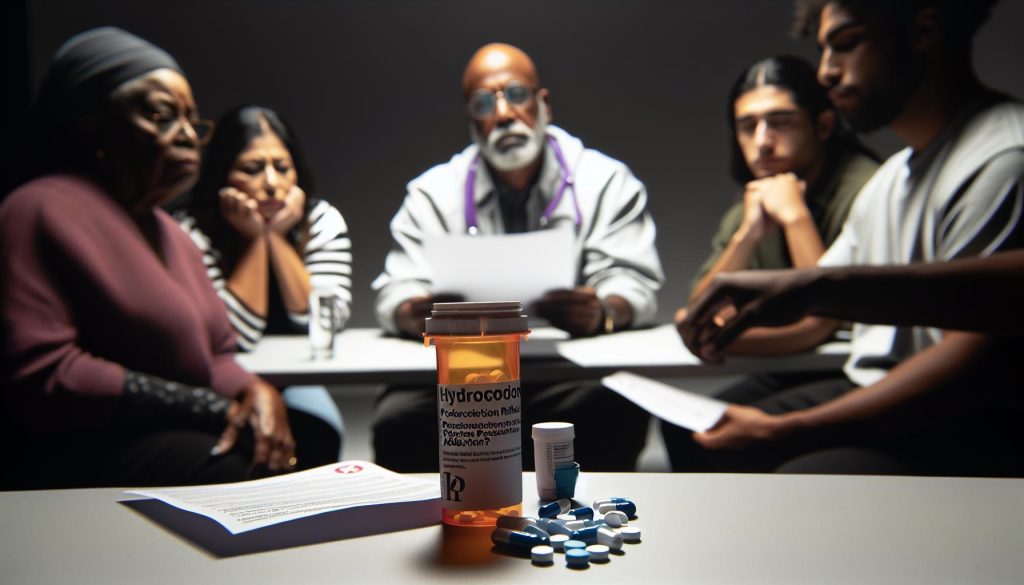
Hydrocodone, a powerful pain reliever often prescribed for post-surgery recovery or chronic pain management, carries significant risks of addiction and dependence. Many individuals facing surgery or severe pain may not realize the fine line between effective pain management and potential misuse. As the opioid crisis continues to highlight the dangers of prescription medications, it becomes crucial to understand how hydrocodone affects the brain and body. Are you or a loved one navigating pain management and wondering about the implications? This article delves into the truth about hydrocodone addiction, exploration of its effects, and guidance on safer use, aiming to empower you with knowledge for informed decisions about your health.
Understanding Hydrocodone: What You Need to Know

Hydrocodone, a powerful prescription opioid, is frequently used for managing pain but poses significant risks of addiction and misuse. Understanding its nature can empower patients and caregivers to navigate the complexities of pain management responsibly. Hydrocodone is not only effective in alleviating moderate to severe pain but also has the potential to induce a sense of euphoria, making it appealing for recreational use. This dual characteristic is the cornerstone of its addictive potential; while it serves a valid medical purpose, misuse can lead to devastating consequences, including physical dependence and overdose.
It’s essential to recognize that hydrocodone is often combined with other medications, such as acetaminophen, in order to enhance its analgesic effects. However, this combination comes with additional risks, particularly concerning liver damage when taken in high doses. Patients need to be vigilant and adhere closely to prescribed dosages, as exceeding these amounts, even just slightly, can result in serious health complications.
As the opioid crisis continues to be a significant public health issue, there is a growing awareness of the signs of hydrocodone abuse. Symptoms may include increased tolerance, withdrawal symptoms when not using the drug, and a preoccupation with obtaining more of the medication. By being aware of these signs, individuals and their loved ones can take early action to address potential issues, fostering healthier conversations around pain management and medication use.
For anyone considering or currently prescribed hydrocodone, consulting with a healthcare professional is critical. Discussion about personal medical history, potential for addiction, and alternative pain management strategies can pave the way for safer, more effective treatment options without the pitfalls associated with opioid use. Understanding hydrocodone’s complexities can ultimately lead to more informed decisions, prioritizing health and well-being.
The Science Behind Hydrocodone and Addiction

The interaction between hydrocodone and the brain provides key insights into why addiction can develop even with legitimate medical use. Hydrocodone is an opioid that binds to specific receptors in the brain, disrupting the body’s normal pain signaling process while also triggering the release of dopamine, often referred to as the “feel-good” neurotransmitter. This release can lead to feelings of euphoria or a significant reduction in emotional and physical pain, making it highly appealing for those dealing with chronic discomfort or emotional distress. Over time, as tolerance builds, users may require higher doses to achieve the same effects, which can accelerate the cycle of misuse and addiction.
Understanding the neurobiology of addiction highlights several factors that contribute to the development of hydrocodone dependence. The brain’s reward system, which plays a crucial role in reinforcing behaviors, can become dysregulated through repeated opioid use. Upon discontinuation, individuals may experience withdrawal symptoms, such as anxiety, irritability, and intense cravings, making it incredibly challenging to stop using the drug. As reported by individuals coping with hydrocodone addiction, these withdrawal experiences can often drive users to seek out the drug again to avoid discomfort, solidifying the cycle of addiction.
Moreover, the genetic predisposition to addiction cannot be overlooked. Certain individuals may possess genetic variations that make them more susceptible to developing substance use disorders. Environmental factors, social influences, and previous experiences with addiction also contribute significantly to an individual’s risk. Combining these elements results in a complex interplay that can facilitate hydrocodone addiction, even amongst those who initially take the medication as prescribed.
Recognizing the signs of addiction is crucial for early intervention. For individuals or their families, being alert to symptoms such as increasing tolerance, the need for more substantial doses, neglecting responsibilities, or continuously seeking prescriptions can help initiate conversations about treatment options before the situation escalates. Tailoring a plan with a healthcare provider can pave the way for alternative pain management strategies, thereby reducing the risk of dependency on hydrocodone and promoting overall well-being. Engaging in open discussions about medications with trusted healthcare professionals is essential, as they can provide the necessary guidance and support throughout the journey of pain management and recovery.
Recognizing Signs of Hydrocodone Abuse
Identifying the signs of hydrocodone abuse is crucial not only for the individuals using the medication but also for their friends and family. Many people may begin taking hydrocodone for legitimate medical reasons, such as chronic pain or post-surgery recovery. However, the risk of misuse increases over time, especially as tolerance to the drug builds. When users find that the prescribed dosages no longer alleviate pain or produce the desired effects, they may inadvertently escalate their use.
Common indicators of hydrocodone abuse include:
- Increased Tolerance: When individuals need to take larger amounts of hydrocodone to experience the same effects, it could be a red flag pointing toward dependency.
- Withdrawal Symptoms: If users experience anxiety, irritability, nausea, or other physical symptoms when not using hydrocodone, it indicates a potential addiction.
- Neglecting Responsibilities: Prioritizing drug use over work, school, or family obligations can signal an emerging problem.
- Frequent Doctor Visits: Regularly seeking prescriptions from multiple healthcare providers can indicate a reliance on hydrocodone that is not managed appropriately.
- Changes in Behavior: Mood swings, secrecy, or sudden social withdrawal may suggest that a person is struggling with their relationship to hydrocodone.
Recognizing these signs early can facilitate critical conversations about treatment options and the importance of seeking help. Engaging with healthcare professionals can guide individuals toward alternative pain management solutions that do not carry the same risk of addiction. Continuously fostering open dialogues around the use of opioids not only empowers patients but also emphasizes preventive measures that lead to healthier choices in pain management and overall wellness. If you suspect that you or someone you care about may be misusing hydrocodone, consulting a healthcare provider is an essential step toward recovery and better health outcomes.
The Risks: Understanding the Dangers of Prescription Opioids

The persistent threat of addiction associated with prescription opioids, particularly hydrocodone, cannot be overstated. While hydrocodone can be highly effective for managing pain, it also carries significant risks that can endanger users and their families. Understanding these dangers is essential for anyone who may be prescribed this medication or who knows someone using it.
Hydrocodone, like other opioids, works by binding to specific receptors in the brain to reduce the perception of pain while inducing feelings of euphoria. This dual action can lead to rapid development of tolerance, meaning users may need to take higher doses to achieve the same pain-relieving effects. Consequently, this escalation not only increases the likelihood of addiction but also raises the risk of overdose, which can be fatal. In fact, according to the Centers for Disease Control and Prevention (CDC), overdose deaths involving opioids have been on the rise, underscoring the critical need for patients and providers to approach opioid use with caution.
Moreover, the risks associated with hydrocodone extend beyond individual users. Families often face devastating consequences when addiction takes hold. Loved ones may become emotionally distant, engage in risky behaviors to obtain medications, or even lead to strained relationships due to the need for secrecy and deceit to sustain their addiction. It’s essential for friends and family members to recognize the signs of misuse and engage in open, non-judgmental conversations about the dangers of hydrocodone.
Taking proactive steps to mitigate these dangers can be life-saving. Engaging in regular consultations with healthcare providers, utilizing non-opioid pain management strategies, and establishing a support system can significantly reduce the risks associated with hydrocodone use. Always remember, if you or someone you know is struggling with opioid misuse, reaching out for professional help is critical for recovery and regaining control over one’s health and life.
How Hydrocodone Affects the Brain and Body

Hydrocodone is not just a tool for managing pain; it has far-reaching effects on both the brain and body, illustrating the complex relationship between opioid medications and addiction. When ingested, hydrocodone interacts primarily with the mu-opioid receptors in the brain, which play a crucial role in the perception of pain and the experience of pleasure. This interaction not only alleviates pain but often results in a state of euphoria, creating the potential for misuse and addiction. As users find themselves enjoying the drug’s euphoric effects, they may begin to take higher doses to achieve the same feeling, leading to the development of tolerance.
Over time, the brain undergoes significant changes in response to hydrocodone. The continued presence of the drug can cause the brain to adjust its chemistry, leading to physical dependence. This means that if a user tries to cut back or stop taking hydrocodone, they may experience withdrawal symptoms, which can range from mild to severe. Common withdrawal symptoms include anxiety, nausea, muscle pain, and insomnia. Understanding these changes highlights the importance of monitoring and managing hydrocodone use carefully, under the guidance of a healthcare professional.
The effects of hydrocodone extend beyond the brain and can impact various bodily systems. Chronic use may lead to gastrointestinal issues, such as constipation, a common side effect of opioids, impacting quality of life and overall health. Moreover, emotional and psychological effects such as low mood or depression can arise from the brain’s altered state, potentially leading users into a vicious cycle of needing the medication just to feel ‘normal.’
Awareness of how hydrocodone affects the body and mind can empower users to approach their treatment more knowledgeably. If you or someone you know is considering or currently using hydrocodone, establishing an ongoing dialogue with healthcare professionals is paramount. They can provide personalized advice and alternatives for pain management that may help avoid the pitfalls of opioid dependence.
Factors Increasing Hydrocodone Addiction Risk
Understanding the factors that can increase the risk of hydrocodone addiction is crucial for anyone using this powerful pain reliever. Individuals who are prescribed hydrocodone may not realize that certain personal, social, and psychological elements can significantly elevate the likelihood of developing a dependency on the medication. For instance, prior substance abuse issues, whether with prescription medications or illicit drugs, can create a heightened vulnerability to addiction. The brain’s wiring from past experiences with drugs can lead to an increased reinforcement of craving and compulsion when opioids are introduced.
Personal and Family History
Another critical element is personal or family history of addiction. Those with a genetic predisposition to addiction are more likely to develop a dependency on hydrocodone. Studies suggest that genetic factors contribute to about 40-60% of the risk involved in addiction, making it essential for individuals with a family background of substance abuse to closely monitor their use of hydrocodone. Understanding personal triggers can also be beneficial; stress, anxiety, or depression can prompt some individuals to misuse opioids as a coping mechanism.
Psychological Factors
Psychological factors play a significant role as well. Individuals with underlying mental health conditions, such as depression, anxiety disorders, or PTSD, may be more prone to misuse hydrocodone as a form of self-medication. This is often exacerbated when the medication provides temporary relief, leading to a cycle of increasing usage in pursuit of that relief. The shift from prescribed use for legitimate pain management to misuse can occur gradually and often without clear acknowledgment from the user.
Environmental Influences
Environmental factors cannot be overlooked, either. Social circles that normalize or promote drug use can increase addiction risk. For example, if a person’s family or friends commonly use substances recreationally, an individual may feel experimental pressures, leading them to misuse hydrocodone. Ongoing exposure to drugs or a lack of supportive networks can make it challenging to seek help or to abstain from misuse.
To minimize the risk of addiction, it is vital to engage in open conversations with healthcare professionals about pain management options and the potential risks associated with hydrocodone. Establishing a strong support system, staying aware of personal risk factors, and monitoring usage diligently can significantly reduce the probability of developing an addiction. Encouraging individuals to seek advice and stay informed empowers them to make better decisions regarding their health and well-being.
Alternatives to Hydrocodone for Pain Management
Exploring effective can empower individuals to manage their discomfort while minimizing the risks associated with opioid use. Many safe and effective options are available, ranging from non-opioid medications to physical therapies and lifestyle modifications, that can address pain without the potential for addiction.
Non-Opioid Medications
Several non-opioid medications can effectively manage pain. These include:
- Acetaminophen: Often used for mild to moderate pain, acetaminophen is a widely accepted pain reliever that carries a lower risk of addiction.
- NSAIDs: Nonsteroidal anti-inflammatory drugs (like ibuprofen and naproxen) can reduce inflammation and provide pain relief for various conditions.
- Topical Analgesics: Creams, gels, or patches containing ingredients like lidocaine or capsaicin can be applied directly to the skin over painful areas.
Each of these alternatives can be effective depending on the individual’s specific pain type and overall health profile, so it is crucial to discuss these options with a healthcare professional.
Physical Therapies and Mind-Body Approaches
Incorporating physical therapies can be a powerful adjunct to medication. Physical therapy focuses on strength-building exercises, stretching, and modalities like heat or cold treatment to alleviate pain. Additionally, mind-body practices such as:
- Yoga: This practice helps improve flexibility, strength, and relaxation which can mitigate pain.
- Meditation and Mindfulness: These techniques can help manage chronic pain by reducing stress and improving pain tolerance.
- Acupuncture: This traditional Chinese medicine practice has been found to be beneficial for chronic pain management for many people.
These methods not only target pain relief but also promote overall wellness, aiding individuals in managing their pain more holistically.
Strengthening Lifestyle Choices
Beyond medications and therapies, lifestyle choices play a significant role in pain management. Regular physical activity, a balanced diet, and sufficient sleep can all contribute to reducing pain levels. Engaging in regular exercise can bolster strength and flexibility while decreasing stress, a known pain trigger. Nutrition also supports overall bodily functions, where foods rich in omega-3 fatty acids and antioxidants can help reduce inflammation.
If you’re considering alternatives to hydrocodone, it’s imperative to discuss these options with your healthcare provider, who can guide you toward a tailored pain management plan suited to your specific needs, preferences, and medical conditions.
What to Do if You’re Struggling with Hydrocodone
If you find yourself caught in the grips of reliance on hydrocodone, know that you’re not alone, and there are steps you can take to regain control over your health and well-being. The first crucial step in this journey is recognizing that struggling with medication can happen to anyone and seeking help is a powerful and positive choice. Building a supportive foundation is essential; talk to someone you trust about your feelings regarding hydrocodone and how it affects your life. Whether it’s a friend, family member, or a healthcare provider, sharing your experiences can lighten your emotional load and start the healing process.
Understanding the signs of dependency is also key. If you’re taking more than prescribed, unable to stop despite wanting to, or experiencing withdrawal symptoms when not taking the drug, it’s vital to reach out for professional support. Many resources are available, including counseling and support groups, which can provide both understanding and strategies for coping. You might consider seeking guidance from addiction specialists, who can create a tailored plan to help reduce your reliance on hydrocodone safely and effectively.
Developing healthier coping mechanisms can significantly aid in overcoming addiction. Exploring alternative pain management techniques, such as physical therapy, mindfulness practices, or even acupuncture, can help you manage your discomfort without the risks associated with opioids. Additionally, integrating lifestyle changes-like regular exercise, nutritious eating, and good sleep hygiene-can strengthen your overall health and resilience, which are vital as you navigate this challenging time.
Ultimately, if you’re struggling with hydrocodone, don’t hesitate to seek help. Professional advice can illuminate a path toward recovery and provide the necessary tools to manage pain and emotional distress. Remember, reaching out for help is a sign of strength, and with the right support, it is possible to overcome dependency and lead a fulfilling life.
Seeking Professional Help: Where to Turn
If you or someone you know is grappling with the challenges associated with hydrocodone, it’s important to understand that help is available. The path to recovery is often daunting, but seeking professional assistance can provide the necessary support and guidance. Many individuals affected by opioid use often feel overwhelmed, fearing judgment or stigma, but reaching out for help is a sign of strength and a significant step toward regaining control over one’s life.
One of the first steps in seeking help is identifying the right professionals. Many healthcare providers specialize in the treatment of substance use disorders, including addiction to prescription medications like hydrocodone. Consider starting with your primary care physician, who can offer recommendations tailored to your specific situation. Alternatively, you might look for addiction specialists or psychologists who focus on substance use issues; they can provide therapy aimed at understanding the underlying factors contributing to dependency.
Support groups also play a critical role in the recovery process. Organizations such as Narcotics Anonymous (NA) provide a safe space for individuals to share their experiences, gain insights from others, and develop a supportive network. These gatherings can remind individuals that they are not alone and foster a sense of community during recovery.
In addition to professional counseling and support groups, many treatment centers offer comprehensive programs that incorporate both medical and therapeutic support. These programs often include detoxification services, medication-assisted treatment (MAT), and behavioral therapies tailored to meet individual needs. They provide a structured environment that can be particularly beneficial for those struggling with severe addiction.
Remember, overcoming addiction to hydrocodone is a journey that varies from person to person. Finding the right resources involves patience and a commitment to self-care. If you’re unsure where to start, consider contacting a local health department or a national helpline. They can assist you in locating resources in your area and guide you through the next steps in seeking help.
Common Myths About Hydrocodone and Addiction
Despite the growing awareness of substance abuse, many myths about hydrocodone and the potential for addiction persist. Debunking these misconceptions is vital for promoting a healthier understanding of this commonly prescribed medication. One prevalent belief is that addiction only affects those with a history of substance abuse. In reality, addiction can develop in anyone, regardless of past behaviors. For individuals who may not initially be predisposed to addiction, prolonged use or misuse of hydrocodone can alter brain chemistry, increasing the risk of dependency.
Another widespread myth is that taking prescription medication as directed by a doctor eliminates the risk of addiction. While following prescribed guidelines is crucial, it does not guarantee safety from addiction, particularly for opioids like hydrocodone. Individuals may develop a tolerance over time, leading them to consume higher doses than prescribed to achieve the same pain relief. This cycle can quickly spiral into misuse and dependency. Therefore, regular consultations with healthcare providers are essential to monitor the situation and make necessary adjustments.
Additionally, many believe that hydrocodone is only dangerous when used recreationally or in higher doses. However, this dismisses the risks associated with long-term use for legitimate medical reasons. Chronic pain sufferers may mistakenly believe that their need justifies increased usage while underestimating the risks of developing dependency. Understanding that addiction can happen even when the intent is to manage pain is crucial in combating these misconceptions and encouraging proactive engagement with healthcare professionals regarding pain management options.
In addressing these myths, it’s important to communicate that hydrocodone, while effective for pain relief, requires careful use and monitoring. Openly discussing concerns with healthcare providers helps establish the safest possible path for pain management while minimizing the risks associated with potential addiction.
Legal and Medical Perspective on Hydrocodone Prescriptions
The prescribing of hydrocodone has faced increasing scrutiny due to its potential for addiction and abuse. As a Schedule II controlled substance, hydrocodone is recognized not only for its effectiveness in managing moderate to severe pain but also for the significant risks it poses when misused. This duality raises essential questions about the responsibilities of healthcare providers and the legal frameworks surrounding opioid prescriptions.
Legal Guidelines for Prescribing Hydrocodone
In many countries, including the United States, federal and state laws dictate how opioids like hydrocodone can be prescribed. Physicians must assess the patient’s pain levels thoroughly and consider alternative treatments before resorting to opioid prescriptions. The Centers for Disease Control and Prevention (CDC) has issued guidelines recommending that doctors evaluate the risks and benefits, opt for lower doses, and initiate the lowest effective dosage. Moreover, prescription monitoring programs (PMPs) are implemented in several jurisdictions to track prescriptions and help prevent “doctor shopping,” a common method for obtaining excess opioids.
Medical Responsibilities and Patient Education
Healthcare providers carry a crucial burden in mitigating the risks associated with hydrocodone prescriptions. This responsibility extends to patient education about the dangers of opioid misuse, potential side effects, and the signs of dependency. Regular follow-up appointments are vital, where physicians can reassess pain management strategies and discuss any concerns regarding the medication’s effectiveness or side effects. It’s essential for patients to communicate openly with their providers, helping to foster a partnership aimed at effective and safe pain management.
For patients prescribed hydrocodone, understanding their legal rights and options is equally important. Should any concerns about addiction arise, advocating for oneself in discussions with healthcare professionals can lead to a reevaluation of treatment plans. Seeking second opinions or exploring non-opioid alternatives can be proactive steps in their health journey.
In sum, the legal and medical perspectives on hydrocodone prescriptions underscore a careful balancing act between managing pain and preventing addiction. By adhering to established guidelines and maintaining open dialogue with healthcare providers, patients can navigate their pain management options responsibly, reducing their risks while maximizing their quality of life. Always consult with healthcare professionals before making decisions related to pain management strategies.
Support Systems for Recovery from Hydrocodone Addiction
Overcoming hydrocodone addiction is a challenging journey, but support systems play a vital role in recovery and building resilience. With the right resources, individuals can navigate this process with a greater sense of hope and empowerment. Support systems can come in various forms, including professional treatment programs, peer support groups, and the encouragement of family and friends.
Types of Support Systems
- Professional Treatment Programs: These can include inpatient rehabilitation facilities, outpatient programs, or detoxification services tailored to address opioid addiction. Clinicians and therapists provide structured care, which often involves counseling, medication-assisted treatment, and life skills training.
- Support Groups: Groups like Narcotics Anonymous (NA) or local recovery communities offer individuals a safe space to share experiences and foster connections with others facing similar struggles. Such environments encourage accountability and provide a sense of belonging.
- Family and Friends: Loved ones can be an incredible source of support. Education about addiction can help family members understand what their loved one is going through, allowing them to provide compassionate and informed assistance.
Engaging with these support systems not only aids in recovery but also helps individuals rebuild their lives. Many successful recovery stories emphasize the importance of community and connection in overcoming addiction. Regularly participating in group meetings or therapy sessions can provide encouragement and insight, reinforcing the fact that recovery is possible.
While embarking on the journey of recovery, it’s crucial to consult healthcare professionals. They can help individuals tailor a recovery plan that addresses their unique situation, with suggestions for both medical and holistic approaches. Recovery is a personal journey that benefits greatly from a robust support network, instilling resilience and fostering sustainable change.
Frequently asked questions
Q: What are the signs of hydrocodone addiction?
A: Signs of hydrocodone addiction include increased tolerance, withdrawal symptoms upon cessation, neglecting responsibilities, and secretive behaviors regarding medication usage. Behavioral changes and a compulsive need to obtain the drug are also strong indicators. Recognizing these signs early can facilitate intervention and treatment.
Q: How does hydrocodone affect mental health?
A: Hydrocodone can lead to mental health issues such as anxiety, depression, and mood swings. The drug affects brain chemistry, which may exacerbate existing mental health disorders or contribute to new ones. Monitoring mental state while on hydrocodone is crucial for overall well-being.
Q: What should I do if I suspect someone is misusing hydrocodone?
A: If you suspect someone is misusing hydrocodone, approach them compassionately and encourage open dialogue. Suggest seeking professional help or therapy, emphasizing that addiction is a medical condition. Early intervention can significantly improve the chances of recovery.
Q: Can hydrocodone lead to physical dependence?
A: Yes, hydrocodone can lead to physical dependence, where the body adapts and requires the drug to function normally. Dependence can result in withdrawal symptoms when the medication is reduced or stopped. Always consult a healthcare provider for guidance on medication management.
Q: What are the alternatives to hydrocodone for pain relief?
A: Alternatives to hydrocodone include non-opioid medications like acetaminophen or NSAIDs, physical therapy, acupuncture, and holistic approaches. Discussing pain management options with a healthcare provider is essential to find the safest and most effective treatment for your condition.
Q: Is it safe to stop taking hydrocodone suddenly?
A: Stopping hydrocodone suddenly is not safe and may lead to withdrawal symptoms. It’s crucial to consult a healthcare provider for a tapering plan to reduce dosage gradually. This allows the body to adjust and minimizes discomfort and health risks.
Q: What role do genetics play in hydrocodone addiction?
A: Genetics can significantly influence an individual’s risk for hydrocodone addiction. Family history of substance abuse may increase vulnerability. Understanding these genetic factors can aid in personalized treatment and prevention strategies.
Q: How can I find support for hydrocodone addiction?
A: To find support for hydrocodone addiction, consider joining local or online support groups, consulting addiction specialists, or attending therapy. Resources like the Substance Abuse and Mental Health Services Administration (SAMHSA) can also provide valuable assistance. Seeking help is a vital step toward recovery.
The Way Forward
Understanding the potential for addiction to hydrocodone is crucial for making informed decisions about pain management. As we’ve explored, while hydrocodone can be effective for short-term pain relief, its addictive qualities pose significant risks. If you have lingering concerns about prescription opioids or are seeking safer alternatives, don’t hesitate to read more about the side effects of hydrocodone here and check out our comparison between Norco and Vicodin here.
Your health is paramount, and we encourage you to consult a healthcare professional for tailored advice on managing pain safely. Don’t forget to subscribe to our newsletter for ongoing insights into health and wellness topics-we’re here to empower you in your journey! Share your thoughts in the comments below and help us foster a knowledgeable community. Remember, informed choices can lead to a healthier life.