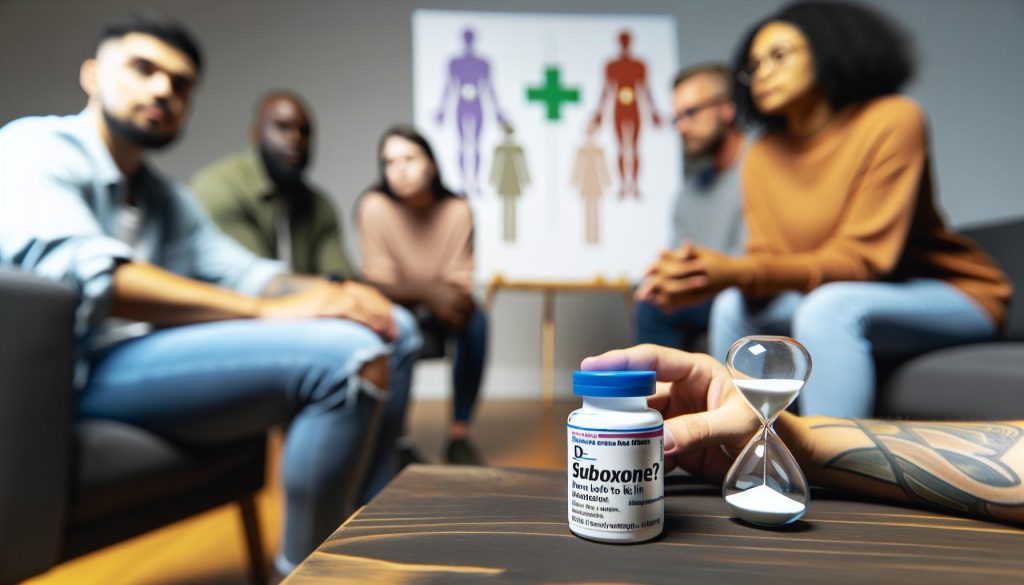
When considering Suboxone for opioid addiction treatment, understanding how long it takes for this medication to take effect is crucial for managing expectations and preparing for recovery. Typically, users may start to feel the effects within 30 to 60 minutes after taking the medication, making its timely administration essential for alleviating withdrawal symptoms and cravings. This knowledge not only empowers individuals on their journey toward sobriety but also eases anxiety about the initial stages of treatment. As you explore this timeline, you’ll discover how Suboxone can effectively support your recovery goals and improve your overall well-being. By staying informed and proactive, you’re taking important steps toward a healthier future.
How Suboxone Works in the Body
Understanding the mechanisms of Suboxone in the body can illuminate why it’s a crucial tool in treating opioid dependence. Suboxone is a combination of two active ingredients: buprenorphine and naloxone. Buprenorphine, an opioid partial agonist, binds to the same brain receptors as other opioids but does so in a way that activates them less intensely. This property helps minimize withdrawal symptoms and cravings without producing the full opiate effect, making it a safer alternative for individuals in recovery.
When Suboxone is administered, buprenorphine begins to work relatively quickly but doesn’t always produce immediate relief. The onset of action can be influenced by various factors, including how the drug is taken (sublingual tablets dissolve under the tongue versus films that may dissolve differently), individual metabolism, and the presence of other substances in the system. For many, the peak effects are felt within 30 to 60 minutes after administration, providing a sense of stabilization for those transitioning off more potent opioids.
The naloxone component serves a dual purpose: it counters the euphoric effects of buprenorphine if abused (for instance, by injecting), and it also acts to prevent withdrawal symptoms. This combination bolsters the effectiveness of treatment while also working to discourage misuse, reinforcing the importance of using Suboxone as part of a comprehensive recovery plan overseen by healthcare professionals. Understanding how Suboxone operates within the body can empower users to recognize its benefits and align their expectations with their treatment journey.
Factors Influencing Suboxone Onset Time

When beginning treatment with Suboxone, understanding the factors affecting its onset time can help set realistic expectations for patients looking to manage opioid dependence. Several elements can influence how quickly and effectively Suboxone will start to provide relief from withdrawal symptoms and cravings, making this knowledge essential for anyone involved in their own recovery journey.
Medication Administration Method
One of the most significant determinants of Suboxone’s onset time is the method of administration. The two common forms of Suboxone are sublingual tablets and film strips. Sublingual tablets must dissolve under the tongue, which can take time and lead to variations in how quickly they are absorbed into the bloodstream. In contrast, the film strips may dissolve more uniformly and efficiently, potentially leading to a quicker onset of effects.
Individual Metabolism
The body’s metabolism plays a crucial role in how medications are processed. For instance, individuals with a faster metabolism may experience a quicker onset of effects compared to those with slower metabolic rates. Factors such as age, weight, overall health, and even genetic predispositions can influence metabolic rates, leading to significantly different experiences between users.
Presence of Other Substances
The presence of other substances in the system, such as food, alcohol, or drugs, can also affect how Suboxone works. Consuming a heavy meal before taking Suboxone may delay its absorption, whereas an empty stomach might allow for faster onset. Likewise, using other medications or substances that can interact with buprenorphine might either enhance or diminish the drug’s effectiveness.
Recognizing these factors empowers individuals to manage their treatment effectively. Those starting Suboxone should discuss their specific circumstances with healthcare professionals to tailor the approach best suited for their needs. Understanding that various elements can alter the expected timeline encourages patience and adherence to prescribed regimens, ultimately improving recovery outcomes.
Typical Timeline for Suboxone Effects

The timeline for the effects of Suboxone can vary significantly based on individual factors and the method of administration. In general, patients can expect to experience the initial effects of Suboxone quite rapidly. Typically, when taken sublingually, individuals may start to feel the onset of relief within 20 to 60 minutes after administration. This rapid onset is crucial for those managing withdrawal symptoms and cravings associated with opioid dependence.
As the medication continues to take effect, peak levels of buprenorphine-the active ingredient-are usually reached within about 1 to 3 hours. This peak is when patients might notice substantial relief from withdrawal symptoms, though it is essential to recognize that the subjective experience can differ from person to person. For many, achieving a stable state on Suboxone may take a few days as the body adjusts, and the full therapeutic effects can evolve with dosage adjustments made by healthcare professionals.
For ongoing management, the effects of Suboxone can last anywhere from 24 to 36 hours, allowing for less frequent dosing compared to traditional opioids. This long half-life is advantageous as it helps stabilize mood and cravings over an extended period. However, individual factors-including metabolism, body weight, and concurrent use of other medications-can influence how long the effects last. Patients are encouraged to work closely with their healthcare providers to tailor their treatment plans, ensuring they receive the most effective care based on their unique circumstances.
By understanding this timeline, individuals starting Suboxone can set realistic expectations about how quickly they might begin to feel relief, allowing for a smoother transition into recovery.
Physical and Emotional Effects of Suboxone Kick-In
The experience of taking Suboxone can evoke a complex blend of physical and emotional effects as the medication begins to take hold in the body. Many individuals seeking treatment for opioid dependence find themselves navigating a range of sensations that can significantly impact their day-to-day lives. Understanding these effects is essential for managing expectations and fostering a sense of control during the recovery process.
When Suboxone starts to kick in, users often report feeling a sense of calmness and relief from previous discomfort. The buprenorphine component, a partial opioid agonist, binds to the same receptors in the brain as other opioids but with a milder effect. This leads to a gradual alleviation of withdrawal symptoms without the intense high associated with stronger opioids. Users may experience a decrease in anxiety and a lifting of depressive symptoms, as the medication helps stabilize mood.
Furthermore, the emotional effects often manifest as enhanced clarity of thought and a renewed focus, paving the way for more productive engagement in daily activities and therapy sessions. Many individuals find that they are better able to cope with stressors and can approach recovery with a more positive mindset. However, it’s essential to acknowledge that these effects can vary widely from person to person, influenced by individual biology, mental health, and the specific circumstances surrounding their opioid use.
Physical Sensations
The physical sensations accompanying the onset of Suboxone can include:
- Reduction of Cravings: Users often experience significantly reduced cravings for opioids, which can be a significant relief during the early stages of recovery.
- Improved Energy Levels: As withdrawal symptoms diminish, many report feeling more energetic and able to participate in daily activities.
- Physical Comfort: Patients may notice that physical aches and pains associated with withdrawal begin to subside, giving way to a sense of physical well-being.
While these positive effects are encouraging, it is crucial to be aware of potential side effects that may arise during the initial stages of treatment. As with any medication, some individuals may experience discomfort, such as nausea, dizziness, or headaches. It’s vital to consult with healthcare providers to address any adverse reactions and ensure that the benefits of Suboxone outweigh the risks.
By understanding the multifaceted physical and emotional effects of Suboxone as it begins to take effect, individuals can approach their treatment with informed expectations. This awareness encourages open communication with healthcare professionals, allowing for tailored treatment strategies that best meet individual needs during the recovery journey.
Signs Suboxone is Taking Effect
Recognizing the signs that Suboxone is taking effect can significantly ease the anxiety that many individuals experience during the initial stages of treatment. As the medication begins to work, users typically notice a gradual but distinct shift in how they feel both physically and emotionally. This onset period is a crucial time for establishing whether the medication is effectively managing withdrawal symptoms and stabilizing mood.
One of the first signs that Suboxone is taking hold is a noticeable reduction in cravings for opioids. Individuals often report feeling a sense of relief as their desire to use other substances diminishes sharply. Additionally, the alleviation of withdrawal symptoms is often felt. Users may begin to experience decreased sweating, reduced muscle aches, and a calmness that was previously absent. This can be transformative, providing a solid foundation for those in recovery to focus on their therapeutic goals rather than battling relentless cravings.
Emotional stability is also a key indicator of Suboxone’s effectiveness. Many people report a significant decline in anxiety levels, allowing them to feel a renewed sense of normalcy. They might experience clearer thinking and improved ability to engage in daily activities, which are crucial in the recovery process. As the medication continues to take effect, users may find themselves more able to participate actively in therapy sessions and support groups, enhancing their chances for long-term recovery.
It’s important to stay attentive during this timeframe and communicate openly with healthcare providers about any noticeable effects. This initial phase can be different for everyone, influenced by individual biology and previous experiences with substance use. Maintaining a journal to track these changes can be a practical tool in understanding one’s response to Suboxone, making conversations with healthcare professionals more productive and personalized. Ultimately, recognizing and understanding these signs leads to informed decision-making and encourages proactive management of one’s treatment journey.
What to Expect During Initial Dosage
During the initial dosage of Suboxone, patients can anticipate a blend of physical and emotional changes as the medication begins to take effect. For many, this experience can be a transformative moment in their recovery journey. It is crucial to recognize that everyone’s body responds differently, and factors such as metabolism, the severity of opioid dependence, and individual health conditions can significantly influence the onset and intensity of effects.
In the first few hours after administration, individuals may start to notice a reduction in withdrawal symptoms, which may include a decrease in sweating, cravings, or anxiety. The timeline from ingestion to noticeable relief usually varies but often falls within the first one to four hours. During this time, it is essential to remain calm and patient, allowing the medication to reach its effective levels in the system. Individuals are encouraged to report any emerging symptoms to their healthcare provider, ensuring that the treatment plan is tailored effectively.
Key Emotional and Physical Indicators
As Suboxone begins to work, many users report feeling a sense of emotional stability and clarity, allowing them to reconnect with daily activities. Some common physical and emotional signs of effectiveness include:
- Reduction in Cravings: Many users note a significant decrease in the urge to use opioids.
- Less Anxiety: Emotional relief often leads to a decrease in feelings of restlessness and agitation.
- Improved Mental Clarity: Users frequently mention clearer thinking and better focus.
- Relaxation: Many describe a soothing, calming effect that helps with initial feelings of discomfort.
It is important to note that while some may experience immediate relief, others may have a more gradual response. Keeping an open line of communication with healthcare providers can help manage expectations and address any concerns that may arise during this initial period.
Maintaining a journal can be particularly beneficial during this phase. Recording feelings, cravings, and overall experiences can help individuals observe patterns and communicate effectively with their healthcare team. Ultimately, understanding what to expect during the initial dosage not only empowers individuals but also reinforces the importance of a supportive network and professional guidance in their recovery process.
Comparison with Other Opioid Medications
When it comes to opioid medications, Suboxone (buprenorphine/naloxone) stands out for its unique composition and mechanism of action. Unlike traditional opioids such as morphine or oxycodone, Suboxone is a partial agonist, meaning it activates opioid receptors in the brain but to a lesser degree. This results in pain relief and a ceiling effect, which lowers the risk of misuse and overdose. In contrast, full agonist opioids like fentanyl can produce intense euphoria, which significantly increases the risk of addiction and overdose.
Suboxone’s dual action serves as a crucial difference. The buprenorphine component targets the opioid receptors, alleviating withdrawal symptoms and cravings in individuals with opioid dependence. Meanwhile, naloxone acts as an antagonist, which can block the euphoric effects that might encourage misuse. This combination not only aids in recovery from opioid addiction but also provides a safer alternative for pain management for those in need.
In terms of onset time, Suboxone typically begins to take effect within 1 to 4 hours after administration. This is generally more gradual compared to other opioids that can offer immediate pain relief within minutes, leading to the potential for a more stable recovery experience without the “high” often associated with full agonists.
Moreover, while full agonist medications are associated with higher potential for dependency, Suboxone’s unique profile allows it to offer effective management of abstinence without the same level of risk. For those transitioning from full agonists to Suboxone, the change can result in a more balanced approach to recovery, enabling individuals to engage more effectively with their recovery programs. It’s crucial for anyone considering these medications to consult healthcare professionals to determine the best options based on their specific needs and circumstances.
Managing Expectations: Initial Experience
Navigating the initial experience of starting Suboxone can be both hopeful and overwhelming. Many individuals begin this journey with the expectation of relief from cravings and withdrawal symptoms, and understanding what to anticipate can significantly impact that experience. It’s crucial to remember that while Suboxone may start to take effect within one to four hours, the experience of relief is not an instantaneous event. For those transitioning from full agonist opioids, the process might feel quite different than anticipated due to Suboxone’s unique action as a partial agonist.
During the first few days of treatment, individuals may notice some physical and emotional adjustments. Common experiences might include mild discomfort or fluctuation in mood as the body adapts to the medication. It’s important to manage these expectations by acknowledging that an initial plateau of effectiveness can occur; while some may hope for immediate results, the gradual onset can actually promote long-term stability. Establishing a consistent routine, including adherence to prescribed dosages, is vital in helping the body adjust to this new medication while minimizing cravings and withdrawal symptoms.
As you embark on this treatment, consider maintaining open communication with your healthcare provider. Discuss any side effects or concerns you may experience, as they can provide invaluable support tailored to your evolving needs. Here are some tips to enhance your initial experience with Suboxone:
- Stay informed: Read about how Suboxone interacts with your body and potential side effects.
- Incorporate lifestyle changes: Balanced nutrition, regular hydration, and moderate exercise can strengthen your recovery.
- Seek support: Engage with support groups or counseling to share experiences and strategies with others on a similar path.
- Set realistic goals: Focus on small, achievable milestones to stay motivated during your treatment journey.
In summary, while the initial experience with Suboxone may not follow a linear path to relief, understanding and managing expectations can facilitate a more positive transition. Consulting healthcare professionals, along with embracing support systems, can empower individuals to navigate their recovery journey effectively. This foundation not only aids in coping with the challenges of withdrawal but also sets the stage for meaningful long-term recovery.
Potential Side Effects During Onset
For many individuals beginning Suboxone treatment, the onset of effects can be a pivotal moment in their recovery journey. While Suboxone can effectively alleviate cravings and withdrawal symptoms, it is essential to be aware of the potential side effects that may arise during this initial phase. Understanding these side effects can empower individuals to navigate their treatment more effectively and foster better communication with healthcare providers.
As Suboxone starts to take effect, some people may experience mild to moderate side effects, particularly in the early stages. These can include:
- Headaches: Common among new users, headaches can be a result of the body adjusting to the medication.
- Nausea: Many individuals report feelings of nausea, which may subside as the body acclimates to Suboxone.
- Fatigue or drowsiness: Some people feel unusually tired or sleepy, especially when starting treatment.
- Anxiety or mood swings: Emotional fluctuations are not uncommon, as the body may respond to changes in brain chemistry.
- Constipation: Opioid medications like Suboxone can affect gastrointestinal motility, leading to constipation in some users.
These side effects can vary in intensity and duration depending on individual factors, including previous opioid use, the dose of Suboxone, and overall health status. It’s crucial to remain in contact with your healthcare provider during this period. They can offer guidance and adjustments to dosage as necessary to mitigate discomfort.
Another important aspect to consider is the psychological impact of starting a new medication. Adjustments in mood and emotional state are often experienced, making it beneficial to engage in support systems such as counseling or support groups. These connections can provide camaraderie and practical advice tailored to similar experiences, easing the emotional burden and fostering a sense of community.
Ultimately, while the onset of Suboxone presents a unique set of challenges, being proactive about understanding potential side effects can facilitate a smoother transition. Engaging openly with healthcare professionals and leaning on support networks can significantly enhance the recovery process, enabling individuals to focus on their long-term goals for health and wellness.
Maximizing Effectiveness: Dosage Tips
To optimize the effectiveness of Suboxone in your treatment journey, it’s vital to consider a few key factors surrounding dosage and administration. The medication, containing buprenorphine and naloxone, is designed to ease withdrawal symptoms and cravings for those recovering from opioid dependency. However, how you take it can significantly influence its effectiveness and the onset of its therapeutic effects.
First, timing is critical. Suboxone is typically administered once a day, and understanding the best timing can enhance its effectiveness. For many, the optimal window is when withdrawal symptoms begin to surface but before they become overwhelming. This careful timing helps prevent cravings and facilitates a more manageable experience with decreased discomfort. Always consult your healthcare provider about when to take your dose based on your unique withdrawal symptoms and lifestyle.
Next, following the proper administration method can also impact how quickly and effectively Suboxone works. The medication is designed to be taken sublingually. This means placing it under the tongue allows it to dissolve and enter the bloodstream more efficiently. It’s essential to avoid swallowing the tablet whole or chewing it, as this can delay absorption and diminish effectiveness. For those who struggle with the taste or sensation, let your provider know; they may have strategies to ease this.
Another important consideration is the dosage itself. Every individual responds differently to medication, and finding the right dose is crucial. Your healthcare provider will usually start you at a lower dose to assess how your body reacts, then adjust as necessary. Keeping track of any effects experienced post-dose, whether positive or negative, can open up valuable discussion points during follow-up visits. Engaging actively with your treatment plan helps ensure you receive a tailored approach suited to your needs.
Lastly, combining Suboxone treatment with counseling or support groups can further enhance its effectiveness. Emotional and psychological support is a critical aspect of recovery, and building a network will provide assistance beyond what medication alone can offer. Always keep the conversation going with your healthcare provider and be honest about your experiences to ensure a holistic approach to recovery.
By understanding these dosage tips and strategies, you’ll be better equipped to maximize the benefits of Suboxone in your recovery process, paving the way for a journey toward sustained health and wellness.
When to Contact a Healthcare Provider
It’s not uncommon for individuals beginning their journey with Suboxone to have questions about their treatment, especially during the initial phases. Knowing when to reach out to a healthcare provider can significantly impact your recovery process. If you experience unexpected symptoms or if the treatment feels ineffective, it’s crucial to address these concerns proactively.
Be mindful of the following situations where contacting your healthcare provider is essential:
- Severe Side Effects: If you encounter serious side effects such as difficulty breathing, severe dizziness, or signs of an allergic reaction (like swelling of the face or throat), seek medical attention immediately.
- Lack of Effect: If you notice that Suboxone isn’t alleviating withdrawal symptoms or cravings as expected, your dosage or the timing of your dose may need adjustment. Don’t hesitate to discuss this with your provider.
- Mood Changes: Mood swings, increased anxiety, or feelings of depression can occur during treatment. If these feelings become overwhelming, reach out for support, as they may need to be addressed with your healthcare team.
- Any New Health Issues: If you develop any new medical conditions or start taking new medications, it’s important to inform your provider, as they may affect how Suboxone works in your body.
Always remember, your healthcare provider is a key ally in your recovery. Being open and honest about your experiences ensures you receive the most effective treatment tailored to your needs. Regular check-ins can help maximize benefits while minimizing risks, paving a smoother path toward stability and health.
Long-Term Considerations for Suboxone Use
Long-term use of Suboxone can be a transformative step in managing opioid dependence, but it is essential to approach this treatment with a comprehensive understanding of its implications. Many individuals may wonder about the best practices for sustained success and the factors that could affect their progress over time.
The journey doesn’t end once Suboxone has taken effect; ongoing management and monitoring are critical. It’s advisable to have regular consultations with a healthcare provider to adjust dosage as necessary, assess overall health, and ensure that treatment remains effective. Long-term users should be aware of potential challenges, including the risk of dependence on Suboxone itself, sometimes referred to as a “substitution of one addiction for another.” Therefore, following a well-structured treatment plan with behavioral therapy can enhance recovery outcomes.
Another important aspect is lifestyle choices. Maintaining a balanced diet, regular physical activity, and healthy coping mechanisms can significantly complement the effects of Suboxone. Engaging in support groups where shared experiences can foster a sense of community and accountability is also beneficial.
Ultimately, while Suboxone can be a critical part of recovery, it works best when integrated into a holistic approach to health and well-being. Individuals should remain proactive about their health, openly discuss any issues with their provider, and stay informed about the evolving landscape of addiction treatment options. This proactive stance not only maximizes the effectiveness of Suboxone but also builds a foundation for long-term recovery success.
Q&A
Q: How quickly can I feel the effects of Suboxone?
A: Suboxone typically begins to take effect within 30 to 60 minutes after administration. However, the peak effects may be experienced between 1 to 4 hours later, depending on individual metabolism and dosage.
Q: What factors can affect how fast Suboxone kicks in?
A: Several factors influence Suboxone’s onset time, including individual metabolism, dosage, whether it’s taken on an empty stomach, and concurrent use of other medications. Understanding these factors can help manage expectations for onset time.
Q: Is there a difference in kick-in time for Suboxone films versus tablets?
A: Yes, Suboxone films may dissolve and absorb faster than tablets, potentially leading to quicker onset of effects. Typically, films may act within 30 minutes, while tablets may take slightly longer, around 60 minutes.
Q: What should I do if I don’t feel the effects of Suboxone after an hour?
A: If you don’t feel the effects within an hour, avoid taking more without consulting your healthcare provider. Factors such as incorrect dosage or individual metabolic differences could be influencing your experience.
Q: How does the kick-in time of Suboxone compare to that of other opioids?
A: Suboxone usually takes longer to kick in compared to short-acting opioids like morphine or oxycodone, which can begin to exert effects within 10 to 30 minutes. It’s crucial to understand these differences when transitioning between medications.
Q: Can I increase the dosage of Suboxone to feel its effects faster?
A: You should not increase the dosage without consulting your healthcare provider. Adjusting your dose without guidance can lead to adverse effects and doesn’t guarantee faster onset. Always follow prescribed guidelines.
Q: Why might Suboxone take longer to work for some people?
A: Individuals may experience delayed effects due to factors like metabolic differences, tolerance levels from prior opioid use, and food intake at the time of administration. It’s essential to communicate these aspects with your healthcare provider.
Q: What are some signs that Suboxone is starting to work?
A: Signs that Suboxone is taking effect include the reduction of cravings or withdrawal symptoms, increased feelings of stability, and overall relaxation. Monitoring these changes can help gauge its effectiveness during the initial phases.
For further details on Suboxone’s effects and usage, please refer to our article on dosage tips and managing expectations concerning initial experiences. Always consult with healthcare professionals for personalized advice.
To Wrap It Up
Now that you understand how long it takes for Suboxone to kick in, consider exploring our in-depth articles on managing opioid dependence and the benefits of professional support in your recovery journey. It’s crucial to be informed and proactive-if you’re considering Suboxone for treatment, consult a healthcare professional to discuss your individual needs and circumstances.
Don’t miss out on our resources detailing Suboxone dosage guidelines and potential side effects to ensure a safe and effective experience with this medication. Join our community by subscribing to our newsletter for the latest insights on addiction recovery, and feel free to leave a comment or share your thoughts below. Your journey matters, and we’re here to support you every step of the way. Dive deeper into your health journey today!