Did you know that medications like Vyvanse can lose their effectiveness over time? For those relying on this treatment for ADHD, understanding whether Vyvanse expires and the implications for safety is crucial. As concerns about medication safety rise, knowing how to identify signs of expiration and the proper way to store and dispose of drugs becomes imperative. This article will guide you through important facts about Vyvanse’s shelf life and what you must consider to ensure that your treatment remains effective and safe. Whether you’ve had Vyvanse sitting in your medicine cabinet for a while or are looking to optimize your medication management, gaining insight into these aspects is essential for your health and well-being. Let’s explore what you need to know about the expiration of Vyvanse and how to navigate this vital aspect of your healthcare journey.
Does Vyvanse Expire? Understanding Expiration Dates
The expiration of medications like Vyvanse is an essential topic for both patients and caregivers, emphasizing the importance of understanding expiration dates. Vyvanse, which is often prescribed for ADHD, typically has a shelf life of about 36 months from its manufacturing date. This means that after this period, it may no longer be effective or safe to use. Checking the expiration date printed on the prescription label is crucial, as medications are most reliable within their specified shelf life. Beyond just a date, expired Vyvanse may exhibit alterations in appearance and texture, which can serve as a warning sign that the medication may no longer be viable for consumption [[1]](https://medicalhubnews.com/drugs/adhd/lisdexamfetamine/vyvanse/does-vyvanse-expire/) [[2]](https://wellwisp.com/when-does-vyvanse-expire/).
Understanding why medications expire is rooted in the degradation of their chemical compounds over time, which can lead to reduced efficacy or potentially harmful byproducts. While some medications can still be effective shortly after their expiration date, it is risky to rely on them for critical health management. Unused or expired medications should always be handled with caution, and it’s wise to consult with healthcare professionals if there’s any uncertainty about the medication’s safety or effectiveness. By prioritizing safety and being proactive about medication management, patients can make informed choices regarding their health and well-being.
The Impact of Expired Vyvanse on Health
The effectiveness of Vyvanse, a medication commonly prescribed for ADHD, can significantly decline once it reaches its expiration date. Taking expired Vyvanse isn’t just a matter of reduced efficacy; it could pose potential health risks as well. As medications degrade over time, their chemical composition may change, potentially leading to ineffective treatment or even the formation of harmful byproducts. This situation can exacerbate symptoms associated with ADHD, leading to increased impulsivity, inattention, and emotional instability among users.
One of the challenges is that the impact of expired medications like Vyvanse can vary. While some users might consume medication that is just a few months past its expiration date without noticeable side effects, others might experience adverse reactions or insufficient therapeutic effects. This inconsistency makes it crucial for patients to recognize the importance of adhering to expiration dates, as they are often established based on rigorous clinical testing that ensures safety and efficacy within that timeframe.
Additionally, the use of expired Vyvanse may lead individuals to self-manage their ADHD symptoms without proper guidance from healthcare providers. This practice can further complicate an already complex treatment regimen. Individuals relying on expired medication might assume that minor extensions past the expiration date are acceptable, risking adequate management of their condition. It is vital for patients to engage in open discussions with healthcare professionals about any concerns they may have regarding effects from expired medications.
In conclusion, while it might be tempting to use expired Vyvanse, the potential health implications warrant caution. Patients should prioritize their health and safety by ensuring they utilize medications that are within their prescribed shelf life, consulting healthcare professionals for replacements or advice whenever necessary.
How to Store Vyvanse for Maximum Safety
Proper storage of Vyvanse is crucial not only for maintaining its effectiveness but also for ensuring safety. Medications can often lose potency and, in some cases, develop harmful properties if not stored correctly. To maximize the safety and efficacy of Vyvanse, consider the following practices.
First and foremost, keep Vyvanse in its original container with the label intact. This helps to avoid confusion and ensures that you have access to important information about dosage and expiration dates. Store the medication at room temperature, ideally between 20°C to 25°C (68°F to 77°F), and away from excessive heat and moisture. Humid environments, such as bathrooms or near stoves, can increase the risk of degradation. Opt for a dry, cool place, such as a cabinet or a dedicated medication storage area, where direct sunlight is minimized.
Additionally, it’s important to keep Vyvanse out of reach of children and pets. Consider using a locked drawer or a medication lockbox if you have any concerns about accessibility. If you need to travel with Vyvanse, make sure it is stored in a secure manner, ideally in its original packaging, to prevent damage and keep it at a stable temperature during transportation.
Lastly, regularly check the medication for any changes. If you notice alterations in color, texture, or any unusual smells, consult a healthcare professional before using the medication. These signs can indicate that the medication may no longer be safe or effective. Consulting with a healthcare provider about proper storage and handling will further ensure that you’re following best practices for your health and well-being.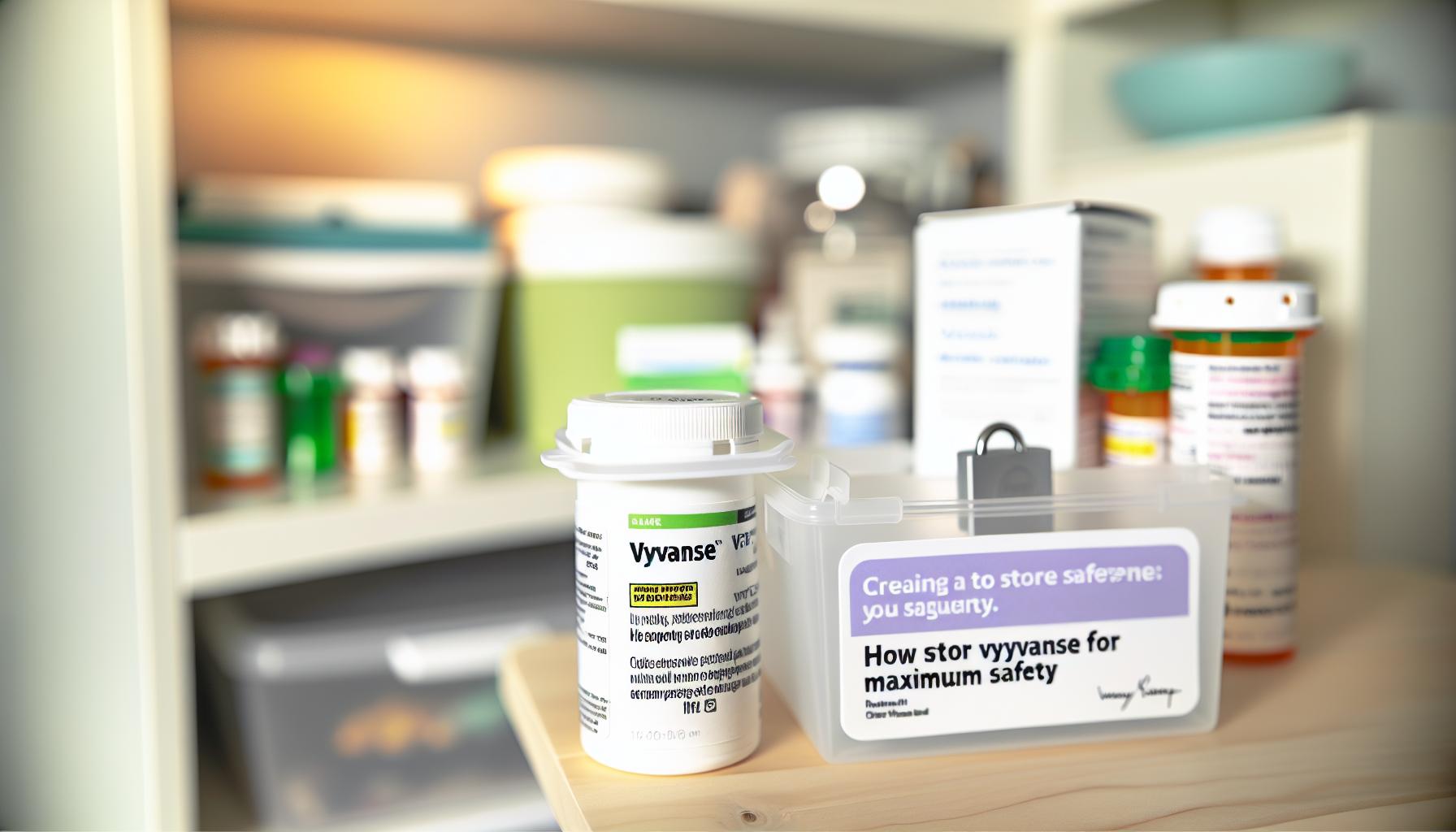
Recognizing Signs of Expired Medication
It’s essential to be vigilant about the signs that may indicate your medication, including Vyvanse, has expired or is no longer effective. The risks associated with taking expired medication can range from diminished therapeutic effects to potential safety concerns. Recognizing these signs early on can help you make informed decisions regarding your health.
When evaluating the condition of your Vyvanse, start by visually inspecting the pills. Look for changes in color, such as fading or darkening, which can be a sign of instability. Additionally, consider the texture; any crumbling or unusual coating can indicate that the medication has degraded. Another critical element is the smell; medications typically have a specific scent, and any off-putting or rancid odors can suggest the substance is no longer safe to use.
To maintain awareness of your medication’s viability, it’s advisable to regularly check the expiration date printed on the label. Vyvanse generally has a shelf life of about 36 months after manufacturing, but environmental factors such as humidity and temperature can accelerate the degradation process. If you’ve stored your Vyvanse in less-than-ideal conditions, it’s wise to be even more cautious in evaluating its state.
Ultimately, if you have any doubts or notice concerning signs related to your Vyvanse, it’s crucial to consult with a healthcare professional. They can provide guidance on whether your medication is still effective and safe to use, ensuring that you continue to receive the right treatment for your needs. Prioritizing communication with healthcare providers will empower you to take proactive steps for your health and wellness.
Legal Considerations of Taking Expired Vyvanse
Taking expired medications like Vyvanse can seem tempting, especially when a prescription has run out or health insurance coverage is limited. However, there are significant legal and health considerations that individuals must be aware of before consuming any expired medication. Understanding these implications is crucial to safeguard both your health and your legal standing.
In many jurisdictions, the legal framework surrounding the use of expired medications is quite clear: using expired pharmaceuticals may expose individuals to legal liability under certain circumstances, particularly if adverse health outcomes occur. This is especially relevant for controlled substances like Vyvanse, which is classified as a Schedule II drug due to its potential for abuse and dependence. If someone were to suffer an adverse effect after taking expired Vyvanse and sought legal remedy, they could face complications showing that the medication was stored improperly or used against medical advice. Furthermore, health insurance companies may refuse coverage for any complications arising from the use of expired medications, arguing that the patient engaged in reckless behavior.
Moreover, pharmacies typically have protocols in place for the disposal of expired medications. When medications expire, they often lose potency, which raises concerns not just about health but also about liability if patients do not follow prescribed treatment regimens due to ineffective medications. The FDA advises against the use of expired medications for safety reasons, as an expired prescription may lead to misconstrued therapeutic effects. This can pose serious health risks, especially for medications that require precise dosing, like Vyvanse. The blame for adverse effects may lead back to the individual if due diligence in the medication’s expiration and conditions were not maintained.
To mitigate potential legal ramifications, it’s essential to maintain open communication with healthcare providers. Consulting with a doctor or pharmacist about any expired medication can provide clarity and guidance-this ensures that you avoid harmful practices while also adhering to legal standards in medication use. If you find yourself in possession of expired Vyvanse, prioritize proper disposal methods, which may include returning medications to pharmacies that offer take-back programs. Prioritizing your health and legal safety must go hand in hand when managing your medication use.
Comparative Shelf Life of Vyvanse and Other Stimulants
The shelf life of medications is a key consideration for anyone managing conditions like ADHD, and understanding how Vyvanse compares to other stimulants can help in making informed decisions. Vyvanse, a popular stimulant medication used to treat ADHD, typically has an expiration date of about 36 months from the date of manufacture, as noted by various health sources. This means that once prescribed, patients can expect it to remain effective for approximately three years if stored correctly.
When comparing Vyvanse’s shelf life to other common stimulants used for treating ADHD, like Adderall and Ritalin, differences can arise. For instance, both Adderall and Ritalin also have expiration dates around three years post-manufacture. However, individual storage conditions and packaging can play significant roles in each medication’s effective lifespan. Stimulants should ideally be kept in a cool, dry place away from light, as exposure to excessive heat and humidity can lead to a quicker degradation of the active ingredients.
Moreover, some extended-release forms of these medications, particularly Adderall XR, may have specific storage guidelines that might affect their stability differently than Vyvanse. To ensure optimal potency and safety, it’s crucial for patients to adhere to storage recommendations, check expiration dates regularly, and keep medications out of reach of children.
Understanding the comparative shelf life of these medications can deepen awareness of their management, but individuals should always consult healthcare professionals for personalized advice. Proper management extends beyond shelf life; it encompasses the thoughtful consideration of one’s health and medication adherence strategies. If in doubt, it is better to replace expired medications and seek a fresh prescription to avoid the risks associated with taking ineffective or potentially harmful drugs.
Best Practices for Disposing of Expired Vyvanse
Disposing of expired medications like Vyvanse is important not just for your health, but also for the safety of your community and the environment. Proper disposal methods help prevent accidental ingestion, misuse, and potential harm to wildlife. Here are some recommended practices to ensure that you’re getting rid of expired Vyvanse safely and responsibly.
A key first step in disposing of Vyvanse is to check if a take-back program is available in your area. Many communities offer drug take-back events where pharmacies or local law enforcement collect unused medications, allowing you to get rid of them safely. If these events are not available, you can still follow the FDA’s guidelines for disposal at home. This involves mixing the medication with an undesirable substance, like used coffee grounds or kitty litter, placing this mixture in a sealed bag or container, and then throwing it away with your household trash. By doing so, you mitigate the risk of accidental exposure.
It’s essential to ensure that any identifiable information on the prescription label is removed before disposal. This can prevent misuse and protect your privacy. You might use a black marker to cross out your personal details. Additionally, if you’re disposing of liquid Vyvanse, pour it down the sink or toilet first, rinsing the container with water to ensure all medication is gone, and follow it with the rest of the disposal steps.
Finally, always be mindful of local regulations regarding the disposal of medications. Some areas may have specific rules to follow, so checking with a local pharmacy or health department can provide valuable insights. By taking these steps, not only do you protect yourself and others from the risks posed by expired medications, but you also contribute to the overall health and safety of your community.
Exploring the Effectiveness of Expired Medications
Expired medications can often invoke a sense of uncertainty and concern about their effectiveness. In the case of stimulants like Vyvanse, understanding the implications of expiration dates is crucial for both safety and therapeutic efficacy. While it’s common for people to wonder whether expired medications are still effective, research indicates that many drugs may retain their potency for some time past their expiration date; however, this is not guaranteed for all medications, and using expired medications can lead to health risks.
When it comes to Vyvanse, the active ingredient, lisdexamfetamine, is designed to affect the brain’s neurotransmitters and improve focus and attention in individuals with ADHD. If Vyvanse is expired, it is possible that the medication has undergone chemical changes that could reduce its effectiveness. This means that rather than achieving the desired therapeutic outcomes, individuals may find that their symptoms are not managed effectively. Furthermore, some expired medications can potentially produce harmful byproducts, contributing to adverse effects.
It is important for users to recognize the signs that a medication may have expired. Changes in color, texture, or an unusual smell could indicate that the drug is no longer suitable for consumption. If there is any doubt about the effectiveness or safety of expired Vyvanse, consulting a healthcare professional is the best course of action. They can provide personalized advice on whether to continue using the medication or to obtain a replacement.
In summary, while some medications might remain effective beyond their expiration dates, it is essential to be cautious, particularly with ADHD medications like Vyvanse. Always prioritize health and safety by checking expiration dates, monitoring for any noticeable changes in the medication, and consulting with healthcare professionals for guidance.
Consulting with Healthcare Professionals About Expiration
In the realm of medication management, understanding when and why to consult a healthcare professional about prescription drugs, especially those like Vyvanse, is crucial. Many people hold onto medications past their expiration date for various reasons-whether due to immediate availability, financial constraints, or simple oversight. However, the implications of using expired Vyvanse can affect both efficacy and safety. Thus, seeking personalized advice from a healthcare provider is not just beneficial; it’s essential.
When consulting with a healthcare professional, consider preparing a list of relevant questions to ensure that you gather all necessary information. Common inquiries could include:
- How long after the expiration date can Vyvanse remain effective?
- What signs should I look for to determine if my medication has changed?
- Are there any health risks associated with taking expired Vyvanse?
- What is the best way to dispose of expired medication safely?
Healthcare professionals can offer tailored advice based on your individual health situation, helping you weigh the risks of using expired Vyvanse against seeking a replacement. They can also provide insights into best practices for managing ADHD and other conditions that Vyvanse treats, suggesting alternative therapies or strategies if needed.
Imagine a scenario where an individual has been using expired Vyvanse and begins to notice decreased focus and increased symptoms of ADHD. In a case like this, discussing these changes with a healthcare provider can lead to a reevaluation of not just the medication’s effectiveness, but also the individual’s treatment plan overall. This holistic approach ensures that the individual is supported in achieving optimal health outcomes without unnecessary risks associated with expired medications.
Always remember that your health is a priority. By engaging in open communication with your healthcare team, you can make informed decisions about your medications and overall well-being.
User Experiences: Stories About Expired Vyvanse
Many individuals have encountered the dilemma of whether to use expired medications like Vyvanse, often sharing mixed experiences that illuminate both the risks and realities involved. For instance, one user recounted a situation where they ran out of Vyvanse and, unable to procure a new prescription promptly, opted to take expired tablets. Initially, they found that the medication provided some relief for their ADHD symptoms, but as days progressed, they noticed a significant decline in effectiveness. This experience led them to realize that while some medications like Vyvanse might appear to work temporarily post-expiration, the long-term efficacy could be compromised, potentially leading to increased symptoms and distress.
Another user shared their story of holding onto unused Vyvanse due to financial concerns. When they finally decided to use these expired meds, they experienced unexpected side effects, including headaches and nausea. This prompted them to seek professional advice, which highlighted the importance of consulting a doctor before consuming expired medications. This user’s experience emphasizes the health risks associated with self-medicating and the critical need for professional guidance.
As these stories illustrate, while expired Vyvanse may not cause immediate harm in every case, the most prudent approach remains to consult with a healthcare provider. Engaging with a professional can not only clarify uncertainties about medication efficacy but also help individuals feel more secure in their treatment plans across the board. User experiences underscore a universal theme: prioritizing safety involves understanding the potential pitfalls of using expired drugs and proactively managing one’s health through communication and informed decision-making.
Overall, it’s clear that individual experiences with expired Vyvanse can vary significantly. The best course of action is to stay informed, seek guidance from healthcare professionals, and manage medication supplies effectively, ensuring a smoother treatment journey.
Understanding the Science Behind Medication Expiration
While it can be tempting to use expired medications, understanding the science of medication expiration is crucial for safety and efficacy. Medications like Vyvanse are developed with specific stability profiles, which indicate how long they are expected to remain effective and safe under proper storage conditions. Generally, Vyvanse expires 36 months after manufacture, and this timeline is determined through rigorous testing and analysis by pharmaceutical companies to establish the point at which the drug can no longer guarantee its labeled potency and safety.
When a medication reaches its expiration date, it doesn’t automatically become dangerous, but its effectiveness may start to diminish. Factors such as exposure to heat, moisture, and light can accelerate the degradation of active ingredients. This deterioration can lead to various outcomes, from reduced potency to the formation of potentially harmful byproducts. Therefore, while some individuals may use expired Vyvanse without experiencing immediate adverse effects, there is a significant risk that the drug may not provide the expected therapeutic benefits.
Key Factors Regarding Medication Expiration
- Stability Testing: Pharmaceutical companies conduct extensive testing to determine a medication’s shelf life, ensuring that it retains its intended effectiveness and safety.
- Storage Conditions: Proper storage, typically in a cool, dry place away from direct sunlight, can help maintain a medication’s integrity for as long as possible.
- Potency Degradation: Over time, active ingredients can break down, leading to a decrease in the drug’s effectiveness.
- Consulting Professionals: It’s always advisable to consult a healthcare professional before using any expired medication to understand the potential risks involved.
As you navigate your healthcare journey, remember that while knowing the mechanics of medication expiration can empower you, incorporating professional guidance in your decision-making is equally vital. This ensures that you remain informed and safe in your approach to managing health conditions.
FAQ
Q: How long does Vyvanse last before it expires?
A: Vyvanse generally remains effective until the printed expiration date, which is typically one to two years from the manufacturing date. It’s crucial to store it properly, away from heat and moisture, to maintain its effectiveness until expiration.
Q: Can I take Vyvanse after its expiration date?
A: While some medications may retain potency after expiration, taking expired Vyvanse is not recommended. It may not work as effectively and could pose health risks. Consult a healthcare professional for guidance on medication safety.
Q: What are the signs that Vyvanse has expired?
A: Signs of expired Vyvanse include discoloration, changes in smell, or unusual clumping. If you notice any of these changes, it’s best to dispose of the medication and consult your pharmacist for a replacement.
Q: Is there a way to extend the shelf life of Vyvanse?
A: Proper storage can help maintain Vyvanse’s efficacy. Keep it in a cool, dry place, away from direct sunlight and humidity. Avoid storing it in bathrooms where moisture can accumulate.
Q: What should I do with Vyvanse if it has expired?
A: Expired Vyvanse should be disposed of properly. Follow the pharmacist’s guidelines for disposal, or look for drug take-back programs in your area to ensure safe disposal and prevent misuse.
Q: Will expired Vyvanse hurt me if I take it?
A: Taking expired Vyvanse is not advisable as it may not be effective and could lead to unexpected side effects. Always consult a healthcare professional if you are unsure about taking any expired medication.
Q: How can I tell if Vyvanse is safe to use?
A: Ensure Wyvanse is within its expiration date, stored correctly, and shows no signs of damage or alteration. Consult your healthcare provider if you have any doubts about its safety before use.
Q: What is the difference between Vyvanse and other stimulants regarding expiration?
A: Each stimulant may have different stability and shelf-life characteristics. Vyvanse typically has a similar expiration period to other prescription stimulants, but always check individual labels for specific expiration details and storage recommendations.
For more information on medication safety and storage practices, please consult the appropriate healthcare professionals.
Wrapping Up
As you navigate the important questions surrounding Vyvanse expiration and safety, remember that taking expired medications can pose risks, including decreased effectiveness and potential overdose. Always prioritize your health by consulting healthcare professionals about any concerns or symptoms you may experience. For more insights, check out our articles on medication safety and proper disposal methods to ensure you’re well-informed and protected.
Ready to take charge of your health? Subscribe to our newsletter for the latest updates on medications, supplements, and wellness tips tailored just for you. Don’t hesitate to explore our resources on ADHD management and learn about safe practices regarding your prescriptions. Your journey to informed health decisions starts here, so let’s keep the conversation going!