Many people turn to Benadryl for relief from allergies, but few realize the potential dangers lurking when it’s mixed with alcohol. This combination can lead to severe health risks, including extreme drowsiness, confusion, and even life-threatening situations. Understanding the risks associated with mixing these substances is crucial for making informed health decisions. As you navigate social situations or seek relief from discomfort, it’s essential to recognize how this common antihistamine can significantly amplify the effects of alcohol, increasing the likelihood of harmful outcomes. In this article, we will explore the life-threatening risks of combining Benadryl and alcohol, empowering you with the knowledge to safeguard your health. Stay informed and consider consulting a healthcare professional to better understand how to use medications safely.
Dangers of Combining Benadryl and Alcohol
Mixing Benadryl, an over-the-counter antihistamine, with alcohol poses significant health risks that should not be taken lightly. Both substances are central nervous system depressants, which means that when taken together, they can amplify each other’s effects, leading to dangerous levels of sedation, impaired motor skills, and diminished cognitive function. Many people might underestimate the potential dangers of this combination, believing that because both are readily available, they can be safely consumed together. However, the reality is that combining these two can lead to life-threatening situations, such as respiratory depression and an increased risk of overdose.
The interaction between Benadryl and alcohol can lead to a range of severe side effects, including extreme drowsiness, dizziness, difficulty concentrating, and increased risk of accidents or injuries. This is particularly alarming for individuals who may already be predisposed to sedation or those combining these substances with prescription medications. It is crucial to understand that even small amounts of alcohol can exacerbate these adverse effects, making it harder to predict the reaction based on dosage. Healthcare professionals consistently warn against the risks of mixing these substances, emphasizing that even infrequent use could lead to harmful consequences.
Understanding the full weight of these dangers is essential. Individuals who have existing medical conditions, are elderly, or are taking other medications are at a higher risk of experiencing severe interactions. Those in these vulnerable populations should especially refrain from using Benadryl and alcohol concurrently. It is crucial for anyone considering using these substances together to consult with a healthcare provider to fully grasp the risks involved and to explore safer options. The combination of Benadryl and alcohol should be avoided altogether in favor of healthier alternatives that do not carry such severe risks to one’s health.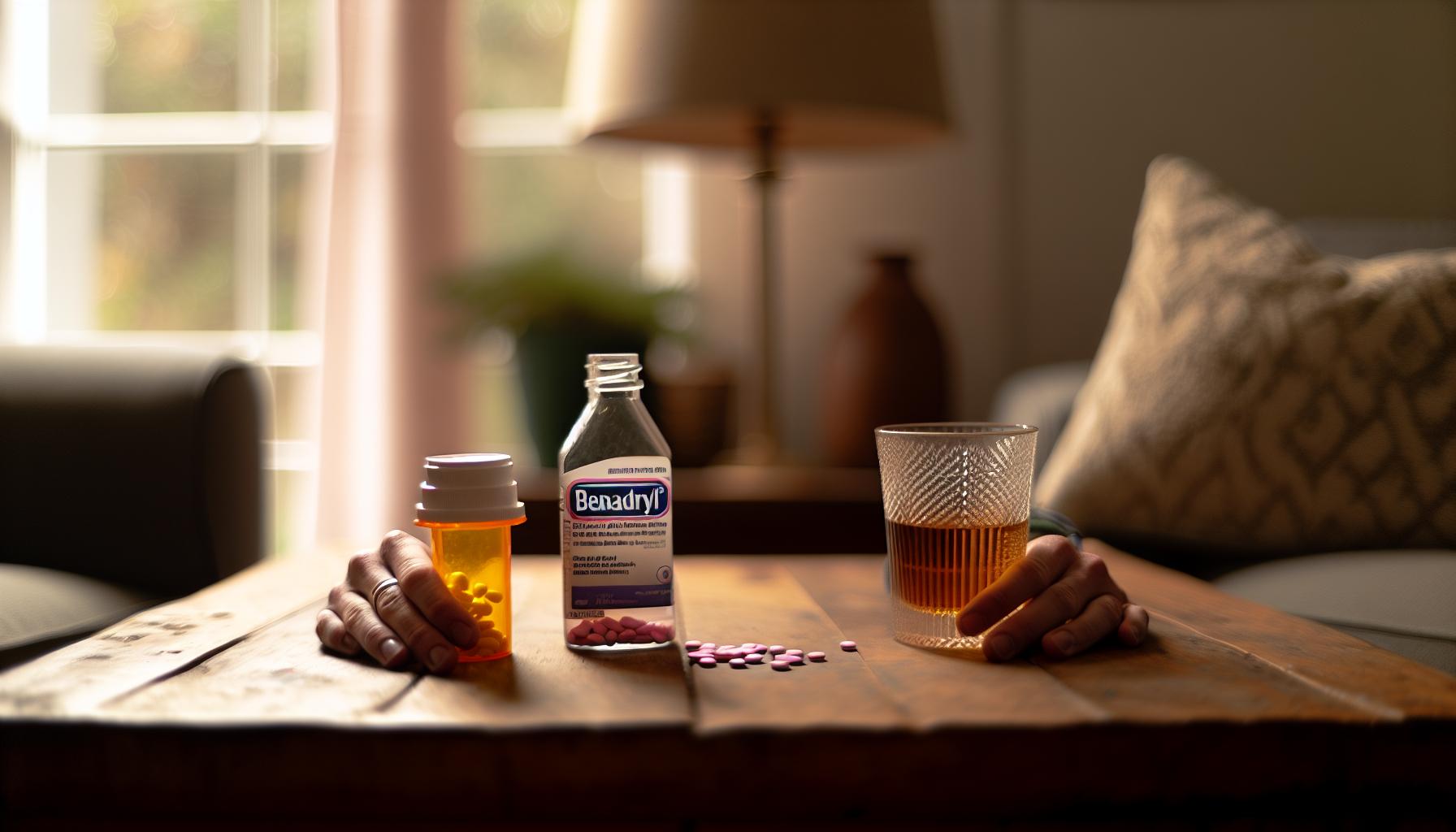
Understanding Benadryl: Uses and Risks
Benadryl, a commonly used over-the-counter antihistamine, is widely recognized for its effectiveness in alleviating allergy symptoms such as sneezing, runny nose, and itching. However, while many people turn to this medication for relief, it’s vital to understand both its therapeutic properties and the potential risks associated with its use. The active ingredient in Benadryl, diphenhydramine, acts as a sedative and can induce sleep, making it a popular choice for those struggling with insomnia or nighttime allergies. Despite its accessibility and widespread use, the combination of Benadryl with alcohol can lead to perilous health consequences that users should not ignore.
Uses of Benadryl
Benadryl is primarily employed to treat allergic reactions, motion sickness, and symptoms of the common cold. It operates by blocking the action of histamine, a substance in the body that causes allergic symptoms. In addition to its antihistaminic effects, diphenhydramine is often utilized for its sedative properties. Many individuals mistakenly believe that this makes it safe for occasional use in conjunction with alcohol; however, this assumption can lead to serious health risks.
Risks Associated with Benadryl
While Benadryl can offer much-needed relief, it is not without its side effects. Among these are dizziness, dry mouth, blurred vision, and confusion, particularly in older adults or those with certain medical conditions. These side effects can be exacerbated when combined with alcohol, which also depresses the central nervous system. The risks are heightened for vulnerable populations, including the elderly and individuals with pre-existing health conditions or those taking other medications. It’s crucial for users to read labels carefully and adhere strictly to recommended dosages.
Many users may not fully understand the severity of these risks. The combination of Benadryl and alcohol can lead to profound sedation, respiratory depression, or even overdose-a serious risk that underscores the need for cautious medication use. For instance, a person may underestimate the effects of a couple of drinks combined with Benadryl, leading to dangerous situations such as falling or impaired judgment.
In conclusion, while Benadryl can be an effective treatment for allergies and sleep issues, its risks, especially when mixed with alcohol, cannot be overlooked. Anyone considering this combination should consult a healthcare professional to ensure safety and explore alternative approaches that do not carry such significant health risks. Understanding the implications of combining these substances empowers consumers to make informed decisions about their health.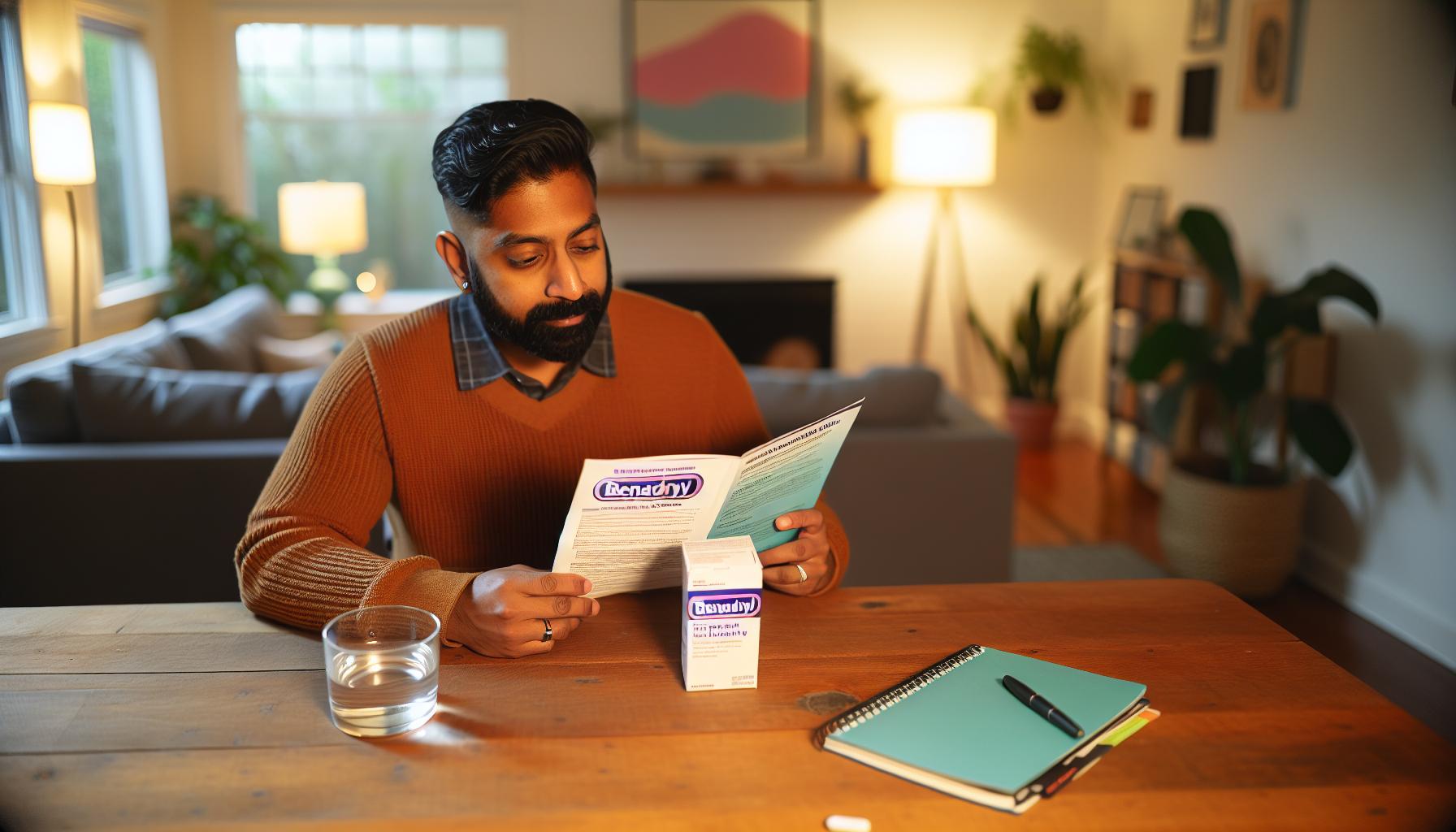
How Alcohol Affects Benadryl Metabolism
The interaction between alcohol and Benadryl is a critical area of concern for anyone considering the concurrent use of these substances. Alcohol can significantly alter the metabolism of diphenhydramine, the active ingredient in Benadryl, leading to unpredictable and potentially dangerous effects. Both alcohol and Benadryl are processed by the liver, and when consumed together, they can compete for the same metabolic pathways, which may enhance the effects of each other and prolong their duration in the body.
When alcohol is present, the liver prioritizes metabolizing it over other substances, including medications like Benadryl. This results in a slower breakdown of diphenhydramine, potentially increasing its concentration in the bloodstream. Consequently, you might not only experience heightened sedation but also a greater risk of severe side effects such as impaired motor function, respiratory distress, and increased drowsiness, making activities like driving or operating machinery exceptionally dangerous.
Moreover, chronic alcohol consumption may lead to liver damage, influencing the organ’s ability to effectively metabolize medications. If someone with compromised liver function consumes Benadryl, even moderate alcohol intake could exacerbate risks, leading to overly intense side effects and prolonged impairment. This combination may also affect younger users, who may mistakenly believe they can handle the sedative effects without realizing the associated risks.
Understanding the metabolic implications of alcohol on Benadryl is essential for safety. If you find yourself in need of allergy relief while considering a drink, it is advisable to consult a healthcare professional. They can provide personalized advice, alternatives, and education on the safe use of over-the-counter medications and the risks involved with alcohol consumption.
Life-Threatening Interactions: What to Expect
Combining alcohol with Benadryl can lead to severe, life-threatening interactions that many may not fully understand. Both substances act as central nervous system depressants, and their simultaneous use amplifies each other’s sedative effects, creating a precarious situation. When alcohol is introduced into the system while Benadryl is present, the potential for overdose increases dramatically, leading to respiratory distress, extreme drowsiness, and impaired motor skills. The risk of accidents, including falls and car crashes, is significantly heightened, turning seemingly harmless interactions into perilous situations.
In cases of acute alcohol and Benadryl co-ingestion, individuals may exhibit a variety of alarming symptoms such as confusion, slowed heart rate, and dangerously low blood pressure. These interactions are particularly insidious because they might be mistaken for simple intoxication or allergy relief side effects, delaying emergency response. Recognizing these symptoms is crucial; if you or someone you know experiences pronounced lethargy or difficulty breathing, seeking immediate medical assistance is essential.
Moreover, frequent mixing of alcohol and Benadryl can lead to chronic health issues, including liver damage and cognitive decline. Long-term users may not immediately notice these adverse effects, as the body might initially adapt to heightened dosages. However, ongoing liver strain can result in severe complications, significantly raising the stakes for individuals with pre-existing health conditions or those taking other medications that stress the liver.
Given the potentially catastrophic consequences of mixing these substances, it is vital to approach such combinations with extreme caution. Always consult with a healthcare professional before making decisions about using Benadryl or consuming alcohol, especially if you are already on medication or have underlying health concerns. Even in situations where allergy relief feels necessary, understanding the risks and obtaining professional guidance ensures not only personal safety but also responsible health management.
Common Symptoms of Overconsumption
The risk of overconsumption when combining Benadryl and alcohol is a pressing concern, as both are central nervous system depressants that can dramatically enhance each other’s sedative effects. This combination can lead to a spectrum of symptoms that indicate dangerous levels of impairment. Recognizing the signs of overconsumption is vital to ensuring prompt intervention and maintaining health and safety.
When individuals mix these substances, they may experience a range of symptoms such as:
- Extreme drowsiness: A state of profound tiredness that can make it difficult to stay awake or alert.
- Dizziness and confusion: Users may feel disoriented, leading to an inability to think clearly or respond appropriately to their environment.
- Slowed heart rate: Alcohol and Benadryl together can depress the heart’s activity, leading to an abnormally low pulse.
- Hypotension: Significantly low blood pressure can occur, potentially resulting in fainting or shock.
- Respiratory distress: Difficulty breathing is a serious symptom that requires immediate medical attention, as it can escalate quickly to life-threatening situations.
- Nausea or vomiting: Digestive issues may manifest, further complicating the situation and heightening risks.
These symptoms can easily be mistaken for simple intoxication, which is why it is critical to be vigilant if someone has recently consumed alcohol while under the effects of Benadryl. If you observe pronounced lethargy, confusion, or difficulty breathing, you should seek emergency medical assistance immediately. The earlier the intervention, the better the chances of preventing severe health complications.
Awareness of these potential symptoms is an essential aspect of responsible health management. Consulting with healthcare professionals about any medication regimens, especially those involving substances like Benadryl and alcohol, can provide personalized guidance and safety strategies. Understanding your health and the effects of combining medications effectively equips you to make informed decisions, safeguarding your well-being.
Long-Term Consequences of Mixing Alcohol and Benadryl
Mixing alcohol with Benadryl is not just a reckless choice; it poses significant long-term health risks that are often overlooked. Regularly combining these substances may lead to chronic health complications that can affect multiple systems in the body. Long-term users may experience a range of serious conditions, including cognitive impairments, enhanced likelihood of substance dependence, and potentially life-threatening respiratory issues.
Frequent use of both Benadryl and alcohol can impair cognitive function over time. Users often report difficulties with memory, slower processing speeds, and even persistent confusion. This cognitive decline can interfere with daily activities and diminish overall quality of life. Additionally, ongoing use of alcohol as a coping mechanism, alongside sedative medications like Benadryl, can increase the risk of substance use disorders, leading to a vicious cycle of dependence that is challenging to break.
Moreover, the compounded effects of these substances may lead to chronic respiratory issues, as both alcohol and Benadryl can depress the respiratory system. Over time, this can result in decreased lung function and increased vulnerability to infections. Long-term users may find themselves experiencing frequent respiratory illnesses or exacerbating existing conditions like asthma or chronic obstructive pulmonary disease (COPD).
To protect your health, it’s essential to understand the long-term consequences of mixing these substances. If you or someone you know is struggling with such combinations, seeking professional help is crucial. Health care providers can offer tailored strategies and support to manage symptoms and reduce risks associated with prolonged use. Prioritizing one’s well-being through informed choices and preventive measures can go a long way in preserving health over time.
Who is Most at Risk: Vulnerable Populations
Many people underestimate the risks associated with combining Benadryl and alcohol, particularly for certain vulnerable populations. Groups such as the elderly, individuals with pre-existing health conditions, and those who are pregnant are significantly more susceptible to the adverse effects of this dangerous pairing. The interplay of an antihistamine like Benadryl with alcohol can exacerbate health risks, leading to potentially life-threatening consequences.
Elderly Individuals
For older adults, the central nervous system can be particularly sensitive to depressants. Cognitive decline and the presence of other medications can compound the effects of Benadryl and alcohol, increasing the likelihood of confusion, falls, and even hospitalization. As metabolism slows with age, the body may take longer to clear these substances, enhancing their sedative effects. It’s essential for caregivers and family members to monitor the use of these substances in older adults, suggesting safer alternatives or consulting healthcare professionals when necessary.
Individuals with Existing Health Conditions
People with respiratory issues, heart conditions, or liver impairments are also at an increased risk. Both alcohol and Benadryl can depress the respiratory system, causing issues like hypoxia (reduced oxygen in the body) or worsening chronic conditions like asthma or COPD. Additionally, those with liver problems may struggle to metabolize alcohol and Benadryl efficiently. This can lead to prolonged effects and heighten the risk of toxicity and overdose, emphasizing the importance of monitoring and preventive care for these individuals.
Pregnant Women
The risks for pregnant women cannot be overstated. Combining Benadryl and alcohol can lead to adverse outcomes for both the mother and the developing fetus. Alcohol consumption during pregnancy is associated with fetal alcohol spectrum disorders (FASDs), while Benadryl can cause complications that affect fetal development. Pregnant individuals should seek guidance from healthcare providers to find safer options for managing symptoms like allergies or insomnia.
In summary, understanding the heightened risks for these vulnerable populations is crucial. If you or someone you know belongs to one of these groups, it’s imperative to have open discussions with healthcare professionals regarding medication use and to explore safer alternatives. Empowering yourself and loved ones with knowledge can lead to better health outcomes and a more informed approach to managing health conditions.
Safe Alternatives to Benadryl and Alcohol
Finding alternatives to manage allergies, insomnia, or other symptoms can significantly reduce the risks associated with combining Benadryl and alcohol. Rather than resorting to these substances, individuals can explore safer options that promote well-being without the dangerous side effects associated with depressants.
For those seeking relief from allergies or cold symptoms, natural remedies can often provide effective alternatives. Herbal teas with ingredients like chamomile or peppermint can soothe symptoms and promote relaxation without the sedative effects of antihistamines. Additionally, saline nasal sprays or steam inhalation can alleviate nasal congestion without any pharmaceutical intervention.
When it comes to managing sleep difficulties that might make someone consider combining Benadryl and alcohol, there are several natural sleep aids worth exploring. Melatonin supplements can help regulate sleep-wake cycles, while practices such as mindfulness meditation, deep breathing exercises, or progressive muscle relaxation can enhance the body’s natural ability to fall asleep peacefully. Establishing a consistent bedtime routine and creating a tranquil sleeping environment are also key factors in improving sleep quality.
For individuals struggling with anxiety or stress-related issues, integrating lifestyle changes such as regular exercise and a balanced diet may provide a more sustainable solution than medication. Activities like yoga, tai chi, or even a daily walk can significantly reduce stress levels and promote mental clarity, thus minimizing the temptation to rely on alcohol or substances like Benadryl.
Ultimately, those considering their options should consult healthcare professionals to identify the most appropriate and safe alternatives tailored to their individual needs. This proactive approach not only helps to avoid the dangers of mixing substances but also empowers individuals to take control of their health with informed, responsible choices.
Best Practices for Medication Use
Using medications safely is crucial for preventing adverse effects, especially when considering substances like Benadryl and alcohol that can both depress the central nervous system. Understanding how to properly use medications can help reduce the risk of dangerous interactions and ensure that health remains a priority. A cautious approach involves being informed, following guidelines, and consulting with healthcare professionals whenever necessary.
To start, it’s important to always read labels and adhere to the recommended dosages of any medication, including Benadryl. Misuse of over-the-counter medications due to a belief that more will provide better relief can lead to severe consequences. Here are some best practices to consider:
- Consult a Healthcare Professional: Before mixing medications or using them in conjunction with alcohol, speak with a doctor or pharmacist. They can provide insight into potential interactions and recommendations based on your health history.
- Keep a Medication Diary: Keeping track of what medications you take and when can help prevent accidental overdoses. Include over-the-counter drugs, prescriptions, and any alcohol consumption.
- Avoid Alcohol While Using CNS Depressants: If you are taking medications like Benadryl that can enhance sedation, avoid alcohol altogether. Alcohol can magnify the effects of antidepressants, leading to increased drowsiness and risk of overdose.
- Be Aware of Individual Risks: Certain populations, such as the elderly or those with pre-existing health conditions, may be at an elevated risk when taking medications like Benadryl. Special consideration should be given to their overall health and minimized exposure to potential depressants.
Furthermore, understanding your body’s reactions to these medications can also guide their safe use. Some may experience extreme drowsiness or dizziness when combining these substances. It is advisable to avoid driving or engaging in activities that require full alertness during or after use. By taking these best practices into account, you can empower yourself to use medications responsibly, keeping your well-being as the primary focus. Always remember that a proactive discussion with a healthcare provider is invaluable in aligning your medication use with your health goals and lifestyle needs.
Emergency Response: What to Do in an Overdose
In emergencies, every second counts, especially when it comes to potential overdoses involving substances like Benadryl and alcohol. The combined effects of these central nervous system depressants can lead to severe symptoms, including extreme drowsiness, confusion, respiratory difficulties, or even coma. Knowing how to respond quickly can make a critical difference.
If you suspect someone has overdosed after mixing Benadryl and alcohol, call emergency services immediately. Do not wait for symptoms to worsen. While you’re waiting for help to arrive, take the following steps:
- Assess the Situation: Check the person’s level of consciousness. If they are unresponsive or having difficulty breathing, you must act quickly.
- Keep Them Safe: If the person is conscious but disoriented, make sure they are in a safe environment to prevent falls or injuries. Lay them on their side (the recovery position) to help keep their airway clear if they begin to vomit.
- Provide Details to Emergency Responders: When help arrives, provide as much information as possible. This includes what substances were taken, the estimated amounts, and the time of ingestion. This information will assist medical professionals in providing the most effective treatment.
Remember, it’s crucial to avoid any efforts to “wake” the person up through harsh means such as cold showers or loud noises; this can worsen their condition or cause distress. If the person is conscious and capable of swallowing, you may also ask if they can drink water, but only if it is safe without the risk of choking.
Having knowledge about overdose responses equips you to handle emergencies more effectively. In addition to acting promptly, following up with a healthcare professional after the incident is vital for evaluating long-term effects and preventing future occurrences. Always prioritize discussions about substance use with healthcare providers to ensure the best course of action is taken tailored to individual health needs.
Consulting Healthcare Professionals: A Must
Consulting a healthcare professional is an essential step if you or someone you know is in a situation involving the combined use of Benadryl and alcohol. The dangers of mixing these substances cannot be overstated; both are central nervous system depressants, and their interaction can lead to amplified effects such as extreme drowsiness, confusion, and in severe cases, respiratory failure or coma. Understanding the potential risks and the necessity for professional guidance helps individuals make informed decisions about their health and well-being.
In the aftermath of a potential overdose or concerning symptoms from mixing these substances, a healthcare professional can offer tailored advice and therapy options. They can conduct comprehensive evaluations to determine the extent of the interaction and develop a personalized care plan that considers both immediate needs and long-term health. Engaging with professionals who are knowledgeable about substance interactions provides valuable insights that can help prevent future incidents.
Moreover, seeking professional guidance isn’t just about responding to an emergency. Regular consultations with healthcare experts can establish a proactive approach to managing allergies or sleep disorders that may lead to Benadryl use. This is particularly important for individuals who may be tempted to self-medicate with over-the-counter medications or who indulge in alcohol consumption without fully understanding the implications. Open conversations with healthcare providers about lifestyle habits, including medication use and alcohol consumption, encourage healthier choices and reduce the risk of adverse effects.
In summary, whether you’re navigating a crisis situation or simply reassessing your health choices, prioritizing professional medical advice empowers you to make safe decisions. Being proactive in discussing substance use, medications, and health issues fosters a supportive environment for well-being and ultimately contributes to better health outcomes.
Resources for Addiction and Substance Abuse Support
If you or someone you know is struggling with addiction or is at risk due to the combination of substances like Benadryl and alcohol, reaching out for support can be a life-changing decision. There are numerous resources available to offer assistance, educate individuals, and provide pathways to recovery. Recognizing the dangers of combining these substances is a crucial first step, but knowing where to seek help is just as important.
Available Support Resources
One of the most reliable avenues for support is professional counseling or therapy. Trained counselors can offer personalized guidance tailored to individual situations. Many communities also have outpatient and inpatient rehabilitation facilities specialized in treating substance abuse. Additionally, support groups like Alcoholics Anonymous (AA) or Al-Anon can provide a community of understanding, helping individuals share their experiences and learn from one another.
Online resources are invaluable, especially for those who may feel more comfortable seeking help anonymously. Websites like the Substance Abuse and Mental Health Services Administration (SAMHSA) provide comprehensive information about treatment options, crisis services, and various support hotlines. The National Helpline (1-800-662-HELP) is available 24/7 for those needing immediate assistance.
Education and Resources
Education plays a pivotal role in addressing addiction and preventing misuse. Numerous organizations offer workshops, webinars, and informational materials designed to empower individuals with knowledge about the risks of drug and alcohol interactions. For example, the National Institute on Drug Abuse (NIDA) provides research-based information on the effects of substance use and the importance of safe medications.
It can also be beneficial to engage with healthcare professionals who can guide you through understanding medications, their side effects, and safe usage. Having open discussions about medications can help mitigate the risks associated with their use.
Remember, taking the first step by reaching out for help is paramount. With proper guidance and support, individuals can address their substance use challenges and work towards a healthier future. If you or a loved one is in crisis, don’t hesitate to contact a healthcare professional or a local support service for immediate help.
Frequently asked questions
Q: What should I know about the risks of taking Benadryl and alcohol together?
A: Mixing Benadryl with alcohol significantly increases the risk of severe drowsiness and impaired coordination, which can lead to accidents and overdose. Both substances depress the central nervous system, amplifying these adverse effects. It’s crucial to avoid this combination for your safety.
Q: How does combining Benadryl and alcohol affect cognitive functions?
A: The combination impairs cognitive functions by enhancing drowsiness, judgment errors, and memory lapses. Users may experience confusion or difficulty focusing, which can be life-threatening in critical situations. Always prioritize safe practices and seek safer alternatives for sleep or relaxation.
Q: Are there any specific populations at higher risk when mixing Benadryl and alcohol?
A: Seniors and individuals with pre-existing health conditions, particularly liver impairment, are at heightened risk when mixing Benadryl with alcohol. These populations may experience intensified side effects, making it essential to consult a healthcare professional before consuming these substances together.
Q: What are the signs of an overdose from Benadryl and alcohol?
A: Symptoms of an overdose may include severe drowsiness, confusion, difficulty breathing, and loss of consciousness. If someone exhibits these signs after consuming both substances, it’s vital to seek emergency medical help immediately to prevent potentially fatal outcomes.
Q: How can I safely manage allergies or insomnia without using Benadryl and alcohol?
A: Consider alternative treatments like natural remedies, lifestyle changes, or other over-the-counter medications that don’t interact negatively with alcohol. Consulting a healthcare provider for personalized recommendations is highly advisable for safe and effective management.
Q: What immediate steps should I take if someone overdoses on Benadryl and alcohol?
A: If an overdose is suspected, call emergency services right away. While waiting for help, try to keep the individual awake and sitting up if possible. Do not induce vomiting unless instructed by medical professionals.
Q: Why is it important to consult a doctor before mixing Benadryl and alcohol?
A: A healthcare provider can assess individual health risks, suggest safer alternatives, and provide valuable information about potential drug interactions. This step is critical for avoiding life-threatening consequences. Always prioritize your safety and well-being.
Q: What long-term effects can result from regularly mixing Benadryl with alcohol?
A: Long-term use of Benadryl and alcohol can lead to chronic health issues such as liver damage, cognitive decline, and increased dependency on these substances. Both can negatively impact mental and physical health; seeking professional help for substance use is recommended.
The Conclusion
Understanding the dangers of mixing Benadryl with alcohol is crucial for your safety and well-being. These substances both act as central nervous system depressants and can lead to severe risks, including overdose and dangerous impairments. If you or a loved one is considering using these substances together, urgently seek alternatives and discuss safe options with a healthcare professional.
For more insights on the potential hazards of common medications, check out our articles on the effects of mixing alcohol with other drugs or learn about safer allergy relief methods. Don’t forget to subscribe to our newsletter for updates on health, wellness, and safety tips. Your health is too important to overlook-empower yourself with knowledge and make informed decisions. Share your thoughts in the comments below, and let’s continue the conversation on safe medication use!