In today’s world, where pain management and opioid use are significant health topics, understanding the methods for extracting active ingredients safely is crucial. Cold Water Extraction (CWE) is a technique that allows users to isolate hydrocodone from combination medications, reducing the risk of non-opioid toxicities associated with over-the-counter pain relievers. This step-by-step guide not only delves into the mechanics of CWE but also addresses common concerns around safety, efficacy, and the potential for misuse. As you explore this resource, you’ll gain valuable insights into the process and its implications, empowering you to make informed decisions about pain management strategies while always prioritizing your health and well-being. Let’s navigate this essential topic together, ensuring a comprehensive understanding that highlights the importance of safe practices in medication use.
Understanding Cold Water Extraction Benefits
Understanding cold water extraction (CWE) for hydrocodone not only sheds light on a controversial practice but also emphasizes the potential benefits and risks associated with it. CWE is primarily performed to isolate hydrocodone from combination medications that include acetaminophen (APAP) or ibuprofen, providing individuals with a more concentrated and potent form of the medication. This method can be particularly beneficial for those who may need higher doses for effective pain management or who want to avoid the adverse effects associated with non-opioid components.
One of the primary advantages of CWE is the reduction of certain side effects linked to acetaminophen, which can be harmful in high doses and lead to liver damage. By utilizing CWE, users might achieve a more controlled and safer dosage of hydrocodone, potentially enhancing pain relief while minimizing the risk of acetaminophen overdose. Moreover, for individuals who have developed a tolerance to lower doses or seek a higher efficacy, CWE allows for a tailored approach to pain management by providing a concentrated hydrocodone solution.
However, it’s crucial to approach this method with caution and a balanced perspective. While CWE can provide certain benefits, it is essential to recognize that it does not eliminate the risks associated with hydrocodone use, including dependency and potential overdose. Understanding and weighing these factors can guide users toward making informed decisions about their pain management strategies. Engaging with professionals like healthcare providers can offer insights and ensure that individuals are utilizing medications safely and effectively.
In conclusion, while cold water extraction can present certain advantages in isolating hydrocodone, it’s imperative for users to stay informed about the associated risks and to seek guidance when considering this method.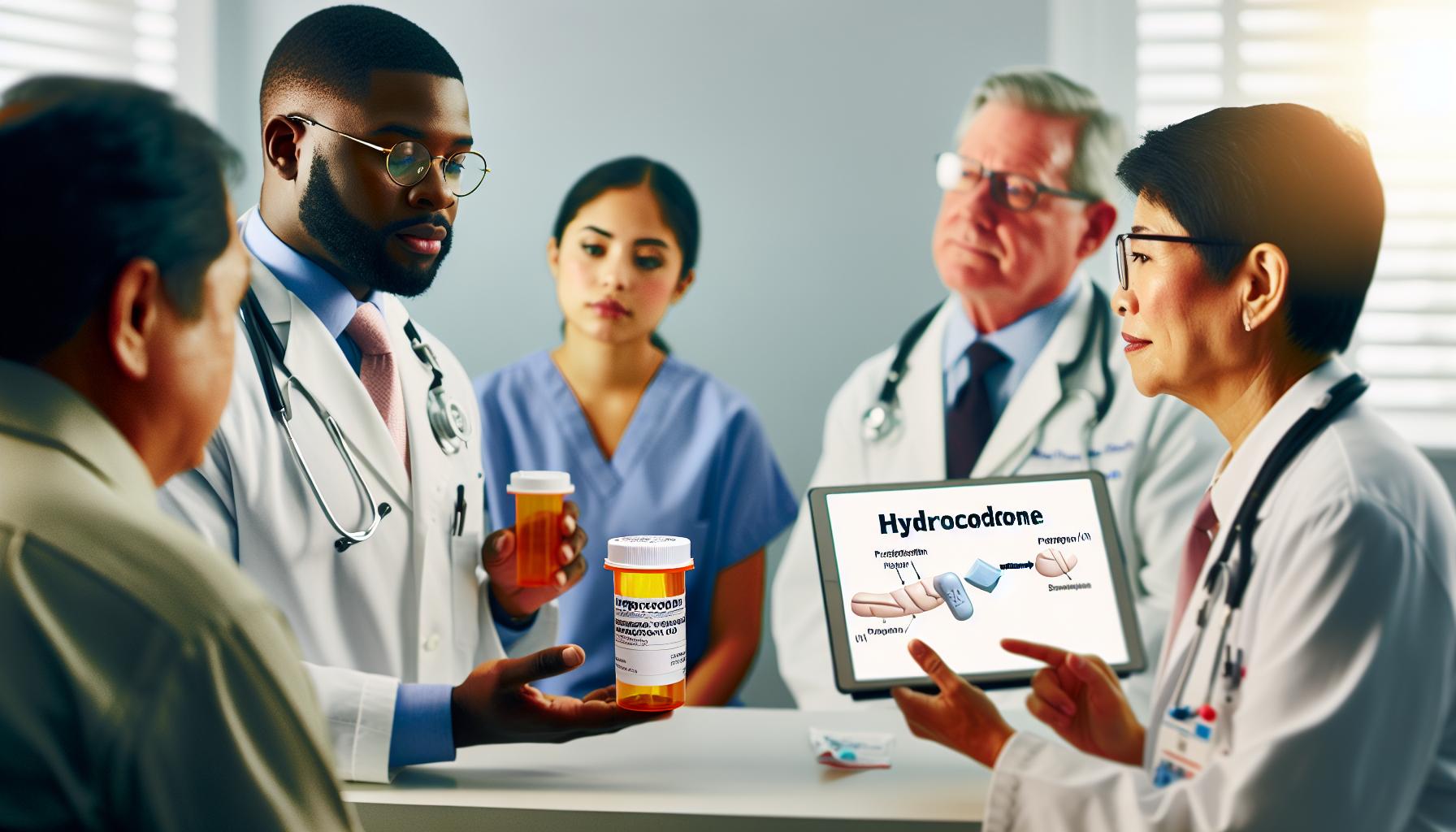
What is Hydrocodone and How It Works
Hydrocodone, a powerful opioid analgesic, is widely used to manage moderate to severe pain. It works by binding to specific receptors in the brain, known as opioid receptors, which alters the perception of pain and can also produce feelings of euphoria. This dual action makes it effective for pain relief but also contributes to its potential for misuse and addiction. As a semi-synthetic derivative of codeine, hydrocodone is often combined with non-opioid pain relievers like acetaminophen or ibuprofen, aimed at increasing its analgesic efficacy.
When hydrocodone enters the body, it is metabolized mainly in the liver, where it is converted into active metabolites. The primary metabolite, norhydrocodone, also binds to opioid receptors, enhancing the drug’s effects. The pharmacological action typically begins within 30 minutes of oral administration, with peak effects occurring around 1.5 to 3 hours. However, its half-life can vary between individuals, influenced by factors like liver function, genetic metabolism variations, and concurrent medications. Given these variables, individuals seeking pain management might benefit from a tailored approach that considers their unique physiological conditions.
Understanding hydrocodone’s mechanism not only empowers users to recognize its efficacy in pain management but also highlights the importance of adhering to prescribed dosages. Improper use or excessive dosages can lead to serious side effects, including respiratory depression, which can be life-threatening. Thus, while hydrocodone may offer substantial relief, it is crucial to engage with healthcare professionals to ensure safe and responsible usage. This dialogue is particularly important for anyone considering methods like cold water extraction, which aims to isolate hydrocodone for increased potency but carries its own set of risks and considerations.
In summary, hydrocodone serves a significant role in pain management, but its potent effects mandate a careful, informed approach. Users are encouraged to remain proactive in their health decisions and to consult with medical professionals to devise the best strategies for their pain relief needs.
Key Safety Precautions for Cold Water Extraction
Engaging in cold water extraction (CWE) to isolate hydrocodone can be hazardous if proper safety precautions are not followed. While many seek this method for a purported enhancement in potency, the risks associated with misuse or improper techniques can overshadow its intended benefits. Understanding the potential dangers and taking proactive steps can help mitigate these risks, ensuring that individuals remain safe while pursuing pain management or personal experimentation.
First and foremost, it is crucial to use CWE as a method for isolating hydrocodone only as prescribed by a healthcare professional. Self-medicating with extracted hydrocodone can lead to serious health issues, including overdose, as users may inadvertently consume more than the intended dose. Additionally, the extraction process can produce impurities that might enhance the risk of adverse reactions. It is essential to evaluate your current medications and discuss any plans for CWE with a healthcare provider to avoid interactions that could lead to increased side effects or reduced efficacy.
Moreover, maintaining a clean environment during the extraction process is vital. Contaminants can easily enter the solution, leading to unwanted effects or infections. Ensure that all utensils and containers used in the extraction are sterile and that the workspace is clean. Additionally, proper hydration during the extraction and subsequent consumption phases can help alleviate potential side effects, such as nausea or dehydration, which are more prevalent when manipulating hydrocodone dosage forms.
- Consult a Healthcare Professional: Always discuss the method of CWE with a physician to ensure it is appropriate for your health condition.
- Use Sterile Equipment: Ensure all tools and containers are clean to avoid contamination.
- Stay Informed: Educate yourself on the potential risks and side effects associated with both hydrocodone and CWE.
- Monitor Your Dosage: Be mindful of the amount you are extracting and consuming to avoid overdose.
Remember, the goal is not simply to increase potency but also to prioritize safety and efficacy. If you find that CWE is not providing the benefits you seek, or if you experience challenges, reach out to a medical professional who can help you explore safer and approved alternatives. Your health should always come first, and there are numerous strategies to manage pain effectively without resorting to potentially risky procedures.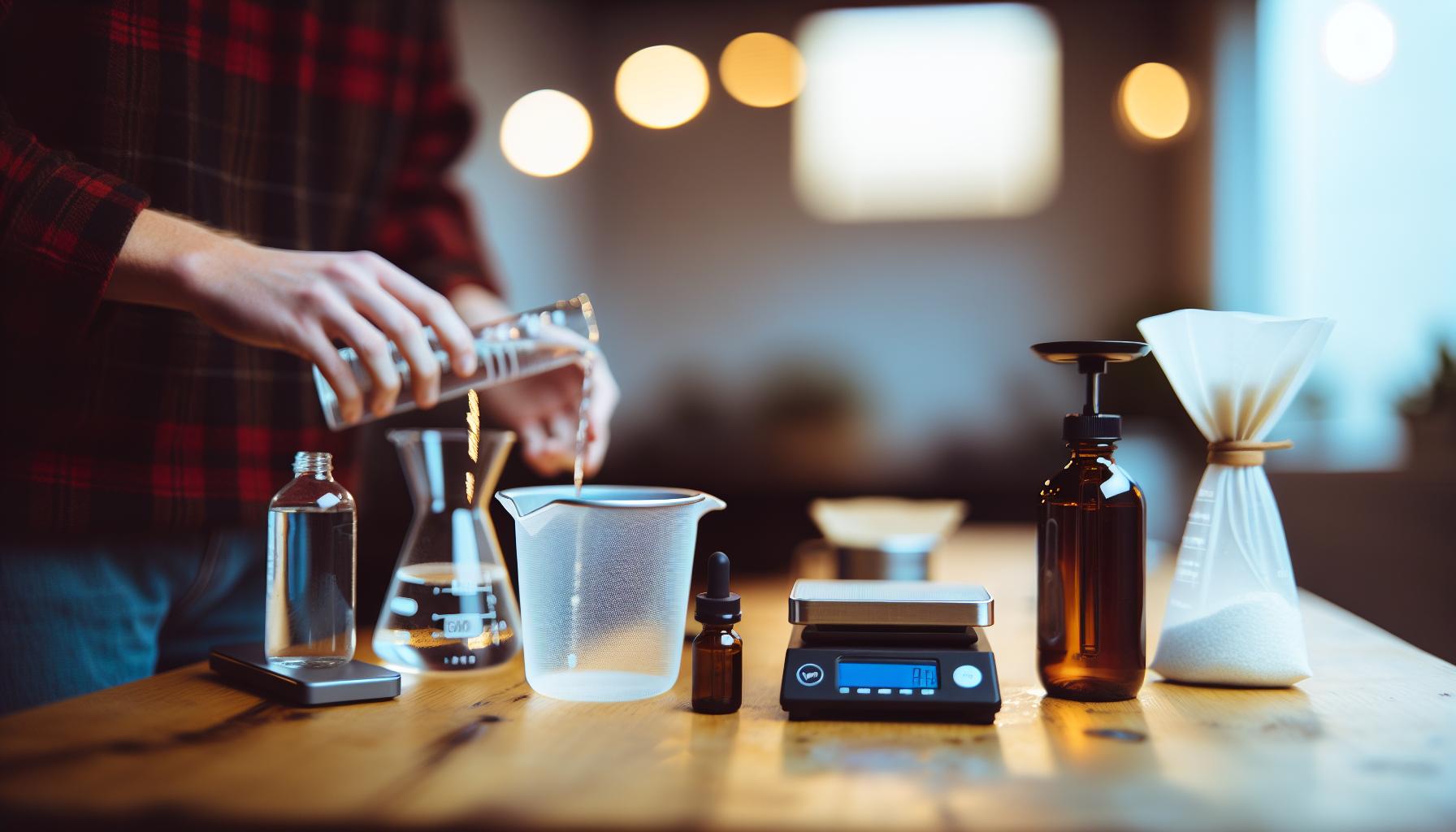
Essential Supplies for Cold Water Extraction
Ensuring you have the right supplies for cold water extraction (CWE) is essential to achieving a successful and safe outcome. This process requires careful organization and attention to cleanliness to avoid contamination and ensure potency. A well-prepared setup not only streamlines your handling of hydrocodone but also minimizes the risks associated with the extraction process.
To start, you will need an assortment of basic supplies. Here’s a list of essential items that should be gathered before you begin:
- Cold Water: The primary medium for extraction; using clean, distilled water is recommended.
- Ice: Keeping the water as cold as possible enhances the separation of hydrocodone.
- Glass or Plastic Container: A clean vessel for mixing the solution; glass is preferable for its ease of cleaning.
- Spoon or Stirring Rod: For mixing; ensure it is sterilized to prevent contamination.
- Filter (e.g., coffee filter or fine mesh strainer): Essential for separating the liquid from the insoluble binders and fillers.
- Bowl or Secondary Container: For collecting the filtered liquid after extraction.
- Syringe or Dropper: Helpful for measuring and administering the extracted hydrocodone accurately.
Creating a sterile environment is paramount. Clean all the equipment with hot, soapy water followed by a rinse with distilled water. Sterilizing your workspace with alcohol wipes or a disinfectant spray can further reduce the risk of contamination. Keeping the extraction area organized will help streamline the process and ensure that you have easy access to each item as needed.
Additionally, consider using gloves and a mask during the extraction process to prevent the introduction of bacteria and to protect yourself from potential exposure to hydrocodone residues. Remember, the goal of CWE is to isolate hydrocodone safely and effectively, so thorough preparation and attention to detail regarding your supplies can make a significant difference in the outcome. Always consult with a healthcare professional to discuss any concerns or questions about the extraction process.
Step-by-Step Process for Effective Extraction
To achieve a successful extraction of hydrocodone through cold water extraction (CWE), it’s crucial to proceed methodically. This process not only involves specific techniques but also a strong emphasis on safety and cleanliness to ensure that the final product is both effective and safe for use.
Start by preparing your workspace. Ensure that your hands, surfaces, and tools are thoroughly cleaned. Gather your supplies, including the cold water, ice, and extraction container, and organize them for easy access. Begin the extraction process by pouring the cold water into the mixing container. The colder the water, the better it will separate hydrocodone from the binders in the medication. Adding ice ensures that the water maintains a low temperature throughout the procedure.
Once your cold water is ready, introduce the hydrocodone-containing medication into the container. Stir the mixture gently but thoroughly to ensure that the medication dissolves in the water without creating excessive heat. Allow the mixture to sit for approximately 20 to 30 minutes; this resting period is essential, as it enables the hydrocodone to separate from its fillers.
After the resting period, it’s time to filter the solution. Use your filter (such as a coffee filter or fine mesh strainer) to strain the liquid into a secondary bowl. This step removes the unwanted solid residues while retaining the hydrocodone-infused liquid. Make sure to squeeze or press the filter to extract as much liquid as possible. Discard the solid remnants carefully.
Following filtration, you now have the liquid containing your extracted hydrocodone. Use a syringe or dropper to measure out your dosage accurately for later use. Pay attention to your initial dosage, especially if you’re new to CWE, and be cautious to avoid potential adverse effects. Remember, the extraction process should always be approached with mindfulness regarding health implications, and consulting with a healthcare professional is advisable for personalized guidance.
Common Mistakes to Avoid During Extraction
During the cold water extraction (CWE) process for hydrocodone, avoiding common pitfalls can significantly influence both the effectiveness and safety of the extraction. One common error is assuming that all medications dissolve equally in cold water. It’s crucial to understand that the temperature of the water plays a pivotal role; colder water enhances the separation of hydrocodone from binders. Failing to use sufficiently cold water or neglecting to add ice can lead to lower yields or, worse, residual fillers remaining in your final solution.
Another frequent mistake is overlooking the resting period. After mixing the medication with cold water, allowing it to sit undisturbed for 20 to 30 minutes is essential. This process gives hydrocodone enough time to separate properly. Rushing this step can result in an ineffective extraction, as not all the active ingredient will be adequately dissolved. Additionally, when filtering the solution, using an improper filter type or not filtering thoroughly can leave behind significant amounts of hydrocodone. Always opt for a fine mesh strainer or coffee filter and ensure you press or squeeze the filter to maximize liquid recovery.
Furthermore, measuring dosages without precision is a notable mistake. When using the extracted liquid, use a syringe or dropper for accurate dosage. Overestimating the dosage can lead to adverse effects, especially for those new to CWE. Always start with a lower dose to gauge your body’s reaction. It is important to remember that CWE should not be treated lightly; if you are unsure about your extraction or its dosage, consulting a healthcare professional is always advisable. This ensures that you are considering both the potency of your extraction and your personal health context.
How to Ensure Purity in Your Extraction
Ensuring the purity of your extraction is pivotal to obtaining a safe and effective solution when performing cold water extraction (CWE) for hydrocodone. A significant factor in achieving this purity lies in the meticulous selection of materials and methods throughout the process. Using high-quality medications, preferably from reputable sources, can minimize contaminants and ensure that you’re starting with a reliable base. Additionally, the temperature of the water is crucial; colder temperatures not only facilitate the effective separation of hydrocodone from its binders but also help prevent unwanted substances from dissolving into your final solution.
Another important step in enhancing purity is the filtration method employed after the extraction. Opting for ultra-fine mesh filters or multiple layers of coffee filter paper can significantly reduce the presence of residual fillers. After the initial pour, it’s advisable to perform a second filtration to ensure that any remaining particulates are removed. If you’re using a common kitchen strainer, consider adding a coffee filter or a specialized filter bag to maximize the effectiveness of this step. The pressure applied during this process can also affect purity; gently pressing or squeezing the filter can help extract more liquid while leaving impurities behind, but care must be taken to avoid forcing solid particles through.
It is also beneficial to understand the solubility of different compounds in your extraction. During CWE, some individuals mistakenly assume that all components dissolve uniformly. Familiarizing yourself with which ingredients (such as paracetamol or aspirin) might remain in the solution can guide your technique and cover any necessary precautions. Always keeping the extraction process clean-using sterile tools and containers-can prevent contamination from external sources. Start with a clean, organized workspace and properly sanitize all utensils to maintain a high level of hygiene throughout the process.
Lastly, to validate your extraction’s purity and potency, consider consulting with a healthcare professional or a licensed pharmacist. They can provide insights specific to your extraction method and help assess its safety and effectiveness. This step not only ensures that you are well-informed but also empowers you to make educated decisions regarding your health and well-being while utilizing CWE for hydrocodone. Always prioritize safety and stay within prescribed guidelines for use.
Understanding Potency and Dosage After Extraction
Understanding how potency and dosage can change after performing cold water extraction (CWE) is crucial for anyone considering this process for hydrocodone. The extraction method aims to separate the active ingredient (hydrocodone) from potential contaminants or inactive ingredients, which can lead to variability in the final product’s strength. This variability makes it important for users to have a clear understanding of both the correct dosage and the potency of their extracted solution.
To begin with, the concentration of hydrocodone in your final product will depend on several factors, including the initial strength of the medication used and the efficiency of your extraction process. It’s essential to remember that not all of the hydrocodone may separate perfectly during CWE, and some amount could remain with the fillers, which might affect both potency and safety. Therefore, it’s advisable to start with a low dose of the extracted solution and gradually increase it only after you have gauged its effects.
When recalibrating your understanding of dosage, it can be beneficial to refer to the original medication’s dosage guidelines. For instance, if you started with a 300 mg tablet of hydrocodone/paracetamol and successfully extracted 70% of the hydrocodone, your effective dose would now be considerably different than what the original pill suggests-calculating a new dosage based on your extraction efficiency is essential. Keeping a dosing journal during your experimentation can help track how your body responds to various amounts of extracted hydrocodone, allowing for a tailored and safer user experience.
Moreover, consider consulting with a healthcare professional before using extracted medications. They can offer personalized advice on navigating the complexities of opioid dosages, ensuring that you remain within safe consumption limits. This guidance is especially vital for those with varying tolerance levels or pre-existing health conditions, which can alter how one metabolizes hydrocodone. Remember that while CWE can create a more potent form of the drug, it also carries inherent risks-making precision in dosage paramount for safe use. Always prioritize health and safety over experimental pursuits in medication management.
Post-Extraction: Storage and Usage Tips
Storing and using your extracted hydrocodone requires a thoughtful approach to ensure both safety and efficacy. After successfully completing the cold water extraction process, it is essential to store the resulting solution properly to maintain its potency and safety. Improper storage could lead to degradation, contamination, or even accidental misuse, so take heed of the following guidelines:
Storage Guidelines
To preserve the quality of your extracted hydrocodone, consider the following storage tips:
- Use a dark, airtight container: Light and air can degrade the potency of your extracted solution. Storing it in a dark glass vial or a tightly sealed plastic container can help protect it from light exposure and contamination.
- Refrigerate if necessary: Depending on the concentration of hydrocodone and other components, refrigeration may be beneficial. Cool temperatures can help slow degradation. However, make sure not to freeze the solution, as freezing can alter its chemical composition.
- Keep out of reach: Whether or not the hydrocodone is extracted, it is critical to store it in a location that is inaccessible to children or pets to prevent accidental ingestion.
- Label clearly: Including the date of extraction and concentration details on the container can help you keep track of its freshness and dosage potency.
Usage Tips
When it comes to using your extracted hydrocodone, it’s essential to approach it with caution. Here are some practical tips:
- Start with a low dose: After extraction, the potency may differ from what is indicated on the original commercial product. Begin with a conservative dose to assess how your body reacts.
- Consult a healthcare professional: Before consuming the extracted product, it is best practice to consult with a healthcare provider, especially if you have existing medical conditions or are on other medications. They can help you understand the potential risks and interactions.
- Keep a dosing journal: Maintaining records of your dosage, effects, and any side effects can provide invaluable insights into how your body responds over time, enabling you to adjust dosages safely.
- Be mindful of your surroundings: Use the extracted hydrocodone in a safe setting where assistance is available, if needed, especially during the initial uses.
Keeping these strategies in mind can significantly enhance the safety and effectiveness of your extracted hydrocodone. Always remember that while extraction may alter the concentration and availability of the drug, it also introduces additional risks, underscoring the importance of responsible usage and storage.
Legal Considerations Surrounding Hydrocodone
Navigating the legal landscape surrounding hydrocodone is crucial for anyone considering its extraction and use. In many jurisdictions, hydrocodone is classified as a Schedule II controlled substance due to its potential for abuse and addiction. This classification imposes strict regulations on its prescription, possession, and distribution. Engaging in cold water extraction for personal use falls into a legal gray area that can vary significantly based on local laws. For instance, while obtaining a prescription for hydrocodone is legal, modifying the substance through extraction methods may be viewed differently under state or federal law.
Individuals should be aware that possessing extracted hydrocodone without a prescription can lead to serious legal consequences, including fines or criminal charges. Authorities often scrutinize any deviations from authorized medical use, meaning that even well-intentioned attempts at self-medication can result in legal repercussions. It’s essential to familiarize yourself with local regulations and consult legal experts when in doubt. Healthcare professionals can also provide guidance on legitimate uses of hydrocodone, emphasizing the importance of following medical advice to avoid possible legal issues.
Moreover, there is a push for stricter enforcement of regulations related to opioids due to the ongoing opioid crisis. As a result, any misstep in handling or using hydrocodone, including the extraction process, may attract unwanted attention from law enforcement. To stay safe, consider exploring alternative pain management strategies that don’t involve controlled substances, and always adhere to medical guidelines prescribed by a healthcare professional. Understanding the legal framework surrounding hydrocodone not only fosters responsible use but also promotes safer health outcomes.
Exploring Alternatives to Cold Water Extraction
can open up new avenues for safe and effective pain management without the risks associated with hydrocodone tampering. Many individuals, whether due to concerns about legal repercussions, health risks, or personal ethics, may seek methods that provide similar relief without the complicated extraction processes. Natural pain relief options are gaining momentum, and it’s important to consider well-researched alternatives.
One effective alternative is the use of over-the-counter (OTC) pain relievers such as ibuprofen or acetaminophen. These medications can manage mild to moderate pain effectively and are accessible without a prescription. For instance, combining a non-steroidal anti-inflammatory drug (NSAID) like ibuprofen with acetaminophen can enhance pain relief without the addictive risks associated with opioids. Always consult with a healthcare professional to determine the appropriate dosage and combination based on individual health profiles.
For those interested in natural methods, several herbal supplements have shown promise in alleviating pain; these include turmeric (curcumin), ginger, and willow bark. Each of these contains anti-inflammatory properties that can help reduce pain naturally. Additionally, physical therapy, acupuncture, and massage therapy are non-pharmaceutical methods that provide effective pain relief and can improve overall mobility and well-being. Engaging in regular physical activity, even at a moderate level, can also help reduce chronic pain symptoms over time.
With the surge in interest in dietary approaches, it’s also worth exploring dietary modifications that can support pain management. For example, adopting an anti-inflammatory diet rich in fruits, vegetables, whole grains, and omega-3 fatty acids can assist in reducing overall inflammation in the body. Staying hydrated and minimizing processed foods can also have a positive impact on pain levels.
When considering these alternatives, it’s crucial to remember that everyone’s experience is unique. A healthcare professional can guide you in navigating these options and tailoring a pain management plan that best suits your needs and lifestyle. This working partnership ensures a holistic approach to health and pain management, steering clear of the risks and legal implications associated with cold water extraction practices.
User Experiences: Success Stories and Challenges
Many individuals seeking relief from chronic pain have turned to cold water extraction (CWE) as an alternative method to maximize the efficacy of hydrocodone while minimizing unwanted additives. User experiences surrounding CWE can vary widely, presenting both remarkable success stories and significant challenges that others may face.
Success stories often highlight the ability to achieve effective pain management with less risk of adverse effects compared to traditional usage methods. Users report feeling empowered by the process, gaining greater control over their intake of hydrocodone while avoiding the side effects often associated with unmodified medications. For instance, some individuals experienced relief from debilitating pain conditions, enabling them to reclaim their daily activities without the overwhelming sedative effects that can accompany standard dosages. These users often share that CWE has allowed them to find a more sustainable pain management approach, emphasizing how vital education about the procedure was to their success.
However, challenges are also common within the CWE community. Many users have reported difficulties with achieving consistent results, often attributing this to variations in hydrocodone formulations or their own extraction techniques. One of the most significant hurdles is ensuring the purity of the final product, as improper methods can lead to unwanted impurities that diminish the intended effects or create unforeseen health risks. Additionally, some users have faced potential legal issues, as the act of modifying prescription medications can conflict with regulations in certain regions. Community discussions frequently center around the importance of thorough research and understanding legal implications-an essential step for anyone considering CWE as a viable option for pain management.
Engaging with user experiences can provide invaluable insights for newcomers while highlighting the significance of safety and efficacy. Building a support network where individuals can share their experiences and tips enhances the learning journey, ultimately guiding those interested in CWE towards safer practices and better outcomes. As with all health-related decisions, consulting with healthcare professionals is a critical step to ensure compliance with medical guidelines and personal health considerations.
Frequently asked questions
Q: What is the best temperature for cold water extraction of hydrocodone?
A: The best temperature for cold water extraction of hydrocodone is typically around 4°C (39°F). Using very cold water helps to limit the solubility of other compounds while effectively extracting hydrocodone, ensuring a cleaner end product. For optimal results, refrigerate the water beforehand.
Q: How does the cold water extraction method compare to other extraction methods for hydrocodone?
A: Cold water extraction is safer and less chemically complex compared to methods like chemical solvent extraction. It minimizes the risk of toxic residue and is more accessible for individuals looking to reduce impurities while isolating hydrocodone. This method also yields a more controlled potency.
Q: Can cold water extraction affect the potency of the final product?
A: Yes, cold water extraction can affect potency. If done correctly, it isolates hydrocodone efficiently while limiting other, less desired compounds that may alter its effects. Ensure you follow proper techniques to maintain the desired potency.
Q: Is cold water extraction suitable for all formulations of hydrocodone?
A: No, cold water extraction is not suitable for all formulations, particularly those that contain additional active ingredients like acetaminophen. It is primarily effective for pure hydrocodone tablets. Always check the formulation before proceeding with extraction.
Q: What are the signs of a successful cold water extraction?
A: Signs of a successful cold water extraction include a clear aqueous solution with minimal particulate matter and a powder or residue that settles at the bottom. A noticeably lighter color in the extracted liquid compared to the original mixture is also a good indicator of effective purification.
Q: How can one ensure safety while performing cold water extraction?
A: Ensure safety by using clean, sterile equipment, performing the extraction in a well-ventilated area, and wearing protective gloves and eyewear. Follow legal guidelines regarding hydrocodone handling, and consult with a healthcare provider before proceeding.
Q: What should I do if the extraction doesn’t yield clear results?
A: If your extraction doesn’t yield clear results, check your water temperature, extraction time, and the original formulation’s purity. You may need to repeat the process while following the step-by-step guidelines closely to improve clarity and effectiveness.
Q: Are there resources for learning more about cold water extraction safety?
A: Yes, resources such as the FDA guidelines on prescription drug safety and reputable online medical forums can provide critical insights. Consult with healthcare professionals about practices and safety precautions related to hydrocodone and cold water extraction techniques.
Wrapping Up
Thank you for exploring our comprehensive guide on Cold Water Extraction for Hydrocodone! As you consider implementing these techniques, remember that taking the right precautions is crucial for your safety and success. If you’re interested in learning more about safe handling of prescription medications, check out our articles on “Understanding Opioids” and “Safe Medication Practices” for additional insights.
We encourage you to subscribe to our newsletter for ongoing tips and resources that empower your health journey. Don’t hesitate to share your thoughts or questions in the comments below-we’re here to support your learning! If you’re looking for personalized advice, consult with a healthcare professional who can provide guidance tailored to your needs. Stay informed and proactive about your health, and we look forward to having you back for more valuable content!