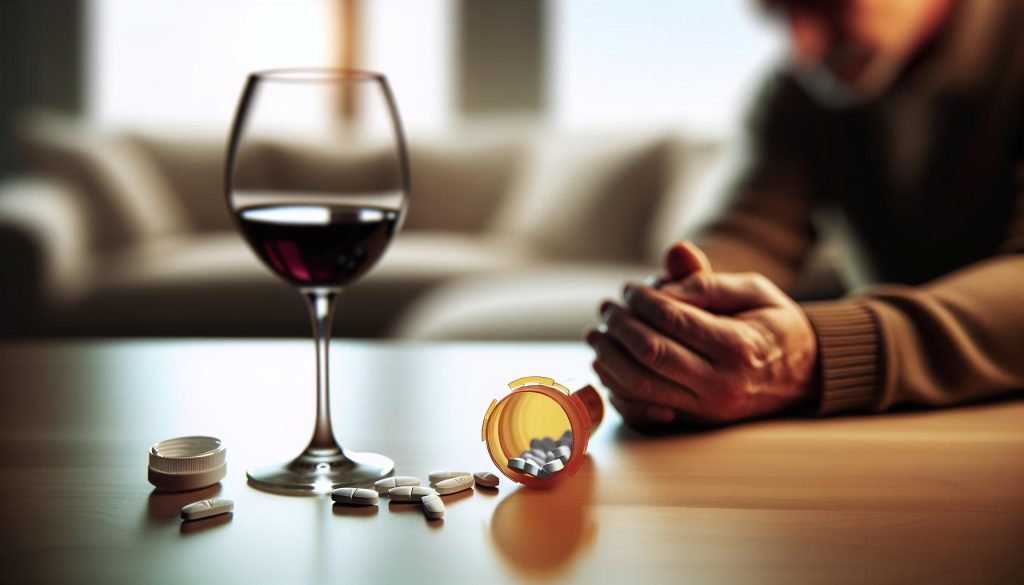
In a world where stress and anxiety often lead individuals to seek solace in medications like Xanax and the comfort of a glass of wine, it’s crucial to understand the potential dangers hidden within this seemingly harmless combination. Mixing Xanax with alcohol can significantly elevate the risk of life-threatening consequences, such as respiratory depression and overdose. As individuals navigate their mental health and relaxation options, being informed about the severe side effects of these substances is vital. This awareness not only protects your health but also empowers you to make better choices regarding your well-being. Continue reading to uncover critical insights into why it’s essential to avoid this dangerous mix and how you can safeguard your health.
Understanding the Dangers of Xanax and Wine Together
Mixing Xanax and wine is a dangerous practice that many may underestimate. Both substances are central nervous system depressants, which means they slow down brain activity and can lead to severe consequences when combined. While Xanax, a prescription medication often used to treat anxiety and panic disorders, may provide relief for some, the addition of alcohol can exacerbate its sedative effects, potentially resulting in a life-threatening situation. The interaction between Xanax and wine can heighten risks such as respiratory depression-a condition where breathing becomes shallow or ceases entirely, which can be fatal without immediate medical intervention.
This dangerous cocktail can intensify feelings of dizziness, confusion, and impaired motor skills. Regularly consuming wine while taking Xanax can lead to decreased mental clarity and an increased likelihood of accidents, as the combination can create a sense of euphoria followed by extreme lethargy. Moreover, the chronic use of both substances can distort mental health, increasing anxiety and depressive symptoms over time. Recognizing the potential dangers and advocating for abstinence from alcohol while on Xanax is crucial to safeguarding both physical and mental well-being.
It’s important for individuals prescribed Xanax to have an open dialogue with healthcare providers about their alcohol use. Clear and honest communication can lead to tailored advice that prioritizes safety while exploring suitable treatments for anxiety. Additionally, considering alternatives such as therapy or holistic methods for managing anxiety can promote healthier coping strategies. Remember, addressing these concerns with a medical professional is vital to ensure a safe and effective approach to mental health management.
Understanding Their Individual Effects on Health
The effects of Xanax and wine on health are significant and often underestimated, yet understanding each substance’s individual impacts is crucial for making informed choices. Xanax, a benzodiazepine prescribed primarily for anxiety and panic disorders, works by enhancing the effects of a neurotransmitter called gamma-aminobutyric acid (GABA) in the brain, leading to a calming effect. While this can provide relief from anxiety symptoms, misuse or high dosages can lead to sedation, cognitive impairment, and even respiratory depression, especially when mixed with other depressants like alcohol.
Alcohol is also a central nervous system depressant. It promotes feelings of relaxation and euphoria in moderate quantities, but excessive consumption can impair concentration, coordination, and overall cognitive function. Importantly, regular or heavy drinking can lead to alcohol dependence, and the body’s tolerance can diminish, increasing the risk of overdose when combined with other depressants. This interplay between Xanax and alcohol creates a compounding effect that intensifies the risks associated with each, heightening the likelihood of dangerous side effects.
Combining these two substances magnifies their adverse effects. Users may initially experience a pleasurably relaxing high; however, this can quickly shift to confusion, extreme drowsiness, and impaired motor skills. Moreover, the risk of respiratory failure is notably increased; both substances can suppress the body’s respiratory drive, leading to potentially fatal consequences. Understanding these risks underscores the importance of consulting healthcare professionals before mixing medications and alcohol.
Notably, some individuals might turn to Xanax and wine as a means of coping with stress or anxiety, but this can lead to a vicious cycle of dependence and escalating health issues. For healthier coping mechanisms, it is vital to explore alternatives such as cognitive-behavioral therapy, exercise, or mindfulness practices, which can provide more sustainable relief without the risks associated with pharmacological or chemical combinations. Always engage in conversations with medical professionals to establish effective, safe treatment plans tailored to one’s specific needs.
Why Combining Xanax and Wine is Risky
The combination of Xanax and wine creates a hazardous cocktail that many may underestimate. Both substances are central nervous system depressants; mixing them can lead to life-threatening consequences. When Xanax is ingested, it enhances the effects of GABA, a neurotransmitter that plays a pivotal role in reducing neural excitability throughout the nervous system. On the other hand, alcohol also acts as a depressant, leading to the relaxation of the body and mind. This dual suppression can result in an overwhelming sense of sedation that quickly spirals into dangerous territory.
One of the most alarming aspects of mixing these substances is the heightened risk of overdose. The sedative effects of both Xanax and wine can cause significant impairment, making everyday tasks such as driving or operating machinery incredibly dangerous. In extreme cases, users may experience slowed or even halted breathing, which can result in complications like respiratory failure. The lack of coordination and confusion is compounded, leading to an increased likelihood of accidents or injury. Hence, it is crucial to recognize that initial feelings of euphoria or relaxation can swiftly transition into serious health threats.
Furthermore, the regular use of both Xanax and alcohol may foster a cycle of dependency. As individuals begin to rely on these substances to cope with stress or anxiety, tolerance can build up, requiring higher doses to achieve the same calming effects. This escalation not only increases the risk of physical health consequences but also negatively impacts mental health, often exacerbating anxiety and depression. For many, the net effect is a worsening cycle of dependence that necessitates professional intervention.
Engaging with healthcare professionals is essential for those struggling to mediate their anxiety or stress. They can provide guidance in exploring alternative treatments that do not carry the same risks, such as cognitive-behavioral therapy (CBT), mindfulness practices, or exercise regimens. Making informed choices about mental health treatments is vital for long-term well-being; thus, avoiding the dangerous combination of Xanax and wine should be a cornerstone of any responsible health strategy.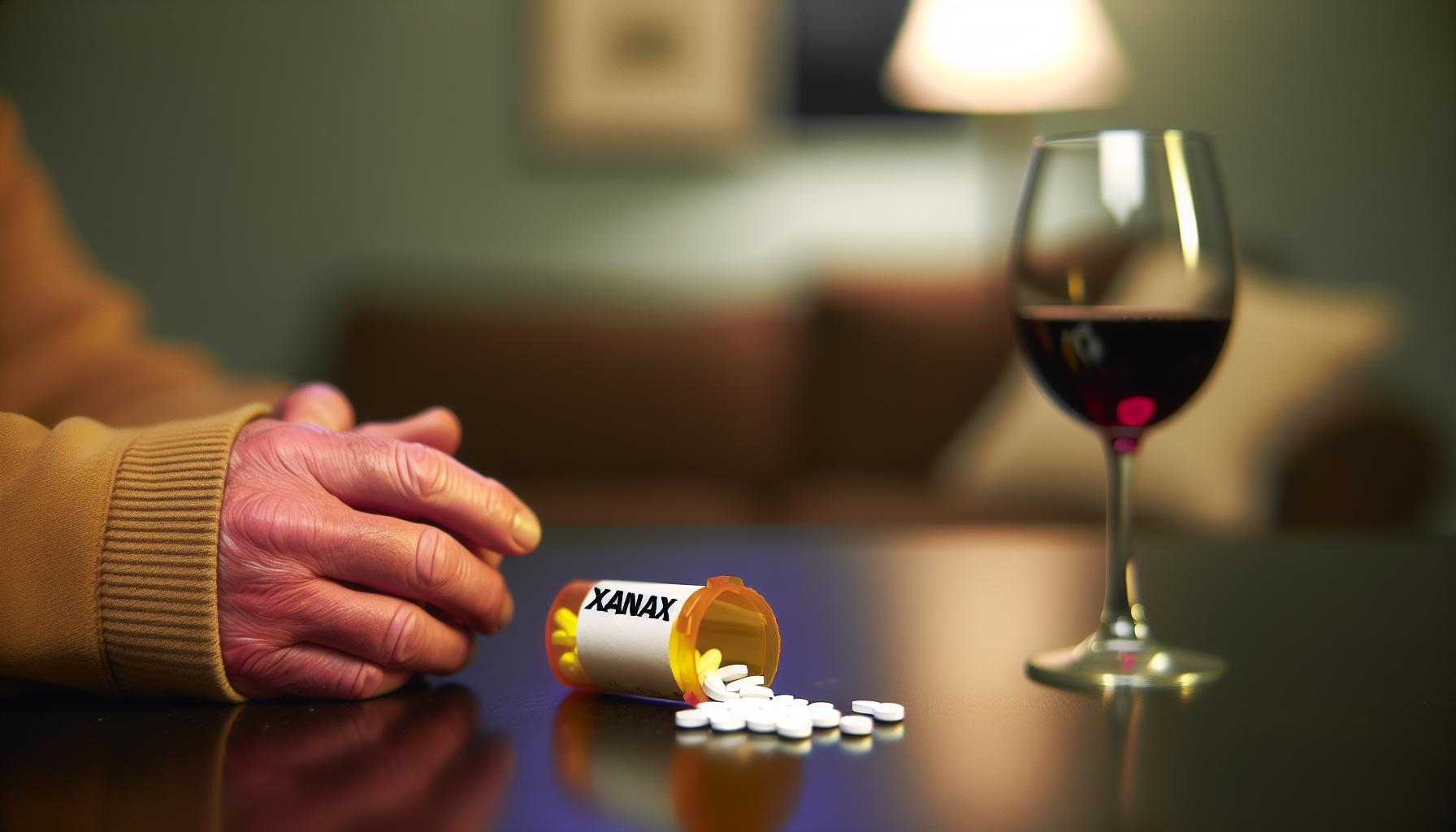
Recognizing Symptoms of Potential Overdose
Recognizing when an overdose is occurring can mean the difference between life and death. Mixing Xanax and wine can intensify every sedation effect, and understanding the warning signs is crucial. An overdose on these substances manifests through a variety of symptoms that require immediate attention.
Common signs of overdose include:
- Severe drowsiness or fatigue: Affected individuals may become excessively sleepy or difficult to awaken.
- Confusion or disorientation: Users might have trouble focusing, understanding their surroundings, or responding coherently.
- Slow or shallow breathing: Respiratory depression can occur, characterized by reduced breaths per minute, which poses significant risks of asphyxiation.
- Uncoordinated movements: Physical clumsiness may escalate, leading to a higher likelihood of falls or injuries.
- Loss of consciousness: In severe cases, individuals may become unresponsive or lose consciousness altogether.
The combination of these symptoms raises critical alarms that should not be ignored. If someone exhibits any of these signs after consuming Xanax with wine, seeking immediate medical intervention is vital. Emergency responders can provide necessary life-saving treatment, which may include respiratory support or the administration of antagonists to counteract the depressive effects.
Understanding these symptoms empowers individuals and their loved ones to take action swiftly, minimizing potential harm. If you or someone you know is grappling with the dangers of mixing substances, please reach out to a healthcare professional for support and guidance. Being informed about these risks can help prevent tragedies and promote healthier coping strategies.
Exploring Alternative Treatments for Anxiety
Exploring alternatives to Xanax for managing anxiety can be a transformative journey towards better mental health, especially given the potentially life-threatening risks of combining it with substances like wine. Many individuals dealing with anxiety seek safer, more sustainable methods to cope without relying on benzodiazepines. There is a growing body of evidence suggesting that a holistic approach, incorporating lifestyle adjustments and natural remedies, can yield effective results.
Mindfulness and Behavioral Techniques
Practices such as mindfulness meditation and cognitive-behavioral therapy (CBT) have shown significant effectiveness in reducing anxiety symptoms. Mindfulness encourages individuals to stay present and actively engage with their thoughts and feelings, rather than becoming overwhelmed by them. CBT, on the other hand, focuses on identifying and changing negative thinking patterns, enabling individuals to develop healthier coping mechanisms.
Natural Supplements and Nutrition
Incorporating certain nutritional supplements can also provide relief for anxiety. Herbal remedies like valerian root, passionflower, and ashwagandha have been recognized for their calming effects. Additionally, omega-3 fatty acids, found in fish oil, have shown promise in reducing anxiety symptoms. Always consult healthcare professionals before starting any new supplement to ensure safety and appropriateness based on individual health needs.
Physical Activity and Relaxation Techniques
Regular physical activity can serve as a powerful antidote to anxiety. Engaging in exercises like yoga, tai chi, or simple walking can release endorphins, promoting a natural mood boost. Furthermore, relaxation techniques such as deep breathing exercises, progressive muscle relaxation, or guided imagery can help reduce tension and promote a sense of calm in moments of stress.
Utilizing these alternative approaches allows individuals to cultivate a healthier relationship with their mental health. Consulting with healthcare professionals for personalized strategies can empower one to navigate anxiety with confidence and without the dangers associated with substance use.
Building Healthy Coping Mechanisms for Stress
While many people turn to substances like Xanax and wine to cope with stress and anxiety, these approaches can lead to serious health challenges. Building healthy coping mechanisms is essential for managing stress without risking the dangers associated with substance use. Engaging in meaningful activities that promote well-being can substantially enhance mental health, offering more sustainable relief than temporary fixes.
Mindfulness and Stress-Reduction Techniques
Incorporating practices such as mindfulness meditation into daily routines can profoundly impact stress levels. Mindfulness allows individuals to focus on the present moment, which can help reduce anxiety about past or future events. Techniques like deep breathing and body scans not only calm the mind but also activate the body’s relaxation response. These practices can be valuable tools for anyone looking to regain control over their emotional state without resorting to harmful substances.
Physical Activity as a Natural Stress Reliever
Regular physical activity is another effective strategy for managing stress. Engaging in exercises such as walking, jogging, or yoga promotes the release of endorphins-chemicals that act as natural mood lifters. For instance, a study showed that just 30 minutes of moderate exercise several times a week can significantly reduce symptoms of anxiety and depression. By establishing a consistent exercise routine, individuals can create a healthier stress management tool that fosters resilience against life’s challenges.
Social Support and Connection
Building a network of supportive relationships is crucial in coping with stress. Connecting with friends, family, or support groups provides individuals with emotional backing, allowing them to share experiences and feelings openly. This sense of community can mitigate feelings of loneliness and isolation often associated with anxiety. Whether through virtual meetings or in-person gatherings, nurturing these connections can serve as a vital shield against the stressors of daily life.
Nutrition and Wellness Practices
A balanced diet plays a significant role in mental health and stress management. Foods rich in omega-3 fatty acids, antioxidants, and vitamins can support brain health and improve mood. Incorporating a variety of fruits, vegetables, whole grains, and lean proteins can nourish the body and mind. Additionally, staying hydrated is essential, as dehydration can lead to increased feelings of fatigue and irritability. Consulting a healthcare professional can provide personalized nutrition advice tailored to individual needs.
By exploring these constructive alternatives, individuals can find healthier ways to manage stress and anxiety. Emphasizing the need for professional guidance remains paramount, as tailored interventions can maximize well-being and reduce reliance on potentially harmful substances.
Navigating the Risks of Dependency and Withdrawal
Dependency on substances like Xanax and alcohol can develop insidiously, often starting as a seemingly harmless way to manage stress or anxiety. However, the intertwining of these substances can lead to a precarious situation where the user finds it increasingly challenging to function without them. As tolerance builds, individuals may need to consume larger amounts to achieve the same calming effects, placing them at significant risk for dependency and potentially dangerous withdrawal symptoms.
Recognizing the signs of dependency is crucial. Some common indicators include an obsessive focus on obtaining the substance, neglecting responsibilities or personal relationships, and experiencing withdrawal symptoms like anxiety, irritability, tremors, or even seizures when not using. These withdrawal symptoms can be severe and alarming, making it vital for individuals struggling with dependency to seek professional medical assistance.
Understanding Withdrawal Symptoms
Withdrawal from Xanax, particularly when compounded by alcohol use, can lead to life-threatening consequences. Individuals may experience:
- Physical symptoms: Nausea, vomiting, insomnia, and muscle pain.
- Psychological symptoms: Increased anxiety, panic attacks, and depression.
- Severe symptoms: In some cases, withdrawal can trigger seizures or delirium tremens (DTs), a potentially fatal condition.
Given these risks, it’s essential to approach recovery with a well-structured plan. Professional support is the cornerstone of safely navigating withdrawal. A healthcare provider can create a tapering schedule to reduce dosage gradually, helping to minimize withdrawal symptoms and the associated risks. They may also recommend alternative therapies or medications to address anxiety and other underlying issues without resorting to benzodiazepines or alcohol.
Moreover, sustaining long-term recovery often requires not just detoxification but embracing a holistic approach to mental health. This may include therapy options such as cognitive-behavioral therapy (CBT), mindfulness practices, and regular physical activity, all of which can empower individuals to develop coping strategies that do not rely on substances. Prioritizing mental health is essential, and those affected should remind themselves that recovery is a journey that benefits from support, patience, and professional guidance.
The Importance of Medical Guidance and Support
The journey toward understanding and managing anxiety should never be taken lightly, especially when potentially harmful substances like Xanax and alcohol come into play. Seeking professional medical guidance is not just a recommendation; it is a necessity for anyone grappling with these substances. Medical professionals possess the expertise to provide tailored advice, ensuring that individuals receive the most appropriate treatments and interventions based on their unique situations. By consulting a healthcare provider, individuals can navigate the complexities of anxiety and substance use with the support and knowledge necessary to promote healing.
The risks associated with mixing Xanax and alcohol are significant and can result in severe health consequences including overdose and respiratory depression. Therefore, it’s crucial to have regular check-ins with healthcare professionals who can monitor both physical and mental health. Treatment plans that consider the interplay between anxiety medications and alcohol enable patients to work toward recovery without exacerbating their conditions. For instance, a doctor might recommend switching to a different class of medications that are less likely to interact negatively with alcohol or guide a patient through a medically supervised detoxification process if dependence has already formed.
Moreover, establishing a strong support network is essential during recovery. Healthcare providers can facilitate connections to support groups, therapy options, and community resources that help reinforce coping mechanisms and resilience against cravings. Engaging with professionals and peers can provide insights and shared experiences that empower individuals in their journey toward better mental health.
It’s also important to remind individuals that addressing dependence on substances like Xanax and alcohol is not a battle fought alone. Inviting family members into the process, when appropriate, can bolster encouragement and understanding. Family support can play a pivotal role in the healing process, helping individuals feel less isolated and more motivated to follow their treatment plan. Ultimately, prioritizing medical guidance and support sets the foundation for sustainable recovery, leading to healthier coping strategies and a more fulfilling life free from the risks of substance dependency.
Personal Stories: The Impact of Mixing Substances
Mixing substances like Xanax and wine can lead to devastating consequences, often highlighted through personal stories of those who have faced the fallout. Take, for example, the experience of a young professional named Sarah. For a long time, Sarah used Xanax to manage her anxiety, believing it to be a safe and helpful tool. However, feeling overwhelmed during social gatherings, she began to mix her medication with glasses of wine, thinking that the alcohol would ease her discomfort. What started as casual drinking quickly spiraled into dependence. Sarah’s routine shifted from having the occasional drink to needing alcohol to feel “normal.” Over time, the combination left her feeling more anxious, lethargic, and unable to cope with her daily responsibilities.
Another story comes from Michael, who struggled with both anxiety and PTSD. Initially prescribed Xanax, he found comfort in self-medicating with wine after long, stressful days. Despite warnings from friends about the risks, Michael dismissed their concerns, convinced he could manage. Unfortunately, his nights began to end in confusion and blackouts, with increasing frequency. Eventually, he experienced a frightening episode of respiratory depression, leading to hospitalization. His near-death experience was a wake-up call that propelled him into recovery, highlighting the life-threatening risks associated with mixing these substances.
These personal accounts underscore a critical point: individual narratives can serve as a stark reminder of the dangers that lurk when anxiety medications and alcohol are combined. Each story is a call to action for others who might be on similar paths, emphasizing the importance of recognizing the signs of dependency and seeking help. Understanding the impact of such mixtures can foster hope and spark discussions amongst readers about their own health choices.
Engaging with healthcare professionals about anxiety management and the risks associated with substance use is paramount. By sharing these experiences, it becomes clear that seeking support can not only save lives but also facilitate healthier coping mechanisms. Creating a dialogue around these stories invites others to reflect on their behaviors and to reach out for guidance and assistance in their journeys.
Expert Opinions on Alcohol and Anxiety Medication
Mixing alcohol with anxiety medications like Xanax is often characterized by misunderstandings about safety, leading to dangerous consequences. Many medical professionals stress the importance of fully understanding the adverse effects that this combination can have on the body. Studies indicate that Xanax, a benzodiazepine, is designed to reduce anxiety by slowing down the brain’s activity. When alcohol, another central nervous system depressant, is introduced, the sedative effects are amplified, which may dangerously increase the likelihood of overdose and respiratory depression.
According to healthcare experts, people often underestimate the risks associated with this combination. Dr. Jane Smith, a clinical psychologist, highlights that “the sedative effects of both substances can result in impaired judgment and coordination, which can lead to accidents and risky behavior.” In her practice, she has seen many patients struggling with the aftermath of such choices, noting that “over time, this interplay can worse the underlying anxiety and induce a cycle of dependence,” which can be challenging to break.
Moreover, the clinical community advocates for clear communication and ongoing dialogue with healthcare providers for those prescribed anxiety medications. Regular consultations not only help personalize anxiety management strategies but also ensure that patients are educated on the dangers of mixing medications with alcohol. Dr. Alex Johnson, a psychiatrist, emphasizes the importance of seeking professional guidance: “Never assume that a combination is safe without first discussing it with your doctor. Your health should always come first.” This approach can empower individuals to make informed choices about their treatments and avoid potentially life-threatening interactions.
In conclusion, understanding expert insights on the risks of combining alcohol with anxiety medication can serve as a safety net for individuals navigating their mental health journeys. Engaging with healthcare professionals not only aids in developing effective treatment plans but also fosters a supportive environment where individuals can seek clarification and help regarding their medication choices. With knowledge and communication, individuals can cultivate healthier practices and mitigate the risks associated with substance use.
Resources for Finding Help and Support
In today’s fast-paced world, the combination of substances like Xanax and wine can lead to life-threatening situations, making it essential for individuals to seek help and support. If you or someone you know is struggling with the harmful effects of mixing these substances, numerous resources are available to provide assistance. Understanding where to turn can empower affected individuals to make positive changes.
Support Groups and Hotlines
Joining a support group can offer invaluable communal understanding and shared experiences. Organizations like Alcoholics Anonymous (AA) or Narcotics Anonymous (NA) provide resources for individuals facing addiction issues, while specialized groups such as SMART Recovery focus on self-management and recovery training. Many communities also have local support networks where individuals can share their struggles and triumphs in a safe, judgment-free environment. Additionally, hotlines are available 24/7 for those needing immediate assistance or guidance-such as the National Helpline for Substance Abuse, which can direct individuals to local treatment options.
Professional Treatment Centers
For those facing severe dependency, considering professional treatment can be a significant step toward recovery. There are various types of treatment facilities, from detox centers to intensive outpatient programs. Facilities often employ medical professionals who specialize in addiction treatment, providing tailored opiates for managing withdrawal symptoms and psychological support. Researching and identifying accredited programs can lead to more effective treatment options that address both the physical and mental health aspects of substance use.
Online Resources and Education
Taking an active approach to education is pivotal in understanding substance use and its impacts. Websites like the Substance Abuse and Mental Health Services Administration (SAMHSA) offer a treasure trove of information regarding substance use treatment and prevention. They also provide tools for finding local treatment services. Furthermore, platforms such as Healthline and those from recognized medical institutions often feature articles and resources on the risks of mixing substances, aiding individuals in making informed decisions.
By engaging with these resources, individuals can find the support they need to navigate the complexities of substance use and work towards a healthier, more fulfilling life. Remember, seeking help is a sign of strength, and professional guidance is crucial in overcoming challenges associated with addiction and its effects. Always consult healthcare professionals when considering treatment options, as they can provide personalized advice tailored to individual circumstances.
How to Safely Transition Off Xanax or Alcohol
Transitioning off Xanax or alcohol is a critical journey that requires a thoughtful approach and a supportive environment. The first step is recognizing the potential withdrawal symptoms and the need for medical supervision. Abruptly stopping either substance can lead to severe physical and psychological effects, including anxiety, insomnia, and in extreme cases, seizures. Gradual tapering, under the guidance of a healthcare professional, is often the safest method to reduce dependency. This plan should be tailored specifically to the individual, considering their usage history and overall health.
Developing a Supportive Network
Having a robust support system can significantly enhance the transition process. This may involve:
- Engaging trusted friends and family members who can provide encouragement and accountability.
- Participating in support groups such as Alcoholics Anonymous (AA) or Narcotics Anonymous (NA), where shared experiences can foster connection and understanding.
- Scheduling regular check-ins with a healthcare provider to monitor progress and adjust the tapering plan as necessary.
Implementing Healthy Lifestyle Changes
Incorporating positive lifestyle changes can also facilitate a smoother transition. This can include:
- Exercise: Regular physical activity can help alleviate symptoms of withdrawal and improve mood.
- Nutrition: A balanced diet rich in fruits, vegetables, and whole grains can support overall health and help revitalize your body.
- Meditation or Mindfulness: These practices can foster mental clarity and reduce anxiety, making it easier to face challenges during withdrawal.
It’s crucial to prioritize self-care and seek guidance from health professionals throughout this process. Having the right resources and support can make a significant difference in successfully transitioning away from substances like Xanax and alcohol and achieving a healthier, more fulfilling life.
Q&A
Q: What are the risks of mixing Xanax and wine?
A: Mixing Xanax and wine can lead to life-threatening effects such as severe respiratory depression, increased sedation, and a heightened risk of overdose. Both substances have depressant effects that can dangerously slow down breathing and impair motor functions. It’s crucial to avoid this combination to ensure safety.
Q: How does Xanax affect anxiety when combined with wine?
A: While Xanax is used to alleviate anxiety, combining it with wine can counterintuitively worsen anxiety symptoms. The added alcohol can increase feelings of depression and anxiety in the long run, despite initial short-term relief. Instead, consider alternative treatments for anxiety while avoiding substance combinations.
Q: What symptoms indicate overdose when using Xanax and wine?
A: Symptoms of overdose from Xanax and wine may include extreme drowsiness, confusion, slowed or halted breathing, and loss of coordination. Immediate medical attention is critical if these symptoms arise, as they can be life-threatening.
Q: Why do people mix Xanax and wine despite the risks?
A: Some individuals may mix Xanax and wine to enhance the sedative effects of both substances, seeking immediate relief from anxiety or stress. However, this dangerous practice can lead to severe consequences, including addiction and overdose complications.
Q: What should I do if someone has mixed Xanax and wine?
A: If someone has mixed Xanax and wine and shows signs of distress, such as difficulty breathing or unconsciousness, call emergency services immediately. Do not leave them alone, and attempt to keep them awake until help arrives.
Q: Are there safer alternatives to manage anxiety without using Xanax or alcohol?
A: Yes, safer alternatives such as cognitive behavioral therapy, mindfulness practices, and natural supplements like magnesium or L-theanine can effectively manage anxiety. Consulting a healthcare professional is important to tailor a suitable treatment plan.
Q: Can I drink wine after stopping Xanax medication?
A: It’s advisable to consult your healthcare provider before consuming wine after stopping Xanax. Depending on how long you were taking the medication and individual health factors, alcohol may still pose risks. Always prioritize medical guidance when adjusting your health regimen.
Q: What educational resources are available for understanding substance interactions?
A: Numerous resources are available, including addiction support websites, mental health organizations, and medical journals that explore the dangers of mixing substances. These educational materials can provide valuable insights into the effects and risks associated with substances like Xanax and alcohol.
Future Outlook
As we conclude our exploration of the life-threatening risks associated with combining Xanax and wine, remember that prioritizing your health is paramount. This knowledge empowers you to make informed decisions about your well-being. If you or someone you know is struggling with substance use, don’t hesitate to seek professional help-your health deserves it.
For further reading, check out our articles on the dangers of alcohol and prescription drugs or learn about healthier coping mechanisms to improve your mental well-being. Don’t forget to subscribe to our newsletter for more insights on fitness, nutrition, and wellness strategies that can enhance your life. Share your thoughts and experiences in the comments below; your voice matters in fostering a supportive community. Together, let’s continue to explore safer, healthier choices for a better tomorrow.