Did you know that back pain is a leading cause of disability worldwide? Many people seek relief from discomfort that can stem from various factors, including poor posture, injury, or even stress. Inversion tables have emerged as a popular option for alleviating back pain, offering potential benefits that range from improved spinal alignment to enhanced circulation. In this article, we will explore 10 key benefits of using an inversion table for back pain relief. Whether you’re looking for alternative treatments or simply curious about effective ways to manage discomfort, understanding how inversion therapy works could be a transformative step towards your wellness journey. Join us as we delve into the science behind this method and how it can help you reclaim a pain-free life.
Benefits of Using an Inversion Table for Back Pain Relief
Inversion tables have gained popularity as a non-invasive solution for those suffering from chronic back pain. By positioning the body at an inverted angle, these tables utilize gravity to help relieve tension and improve spinal health. This method not only provides an immediate sense of relief but also works to address the root causes of back pain over time. Many users report feeling a significant reduction in discomfort after just a few sessions, making inversion therapy an appealing option to explore.
One of the main benefits of using an inversion table is its ability to decompress the spine. When the body is inverted, the gravitational pull helps to create space between the vertebrae, easing pressure on spinal discs and reducing nerve compression. This can lead to heightened blood circulation, which is vital for healing and nutrient delivery. As a result, individuals often experience improved mobility and a decrease in stiffness, enabling them to return to their daily activities with greater ease.
Moreover, inversion therapy can enhance core strength, contributing to long-term back health. By engaging core muscles through controlled inversion movements, users can build the stability needed to support the spine better. This is especially beneficial for individuals who may have developed poor posture or muscle imbalances due to sedentary lifestyles. Regular use of an inversion table can serve as a valuable addition to a holistic approach to back care, complementing other practices such as stretching, strengthening exercises, and maintaining proper posture.
In summary, inversion tables offer a multifaceted approach to back pain relief, promoting better spinal health, enhancing core strength, and providing immediate comfort. As with any health-related intervention, it is important to consult with a healthcare professional to determine if inversion therapy is appropriate for your specific needs.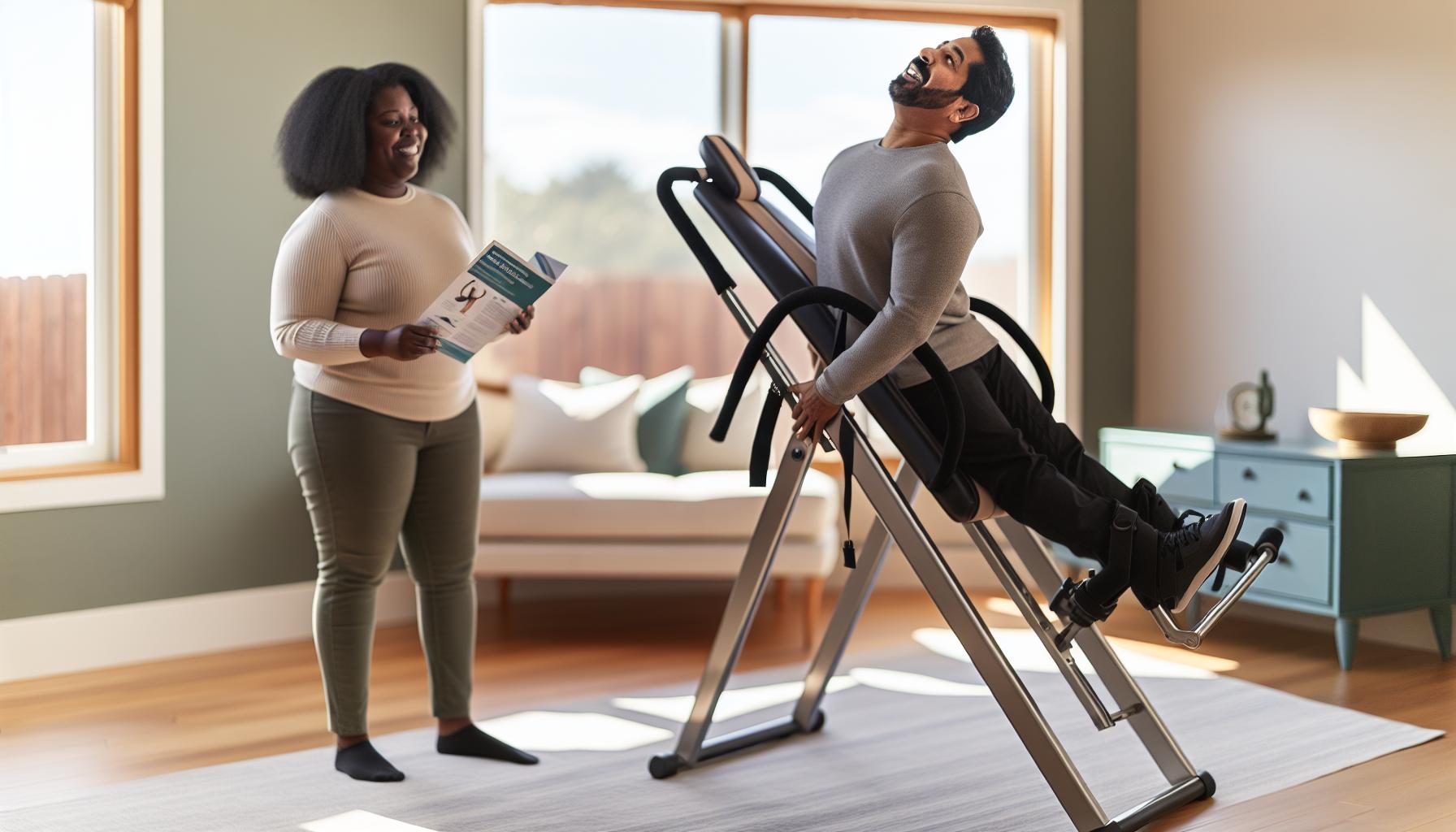
How Inversion Therapy Works: The Science Behind It
Inversion therapy operates on a simple yet effective principle: by inverting the body, users can leverage gravity to relieve pressure on the spine and its supporting structures. When a person lies back on an inversion table, the angle of inversion allows for the decompression of the vertebral discs. This occurs because the pull of gravity creates space between the discs, alleviating pressure on the nerves that may be compressed due to spinal alignment issues or degenerative changes. Increased disc space not only helps with pain relief but also promotes better spinal fluid distribution, which is essential for nutrient transfer and the overall health of spinal discs.
Moreover, inversion therapy can enhance circulation, leading to improved blood flow in the spine and surrounding muscles. Enhanced circulation allows for better delivery of essential nutrients and oxygen to these areas, fostering recovery from injury or strain. As blood flow improves, individuals may experience decreased muscle tension and stiffness, which are often precursors to pain. This physiological response is beneficial not just for the back; it can positively impact muscle recovery throughout the body, contributing to an overall sense of well-being.
Understanding the role of core muscles in inversion therapy is critical as well. Engaging in controlled inversion movements can strengthen deep core muscles, which play a vital role in spinal stability. A strong core is fundamental for maintaining proper posture and preventing future back issues, particularly for those who spend long hours sitting or performing repetitive tasks. By incorporating inversion therapy into a holistic routine, individuals may improve their posture and further alleviate back pain, complementing practices like yoga, stretching, and strength-building exercises.
In summary, the science behind inversion therapy reveals its multifaceted benefits, from decompressing the spine to enhancing circulation and building core strength. For anyone considering this approach, speaking with health professionals is advisable to ensure that inversion therapy aligns with their unique health needs and conditions.
Top 10 Benefits of Inversion Tables Explained
Inversion tables have gained popularity as an effective tool for managing back pain, but their benefits extend far beyond simple relief. Understanding the myriad advantages can empower users to integrate this therapy into their wellness routines. Here’s a closer look at the top ten benefits of inversion tables.
1. Decreased Back Pain
One of the most significant benefits of inversion therapy is its ability to alleviate back pain. By inverting the body, gravitational forces create space between the vertebrae, reducing pressure on spinal discs and nerves. This can lead to significant pain relief for those suffering from conditions like sciatica or herniated discs.
2. Improved Spinal Health
Regular use of an inversion table can promote long-term spinal health. Increased spinal decompression can enhance blood flow to the discs, aiding in nutrient exchange and overall disc health. This proactive approach may help in preventing degenerative disc diseases.
3. Enhanced Flexibility
Inversion therapy encourages the stretching of back muscles and ligaments. As users hang upside down, their spine elongates, allowing for increased flexibility and range of motion in the joints. Many users find that this improved flexibility contributes to better performance in daily activities and sports.
4. Core Strengthening
Inversion therapy can also serve as a means to strengthen core muscles, which are essential for maintaining proper posture and spinal alignment. Engaging core muscles while inverting can help users develop better stability, reducing the likelihood of injuries.
5. Better Posture
Improved spinal alignment gained from inversion therapy directly contributes to better posture. This is especially beneficial for individuals who spend long hours sitting at desks. Better posture not only enhances appearance but can also prevent long-term back pain.
6. Stress Reduction
Inversion therapy isn’t just beneficial for the body; it can also help alleviate mental stress. The act of inverting can induce a sense of relaxation, making it an effective way to reduce anxiety and promote mental well-being. Users often experience a calming effect that can help manage daily stressors.
7. Improved Circulation
Inverting the body can enhance blood circulation, allowing for better oxygen and nutrient delivery throughout the body. Improved circulation benefits not only muscle recovery but also overall energy levels, contributing to a healthier lifestyle.
8. Joint Relief
Inversion therapy can also provide relief for joint pain. The decompression effect reduces stress on the joints throughout the body, making it particularly beneficial for the knees and hips. This can improve mobility and function for those with arthritis or other joint-related issues.
9. Potential for Better Sleep
Many users report improved sleep quality after incorporating inversion therapy into their routines. The relaxation effects combined with reduced pain may lead to easier and more restful sleep, helping to rejuvenate the body for daily challenges.
10. Cost-effective Home Therapy
Finally, investing in an inversion table provides a cost-effective, at-home therapy option for back pain management. Once purchased, users have continual access to a form of therapy that can be used at their convenience, eliminating the need for frequent doctor visits or chiropractic appointments.
The integration of inversion tables into a holistic wellness regimen can significantly enhance one’s quality of life. However, it’s essential to consult with healthcare professionals before commencing any new physical therapies, especially for individuals with existing health conditions or concerns. Understanding these benefits allows users to make informed decisions about their health and wellbeing.
Pain Relief: How Inversion Reduces Pressure on Discs
Inversion therapy offers a compelling approach to alleviating back pain by leveraging the gravitational forces at play within the human body. When you invert your body, either partially or fully, you create a negative pressure environment that can significantly reduce stress on spinal discs and nerve roots. This is especially advantageous for individuals suffering from conditions such as herniated discs or chronic lower back pain. The act of hanging upside down or at an angle allows for the decompression of the spine, which can lead to immediate relief from discomfort.
The therapeutic effects of inversion can be attributed to the way it stretches and elongates the spine. As the vertebrae separate, pressure is relieved from the intervertebral discs, which serve as cushions between the bones of the spine. This space created through inversion can facilitate the movement of nutrients and moisture into the discs, effectively promoting their health and longevity. Over time, regular use of an inversion table can help prevent or alleviate the development of degenerative disc disease, making it a proactive choice for spinal health.
Additionally, inversion therapy not only relieves pain on a physical level but also addresses potential emotional contributors to discomfort. Many users find the experience of inverting to be relaxing, which can diminish feelings of stress and anxiety that often exacerbate physical ailments. By incorporating inversion therapy into a broader wellness routine, including proper hydration, nutrition, and regular exercise, individuals can create a supportive environment for their back health.
It is essential to approach inversion therapy with caution. Consult with a healthcare professional to determine if this method is suitable for your personal health situation, especially if you have existing medical conditions such as high blood pressure or heart issues. Listening to your body and starting with short sessions can help you gauge how inversion benefits you, allowing for a gradual adaptation to this unique form of therapy.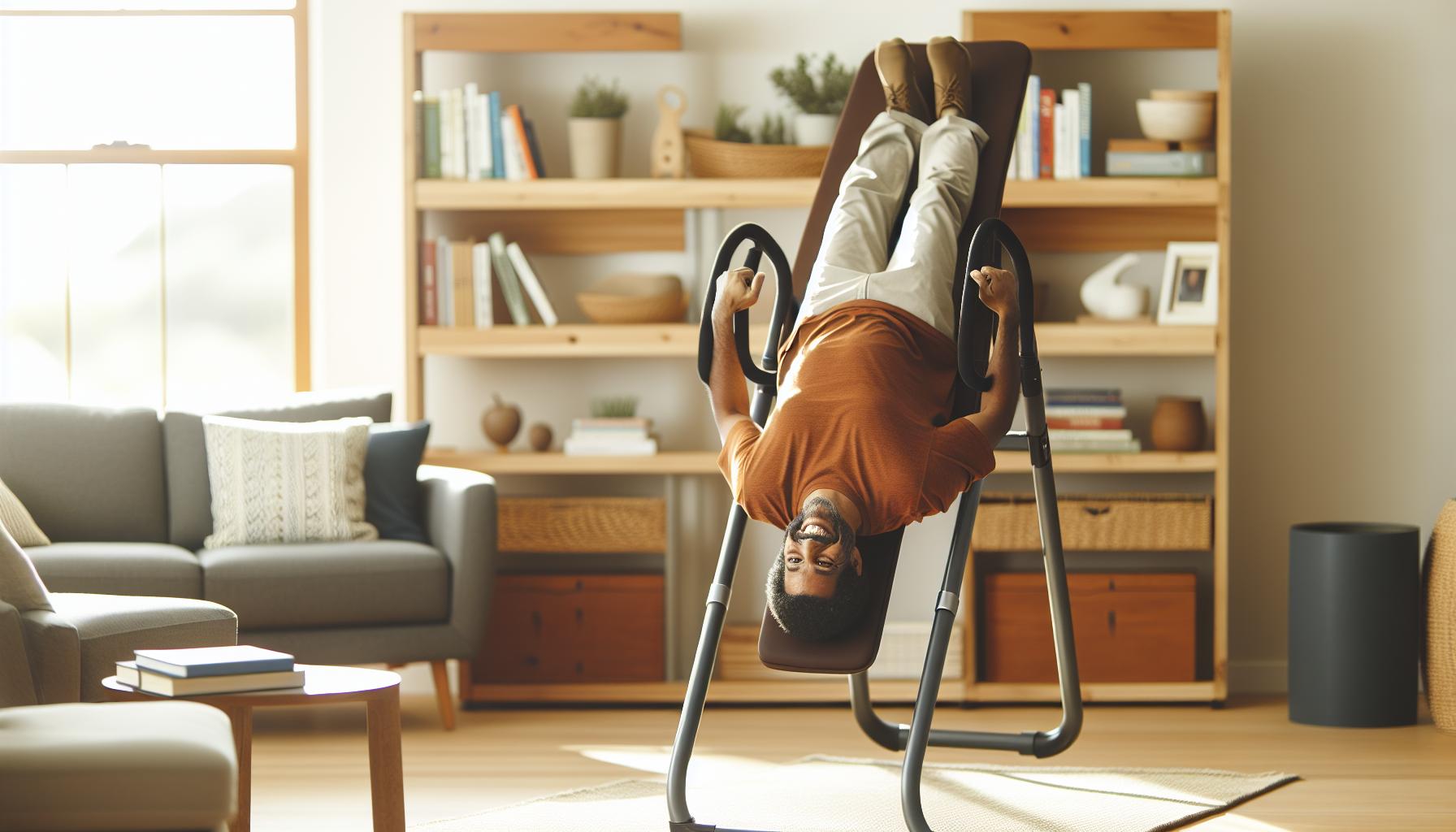
Improved Spinal Alignment and its Advantages
Inversion therapy not only promotes pain relief but also plays a significant role in achieving improved spinal alignment. One fascinating aspect of this technique is its ability to counteract the daily gravitational pull that compresses the spine. As individuals go about their day, activities such as sitting, lifting, and even standing can lead to misalignment of the vertebrae. When you use an inversion table to elevate your body and reverse this effect, you allow for the natural repositioning of the spine, potentially correcting these misalignments.
The alignment of the spine is crucial for overall health, as it affects the nervous system and can influence pain levels in various parts of the body. When the vertebrae are properly aligned, it can lead to better posture, reduced tension in muscles, and even improved internal organ function. Engaging in inversion therapy regularly can help maintain this alignment, particularly for those who might be prone to slumping or poor posture caused by extended periods of sitting. By employing inversion tables as part of a holistic approach to wellness, individuals can actively promote an aligned spine while reducing the risk of developing chronic pain.
In addition to immediate benefits, maintaining spinal alignment through inversion can have long-term advantages. Over time, a well-aligned spine may reduce the risk of injuries and conditions related to spinal degenerative diseases, such as herniated discs or sciatica. Furthermore, enhanced alignment contributes to more efficient movement, making everyday tasks more manageable and less physically taxing.
Incorporating inversion therapy into your routine can become an empowering ritual. Many users find that not only does it alleviate discomfort, but it also fosters a deeper connection with their bodies, allowing them to recognize and respond to misalignments more proactively. Remember, while inversion therapy can be beneficial, it is essential to consult healthcare professionals to ensure it aligns with your individual health needs, especially if you have pre-existing conditions.
Enhancing Flexibility Through Inversion Therapy
The pursuit of flexibility is an essential aspect of physical fitness, significantly impacting overall health and mobility. Engaging in inversion therapy with an inversion table can play a pivotal role in enhancing flexibility. This method utilizes gravity to decompress the spine and stretch the surrounding muscles, promoting a wider range of motion. For many, the act of inverting allows tight muscles to relax and elongate, which is critical not only for flexibility but also for reducing stiffness that accumulates from daily activities.
Inversion therapy works by encouraging blood circulation through the targeted muscles and joints. When you’re inverted, the muscles can gradually loosen, facilitating improved blood flow that nourishes tissues and joints. This enhanced circulation can play a vital role in recovery after exercise, making it easier to maintain flexibility during stretching routines or physical activities. Regular use of an inversion table can complement other flexibility exercises, supporting routines like yoga or pilates[1].
Additionally, the psychological aspect of inversion cannot be overlooked. Many users report feeling a sense of relaxation and relief, which can make the body more receptive to stretching. This state of relaxation not only aids in the immediate improvement of physical flexibility but may also lead to lasting changes in one’s overall flexibility over time. The more relaxed and aware you become of your body’s limits, the more effectively you can push those boundaries, leading to greater gains in flexibility and overall mobility[2].
Implementing inversion therapy into your routine can be straightforward; even a few minutes daily can yield noticeable benefits. Consider starting with shorter sessions at a lower angle to become accustomed to the sensation before progressing to deeper angles. This gradual approach allows your body to adapt, minimizing any initial discomfort while maximizing the benefits of enhanced flexibility and relaxation[3]. Remember, while inversion therapy can be a valuable tool for improving flexibility, it’s crucial to consult healthcare professionals to ensure that it’s appropriate for your individual health conditions and fitness goals.
Inversion for Stress Relief: Benefits Beyond the Back
Engaging in inversion therapy not only aids in physical relief but also provides significant stress relief, creating a holistic approach to wellness. Many users find that spending time on an inversion table can drastically shift their mood and decrease feelings of tension. The act of flipping upside down challenges the body’s usual responses, which can ignite a transformative relaxation response. As you invert, gravity takes on a different role, easing the pressure on your spine and encouraging mental clarity, often leading to moments of reflection and calm.
Inversion therapy facilitates enhanced blood flow, which can have a calming effect on the nervous system. Increased circulation introduces more oxygen to the brain, which may improve mental function and reduce anxiety. When you are inverted, you may also find that your body releases endorphins-the hormones that promote a feeling of well-being-which contributes to an overall sense of peace and tranquility. Additionally, the gentle stretching of the spine and muscles can lead to the release of physical tension that often manifests as stress, helping to diffuse pent-up energy and encouraging a deeper state of relaxation.
Moreover, the simple act of taking time for oneself on an inversion table can encourage mindfulness, allowing you to focus solely on your breathing and bodily sensations. This meditative aspect can serve as a critical practice for those dealing with daily stressors. Taking just a few minutes a day to invert can create a rejuvenating ritual, enhancing your ability to cope with stress and promoting emotional resilience. To maximize these benefits, consider combining inversion therapy with breathing exercises or soft music to set a serene environment, thus amplifying the calming effects.
As beneficial as inversion therapy can be for stress relief, it’s essential to listen to your body. Start with short sessions, gradually increasing as you become comfortable. Always consult healthcare professionals to ensure that this therapy aligns with your health and wellness goals, especially if you have pre-existing conditions. Integrating inversion therapy into your routine can serve as a valuable tool for not only alleviating back pain but also fostering a deeper connection to your overall mental well-being.
Safety Tips for Using Inversion Tables Effectively
Using an inversion table can be a game changer for relieving back pain, but safety should always be a priority in order to maximize benefits and minimize risks. To ensure a safe experience, start by consulting with a healthcare professional, especially if you have existing medical conditions such as high blood pressure, heart disease, or glaucoma. A quick assessment can help tailor the use of an inversion table to your specific needs.
Choosing the Right Angle: It’s vital to start at a slight angle-around 20 to 30 degrees-when first using an inversion table. This minimizes the risk of discomfort and allows your body to adjust gradually to the inversion process. As you become accustomed, you can increase the angle, but always pay attention to how your body responds. Be mindful of dizziness; if you feel lightheaded, return to an upright position.
Proper Positioning and Technique
Ensure you are securely strapped into the inversion table to prevent slipping or falling while inverted. Your body should be relaxed, and your arms should hang freely. For best results, engage in slow and controlled movements as you tilt backward, avoiding any sudden shifts that can lead to strain.
Duration of Use
Limit your initial sessions to about 1 to 2 minutes, gradually extending the time to around 5 to 10 minutes as you become more comfortable. Staying inverted for too long can cause unnecessary pressure on your head and neck, leading to negative effects rather than relief.
- Listen to Your Body: Always be attentive to how you feel during and after use. If you experience unusual pain, stop immediately.
- Stay Hydrated: Dehydration can amplify feelings of dizziness and discomfort, so ensure you drink water before and after your session.
- Avoid Heavy Meals: Using an inversion table on a full stomach can lead to discomfort or nausea; aim to use it on an empty or light stomach.
Regular Maintenance
Lastly, regularly inspect your inversion table for any signs of wear and tear or malfunction. Make sure all parts are functioning correctly, and follow the manufacturer’s guidelines for safety checks. Keeping your equipment in good condition is crucial for a safe inversion experience.
Incorporating these safety tips into your inversion therapy routine can enhance your experience and ensure that you reap the rewards of this unique method for back pain relief, while always remembering to prioritize your well-being.
Comparing Inversion Tables: Features to Consider
When considering an inversion table for back pain relief, it’s essential to evaluate various features that can influence your experience and effectiveness of treatment. Choosing the right inversion table goes beyond just price; it involves understanding how different aspects can cater to your specific needs, comfort, and safety.
One critical feature to assess is the weight capacity of the inversion table. Most models cater to a standard range, but if you’re on the heavier side, look for tables that support a higher weight limit. This ensures sturdiness and stability during use, allowing you to focus on your therapy without concerns about the equipment.
Another important consideration is the adjustability of the table. Many models offer multiple heights and angles, which are crucial for customizing your experience. An adjustable inversion angle allows you to start with a moderate angle, which is beneficial for beginners. Look for tables that can adjust to different angles easily, allowing you to progress as you become more comfortable with inversion therapy.
Comfort and Design should not be overlooked either. Padded back supports and ankle straps enhance your comfort while using the table. Consider tables with ergonomic designs that distribute body weight effectively during inversion. The construction material is also key; look for heavy-duty frames that ensure safety and durability.
Finally, think about the portability of the inversion table. If you have limited space or intend to travel with it, a foldable design can be a practical choice. Some models also come with wheels for easy movement and storage, which is helpful if you need to transition the table between different rooms or locations.
By thoroughly examining these features-weight capacity, adjustability, comfort, and portability-you can make a more informed decision that aligns with your needs, enhancing the benefits of your inversion therapy experience. Always remember that consulting with a healthcare professional before starting any new treatment approach is advisable to ensure it’s suitable for your individual health conditions.
User Experiences: Real-Life Effectiveness of Inversion Therapy
Many individuals struggling with chronic back pain have turned to inversion tables as an alternative therapy, reporting a range of positive experiences and outcomes. These personal stories highlight how inversion therapy can lead to substantial pain relief, improved mobility, and an enhanced sense of overall well-being. For instance, a middle-aged user shared that after incorporating a daily inversion routine into her regimen, she not only noticed a significant decrease in her lower back pain but also gained greater flexibility and strength.
The effectiveness of inversion therapy often boils down to the individual experience, with many users attesting to its benefits after struggling with traditional methods that yielded limited results. One user, who had suffered from herniated discs, noted that the gentle traction provided by the inversion table significantly alleviated his symptoms, allowing him to resume activities he had long abandoned, like hiking and playing with his grandchildren. Users frequently cite immediate relief from discomfort during and after their sessions, indicating that inversion therapy can provide quick and effective pain management.
Users also report psychological benefits, such as a feeling of relaxation during sessions. One participant described a reduction in stress levels, which improved his sleep quality, attributing it to the calming effects of inversion therapy. This multifaceted approach to back pain highlights how inversion therapy may serve not only as a physical remedy but also a means of mental and emotional stress relief.
However, while these user experiences are encouraging, it is essential to approach inversion therapy with care. Each individual’s health condition is unique, and what works for one person may not necessarily work for another. Therefore, it’s advisable to consult with healthcare professionals before beginning inversion therapy to ensure it aligns with one’s health needs and conditions.
Alternative Pain Relief Methods: Inversion Table vs. Chiropractic Care
Many people suffering from back pain often explore various relief methods to find what works best for them. Among these, inversion therapy and chiropractic care are two popular options, each offering unique benefits and approaches to pain relief. Understanding how these methods compare can help individuals make informed choices tailored to their specific needs.
Inversion tables use gravity and body weight to decompress the spine, which can alleviate pressure on the discs and nerve roots. This traction may promote relaxation of the surrounding muscles and improve circulation, leading to faster recovery from back issues. In contrast, chiropractic care involves manual manipulation of the spine and other joints to restore proper alignment and function. Chiropractors assess the body for misalignments and use targeted adjustments to relieve tension and enhance mobility. While both methods aim to relieve pain, they do so through different mechanisms-one largely mechanical and the other manual and hands-on.
Chiropractic care often includes a personalized treatment plan that may incorporate spinal adjustments, soft tissue therapy, and exercises to strengthen the core and improve flexibility. Inversion therapy, on the other hand, typically requires less guidance and can be performed at home using an inversion table. This makes it a convenient option for individuals seeking immediate relief without regular appointments. However, while inversion therapy can provide significant instant relief for some, others may benefit more from the structured and comprehensive approach offered by a chiropractor.
When deciding between these methods, it’s crucial to consider personal health situations and preferences. Some individuals may find that combining both therapies yields the best results. For instance, someone dealing with chronic pain may benefit from regular chiropractic adjustments while using an inversion table at home to manage discomfort between sessions. Always consult with a healthcare professional before starting any new therapy, as they can provide tailored advice based on individual circumstances and ensure that chosen methods are safe and effective.
Consulting Professionals: When to Seek Guidance on Inversion Therapy
When considering the use of inversion therapy for back pain relief, it’s essential to approach this method with proper guidance and understanding. Inversion tables provide a unique way to relieve pressure on the spine; however, not everyone should embark on this journey without consulting a healthcare professional first. Individuals with certain health conditions, such as hypertension, glaucoma, or heart disease, may face risks when using inversion therapy. Therefore, consulting with a physician or a qualified physical therapist can help you determine if this method aligns with your specific health profile.
Moreover, your healthcare provider can assist in tailoring an inversion therapy regimen that meets your needs. For instance, the optimal angle and duration of use may vary based on individual medical history and specific back issues. A professional can also help monitor progress and suggest adjustments to the therapy as necessary. This personalized plan can be vital for preventing potential adverse effects and enhancing the overall effectiveness of the treatment.
Some may wonder if inversion therapy can be combined with other treatments. A healthcare professional can guide you on how to integrate inversion therapy with physical therapy or chiropractic care safely. Personalized advice can prevent over-treatment and ensure a more cohesive pain relief strategy. Remember, seeking professional guidance not only promotes safe practices but also empowers you with knowledge to make informed decisions about your health journey.
Lastly, engaging with professionals fosters a supportive environment for recovery. Open communication about your experiences with inversion therapy can lead to tailored advice that optimizes your outcomes. Whether it’s managing discomfort or improving your overall well-being, professional insights are invaluable on your path to relief. Take the time to seek help; your body will thank you.
Faq
Q: How does an inversion table help relieve back pain?
A: An inversion table helps relieve back pain by allowing users to invert their bodies, which decompresses the spine. This reduces pressure on intervertebral discs and can alleviate discomfort caused by spinal nerve compression. For more detailed benefits, check out the section on pain relief in the full article.
Q: What are the risks of using an inversion table for back pain?
A: While inversion tables can be beneficial, they may pose risks such as increased blood pressure, exacerbation of certain medical conditions (e.g., glaucoma), or dizziness. It’s essential to consult a healthcare professional before starting inversion therapy, especially if you have underlying health concerns.
Q: How often should I use an inversion table for best results?
A: For best results, beginners can start with 1-2 sessions daily, each lasting about 5-10 minutes. Gradually, users can increase time and frequency based on comfort and experience. Monitor how your body responds, and refer to the safety tips section for best practices.
Q: Can inversion therapy help improve posture?
A: Yes, inversion therapy can help improve posture by stretching and aligning the spine, counteracting the effects of prolonged sitting. This promotes spinal health and can improve overall body alignment. For specific alignment advantages, refer to the improved spinal alignment section of the article.
Q: Is inversion therapy safe for everyone?
A: Inversion therapy is not safe for everyone; those with certain medical conditions, such as high blood pressure or heart issues, should avoid it. Always consult a healthcare provider to determine if inversion tables are appropriate for your situation before use.
Q: What are some alternatives to inversion tables for back pain relief?
A: Alternatives to inversion tables include chiropractic care, physical therapy, stretching exercises, and yoga. Each method offers distinct benefits, and comparing these options can help you find the best approach for your back pain relief needs.
Q: How do I choose the right inversion table?
A: When choosing an inversion table, consider features such as height adjustability, safety features like ankle supports, and the table’s weight capacity. Refer to the section on comparing inversion tables for a detailed guide on selecting the right model for your needs.
Q: Can inversion tables help with stress relief?
A: Yes, inversion tables can help with stress relief by promoting relaxation and improving circulation. The act of inverting may stimulate the release of endorphins, leading to a sense of well-being. Explore more about stress relief benefits in the article to learn why inversion therapy can be beneficial beyond back pain.
In Retrospect
As you explore the incredible benefits of inversion tables for back pain relief, remember that the journey to wellness begins with informed choices. Whether it’s improving circulation, reducing spinal pressure, or enhancing muscle relaxation, these tools can significantly enhance your daily comfort. Don’t let back pain hold you back any longer-consider taking action today!
For more valuable insights, check out our articles on managing chronic pain and healthy living tips to continue your path to wellness. Have questions or experiences to share? We love hearing from you in the comments below! Join our community by signing up for our newsletter to stay updated on the latest health strategies.
Your health is your wealth-invest in it by exploring our resources further. Together, we can unlock a more comfortable and fulfilling life!