As a parent, few things are as challenging as helping your baby develop healthy sleep habits. Did you know that most babies can learn to sleep through the night within just a few nights of effective sleep training? Discovering the right approach can transform sleepless nights into peaceful slumbers for both your little one and you. In “Ideas Aid Baby Sleep: 10 Gentle Methods That Actually Work,” we delve into compassionate, research-backed techniques to guide your baby toward self-soothing and restful sleep. Whether you’re facing endless bedtime battles or simply want to establish a soothing bedtime routine, this guide offers valuable insights on gentle methods that cater to your child’s unique needs. Let’s explore these gentle strategies that promise not only to nurture your baby’s sleep skills but also to strengthen the bond between you and your child. Your path to more serene nights starts here-because better sleep means happier mornings for the whole family!
Understanding Your Baby’s Sleep Needs
is essential for fostering a peaceful bedtime routine and ensuring both you and your little one get the rest you need. Infants have unique sleep patterns that differ significantly from adults, often requiring more sleep throughout the day. Did you know that newborns typically sleep between 14 to 17 hours a day, divided into multiple naps? This understanding can help you tailor your approach to meet their specific needs, promoting better sleep for everyone in the household.
As your baby grows, their sleep architecture evolves. By 3 to 6 months, many infants may start to consolidate their sleep into longer stretches at night, often needing around 12 to 15 hours of sleep daily, including naps. The timing of these naps can greatly influence how easily they drift off to sleep at night. Observing your baby’s natural rhythm and recognizing their sleep cues-such as yawning, rubbing their eyes, or fussiness-can help you determine when it’s the right moment to guide them to sleep.
Another critical aspect is understanding that babies’ sleep cycles are shorter than adults’, lasting about 50 to 60 minutes. This means they will often wake after completing a cycle. If you can anticipate this and offer soothing strategies during these transitions, you can help your baby learn to fall back asleep on their own. Establishing a consistent sleep schedule and supportive bedtime routine can create an environment that signals to your baby that it’s time to wind down, ultimately enhancing their sleep quality.
In navigating your baby’s sleep needs, patience is paramount. Each child is unique, and responses to various techniques can differ widely. Be open to adjustments based on your baby’s specific cues and behavior, and remember that seeking guidance from a pediatrician or sleep consultant can be beneficial in addressing any persistent sleep challenges.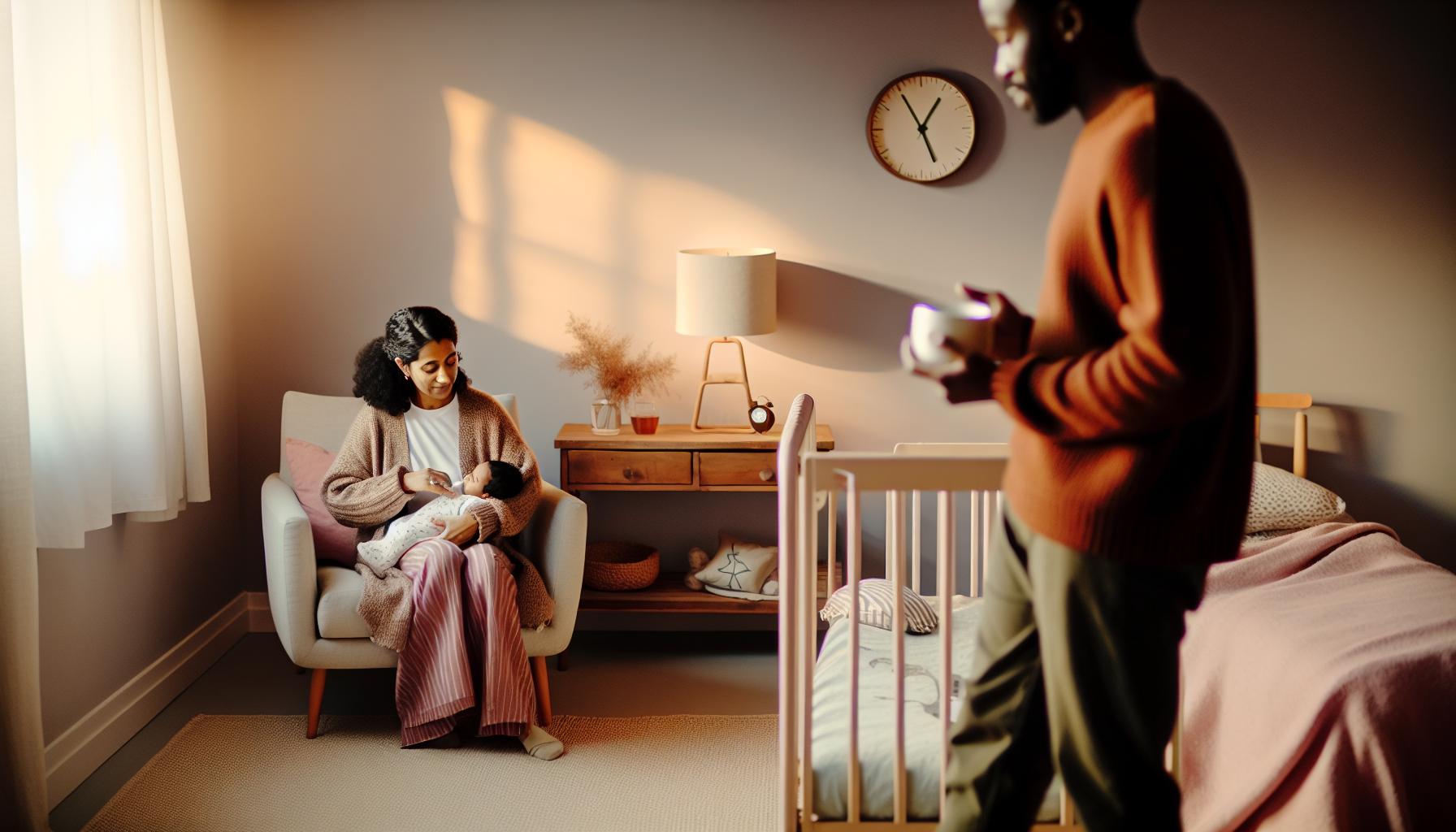
Gentle Sleep Techniques for Newborns
The early days of parenting can often feel overwhelming, especially when it comes to getting your newborn to sleep soundly. Newborns have their own distinct sleep patterns, typically sleeping anywhere from 14 to 17 hours a day, including various naps. Implementing gentle sleep techniques can make a significant difference in your baby’s sleep experience, promoting not only their well-being but also your peace of mind.
One effective technique is the “feed, play, sleep” routine. By establishing a clear cycle, where you feed your baby, engage in gentle playtime, and then guide them to sleep, you create an understanding of what to expect. This consistency helps them feel secure and know that it’s time to transition to sleep after play. Additionally, maintaining a calm and quiet environment during this process can signal to your newborn that it’s time to wind down.
Another gentle approach is using soothing sounds. White noise, for instance, mimics the constant sounds that babies would have heard in the womb, which can be comforting. You might also try soft lullabies or nature sounds. These auditory cues can mask sudden noises that might wake your baby, creating a more peaceful sleeping environment.
It’s also essential to pay attention to skin-to-skin contact. Holding your newborn close not only fosters bonding but has been shown to help babies regulate their sleep and reduce stress. Techniques such as gentle rocking or swaddling can further provide a sense of security. If your baby becomes fussy near bedtime, a soft massage can also be calming, promoting a restful transition into sleep.
Creating a soothing environment is equally vital. Dim lighting, a comfortable room temperature, and minimal distractions can ease your baby into slumber. Incorporating these gentle techniques into your routine can help cultivate better sleep habits for your newborn, enhancing their overall wellbeing while providing you with cherished moments of calm and connection.
Establishing a Calming Bedtime Routine
Creating a soothing bedtime routine is essential for fostering good sleep habits in your baby. A consistent routine not only helps signal that it’s time to sleep but also provides a safe and comforting environment that promotes relaxation. Newborns thrive on repetition and predictability, and a well-structured routine can make bedtime a calming experience for both baby and parents.
Start by identifying a series of calm activities that you can consistently include in your routine. These might include a warm bath, which helps to relax your baby and is a gentle transition into nighttime. Following this, you can introduce a quiet feeding session accompanied by cuddles. This not only meets your baby’s hunger needs but also strengthens your bond and reassures them that they are cared for. Introducing a calming book or a soothing lullaby can further enhance the atmosphere, setting the stage for sleep.
It’s vital to maintain a consistent time for beginning the bedtime routine. This consistency fosters an internal clock that helps your baby naturally know when sleep time is approaching. As you progress through each step, keep the environment tranquil; dimming the lights and using soft, calming voices can significantly enhance the effect of your routine. Additionally, consider incorporating the use of white noise or gentle nature sounds in the background, as these can mask household noises and create a peaceful ambiance conducive to sleep.
Ultimately, the goal of a calming bedtime routine is to create a safe space where your baby can relax and drift off into sleep with ease. Adjust and refine your routine as you find what resonates most with your baby, and trust that with time, they will come to embrace this lovely night ritual, paving the way for better sleep habits in the months and years to come.
Creating the Perfect Sleep Environment
Creating a serene sleep environment for your baby is crucial for fostering restful nights. Did you know that a well-designed bedroom can significantly enhance your baby’s sleep quality? By focusing on key elements such as light, sound, and comfort, you can create a perfect sanctuary that promotes relaxation and tranquility.
First and foremost, consider the lighting. A dimly lit room helps signal to your baby that it’s time to wind down. Using blackout curtains can prevent outside light from disturbing your baby’s sleep, creating a cave-like ambiance that’s ideal for slumber. You might also want to invest in a soft nightlight, which can provide gentle illumination for nighttime feedings or diaper changes without disrupting your baby’s sleep cycle.
Next, focus on sound. A quiet environment can make a world of difference, as sudden noises might startle your baby awake. Many parents find that white noise machines are invaluable for masking background sounds. The constant hum mimics the soothing sounds experienced in the womb and can ease your baby into a calmer state. Alternatively, gentle lullabies or nature sounds can also enhance the peaceful setting.
Additionally, the comfort of your baby’s sleeping area is essential. Ensure that the crib or bassinet meets safety standards-a firm mattress with a fitted sheet is ideal. You can also enhance comfort with a swaddle or lightweight sleep sack that keeps your baby snug without overheating. Always monitor the room temperature to keep it between 68°F and 72°F (20°C to 22°C), as a comfortable temperature supports better sleep.
When , remember that every baby is unique. It may take some experimentation with lighting, sound, and comfort settings to determine what works best for your little one. By thoughtfully designing their sleep space, you are not just helping them fall asleep; you are nurturing long-lasting sleep habits that will benefit them for years to come.
The Power of White Noise for Sleep
Using white noise can be a game-changer for your baby’s sleep routine, providing a comforting sound environment that mimics the whooshing sounds they experienced in the womb. This auditory backdrop helps mask sudden noises that might startle your baby awake, creating a more soothing sleep experience. Many parents report that white noise can significantly shorten the time it takes for their little ones to fall asleep, as it creates a sense of consistency and security, allowing them to drift off more easily.
How White Noise Works
When played at a safe volume, white noise can generate a gentle, constant sound that becomes a familiar sleep cue for babies. Some popular sources of white noise include fans, white noise machines, or smartphone apps designed specifically for infants. For babies, this consistent sound can act as a signal that it is time to sleep, promoting relaxation by reducing the perception of external disturbances.
- Mimics the Womb: The sounds of a mother’s heartbeat and digestion create a similar acoustic environment to white noise.
- Relaxes the Nervous System: White noise can help soothe crying and anxious babies by creating a calming atmosphere.
- Customizable Options: From gentle rain sounds to the hum of an air conditioner, parents can experiment with different white noise sources to find what resonates best with their baby.
Implementing White Noise in Your Routine
To effectively incorporate white noise into your baby’s sleep environment, consider starting it just before your baby’s bedtime. This way, the sound will not only help drown out potential sleep disruptors but will also signal to your baby that it’s time to settle down. Maintaining a consistent volume and turning it off only after they have fallen into a deep sleep can be beneficial as well.
Before turning to white noise, it’s important to monitor how your baby responds to ensure it genuinely helps them relax rather than drive their attention or distract them. If you notice any signs of discomfort, you may want to adjust the volume or type of sound.
By thoughtfully incorporating white noise into your baby’s sleep routine, you can enhance their sleep quality and create a more peaceful sleeping environment, supporting the development of healthy sleep patterns. While white noise can be an effective tool, remember that every baby is unique; consider consulting with a healthcare professional for customized advice tailored to your infant’s individual needs.
Soothing Techniques: Massage and Rocking
Gentle techniques like massage and rocking can transform a baby’s sleep routine, providing comfort and relaxation essential for sound sleep. Studies show that gentle touch, such as massage, can significantly reduce stress and improve overall sleep quality for infants. Incorporating these soothing methods not only promotes better sleep but also strengthens the bond between parent and child, allowing for a nurturing environment that fosters trust and security.
Massage Techniques for Relaxation
Infant massage is a wonderful way to help your baby unwind before bedtime. When performed gently, it can signal to your baby that it’s time to rest, while also providing sensory stimulation that promotes relaxation. Here are some tips for effective infant massage:
- Create a Calm Environment: Choose a quiet space with dim lighting. Soft music or white noise in the background can enhance the soothing atmosphere.
- Use Gentle Oils: If desired, you can use a small amount of baby-safe oil, such as coconut or almond oil, to facilitate smooth movements and provide a gentle scent that can be calming.
- Focus on Areas of Tension: Gently massage the arms, legs, back, and tummy using smooth, circular motions. Pay attention to any areas where your baby seems to hold tension.
Incorporating a massage routine of just 10-15 minutes can effectively calm your baby, easing them into a more relaxed state conducive to sleep.
The Benefits of Rocking
Rocking is another time-honored technique that can help soothe a fussy baby. The rhythmic motion mimics the gentle movements experienced in the womb, providing comfort and security. Here are some suggestions for incorporating rocking into your routine:
- Comfort Position: Hold your baby close, either in your arms or in a rocking chair. This not only provides physical support but reinforces emotional closeness.
- Consistent Rhythm: Aim for a gentle, smooth rocking motion. You can stand, sit, or use a rocking chair, precisely matching your baby’s soothing rhythm.
- Pair with Lullabies: Singing softly or playing calming music as you rock your baby can enhance the soothing experience, making it a multi-sensory approach to relaxation.
Maintaining these routines consistently at bedtime helps establish cues for your baby that it is time to relax and sleep. Though these techniques are beneficial, individual preferences vary, and it’s essential to respond to your baby’s cues. Always adapt your methods based on their needs and comfort.
As with any new approach, consult with a healthcare professional if you have concerns or specific questions about your baby’s sleep patterns or therapies. Health experts can provide tailored advice to ensure that your soothing techniques align perfectly with your baby’s unique requirements.
Implementing Gentle Sleep Training Methods
can be a transformative experience for both parents and their little ones. These techniques are designed not only to help infants learn to sleep independently but also to nurture the emotional bond between parent and child. One effective approach is the pick up/put down method, which allows parents to provide comfort while encouraging their baby to soothe themselves to sleep. With this method, parents pick up their baby when they cry, offering reassurance, and then put them down again once the baby is calm. This cycle continues until the baby learns to fall asleep without needing to be picked up every time they wake.
Another popular technique is the Fading method, where parents gradually reduce their involvement during bedtime. For example, if a parent usually rocks their baby to sleep, they can start by sitting beside the crib, then moving further away over time. This gradual process reassures the baby while encouraging independence in falling asleep. It’s essential for parents to remain consistent, as mixed signals can confuse the baby and disrupt progress.
Creating a nurturing environment plays a pivotal role in the success of gentle sleep training methods. Ensuring that the baby’s sleep space is quiet, dark, and comfortable can make a significant difference. Consider using blackout curtains to block out excess light and a sound machine to create a soothing backdrop of white noise. This helps reduce sudden disturbances and promotes a more restful sleep.
Additionally, integrating daytime routines that encourage sleep-such as regular naps and plenty of physical activity-can enhance nighttime rest. Parents might also find it helpful to be attuned to their baby’s sleep cues, such as rubbing their eyes or fussiness, indicating it might be time for sleep. Understanding these signals not only aids in timely bedtime but also fosters a sense of security for the baby.
Ultimately, while gentle sleep training can be effective, it’s also important for parents to listen to their baby’s needs and adjust their approach as necessary. Each baby is unique, and what works for one may not work for another. If questions or concerns arise during the training process, consulting with a healthcare professional can provide tailored advice and reassurance.
Balancing Daytime Activities for Better Sleep
Establishing a healthy balance of daytime activities is crucial for fostering better sleep in babies. Engaging in various interactive and stimulating activities during the day not only contributes to a baby’s physical development but also helps them expend energy, making it easier for them to settle down at night. According to pediatricians, active babies tend to sleep better, as they feel fulfilled and content after being engaged throughout the day. By harmonizing playtime, feeding schedules, and nap times, parents can create an optimal routine that promotes nighttime rest.
Structured daytime routines can involve a mix of activities that stimulate and calm. For example, parents can plan:
- Physical Activities: Tummy time, crawling, or simple play with toys that promote movement.
- Feeding Routines: Regularly timed feedings that align with the baby’s natural hunger cues encourage satisfaction and help avoid crankiness.
- Quiet Play: Incorporating quieter, calming activities such as reading or looking at books to signal a transition toward winding down before naptime.
Moreover, having consistent interactions throughout the day helps babies understand what to expect. This predictability in their daily routine not only reassures them but also establishes an internal clock, making it easier for them to wind down in the evening. Parents might also consider planning out outdoor time, whether it’s a walk in the park or a quick run in the backyard; natural light exposure regulates circadian rhythms, helping babies distinguish between day and night.
In addition, ensuring that babies are not overstimulated is just as important. Overstimulation can lead to overtiredness, which makes it difficult for them to settle. Recognizing signs of fatigue-such as rubbing eyes or increased fussiness-can help parents intervene early to provide a calm and soothing environment, paving the way for more restful sleep at night. Integrating these daytime strategies will empower parents to create a nurturing atmosphere that promotes better sleep, ultimately benefiting both the baby and the family’s overall well-being.
Using Natural Remedies to Enhance Sleep
Many parents search for natural remedies to enhance their baby’s sleep, knowing that a peaceful night’s rest is crucial for both baby and caregiver. While there is no one-size-fits-all solution, various gentle approaches can support healthy sleep patterns. Here are some effective natural remedies that can facilitate better sleep for your little one.
One popular method is the use of herbal teas. Chamomile and lavender teas are well-known for their calming effects. Just a small amount diluted in water can be given to older babies and toddlers before bedtime. However, always consult with a pediatrician to ensure that herbal remedies are appropriate for your child’s age and health status. Additionally, creating a calming aroma environment through essential oils can be beneficial. Diffusing a small amount of lavender essential oil in the nursery may help create a soothing atmosphere conducive to sleep. Remember to keep the room well-ventilated and avoid using oils directly on the baby’s skin.
Incorporating gentle massage into your bedtime routine can also promote relaxation and prepare your baby for sleep. A brief, soothing massage with a natural oil, such as coconut or almond oil, can help calm a fussy infant and signal it’s time to wind down. Focus on gentle strokes along the arms, legs, and back to ease tension. Establishing a routine with consistent elements can provide comfort and predictability, which are essential for a baby’s sense of security before sleep.
Finally, consider using warm baths as part of your evening ritual. A warm bath can help relax the baby and lower their core temperature afterward, signaling to the body that it is time to rest. Adding Epsom salts, which contain magnesium known for its calming properties, can enhance this effect. Always monitor the bath water to ensure it’s at a safe and comfortable temperature for your baby.
While these natural remedies can aid in creating a restful sleep environment, it’s important to consult with healthcare professionals for personalized advice tailored to your baby’s health and development. Integrating these gentle methods can pave the way for improved sleep routines and a happier, more rested family.
Recognizing Sleep Cues: When to Put Baby Down
As a new parent, deciphering your baby’s sleep cues can feel like navigating uncharted waters. Recognizing the moments when your little one is ready to sleep is crucial for fostering restful nights and happy, well-rested days. Every baby is unique, but there are common signs that indicate it’s time to lay them down for sleep, which can help create a positive bedtime routine.
Look out for a few telltale signs that your baby is getting sleepy. These may include:
- Yawning: This classic sign is often the most noticeable. A baby that starts yawning frequently may be signaling that they’re ready to drift off.
- Rubbing eyes: When a baby starts rubbing their eyes or face, it’s a good indicator that they are feeling tired.
- Turning their head: If your baby is turning their head from side to side or even burying their face in a caregiver’s shoulder, they might be seeking comfort as they feel sleepy.
- Fussiness: Increased crankiness or fussing can indicate your baby is overtired and ready for a nap.
Understanding these cues allows you to respond proactively-ideally, before your baby becomes overtired, which can lead to more difficult sleep struggles. Aim to establish a consistent routine that incorporates these signs, helping you determine the optimal time to lay your baby down for sleep. Once you notice the initial signs of drowsiness, acting quickly can help prevent them from becoming too fussy.
It’s also helpful to create an environment that signals to your baby that it’s time for sleep. Dimming the lights, reducing noise, and even swaddling your baby can create a cozy, calming atmosphere conducive to rest. Eventually, as you and your baby become more familiar with these cues and routines, you may find that your little one begins to fall into their sleep rhythm more easily.
Remember, if you’re ever uncertain or struggling with your baby’s sleep patterns, don’t hesitate to consult with a healthcare professional for personalized advice and strategies. Your well-being and your baby’s sleep are both critical, and reaching out for support is always a wise step.
When to Seek Professional Help for Sleep Issues
It can be deeply concerning when your baby struggles with sleep, but it’s essential to recognize when more support might be needed. While sleep challenges are common in infancy, certain signs may indicate that it’s time to consult a healthcare professional for tailored guidance. Understanding these signs can not only empower you as a parent but also ensure the well-being of your baby.
If your baby consistently shows signs of sleep distress, such as extreme fussiness, difficulty settling down, or waking up frequently at night, it may be prudent to seek professional advice. This is especially true if these patterns persist despite implementing gentle sleep strategies and establishing a calming bedtime routine. Additionally, if your baby seems overly lethargic during the day or exhibits unusual sleeping patterns that don’t align with typical infant sleep behavior, it’s worth discussing these observations with a pediatrician.
Equally, consider consulting a healthcare provider if your baby is older than six months and exhibits sleep problems or if sleep issues begin to interfere with family routines or your mental health. You should also reach out for support if there are any accompanying concerns, such as feeding difficulties or noticeable changes in mood or behavior. The well-being of both you and your child is paramount, and professional guidance can help address any underlying issues that may be contributing to sleep struggles.
In summary, trusting your instincts and speaking to a professional can provide reassurance and helpful strategies. Remember, proactive communication with your baby’s healthcare team not only aids in addressing sleep issues but also supports your journey as a new parent, leading you toward a more peaceful and restorative sleeping environment for your little one.
Frequently asked questions
Q: What are the signs that my baby is ready for bedtime?
A: Signs that your baby is ready for bedtime include yawning, rubbing their eyes, becoming fussy, or looking away from stimulation. Observing these signs can help you establish a calming bedtime routine to promote better sleep, as detailed in the section on recognizing sleep cues.
Q: How can I create a calming bedtime routine for my baby?
A: To create a calming bedtime routine, incorporate activities such as dimming the lights, reading a soft story, or singing gentle lullabies. Keeping the routine consistent helps signal to your baby that it’s time to wind down and sleep, enhancing their comfort at bedtime.
Q: What should I do if my baby wakes up frequently at night?
A: If your baby wakes up frequently at night, ensure they are comfortable and check if they’re hungry or need a diaper change. Gradually encourage self-soothing techniques during nighttime awakenings to help them learn to fall back asleep independently.
Q: Are there natural remedies to help my baby sleep better?
A: Yes, natural remedies such as chamomile tea (for older infants) or lavender essential oil in the nursery can promote relaxation and sleep. Always consult with a pediatrician to ensure safety before trying new remedies, particularly for infants.
Q: How does white noise help babies sleep?
A: White noise can help babies sleep by masking disruptive sounds and creating a womb-like environment. It soothes them and can make it easier for them to fall asleep and remain asleep, a concept discussed in the section regarding the power of white noise.
Q: When should I start sleep training my baby?
A: Sleep training can typically begin around 4 to 6 months when your baby is developmentally ready. Gentle sleep training methods can help establish healthy sleep habits. Always consider your baby’s needs and consult a healthcare professional for personalized advice.
Q: What are common sleep training methods for babies?
A: Common sleep training methods include the Ferber Method, fading, and no-tears approaches. Each method has its advantages, so choose one that aligns with your parenting style and your baby’s needs to encourage independent sleeping.
Q: How do I set up a perfect sleep environment for my baby?
A: A perfect sleep environment includes a dark, quiet room at a comfortable temperature. Use blackout curtains and a comfortable crib mattress, along with gentle bedding to ensure your baby feels secure and safe, as outlined in your article on creating the perfect sleep environment.
Feel free to explore the full article for more in-depth strategies and tips on aiding your baby’s sleep!
To Conclude
As you explore gentle methods for improving your baby’s sleep, remember that consistency is key to fostering a peaceful bedtime routine. Implement these techniques today to help your little one drift into a restful slumber and make those sleepless nights a thing of the past. If you’re hungry for more insights, check out our articles on effective sleep schedules and expert tips for calming crying babies. Don’t wait! Start transforming your family’s sleep habits now and share your own experiences or questions in the comments below-we love hearing from you! For ongoing support, subscribe to our newsletter for the latest tips and resources, ensuring you never miss out on expert advice tailored for your parenting journey. Your baby’s best sleep is just a few gentle steps away!