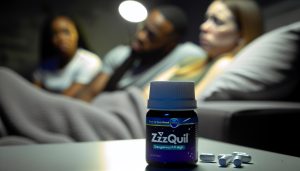
Did you know that NyQuil can help alleviate cold and flu symptoms, but understanding how long it stays in your system is crucial for safe use? Many people rely on NyQuil to get a good night’s rest when feeling unwell, but lingering effects could impact your next day. Whether you’re a busy parent, a working professional, or just looking to recover quickly, knowing the duration of NyQuil’s presence in your system can guide your decisions about when to take it and what to expect. In this complete guide, we’ll explore how NyQuil works, its active ingredients, and the factors that influence how long it stays in your system. By understanding this vital information, you can ensure you’re using NyQuil safely and effectively, allowing you to tackle your day with confidence after a restful night. Keep reading to learn more and empower yourself with the knowledge to manage your health better.
How Nyquil Affects Your Body Over Time
The effects of NyQuil on your body can extend beyond immediate relief from cold and flu symptoms, impacting various bodily systems over time. This over-the-counter medication is designed not only to alleviate symptoms like cough, runny nose, and fever but also to promote restful sleep, which is crucial when your body is fighting illness. The active ingredients in NyQuil-typically acetaminophen, dextromethorphan, and doxylamine-work together to address pain, suppress cough, and act as an antihistamine, respectively. Understanding how these ingredients interact with your body can help you make informed decisions about usage and timing.
When you take NyQuil, it’s essential to consider how your body metabolizes these components. Acetaminophen, for instance, is processed by the liver, and excessive use can lead to liver damage, especially with prolonged use. Dextromethorphan can sometimes affect mood and may lead to feelings of drowsiness or even, in some cases, agitation after its initial effects wear off. Doxylamine, while helpful for inducing sleep, can also result in lingering grogginess the following day, impacting your alertness and cognitive function. Regularly using NyQuil can create a cycle where reliance on the medication for sleep becomes counterproductive, influencing both your sleep patterns and overall well-being.
Additionally, various factors like age, dosage, and individual health conditions can affect how long NyQuil stays in your system and how strongly it affects you over time. For example, older adults may metabolize medications differently, leading to increased sensitivity to sedative effects. It is crucial for users to monitor their reactions and consult healthcare professionals for tailored advice, particularly if they find themselves needing NyQuil consistently. Understanding these dynamics ensures users can maximize the benefits of NyQuil while minimizing potential adverse effects on their health.
Understanding How Long Nyquil Lingers
in your system is crucial for both safety and effectiveness. Many users rely on this over-the-counter remedy to alleviate cold and flu symptoms, but the duration of its effects can vary significantly based on individual metabolism and other factors. After ingestion, NyQuil is rapidly absorbed into the bloodstream, but the time it remains active can range from several hours to over a day, depending on the specific ingredients and your body’s response.
The primary ingredients in NyQuil-acetaminophen, dextromethorphan, and doxylamine-each have distinct half-lives, impacting how long they persist in your system. For example, acetaminophen usually lasts around 3 to 4 hours, while dextromethorphan can remain effective for about 5 to 6 hours. Doxylamine, an antihistamine, may linger longer, contributing to the sedative effects that some users experience the following day. This can lead to drowsiness or decreased alertness, particularly if taken before bedtime.
Factors Affecting Duration
Several factors play a role in how long NyQuil can affect you, including:
- Dosage: Higher doses can increase the duration and intensity of effects.
- Metabolism: Individual metabolic rates vary. Some people process medications more quickly than others.
- Age: Older adults often metabolize drugs differently, which can lead to a prolonged duration of effects.
- Individual Health Conditions: Existing liver conditions, for example, can hinder the metabolism of acetaminophen, resulting in longer-lasting effects.
Staying informed about these dynamics can help you make better decisions regarding NyQuil usage, particularly if you need to return to work or other responsibilities. If you frequently find yourself relying on NyQuil for relief, consider discussing your symptoms and usage patterns with a healthcare professional to ensure you maintain optimal health while managing your cold and flu symptoms. Understanding how long NyQuil remains effective in your system allows for better planning and safer use of this common medication.
Factors Influencing Nyquil Metabolism
Understanding how your body metabolizes NyQuil involves several interconnected factors that can greatly influence its duration and effectiveness. One crucial aspect is the active ingredients contained in the formulation-primarily acetaminophen, dextromethorphan, and doxylamine. Each of these compounds has its own metabolic pathway and half-life, which affects how long they remain active in your system and contribute to the overall effects of the medication.
One significant factor is your individual metabolic rate. This can vary widely from person to person based on genetics, lifestyle, and overall health. For example, some individuals may metabolize medications at a faster rate due to higher liver enzyme activity, leading to shorter drug effects. Others, particularly those with underlying health issues such as liver disease, might experience prolonged effects from NyQuil, as their bodies are less efficient at breaking down these compounds.
Additionally, age plays a key role in how medications, including NyQuil, are metabolized. Older adults often have slower metabolic rates and may experience extended effects from medications. This means that a dose of NyQuil taken in the evening could linger into the next day, causing drowsiness or reduced alertness, which is particularly important to consider if you need to drive or perform tasks requiring focus.
Factors such as dosage, frequency of use, and the presence of other medications can also influence NyQuil metabolism. Higher doses can not only intensify effects but may also lead to a longer duration in the system, increasing the risk of side effects. It’s essential to monitor how often you rely on NyQuil for relief and consult a healthcare provider if you find yourself needing it consistently, as this might indicate a deeper health issue that requires attention. Understanding these factors empowers you to use NyQuil safely and effectively while ensuring it complements your overall health management plan.
Nyquil: Ingredients and Their Effects
Understanding the active ingredients in NyQuil is essential for grasping how this popular over-the-counter medication affects your body and how long it lingers in your system. NyQuil is formulated primarily to relieve symptoms associated with cold and flu, and it consists of three key components: acetaminophen, dextromethorphan, and doxylamine. Each of these ingredients plays a specific role and has its unique effects on the body.
Acetaminophen is the pain reliever and fever reducer in NyQuil. It works by inhibiting certain chemicals in the brain that signal pain and regulate temperature. The onset of pain relief typically begins within 30 to 60 minutes after ingestion, and its effects can last for about four to six hours, depending on individual metabolism and dosage.
Dextromethorphan serves as a cough suppressant, effective for reducing the urge to cough by acting on the brain’s cough center. It’s particularly useful for nighttime relief, allowing for more restful sleep without frequent interruptions due to coughing. However, its duration of action is also around four to six hours, and it can cause drowsiness.
Doxylamine, a sedating antihistamine, is the ingredient responsible for the sleep-inducing effects often associated with NyQuil. This component can slow down brain activity, making users feel relaxed and sleepy, which can help in getting better rest when suffering from illness. The sedative effects may last longer than the other ingredients, and this is important for users to consider in relation to potential drowsiness the next day.
Understanding how these ingredients work together not only helps in choosing the right product for symptom relief but also underscores the importance of timing and dosage. Taking NyQuil too close to waking hours or using it regularly without the guidance of a healthcare professional can lead to lingering sedative effects and may interfere with daily activities. Always consult a medical provider if you have concerns about the duration of effects or whether NyQuil is appropriate for your symptoms. By being informed about the ingredients, you can make better decisions about your health and wellness.
Side Effects of Nyquil and Duration
Taking NyQuil can provide much-needed relief from cold and flu symptoms, but it’s essential to be aware of potential side effects and how long they may linger in your system. Unlike some medications that act swiftly and dissipate quickly, NyQuil’s blend of ingredients can lead to various effects that impact individuals differently. Understanding these side effects not only prepares you for any uncomfortable feelings but also empowers you to manage your health more effectively.
The most commonly reported side effects of NyQuil include drowsiness, dizziness, and occasionally dry mouth or throat. Drowsiness is one of the primary reasons people choose NyQuil, as it can assist in getting a good night’s sleep when you’re feeling under the weather. However, this sedative effect can last well into the next day, especially if NyQuil is taken late in the evening. It’s crucial to allow yourself ample time for rest after using NyQuil, as you may still feel groggy when you wake up.
Another potential side effect is dizziness, which can be disorienting, particularly when standing up quickly. Staying hydrated and moving slowly can help mitigate this feeling. For some individuals, dry mouth or throat can occur due to the antihistamine effects of doxylamine. Keeping water nearby can alleviate this discomfort during your recovery.
As for how long these effects last, the duration can vary based on several factors, including individual metabolism, age, and overall health. Typically, the sedative properties can last for up to eight hours or even longer in some cases. Therefore, it’s advisable to plan your NyQuil dosage accordingly, especially if you have essential tasks the following day. By understanding these effects and durations, you can use NyQuil safely and effectively, enhancing your recovery while minimizing risks associated with drowsiness and other side effects. Always consult with a healthcare professional if you experience severe or prolonged side effects, or if you have any concerns regarding the medication’s impact on your health.
Differences Between Nyquil Forms and Duration
The various forms of NyQuil available on the market offer users flexibility in how they choose to manage their cold and flu symptoms. Understanding the differences between these forms is essential, as each one can affect your body differently and may linger in your system for varying lengths of time. NyQuil is primarily available as a liquid, but it also comes in capsule and liqui-cap forms, each designed to cater to different preferences and comfort levels.
Duration of Action
The onset and duration of relief provided by NyQuil can depend significantly on its form. For instance, the liquid version is typically absorbed faster, often resulting in quicker symptom relief within 30 minutes to an hour after ingestion. Users may find that the sedative effects last around 6 to 8 hours, though individual responses can vary based on metabolism and dosage. In contrast, the capsule forms may take slightly longer to dissolve and be processed by the body, leading to a prolonged onset time, though the overall duration may be similar.
Liquid vs. Capsules: Pros and Cons
Each form of NyQuil has its pros and cons that can influence user choice:
- Liquid: Offers rapid absorption and flexibility in dosing. However, its taste might be off-putting for some.
- Capsules/Liqui-Caps: Easier to take and often tasteless, making them a preferred option for those sensitive to flavors. However, users may experience a slower onset of effects.
Individual Preferences and Considerations
When choosing between the different forms, consider your personal preferences and lifestyle. If you require immediate relief and find swallowing capsules challenging, the liquid may be your best option. Conversely, if you are on the go and prefer convenience, capsules may be more suitable. Regardless of the form, it’s important to adhere to recommended dosages and consult with a healthcare professional, especially for specific health conditions or if other medications are being taken. Being aware of how long each form lingers in your system can help you plan your future dosages and manage your symptoms effectively without risking overdose or prolonged drowsiness.
In summary, the choice of NyQuil form can influence both the speed of symptom relief and the duration of effects felt in your body. Understanding these nuances empowers you to make informed decisions that best align with your healthcare needs.
User Experiences: How Long Did It Last?
Many users have shared diverse experiences regarding how long NyQuil’s effects last, shedding light on its variability based on personal circumstances. Generally, most users report that the relief from symptoms can kick in within about 30 minutes after taking the liquid form, with effects lasting anywhere from 6 to 8 hours. However, individual responses can vary significantly based on factors such as metabolism, dosage, and the specific formulation taken.
For example, one user noted that after taking the liquid NyQuil, they experienced a noticeable reduction in their cold symptoms for about 7 hours, allowing them to sleep soundly through the night. Conversely, another user who opted for the capsule form reported a slower onset of relief, taking nearly an hour to begin feeling the effects and lasting for about 6 hours. This variability underscores the importance of considering both the format and timing of usage when planning to manage symptoms, especially for those with busy schedules.
Real-life anecdotes also underline the importance of personal dosage. Some users found that taking a slightly higher dose (within recommended limits) extended the symptom relief to almost 10 hours for them, while others were more sensitive and experienced drowsiness that persisted into the next day. This anecdotal evidence emphasizes the need for each user to monitor how their body reacts and adjust their usage accordingly.
Ultimately, while user experiences can provide valuable insights, it’s crucial to remember that everyone’s body reacts differently. Keeping track of one’s own reactions to NyQuil can guide future decisions on when to take it and whether to consult a healthcare professional for personalized advice, particularly if experiencing prolonged drowsiness or unusual side effects.
When to Seek Help After Using Nyquil
Many people rely on NyQuil to alleviate discomfort from cold and flu symptoms, but it’s crucial to recognize when the use of this medication might require professional intervention. While NyQuil is generally safe when used as directed, certain situations undoubtedly call for seeking medical help. If you experience severe side effects or persistent symptoms despite taking NyQuil, it’s essential to reach out to a healthcare professional for guidance.
Possible signs that indicate the need for immediate medical attention include:
- Allergic Reactions: Symptoms such as rash, itching, swelling, or difficulty breathing can indicate an allergic reaction requiring prompt medical evaluation.
- Prolonged Drowsiness: If drowsiness extends beyond the expected duration, affecting your daily activities or ability to function, consult a doctor.
- Increased Heart Rate: An unusually rapid heartbeat or feelings of palpitations might suggest your body is reacting negatively to the medication.
- Severe Nausea or Vomiting: If you find yourself feeling continuously nauseous or are unable to keep fluids down, it’s vital to seek help.
- Worsening Symptoms: If your cold or flu symptoms worsen or you develop new symptoms after taking NyQuil, it may be time to consult with a healthcare provider to explore other treatment options.
Additionally, individuals with pre-existing conditions-such as liver disorders, heart conditions, or respiratory issues-should exercise caution. Consulting with a healthcare professional before using NyQuil or any combination cold medication is advisable for those individuals.
Ultimately, self-awareness and attentiveness to your body’s responses are vital. Documenting your reactions to NyQuil can be invaluable, not only for your knowledge but also when discussing with your healthcare provider, should the need arise. Understanding your health, monitoring any side effects, and knowing when to seek help can empower you to manage your health effectively.
Tips for Safe Nyquil Use and Timing
Using NyQuil can certainly help alleviate annoying cold or flu symptoms, but safe use is paramount. Consider it a tool in your wellness toolkit: the goal is to alleviate discomfort without inadvertently introducing complications. When planning to take NyQuil, timing and safety are crucial factors that can impact your recovery.
First and foremost, always adhere to the recommended dosage based on your age and health status. Overdosing on NyQuil can lead to serious side effects, including liver damage, which may result from taking more than the recommended dose of acetaminophen present in many NyQuil formulations. To avoid this, it’s essential to track your intake, particularly if you’re combining NyQuil with other medications that might also contain acetaminophen.
Timing is also essential when using NyQuil. Since it is designed to promote sleep and relieve symptoms at night, it’s best to take it shortly before bedtime. This ensures you benefit from its sedative effects, allowing for a better night’s rest. It can be helpful to plan your dosage around your nightly schedule, ensuring you have at least 7-8 hours of sleep available post-ingestion. As some individuals may experience extended drowsiness, avoid activities such as driving or operating heavy machinery the following day until you’re sure how NyQuil affects you.
Additionally, consider your overall health and any existing conditions you may have. If you have liver disease, respiratory issues, or are taking other medications, it’s prudent to consult with a healthcare professional before using NyQuil. This consultation can help you identify potential interactions or side effects, ensuring a safer experience.
In summary, while NyQuil can bring relief, mindful use-regarding dosage, timing, and existing health conditions-can optimize its effectiveness and minimize risks. If symptoms persist or worsen, seeking medical advice is always a wise choice. Keeping this knowledge in your back pocket empowers you to make informed decisions regarding your health.
Alternatives to Nyquil for Relief
For those seeking relief from cold and flu symptoms without using NyQuil, a wealth of alternatives exists, ranging from over-the-counter medications to natural remedies. Understanding these options can help you find what works best for your body while potentially avoiding the side effects associated with NyQuil.
Over-the-Counter Alternatives
Numerous over-the-counter (OTC) medications provide symptom-specific relief. These options typically do not contain the sedative ingredients found in NyQuil, making them ideal for daytime use. Some popular alternatives include:
- DayQuil: This counterpart to NyQuil contains ingredients aimed at addressing similar symptoms-such as fever, headache, and congestion-without causing drowsiness.
- Robitussin: Tailored for cough relief, Robitussin helps manage mucus and ease throat irritation.
- Phenylephrine or Pseudoephedrine: Decongestants that relieve nasal congestion but may lead to increased heart rate or anxiety in some individuals.
Natural Remedies
Natural alternatives can also offer symptom management, often with fewer side effects. Some popular natural remedies include:
- Honey and lemon: A warm drink made with honey and lemon can soothe a sore throat and provide relief from coughing.
- Ginger tea: Known for its anti-inflammatory properties, ginger tea can help reduce symptoms associated with colds and flu.
- Steam inhalation: Breathing in steam from a hot shower or a bowl of hot water can clear nasal passages and alleviate sinus pressure.
When to Consult a Healthcare Professional
While alternatives can be effective, it’s crucial to consult a healthcare provider, especially if symptoms persist or worsen. Each individual’s health profile is different, and a professional can guide you on the best options tailored to your needs. If you have pre-existing conditions or are taking medications, discussing any treatment regimen with a healthcare professional is essential.
Embracing these alternatives provides a holistic approach to managing cold and flu symptoms. Remember, while self-care is important, ongoing health concerns should always be evaluated with the help of a qualified healthcare provider.
Questions About Nyquil Duration and Safety
Determining how long NyQuil stays in your system and its safety can significantly influence how you manage your cold and flu symptoms. Typically, the effects of NyQuil last for about 6 to 8 hours, depending on individual factors such as metabolism, dosage, and the specific formulation of NyQuil used. The sedative effects are primarily due to doxylamine, an antihistamine that assists with sleep, while acetaminophen alleviates pain, and dextromethorphan suppresses cough.
Important considerations involve understanding how the body metabolizes NyQuil. For most adults, the active ingredients are processed quickly; however, factors such as age, liver functionality, and concurrent medications can influence the duration. For instance, those with liver issues may experience prolonged effects from acetaminophen, making it crucial to adhere to recommended dosages and consult with a healthcare provider if you have pre-existing conditions.
If you experience adverse effects or excessive drowsiness beyond the expected duration, it may be necessary to seek medical attention. Side effects can include dizziness, dry mouth, or in rare cases, more severe reactions. Health professionals can offer guidance tailored to personal health profiles, ensuring safe use and minimizing interactions with other medications.
In summary, while NyQuil can effectively relieve symptoms, being informed about its duration in your system and understanding the potential side effects helps in making safer decisions. Always consider discussing your symptoms and treatment options with a healthcare provider to get personalized advice suited to your health needs.
Staying Informed: Stay Updated on Nyquil Research
Staying informed about ongoing research regarding NyQuil is crucial for making safe and effective choices in managing cold and flu symptoms. With the continuous evolution of medical science, new findings can help demystify the effects of over-the-counter medications like NyQuil, guiding users on safe practices and proper usage. For instance, recent studies have focused on how the various active ingredients interact within the body and the long-term implications of frequent use, especially in vulnerable populations like the elderly or those with liver conditions.
In addition, emerging research often examines user experiences and feedback, shedding light on the effectiveness of different formulations. Understanding how various demographics respond to NyQuil can aid in personalizing treatment plans. For example, some individuals may report different side effects or varying duration of symptom relief based on their unique health conditions, age, or even genetic factors. Engaging with user forums, reputable health websites, or professional medical advice can provide a wealth of anecdotal evidence that complements scientific research.
To stay current, consider subscribing to medical journals or following health organizations that publish findings related to cold and flu treatments. Keeping abreast of these developments allows users to evaluate when and how to use NyQuil more effectively while remaining vigilant about potential challenges. Remember, discussions with healthcare professionals provide personalized insights and recommendations that are integral to safe usage.
Moreover, utilizing digital health resources and platforms can enhance your knowledge about NyQuil and its proper application. Regularly checking for updates on guidelines, ingredient changes, and new research findings can empower you as an informed consumer, ensuring you make choices that support your health and well-being. Always be proactive in your health management by combining self-education with professional guidance.
Q&A
Q: How long does it take for Nyquil to leave your system?
A: Nyquil typically stays in your system for about 4 to 6 hours, depending on the dose and your metabolism. However, factors like age, weight, and overall health can influence this duration significantly. For more precise information, check the section on metabolism factors in our article.
Q: Can you test positive for drugs after taking Nyquil?
A: Yes, the ingredients in Nyquil, particularly diphenhydramine and doxylamine, could lead to a positive test for certain substances. This is important to consider if you’re facing drug testing; refer to our article’s section on drug interactions for more details.
Q: Does Nyquil cause drowsiness and for how long?
A: Yes, Nyquil can induce drowsiness due to its antihistamine components. This effect usually lasts for about 4 to 6 hours. If you’re concerned about daytime drowsiness, consider reviewing our tips for safe Nyquil use.
Q: Is it safe to take Nyquil multiple nights in a row?
A: While occasional use is generally considered safe, taking Nyquil for several nights in a row is not recommended without consulting a healthcare professional. Overuse can increase the risk of side effects. For guidance, see our section on when to seek help after using Nyquil.
Q: What should you avoid while taking Nyquil?
A: Avoid alcohol and other sedatives while taking Nyquil, as these can enhance drowsiness and risk of serious side effects. For further safety tips, check our article on the side effects of Nyquil and timing of use.
Q: How does food affect Nyquil absorption?
A: Taking Nyquil with food can alter its absorption, potentially delaying the onset of its effects. It’s best to follow dosing instructions for optimal results. Additional insights on this topic can be found in our article on how Nyquil affects your body over time.
Q: What are the differences between Nyquil liquid and capsules regarding duration?
A: The duration of effect is generally similar for both liquid and capsule forms of Nyquil, usually lasting around 4 to 6 hours. However, the liquid may provide faster relief. Our article elaborates on the differences between Nyquil forms and their durations.
Q: Are there alternatives to Nyquil that are effective?
A: Yes, alternatives like Robitussin or herbal remedies might relieve cold symptoms without the sedative effects of Nyquil. Refer to our section on alternatives to Nyquil for relief for more information and options.
Wrapping Up
Understanding how long NyQuil stays in your system is crucial for safe and effective use, especially when managing cold and flu symptoms. Remember that while NyQuil can provide significant relief from discomfort, it’s essential to adhere to recommended dosages and timelines for use. If you have lingering concerns about its effects, consult a healthcare professional for personalized advice.
For those seeking further information, check out our related articles on cold symptom management and the benefits of sleep during recovery. Join our community by signing up for our newsletter, where you’ll receive the latest health tips and insights directly to your inbox. Don’t hesitate to explore more about effective remedies and wellness strategies-your journey to better health starts here! Let’s continue the conversation: leave a comment below with your experiences or questions about NyQuil or any related topics. We’re here to support you!