In our quest for healthy, glowing skin, many people turn to natural remedies that can be made right at home. “Homemade Solutions Skins Glow Back: Natural Radiance” delves into easy and effective DIY approaches to rejuvenate your skin using ingredients often found in your kitchen. Did you know that simple items like honey, oatmeal, and avocado can enhance your skin’s radiance? As pollution and stress take a toll on our complexions, it’s crucial to explore accessible, natural alternatives to restore that coveted glow. This article addresses common skin concerns while empowering you to take charge of your skincare routine. Let’s uncover the secrets to achieving luminous skin with natural solutions you can trust. Continue reading to discover recipes and tips that promise to transform your routine and enhance your natural beauty, because radiant skin is always within your reach!
Homemade Remedies for Glowing Skin: An Overview
Achieving glowing skin is a desire shared by many, and a wealth of natural remedies offers a pathway to enhanced radiance without the use of harsh chemicals. Homemade solutions not only empower you to take control of your skincare but also utilize ingredients that nourish the skin deeply. For instance, simple kitchen staples like honey, olive oil, and yogurt can work wonders, thanks to their moisturizing and healing properties. Most importantly, these natural ingredients can often be found in your pantry, making them accessible and easy to incorporate into your daily routine.
The journey to a luminous complexion begins with understanding how various natural ingredients detoxify and rejuvenate the skin. Antioxidant-rich foods, such as berries, citrus fruits, and green leafy vegetables, can help combat free radicals that contribute to aging and dullness. Additionally, ingredients like aloe vera and turmeric have anti-inflammatory properties that not only soothe the skin but also promote an even skin tone. By harnessing the power of these natural components, you can create your own effective homemade remedies tailored to your skin’s unique needs.
Incorporating homemade remedies into your skincare routine doesn’t have to be complicated. A simple sugar and lemon scrub can exfoliate dead skin cells and brighten your complexion, while a mask made of mashed bananas and honey can provide deep hydration. It’s essential to experiment and find the right combinations that suit your skin type, as different ingredients perform distinct roles-hydrating, exfoliating, or treating specific concerns like acne and pigmentation.
Ultimately, creating a dedicated skincare regimen involving nourishing treatments will go a long way towards achieving your desired glow. Stay observant of how your skin responds to these homemade remedies, and don’t hesitate to adjust your routine based on its needs. This mindful approach combines the benefits of nature with personal attention, facilitating a radiant and healthy complexion.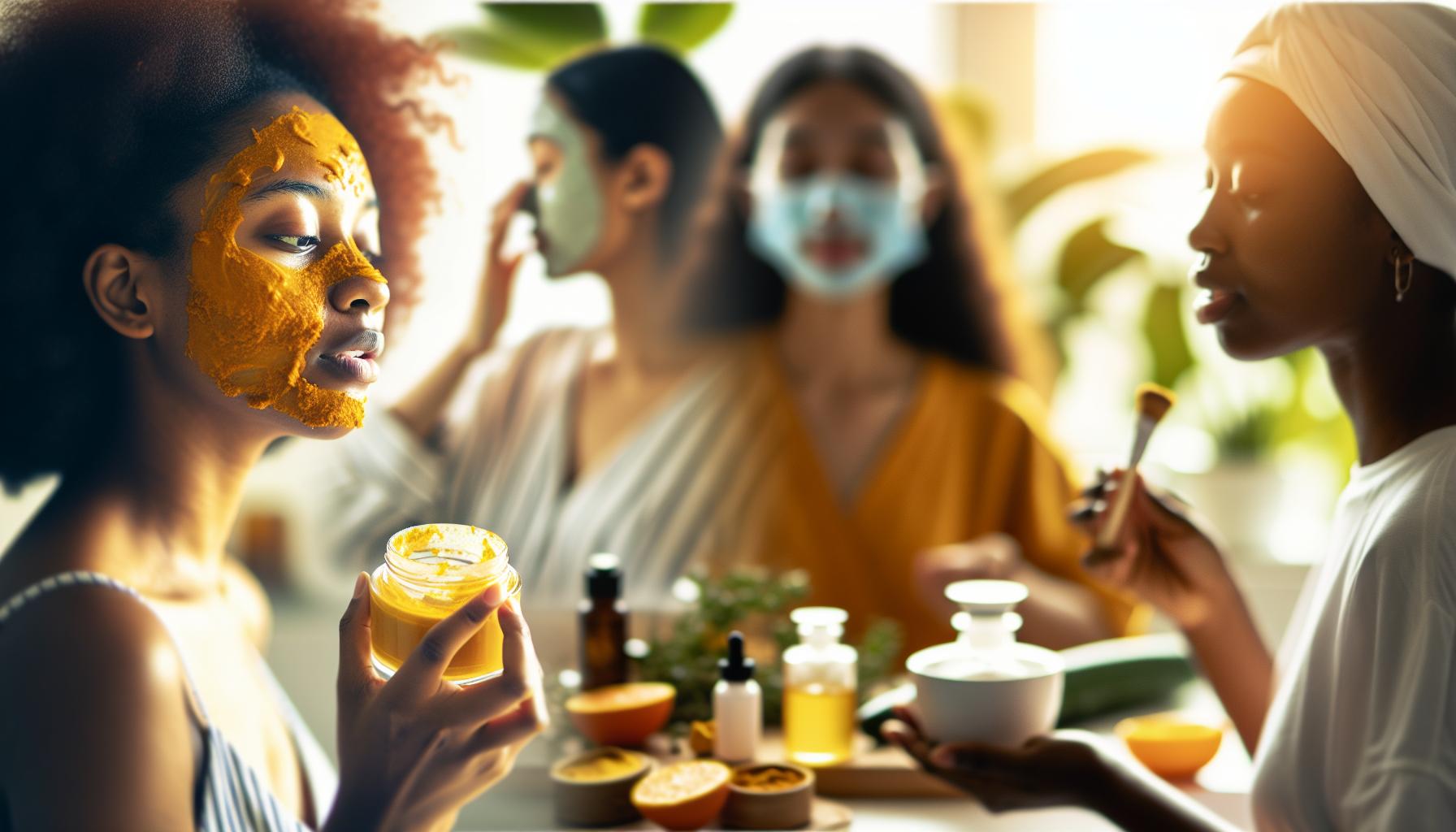
The Power of Natural Ingredients for Radiance
Natural ingredients hold remarkable potential to enhance the radiance of your skin, providing a gentle and nourishing alternative to chemical-laden beauty products. The richness of nature offers an array of beneficial compounds that can hydrate, rejuvenate, and restore your skin’s natural glow. For instance, ingredients such as honey, known for its humectant properties, can draw moisture into the skin while simultaneously acting as an antibacterial agent. Meanwhile, aloe vera not only helps to soothe inflammation but also promotes healing and hydration, making it a fantastic ally for achieving luminous skin.
Harnessing the power of botanical elements can lead to significant improvements in skin health. Antioxidants found in natural ingredients such as vitamin C-rich citrus fruits can combat free radicals, reducing signs of aging and promoting an even skin tone. These antioxidants work synergistically to boost collagen production and repair damaged tissues, ultimately resulting in a youthful appearance. Moreover, adaptogens like turmeric possess anti-inflammatory properties that can mitigate redness and optimize skin clarity. Including such ingredients into your skincare regimen isn’t just beneficial; it’s a step toward creating a holistic approach to self-care.
When integrating these natural ingredients into your skincare routine, it’s essential to customize your approach based on your skin type and specific concerns. For example, those with oily skin may benefit from clay masks infused with tea tree oil, while dry skin can be nurtured with rich oils such as olive or coconut oil. Emphasizing a trial-and-error mindset allows you to discover which combinations yield the best results for your unique skin profile. As you experiment, maintaining a detailed log of your mixtures and observations can help you refine your regimen over time.
In addition to topical applications, incorporating nutrient-rich foods into your diet can amplify your skin’s glow from the inside out. Foods that are high in omega-3 fatty acids, antioxidants, and vitamins support overall skin health and vitality. Remember, a balanced diet, combined with the right skincare products, builds a foundation for radiant skin. As you embark on this journey, always consult with a healthcare professional to tailor approaches that suit your individual needs, ensuring your path to luminous skin is both effective and safe.
Simple DIY Recipes for Radiant Skin
The quest for radiant skin can often feel daunting, but with simple homemade recipes, achieving a natural glow becomes accessible and enjoyable. Using everyday ingredients that nurture your complexion not only saves money but also empowers you to take a hands-on approach to skincare. Here are some effective DIY recipes that can help reveal your skin’s innate luminosity.
Honey and Lemon Face Mask
Benefits: Honey is a natural humectant that hydrates the skin, while lemon juice provides vitamin C and brightening properties. This mask is ideal for dull skin needing a boost.
Ingredients:
- 1 tablespoon of raw honey
- 1 teaspoon of fresh lemon juice
Instructions:
1. In a small bowl, mix together the honey and lemon juice until well combined.
2. Apply the mixture to cleansed skin, avoiding the eye area.
3. Leave it on for 15-20 minutes, then rinse with warm water. Pat dry gently with a clean towel.
Oatmeal and Yogurt Scrub
Benefits: Oatmeal acts as a gentle exfoliant that removes dead skin cells, while yogurt contains lactic acid to refine texture and enhance hydration.
Ingredients:
- 2 tablespoons of rolled oats
- 2 tablespoons of plain yogurt
Instructions:
1. Blend the rolled oats to a coarse powder.
2. In a bowl, combine the ground oats with yogurt to form a smooth paste.
3. Massage the scrub onto damp skin in circular motions for about 5 minutes, then rinse with cool water to reveal softer skin.
Avocado and Olive Oil Moisturizer
Benefits: Rich in antioxidants and fatty acids, avocado paired with olive oil deeply nourishes and hydrates dry skin, leaving it supple and glowing.
Ingredients:
- 1 ripe avocado
- 1 tablespoon of olive oil
Instructions:
1. Mash the avocado in a bowl until smooth.
2. Mix in the olive oil until fully combined.
3. Apply the mixture onto cleansed skin, letting it sit for 15-30 minutes before rinsing with lukewarm water.
Integrating these DIY recipes into your routine can promote a radiant complexion while allowing you to explore the benefits of natural ingredients. Remember to conduct a patch test before applying new recipes to ensure compatibility with your skin type. For personalized skincare routines or if you encounter persistent issues, consulting a healthcare professional is always recommended for optimal results.
How to Boost Skin Glow with Hydration
To achieve luminous skin, hydration is absolutely vital, as it plays a crucial role in maintaining skin’s elasticity, softness, and overall glow. When skin is well-hydrated, it appears plumper and healthier, which directly translates to a luminous complexion. One effective way to boost skin hydration is by integrating both topical and internal hydration techniques into your beauty regimen.
To start, consider using hydrating ingredients in your DIY skincare routines. Products like aloe vera gel, glycerin, and hyaluronic acid are known for their exceptional moisture-retaining properties. For example, mixing aloe vera gel with a few drops of essential oils can make a refreshing and hydrating face gel. You can apply it daily to combat dryness and promote a radiant look. Another great option is using a simple water-based mist made from rose water or green tea, which works wonders in providing instant hydration throughout the day. Just spray it on your face whenever your skin feels parched.
In addition to topical treatments, drinking adequate water is equally essential. Aim for at least 8 glasses of water a day to promote internal hydration. Including hydrating foods like cucumbers, oranges, and watermelons in your diet can further enhance your skin’s moisture levels. Remember, the combination of drinking enough fluids and applying hydrating skin products will lead to the best results in achieving that coveted glow.
Ultimately, paying attention to hydration is a straightforward yet profound way to enhance your skin’s radiance. By consistently hydrating from the inside out and relying on natural ingredients, you can enjoy a bright, healthy complexion. As always, if you have specific concerns about your skin, consulting a dermatologist can provide personalized advice that meets your unique needs.
Top Essential Oils for Natural Skin Luminosity
Unlocking the potential of your skin for a radiant glow can be as simple as integrating essential oils into your skincare routine. These concentrated plant extracts not only carry aromatic benefits but also provide numerous properties that can rejuvenate and enhance your skin’s luminosity. From nourishing dry skin to combating signs of aging, the right essential oils can work wonders and are perfect for various DIY recipes.
Favorite Essential Oils for Skin Glow
Explore some of the top essential oils renowned for their skin-loving properties:
- Lavender Oil: Known for its soothing and calming properties, lavender oil can help reduce redness and improve skin tone. Its antiseptic qualities also make it great for healing minor blemishes.
- Frankincense Oil: Often referred to as the “king of oils,” frankincense is known for its ability to promote healthy cellular function and reduce the appearance of scars and wrinkles, giving your skin a more youthful appearance.
- Tea Tree Oil: An excellent option for those with oily skin, tea tree oil helps combat acne and reduces inflammation without over-drying your skin.
- Rosemary Oil: Invigorating and refreshing, rosemary oil promotes circulation, which can enhance your skin’s overall vitality and radiance.
- Geranium Oil: This oil is celebrated for its ability to balance skin oils and improve elasticity, making it ideal for maintaining skin suppleness and glow.
Incorporating Essential Oils into Your Routine
Using essential oils is easy and versatile; they can be added to a variety of skincare preparations. Here are a few practical tips on how to do so safely:
- Dilution is Key: Always dilute essential oils with a carrier oil, such as coconut or jojoba oil, to prevent skin irritation. A general guideline is to use 1-2 drops of essential oil per teaspoon of carrier oil.
- DIY Serum: Create a nourishing serum by mixing a few drops of your favorite essential oils with a carrier oil. Apply it as a moisturizer after cleansing for enhanced hydration and glow.
- Bath Time Bliss: Add a few drops of essential oil to your bath for a relaxing and skin-loving soak. Oils like lavender or chamomile can calm both mind and skin.
- Homemade Face Masks: Elevate your homemade masks by incorporating essential oils. For instance, add lavender oil to a mask made from honey and yogurt for added benefits.
Safety and Consultation
Although essential oils are generally safe, it’s important to perform a patch test before applying them widely to identify any skin sensitivities. Consult with a dermatologist or an aromatherapy expert if you have concerns or existing skin conditions. They can help personalize your approach and ensure you’re using the most effective oils for your skin type.
With the right essential oils, achieving luminous skin becomes not just a possibility but an enjoyable part of your self-care routine. Embrace the natural radiance that these powerful ingredients can unlock for you!
Understanding Your Skin Type for Best Results
Understanding your skin type is the cornerstone of effective skincare, especially when it comes to utilizing homemade remedies. Each skin type has unique characteristics and needs that influence what ingredients will best enhance radiance and overall health. For instance, knowing whether your skin is oily, dry, combination, or sensitive can dictate not only what to apply but also how to prepare your natural treatments to achieve the best results.
To start, it’s essential to recognize the four primary skin types:
- Normal: Skin that presents a balanced texture, not too oily or dry. Normal skin typically responds well to a variety of ingredients without adverse reactions.
- Oily: Characterized by an excess of sebum, oily skin often appears shiny and may have enlarged pores. Ingredients that help control oil production, such as clay or tea tree oil, can be particularly beneficial.
- Dry: Skin that lacks moisture and may feel tight or flakey. Rich oils like olive or jojoba oil, along with moisturizing agents like honey and yogurt, are excellent for restoring hydration.
- Sensitive: Easily irritated skin that may react with redness or breakouts. Gentle and calming ingredients, such as chamomile or aloe vera, should be prioritized in recipes for this skin type.
Identifying your skin type can be done with a simple test. After cleansing your face, wait for about an hour and observe how your skin feels. If it feels tight or dry, you likely have dry skin; if it shines across most areas, you’re probably oily. Combination skin will exhibit both characteristics, often oily in the T-zone and dry elsewhere, while sensitive skin may display irritation quickly after applying typical skincare products.
When crafting homemade remedies, tailor your ingredients to match your skin’s characteristics for maximum effectiveness. For example, if you have oily skin, consider incorporating lighter, non-comedogenic oils, and essential oils that can help reduce shine. Conversely, for dry skin, using heavier oils, creams, and hydrating ingredients will yield more favorable results.
Ultimately, understanding your skin type empowers you to make informed decisions, personalize your skincare routine, and select the right homemade solutions for achieving that coveted glow. Should you experience persistent issues or doubt about your skin’s needs, don’t hesitate to seek advice from a healthcare professional to guide you on your journey to radiant skin.
Common Mistakes in Homemade Skin Care
Delving into the world of homemade skincare can be a joyous journey towards achieving that coveted glow, but it’s easy to fall into common pitfalls that can hinder your progress. One significant mistake is overlooking the importance of patch testing. Just as you would with commercial products, trying out new ingredients on a small area of skin first can help prevent adverse reactions. Remember, natural doesn’t automatically mean safe for everyone; even organic ingredients can provoke sensitivity or allergic responses in some individuals.
Another frequent error is neglecting proper hygiene during preparation. When crafting your homemade remedies, cleanliness is paramount. Using unwashed utensils or containers can introduce harmful bacteria, leading to breakouts or infections instead of the radiant skin you desire. Always ensure that your workspace, tools, and hands are clean to maintain the integrity of your skincare products.
Additionally, failing to follow ingredient ratios can result in ineffective or harsh formulations. Many DIY recipes require a careful balance of ingredients – too much of an acid (like lemon juice) can be damaging, while too little of a carrier oil might not provide sufficient moisture. When experimenting, start with small batches, and document your ratios to replicate successful recipes later.
Lastly, many people underestimate the power of consistency. Homemade remedies often require time and regular application to show results, so it’s vital to remain patient and committed rather than switching between different remedies prematurely. Give your skin time to adjust and respond to new ingredients; rapid changes can sometimes lead to frustration and negativity toward your skincare routine.
By recognizing and avoiding these mistakes, you can create effective homemade skincare solutions tailored for your skin’s needs, paving the way for a vibrant and natural glow. Always remember, when in doubt about ingredients or reactions, consulting a dermatologist or a skincare professional can provide you with personalized advice to enhance your homemade skincare journey.
Incorporating Nutrition for Healthier Skin
While many focus on topical treatments for achieving glowing skin, the truth is that nutrition plays a crucial role in determining the health and appearance of your complexion. The foods you consume can significantly impact your skin’s radiance, and a well-balanced diet rich in vitamins, minerals, and antioxidants is essential for maintaining a vibrant glow. Foods that are high in omega-3 fatty acids, such as fish, walnuts, and flaxseeds, can help reduce inflammation and keep your skin supple and hydrated. Similarly, colorful fruits and vegetables-particularly those rich in vitamins C and E-provide antioxidants that combat free radical damage and promote healing, contributing to a healthier-looking complexion.
To incorporate nutrition effectively into your skincare routine, consider the following dietary enhancements:
- Hydration: Water is essential for maintaining skin moisture. Aim to drink at least eight glasses of water daily and include hydrating foods, like cucumbers and oranges, in your diet.
- Healthy Fats: Source healthy fats from avocados, nuts, and olive oil, as these can support skin barrier function and retain moisture.
- Vitamin C: Boost collagen production by consuming foods such as strawberries, bell peppers, and citrus fruits, which can help achieve that youthful glow.
- Probiotics: Fermented foods like yogurt and sauerkraut can improve gut health, which is closely linked to skin health. A balanced gut microbiome can reduce acne and enhance your skin’s natural radiance.
It’s also essential to be mindful of foods that may negatively impact your skin. High-sugar and processed foods can lead to inflammation and breakouts, while excessive dairy may exacerbate some skin conditions. Remember, finding the right balance for your body may require some experimentation, but the results can be worth it for achieving that luminous glow. Always consult with a healthcare professional or a registered dietitian to tailor your nutrition plan to meet your individual needs, especially if you have specific skin concerns or health conditions.
DIY Face Masks for Instant Glow
Transforming your skin’s appearance can often be as simple as mixing a few natural ingredients right from your kitchen. Face masks not only provide instant hydration and nourishment but can also enhance your skin’s natural glow without any harsh chemicals. Many ingredients you may already have at home offer remarkable benefits when applied topically, making them perfect for quick homemade solutions.
One popular combination for a radiant complexion is a honey and yogurt mask. Honey serves as a natural humectant, drawing moisture into the skin, while yogurt contains lactic acid, which gently exfoliates and brightens. To make this mask, mix one tablespoon of honey with one tablespoon of plain yogurt. Apply it to your face for about 15-20 minutes before rinsing off with warm water. This mask can leave your skin feeling soft, hydrated, and luminous.
Another effective option is a turmeric and aloe vera mask. Turmeric is known for its anti-inflammatory and antioxidant properties, which can help reduce redness and improve skin tone. When combined with aloe vera, which soothes and hydrates the skin, this mask creates a powerful treatment. Simply combine one teaspoon of turmeric powder with two tablespoons of fresh aloe vera gel. Apply the mixture to your skin for 10-15 minutes, being careful to avoid any irritated areas, and rinse off with lukewarm water for a healthier glow.
Quick Recipe Guide
| Mask Ingredients | Benefits | Application Time |
|---|---|---|
| Honey and Yogurt | Hydrating, exfoliating | 15-20 minutes |
| Turmeric and Aloe Vera | Anti-inflammatory, soothing | 10-15 minutes |
Using these natural face masks regularly can help you achieve a glowing complexion while also allowing you to experiment with different combinations to suit your skin type. Always perform a patch test before trying new ingredients, and remember that results can vary based on individual skin conditions. Consulting with a skincare professional is recommended to tailor any DIY skincare routines specifically for your needs. Embrace these simple, effective homemade masks to foster your skin’s natural beauty and radiance.
Routine Tips for Maintaining Radiant Skin
Maintaining radiant skin is not just about occasional treatments; it’s a daily commitment involving several simple yet effective habits. Each day presents an opportunity to refresh, nourish, and protect your skin, ensuring it remains vibrant and healthy over time. A consistent skincare routine tailored to your skin’s specific needs can significantly enhance its natural glow.
Start your day with a gentle cleanse to remove impurities accumulated overnight. Follow this with a hydrating toner to prepare your skin for the products that follow. Incorporating a moisturizer suited to your skin type-be it oily, dry, or combination-will help lock in moisture and create a smooth base for makeup if desired. Don’t forget the importance of sun protection; SPF is a vital step to prevent damage from UV rays, which can lead to premature aging and dullness.
Additionally, consider integrating a weekly exfoliation into your routine. Using natural scrubs made from ingredients like oatmeal, coffee grounds, or sugar can help slough off dead skin cells, revealing the fresh skin underneath. After exfoliating, treat your skin to a calming mask, such as the honey and yogurt or turmeric and aloe vera masks mentioned earlier, to rejuvenate and brighten. Keeping your skin healthy is not solely about topical applications; what you consume also plays a critical role. A diet rich in antioxidants, particularly from fruits and vegetables, along with adequate hydration, provides your skin with the nutrients it needs to maintain a radiant appearance.
Lastly, pay attention to your skin’s signals. If you notice changes such as excessive dryness, irritation, or breakouts, it may be time to revise your routine or consult a skincare professional. Responsiveness to your skin’s needs fosters a better understanding of how to care for it effectively. By embracing these practices, you can enjoy a luminous complexion and feel empowered in your skincare journey.
Seasonal Adjustments for Skin Care Success
Changing seasons can significantly impact your skin’s health and appearance, making it vital to adjust your skincare routine accordingly. As temperatures fluctuate from the heat of summer to the cold of winter, so too do your skin’s needs. Recognizing these shifts can help maintain a natural radiance year-round. For instance, winter often brings dry air that can lead to dehydration, while summer might result in excess oil production and sun exposure. Being aware of these factors allows you to modify your homemade skincare treatments effectively, ensuring your skin stays luminous through every season.
During colder months, you may notice your skin becoming dry and flaky. This is an ideal time to incorporate richer, more emollient ingredients in your DIY recipes. Consider using natural oils such as coconut or olive oil in your moisturizer and face masks. These oils not only hydrate but also create a protective barrier to reduce moisture loss. Additionally, adding honey, a natural humectant, can help draw moisture into your skin. Don’t forget to use a thicker moisturizer and perhaps switch to cream-based cleansers that are less stripping than their gel counterparts.
As the weather warms up, you might find your skin feeling oilier or more prone to breakouts. To counteract this, focus on lightweight formulations. Gel-based moisturizers infused with aloe vera or cucumber are perfect for this season as they provide hydration without weighing the skin down. Incorporate refreshing DIY masks with ingredients like yogurt, which can soothe and exfoliate the skin gently, promoting a balanced complexion. Regularly using natural exfoliants like sugar or coffee scrubs can further help to keep your pores clear of buildup, leading to a clearer and more radiant appearance.
Moreover, changing your diet to include seasonal fruits and vegetables can greatly impact your skin’s glow. For instance, in summer, enjoy juicy watermelon and refreshing cucumber that hydrate from within, while in winter, nutrient-rich options like oranges and carrots can provide necessary vitamins. Regardless of the season, staying hydrated is crucial, so keep drinking plenty of water and consider herbal teas that can nourish your skin.
Keep in mind that your skin’s needs will vary not only with the seasons but also with individual skin types. Consider maintaining a flexible mindset, adjusting your routines, and paying attention to what your skin is signaling during these transitions. This attentiveness, paired with the natural remedies you’ve cultivated, will empower you to embrace radiant skin through every change the seasons bring.
Listening to Your Skin’s Needs: When to Seek Help
Listening to your skin is crucial in maintaining its health and beauty, especially when experimenting with homemade remedies for a glowing complexion. Just as you would attend to your body’s signals-like hunger or fatigue-your skin also communicates its needs and reactions. A key indicator that it might be time to seek professional guidance is when your skin shows persistent concerns that do not improve with your homemade treatments. If your skin experiences severe dryness, persistent breakouts, or redness that doesn’t fade, this may be a sign that underlying issues are at play that require a dermatological assessment.
- Persistent Irritation: If skin treatments leave you feeling itchy or cause a burning sensation, these could be reactions to certain ingredients. This is especially true with homemade products that include essential oils or potent natural acids.
- Severe Acne or Breakouts: While occasional pimples are normal, if breakouts are frequent and severe, it might indicate the need for stronger, clinically tested treatments.
- Unexplained Changes: Any significant changes to your skin’s texture, color, or appearance could be signs of a serious condition and should prompt consultation with a healthcare provider.
It’s also wise to consider professional help if you handle skin conditions frequently or notice that your skin reacts negatively to multiple DIY solutions. An experienced dermatologist can help identify specific skin types or conditions-such as eczema, rosacea, or hormonal acne-that may not respond well to homemade remedies. They can also guide you on the appropriate products suited for your skin type, diversifying your skincare routine in a way that promotes natural radiance while avoiding further irritation.
Remember that while homemade solutions can offer great benefits and enhance your skin’s glow, they should never substitute professional medical advice. If you find yourself uncertain about your skin’s needs or how to manage an issue, do not hesitate to seek expertise from a qualified practitioner. With the right support, you can adopt a skincare approach that not only nourishes your skin but also empowers you to make informed decisions about your health and beauty routines.
Faq
Q: What natural ingredients can enhance skin glow?
A: Natural ingredients such as honey, turmeric, aloe vera, and coconut oil can significantly enhance skin glow. Honey moisturizes and brightens, while turmeric has anti-inflammatory properties. Incorporate these into your skincare routine for radiant results. For detailed recipes, refer to the section on Simple DIY Recipes for Radiant Skin.
Q: How often should I use homemade face masks for glowing skin?
A: Use homemade face masks 1-2 times a week for optimal results. This frequency allows your skin to absorb nutrients without overwhelming it. Ensure to patch-test new ingredients first to avoid irritation. For specific mask recipes, check the DIY Face Masks for Instant Glow section.
Q: Can diet impact my skin’s radiance?
A: Yes, a balanced diet rich in vitamins and antioxidants greatly impacts skin radiance. Foods like fruits, vegetables, nuts, and fish support healthy skin. Additionally, staying hydrated is crucial for maintaining a natural glow. Explore more in the Incorporating Nutrition for Healthier Skin section.
Q: What are the common mistakes to avoid in homemade skincare?
A: Common mistakes include using harsh ingredients, neglecting to patch-test, and not properly hydrating skin before applying products. Be cautious about ingredient combinations that may irritate your skin. For further details, see Common Mistakes in Homemade Skin Care.
Q: How can I identify my skin type for better results?
A: Identify your skin type by observing how your skin feels throughout the day. If it feels oily in the T-zone, you likely have combination skin. Dry skin may feel tight, while normal skin maintains balance. For tailored solutions, refer to Understanding Your Skin Type for Best Results.
Q: What are some quick tips for maintaining radiant skin?
A: Maintain radiant skin by following a consistent skincare routine, staying hydrated, and protecting your skin from sun exposure. Use gentle cleansers and moisturizers suited to your skin type. For routine tips, visit Routine Tips for Maintaining Radiant Skin.
Q: How can seasonal changes affect my skin glow?
A: Seasonal changes can significantly affect skin moisture and glow. In winter, your skin may require thicker creams, while summer may necessitate lighter, non-comedogenic products. Adjust your skincare regime with the seasons for best results, as discussed in Seasonal Adjustments for Skin Care Success.
Q: When should I consult a professional for skin concerns?
A: Consult a healthcare professional if you notice persistent skin issues such as rashes, severe dryness, or unusual changes in skin texture. Early intervention can prevent complications. For guidance on recognizing when to seek help, refer to the Listening to Your Skin’s Needs section.
Closing Remarks
Achieving natural radiance is just a few homemade solutions away! Remember, incorporating simple ingredients into your skincare routine can dramatically enhance your skin’s glow, improving not just its appearance but also your confidence. If you’re eager to continue your journey toward healthy and luminous skin, check out our articles on DIY skincare recipes and natural beauty tips for sustained results.
Don’t miss out on further enhancing your wellness journey! Sign up for our newsletter for exclusive tips and tricks that empower you to take charge of your beauty naturally. We invite you to share your thoughts or ask questions in the comments below-your engagement helps us create valuable content that meets your needs! For personalized advice, remember to consult with a healthcare professional. Keep exploring and glow on!