Mange is not just an uncomfortable condition for pets; it can be concerning for any pet owner wanting their furry friend to thrive. This parasitic skin disease, often caused by mites, leads to itching, inflammation, and hair loss, creating a distressing situation for both animals and their caregivers. Fortunately, there are effective home remedies that can help soothe symptoms and promote healing. By understanding these natural treatment solutions, you can empower yourself to make informed choices for your pet’s health while minimizing reliance on harsh chemicals. This article will guide you through natural approaches to managing mange, providing you with safe and practical methods to restore your pet’s skin health. Keep reading to discover how simple ingredients from your home can play a significant role in alleviating your pet’s discomfort and improving their overall well-being.
Common Causes and Symptoms of Mange

Mange is a common skin condition in dogs, primarily caused by two types of mites: Sarcoptic mites and Demodectic mites. These microscopic pests can lead to significant discomfort and health issues for your furry friend. Sarcoptic mange, or scabies, is highly contagious and often spreads through direct contact, while Demodectic mange, which is not contagious, typically results from an overgrowth of mites that naturally inhabit the dog’s skin, often seen in puppies or immunocompromised pets. Understanding the causes and symptoms can help you take proactive measures to assist your dog.
The symptoms of mange can be distressing not only for dogs but also for their owners. Common signs include intense itching, which often leads to excessive scratching, biting, or licking of affected areas. This behavior can cause hair loss, resulting in bald patches, and may lead to secondary infections due to skin damage. Other symptoms can include redness, inflammation, and crusting of the skin, particularly in areas like the ears, elbows, and belly. Additionally, some dogs may experience a strong odor emanating from their skin as a result of bacterial infections. If you notice any of these symptoms in your pet, it is crucial to seek veterinary advice to accurately diagnose the type of mange and initiate appropriate treatment.
While these conditions can seem overwhelming, there are effective home remedies and natural treatments that can complement veterinary care. Regular grooming and the use of soothing baths with oatmeal or aloe vera can provide relief from itching and keep skin healthy. Additionally, incorporating natural ingredients such as coconut oil and apple cider vinegar in your treatment plan may help in fighting the mites and soothing irritated skin. Always remember that maintaining a strong immune system through proper nutrition can significantly impact your dog’s ability to fend off mange infestations. Your veterinarian can provide guidance tailored to your dog’s specific needs, ensuring your furry companion receives the utmost care and relief.
Essential Home Remedies for Treating Mange
Finding effective, natural solutions to manage mange in dogs can feel like a daunting task, but several home remedies can offer significant relief from the symptoms. When used alongside professional veterinary advice, these options can help soothe itchy skin and inhibit mite activity. Here are some practical home remedies that you might consider integrating into your dog’s care routine.
Oatmeal Baths
Soothing your dog’s skin is crucial when dealing with mange. Oatmeal is a well-known skin irritant alleviator, and preparing an oatmeal bath can be a simple yet effective remedy. To create this treatment, finely grind plain oatmeal into a powder and mix it into warm water before bathing your dog. Let them soak for about 10 to 15 minutes to allow the oatmeal to soothe inflamed skin. This treatment not only helps with itching but also moisturizes dry skin.
Coconut Oil
Coconut oil is another versatile natural remedy. Its antifungal and antibacterial properties make it beneficial in combating mange mites while also providing moisture to the skin. You can apply organic coconut oil directly to the affected areas of your dog’s skin. Gently massage it in, and let it remain on the skin to penetrate and work its magic. Additionally, you can incorporate small amounts of coconut oil into your dog’s diet to boost their overall skin health from the inside out.
Apple Cider Vinegar Solution
Apple cider vinegar (ACV) is often recommended for managing mange due to its acetic acid content, which creates an inhospitable environment for mites. To use ACV, mix equal parts of apple cider vinegar and water in a spray bottle. Gently spray the solution onto the affected areas of your dog’s skin, being careful to avoid their eyes and any open wounds. This remedy not only helps kill mites but also can reduce itching and odor.
Essential Oils
Certain essential oils, such as lavender and tea tree oil, have properties that can support skin health and mite control. However, it’s crucial to use them diluted, as concentrated oils can be harmful to pets. Mix a few drops of the essential oil with carrier oil (like coconut oil) before applying to your dog’s skin. Always consult with your veterinarian before introducing essential oils to ensure they are safe for your specific dog, especially since some oils can be toxic to animals.
As you explore these remedies, remember that consistent application and monitoring are essential for effective treatment. While home remedies can provide relief, they should complement veterinary care and not replace it. Always consult your veterinarian to develop a comprehensive plan tailored to your dog’s unique situation, ensuring the best possible care for your furry companion.
Natural Ingredients That Help Combat Mange
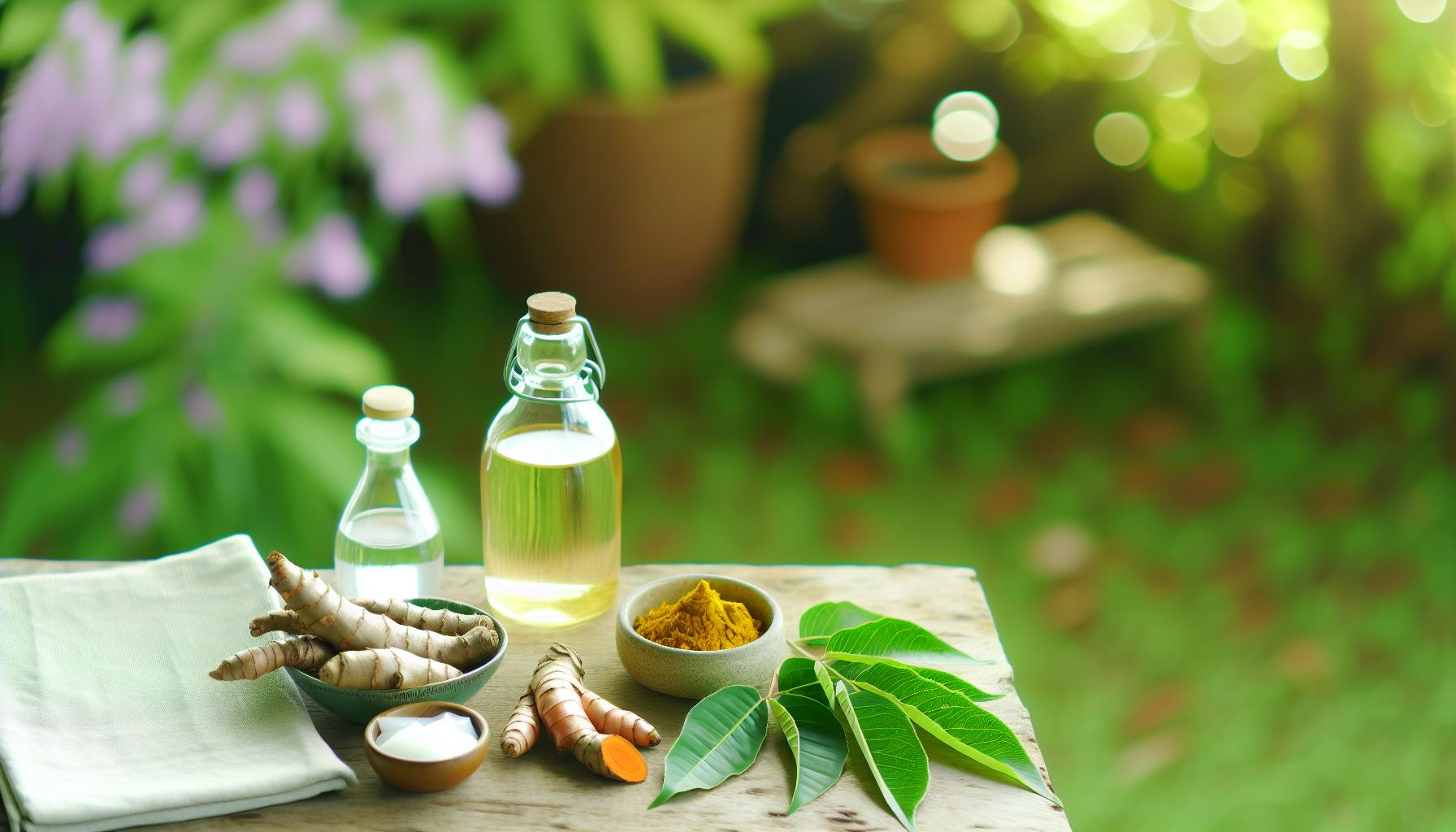
Natural remedies can play an essential role in managing mange, providing comfort to your dog while complementing veterinary care. Certain ingredients not only alleviate symptoms but also work against the mites themselves. Understanding these natural solutions empowers pet owners to take proactive steps toward their dog’s recovery.
Oatmeal
Oatmeal is a time-honored remedy for itchy skin. Its anti-inflammatory properties soothe irritations, making it ideal for dogs suffering from mange. You can prepare an oatmeal bath by grinding plain oatmeal into a fine powder and mixing it with warm water. Soaking your dog in this solution for about 10 to 15 minutes can provide significant relief, calming inflamed skin and leaving it moisturized.
Coconut Oil
Another powerhouse ingredient is coconut oil. Rich in medium-chain fatty acids, it has antifungal and antibacterial properties that tackle mange effectively. Applying organic coconut oil directly to affected areas can hydrate the skin and help eliminate mites. This versatile oil can also be included in your dog’s diet, enhancing overall skin health from the inside out.
Apple Cider Vinegar (ACV)
ACV is a potent ally against mange due to its acetic acid content, which creates an environment unfriendly to mites. By mixing equal parts of apple cider vinegar and water in a spray bottle, you can create a topical solution that can be applied to affected areas to help relieve itching and kill mites. Just remember to avoid sensitive areas like eyes or open wounds during application.
Essential Oils
Certain essential oils, such as tea tree and lavender, offer natural support for skin health and mite control. However, it’s vital to apply these oils with caution, as they must be diluted with a carrier oil like coconut oil to avoid irritation. Always consult your veterinarian before using essential oils, ensuring they’re safe and appropriate for your dog’s specific condition.
Incorporating these natural ingredients into your dog’s care routine can significantly alleviate the discomfort caused by mange. However, it’s essential to remember that while these remedies can be helpful, they should always be used alongside professional veterinary assessment and treatment for the best results.
Step-by-Step Guide to Applying Home Treatments
To effectively administer home treatments for mange, it’s important to follow a structured approach that ensures the well-being of your dog while maximizing the benefits of natural remedies. Begin by gathering all necessary ingredients and tools before you start, as this will streamline the process and make it less stressful for both you and your pet.
Start with a thorough examination of the affected areas. It’s crucial to determine the extent of the mange and identify any sensitive areas to avoid when applying treatments. Once you’ve assessed the situation and ensured your dog is calm, here’s a step-by-step guide to applying your chosen home remedy:
Step 1: Prepare the Solution
- For an Oatmeal Bath: Grind plain oatmeal in a food processor or blender until it resembles a fine powder. Mix it with warm water in a tub or basin until it forms a milky solution.
- For Coconut Oil Application: Measure out enough organic coconut oil to cover the affected areas. You can warm it slightly if you wish to make it easier to apply.
- For Apple Cider Vinegar Spray: Combine equal parts of apple cider vinegar and water in a spray bottle. Shake well to ensure an even mix.
- For Essential Oils: Dilute a few drops of essential oils (like tea tree or lavender) in a carrier oil (coconut or olive oil) to prevent skin irritation.
Step 2: Application
- Oatmeal Bath: Carefully place your dog in the oatmeal solution, ensuring the water covers the affected areas. Allow them to soak for 10-15 minutes and gently massage the solution into their skin to enhance absorption.
- Coconut Oil Massage: Apply the coconut oil directly to the areas affected by mange, massaging it into the skin. This not only hydrates the skin but also helps in suffocating the mites.
- ACV Spray: Lightly spray the affected areas with the apple cider vinegar solution, avoiding sensitive spots. Allow it to air dry; do not rinse it off.
- Essential Oils: Apply the diluted essential oil blend to the affected areas, using a gentle massage technique. Be cautious and ensure no oil gets into your dog’s eyes or open wounds.
Step 3: Post-Treatment Care
After application, monitor your dog for any adverse reactions, such as increased itching or redness. It’s essential to provide a calm environment, allowing them to rest and recover. Keep the treated areas clean and dry to prevent further irritation and check in over the next few days to determine if the treatments are helping.
Regularly consult with your veterinarian throughout this process to ensure that your approach is effective and safe, ensuring your furry companion’s health is prioritized at all times. Home remedies can provide relief, but they should always complement professional veterinary advice for the best results.
Preventing Mange: Best Practices for Care
Preventing your dog from developing mange is an essential aspect of responsible pet care. This skin condition is not only uncomfortable but can also lead to more severe health issues if left untreated. One effective way to prevent mange is by maintaining a clean and healthy environment for your dog. Regular grooming helps remove loose fur, dirt, and dander, all of which can contribute to mite infestations. Additionally, bathing your dog with gentle, hypoallergenic shampoos can keep their skin and coat healthy, reducing the likelihood of mange.
Another vital practice in preventing mange is ensuring your dog’s overall health and immune system is robust. A well-balanced diet rich in essential nutrients supports skin health and helps fend off infections. Consider incorporating foods high in omega fatty acids, such as fish oil or flaxseed, which can promote a shiny coat and healthy skin. Regular exercise also contributes to a strong immune system by keeping your dog fit and reducing stress, which can negatively affect their health.
Environmental Awareness is key in preventing mange and similar skin issues. Ensure your dog avoids areas where other animals with known skin issues may have been, as mange is highly contagious. If your dog frequently interacts with other dogs, such as at a dog park, keep an eye out for any signs of skin problems in other pets. Furthermore, managing your dog’s exposure to parasites such as fleas and ticks can also be a preventive measure since infestations can weaken your dog’s skin and make them more vulnerable to mange.
Lastly, regular veterinary check-ups play a crucial role in preventing mange. Your vet can provide vaccinations and treatments aimed at preventing parasites, as well as advice tailored to your dog’s specific needs. If you ever notice any changes in your dog’s skin or behavior, don’t hesitate to consult your vet early to address any potential health issues before they escalate. By integrating these preventive practices into your dog’s routine, you can significantly reduce the risk of mange and contribute to their overall well-being.
When to Consult a Veterinarian for Mange
It’s essential to recognize that while home remedies can provide initial relief for mange, there are specific scenarios where consulting a veterinarian becomes necessary for your dog’s health. One of the primary indicators is if you notice persistent symptoms such as intense itching, hair loss, and skin redness that do not improve with home treatments. These signs not only indicate that the condition may be more severe than initially thought but also suggest that it could potentially progress into a more serious skin infection or other health complications.
In cases where the skin condition appears to worsen or if your dog develops additional symptoms like swelling, fever, or loss of appetite, immediate veterinary attention is crucial. Such symptoms are red flags that could denote secondary infections or other underlying health issues requiring professional intervention. Moreover, if your dog’s behavior changes significantly-such as increased lethargy or aggression due to discomfort-these prompts signal a need for professional evaluation.
When to Seek Veterinary Help:
- Persistent or worsening symptoms despite home treatment.
- Signs of a secondary infection (swelling, warmth, discharge).
- Changes in behavior, appetite, or energy levels.
- Presence of additional symptoms, such as fever.
Consulting a veterinarian also allows for a more accurate diagnosis and tailored treatment plan. Mange can be caused by different types of mites, and only a veterinarian can conduct the necessary tests, such as skin scrapings, to identify the specific type causing the issue. This information is vital because it influences the treatment approach-some forms of mange may require prescription medications that are not available over-the-counter.
In addition to treatment, the veterinarian can provide valuable insights into further prevention strategies and determine if underlying health issues, such as immune deficiencies or allergies, contribute to your dog’s susceptibility to mange. This holistic approach not only addresses the immediate issue but also fortifies your dog’s overall health, helping to prevent future occurrences of mange. Remember that your pet’s health should always come first, and when in doubt, seeking expert advice is the best course of action.
DIY Home Remedy Recipes for Effective Treatment
Mange can be a distressing condition for pets, often resulting in intense itching and discomfort. Fortunately, there are various DIY home remedies that can help manage and alleviate the symptoms associated with this parasitic skin condition. These natural treatments not only soothe the skin but can also aid in the elimination of mites, promoting healthier skin for your furry friend. Here are some effective home remedy recipes you can try, ensuring you approach these treatments alongside professional guidance when necessary.
Apple Cider Vinegar Rinse
Apple cider vinegar is known for its anti-fungal and anti-bacterial properties, making it an excellent choice for managing mange. To create a rinse, mix equal parts of apple cider vinegar and water. After bathing your dog, gently spray or rub the mixture onto the affected areas of their skin. Allow it to sit for about 10 minutes before rinsing it off with lukewarm water. This rinse not only helps to repel mites but also soothes irritated skin.
Coconut Oil Application
Coconut oil is a fantastic natural moisturizer that can also combat mange due to its antibacterial properties. Warm up some coconut oil until it becomes liquid and apply it directly to the affected areas. Massage it gently into your dog’s skin. This treatment can help reduce inflammation, provide moisture, and suffocate the mites. For best results, apply coconut oil two to three times a week, ensuring the areas are well-covered.
Neem Oil Mixture
Neem oil has been used for centuries in traditional medicine for its medicinal properties. It is particularly effective against parasites like mites. To use neem oil, mix two tablespoons of pure neem oil with two tablespoons of a carrier oil such as olive or coconut oil. Apply this mixture to the affected areas using a cotton ball or your fingers, ensuring thorough coverage. Leave it on for a minimum of 30 minutes before rinsing off with a gentle shampoo.
Aloe Vera Gel
Aloe vera is renowned for its soothing and healing properties. Applying pure aloe vera gel directly to the affected skin can help soothe irritation, hydrate the area, and promote healing. Make sure to use fresh aloe vera from the plant for the best results. Apply it generously and let it dry naturally; there’s no need to rinse it off.
Utilizing these DIY home remedies can significantly help in managing the symptoms of mange, offering your pet some much-needed relief. However, it’s important to keep in mind that these treatments are most effective when used in conjunction with veterinary advice. If symptoms persist or worsen, consulting with a veterinarian ensures your dog receives the appropriate medical care they may require.
Understanding the Life Cycle of Mange Mites
is crucial for effective treatment and prevention of this skin condition in dogs. These microscopic parasites, primarily Demodex canis and Sarcoptes scabiei, have distinct life stages that contribute to their persistent presence in your pet’s environment. By grasping how these mites reproduce and thrive, you can tailor your home remedies and treatments to disrupt their cycle and provide relief for your furry friend.
Mange mites exist in several stages: egg, larva, nymph, and adult. The life cycle begins when adult mites lay eggs in or on the dog’s skin. These eggs hatch into larvae after about three to four days. The larvae then mature into nymphs over the next week, eventually developing into adults. This entire cycle can take as little as 14 days under optimal conditions, allowing infestations to grow rapidly if not addressed.
One of the key factors in managing mange is recognizing that adult mites can live for several weeks on a dog, feeding on skin cells. Their feces irritate the skin, causing inflammation and itching. This discomfort drives pets to scratch or bite at their skin, often exacerbating the problem. Therefore, treatments need to be multifaceted: eliminating mites while also soothing the inflamed skin.
In addition to applying home remedies like apple cider vinegar, coconut oil, and neem oil, it’s vital to maintain cleanliness in your pet’s environment. Regularly wash bedding, toys, and any surfaces they frequent to eliminate eggs and larvae. Implementing a thorough cleaning routine can also help disrupt the life cycle, making it more challenging for the mites to thrive. Always consider consulting a veterinarian for tailored advice, especially if the home remedies do not yield the desired relief.
Comparing Home Remedies vs. Veterinary Treatments
Comparing home remedies and veterinary treatments for mange involves understanding the effectiveness, practicality, and potential outcomes of each approach. Many pet owners prefer home remedies due to their natural origins and lower costs, but these methods can vary significantly in terms of efficacy. While ingredients like apple cider vinegar, coconut oil, and neem oil are often touted for their soothing and antibacterial properties, their success largely depends on the severity of the mange and the individual dog’s response.
One key aspect of home remedies is their accessibility and ease of application. Pet owners can prepare natural treatments using common household items, providing immediate relief and promoting a sense of agency in managing their pet’s health. However, this approach may be insufficient for more serious cases, particularly those involving Sarcoptic mange, which is highly contagious and may require stronger, more targeted treatments. In these situations, veterinary care is advantageous as it offers professional guidance, diagnostic capabilities, and access to prescribed medications that may include topical treatments, oral medications, or injections specifically designed to eradicate mites and address infection.
Veterinary treatments are often backed by research and extensive clinical trials, ensuring a level of reliability that home remedies may lack. They can effectively target the specific mites responsible for mange, reducing the likelihood of recurrence. However, the cost and potential side effects of pharmaceutical treatments can be a concern for some pet owners. It is essential to weigh these factors against the risks of untreated mange, such as secondary infections and increased discomfort for the pet.
Ultimately, combining home remedies with veterinary care may yield the best results, especially for milder cases or as supportive measures alongside prescribed treatments. Regular veterinary check-ups are crucial to monitor progress and adjust treatment plans as necessary. By understanding the strengths and weaknesses of both approaches, pet owners can make informed decisions that prioritize their dog’s health and well-being.
Holistic Approaches to Managing Mange at Home
Many pet owners are increasingly interested in holistic approaches for managing mange at home, driven by a desire to use natural remedies that promote overall health. This approach not only addresses the immediate symptoms of mange but also focuses on strengthening a dog’s immune system and improving skin health from within. Holistic management strategies can help mitigate the discomfort associated with mange while promoting a healthy and balanced lifestyle for pets.
One effective holistic strategy is to incorporate dietary changes that support skin health. Adding omega-3 fatty acids, often found in fish oil or flaxseed oil, can enhance the skin’s barrier function and reduce inflammation. Fresh fruits and vegetables, particularly those high in antioxidants such as blueberries and sweet potatoes, can strengthen the immune response and improve overall wellbeing. Consideration of supplements like probiotics may also be beneficial, as they can help maintain a healthy gut microbiome, which is crucial for immune function.
In addition to dietary modifications, employing gentle topical applications can provide localized relief from irritation. Natural ingredients like coconut oil, known for its moisturizing properties, can soothe affected areas and help prevent secondary infections. Essential oils such as lavender and tea tree oil (diluted appropriately) have antibacterial and anti-inflammatory properties, making them suitable for topical use. However, it is vital to first consult a veterinarian before applying any essential oils, as some can be toxic to pets if not used correctly.
To further enhance the holistic approach, creating a stress-free environment is critical. Stress can exacerbate skin conditions, so providing a comfortable space, regular exercise, and mental stimulation can significantly benefit a dog’s overall health. Engaging in activities such as regular grooming can not only keep the skin clean but also offers an opportunity to check for any signs of worsening condition or new symptoms. Partnering with a veterinarian to monitor progress and adapt treatments as necessary ensures that pets receive a balanced care plan that leverages both home remedies and professional veterinary guidance.
By integrating these holistic methods, pet owners can take a proactive role in managing mange while supporting their dog’s overall health. Regular monitoring and communication with a veterinary professional will further ensure that the chosen remedies are safe and effective, providing peace of mind and optimal care for furry companions.
Long-Term Care Strategies for Skin Health
Maintaining your dog’s skin health in the long run is crucial, especially after battling conditions such as mange. Proactive measures can create a robust foundation for your pet’s overall well-being and help prevent the recurrence of skin issues. A comprehensive approach involves not only the use of natural remedies but also fostering healthy habits and environments for your dog.
One of the most effective long-term strategies is to invest in a balanced diet rich in nutrients. Omega-3 fatty acids, commonly found in fish oil supplements, play a significant role in reducing inflammation and promoting skin health. Adding fresh fruits and vegetables to your dog’s diet can also fortify their immune system. Foods like carrots, blueberries, and sweet potatoes are excellent choices, as they are high in antioxidants, which combat oxidative stress and support overall skin condition. Seeking out veterinary-approved dietary supplements can further optimize your dog’s nutrition.
Alongside a nutritious diet, regular grooming is essential for skin health. Not only does it help remove dead skin cells and prevent matting, but grooming also allows you to check for any irregularities such as rashes or signs of irritation early on. Use gentle brushes appropriate for your dog’s coat type, and consider incorporating natural grooming products that are free from harsh chemicals. A soothing oatmeal shampoo can provide relief to irritated skin while remaining gentle overall.
Another component of effective long-term care is creating a stress-free environment. Dogs that experience high levels of stress may exhibit skin-related issues, including itching and inflammation. Establishing a routine that includes regular exercise, play, and relaxation time can significantly contribute to your dog’s emotional and physical health. Activities like agility training or simple walks can stimulate both their mind and body, reducing anxiety and promoting a calm demeanor.
It’s also wise to frequently consult with your veterinarian for tailored advice and recommendations based on your dog’s specific needs. Ongoing assessments can help adjust care strategies as necessary and ensure that any new or recurring issues are promptly addressed. By combining proper nutrition, grooming habits, environmental considerations, and professional guidance, you can support your dog’s skin health effectively and prevent the recurrence of conditions like mange.
Frequently Overlooked Tips for Mange Prevention
It’s easy to overlook certain aspects of dog care that can help prevent mange, but doing so can make a significant difference in your pet’s health. While it’s common to focus on immediate treatments, incorporating preventive measures into your dog’s routine is essential for long-term wellness. Using a combination of good practices can help create a shield against mange and other skin conditions.
Start by maintaining a clean living environment for your dog. Regularly washing their bedding, toys, and any shared spaces will help reduce the accumulation of mites and other allergens. Having a dedicated space for grooming that can be easily cleaned helps contain any potential exposure. Pay close attention to your dog’s grooming routine, as regular brushing not only removes dead skin and debris but also stimulates the skin, promoting healthier coat growth.
Another overlooked aspect is diet. A diet rich in antioxidants, like those found in berries and leafy greens, can bolster your dog’s immune system, making it more resilient against skin parasites. Consider adding natural supplements such as probiotics, which can promote gut health and in turn support skin immunity. Remember, a balanced diet not only fuels your dog’s body but also fortifies its defenses against potential skin issues like mange.
Additionally, keep an eye on your dog’s stress levels. Dogs can suffer from stress-related skin conditions, so ensuring they have a calm and enriching environment is crucial. Engage your dog in regular playtime and exercise to reduce anxiety. Activities that stimulate both their mind and body can help in maintaining a well-rounded, stress-free life.
Lastly, routine veterinary check-ups are crucial in preventing mange. A veterinarian can offer tailored advice and treatments, including vaccinations that boost your dog’s overall health. They can also provide insight into any environmental factors that might be contributing to your dog’s susceptibility to skin conditions. By being proactive and attentive, you can significantly decrease the likelihood of your dog encountering mange and enjoy a happier, healthier pet.
Frequently asked questions
Q: What are common signs that my pet has mange?
A: Common signs of mange include intense itching, hair loss, scabs, and inflammation of the skin. Pets may also exhibit restlessness or discomfort. If you notice these symptoms, take a closer look at their skin for any abnormalities.
Q: How can I naturally relieve my pet’s itching caused by mange?
A: Natural relief for itching includes using oatmeal baths or aloe vera gel, which soothes irritated skin. You can also try applying coconut oil, known for its antimicrobial properties, directly to the affected areas for relief.
Q: Can essential oils be used to treat mange naturally?
A: Yes, certain essential oils, like tea tree oil and lavender, have antifungal and antibacterial properties. Always dilute essential oils properly before application and consult a veterinarian to ensure safe use for your pet.
Q: What home remedies should I avoid for treating mange?
A: Avoid using harsh chemical treatments or human medications that are not specifically formulated for pets, as they can cause severe irritation or toxicity. Always consult with a veterinarian before trying new remedies.
Q: How long does it typically take for home treatments to improve mange?
A: Home treatments can show results in 2-4 weeks, but this depends on the severity of the mange and the effectiveness of the natural remedy used. Consistency is key for successful treatment; monitor your pet’s response carefully.
Q: Is it safe to bathe my pet frequently while treating mange?
A: Frequent bathing can dry out your pet’s skin, potentially worsening mange. Limit baths to once a week with a gentle, medicated shampoo recommended by a veterinarian, and always follow up with a soothing conditioner.
Q: Should I change my pet’s diet while treating mange?
A: Yes, consider providing a diet rich in omega-3 fatty acids, which can help strengthen skin and coat health. Consult your veterinarian for dietary recommendations tailored to your pet’s needs during treatment.
Q: When is it essential to consult a veterinarian for mange?
A: Consult a veterinarian if your pet shows severe symptoms, such as excessive scratching leading to open sores, significant hair loss, or if there is no improvement after a few weeks of home treatment. Early intervention can prevent further complications.
Closing Remarks
Thank you for exploring our guide on home remedies for mange. Armed with natural solutions and insights on how to care for your pet, you can take actionable steps to facilitate their recovery. Remember to consult with a veterinarian for tailored advice, ensuring the best outcomes for your furry friend.
Looking to dive deeper? Check out our articles on natural pet care and essential oils, or visit our blog for tips on managing other common pet health issues. Don’t forget to subscribe to our newsletter for the latest updates and exclusive content that can help you maintain your pet’s well-being.
Your engagement matters! Share your thoughts or experiences in the comments below, and feel free to share this valuable information with fellow pet owners. Together, we can foster a community dedicated to natural and effective pet care.