Did you know that what you eat before drinking can significantly impact how you feel the next day? Hangovers, often called a rite of passage for social drinkers, can be easily prevented by choosing the right foods beforehand. In this article, we’ll uncover eight essential pre-drinking secrets that can help shield you from the dreaded post-party headaches and nausea. By understanding how certain nutrients combat the effects of alcohol, you can enjoy your night out with fewer worries about the morning after. Whether you’re attending a celebration or just unwinding with friends, these food tips will not only enhance your experience but also empower you to take control of your health and well-being. Dive in to discover how to make your next social gathering more enjoyable with smart food choices that keep hangovers at bay!
Understanding Hangovers: Causes and Symptoms
Understanding the factors that contribute to hangovers can empower you to make informed choices about drinking and preparation. A hangover is primarily caused by the consumption of alcohol, which leads to dehydration, electrolyte imbalance, and inflammation in the body. The symptoms typically begin several hours after drinking and can last for an entire day or more. Common signs include headaches, nausea, fatigue, dizziness, and sensitivity to light and sound.
Several biochemical processes are at play during a hangover. Alcohol is a diuretic, causing increased urination and leading to dehydration. This loss of fluids is often accompanied by the depletion of essential nutrients, which can exacerbate symptoms. Additionally, the metabolization of alcohol creates acetaldehyde, a toxic compound that can provoke an inflammatory reaction, further intensifying hangover effects. Understanding these mechanisms emphasizes why prevention strategies, particularly regarding nutrition and hydration, are crucial.
To mitigate hangover symptoms, selecting the right foods before drinking can be incredibly beneficial. Foods rich in carbohydrates, such as whole grains and fruits, can help stabilize blood sugar levels, reducing some of the fatigue associated with hangovers. Incorporating healthy fats and proteins can also slow down alcohol absorption, allowing your body to process it more efficiently. Furthermore, foods high in potassium – like bananas and avocados – can help replenish electrolytes lost due to dehydration.
Being well-informed about the causes of hangovers allows for proactive measures. Choosing to focus on proper nutrition, staying hydrated, and being mindful of alcohol intake can create a more enjoyable drinking experience, while also lowering the chances of suffering from a hangover. If symptoms persist or cause significant distress, it is always advisable to consult a healthcare professional for personalized guidance and treatment.
Hydrating Strategies to Prevent Hangovers
Staying hydrated is one of the most effective strategies to mitigate the effects of alcohol and prevent hangover symptoms. Before heading out for a night of socializing, consider this: your body is composed of approximately 60% water, and alcohol consumption can significantly disrupt your hydration levels. Ensuring that you’re well-hydrated before drinking not only helps to lessen the diuretic effects of alcohol but also supports your body in processing and eliminating toxins.
To optimize hydration, start with a glass of water before you begin drinking. Aim for at least 8-10 ounces, which can set a strong foundation. During your drinking session, try to alternate each alcoholic beverage with a glass of water or a hydrating non-alcoholic drink, such as coconut water or herbal tea. This practice not only slows down your alcohol consumption but also keeps your hydration levels in check. You might set a rule for yourself, such as having a water break after every second drink, to help maintain this balance.
Maintaining electrolyte levels is also vital when planning your hydration strategy. Alcohol can lead to the depletion of electrolytes, so incorporating drinks that contain electrolytes, such as sports drinks or electrolyte-infused water, can be beneficial. Here are some tips to ensure you’re effectively hydrating before and during your drinking experience:
- Pre-hydration: Drink at least one full glass of water before starting to drink alcohol.
- Hydrating Beverages: Choose electrolyte-rich options like coconut water or sports drinks alongside water.
- Hydration Reminders: Set a timer on your phone to remind you to drink water regularly throughout the night.
- Post-drinking Hydration: Before you go to bed, drink another glass of water to help your body recover overnight.
By following these hydration strategies, not only will you likely enhance your enjoyment of the evening, but you’ll also give your body the tools it needs to manage alcohol more effectively. Remember, if you do experience hangover symptoms that persist or become severe, seeking advice from a healthcare professional is always advisable for personalized guidance.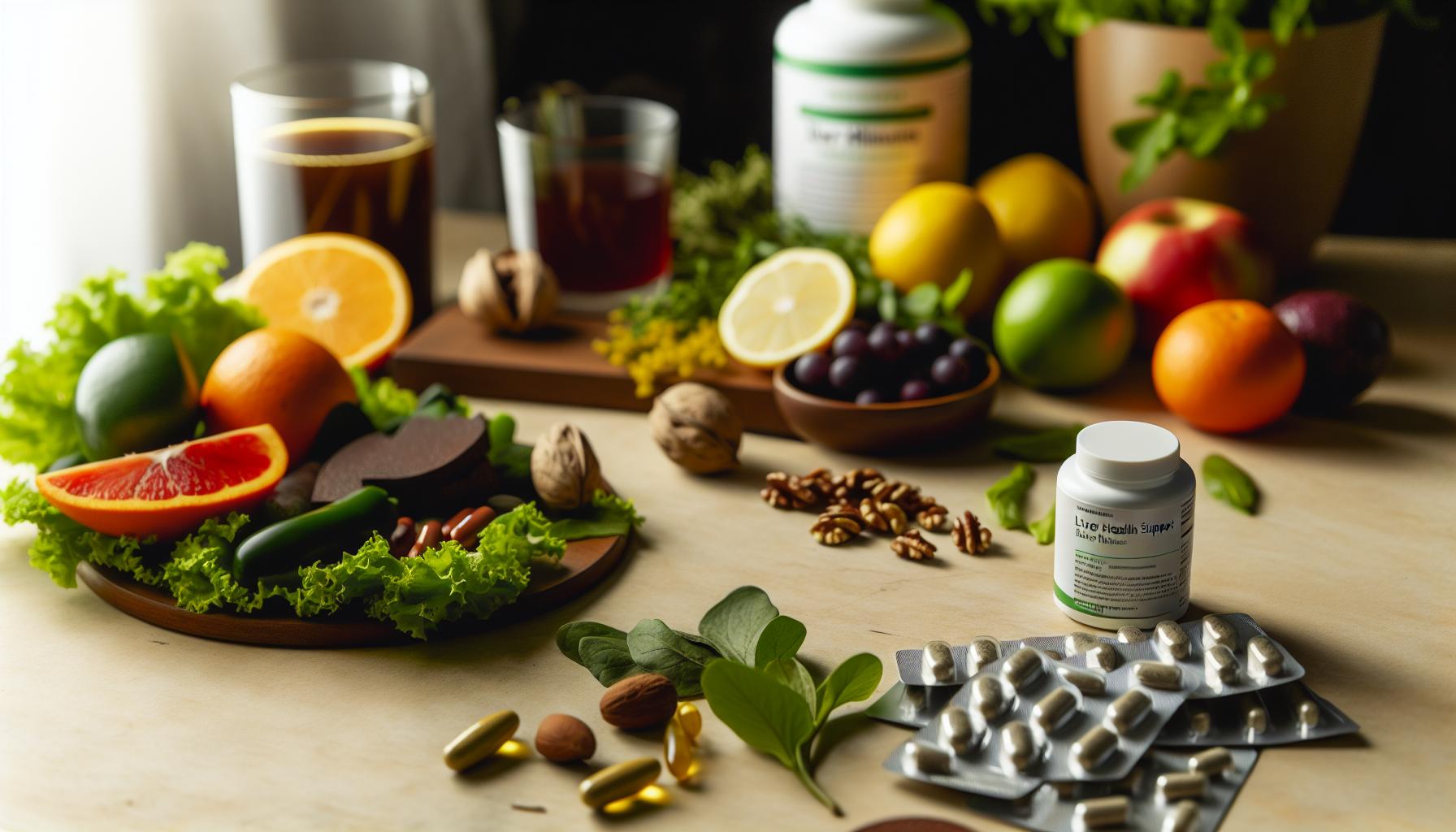
Essential Vitamins and Minerals for Liver Health
Maintaining optimal liver health is crucial, especially when planning a night of drinks. The liver plays a fundamental role in metabolizing alcohol, breaking it down, and eliminating toxins from the body. To support liver function and potentially reduce hangover symptoms, it’s vital to include certain vitamins and minerals in your pre-drinking diet.
B vitamins, in particular, are essential for energy metabolism and help the liver process alcohol more efficiently. Vitamin B1 (thiamine) is known to aid in carbohydrate metabolism, while Vitamin B6 (pyridoxine) assists in amino acid metabolism, both of which can be beneficial in minimizing the after-effects of alcohol consumption. Additionally, Vitamin B12 contributes to the overall health of the liver and supports red blood cell production, enhancing oxygen transport throughout the body. Foods rich in B vitamins include whole grains, meat, eggs, and leafy greens.
Equally important are antioxidants such as Vitamin C and Vitamin E, which help combat oxidative stress caused by alcohol. These vitamins can protect liver cells from damage and support overall liver repair processes. For instance, Vitamin C, found abundantly in citrus fruits, berries, and peppers, can help boost your immune system and improve the body’s ability to recover from alcohol’s effects.
Minerals like magnesium and zinc also play crucial roles in liver health. Magnesium helps regulate liver enzymes and is involved in over 300 biochemical reactions, while zinc supports immune function and proper cell division. Incorporating nuts, seeds, legumes, and whole grains into your meals can help ensure you’re getting adequate amounts of these minerals.
Incorporating these nutrients into your diet before a night out could provide crucial support to your liver and may help in minimizing hangover symptoms. Here are some practical steps to consider:
- Include B vitamin-rich foods: Opt for a whole grain toast with eggs or oatmeal topped with nuts and berries for breakfast.
- Snack on antioxidants: Enjoy fruits like oranges or strawberries as a refreshing and healthy pre-drink snack.
- Prepare magnesium-rich meals: Incorporate spinach salads or quinoa bowls for lunch or dinner.
- Consider supplements: If you’re concerned about not getting enough vitamins and minerals, consult a healthcare professional about appropriate supplements.
It’s essential to adopt a holistic approach to your health and well-being. While these nutrients can offer support, they are not a cure-all for hangovers. Always consider consulting with a healthcare professional for personalized advice tailored to your specific health needs.
The Role of Protein in Alcohol Metabolism
Consuming alcohol is accompanied by a variety of effects on the body, one of which is the need for enhanced metabolic processes to break down and eliminate ethanol. The inclusion of protein in your pre-drinking meals plays a vital role in this metabolism, influencing how effectively your body copes with alcohol consumption. Not only does protein provide the essential building blocks for cellular repair and hormone production, but it also aids in stabilizing blood sugar levels, which can help mitigate some of the negative effects of drinking.
When you consume alcohol, your body prioritizes its metabolism. Protein-rich foods can slow down the absorption of alcohol into the bloodstream, allowing your liver more time to process and detoxify ethanol. This can be particularly beneficial because rapid absorption can lead to heightened intoxication and increased hangover severity. Foods such as chicken, turkey, fish, beans, and lentils are excellent choices to incorporate into your pre-drinking meals. These foods provide amino acids that support liver function and contribute to overall metabolic health, requiring more energy to digest, which can further slow alcohol absorption.
In addition, protein sources can help to maintain satiety, ensuring that you don’t fall into the trap of drink-focused eating, which often involves unhealthy snacks. This strategy not only improves your chances of having a better drinking experience, but it also reduces the potential for post-drinking binge eating. A well-balanced pre-drinking meal containing proteins, healthy fats, and carbohydrates can lead to improved digestion and minimize alcohol’s impact on your system.
Incorporating proteins into your pre-drinking routine can be as simple as enjoying a small plate of hummus with veggies, grilled chicken in a salad, or even a hearty turkey sandwich. Remember, while protein is crucial, staying hydrated is equally important, so be sure to drink plenty of water alongside your meals.
Maintaining a balanced approach is essential; while leveraging protein helps with alcohol metabolism, combining it with other healthy food choices creates a powerful strategy against hangover effects. For personalized advice, feel free to consult with a healthcare professional who can assist with tailored nutritional guidance.
How Carbohydrates Can Help You Alcohol Tolerance
Carbohydrates play a crucial role in managing alcohol tolerance and can be a game changer for those who enjoy social drinking. When consumed before or alongside alcohol, complex carbohydrates help to stabilize blood sugar levels, which is essential for maintaining energy and preventing the dreaded crash that often follows excessive drinking. A steady supply of glucose from carbohydrates allows the body to metabolize alcohol more effectively, potentially reducing the severity of hangover symptoms the next day.
Choosing the right type of carbohydrates is key. Foods such as whole grains, fruits, and starchy vegetables provide not only slow-releasing energy but also important nutrients that aid in overall metabolic health. Integrating items like quinoa, brown rice, sweet potatoes, or oatmeal into your pre-drinking meal can create a solid foundation. These carbohydrates serve as fuel for the body, lessening the impact of alcohol absorption on the liver by offering a source of energy that your body can utilize while processing ethanol.
Additionally, carbohydrates boost serotonin levels in the brain, which enhances mood and can mitigate some negative psychological effects associated with alcohol consumption. This connection can lead to a more enjoyable drinking experience, allowing for better control over drinking habits. For practical application, consider snacking on whole grain crackers or a banana before heading out for the night, ensuring your body has enough fuel to help manage alcohol’s effects.
While carbohydrates can significantly contribute to alcohol tolerance, it’s essential to pair them with other food groups, including proteins and healthy fats, for a more balanced approach. This combination not only improves digestion and slows alcohol absorption but also provides a sense of fullness, helping to curtail excessive drinking. Remember, however, that moderation is key, and consulting with a healthcare professional can provide personalized strategies tailored to individual needs and circumstances.
Top Snacks to Prepare for a Night Out
Planning a night out doesn’t just involve choosing a fun outfit or picking the right venue; it’s also vital to prepare your body to handle the effects of alcohol. The right snacks can play a significant role in minimizing hangover symptoms the next day, ensuring you feel as good as you look. Eating a balanced, nutrient-rich snack before drinking can help slow the absorption of alcohol into the bloodstream and maintain your energy levels throughout the night.
Smart Snack Choices
When selecting snacks, focus on those that provide a combination of healthy carbohydrates, proteins, and fats. Here are some excellent options to consider:
- Nuts and Seeds: Almonds, walnuts, or pumpkin seeds are packed with healthy fats and protein, which can help slow digestion and steady blood sugar levels.
- Whole Grain Crackers: Pair these with hummus or nut butter for a sustaining snack that offers fiber and protein without spiking your blood sugar.
- Fruit with Yogurt: A banana or apple with Greek yogurt combines carbohydrates and protein, providing a quick energy boost and helping to ward off cravings.
- Cheese and Veggies: Cheese cubes with sliced bell peppers or carrots deliver protein and healthy fats, perfect for keeping hunger at bay while you sip on your drink.
- Oatmeal Energy Bites: Homemade energy bites made from oats, nut butter, and honey can offer lasting energy and are easy to pack for portability.
Timing is Everything
Enjoy these snacks about 30 minutes to an hour before you start drinking. This timing allows your body to digest and begin the absorption process, equipping your system with essential nutrients to better manage alcohol intake. By filling up on these wholesome bites, you’ll not only be less likely to overindulge but also bolster your body’s defenses against hangover symptoms.
To maximize your night out while safeguarding your well-being, remember to listen to your body. Stay hydrated, and consider these snacks as a foundation to help prevent the negative effects of alcohol. Incorporating these strategic eating habits can empower you to enjoy your evening while reducing the risk of waking up with a hangover. As always, consulting with a healthcare professional can provide personalized dietary advice tailored to your lifestyle and health needs.
Beverage Choices That Minimize Hangover Risk
When choosing beverages for a night out, the right selections can significantly mitigate the risk of waking up with a hangover. Understanding the impact of different alcohol types and their ingredients is crucial. For instance, lighter colored drinks tend to cause fewer hangover symptoms compared to darker options, which often contain congeners-byproducts of fermentation that can worsen hangover intensity. Vodka, gin, and white rum are generally better choices as they have lower levels of congeners compared to whiskey, bourbon, or red wine.
Additionally, keeping hydration in mind is vital when selecting your drinks. Mixing alcoholic beverages with water or choosing drinks with a high water content can alleviate dehydration-a key factor in hangover severity. Cocktails prepared with soda, for example, might not hydrate as effectively as options like a gin and tonic with extra lime or a light beer, especially if you periodically alternate alcoholic drinks with water.
Furthermore, consider low-sugar options to avoid spikes in blood sugar, which can contribute to hangover symptoms the following day. Beers, particularly light ales and lagers, typically exhibit lower sugar content, while sweet cocktails and sugary mixers can lead to increased dehydration and subsequent hangover malaise. Moreover, staying mindful of the amount of alcohol consumed over the evening can help. The body’s ability to metabolize alcohol differs from person to person, so pacing yourself with moderate servings allows your body to process alcohol more effectively and reduces hangover risk.
Ultimately, making informed choices about your beverage selection can set the stage for a more enjoyable night out and a smoother morning after. Always remember to listen to your body’s signals, and consider consulting a healthcare professional for tailored advice regarding alcohol consumption and health.
Timing Your Pre-Drinking Meal for Best Results
Timing your pre-drinking meal can be the difference between waking up refreshed or feeling like you’ve been run over by a truck. Consuming the right foods at the right time prepares your body to handle the effects of alcohol, helping to mitigate hangover symptoms. Ideally, aim to eat a well-balanced meal about two to three hours before you start drinking. This allows your body to digest the food and provides a steady release of nutrients and energy throughout the night.
A meal rich in complex carbohydrates, healthy fats, and protein can create a buffer in your stomach and slow the absorption of alcohol into your bloodstream. Consider options like whole grain pasta, brown rice, or quinoa paired with lean proteins such as chicken, turkey, or tofu, alongside healthy fats from sources like avocado or nuts. These foods not only help you feel fuller for longer but also provide essential nutrients that can support your body as it metabolizes alcohol.
For those who may not have time for a full meal, opting for nutrient-packed snacks closer to your drinking time can also be beneficial. Items like Greek yogurt with fruit, a handful of mixed nuts, or whole grain toast with nut butter can provide quick energy and help maintain blood sugar levels. Additionally, incorporating foods rich in electrolytes, such as bananas or spinach, can combat dehydration, which is often a major contributor to hangover symptoms.
Ultimately, preparing your body with the right meal or snacks before indulging can significantly ease the aftermath of a night out. Always be mindful of how different foods interact with alcohol, and remember that if you’re ever unsure about what works best for you, consulting a healthcare professional can provide personalized guidance tailored to your individual health needs.
Debunking Common Hangover Myths
It’s easy to feel overwhelmed by the conflicting information surrounding hangovers, especially if you’ve ever sought advice on how to avoid them. Misconceptions abound, leading many to believe unproven remedies or strategies. Understanding the realities behind these myths can empower you to make informed choices and enjoy your evening without the dread of a painful morning-after.
One of the most persistent myths is that drinking certain types of alcohol can significantly reduce hangover severity. For instance, many people believe that clear liquors like vodka or gin will cause fewer hangover symptoms compared to darker liquors like whiskey or red wine. The truth is that hangover severity is more closely tied to the amount of alcohol consumed rather than the drink’s color or type. While some darker spirits contain congeners-chemical byproducts of fermentation that can worsen hangovers-moderation remains key.
Another common misconception involves food consumption while drinking. Many believe that eating greasy foods can “soak up” alcohol and prevent hangovers. In reality, greasy foods can lead to digestive discomfort without significantly affecting your blood alcohol concentration. Instead, focus on nutrient-rich foods loaded with healthy fats, complex carbohydrates, and protein before your drinking session. This combination can help slow alcohol absorption and stabilize blood sugar, aiding your body in handling alcohol more effectively.
Lastly, the idea that hydration doesn’t matter is dangerously misleading. Some tend to think that if they drink enough alcohol, water intake won’t be necessary. However, alcohol is a diuretic, which means it dehydrates your body. Prioritizing hydration not only before but also during and after drinking can mitigate hangover symptoms significantly. Drinking water between alcoholic beverages-or even before bed-can make a substantial difference in how you feel the next day.
Remember, knowledge is your best ally when it comes to enjoying alcohol responsibly. By debunking these myths, you can better prepare yourself and your body for a night out while minimizing the chances of suffering from a hangover the next day. Always consult with a healthcare professional for tailored advice relating to your personal health and drinking habits.
Lifestyle Tips for Drinking Responsibly
It’s essential to blend enjoyment with mindfulness when it comes to drinking alcohol. Responsible drinking can significantly reduce the likelihood of a hangover while allowing you to savor social moments without adverse effects. One powerful approach is setting personal limits before you start drinking. Establish a maximum number of drinks based on your body weight, mood, and the type of alcohol, and stick to it throughout the night. This awareness can help keep your alcohol consumption in check, leading to a more enjoyable experience.
In addition to knowing your limits, consider planning your drinking strategy. This means coordinating your beverage choices with food intake to ensure your body can metabolize alcohol efficiently. Prioritize drinking slowly and alternating alcoholic beverages with water to keep hydrated and mitigate dehydration effects. Incorporating pace into your drinking can also enhance conversation and enjoyment, rather than rushing through drinks.
Another critical factor is the environment in which you drink. Opt for low-key settings where alcohol consumption is part of a relaxed social gathering rather than high-pressure party environments that encourage excessive drinking. This way, you can engage in meaningful conversations and enjoy the company of friends without the social pressure to drink more than intended.
Lastly, reflect on your drinking habits and strive for mindfulness during the experience. Pay attention to how different foods and alcohol combinations make you feel, and keep a note of how your body responds over time. If you discover patterns that lead to negative experiences, adjusting your behavior can foster a healthier relationship with alcohol. Remember, consulting with a healthcare professional about your drinking habits is always a wise choice, providing tailored advice suited to your health needs.
Holistic Remedies to Alleviate Hangover Effects
Experiencing a hangover can often feel like a storm of discomfort-headaches, nausea, fatigue, and a general sense of malaise. While there’s no miracle cure for this post-party plight, several holistic remedies can help alleviate those unpleasant effects and speed up your recovery. Embracing these natural approaches not only soothes your body during those tough hours but can also reinforce healthier drinking habits for the future.
One effective way to calm your system is through hydration. Alcohol is a diuretic, leading to dehydration, which intensifies hangover symptoms. Drinking water or herbal teas can help replenish lost fluids and restore electrolyte balance. Consider incorporating coconut water or sports drinks that are rich in electrolytes, providing essential nutrients that can further support your recovery. Additionally, consuming broths or soups can deliver hydration and warmth, making them comforting choices when you feel under the weather.
Another holistic approach involves specific foods and natural supplements that nourish the body. Foods high in antioxidants, such as berries or leafy greens, can aid in fighting oxidative stress caused by alcohol. Ginger, known for its ability to alleviate nausea, can be a simple yet effective remedy-try sipping ginger tea or munching on ginger candies. Moreover, certain vitamins and minerals, particularly B vitamins and zinc, have been noted in studies to help lessen hangover severity. Foods like eggs or whole grains can provide these nutrients while offering the necessary energy to help you bounce back.
Lastly, mindfulness and gentle movement can make a significant difference. Engaging in light stretching or yoga can help alleviate tension and promote relaxation. Sometimes, simply taking deep breaths and grounding yourself can enhance your mood, reducing anxiety related to hangover symptoms. Remember, while these holistic strategies can provide relief, it’s important to consult with a healthcare professional for personalized advice, especially if you frequently experience severe hangovers. Empower yourself with knowledge and holistic practices, but always prioritize your health and well-being.
Frequently Asked Questions
Q: What foods should I avoid to prevent hangovers?
A: To prevent hangovers, avoid heavy, greasy foods and overly sweet options. These can upset your stomach and exacerbate dehydration. Stick to light, nutritious foods like fruits and whole grains instead. For more on pre-drinking meals, check the “Best Foods to Eat Before Drinking” section of the article.
Q: How does alcohol affect hydration, and what can I do?
A: Alcohol is a diuretic, which can lead to dehydration and, consequently, hangover symptoms. To combat this, drink water before, during, and after consuming alcohol. Incorporate hydrating foods like watermelon into your pre-drinking strategy. For dehydration tips, refer to the “Hydrating Strategies to Prevent Hangovers” section.
Q: Can taking vitamins help prevent hangovers?
A: Yes, certain vitamins, particularly B vitamins and vitamin C, can support liver health and may help mitigate hangover effects. Incorporate foods rich in these vitamins into your pre-drinking meals. See the “Essential Vitamins and Minerals for Liver Health” section for more details.
Q: What is the ideal time to eat before drinking?
A: Ideally, eat a balanced meal 1 to 2 hours before you start drinking. This timing allows your body to digest and absorb nutrients, which can help stabilize blood sugar levels. Refer to the “Timing Your Pre-Drinking Meal for Best Results” section for additional timing strategies.
Q: How can I make my drinking choices better to avoid hangovers?
A: Opt for clear liquors like vodka or gin, as they tend to contain fewer congeners-substances that can worsen hangovers. Mixing drinks with electrolyte-rich beverages can also help. For more beverage tips, visit the “Beverage Choices That Minimize Hangover Risk” section.
Q: Are there specific snacks that can help reduce hangover symptoms?
A: Healthy snacks like nuts, fruit, and yogurt can help prevent blood sugar dips and reduce hangover severity. Include these in your pre-drinking routine. For a detailed list, check out the “Top Snacks to Prepare for a Night Out” section.
Q: Is it true that drinking water between alcoholic beverages can prevent hangovers?
A: Yes, drinking water in between alcoholic drinks helps keep you hydrated and can reduce hangover symptoms the next day. Implement this strategy throughout the night. For hydration methods, see the “Hydrating Strategies to Prevent Hangovers” section.
Q: What holistic remedies can I use to alleviate hangover symptoms?
A: Herbal teas like ginger or peppermint can soothe your stomach, while supplements like milk thistle may help liver function. Explore holistic options further in the “Holistic Remedies to Alleviate Hangover Effects” section of the article.
In Summary
By following the pre-drinking secrets outlined in “Prevent Hangovers With Best Food: 8 Pre-Drinking Secrets,” you can significantly reduce the likelihood of experiencing a hangover, ensuring you wake up feeling refreshed and ready for the day. Remember, the key is to nourish your body with the right foods and hydration before indulging. Don’t wait-try these strategies today and reclaim your social nights without the dreaded next-day regret!
Interested in more ways to enhance your health and well-being? Explore our article on “Best Foods for Hydration” or check out “Nutrition Tips for Social Events” for additional insights. And if you found this information helpful, consider signing up for our newsletter for more expert tips and resources delivered right to your inbox!
Engage with us-share your experiences or questions in the comments below, and join our community as we navigate the journey to better health together. Your proactive steps today can lead to a more vibrant and enjoyable tomorrow!