Many people struggle with anxiety and the side effects of prescription medications like Xanax. If you’re looking for safer, natural alternatives to manage your anxiety, you’re not alone-millions seek avenues that are effective without the worry of dependency or adverse reactions. In this article, we’ll explore seven natural options that can help alleviate anxiety, offering solutions such as herbal supplements, mindfulness practices, and lifestyle changes. Each option is backed by research and can be integrated into your daily routine. As you read on, you will discover how these alternatives could support your mental well-being while encouraging you to consult healthcare professionals for personalized advice tailored to your unique needs. Your journey to a more balanced, calm life could begin here.
Natural Alternatives to Xanax: Understanding the Need
Many individuals facing anxiety seek alternatives to prescription medications like Xanax, often due to concerns about side effects or dependency risks. Understanding the need for natural alternatives is paramount, as it empowers individuals to navigate their anxiety effectively while fostering a sense of control over their mental health. Anxiety affects millions of people worldwide, and with the stigma surrounding mental health gradually decreasing, many are turning to holistic approaches that emphasize natural remedies, lifestyle changes, and supportive practices.
Choosing natural alternatives can help alleviate anxiety symptoms without the potential drawbacks associated with pharmaceuticals. Many people find that by incorporating techniques such as mindfulness, cognitive-behavioral strategies, and dietary adjustments, they can experience significant relief. A holistic approach not only addresses symptoms but also promotes overall well-being, enhancing emotional resilience over time. Engaging in natural remedies fosters a deeper connection with one’s body and emotional state, encouraging mindfulness and self-awareness.
Moreover, relying on natural alternatives can build a healthy routine that incorporates various dimensions of health. Regular physical activity, balanced nutrition, and adequate sleep are all critical factors in managing anxiety. Those seeking alternatives should also consider incorporating herbs known for their calming effects, such as chamomile or valerian root, into their daily repertoire. By diversifying their coping strategies, individuals can create a personalized plan that resonates with their unique lifestyles and needs.
In this journey, it’s important to remember that while natural alternatives offer promise, they are best approached with professional guidance. Consulting with a healthcare professional can ensure that these alternatives complement an individual’s overall treatment plan, particularly if they are currently on medication. This collaborative approach not only enhances safety but also promotes a comprehensive understanding of one’s mental health journey.
The Science Behind Anxiety Relief

Anxiety may feel like an unrelenting wave, but understanding can be empowering for those seeking to navigate it. The brain operates through a delicate balance of neurotransmitters-chemical messengers that influence mood and emotional regulation. Disruptions in this balance are often at the root of anxiety disorders. Natural alternatives to conventional medications, like Xanax, can help restore this balance in a gentler manner, allowing individuals to regain control over their mental well-being without the potential downsides of pharmaceuticals.
Research indicates that several natural approaches can activate the brain’s pathways for anxiety relief. For instance, studies have shown that herbal supplements such as ashwagandha and passionflower can modulate stress-response systems by regulating cortisol levels, the hormone primarily responsible for stress. Incorporating these remedies can not only provide immediate comfort but also contribute to longer-term management of anxiety symptoms.
Moreover, engaging in mindfulness practices has been scientifically validated as an effective approach to reducing anxiety. Evidence suggests that mindfulness and meditation can physically alter brain structures, increasing gray matter density in areas associated with emotional regulation and stress response. Practicing mindfulness invites individuals to slow down, observe thoughts without judgment, and promote a calm mental state. The incorporation of mindful breathing techniques, for example, has been demonstrated to lower heart rates and decrease levels of anxiety in clinical settings.
The power of nutrition in managing anxiety should not be overlooked either. A balanced diet rich in omega-3 fatty acids, antioxidants, and vitamins can support brain health and stabilize mood. Foods such as fatty fish, leafy greens, and fruits like blueberries provide essential nutrients that impact neurotransmitter function. Therefore, nourishing the body is a crucial piece of the puzzle in combating anxiety naturally.
Incorporating these natural alternatives into a broader anxiety management strategy can help create a sense of stability and empowerment. It’s important to approach these options mindfully and consult healthcare professionals to ensure safe integration with any existing treatment plans. By fostering an awareness of these scientific foundations, individuals can tailor their journey toward anxiety relief, forging a path that aligns with both their health needs and personal preferences.
Exploring Herbal Remedies for Anxiety
Herbal remedies have been used for centuries to help alleviate anxiety, offering a natural alternative for those seeking relief without resorting to prescription medications like Xanax. Among the plethora of options, a few stand out due to their researched benefits and historical usage. Notably, herbs such as ashwagandha, passionflower, and lavender have been documented for their calming properties, making them popular choices for anxiety management.
Ashwagandha: The Adaptogen Hero
One of the most well-known adaptogens, ashwagandha has gained recognition for its ability to help the body adapt to stress. Studies show that ashwagandha can significantly reduce cortisol levels, contributing to less anxiety and improved overall well-being. Users often report a greater sense of calm and stability when incorporating this herb into their routine. It can be taken in various forms, including capsules, powders, or as a tea, making it an accessible option for many.
Passionflower: Nature’s Tranquilizer
Passionflower is another herbal remedy that has garnered attention for its anxiolytic effects. It is believed to function by increasing levels of gamma-aminobutyric acid (GABA) in the brain, which helps regulate mood and promote relaxation. Passionflower is often available in tinctures, teas, or supplements, and many users find it helpful for anxiety relief, particularly when it disrupts sleep. A soothing cup of passionflower tea before bed may be a simple yet effective addition to a nighttime routine.
Lavender: The Aromatic Ally
The calming scent of lavender has long been associated with stress relief. Whether through essential oils, teas, or herbal supplements, lavender has been shown to reduce anxiety and promote relaxation in various studies. Aromatherapy with lavender oil can be particularly effective, with patients often using a diffuser or topical application to harness its soothing properties. Additionally, lavender tea can provide a gentle avenue for unwinding after a stressful day.
Incorporating Herbal Remedies Safely
While herbal remedies can be an empowering aspect of anxiety management, it’s crucial to approach them thoughtfully. Potential interactions with other medications should be considered, and consulting with a healthcare professional is essential before starting any new supplement regimen. Combining these natural alternatives with other practices, such as mindfulness and a nutrient-rich diet, can create a holistic approach to anxiety relief that fosters both mental and physical well-being.
Exploring the world of herbal remedies opens up numerous options for managing anxiety naturally. With the right knowledge and guidance, individuals can empower themselves to find the methods that resonate best with their unique needs, ultimately enhancing their journey toward tranquility and balance.
Mindfulness and Meditation Techniques that Work
In a world where anxiety often feels overwhelming, mindfulness and meditation emerge as powerful allies, providing tools to regain control and cultivate inner peace. By focusing attention and eliminating the noise of daily distractions, these practices encourage a deeper connection to the present moment, which can dramatically reduce anxiety levels. Studies have shown that consistent mindfulness practice can alter brain function, leading to enhanced emotional regulation and a more resilient mindset.
The Power of Mindfulness
Mindfulness is the art of being fully present and engaged with the moment without judgment. Simple techniques can be readily integrated into daily life. For example, consider incorporating mindful breathing exercises. Taking just a few minutes each day to focus on your breath can help center your thoughts. A common practice is the 4-7-8 technique: inhale through the nose for four counts, hold for seven, and exhale through the mouth for eight. This technique not only calms the mind but also helps to regulate the body’s response to stress.
Effective Meditation Practices
Meditation can significantly enhance anxiety relief by promoting relaxation and mindfulness. Various techniques can be considered:
- Guided Meditation: Utilizing apps or online resources, individuals can follow along with guided sessions that focus on relaxing the body and soothing the mind.
- Mindfulness Meditation: This technique involves observing thoughts as they come and go, allowing feelings of anxiety to rise and fall without personal attachment.
- Body Scan: This practice entails mentally scanning the body for tension, encouraging relaxation in areas of discomfort while enhancing body awareness.
Many practitioners find it beneficial to set aside dedicated time, even just 10 minutes daily, to practice meditation. Even using a quiet corner in your home or a serene outdoor space can create an inviting environment that fosters a deeper connection to these techniques.
Creating a Mindfulness Routine
Building a routine is crucial for gaining the full benefits of mindfulness and meditation. Consider these steps to create a sustainable practice:
- Set Intentions: Begin each session with a clear intention, whether it be stress relief or self-compassion, to guide your focus.
- Start Small: Aim for shorter sessions to avoid feeling overwhelmed, gradually increasing the duration as you become more comfortable.
- Be Patient: Developing mindfulness is a journey. Progress may feel slow at times, but consistency is key.
Integrating mindfulness and meditation into your routine can transform your approach to anxiety management. As with any natural remedy, it is beneficial to consult with healthcare professionals to ensure these practices align with your overall wellness strategy. Embracing these techniques not only supports immediate relief but also equips you with lifelong skills to handle life’s challenges more gracefully.
Nutrition’s Role in Reducing Anxiety Symptoms

A well-balanced diet plays a pivotal role in managing anxiety symptoms, and certain nutrients have been shown to positively influence mental health. Foods rich in vitamins, minerals, and omega-3 fatty acids can foster brain health, regulate mood, and reduce anxiety levels. For instance, a study found that individuals consuming a Mediterranean diet-high in fruits, vegetables, whole grains, and healthy fats like olive oil-experienced lower levels of anxiety compared to those with a more processed diet.
Key Nutrients for Anxiety Relief
Including specific nutrients in your diet can significantly impact anxiety levels. Here are some critical components to consider:
- Omega-3 Fatty Acids: Found in fatty fish like salmon, walnuts, and flaxseeds, omega-3s are known for their anti-inflammatory properties and have been linked to lower rates of anxiety and depression.
- Magnesium: This mineral helps regulate neurotransmitters that send messages throughout the brain. Leafy greens, nuts, seeds, and whole grains are excellent sources.
- B Vitamins: Vitamins B6, B12, and folate play critical roles in synthesizing brain chemicals that affect mood. Foods like eggs, dairy products, legumes, and leafy greens are rich in these vitamins.
- Antioxidants: Fruits and vegetables high in antioxidants, such as berries, citrus fruits, and dark chocolate, can combat oxidative stress and promote overall mental well-being.
Integrating a variety of these nutrient-rich foods into your meals not only supports physical health but also fosters emotional stability. Meal planning can help ensure you include these foods daily.
Practical Dietary Changes
Making simple dietary adjustments can create a more supportive environment for mental health:
- Prioritize Whole Foods: Focus on fresh, unprocessed foods rather than sugary snacks and processed meals. Whole foods provide essential nutrients that support brain function.
- Stay Hydrated: Dehydration can exacerbate anxiety symptoms. Aim for adequate water intake throughout the day to maintain optimal bodily function.
- Limit Caffeine and Sugar: Both can heighten anxiety levels. Consider reducing your intake of caffeinated beverages and sugary snacks to see if symptoms improve.
It’s essential to remember that while dietary changes can be beneficial in managing anxiety, they should complement professional treatment plans. Consulting with healthcare providers or nutritionists can help tailor nutritional choices that best support your mental health journey, ensuring you receive personalized advice based on your unique circumstances.
Lifestyle Changes to Combat Anxiety Naturally
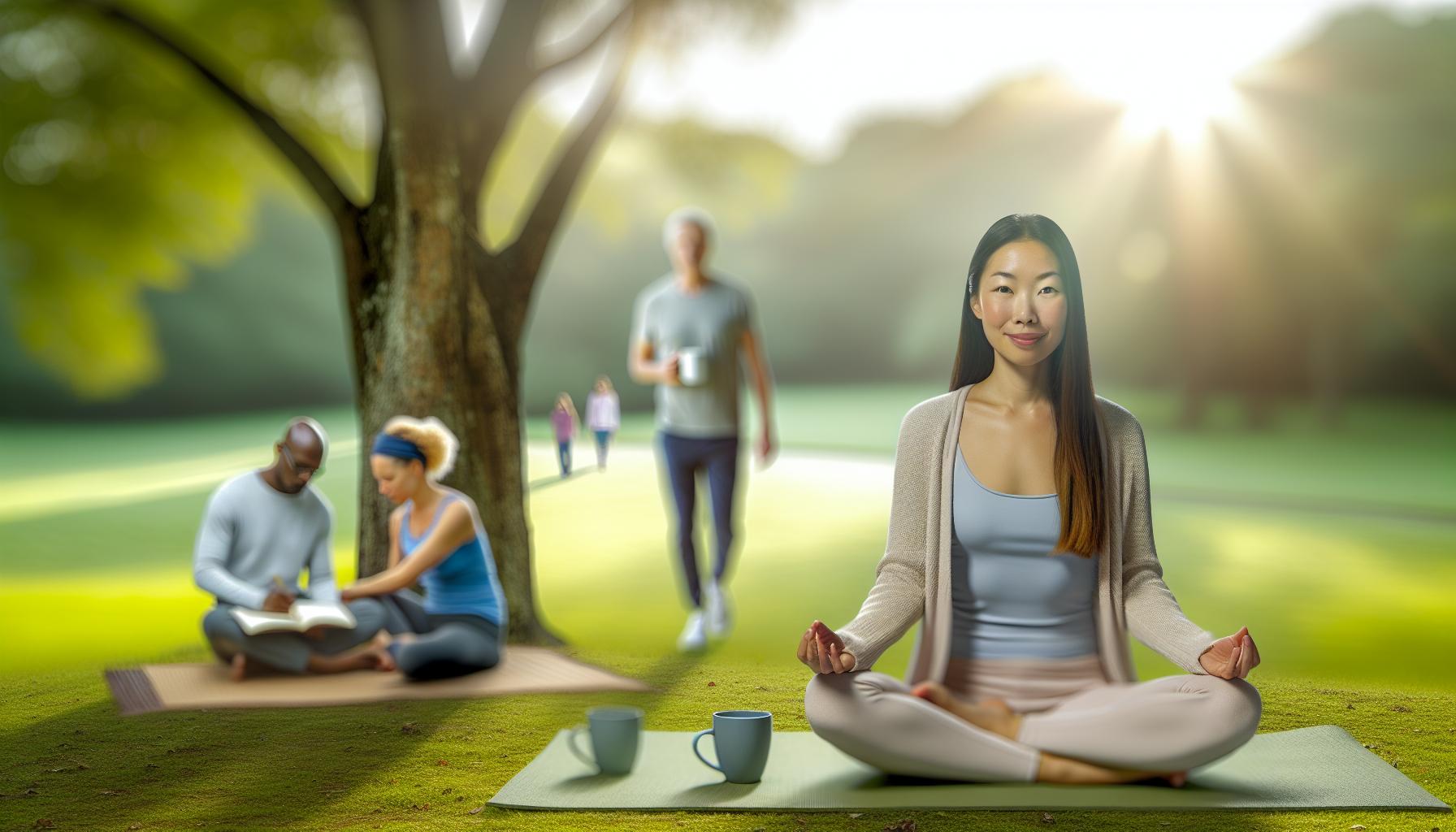
Incorporating lifestyle changes into your daily routine can be a powerful way to combat anxiety without relying on medications like Xanax. Simple adjustments in how you live can lead to significant improvements in your mental well-being. Research shows that consistent engagement in physical activity and mindfulness practices not only boosts mood but also enhances overall emotional resilience.
Physical Activity: A Natural Antidote
Regular physical exercise is one of the most effective ways to reduce anxiety. When you engage in activity-be it walking, cycling, or yoga-your body releases endorphins, the chemicals in your brain that act as natural painkillers and mood elevators. Aim for at least 30 minutes of moderate exercise most days of the week. This doesn’t mean you need to hit the gym; even a brisk walk around your neighborhood or dancing in your living room can make a difference.
- Incorporate Movement: Take short breaks to stretch or walk during your day. Little bursts of activity can help in reducing stress levels.
- Explore New Activities: Joining a class or a sports team can provide both physical activity and social interaction, which are crucial for mitigating anxiety.
Mindfulness and Breathing Techniques
Mindfulness practices such as meditation and deep breathing can foster a sense of calm. Setting aside just a few minutes daily to focus on your breath can change your body’s response to stress. A common technique involves inhaling deeply through your nose, holding for a few seconds, and exhaling slowly through your mouth. This practice grounds you in the present moment, reduces racing thoughts, and lowers your heart rate, helping you manage anxiety more effectively.
- Daily Meditation: Even 5-10 minutes of guided meditation can help set a positive tone for your day.
- Gratitude Journaling: Writing down things you are grateful for can shift your focus from anxiety to positivity.
Quality Sleep and Nutrition
Adequate sleep and a nutritious diet also play critical roles in managing anxiety. Poor sleep can heighten anxiety symptoms, while a balanced diet supports brain health. Strive for 7-9 hours of quality sleep each night and prioritize whole foods over processed ones.
- Establish a Sleep Schedule: Go to bed and wake up at the same time every day to regulate your body’s internal clock.
- Nutrient-Rich Foods: Focus on incorporating foods high in omega-3 fatty acids, fiber, and antioxidants, which can support brain chemistry.
These lifestyle adjustments can serve as effective, natural alternatives to pharmaceutical options. While they require commitment and consistency, their benefits on your anxiety levels can be profound. Always remember to consult with a healthcare professional as you pursue these lifestyle changes, ensuring they align with your overall health plan.
Essential Oils for Calming Effects
The soothing power of essential oils has been recognized for centuries, offering a natural way to promote calmness and reduce anxiety. Aromatherapy, the practice of using essential oils for therapeutic benefits, can play a significant role in managing stress levels. These concentrated plant extracts contain compounds that can influence mood and emotional well-being, providing an alternative method for those seeking relief without the use of pharmaceuticals like Xanax.
Among the most popular essential oils for anxiety relief are lavender, chamomile, and bergamot. Lavender oil is celebrated for its calming properties; studies have shown that inhaling its aroma can lower heart rates and blood pressure while promoting relaxation. Simply add a few drops to a diffuser or apply diluted lavender oil to your wrists when you’re feeling anxious. Chamomile oil, often associated with sleep, also aids in reducing anxiety by fostering a sense of peace. You can use it in a warm bath or breathe it in during your meditation practices. Bergamot oil, with its refreshing citrus scent, has been linked to reducing anxiety levels and elevating mood. Try adding it to a relaxing massage oil or diffusion blend.
Using essential oils doesn’t just end with inhalation; they can also be incorporated into various forms of self-care. Here are some practical methods to integrate essential oils into your daily routine:
- Diffusing: Use an essential oil diffuser to disperse calming scents throughout your space, creating a peaceful environment that can help alleviate anxiety.
- Topical Application: Mix essential oils with a carrier oil (like coconut or jojoba oil) and apply them to pulse points, like your wrists or neck, for a quick calming effect.
- Bath Soaks: Add a few drops of essential oils to your bath for an indulgent and therapeutic experience that soothes both body and mind.
- Inhalation: Place a few drops on a cotton ball and inhale deeply to experience immediate stress relief.
While essential oils can be immensely beneficial, it’s essential to remember that everyone’s body responds differently to various scents. Therefore, it’s wise to experiment with different oils to find those that resonate with you. Additionally, always consult with a healthcare professional, especially if you have existing health conditions or are pregnant, to ensure that your use of essential oils is safe and appropriate for your individual health needs. Incorporating these aromatic aids can be a gentle yet effective way to cultivate a sense of calm and manage anxiety naturally.
Supportive Supplements: What Works and Why

Supportive supplements can play a significant role in managing anxiety, offering a natural alternative to pharmaceuticals like Xanax. Various compounds have demonstrated the ability to support mental well-being, improve mood, and reduce stress levels. Whether you’re seeking a little extra help or trying to prioritize your mental health, certain supplements are worth considering.
Popular Supplements for Anxiety
- Magnesium: Often referred to as the “relaxation mineral,” magnesium plays a crucial role in over 300 biochemical reactions in the body. Adequate magnesium levels can help regulate neurotransmitters and reduce anxiety. Foods rich in magnesium include leafy greens, nuts, seeds, and whole grains.
- Omega-3 Fatty Acids: Found in fish oil and flaxseeds, omega-3 fatty acids have been linked to improved mood and reduced anxiety. These healthy fats support brain health and can help lessen anxiety symptoms when taken regularly.
- Vitamin D: Low levels of vitamin D have been associated with mood disorders, including anxiety. Sunlight exposure is the best source of vitamin D, but supplements can be beneficial, especially in those with limited sunlight exposure.
- L-Theanine: Commonly found in green tea, L-theanine is an amino acid that promotes relaxation without drowsiness. It can help reduce stress and anxiety levels, making it a great natural supplement for those managing anxiety throughout the day.
- GABA (Gamma-Aminobutyric Acid): GABA is a neurotransmitter that inhibits excessive brain activity. Some studies suggest that GABA supplements may help reduce anxiety and promote feelings of calmness.
Things to Consider
Before starting any supplement, it’s important to consult with a healthcare professional, especially if you have existing health conditions or are taking other medications. Individual responses to supplements can vary significantly, and what works well for one person might not be as effective for another. Additionally, a healthcare professional can provide guidance on appropriate dosages and any potential interactions with medications you may be taking.
Incorporating these supportive supplements into your routine can help cultivate a calmer mindset and enhance your overall well-being in your journey toward managing anxiety naturally.
Creating a Personal Plan for Anxiety Management
Creating a tailored approach to managing anxiety is essential for individuals seeking alternatives to medications like Xanax. A personalized plan not only acknowledges the uniqueness of each person’s experience with anxiety but also empowers them to take charge of their mental health. By combining different strategies-such as dietary adjustments, lifestyle changes, and supportive supplements-individuals can cultivate a more balanced and serene state of mind.
Start by recognizing your specific triggers and symptoms. Journaling can be a valuable tool in this process, allowing you to track when you experience anxiety and under what circumstances. Understanding these patterns will help you tailor your plan accordingly. For instance, if you notice increased anxiety after a poor night’s sleep, incorporating better sleep hygiene-like a consistent bedtime routine or reducing screen time before bed-could be a first step in your plan.
One essential aspect of a personalized anxiety management plan is incorporating natural remedies. Consider integrating herbal supplements like ashwagandha or valerian root, both known for their calming effects. Additionally, ensure you’re consuming foods rich in omega-3 fatty acids and magnesium, which support brain health and emotional well-being. As you explore these options, create a weekly schedule outlining when to take these supplements and plan balanced meals that fuel your body and mind.
Moreover, don’t underestimate the power of mindfulness and relaxation techniques. Set aside specific times each day for practices such as meditation, yoga, or deep-breathing exercises. These activities not only provide immediate relief during anxious moments but also help build resilience over time. Combining these practices into your daily routine promotes a consistent approach to anxiety management, enhancing your ability to cope with stressors as they arise.
Lastly, it’s crucial to remain connected with healthcare professionals throughout your journey. Regular check-ins can offer valuable insights and adjustments to your plan based on your progress. Be open to refining your approach as you learn what works best for you, recognizing that personal growth is a continuous process. By committing to a comprehensive, individualized plan, you can significantly enhance your well-being and lead a more fulfilling life without relying solely on pharmaceuticals for support.
Success Stories: Natural Alternatives in Action
While medications like Xanax provide immediate relief for anxiety, many individuals are seeking effective natural alternatives that promote long-term wellness without the risk of dependency. Real-life success stories demonstrate that integrating natural approaches into anxiety management can lead to profound improvements in mental health and emotional stability.
One inspiring example is that of Sarah, a 34-year-old marketing professional who experienced debilitating anxiety that affected her work and personal life. After feeling dissatisfied with the side effects of traditional medications, she decided to explore natural alternatives. Sarah began incorporating herbal remedies such as ashwagandha and passionflower, which research suggests may help reduce anxiety symptoms. Within weeks, she reported feeling more grounded and less overwhelmed in stressful situations. This inspired her to adopt a holistic routine that included daily meditation and regular yoga practice, fostering a sense of calm and resilience against daily stressors. As she continued this journey, Sarah found herself not only managing her anxiety more effectively but also enjoying life more fully.
Another compelling story comes from James, a 45-year-old father who struggled with anxiety attacks triggered by work-related stress. With his doctor’s guidance, he started to focus on nutrition, incorporating foods rich in omega-3 fatty acids, such as salmon and walnuts, along with magnesium sources like spinach and dark chocolate. This dietary adjustment complemented his practice of mindfulness. He dedicated time each evening for deep-breathing exercises and journaling, reflecting on his day and expressing gratitude. Over time, James noticed a significant reduction in his anxiety levels. He felt empowered by taking charge of his health through these simple changes, proving that small steps can yield powerful results.
The success stories of individuals like Sarah and James illustrate the effectiveness of embracing natural alternatives for anxiety relief. By tailoring a combination of herbal remedies, nutritional adjustments, and mindfulness practices, they not only mitigated their anxiety symptoms but also enriched their overall quality of life. For those exploring similar pathways, remember that professional guidance is essential to develop personalized strategies that best suit your unique needs. Embracing these natural alternatives may well lead to your own success story in managing anxiety holistically and effectively.
When to Consult a Healthcare Professional
Knowing when to seek professional help for anxiety can be crucial for effective management and overall well-being. While many people explore natural alternatives to medications like Xanax, there are times when professional guidance is not only helpful but necessary. If you find yourself facing overwhelming anxiety that interferes with daily life, it’s important to recognize the signs that indicate a need for professional intervention.
Consider reaching out to a healthcare provider if you experience debilitating anxiety symptoms such as persistent panic attacks, intrusive thoughts, or physical symptoms like rapid heartbeat and shortness of breath. These may indicate that your anxiety levels are beyond what can be managed with lifestyle changes or natural remedies alone. Additionally, if you perceive little to no improvement after several weeks of trying natural methods, consulting a healthcare professional can help refine your approach and ensure that no underlying conditions are exacerbating your anxiety.
Moreover, if anxiety symptoms lead to substantial changes in behavior-such as withdrawal from social interactions, neglect of work or personal responsibilities, or increased reliance on substances to cope-this is a significant signal to consult a healthcare professional. An expert can provide personalized assessments and create a comprehensive plan that may include therapy, nutritional guidance, or alternative treatments tailored specifically to your situation.
Lastly, always consider professional consultation when integrating new supplements or herbal remedies into your routine, especially if you are taking other medications. Herbal supplements can interact with prescription drugs, leading to unintended side effects or diminished effectiveness. A healthcare provider can help navigate these choices safely.
In seeking out support, remember that prioritizing your mental health is a positive step. Embracing a collaborative approach with your healthcare provider can lead to significantly enhanced strategies for managing anxiety, allowing you to explore the best of natural alternatives while ensuring a comprehensive support system is in place.
Q&A
Q: What are some common natural alternatives to Xanax?
A: Common natural alternatives to Xanax include herbal remedies like valerian root and passionflower, as well as lifestyle approaches such as mindfulness meditation and regular exercise. These options may help reduce anxiety symptoms and promote relaxation without the side effects associated with prescription medications.
Q: How effective are natural alternatives to prescription medications like Xanax?
A: Natural alternatives can be effective for managing mild to moderate anxiety, particularly when integrated into a comprehensive wellness plan. Individual results may vary, so it’s essential to consult a healthcare professional to determine the best approach for your specific needs.
Q: Are there any dietary changes that can help reduce anxiety naturally?
A: Yes, incorporating foods rich in omega-3 fatty acids, antioxidants, and vitamins can help reduce anxiety. Foods such as fatty fish, nuts, berries, and dark leafy greens are beneficial. A balanced diet supports brain health and emotional well-being, complementing natural anxiety relief strategies.
Q: What role do essential oils play in natural anxiety relief?
A: Essential oils like lavender and chamomile can promote relaxation and reduce anxiety when used in aromatherapy. Inhaling these scents or using them in massage can help calm the mind. Explore the benefits of essential oils alongside your natural anxiety management plan for enhanced effects.
Q: How can mindfulness and meditation help with anxiety symptoms?
A: Mindfulness and meditation can help lower anxiety levels by encouraging relaxation and promoting a present-focused mindset. Regular practice can reduce stress and improve emotional regulation, making these techniques invaluable for natural anxiety management. Consider scheduling daily practice to experience long-term benefits.
Q: When should someone consult a healthcare professional about anxiety?
A: If anxiety interferes significantly with daily functioning or persists despite trying natural remedies, it’s time to consult a healthcare professional. They can provide guidance, evaluate treatment options, and ensure that your wellness plan is both safe and effective.
Q: What supplements are commonly recommended for anxiety relief?
A: Common supplements for anxiety relief include magnesium, L-theanine, and omega-3 fatty acids. Each may support brain health and help reduce anxiety when incorporated into a balanced wellness routine. Always consult a healthcare professional before starting any new supplements.
Q: Can lifestyle changes enhance the effectiveness of natural anxiety remedies?
A: Absolutely! Lifestyle changes such as regular physical activity, adequate sleep, and stress management techniques can significantly enhance the effectiveness of natural remedies. A holistic approach increases overall well-being and allows for improved anxiety management. Incorporate these changes into your personal plan for optimal results.
In Summary
In conclusion, exploring natural alternatives to Xanax not only empowers you to manage anxiety safely but also opens doors to holistic wellness. Remember, options like herbal supplements, mindfulness practices, and lifestyle changes can be effective and are worth considering as part of your journey to mental well-being. For more resources, be sure to check out our articles on “Stress-Busting Nutrition Tips” and “The Power of Mindfulness Meditation.”
We encourage you to take that next step-whether it’s signing up for our newsletter for more health insights or consulting with a professional for personalized advice. Your mental health is vital, and you deserve support that resonates with your lifestyle. Feel free to share your thoughts in the comments below, and don’t hesitate to explore more content on our site to stay informed and inspired. Together, let’s prioritize your health and well-being!