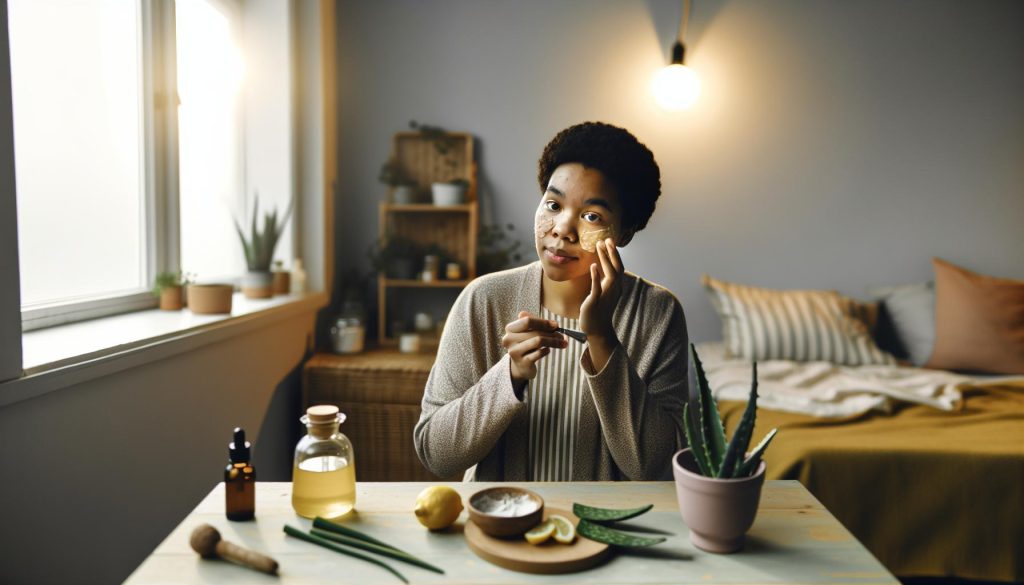
Dealing with zits can be a frustrating and confidence-shaking experience for many. A staggering number of people-approximately 85% of adolescents and young adults-suffer from acne at some point, making effective solutions a high priority. Fortunately, natural home remedies can offer relief, often using ingredients you already have on hand. In this article, we’ll explore some of the most effective home remedies for zits that not only target the root causes of acne but also promote healthier skin overall. Whether you’re seeking to treat a stubborn blemish or hoping to prevent future breakouts, these approaches aim to empower you with knowledge and practical solutions. Let’s dive into the world of natural remedies that can help you regain your skin’s clarity and confidence.
Most Common Causes of Zits and Acne
The development of zits and acne is influenced by various interrelated factors that can affect anyone at different stages of life. One of the primary causes is the overproduction of sebum, an oily substance that can clog pores, leading to the formation of pimples. This excess oil is often a result of hormonal changes, particularly during puberty, menstruation, or periods of significant stress. Bacteria that thrive on the skin, specifically Propionibacterium acnes, can exacerbate the situation, leading to inflammation and the red, angry appearance of acne.
Another significant contributor is the accumulation of dead skin cells. When these cells are not properly shed, they can mix with sebum and create a blockage in hair follicles. This blockage can present as non-inflamed zits, commonly known as whiteheads and blackheads. Additionally, diet also plays a role; studies suggest that high-glycemic-index foods and dairy products can trigger or worsen acne for some individuals.
Environmental factors should not be overlooked either. Pollution, humidity, and even friction from clothing or personal care products can irritate the skin, contributing to acne outbreaks. Stress management is also vital, as stress triggers the release of hormones that can increase oil production.
Recognizing these causes allows individuals to take proactive steps in preventing and managing zits. Simple lifestyle changes, such as adopting a balanced diet, maintaining proper hygiene, and using non-comedogenic skincare products, can be effective in managing acne. However, it is crucial to consult with a healthcare professional for personalized advice and treatment options, especially if over-the-counter remedies are not helping.
Natural Ingredients That Fight Zits Effectively
Natural ingredients can play a significant role in the battle against zits, offering gentle yet effective solutions to enhance skin health. With increasing interest in natural alternatives, many people are turning to ingredients that can help reduce inflammation, combat bacteria, and promote healing without harsh chemicals.
One well-known ingredient is tea tree oil, prized for its antimicrobial properties. It can be applied topically to target affected areas and help dry out zits while minimizing the risk of scarring. Aloe vera, another powerhouse, is famed not only for its soothing effects but also for its ability to reduce redness and irritation, thanks to its anti-inflammatory compounds. For those who prefer a more straightforward approach, a simple honey mask can help; honey is a natural humectant and has antibacterial qualities that make it effective for managing breakouts.
Additionally, green tea has gained popularity as a skin remedy due to its high antioxidant content, which can reduce sebum production and inflammation. Applying cooled green tea bags or extract directly onto the skin can provide relief and clarity. Furthermore, lavender essential oil can not only bring a calming aroma but also has been shown to reduce acne and promote healing. When diluted and used in a skincare routine, it can work wonders for blemish-prone skin.
Incorporating these natural ingredients into your skincare regimen is simple and can be done through DIY masks, spot treatments, and steam facials. However, while these remedies can be beneficial, it’s essential to patch test any new product and consult a healthcare professional for personalized treatment, especially if you have sensitive skin or a history of allergies. Embracing nature’s bounty can lead to clearer skin, reinforcing the notion that our approach to skincare can indeed be both gentle and effective.
Step-by-Step Guide to DIY Zit Remedies
Creating your own DIY zit remedies can be a game-changer in managing breakouts, and many people find success with simple, natural ingredients found right at home. These remedies not only provide an effective way to treat zits but also allow for customization based on your skin’s unique needs. Here’s how to harness the power of readily available ingredients to tackle those pesky blemishes.
Start with a basic, all-purpose remedy: a honey and cinnamon mask. Honey is known for its antibacterial properties, while cinnamon can help improve circulation and reduce inflammation. To create this mask, mix two tablespoons of honey with one teaspoon of cinnamon until a consistent paste forms. Apply it directly to the affected areas and leave it on for about 10-15 minutes before rinsing with warm water. This simple remedy can be used a few times a week for the best results.
Spot Treatment Options
For targeted spot treatments, consider using tea tree oil, which is renowned for its potent antimicrobial effects. Dilute a drop or two of tea tree oil in a carrier oil, like coconut or jojoba oil, and apply it directly onto the zit using a cotton swab. This should be done once or twice a day until the blemish begins to heal. Alternatively, a green tea compress can provide soothing relief. Brew a bag of green tea, allow it to cool, and place it on the afflicted area for 10-20 minutes to harness its antioxidant benefits.
Using Aloe Vera for Soothing
Another effective DIY remedy is aloe vera gel. Known for its soothing properties, aloe vera can help reduce redness and promote healing. Simply cut an aloe leaf and scoop out the gel, applying it directly to the zits before bedtime. Leave it on overnight and rinse in the morning.
To ensure the best results with your DIY treatments, always do a patch test before applying any new remedy to avoid adverse reactions. Moreover, consistency is key; regular application of these remedies can lead to noticeable improvements. If you find that home remedies aren’t sufficiently clearing your skin, consulting a healthcare professional can offer personalized guidance and treatment options tailored to your needs. Adopting a holistic strategy with these remedies, combined with professional advice when necessary, can empower you on your journey toward clearer skin.
Understanding Skin Types for Effective Treatments
Understanding your skin type is essential for selecting the most effective home remedies for zits and ensuring that treatments do more good than harm. Each skin type-be it oily, dry, combination, or sensitive-reacts differently to various ingredients, which makes tailoring remedies to your individual needs all the more important. For example, applying a heavy, oil-based treatment on oily skin can exacerbate breakouts, while a harsh, alcohol-laden product may strip dry skin of its natural moisture, leading to irritation or further breakouts.
Identifying Your Skin Type
To find the right remedies, start by identifying your skin type using the following characteristics:
- Oily Skin: This type often appears shiny, particularly in the T-zone (forehead, nose, chin), and is prone to blackheads and larger pores.
- Dry Skin: Often feels tight or flaky, may show redness or irritation, and lacks elasticity.
- Combination Skin: Features both oily areas (usually the T-zone) and dry patches, requiring a balanced approach to treatment.
- Sensitive Skin: Prone to allergic reactions or irritation, it may respond negatively to many treatments, requiring gentle, soothing ingredients.
Understanding these characteristics allows you to select remedies that align with your skin’s needs. For instance, those with oily skin might benefit from ingredients like salicylic acid or tea tree oil, known for their ability to reduce excess oil and combat bacteria. On the other hand, individuals with dry skin may find healing properties in ingredients like honey or aloe vera, which help hydrate and soothe.
Adapting Treatments to Skin Needs
Once you identify your skin type, it’s time to adapt your home remedy approach. For oily skin, consider a honey and cinnamon mask to combat bacteria and inflammation, as mentioned earlier. For dry skin, calming treatments with aloe vera gel can provide the hydration and soothing effect necessary for improvement.
Creating a personalized approach not only maximizes the benefits of these remedies but also aligns your skincare routine with the unique requirements of your skin, resulting in clearer and healthier skin. Remember, incorporating gentle testing of any new product or remedy is crucial, particularly for sensitive skin types. It is always wise to consult a healthcare professional when establishing a long-term treatment plan tailored to your specific needs. Empowering yourself with knowledge about your skin type will equip you to tackle zits effectively and maintain a clear, healthy complexion.
How to Create a Personalized Zit Treatment Plan
Creating a personalized treatment plan for zits not only enhances your chances of achieving clearer skin but also ensures that you’re addressing the specific issues your skin faces. To get started, it’s crucial to assess your skin’s unique characteristics and needs, taking into account any existing conditions or sensitivities. Consider keeping a skin diary to track breakouts, reactions to different products, and the overall condition of your skin over time. This information will be invaluable for tailoring your treatment approach effectively.
The next step involves choosing the right ingredients and remedies based on your skin type. For instance, if you have oily skin, ingredients like salicylic acid, which penetrates pores and helps reduce oil buildup, could be particularly effective. Alternatively, if your skin tends to be on the drier side, hyaluronic acid or aloe vera may provide the hydration you need without clogging your pores. Integrating a blend of natural remedies, such as tea tree oil for its antibacterial properties or honey for its soothing effects, can also be beneficial.
Setting a Routine
Once you’ve listed your preferred ingredients, develop a structured skincare routine that includes cleansing, treating, and moisturizing. Start with a gentle cleanser suitable for your skin type:
- Oily Skin: Opt for a foaming or gel-based cleanser.
- Dry Skin: Choose a creamy or hydrating formula.
- Sensitive Skin: Look for fragrance-free, hypoallergenic options.
After cleaning, apply your chosen treatment-whether a spot treatment with benzoyl peroxide or a soothing mask with natural ingredients. Ensure to follow up with a non-comedogenic moisturizer to help maintain your skin’s barrier.
Monitoring Progress
Lastly, tracking your progress is essential. Adjust your treatment plan based on how your skin responds. If a particular remedy irritates your skin, discontinue its use and try alternatives. Consulting a healthcare professional is always smart if you find you’re not achieving the desired results within a few weeks or if your breakouts worsen. They can provide guidance tailored to your specific needs, ensuring that your personalized treatment plan is based on sound medical advice. Empowering yourself with knowledge and adaptability in your skincare approach will lead to healthier, clearer skin over time.
Essential Lifestyle Changes for Clear Skin
Achieving and maintaining clear skin often requires more than just topical remedies; essential lifestyle changes can play a significant role in preventing and reducing breakouts. One of the critical aspects to consider is your diet. Consuming a balanced diet rich in antioxidants, vitamins, and minerals supports skin health. Incorporate foods like fruits, vegetables, whole grains, and lean proteins, while reducing processed foods and sugar intake, which can trigger inflammation and hormonal imbalances. A well-rounded diet promotes overall well-being, which is reflected in your skin’s appearance.
Another important factor is hydration. Drinking plenty of water helps flush toxins from the body and keeps the skin hydrated, reducing the likelihood of excess oil production that can lead to zits. Aim for at least eight glasses of water a day, and don’t forget about hydrating foods like cucumbers and oranges, which can further contribute to your hydration goals.
Regular exercise also significantly impacts skin clarity. Physical activity increases blood circulation, helping deliver oxygen and nutrients to the skin while promoting the removal of toxins through sweat. Aim for at least 30 minutes of moderate exercise most days of the week, whether it’s jogging, yoga, or dancing. Alongside exercising, ensuring sufficient sleep is crucial. Lack of sleep can lead to stress and hormonal imbalances, both of which can trigger breakouts. Strive for seven to nine hours of quality sleep each night to allow your body to repair and regenerate, leaving you with refreshed, clearer skin.
Lastly, managing stress is essential for maintaining skin clarity. Techniques such as mindfulness meditation, deep breathing exercises, or engaging in hobbies can help reduce stress levels, preventing the spike in hormones that can lead to acne flare-ups. By incorporating these lifestyle changes into your routine, you are setting the stage for healthier skin and reinforcing the efforts of your topical treatments and remedies. Remember, the journey to clear skin is often an integrative process, and consulting with healthcare professionals can provide personalized guidance tailored to your unique circumstances.
Common Mistakes When Using Home Remedies
When it comes to tackling zits and acne, home remedies can be a tempting route to take, but missteps in their application can lead to disappointment and even worsen your skin’s condition. One prevalent mistake is overusing certain ingredients, believing that “more is better.” For example, while tea tree oil is known for its antibacterial properties, applying it too frequently or in high concentrations can cause skin irritation and dryness, prompting an increase in oil production as your skin attempts to compensate. The key is moderation and finding the right balance that works for your specific skin type.
Another common pitfall is neglecting proper skin preparation before applying remedies. Failing to cleanse the skin properly can leave dirt and oil on the surface, preventing the remedy from penetrating effectively and yielding the desired results. Always start with a clean face to allow the natural ingredients the best chance of working. For instance, before utilizing a clay mask or a honey treatment, wash your face with a gentle cleanser and pat it dry to maximize efficacy.
Making assumptions about ingredient interactions is another area where many fall short. Just because an ingredient is natural doesn’t mean it’s always safe or effective when combined with others. Certain combinations, such as mixing lemon juice (which can be irritating) with baking soda, can lead to chemical reactions that may harm the skin barrier. To avoid these issues, research or consult a professional before undertaking any complex home remedy concoctions.
Lastly, many people disregard the need for consistency and patience. Skin healing takes time, and expecting immediate results can lead to frustration and hasty decisions, such as discontinuing a remedy prematurely before it has had a chance to work. Instead, commit to a regimen for several weeks, and if there are no improvements, consider consulting a dermatologist who can provide tailored advice and possibly suggest additional treatment options. Remember, while home remedies can be beneficial, they should complement, not replace, professional skincare guidance.
Real User Experiences: What Works Best
Experiences shared by individuals who have battled with zits reveal a wealth of practical knowledge about what truly works when it comes to home remedies. Overwhelmingly, users highlight the effectiveness of natural ingredients like honey and aloe vera. Many have found honey’s innate antibacterial properties to be particularly beneficial, leading to significant reductions in inflammation and quicker healing times. For instance, one user reported applying a honey mask twice a week, which not only calmed their skin but also left it feeling moisturized and refreshed.
Another ingredient that has garnered much praise is aloe vera, often referred to as nature’s soothing gel. Countless users have shared their success stories of applying pure aloe vera directly to breakouts. A user noted, “After using aloe vera gel every night for a week, I noticed my cystic acne dramatically decreased in size, and my skin felt less irritated.” Its cooling properties make it an excellent choice for those dealing with inflammation and redness, as it also aids in skin regeneration.
In addition to these classic remedies, many users are also advocating for the incorporation of turmeric masks. Known for its anti-inflammatory and antibacterial properties, turmeric has become a staple in at-home skincare routines. However, consistency is crucial; one user who applied a turmeric and yogurt mask three times a week found that not only did it diminish existing zits, but it also prevented new ones from forming. They emphasized the importance of applying it at night due to its coloring properties, ensuring that it didn’t stain their daywear.
Despite the various successes reported, the users stress the importance of personalizing any treatment plan. As one individual wisely pointed out, “What worked for my skin might not work for yours.” This sentiment underscores the necessity of tailoring remedies based on skin type and the specific characteristics of one’s acne. Engaging in a process of trial and error, while maintaining a dialogue with skincare professionals, helps ensure that individuals find the optimal home remedies for their unique skin conditions.
Lastly, a common takeaway from these real-life accounts is the holistic approach to skin health. Users frequently mentioned the role of diet and hydration in conjunction with topical treatments. Many reported that pairing their topical remedies with a balanced diet rich in antioxidants and adequate water intake not only improved their skin’s appearance but enhanced their overall well-being. This multifaceted approach is a cornerstone for achieving lasting results.
Expert Tips for Preventing Zits Naturally
Maintaining clear skin is not just about treatment; prevention plays a crucial role in managing the looming threat of zits. Most people are unaware that simple lifestyle adjustments can significantly reduce the frequency and intensity of breakouts. For instance, incorporating a proper skincare routine suited to your skin type can help maintain balance and reduce excess oil production, which is a major contributor to acne formation. Regularly cleansing your face, using non-comedogenic products, and exfoliating can help keep pores from becoming clogged with excess sebum and dead skin cells.
Holistic Approaches to Skin Health
It’s essential to recognize the connection between overall health and skin condition. A diet rich in antioxidants and omega-3 fatty acids can promote better skin health. Foods such as berries, fatty fish, and nuts not only help reduce inflammation but also nourish your skin from the inside out. Staying well-hydrated is equally important; drinking adequate water throughout the day supports skin elasticity and helps eliminate toxins that can lead to breakouts. Additionally, consider avoiding high-glycemic foods and dairy products, which some studies have linked to increased acne incidence.
Stress Management and Sleep Quality
Another often-overlooked factor in the fight against zits is stress. High-stress levels can trigger hormonal changes that increase oil production and lead to breakouts. Engaging in relaxation practices such as yoga, meditation, or even a simple walk outdoors can effectively reduce stress levels. Don’t forget about sleep; aim for 7-9 hours of quality rest each night. Sleep is the body’s natural restorative process, and its absence can impede skin recovery and promote inflammation.
Opting for natural remedies can also serve as a preventative measure against zits. Ingredients like tea tree oil, known for its antibacterial properties, can help keep skin clear when used regularly. This can be part of a personalized skincare regimen that suits your unique skin profile. However, as with all skincare decisions, consulting with a healthcare professional or dermatologist is advisable to tailor an approach specific to your needs.
By nurturing both body and mind, you can create an effective natural defense against the unwanted appearance of zits, paving the way for healthier, clearer skin.
When to Seek Professional Help for Zits
It’s not uncommon for individuals dealing with acne to face moments of frustration, especially when home remedies and over-the-counter treatments don’t yield the desired results. Understanding when to seek professional help is crucial not only for effective treatment but also for preserving skin health. If your acne persists despite consistent home treatments or if you experience severe breakouts that are painful or inflamed, it may be time to consult a dermatologist. Professional guidance can offer deeper insights into your specific skin type, the underlying causes of your acne, and targeted treatment solutions.
Recognizing the right time to seek expert advice can empower you on your journey to clearer skin. Consider reaching out to a healthcare provider if you encounter any of the following scenarios:
- Your acne is persistent and has not improved with standard home treatments after several weeks.
- You are experiencing severe outbreaks of cystic acne that are painful, inflamed, or leave scars.
- You notice constant changes in the type or severity of your acne, which could be indicative of underlying hormonal or medical issues.
- Your acne is accompanied by other symptoms such as excessive hair growth or irregular menstrual cycles, which may suggest hormonal imbalances.
Potential Treatments and Expert Advice
A dermatologist can offer a variety of treatment options that might not be accessible through general home remedies. These may include prescription medications, such as topical retinoids, antibiotics, or hormonal treatments specifically designed to target acne. Additionally, professional treatments like chemical peels, laser therapy, or light therapy can significantly improve skin condition for many patients. A tailored treatment plan not only addresses current issues but also helps prevent future breakouts, equipping you with a comprehensive strategy for long-term skin health.
While exploring the potential for natural remedies is valuable, it’s important to approach them as complementary to professional advice, rather than substitutes. Natural ingredients offer great benefits for mild cases, but when conditions escalate, obtaining medical expertise ensures that your skin receives the best care possible. Always remember that personalized consultation is key; the right professional guidance can make all the difference in achieving the clear skin you desire.
Exploring Additional Natural Remedies for Zits
Exploring natural remedies for zits can be empowering, providing alternatives to traditional treatments while harnessing the power of everyday ingredients found in your kitchen. Many individuals find success with various natural solutions that are gentle on the skin and can soothe inflammation or kill bacteria. Whether you’re looking to treat a sudden breakout or establish a regular skincare routine, knowing which natural ingredients to use can make a significant difference.
One of the most popular choices is tea tree oil, renowned for its antibacterial properties. Dilute a few drops of tea tree oil with a carrier oil like jojoba or coconut oil before applying it directly to the affected area. This can help reduce redness and the size of a pimple without the drying effects of some commercial treatments. Another effective ingredient is aloe vera, celebrated for its calming and anti-inflammatory effects. Applying pure aloe gel directly from the leaf can nourish the skin and speed up the healing process.
Incorporating honey into your skincare routine can also yield positive results. Honey has natural antimicrobial properties and serves as an excellent moisturizer. Allow a thin layer of raw honey to sit on your skin for about 20 minutes before rinsing it off with warm water. This will not only help with zits but will also keep your skin hydrated and glowing.
Moreover, don’t overlook green tea as a potential ally in your fight against acne. Rich in antioxidants, compounds in green tea can reduce the production of sebum and fight inflammation. Brew a cup of green tea, allow it to cool, and use it as a soothing facial wash or spot treatment.
Ultimately, while exploring these natural remedies, it’s crucial to remember that individual skin types react differently. Always perform a patch test before fully integrating a new ingredient into your skincare routine to ensure you don’t have an adverse reaction. Consulting a dermatologist can provide personalized suggestions tailored to your specific skin needs while helping you navigate the exciting world of natural skincare alternatives safely.
Maintaining Healthy Skin Post-Zit Treatment
After dealing with a bout of zits, your focus should shift not only to healing your skin but also to ensuring that it remains clear and healthy. The period following treatment is crucial for establishing a routine that promotes skin health and prevents future breakouts. One of the key aspects of maintaining healthy skin is adopting a consistent skincare regimen tailored to your unique skin type. Thorough cleansing is essential; choose a gentle, non-comedogenic cleanser that won’t strip your skin of its natural oils. Aim to wash your face twice daily, especially after activities that may cause excess sweating.
In addition to proper cleansing, moisturizing is vital. Despite common misconceptions, oily skin still requires hydration. Look for lightweight, oil-free moisturizers that provide moisture without clogging pores. Incorporating products that contain ingredients like hyaluronic acid can help keep the skin hydrated without adding extra oil. A balanced approach also includes the use of exfoliation; gentle exfoliants can help remove dead skin cells and prevent clogged pores, but be careful not to overdo it. Aim for exfoliation two to three times a week, and choose chemical exfoliants such as AHAs or BHAs for a more effective and gentler alternative to physical scrubs.
Protecting your skin with sunscreen is another cornerstone of a healthy post-treatment routine. Daily application of a broad-spectrum SPF of at least 30 is critical, even on cloudy days or when you’re indoors. UV exposure can exacerbate existing pigmentation issues and lead to premature aging. Look for non-comedogenic formulas that won’t contribute to future breakouts.
Lastly, don’t underestimate the importance of a healthy diet and hydration. Consume a balanced diet rich in fruits, vegetables, whole grains, and lean proteins to support your skin from the inside out. Foods high in antioxidants can reduce inflammation and promote skin repair. Staying well-hydrated by drinking enough water throughout the day helps maintain skin elasticity and supports overall skin health. Combining these practices will not only help in healing and maintaining clear skin but will also boost your confidence and wellbeing. Always remember, though, that individual results may vary, and consulting with a dermatologist can help you create a personalized plan that aligns with your skin’s specific needs.
FAQ
Q: What are the most effective natural treatments for zits?
A: The most effective natural treatments include tea tree oil, which has antibacterial properties, and honey, known for its anti-inflammatory and healing effects. Aloe vera gel can soothe irritation, while witch hazel acts as a natural astringent. Incorporating these into your skincare routine can help clear zits effectively.
Q: How long does it take for home remedies to work on zits?
A: Home remedies may show results within a few days to a couple of weeks, depending on the severity of the zits and the remedy used. Consistency is key; regularly applying treatments like honey or tea tree oil can help accelerate healing.
Q: Can I use multiple home remedies for zits at once?
A: Yes, but it’s essential to introduce them gradually to avoid skin irritation. Start with one remedy, assess your skin’s reaction, and then combine treatments like aloe vera and honey for enhanced benefits. Always patch-test new remedies on a small area first.
Q: Are there any side effects of using home remedies for zits?
A: While many home remedies are gentle, possible side effects include skin irritation, allergic reactions, or dryness. Always conduct a patch test before full application and consult a dermatologist if irritation occurs.
Q: What should I avoid while using home remedies for zits?
A: Avoid harsh scrubs and skincare products containing alcohol or synthetic fragrances, which can irritate the skin. It’s also wise to steer clear of touching or popping zits, as this can lead to scarring and further breakouts.
Q: How can I prevent zits from forming in the first place?
A: To prevent zits, maintain a consistent skincare routine, cleanse your face twice daily, and use non-comedogenic products. Keeping your skin hydrated and eating a balanced diet rich in antioxidants can also reduce the likelihood of breakouts.
Q: When should I consider professional treatments for zits?
A: Consider seeking professional help if over-the-counter and home remedies fail after a few weeks or if you experience severe acne. A dermatologist can provide tailored treatments, including prescription medications and advanced therapies.
Q: Are there lifestyle changes that can help reduce zits?
A: Yes, regular exercise, adequate sleep, and a healthy diet can significantly impact your skin health. Stress management techniques, such as yoga or meditation, can also help reduce breakout frequency by balancing hormone levels.
Insights and Conclusions
As you navigate the journey to clearer skin, remember that the remedies we’ve explored for zits are just the beginning. Incorporating natural solutions and consistent skincare can make a world of difference. Don’t wait-start implementing these strategies today and see how they can transform your complexion.
For those eager to dive deeper, check out our guides on 30 Old-Time Home Remedies and 78 Natural Remedies for Everyday Ailments for more effective solutions. If you’re still grappling with stubborn zits, consider consulting a skincare professional for personalized advice tailored to your needs.
We’d love to hear your thoughts! Share your experiences or ask questions in the comments below. And don’t forget to explore more of our content, from nutrition tips to wellness advice, all designed to empower your health journey. Together, let’s make skincare easy and effective!