Did you know that the pH balance of your drinking water can significantly impact your overall health? Alkaline water, known for its higher pH levels, is often promoted as a way to neutralize acidity in the body and improve hydration. Many people are curious about how to make their own alkaline water at home, as it can be a simple and cost-effective solution to enhance their wellness routine. In this article, we will explore five easy methods to create alkaline water, empowering you to take charge of your hydration. You’ll discover natural ingredients and straightforward techniques that align with your health goals. So, whether you’re looking to boost your hydration game or simply satisfy your curiosity, keep reading to unlock the secrets to making alkaline water effortlessly!
Understanding Alkaline Water: What You Need to Know
Water is essential for human health, but not all water is created equal. One intriguing option gaining popularity is alkaline water, which has a higher pH level than regular tap water. The idea is that this alkalinity can counterbalance the acidity in our bodies, potentially leading to various health benefits, such as improved hydration, a more balanced pH level, and possibly even helping to mitigate certain health conditions. However, it’s crucial to note that the scientific community remains divided on the definitive benefits of alkaline water, with many advocating for further research to validate these claims.
When it comes to understanding alkaline water, it’s first important to grasp what contributes to its higher pH. Normal drinking water generally has a neutral pH around 7, while alkaline water can have a pH of 8 or 9. The alkalinity comes from natural minerals such as potassium, magnesium, and calcium, as well as additives like baking soda or lime. While many proponents claim alkaline water can assist in detoxification, reduce inflammation, and even improve bone health, the evidence supporting these claims is still emerging.
For those interested in making alkaline water at home, there are several simple methods available. Utilizing common household ingredients can effectively enhance the alkalinity of your water. For instance, adding lemon juice to water may not seem intuitive since it is sour; however, once metabolized, it produces alkaline byproducts. Similarly, incorporating baking soda or using pH drops provides straightforward options for adjusting the pH of your water. Understanding these processes can empower you to make informed decisions about your hydration choices.
Incorporating alkaline water into your diet can be an enjoyable journey. However, it’s essential to maintain a balanced approach to nutrition and wellness. It’s wise to consult with healthcare professionals, particularly if you have underlying health conditions or are adjusting your diet significantly. By learning about your choices and engaging with both simple methods and scientific insights, you can explore the world of alkaline water confidently and responsibly.
Benefits of Alkaline Water for Your Health
Studies suggest that incorporating alkaline water into your daily routine can offer a range of health benefits, spurring its growing popularity among health enthusiasts. One of the primary benefits attributed to alkaline water is its potential to help balance the body’s pH levels. Our diets can often lead to an acidic environment, and drinking alkaline water may assist in counteracting this acidity, potentially leading to improved overall well-being. While research is ongoing, many proponents claim that alkaline water can enhance hydration, boost energy levels, and even aid in digestion.
Many individuals report experiencing enhanced hydration when consuming alkaline water. This is vital, as proper hydration is crucial for various bodily functions, including temperature regulation, nutrient transport, and toxin elimination. Some studies suggest that alkaline water may be more effectively absorbed by the body than regular water, making it a suitable choice, especially for those engaging in intense physical activities or those looking to improve their hydration status.
Moreover, alkaline water may have antioxidant properties, which can assist in neutralizing free radicals in the body. Free radicals are unstable molecules that can cause oxidative stress, contributing to various health issues over time. Although further research is required, antioxidants in alkaline water could potentially support cellular health and longevity.
Before making significant changes to your hydration habits, it’s essential to consult a healthcare professional, especially if you have pre-existing medical conditions or dietary restrictions. As you explore the possible benefits of alkaline water, stay informed and make choices that support a balanced and healthy lifestyle. Consider keeping a journal to track your hydration levels and how you feel, enabling you to make more informed decisions about your health.
5 Easy Methods to Make Alkaline Water at Home
Creating your own alkaline water at home can be an empowering way to take charge of your health and hydration. With a few simple methods, you can easily transform regular water into alkaline water, which may help in balancing your body’s pH levels and enhancing hydration. Here are five easy methods to get you started.
Using Baking Soda
One of the simplest ways to increase the alkalinity of water is to add baking soda. This common household item is alkaline and can effectively raise the pH level of your water. To use baking soda, dissolve 1/8 teaspoon of baking soda in one glass (about 8 ounces) of water. Stir well until completely dissolved. Since baking soda is high in sodium, make sure to monitor your intake if you are on a low-sodium diet.
How to Use Lemon Juice
Contrary to popular belief, lemon juice has an alkalizing effect once metabolized. To make alkaline water with lemon, simply squeeze half a lemon into a glass of water. For added flavor and nutrition, you can steep the lemon slices in warm water, allowing the essential oils and nutrients to infuse. This method not only increases the pH but also adds a refreshing taste to your drink.
Incorporating pH Drops
Alkaline pH drops are an easy and effective method to enhance the alkalinity of your water. These drops typically contain minerals such as potassium and magnesium that contribute to a higher pH. Just add a few drops to your filtered water according to the manufacturer’s instructions, and enjoy a quick and convenient way to boost your hydration.
Using Alkaline Water Filter Pitchers
Another effective method is using an alkaline water filter pitcher. These pitchers are designed to filter your tap water while adding minerals that raise its pH. Just fill the pitcher with water, allow it to filter, and you’ll have alkaline water ready to drink. This method is not only easy but also offers a continuous supply of alkaline water without the need for daily prep.
Using Mineral Stones
Finally, mineral stones can be an excellent natural way to create alkaline water. Simply place a few alkaline mineral stones in your water container and let them sit for a few hours. The stones release minerals such as calcium, magnesium, and potassium, which help to increase the pH of your water. It’s a low-maintenance and sustainable option that can be reused multiple times before needing replacement.
By implementing these methods, you can create alkaline water at home with ease, catering to your dietary choices and lifestyle preferences. As you experiment with these techniques, remember to consult with a healthcare professional regarding any significant dietary changes, and enjoy the journey of enhancing your hydration!
Using Baking Soda to Create Alkaline Water
A well-known household staple, baking soda (sodium bicarbonate) can transform regular water into alkaline water with just a simple addition. This method not only offers a convenient way to help maintain your body’s pH levels but also introduces minimal effort to your daily hydration routine. By elevating the pH level of water, baking soda provides both practical benefits and significant health potential, making it an attractive option for those looking to create alkaline water at home.
To create alkaline water using baking soda, you simply need to follow this straightforward process: take 1/8 teaspoon of baking soda and dissolve it in approximately 8 ounces of water. Stir the mixture thoroughly to ensure the baking soda is completely dissolved. This easy-to-follow method increases the water’s alkalinity, effectively raising its pH, making it a refreshing alternative to plain water. It’s important to remember that while baking soda is beneficial, it also contains sodium; therefore, if you are watching your sodium intake, it’s wise to monitor how often you indulge in this alkalizing drink.
Potential Health Benefits
Many enthusiasts of alkaline water praise its supposed health advantages, which include aiding digestion, enhancing hydration, and potentially neutralizing acidity in the body. While further research is needed to substantiate these claims fully, incorporating baking soda into your daily hydration can serve as a simple, yet supportive practice for overall wellness. It’s a great addition to a balanced lifestyle, providing a boost of alkalinity that may contribute to maintaining a balanced pH.
However, it’s essential to consult with a healthcare professional prior to making any significant adjustments to your diet, particularly if you are pregnant, nursing, or managing existing health conditions. In moderation, the use of baking soda in your water can represent a small but impactful way to take charge of your hydration and help your body thrive.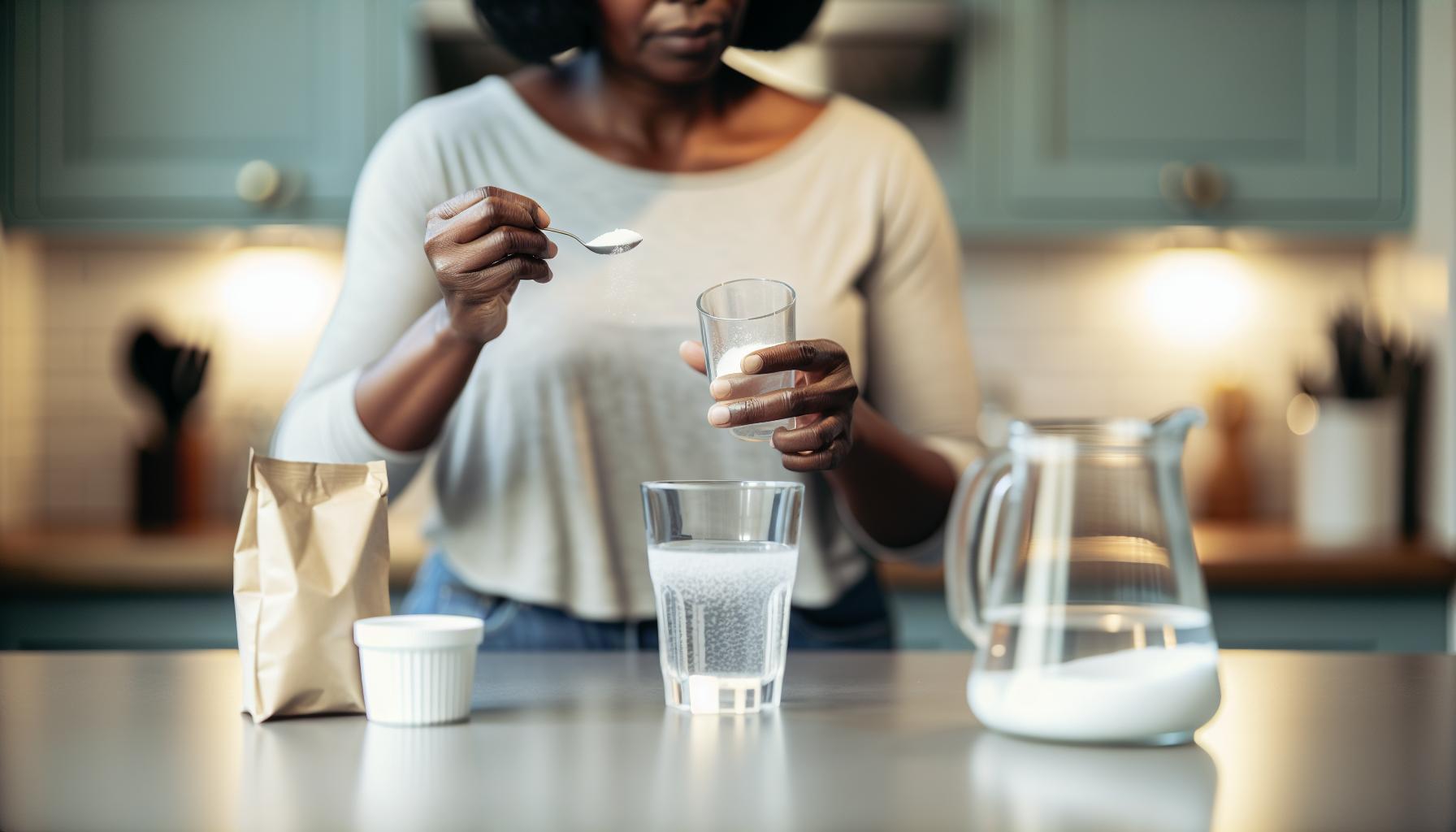
How to Use Lemon Juice for Alkaline Water
Lemon juice is often perceived as a paradox in the world of hydration. While it possesses an acidic pH when measured in its fresh form, many enthusiasts believe it can contribute to creating alkaline water once it’s metabolized in the body. This intriguing aspect makes lemon juice a popular choice for those looking to make alkaline water at home, offering both flavor and potential health benefits. By adding lemon juice to your regular water, you can enhance its taste while possibly promoting a more alkaline environment in your body.
To create alkaline water with lemon juice, the process is straightforward and requires minimal ingredients. Start with a fresh lemon; ideally, use organic lemons to avoid pesticides. Squeeze the juice of half a lemon into a glass of about 8 to 12 ounces of water. If you find the taste too tart, consider adding a teaspoon of honey or agave syrup for natural sweetness. Stir the mixture well, ensuring that the lemon juice is evenly distributed. For added cooling benefits, you can serve it over ice or infuse it with fresh mint leaves.
Benefits of Lemon Juice in Alkaline Water
Using lemon juice in your water not only serves to increase flavor but may also support hydration and digestion. The citrus profiles of lemons are rich in vitamin C, which acts as an antioxidant and can provide a boost to your immune system. Many health enthusiasts discuss how the inclusion of lemon can have alkalizing effects post-digestion, potentially helping to neutralize excess acidity in the body. This shift can be especially beneficial for people dealing with acid reflux or those wanting to maintain overall pH balance.
Tips for Enhancing Your Lemon Water
Here are some practical tips to maximize the benefits of lemon-infused alkaline water:
- Choose Fresh Ingredients: Use freshly squeezed lemon juice for the best flavor and nutrient content. Bottled lemon juice may contain preservatives that lessen its health benefits.
- Balance with Other Ingredients: To enhance the alkalinity further, consider adding a pinch of Himalayan sea salt or a dash of baking soda.
- Drink Promptly: For optimal flavor and benefits, consume your lemon water soon after preparation. This strategy ensures that you get the most vitamin C and fresh taste.
- Hydration Routine: Make lemon water a part of your morning routine. Starting your day with this refreshing drink can awaken your senses and promote hydration.
While lemon juice can offer a zestier alternative to plain water, it’s crucial to remember that moderation is key, especially for individuals who may be sensitive to acidity or have dental concerns. As always, consult with a healthcare professional if you have specific dietary needs or health conditions before incorporating significant changes into your daily routine.
Incorporating pH Drops in Your Water
In a quest to enhance hydration and promote a more alkaline state in the body, incorporating pH drops into your water can be a highly effective method. These specialized liquids are designed to alter the pH of water, typically raising it to a more alkaline level, often between 7.5 and 9.5, depending on the product. This simple addition can transform your regular drinking water into a more alkaline option, catering to those focused on optimizing their health through dietary adjustments.
Using pH drops is incredibly straightforward and can be seamlessly integrated into your daily routine. Most products come with a dropper or measuring cap, making it easy to control the amount you use. Start by adding a few drops to an 8 to 12-ounce glass of water, stirring gently to ensure proper mixing. It’s essential to follow the manufacturer’s instructions regarding the recommended dosage since different brands may vary in concentration and effectiveness. You might find that experimenting with the number of drops allows you to find your perfect balance between taste and alkalinity.
Benefits of Using pH Drops: The advantages of incorporating pH drops are not only limited to achieving alkaline water. Many users report an improved sense of wellness, claiming enhanced energy and better digestion after adopting this habit. The potential alkalizing effects provided by these drops can help neutralize acidity from foods, promoting a healthier pH balance in the body. Moreover, this method eliminates the need for complicated preparation or lengthy processes involved with other techniques, enabling you to enjoy alkaline water anytime and anywhere.
To maximize the impact of pH drops in your hydration routine, consider these tips:
- Consistency is Key: For the best results, incorporate pH-enhanced water into your daily intake consistently, similar to how you would include fruits and vegetables in your diet.
- Pair with a Overall Healthy Lifestyle: Impact will be more pronounced if you combine pH drops with a balanced diet and regular exercise, reinforcing your body’s overall alkalinity.
- Stay Hydrated: Ensure you’re drinking sufficient water throughout the day. Start your morning with a glass of alkalized water to kickstart your hydration and metabolism.
Always remember that while pH drops can offer noticeable changes, they should complement, not replace, a healthy lifestyle. For any significant changes to your dietary habits or if you have specific health concerns, consulting with a healthcare professional is advisable to personalize your approach to hydration and overall well-being.
Exploring Alkaline Water Filter Pitchers
Using alkaline water filter pitchers can be a convenient and effective way to transform your tap water into a more alkaline beverage without the need for complex processes or expensive equipment. These pitchers typically use filter technology that not only raises the pH level but also removes impurities and contaminants, providing you with cleaner, healthier drinking water. Many people find that incorporating alkaline water into their daily routine can enhance hydration and digestive health, making these pitchers a popular choice for health-conscious individuals.
When choosing an alkaline water filter pitcher, it’s essential to consider the filtration capabilities as well as the pH-boosting mechanisms. Most pitchers utilize a combination of activated carbon and mineral additives to purify water while elevating its alkalinity. For example, a pitcher may filter out chlorine, heavy metals, and other pollutants, while minerals like calcium and magnesium are added back in to increase the pH level naturally. Before purchasing, look for products that have been tested for efficacy and meet safety standards, as this will ensure you are getting a reliable product.
Maintaining your alkaline water filter pitcher is vital for ongoing effectiveness. Be sure to replace the filters as recommended by the manufacturer, since used filters can become saturated and less effective over time. Regular cleaning of the pitcher itself can also help prevent bacterial buildup and ensure the best taste. Many models are designed to be easy to dismantle and clean, promoting good hygiene and making it simple to refill your fresh, alkaline water supply.
Incorporating alkaline water into your lifestyle can be seamless and refreshing. After setting up your pitcher, make it part of your morning routine by filling it the night before. Enjoy a glass first thing in the morning to begin your day with balanced hydration. Additionally, consider using the water from your pitcher in smoothies or while cooking, integrating it into various aspects of your daily life. This not only enhances hydration but also supports an overall healthy lifestyle, reminding you that even small changes can have meaningful health benefits. Always consult a healthcare professional if you have specific dietary needs or health conditions to ensure that alkaline water aligns with your overall wellness approach.
Using Mineral Stones for Alkaline Water
Using mineral stones to create alkaline water is an accessible method that many people turn to when looking to enhance their hydration. These natural stones, often made from minerals like calcium, magnesium, and tourmaline, can not only increase the pH level of water but also infuse it with beneficial trace minerals. This simple addition to your daily hydration routine can lead to significant health benefits, particularly for those seeking an alternative to commercially produced alkaline waters.
When using mineral stones, the process is both straightforward and effective. Simply place the stones in a container of filtered water and allow them to sit for a period-typically between 4 to 8 hours-for optimal mineral infusion. During this time, the water absorbs the alkalizing minerals, leading to a more balanced pH level. It’s important to regularly clean the stones and replace them as recommended, to ensure that the minerals remain effective and safe for consumption.
Benefits of Using Mineral Stones
- Naturally Alkalizing: Mineral stones help increase the pH of the water without the use of chemicals or additives.
- Mineral Enrichment: The stones supply essential minerals that can boost hydration and overall health.
- Simplicity: This method is cost-effective and easy to incorporate into your daily routine.
It’s crucial to choose high-quality mineral stones from reputable sources to avoid contaminants and ensure that you’re consuming safe materials. While mineral stones can enhance your water quality, remember that it’s still advisable to consult with a healthcare professional about your specific hydration needs and any health goals you may have. Overall, provides a natural, convenient, and beneficial way to improve your water and support a healthier lifestyle.
Common Mistakes to Avoid When Making Alkaline Water
When aiming to create your own alkaline water at home, it’s easy to fall into some common pitfalls that can undermine your efforts. Whether you are using baking soda, mineral stones, or pH drops, awareness of these frequent mistakes can enhance the effectiveness of your alkaline beverage and safeguard your health.
One prevalent mistake is overuse of ingredients, particularly with baking soda. While it’s an effective way to increase the pH of water, excessive amounts can lead to imbalances in your body’s sodium levels, resulting in high blood pressure or other health issues. It is best to measure out no more than 1/8 teaspoon per glass of water, using it sparingly and consulting with a healthcare professional to determine the right quantity for your personal needs.
Another common error is neglecting to use quality water. Tap water may contain impurities or contaminants that can affect the quality of your alkaline water. Always start with filtered or purified water to create a safe drinking option. Additionally, many people overlook the importance of allowing the alkaline water to sit for the appropriate time to fully absorb the alkalizing agents, such as with mineral stones. Skipping the recommended soaking period of 4-8 hours can lead to subpar results.
Moreover, individuals often misunderstand the relationship between acidity and alkalinity, especially regarding the use of lemon juice. Despite its reputation for providing health benefits, lemon juice is inherently acidic and can actually lower the pH of water instead of raising it. Thus, if you’re looking to create truly alkaline water, it’s best to use alkaline-enhancing methods rather than acidic substances.
Lastly, maintaining cleanliness of your tools and ingredients is crucial. Failing to regularly clean mineral stones or using unclean equipment can introduce harmful bacteria into your water. Always ensure that your items are sanitized properly to promote a safe drinking experience.
By being mindful of these key points, you can create effective alkaline water that boosts your hydration and contributes to your overall health while avoiding these common mistakes.
Storing and Maintaining Your Alkaline Water
To maximize the benefits of your homemade alkaline water, proper storage and maintenance are essential. Storing alkaline water correctly not only helps maintain its pH balance but also ensures that you are consuming a cleaner, healthier product. One key consideration is to use glass or BPA-free plastic containers. Glass containers are ideal as they do not leach chemicals into the water and can retain alkalinity longer. Avoid using metal containers, as they can react with the alkaline properties of the water, potentially altering its quality.
It’s recommended to store your alkaline water in a cool, dark place away from direct sunlight. Exposure to light can degrade its quality and affect the minerals that contribute to its alkalinity. Additionally, aim to consume your alkaline water within 2-3 days of making it, as over time its pH level may decrease. If you’re unsure about the pH balance of your stored water, you can invest in pH test strips to ensure it remains at the desired level.
Maintaining cleanliness is just as important as proper storage. Make a habit of thoroughly cleaning your containers and any tools used in the preparation of your alkaline water. Regularly sanitizing these items prevents the buildup of bacteria, which can contaminate your drinking water. It’s best practice to wash your containers with hot, soapy water and rinse them well before each use. For an added level of cleanliness, you can occasionally soak your containers in a solution of vinegar and water, which acts as a natural disinfectant.
By taking these steps for , you can enjoy its benefits more effectively and ensure that you are hydrating your body with the best quality drink possible. As always, if you’re incorporating alkaline water into your health routine, consult with a healthcare professional to ensure it aligns with your personal health needs.
Analyzing the Myths: Is Alkaline Water Worth It?
The debate surrounding alkaline water is riddled with myths and misconceptions that often cloud judgment about its benefits. One prevalent myth is that alkaline water can significantly alter the body’s pH levels, fundamentally changing one’s health. However, it’s critical to understand that the human body is remarkably adept at regulating its internal pH balance naturally. While proponents suggest that alkaline water can neutralize acidity and promote health, the scientific evidence to fully support these claims remains limited. Many health experts assert that our diets and overall nutritional practices play a far more substantial role in maintaining optimal health.
Another common belief is that alkaline water can prevent or even cure chronic diseases, including cancer and stroke. While hydration is undoubtedly essential to health, claiming that simply drinking alkaline water can prevent complex health issues is an oversimplification. A varied diet rich in fruits, vegetables, whole grains, and sufficient water intake is vital for reducing disease risk. Moreover, consuming alkaline water should not be seen as a substitute for medical treatment or healthy lifestyle choices, but rather as a supplemental part of a balanced diet.
When considering whether alkaline water is worth the investment, one must assess the potential benefits alongside the costs. For those seeking to improve their hydration practices, incorporating alkaline water may provide a pleasant taste and encouragement to drink more fluids. However, before making any drastic changes or adhering to expensive brands boasting of health benefits, it is prudent to consult with a healthcare professional. They can provide personalized advice based on your specific health conditions and needs, empowering you to make informed choices about your hydration strategy.
Ultimately, understanding the myths surrounding alkaline water can help elucidate its actual role in a healthy lifestyle. While it can be a refreshing alternative to standard water, it is essential to approach it with realistic expectations and not to overlook the foundational elements of good health that come from a balanced diet and proper hydration practices.
How to Incorporate Alkaline Water Into Your Daily Routine
Incorporating alkaline water into your daily routine can be a straightforward yet effective strategy for enhancing your hydration habits. A simple way to start is by swapping out your regular drinking water for alkaline water throughout the day. It can easily complement your existing routine-consider filling up a reusable water bottle with alkaline water each morning and keeping it with you as you go about your activities. This ensures that you stay hydrated and enjoy the potential benefits of alkaline water readily.
Another effective method to boost your alkaline water intake is to use it in your cooking and beverage preparation. For instance, when making smoothies, soups, or herbal teas, opt for alkaline water instead of tap water. The subtle flavor difference might even enhance your drinks and dishes, encouraging you to consume more fluids. You may also find that using alkaline water for cooking grains, such as rice or quinoa, can yield a slightly different texture and flavor, making meals feel more enriching.
To further integrate alkaline water into your lifestyle, assign specific times for hydration. This can be particularly beneficial if you find it challenging to drink enough fluids. Consider setting reminders on your phone or utilizing a hydration app to cue you to drink a glass of alkaline water after meals or during your workout sessions. Additionally, you could pair your alkaline water with snacks or meals high in acidic properties to help balance your dietary pH.
Don’t forget to explore the many ways to flavor your alkaline water to make it more palatable. Infusing it with slices of fruits like lemon or cucumber not only adds a refreshing taste but can also enhance your overall hydration experience. By taking small and manageable steps, such as those mentioned, you can seamlessly incorporate alkaline water into your daily routine and enjoy the potential benefits while remaining mindful of your overall health and well-being.
FAQ
Q: What is alkaline water, and why is it popular?
A: Alkaline water has a higher pH level than regular water, typically above 7, making it less acidic. Its popularity stems from claims that it can neutralize acid in the body, potentially offering health benefits like improved hydration and detoxification. Learn more in our article on the benefits of alkaline water.
Q: What is the best method to make alkaline water at home?
A: The best method is subjective, but using baking soda is popular for its simplicity. Add 1/8 teaspoon of baking soda to eight ounces of filtered water to raise its pH. This method is quick and effective for those looking to create alkaline water easily.
Q: Can I use regular tap water to create alkaline water?
A: Yes, you can use regular tap water to make alkaline water. Adding alkaline substances like baking soda or mineral stones can effectively raise the pH level of tap water, turning it into alkaline water. However, ensure your tap water is safe and clean.
Q: How long can I store homemade alkaline water?
A: Homemade alkaline water can be stored for up to 3 days in a cool, dark place. To maintain its alkalinity, use glass containers, as plastic may leach chemicals over time. Refer to our section on storing alkaline water for best practices.
Q: Are there any risks associated with drinking alkaline water?
A: Drinking alkaline water is generally safe for most people. However, excessive consumption could disrupt your body’s natural pH balance, leading to metabolic alkalosis. It’s wise to consult a healthcare provider for personalized advice regarding your health and alkaline water consumption.
Q: How can I test the pH level of my alkaline water?
A: You can test the pH level of your alkaline water using pH test strips or a pH meter. Dip the strip in the water and compare it to the pH chart provided with the strips. Ensure accurate testing by using fresh, properly stored alkaline water.
Q: Can I make alkaline water using fruits or vegetables?
A: Yes, you can create alkaline water by infusing it with alkaline fruits and vegetables, like lemons or cucumbers. The infusion process can enhance the water’s alkalinity and add nutrients, making it a refreshing drink. For detailed instructions, refer to our section on using lemon juice for alkaline water.
Q: Is it necessary to drink alkaline water every day?
A: It’s not necessary to drink alkaline water daily for everyone, as maintaining overall hydration with regular water is typically sufficient. However, some individuals prefer it for its taste and potential benefits. Consult a healthcare professional to determine what’s best for your hydration needs.
Closing Remarks
Now that you’ve learned how to make alkaline water with these five easy methods, it’s time to take charge of your hydration health today! Alkaline water offers potential benefits that may enhance your well-being, so why wait? Try one of the methods we discussed and feel the difference it can make. For more insights, check out our articles on the health benefits of alkaline diets and the importance of hydration.
Curious about integrating alkaline water into your daily routine? Don’t hesitate to leave your thoughts or questions in the comments below! And if you found this guide helpful, share it with friends and family who might benefit as well. Remember, knowledge is power, so stay tuned for more health tips and join our newsletter for exclusive updates and resources. Here’s to better hydration and a healthier you!