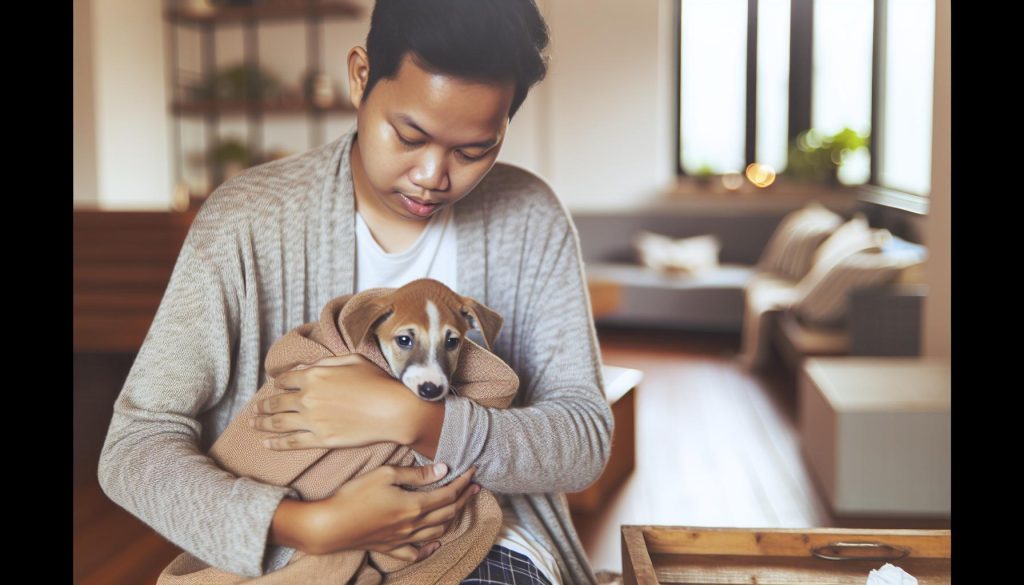
Parvovirus is a life-threatening disease that primarily affects dogs, particularly puppies, making it a significant concern for pet owners. Did you know that this highly contagious virus can lead to severe gastrointestinal issues, dehydration, and even death? Understanding and employing effective home remedies can be crucial during the initial stages of the infection. In this article, we’ll explore the best home remedies for parvo, empowering you with knowledge to support your furry friend in their fight against this challenging illness. While these remedies can provide relief and help maintain your pet’s strength, it’s essential to remember that they do not replace professional veterinary care. Join us as we delve into valuable strategies to protect your beloved pet and enhance their chances of recovery. Your quick action and informed decisions can truly make a difference!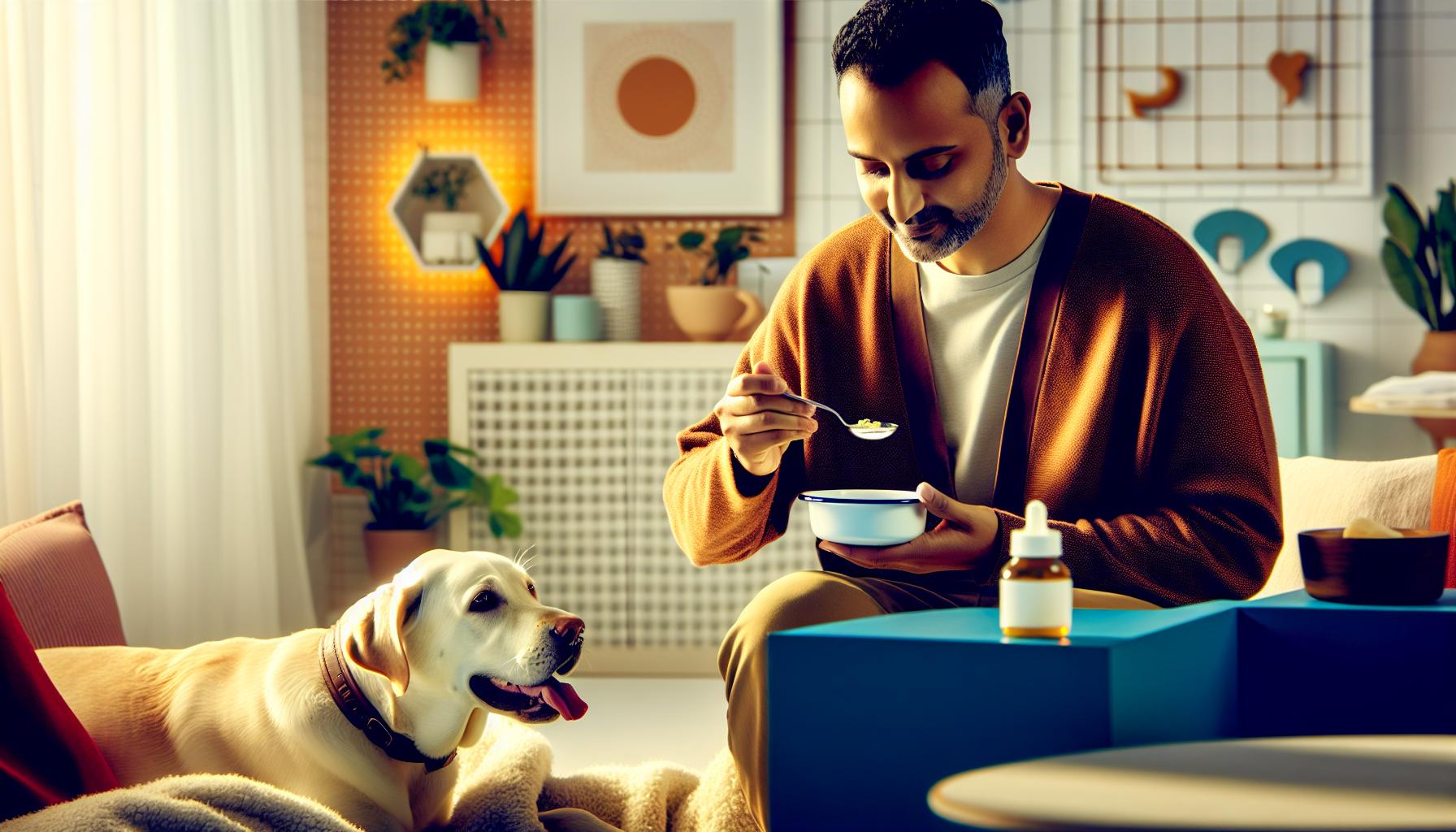
Best Home Remedies for Parvo: Understanding Parvovirus Infection
Canine parvovirus, commonly known as parvo, is a highly contagious virus that can lead to severe gastrointestinal illness in dogs, particularly puppies. Understanding how to manage this infection at home is crucial for pet owners. While home remedies can provide supportive care, they are not substitutes for veterinary treatment. That said, several steps can be taken to help aid the recovery of a dog affected by parvovirus.
One of the key focuses for pet owners is maintaining hydration. Dogs with parvo often suffer from extreme dehydration due to vomiting or diarrhea. You can promote hydration by offering small amounts of water frequently. Adding an electrolyte solution specifically designed for pets can enhance fluid absorption. Additionally, some pet owners find that offering ice chips can encourage hydration without overwhelming the dog’s stomach.
Another crucial aspect of managing parvo at home is ensuring your dog is consuming easily digestible food. For those able to eat, bland diets-such as boiled chicken and white rice-can be beneficial. These meals are gentle on the stomach and provide necessary nutrients during recovery. It’s essential to introduce food gradually and monitor your pet’s response closely; if vomiting occurs, it may be necessary to delay feeding and resume hydration efforts.
Using natural supplements can also support your dog’s immune response. Ingredients such as probiotics may help restore gut flora, promoting recovery from gastrointestinal distress. Always consult your veterinarian before introducing any new supplements to ensure they are safe and appropriate for your dog’s condition.
Lastly, maintaining a calm and comfortable environment can significantly affect your dog’s recovery process. Reducing stress levels and providing a quiet space can help your pet rest and recuperate. If symptoms worsen or if your dog’s condition does not improve, do not hesitate to seek professional veterinary care, as parvo can be life-threatening without proper treatment. Remember, while home remedies can assist, they are part of a broader care strategy that should always include professional guidance.
By understanding these aspects of parvovirus and implementing supportive home care strategies, you can empower yourself to make informed decisions for your pet’s health during this challenging time.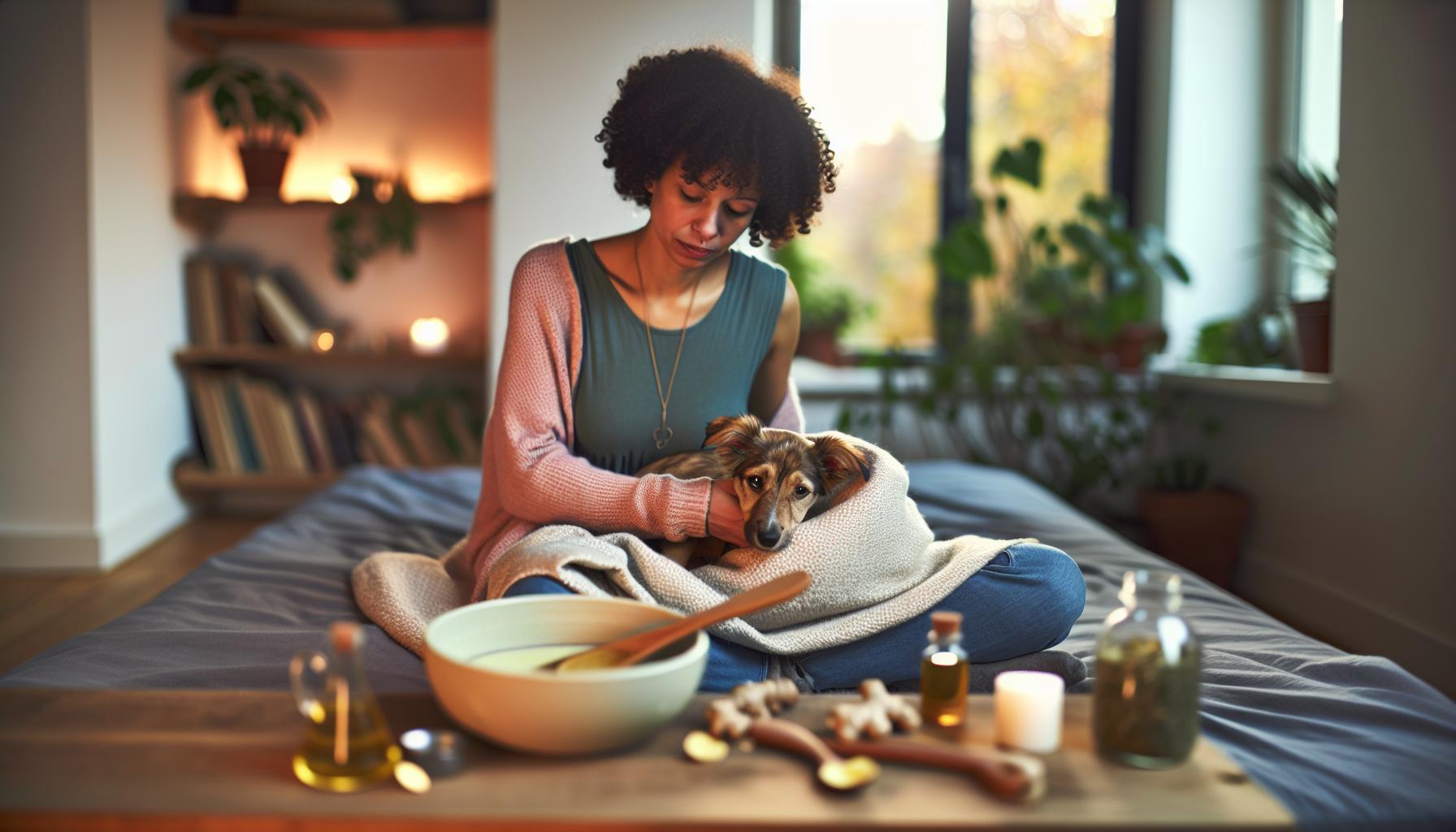
Recognizing the Symptoms of Parvo in Dogs
Understanding how to identify the symptoms of parvovirus in dogs is essential for every pet owner. Canine parvovirus (parvo) is a highly contagious and potentially life-threatening viral infection that primarily affects puppies and unvaccinated dogs. Early recognition of the disease can make a significant difference in the outcome of your pet’s health.
One of the most common and alarming symptoms of parvo is severe gastrointestinal distress, often manifested as vomiting and diarrhea. This diarrhea can be particularly alarming, as it may present as a bloody, foul-smelling discharge. Other initial signs include lethargy and a lack of interest in food and water. You might notice your dog becoming unusually tired, sleeping more than usual, or showing signs of weakness.
In addition to these signs, it’s important to monitor your dog for other symptoms that can develop rapidly. Elevated body temperature or fever is another critical indicator, as is a distended abdomen-often a result of gas build-up. When assessing your dog, keep an eye out for signs of dehydration, which can include dry gums and excessive thirst, as well as behavioral changes like whining, restlessness, or seeming out of sorts.
If you notice any combination of these symptoms, it is vital to consult a veterinarian immediately. Parvovirus can progress rapidly, and early intervention can save lives. Remember, vigilant observation and timely action can make all the difference in your dog’s recovery journey during this challenging time. Providing them with a supportive home environment while seeking professional help is crucial for their health and well-being.
Essential First Steps When Your Dog is Diagnosed with Parvo
When faced with a diagnosis of parvovirus, the initial reactions of pet owners can range from shock to despair. Understanding that this highly contagious virus poses a severe threat to dogs, particularly puppies and those who are unvaccinated, is crucial. Quick action can be the difference between life and death for your furry friend. Therefore, knowing the essential steps to take following a parvo diagnosis is vital.
First and foremost, it’s imperative to consult a veterinarian immediately. While home remedies can play a supportive role, professional veterinary care is essential for addressing the acute symptoms of parvo and preventing further complications. Your vet will likely recommend hospitalization for advanced treatment methods, such as intravenous fluids to combat dehydration, medications to control vomiting, and other therapeutic measures to help your dog recover.
In a home care setting, focus on creating a comfortable and stress-free environment. Isolate your dog from other pets to prevent spreading the virus and to help them feel secure. Use a quiet space with soft bedding where they can rest. Check their hydration status frequently. Offer small amounts of clean water or an electrolyte solution orally to prevent dehydration. If your dog refuses to drink, this is another reason to seek veterinary attention promptly, as it may require professional interventions.
Additionally, monitor your dog’s food intake closely. While they may not feel like eating, providing bland, easily digestible foods-such as boiled chicken and rice-can help ease their recovery if they start eating again. Always introduce any new food gradually and consult your veterinarian before making significant dietary changes.
Lastly, empathy and support play crucial roles in your dog’s emotional health during this challenging time. Offering gentle petting, soft words, and a calm presence can help alleviate anxiety and provide comfort as they navigate recovery.
Safe and Effective Home Remedies for Parvo
The fight against parvovirus can be daunting, but incorporating safe and effective home remedies can provide your dog with the support they need during recovery. While these remedies should never replace veterinary care, they can complement professional treatment and enhance your dog’s comfort.
Natural Remedies to Consider
Among the most common home remedies are natural supplements and dietary adjustments. For instance, Probiotics can help restore gut health by replenishing beneficial bacteria that may be depleted due to the virus. Look for dog-specific probiotic formulations to ensure they are safe and effective. Additionally, coconut water is an excellent natural source of electrolytes; offering a small amount can help maintain hydration and support recovery.
Another valuable remedy is bone broth, which is both nutritious and soothing for an upset stomach. By simmering bones (beef or chicken) with water and vegetables for several hours, you can create a nutrient-rich broth that can be offered to your dog as a fluid source or mixed with food. This not only aids in hydration but can also entice your dog to eat again.
Comfortable Environment and Hydration
Creating a comfortable environment is vital in supporting your dog’s recovery. Ensure your dog has a quiet, cozy space to rest, away from noise and distractions. Regularly check in on their water intake; if they are uninterested in drinking, try offering ice cubes or an electrolyte solution to encourage hydration. Always be cautious and seek veterinary care if your pet shows signs of further distress or if hydration cannot be maintained.
It’s critical to keep monitoring your dog’s symptoms closely. If you notice any signs of worsening condition, do not hesitate to consult your veterinarian. Effective treatment for parvo often requires a combination of holistic support and professional veterinary intervention, ensuring your furry friend has the best chance for a full recovery.
Nutritional Support: Diet Tips for Parvo Recovery
When a dog is battling parvovirus, nutritional support is a pivotal aspect of their recovery. The right diet can help strengthen their immune system, restore gut health, and promote overall wellness during this challenging time. It’s essential to create a feeding strategy that not only meets their immediate needs but also facilitates healing.
Start with a digestible, bland diet. Foods that are gentle on the stomach, such as boiled chicken (without skin or bones) or white rice, can be introduced gradually. These options are less likely to exacerbate gastrointestinal distress and can help in keeping food down. As your dog begins to tolerate these foods, you can slowly integrate more nutrients, such as sweet potatoes, which are rich in vitamins and can support recovery.
Offering small, frequent meals can also be beneficial. Instead of the typical two meals a day, try feeding your dog several smaller portions throughout the day. This approach can help reduce vomiting by easing the digestive load. Always maintain vigilance regarding portion sizes to avoid overwhelming their system. If they show a preference for certain flavors or textures, be sure to note these, as this can help in encouraging them to eat more during recovery.
Rehydration is Key
In tandem with nutritional support, hydration must be prioritized. Dogs with parvo often suffer from dehydration due to vomiting and diarrhea. To combat this, consider offering electrolyte solutions or coconut water as an alternative to plain water. These not only provide hydration but also replenish lost electrolytes, aiding in recovery. You can also freeze some electrolyte solution into ice cubes for them to chew on, which can be both refreshing and enticing.
Natural Supplements
In addition to food and hydration, incorporating probiotics can play a valuable role in restoring gut flora. Beneficial bacteria can help reduce gastrointestinal upset and support the digestive process. Always consult your veterinarian before introducing any supplements to ensure they are appropriate for your dog’s specific needs during this recovery phase.
Ultimately, monitoring your dog’s response to dietary changes is crucial. Encourage them to eat, but if they continue to refuse food or exhibit additional symptoms, seek veterinary care. With the right combination of supportive nutrition and medical attention, your dog can navigate through their fight against parvovirus more effectively.
Hydration Strategies for Dogs with Parvo
Ensuring that your dog stays properly hydrated is crucial during their battle with parvovirus. Dehydration can quickly become a serious issue due to the severe vomiting and diarrhea typical of this infection, making it vital to monitor and maintain your pet’s fluid intake. Understanding effective hydration strategies can significantly enhance your dog’s recovery process.
Begin by offering fresh, clean water at all times, but consider the possibility that your dog may refuse to drink due to nausea. In such cases, incorporating alternatives can prove beneficial. Try providing diluted electrolyte solutions designed for pets, as these can help replenish lost fluids and restore essential electrolytes. Additionally, options like flavored water or hydrating treats, such as broths (ensure they are low in salt and onion-free), can entice your dog to consume more fluids. You might also freeze electrolyte solutions or low-sodium broth into ice cubes, allowing your dog to chew on them, which can be especially appealing during warmer weather.
Signs of Dehydration
It’s crucial to keep an eye out for signs of dehydration in your dog, as early detection can lead to more effective treatment. Look for:
- Dry gums and tongue
- Loss of skin elasticity (skin that doesn’t spring back when pinched)
- Sunken eyes
- Lethargy or weakness
If you observe any of these symptoms, it’s vital to consult your veterinarian immediately for appropriate care.
Hydration Techniques
In addition to liquid offerings, consider these techniques to enhance your dog’s hydration:
- Provide small, frequent sips of water or electrolyte solutions rather than allowing them to drink large amounts at once, which may lead to further vomiting.
- Use a syringe or dropper to administer fluids directly into your dog’s mouth if they are reluctant to drink. This method allows you to control the quantity while ensuring they stay hydrated.
- Monitor their urine output; an increase in urination indicates rehydration, while a decrease may signal further dehydration.
Addressing hydration strategically during this challenging time not only aids in your dog’s recovery but also helps to restore their overall health and vitality. Always remember that consistent, gradual hydration efforts, paired with veterinary guidance, can significantly enhance your dog’s chances of overcoming parvovirus.
Using Natural Supplements to Boost Immune Response
Supporting your dog’s immune system during a parvovirus infection is critical in enhancing their recovery and overall health. Utilizing natural supplements can be a valuable addition to your pet’s care plan, helping to fortify their defenses and potentially speed up the healing process. Research shows that certain natural products can provide essential nutrients and antioxidants, making them ideal for dogs battling parvo.
Probiotics are one of the most beneficial supplements you can introduce. These live bacteria support gut health, which can be particularly important when your dog is experiencing gastrointestinal distress. Probiotics help restore the balance of healthy bacteria in the gut, promoting better digestion and aiding in recovery from diarrhea. Look for high-quality, pet-specific probiotic supplements that can be easily mixed into your dog’s food to encourage regular intake.
Additionally, omega-3 fatty acids are known for their anti-inflammatory properties and can boost your dog’s immune response. Supplements derived from fish oil or algae can help reduce inflammation throughout the body and may improve recovery rates in dogs with parvo. Always ensure that the source of omega-3s is free from heavy metals and toxins, as purity is essential for your pet’s health.
Another option to consider is herbal supplements like astragalus or echinacea, which are reputed to enhance immune function. These herbs can be found in various forms, including powders, capsules, or tinctures, and can be incorporated into your dog’s diet. Always consult with your veterinarian before adding new supplements to ensure they are suitable for your dog’s specific health needs.
Incorporating these natural supplements into your dog’s care routine can create a supportive environment for recovery. However, it’s crucial to regularly consult with your veterinarian when managing parvovirus to ensure that these supplements complement any prescribed treatments and do not interfere with your dog’s overall health plan. By taking a holistic approach, you can empower your furry friend to overcome this challenging illness.
Environment Management: Keeping Your Dog Comfortable
Creating a nurturing environment for your dog during a parvovirus infection is paramount to their comfort and recovery. Dogs battling parvo often experience significant stress due to their symptoms, and a calm, peaceful environment can help ease their anxiety and promote healing. Ensuring that your pet feels safe and comfortable can significantly influence their overall wellbeing during this challenging time.
To start, it’s important to designate a quiet space in your home where your dog can rest undisturbed. This area should be away from the hustle and bustle of daily activities. A cozy bed in a temperature-controlled environment, free of drafts, will provide them with a comforting place to relax. Use soft blankets and familiar toys to create a sense of security, as these can provide emotional support and familiarity in an otherwise stressful period.
Maintaining Cleanliness
Maintaining a clean and sanitary environment is also crucial. Parvovirus is highly contagious and can survive in the environment for extended periods, so it’s important to thoroughly clean any areas your dog frequents. Use a mixture of bleach and water (follow proper dilution guidelines) to sanitize surfaces, ensuring you remove any traces of the virus. Keep bedding and any toys regularly washed and disinfected to reduce the risk of further infections.
Monitoring Behavior
Regularly monitor your dog’s behavior and symptoms in this space. Limit their exposure to other pets to prevent additional stress or illness. Create a routine that helps them feel secure-consistent feeding times, gentle exercise (as tolerated), and hydration cues can reinforce a sense of stability. Observe their eating habits and ensure they have access to clean water, as hydration is vital during recovery.
Incorporating calming elements such as soft music or pheromone diffusers designed for pets may also help soothe your dog’s nerves. Providing gentle affection and reassurance will help them feel loved and supported, which is incredibly important as they navigate their recovery. By being attentive to your dog’s needs and creating an environment that fosters comfort, you can play a significant role in their recovery from parvo.
In addition, always consult with your veterinarian for personalized recommendations and adjustments to your care plan to best support your dog’s needs during this time.
When Home Remedies Aren’t Enough: Seeking Veterinary Care
Although home remedies can provide support during your dog’s struggle with parvovirus, there comes a time when professional veterinary care is essential for ensuring a positive outcome. Canine parvovirus is a severe illness that can escalate quickly; prompt intervention may be the difference between life and death. Recognizing when your pet’s condition surpasses home treatment capabilities is crucial for safeguarding their health.
If your dog exhibits any alarming symptoms, such as severe vomiting, diarrhea (especially if it contains blood), lethargy, or a refusal to eat or drink, it’s vital to seek veterinary assistance immediately. These symptoms often indicate a worsening condition that home remedies cannot effectively address. In addition, the extensive dehydration and electrolyte imbalance caused by parvovirus can lead to shock, making it imperative to have your dog evaluated by a veterinarian who might recommend intravenous fluids or other supportive therapies.
Understanding the Need for Veterinary Care
Veterinarians have access to the latest medical treatments and diagnostic tools that can significantly impact recovery. They may conduct tests to determine the severity of the infection and monitor your dog’s vitals, allowing for a tailored approach based on your pet’s specific needs. Treatments might include:
- Intravenous fluids to combat dehydration
- Antiemetics to control vomiting
- Antibiotics to prevent secondary infections
- Nutritional support through specialized diets
Your vet can also provide critical insights into the most effective care strategies, ensuring your dog receives the best possible chance at recovery.
The Role of Supportive Care
While at the veterinary clinic, your dog may receive ongoing supportive care, which is often essential for recovery. This could include monitoring vital signs, administering medications, and providing a controlled feeding regimen. The holistic approach a vet takes often combines both medication and nutritional strategies tailored to your dog’s needs, which cannot be replicated at home without expert supervision.
It’s easy to feel overwhelmed during such stressful times, but remember that seeking veterinary help is a proactive step in your dog’s recovery journey. Don’t hesitate to reach out for professional care; it can make a world of difference in fighting parvovirus and restoring your pet’s health.
Preventing Parvovirus: Vaccination and Hygiene Practices
To safeguard your beloved canine companion from the severe threat of parvovirus, proactive measures centered around vaccination and hygiene are indispensable. Canine parvovirus (CPV) is notoriously resilient, surviving on surfaces for long periods and spreading rapidly, particularly among unvaccinated puppies. Thus, understanding how to effectively prevent this potentially fatal infection is crucial for any dog owner.
One of the most effective tools at your disposal is vaccination. Puppies should receive a series of vaccinations starting as early as six weeks old, with additional shots typically administered at eight, twelve, and sixteen weeks. This staggered schedule is essential because it builds immunity while taking into account the declining antibody levels from the mother. It is important to comply with your veterinarian’s recommended vaccination schedule to create the strongest defense against parvovirus. Regular booster shots-usually given annually or as advised by your vet-help maintain your dog’s immunity over time.
In addition to vaccinations, maintaining stringent hygiene practices can significantly reduce the risk of parvovirus transmission. This includes regular cleaning of your pet’s living area, as well as any surfaces they frequently contact. Use disinfectants specifically labeled as effective against parvovirus to ensure thorough cleaning. When out in public places, avoid areas where you notice high dog traffic, especially if you’re aware that cases of parvo have been reported in your vicinity. It’s also wise to wash your hands after interacting with other dogs or their environments to prevent accidental spread.
Additionally, always monitor your dog for any signs of gastrointestinal distress or illness, and isolate them if any symptoms arise. Early intervention can prevent the spread of the virus to other dogs, especially in multi-pet households or communal areas.
Incorporating these preventative measures-effective vaccination combined with diligent hygiene practices-can fortify your dog’s defenses against parvovirus. However, if you suspect your dog may have been exposed to this virus or is displaying symptoms, don’t hesitate to seek veterinary assistance. Being proactive not only protects your furry friend but also contributes to the health of the broader pet community.
Emotional Support for Your Pet During Treatment
Providing emotional support to your pet during treatment for parvovirus can significantly influence their recovery process. Dogs are sensitive creatures that pick up on their human companions’ emotions, making it crucial to foster a calming and supportive environment. Remember, while medical intervention is vital, the bond you share with your dog can provide a source of comfort that enhances their resilience during this challenging time.
To help your pet feel more secure, create a quiet, comfortable space where they can rest. Surround them with familiar items, such as their favorite blanket or toys, which can serve as a source of comfort. Spend time sitting quietly with them, providing gentle petting or soothing words. Dogs often appreciate your presence more than anything else, and your calming energy can help reassure them during moments of uncertainty.
Additionally, maintain a consistent routine to foster stability amidst the treatment. Regular feeding times, gentle walks (as tolerated), and even simple play can create a sense of normalcy. Incorporating soft, calming music can also aid in reducing anxiety, as many dogs respond positively to gentle sounds. If your dog enjoys visual stimulation, consider setting up a safe area near a window to observe outdoor activities without too much stress or excitement.
It’s also important to monitor your dog’s emotional state closely. Be aware of signs of distress, such as excessive panting, whining, or seeking solitude, and adjust your approach as needed. If your pup appears anxious, try engaging in calming activities such as slow, deep breathing while you pet them, which can communicate relaxation.
Lastly, don’t hesitate to seek professional advice regarding your dog’s emotional well-being during this period. Certified pet behaviorists can provide tailored strategies if your pet struggles with anxiety. Remember, while home remedies can assist in recovery, a supportive emotional environment enhances their healing journey, underscoring the importance of love and connection in your pet’s life.
Empowering Stories: How Home Remedies Helped Other Pets
Many dog owners have faced the heart-wrenching challenge of their pet being diagnosed with parvovirus, a formidable foe in the canine world. Fortunately, there are empowering stories of recovery that highlight the effectiveness of home remedies combined with veterinary care. These anecdotes not only provide hope but also valuable insights into the practical steps taken by dedicated pet owners.
One inspiring case is that of Max, a spirited Golden Retriever who contracted parvo at just six months old. His owner implemented home remedies that focused on hydration and nutrition. First, they encouraged Max to drink a mixture of electrolytes mixed with water, helping to replenish what he had lost through vomiting and diarrhea. After consulting with their vet, they also introduced easily digestible foods like plain chicken and rice once Max’s stomach settled. This approach significantly improved his energy levels, enabling him to fight off the illness more effectively.
Similarly, Bella, a mischievous Beagle, benefited enormously from natural supplements. Her owner added probiotics to her diet, which helped restore the healthy gut flora that parvovirus impacts severely. The inclusion of vitamin B supplements aided Bella in regaining her appetite, allowing her to bounce back quicker than expected. Her owner frequently shared their journey on social media, creating a supportive community that exchanged tips and advice, further enhancing their morale.
Furthermore, keeping the environment calm and comforting was crucial for both Max and Bella. Their owners ensured a cozy recovery space filled with familiar toys and blankets, reducing stress and anxiety during the healing process. They noticed how their pets responded positively to gentle music and soothing voices, reinforcing a peaceful atmosphere. This emotional support proved just as vital as any dietary or hydration remedy.
These stories resonate with many pet owners and serve as a reminder that home remedies, when used responsibly alongside professional veterinary advice, can play a pivotal role in managing parvovirus. For anyone navigating this distressing journey, these experiences underscore the importance of resilience and creativity in caregiving, showcasing that recovery is not only possible but can also be a collaborative effort between owners and their beloved pets.
Q&A
Q: What are the most effective home remedies for dogs with parvo?
A: While there’s no cure for parvo, effective home remedies include providing a rehydration solution made from water, sugar, and salt. Offering bland food and electrolytes can also help manage symptoms. Always consult your vet before implementing any home remedies [3].
Q: How can I help my dog recover from parvo at home?
A: To assist recovery, keep your dog hydrated and offer small, nutritious meals that are easy to digest. Monitor hydration closely and consider adding bland foods like boiled chicken and rice, as recommended by your veterinarian [2].
Q: How long does it take for a dog to recover from parvo with home treatment?
A: Recovery time varies, but with supportive care, many dogs start improving within a few days. Complete recovery can take up to two weeks. Consistent monitoring and follow-ups with your vet are essential [1].
Q: What signs show that my dog is improving from parvo?
A: Signs of improvement include increased energy, a return of appetite, and normal stool consistency. Regular hydration and reduced vomiting are also positive indicators. Ensure that you continue monitoring their health closely [2].
Q: Are there any natural supplements that can help a dog with parvo?
A: Several natural supplements may support immune function, including probiotics, fish oil, and vitamin E. Always discuss these options with your veterinarian to ensure they are safe and appropriate for your dog’s specific condition [1].
Q: When should I consider taking my dog to the vet if treating parvo at home?
A: Consider veterinary care if your dog shows severe symptoms like persistent vomiting, lethargy, or refusal to drink water for more than 24 hours. Immediate veterinary assistance is crucial as parvo can be life-threatening [3].
Q: How can I ensure my dog stays hydrated while treating parvo at home?
A: To keep your dog hydrated, provide fresh water at all times and encourage sips regularly. Consider using a rehydration solution if recommended by your vet. If they refuse both, seek veterinary assistance promptly [2].
Q: What dietary changes should I make for a dog recovering from parvo?
A: Focus on a bland diet that’s easy on the stomach, such as boiled chicken or white rice. Gradually reintroduce regular food as their appetite returns. Always consult your vet for personalized dietary advice during recovery [1].
Final Thoughts
In conclusion, understanding the best home remedies for parvo can mean the difference between life and death for your furry friend. By acting quickly and utilizing the strategies outlined, you can provide your pet with the best chance at recovery. Remember, it’s essential to consult your veterinarian for personalized advice and to explore further treatments that might be suitable for your specific situation.
For more insights on essential pet care practices, check out our articles on Preventive Health for Pets and Alternative Therapies for Pet Wellness. Ensure you don’t miss out on valuable tips-subscribe to our newsletter for the latest updates and ideas about keeping your pet healthy.
Take action today-your pet’s health cannot wait! Share your experience in the comments below and join a community of pet owners committed to their pets’ well-being. For any lingering concerns, consider setting up a consultation with your vet to discuss more tailored health solutions. Stay informed, stay proactive, and together, we can give our pets a vibrant, healthy life.