
Are you tired of battling oily skin and longing for a matte complexion? You’re not alone-many people struggle with excess oil, which can lead to shine, breakouts, and an uneven skin tone. Within the next 30 days, you can discover effective home remedies designed to balance your skin’s oil production naturally. From simple kitchen ingredients to easy-to-follow routines, our guide aims to empower you with knowledge and practical solutions tailored to your needs. Embrace the journey toward clearer, healthier skin, and unlock the secrets to achieving that coveted matte finish. Keep reading to transform your skincare routine and boost your confidence!
Home Remedies for Oily Skin: Understanding the Basics
Oily skin can often feel like a persistent challenge, leading to excess shine and breakouts that leave many seeking quick solutions. Understanding the basics of home remedies is essential for tackling this common skin concern. The natural oils produced by your skin can be exacerbated by various factors including genetics, diet, and environmental influences. Thankfully, numerous home remedies can help manage oily skin effectively, allowing you to achieve the matte complexion you desire.
One of the simplest approaches is to harness the power of natural ingredients that help absorb excess oil. For instance, witch hazel is a natural astringent, which can help tighten the skin and reduce oiliness. Similarly, apple cider vinegar can balance the skin’s pH levels and has antibacterial properties that combat acne. Incorporating these into your skincare routine can create a balanced environment for your skin.
Another practical method is to create a daily skincare regimen focused on oil control. Start your routine with a gentle cleanser featuring salicylic acid, which penetrates deep into pores to remove dirt and oil. Follow it up with a lightweight moisturizer; contrary to popular belief, even oily skin needs hydration. Look for products labeled non-comedogenic to ensure they won’t clog your pores. Regular exfoliation, about two to three times a week with natural exfoliants like oatmeal or brown sugar, can also help slough off dead skin cells that contribute to clogged pores.
Lifestyle modifications play a significant role in managing oily skin, too. Staying hydrated, eating a balanced diet rich in antioxidants, and minimizing the intake of sugary and greasy foods can have a profound effect on your skin’s health. Lastly, if over-the-counter remedies fail to provide the relief you seek, consulting with a dermatologist can help identify underlying causes and tailored treatments specifically for your needs. Incorporating these foundational elements into your skincare routine will help set you on your path toward achieving clearer, matte skin in just 30 days.
Top Natural Ingredients for Oily Skin Care
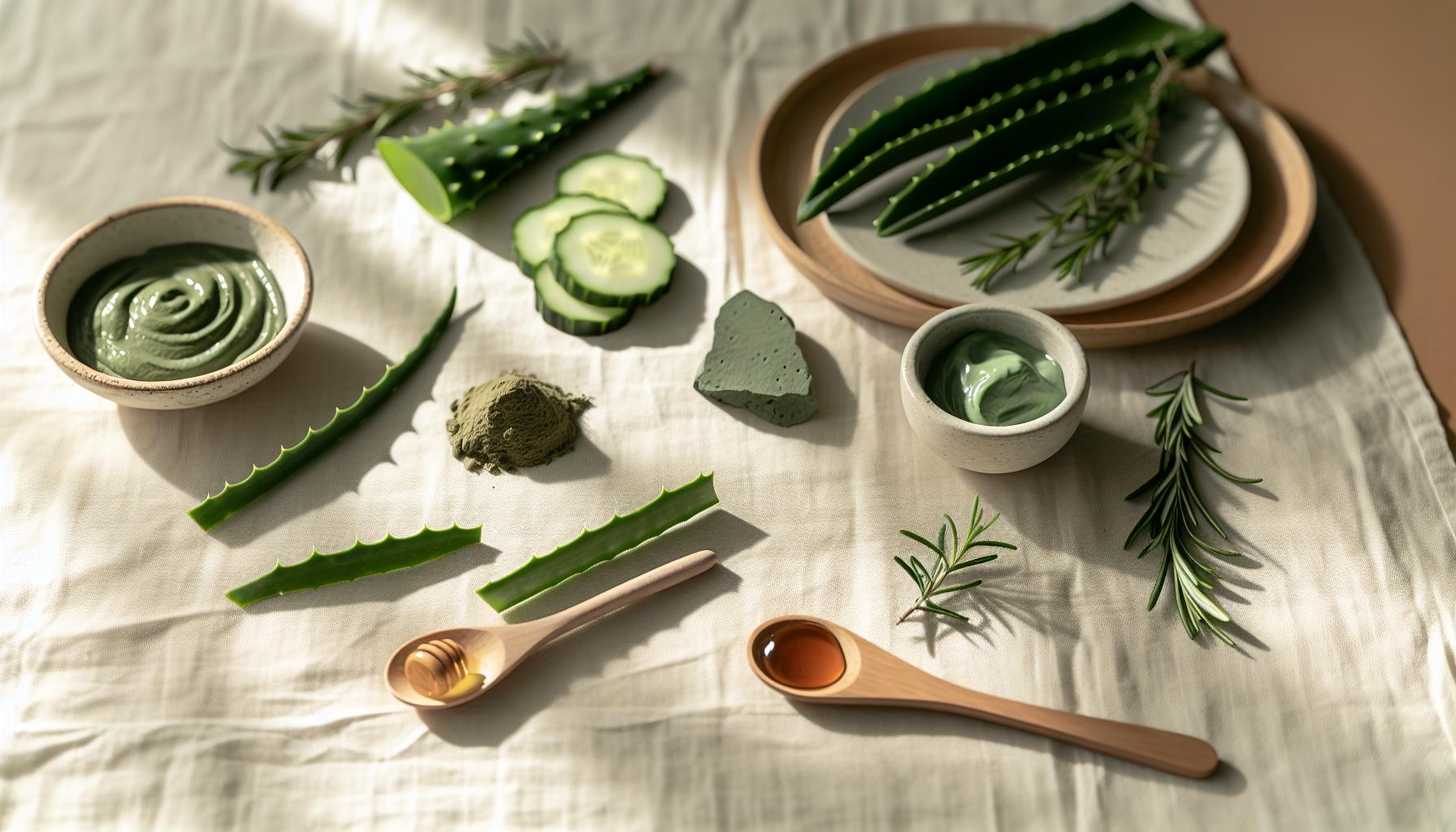
Harnessing the incredible potential of natural ingredients can be a game-changer for those struggling with oily skin. Not only do these ingredients work effectively to combat shine and acne, but they are also typically gentle on the skin, making them a great choice for anyone seeking a balanced skincare routine. Here’s a look at some top natural ingredients that can help achieve that coveted matte finish.
1. Witch Hazel
Witch hazel is renowned for its astringent properties, making it an exceptional option for oily skin. It contains tannins that help to tighten pores, reduce oiliness, and soothe inflammation. Simply apply witch hazel to a cotton pad and gently dab it on your skin after cleansing. This can help minimize excess oil and prevent breakouts.
2. Apple Cider Vinegar
Another powerhouse ingredient is apple cider vinegar, which is rich in organic acids and has antibacterial properties. It can effectively balance the skin’s pH levels, which is crucial in managing oil production. Dilute apple cider vinegar with equal parts water and use it as a toner to help control shine and reduce the risk of acne.
3. Tea Tree Oil
Tea tree oil is a well-known essential oil famous for its antiseptic properties. This natural remedy is effective in fighting acne-causing bacteria and can help regulate oil levels on the skin’s surface. Dilute tea tree oil with a carrier oil, like jojoba or coconut oil, before applying it directly on breakouts or areas that are prone to excess oil.
4. Clay Masks
Natural clays like bentonite and kaolin are excellent for oily skin as they absorb excess sebum and impurities. Incorporating a clay mask into your skincare regimen once or twice a week can draw out toxins and keep your complexion looking fresh and matte. Just mix the clay with water or apple cider vinegar to form a paste, apply it to your face, and let it dry before rinsing off.
5. Aloe Vera
Aloe vera serves as a lightweight moisturizer that hydrates the skin without clogging pores. Its soothing gel contains anti-inflammatory properties, making it ideal for soothing irritation and reducing redness associated with acne. Using pure aloe vera gel after cleansing can help keep skin hydrated while reducing the oily feeling.
By integrating these natural ingredients into your daily skincare routine, you can work towards achieving a balanced, matte complexion. Each ingredient brings unique benefits, allowing for a customized approach depending on your specific skin needs. However, always perform a patch test before introducing new products to your routine and consult a healthcare professional for personalized advice, especially if you have sensitive skin or other skin conditions.
Daily Skincare Routine for Matte Skin
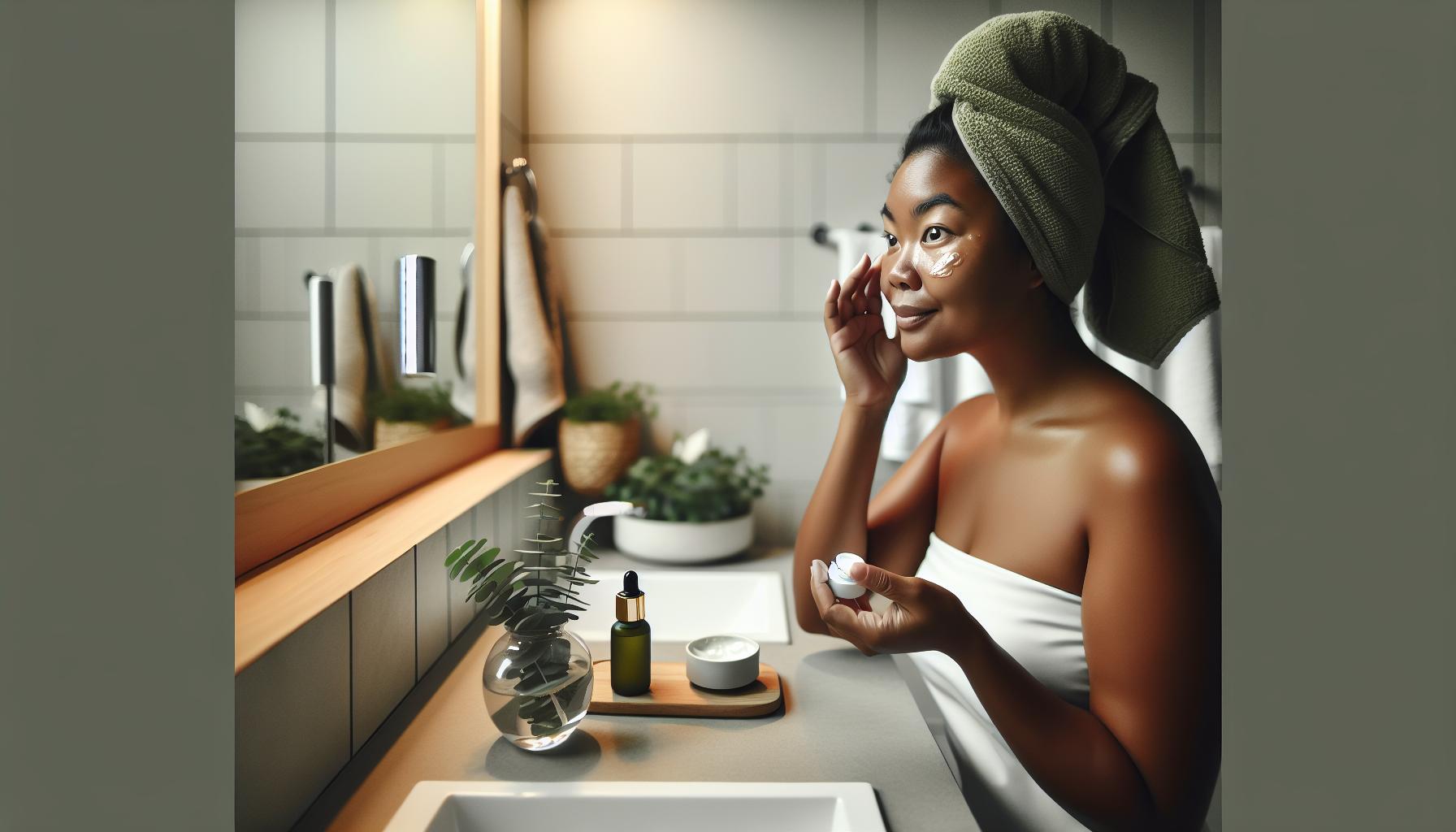
Maintaining a daily skincare routine is essential for individuals dealing with oily skin, as it not only helps to manage excess oil but also promotes a clearer, healthier complexion. The key to achieving matte skin lies in consistency and the selection of products that work harmoniously with your skin type.
Start your day with a gentle cleanser specifically formulated for oily skin. Look for ingredients like salicylic acid or tea tree oil, which can help unclog pores and reduce shine without stripping the skin of its natural moisture. After cleansing, follow up with an alcohol-free toner containing witch hazel or apple cider vinegar. These natural astringents tighten pores and balance pH levels, setting the tone for your skincare routine.
Next, apply a lightweight, oil-free moisturizer. It’s a common misconception that oily skin doesn’t need hydration; however, using the right moisturizer can prevent overcompensation by the skin glands, which could otherwise lead to increased oil production. Gel-based moisturizers are especially effective, as they hydrate without adding extra grease.
Lastly, don’t forget to incorporate sunscreen into your morning routine. Opt for a non-comedogenic, oil-free sunscreen to protect your skin from UV damage while ensuring your pores remain unclogged. In the evening, repeat your cleansing and toning steps, and consider adding a clay mask into your routine once or twice a week to absorb excess oil and impurities, keeping your skin fresh and matte.
Remember, it’s essential to tailor your routine to meet your skin’s specific needs, and consulting a dermatologist can provide personalized recommendations for the most effective products for your unique complexion. By sticking to a consistent skincare regimen and using the right products, you can achieve a balanced, matte-looking complexion in just 30 days.
DIY Face Masks to Reduce Oiliness

Harnessing the power of DIY face masks can be a game-changer in your pursuit of balanced, matte skin. These masks are not only easy to make but also utilize ingredients that you might already have in your kitchen. Each recipe targets oiliness while providing nourishing benefits, helping you combat shine without compromising your skin’s health.
To get started, try a classic clay mask, which is particularly effective for oily skin. Clay, especially kaolin or bentonite, is known for absorbing excess oil and detoxifying the skin. Simply mix 2 tablespoons of clay powder with enough water to create a smooth paste. For added benefits, include a teaspoon of apple cider vinegar to enhance the astringent properties and help balance your skin’s pH. Apply the mask for about 10-15 minutes, then rinse with warm water. Your face will feel refreshed and less oily, thanks to the clay’s oil-absorbing capabilities.
Another excellent option is a honey and lemon mask. Honey has natural antibacterial properties, making it great for preventing breakouts, while lemon juice serves as a natural exfoliant. Combine 1 tablespoon of raw honey with the juice of half a lemon. Apply it directly to your face and allow it to sit for about 15 minutes. Rinse off with lukewarm water. This mask not only helps reduce oiliness but also leaves your skin feeling replenished and brightened.
For an easy-to-make avocado mask, mash half an avocado and mix it with 1 tablespoon of yogurt and 1 teaspoon of honey. Avocado nourishes the skin with healthy fats while yogurt’s lactic acid gently exfoliates and tightens pores. Spread the mixture on your face and relax for 20 minutes before rinsing. This creamy mask is perfect for balancing moisture without adding any greasy feel.
As you experiment with these masks, remember to tailor them to your skin’s unique needs, and feel free to mix and match ingredients to find what works best for you. Consistent application, combined with a well-rounded skincare routine, can lead to visible improvements in your skin’s oiliness and overall appearance over time. Always consult with a dermatologist or skincare professional before starting any new treatment to ensure it’s suitable for your skin type, especially if you have specific concerns.
Hydration Secrets: Balancing Oily Skin
Finding the right balance in skincare can be a challenging endeavor, especially for those dealing with oily skin. It may seem counterintuitive, but hydration is still a crucial component for maintaining optimal skin health, even if you might feel like your skin produces enough oil on its own. Inadequate hydration can lead to increased sebum production as your skin compensates for the lack of moisture, potentially making your oily skin condition worse.
The first step toward effective hydration is choosing the right products. Opt for lightweight, oil-free moisturizers or gel-based formulas that provide hydration without the excess heaviness. Look for ingredients like hyaluronic acid, which draws moisture into the skin without adding oil. Additionally, incorporating a hydrating toner into your routine can help prep your skin by providing a boost of moisture and enhancing the overall effectiveness of your other products.
Cooking up a little hydration in your diet can also yield remarkable benefits for your skin. Drink plenty of water throughout the day to keep your skin hydrated from within. Consider including hydrating foods such as cucumbers, oranges, and watermelon. These foods are not only refreshing but also contribute to your overall hydration levels. Remember, hydration is about staying moist inside and keeping your skin supple outside, so keeping a balance between internal and external hydration will help you achieve that coveted matte finish.
As you explore your hydration options, pay close attention to how your skin reacts. Regularly assessing your skin’s condition and being adaptable with your routine will allow you to find what truly works best for you. Don’t hesitate to consult with a dermatologist to customize your approach, ensuring you are meeting the unique needs of your skin while steering clear of common pitfalls that can exacerbate oiliness.
Lifestyle Changes for Long-Lasting Results
Incorporating meaningful lifestyle changes can make a significant difference in managing oily skin and achieving that desired matte finish. Simple adjustments to your daily habits can create a balanced environment for your skin, ensuring long-lasting results without the reliance solely on topical treatments. From dietary modifications to stress management, each choice plays a crucial role in maintaining skin health.
Diet and Hydration
A balanced diet rich in nutrients can drastically influence the condition of your skin. Focus on incorporating foods that are low in sugar and high in antioxidants, such as berries, leafy greens, and nuts. Avoid overly processed foods full of unhealthy fats and sugars, which can trigger increased oil production. Additionally, staying adequately hydrated is paramount; drinking plenty of water helps flush out toxins and keeps your skin looking fresh. Aim for at least 8 glasses daily, and consider herbal teas as a flavorful alternative.
Stress Management
Stress can exacerbate oily skin by disrupting hormonal balance, leading to increased sebum production. Implementing stress-reducing practices such as yoga, meditation, or regular exercise can help not only in improving your skin but also in enhancing your overall well-being. Allocate time each day for activities that promote relaxation. Even a 30-minute walk or a few minutes of deep breathing can make a remarkable difference.
Sleep Hygiene
Never underestimate the power of a good night’s sleep. Quality sleep is vital for skin repair and regeneration, and a lack of it can lead to increased oiliness and breakouts. Establish a consistent bedtime routine and aim for 7-9 hours of sleep each night. Tips for improving sleep quality include reducing screen time before bed, creating a calming atmosphere in your bedroom, and avoiding caffeine in the evening.
By making these lifestyle changes, you not only support your skin’s health but also your overall well-being. Remember, consulting with a healthcare professional can personalize these suggestions to better fit your individual needs, ensuring that your journey towards clearer, matte skin is both effective and sustainable.
Understanding Hormonal Impact on Oily Skin
Hormonal fluctuations play a critical role in the production of oil in the skin, primarily through their influence on sebaceous glands. Understanding this connection can empower individuals to take targeted actions in managing oily skin, especially during certain life stages like puberty, menstruation, pregnancy, or menopause when hormonal changes are most substantial. It’s intriguing to note that conditions such as polycystic ovary syndrome (PCOS) can further exacerbate this issue, leading to increased oiliness and potential breakouts.
The primary hormone involved in oil production is testosterone, which stimulates the sebaceous glands to produce more sebum. When levels of this hormone rise, it can result in excessively oily skin. This underscores the importance of maintaining hormonal balance. Natural methods to help regulate hormones include regular exercise, which can help to decrease androgen levels, and adopting a diet rich in whole foods while minimizing processed sugars that can trigger hormonal spikes.
To directly address oiliness, consider incorporating specific lifestyle and dietary adjustments. For example, consuming foods high in omega-3 fatty acids, such as salmon and walnuts, can help reduce inflammation and counteract oil production. Additionally, managing stress through mindfulness practices can reduce cortisol levels, which may influence hormone levels and subsequently affect oiliness in the skin.
Consulting with a healthcare professional or dermatologist can provide personalized strategies based on individual health needs. They may recommend certain tests to assess hormonal levels or suggest topical treatments that can target sebum production effectively. By understanding and addressing the hormonal factors behind oily skin, you can take significant strides toward achieving that desirable matte finish in a holistic and sustainable manner.
Nutrition Tips for Clearer Skin
Incorporating the right dietary choices into your daily routine can significantly contribute to achieving clearer, less oily skin. Certain foods not only nourish your body but also possess specific properties that can help manage sebum production and inflammation. For example, zinc-rich foods, such as pumpkin seeds, chickpeas, and lentils, can promote skin health by regulating oil production and promoting healing, which is especially important during breakouts.
Additionally, consider integrating antioxidant-rich foods into your meals. Foods like berries, dark leafy greens, and nuts are packed with vitamins that combat oxidative stress and reduce inflammation, helping to create an environment that’s less conducive to excessive oiliness. Healthy fats, particularly those high in omega-3 fatty acids, such as salmon and flaxseeds, are beneficial for their anti-inflammatory properties and can support overall skin health by keeping cells hydrated and balanced.
To promote hydration from within, make sure to drink plenty of water throughout the day. Staying well-hydrated supports your skin’s natural processes and prevents the sebaceous glands from overreacting due to dryness. You might also want to limit refined sugars and carbohydrates, as they can lead to insulin spikes that may increase oil production and contribute to breakouts. Opting for whole grains instead can help maintain stable blood sugar levels.
Here’s a straightforward guide to foods to incorporate for clearer skin:
| Food Group | Examples | Benefits for Oily Skin |
|---|---|---|
| Zinc-rich foods | Pumpkin seeds, chickpeas, lentils | Regulate oil production and promote healing |
| Antioxidant-rich foods | Berries, dark leafy greens, nuts | Combat oxidative stress and reduce inflammation |
| Omega-3 fatty acids | Salmon, flaxseeds, walnuts | Anti-inflammatory properties, improve hydration |
| Whole grains | Quinoa, brown rice, oats | Stable blood sugar levels |
By making conscious decisions about your nutrition, you can take meaningful steps toward balancing your skin’s oil levels. Always keep in mind that individual dietary needs vary, so consulting a healthcare professional or nutritionist can provide personalized insights and recommendations tailored to your specific skin concerns.
Common Mistakes That Worsen Oily Skin
Struggling with oily skin can often feel like an uphill battle, especially if you’re unwittingly making common mistakes that exacerbate the problem. One prevalent issue is the tendency to over-cleanse. While keeping the skin clean is essential, using harsh cleansers too frequently can strip the skin of its natural oils. This can trigger an overproduction of sebum as the skin attempts to compensate for the loss, resulting in increased oiliness. Instead, opt for a gentle cleanser that effectively removes dirt without disrupting the skin’s moisture barrier.
Another frequent misstep is the use of heavy, oil-based products. Many individuals mistakenly believe that applying more moisturizing products will help combat oiliness. However, these products can clog pores and lead to further breakouts. It’s crucial to look for non-comedogenic, lightweight formulations designed specifically for oily skin. These products hydrate the skin without contributing to oiliness, allowing you to maintain a balanced complexion.
Additionally, skipping moisturizer altogether is a common error. Contrary to popular belief, even oily skin requires hydration. When the skin is devoid of moisture, it can trigger an increase in oil production. Select a water-based moisturizer that quenches the skin without adding excess oil, and consider products containing ingredients like hyaluronic acid for added hydration.
Finally, lifestyle choices such as a poor diet, inadequate sleep, and stress can all worsen oily skin. High sugar and processed food consumption may lead to spikes in insulin levels, indirectly increasing oil production. Incorporating a balanced diet alongside consistent sleep and stress management techniques can significantly influence your skin’s health. Remember, everyone’s skin is unique, and what works for one person may not work for another. Always consult with a healthcare professional or dermatologist for personalized advice tailored to your skin’s needs.
Essential Oils: Nature’s Solution for Oily Skin
Essential oils have risen in prominence as a natural remedy for various skin concerns, and oily skin is no exception. These concentrated plant extracts offer unique properties that can help balance oil production, reduce the appearance of pores, and improve overall skin health. For those battling oily skin, incorporating essential oils into your skincare routine can provide a refreshing and effective alternative to commercial products that may contain harsh chemicals.
One of the most popular essential oils for oily skin is tea tree oil, renowned for its potent antibacterial properties. This oil can help combat acne-causing bacteria, effectively reducing breakouts and helping to keep the skin clear. It’s best used diluted in a carrier oil, such as jojoba or sweet almond oil, and applied to problem areas. Some individuals also find that lavender oil not only has soothing properties but can also help to balance oil production, making it a great choice for sensitive or inflamed skin.
Application and Other Essential Oils
To harness the benefits of essential oils, consider these practical applications:
- Spot Treatments: Mix a few drops of tea tree oil or lavender oil with a carrier oil and apply directly to blemishes.
- Facial Steam: Add a few drops of eucalyptus or rosemary oil to a bowl of hot water, lean over it with a towel draped over your head, and inhale the vapors to purify the skin.
- Homemade Face Masks: Incorporate essential oils into DIY face masks for added benefits. For example, mix lemon oil with clay for an absorbent mask that draws out impurities.
Another excellent choice is geranium oil, which helps regulate sebum production and can improve skin tone. The uplifting aroma of geranium can also enhance your mood, providing added therapeutic benefits. Always remember to perform a patch test when trying new oils to avoid adverse reactions, and consult with a dermatologist for personalized advice, especially if you have sensitive skin or a specific skin condition.
The journey to achieving matte skin doesn’t have to involve a multitude of products; sometimes, nature provides the most potent solutions. By integrating essential oils into your skincare regimen, you’re not just caring for your skin but also embracing a holistic approach to beauty and wellness.
When to Consult a Dermatologist about Oily Skin
Oily skin can present a variety of challenges, particularly when home remedies and over-the-counter products don’t yield the desired results. It’s crucial to know when to seek professional help, as not addressing significant skin issues can lead to further complications. A good rule of thumb is to consult with a dermatologist if you notice persistent oiliness that seems resistant to standard treatments, or if your skin shows signs of distress, such as irritation, redness, or severe acne.
If you experience frequent breakouts that are inflamed or painful, a skincare specialist can provide targeted treatments that over-the-counter options might not effectively address. Additionally, if your oily skin is accompanied by other symptoms such as significant changes in skin texture, a sudden increase in oil production, or any unusual growths, it’s important to seek expert advice. Such changes could indicate underlying medical issues that require professional evaluation and treatment.
Signs It’s Time to Seek Help
Consider consulting a dermatologist if you experience any of the following:
- Severe Acne: If breakouts have become inflamed or cystic, causing discomfort.
- Skin Changes: Any unexpected changes in your skin’s texture or color.
- Persistent Oiliness: If home remedies and over-the-counter products do not improve your condition after several weeks.
- Scarring: If you notice scars or dark spots developing from previous acne.
A dermatologist can help diagnose your specific skin type, recommend personalized treatment plans, and may prescribe medications that are more effective than traditional products. They can also guide you on comprehensive skincare routines, including medicated cleansers or topical treatments that can regulate oil production effectively. Remember, taking the step to consult a professional not only addresses immediate concerns but also promotes long-term skin health.
Success Stories: Real Results in 30 Days
Many individuals grappling with oily skin have discovered that with the right strategies and consistent effort, achieving a matte complexion is possible in just 30 days. One inspiring example is Sarah, who struggled with excessive shine and breakouts for years. By implementing a series of home remedies-including using a clay mask twice a week, incorporating witch hazel as a toner, and maintaining a balanced diet-she observed a noticeable reduction in oiliness and improved skin texture within a month. Sarah’s success emphasizes the importance of persistence and tailoring solutions to one’s skin type.
In another case, Mark’s journey showcases the impact of lifestyle changes. He replaced sugary snacks with fruits and focused on hydration, drinking 8 glasses of water daily. Coupled with a gentle exfoliation routine using natural ingredients like baking soda and lemon juice, Mark reported less oil production and fewer blemishes after four weeks. His story illustrates that dietary choices, when combined with a consistent skincare regimen, can significantly enhance skin health.
To boost your chances of success, consider integrating these practices into your routine:
- Regular Cleansing: Use a gentle cleanser formulated for oily skin twice daily to remove excess oil and impurities.
- Natural Masks: Apply masks featuring ingredients like charcoal or green tea weekly to detoxify the skin.
- Stay Consistent: Keep track of your routine in a journal, noting any changes in your skin to find what works best for you.
As seen from these success stories, a combination of effective home remedies, dietary adjustments, and diligent skincare practices can lead to striking improvements in oily skin. As always, remember that individual results may vary, and consulting with a dermatologist can provide personalized insights tailored specifically to your skin’s needs. Embrace the journey to clearer, healthier skin with optimism and patience.
Frequently Asked Questions
Q: What are the best natural remedies for oily skin?
A: The best natural remedies for oily skin include using ingredients like aloe vera, tea tree oil, and lemon juice. These help to balance sebum production and minimize shine. Incorporating these into your skincare routine can lead to noticeable improvements in just 30 days.
Q: How can I make my skin matte overnight?
A: To achieve matte skin overnight, cleanse your face thoroughly, apply a clay mask, and use an oil-free moisturizer. Look for products with salicylic acid or witch hazel, which can reduce excess oil and prep your skin for a matte finish by morning.
Q: Why is my skin so oily?
A: Oily skin is often caused by overactive sebaceous glands, hormones, genetics, and even diet. Understanding these factors can help in selecting appropriate home remedies to manage oiliness effectively and achieve a matte complexion.
Q: How often can I use DIY face masks for oily skin?
A: You can use DIY face masks for oily skin 1-2 times per week. Masks containing clay or charcoal are particularly effective for absorbing excess oil while maintaining skin health. Regular use will help in achieving a more balanced complexion.
Q: What lifestyle changes can help reduce oily skin?
A: Lifestyle changes such as staying hydrated, improving your diet, reducing stress, and avoiding heavy makeup can significantly impact oiliness. Incorporate fresh fruits and vegetables into your meals and practice stress-relief techniques to promote clearer skin.
Q: How does diet affect oily skin?
A: Diet plays a crucial role in the health of your skin. Consuming foods high in sugar and refined carbohydrates can increase oil production. Instead, focus on a diet rich in whole grains, lean proteins, and healthy fats to help control oiliness effectively.
Q: Can essential oils help with oily skin?
A: Yes, essential oils like tea tree oil and lavender oil can help manage oily skin. They possess antimicrobial properties and can balance oil production. Always dilute essential oils before applying them to the skin for safety.
Q: When should I see a dermatologist for oily skin?
A: Consult a dermatologist if home remedies and over-the-counter products don’t improve your oily skin within a few weeks, or if you experience severe acne or irritation. Professional advice can guide you to suitable treatments and medications tailored to your skin type.
Key Takeaways
Achieving matte skin in just 30 days is within your reach! By implementing the proven home remedies discussed, you can take charge of your skin’s health and enjoy a fresh, clear complexion. Don’t wait to start your transformation-begin today, and remember to be consistent for the best results. If you’re curious about more strategies, check out our articles on “Natural Remedies for Acne” and “Effective Skincare Routines for Oily Skin” for additional tips.
Before you go, why not subscribe to our newsletter? You’ll gain access to exclusive health tips and resources tailored to enhance your wellness journey. If you have any questions or need further guidance, feel free to leave a comment-we love hearing from you! Together, let’s embrace healthier skin habits and unlock your natural glow. Your skincare journey starts now, so keep exploring, stay empowered, and remember: professional advice is always a click away for personalized solutions.