
Frizzy hair can be a daily battle for many, often leaving you feeling frustrated and self-conscious. Did you know that over 70% of people experience frizz at some point? Whether it’s due to humidity, dryness, or damage, addressing frizzy hair is essential for not only your appearance but also your confidence. Home remedies can offer effective solutions without the harsh chemicals often found in commercial products. In this guide, we’ll explore tried-and-true natural treatments and tips that can help you reclaim smooth, manageable hair. By focusing on gentle, DIY approaches, you can nurture your hair’s health and discover the joy of sleek strands that shine. Let’s dive into these simple yet powerful remedies that can make a noticeable difference!
Home Remedies for Frizzy Hair: An Overview

Frizzy hair can be a common nemesis for many individuals, often resulting from a combination of humidity, damage, and lack of moisture. Understanding how to manage and tame frizz effectively can lead to healthier, more manageable hair. Embracing natural remedies provides a gentle approach to combat frizz without relying on harsh chemicals. Many ingredients found in your kitchen can not only help control frizz but also nourish and improve the overall condition of your hair.
Common natural ingredients like honey, aloe vera, and coconut oil have been linked to moisture retention and smoothing properties. For instance, honey acts as a natural humectant, attracting moisture to the hair, while aloe vera provides hydration and soothes the scalp. Incorporating such ingredients into your hair care routine can make a significant difference. When looking to embrace these remedies, create a hair routine tailored to your hair type, starting with simple deep-conditioning treatments or leave-in formulas fortified with these natural ingredients.
It’s important to remember that while home remedies can offer visible improvements, results may vary based on individual hair types and environmental factors. Experimenting with simple DIY masks or oils can lead to personal discoveries about what works best for your hair. It’s also advisable to maintain a holistic approach by considering factors like diet, hydration, and regular trims, which all play a critical role in managing frizz effectively. Always consult with a healthcare or hair care professional to tailor solutions that suit your unique needs and to address any underlying concerns.
Understanding the Causes of Frizzy Hair
Frizzy hair is more than just a cosmetic concern; it often signals underlying moisture loss, damage, or external environmental factors hell-bent on ruining that sleek look you desire. One primary cause of frizz is humidity, which can affect hair texture dramatically. When humidity levels rise, moisture penetrates the hair shaft, causing it to swell and frizz. This swell creates a textured appearance as the hair strands seek to escape from their natural alignment.
Physical and Chemical Damage also play a significant role in hair frizz. Frequent exposure to heat styling tools, harsh chemicals in hair treatments, and even environmental stressors like sun exposure can strip hair of its natural oils, leading to dryness. This lack of moisture further contributes to the frizzy appearance. When the hair cuticles are rough and damaged, they reflect light poorly, resulting in a dull, frizzy look instead of the desired shine.
In addition to environmental factors and damage, genetic predisposition can also influence the texture and resilience of your hair. Individuals with naturally curly or wavy hair textures are often more prone to frizz, as their hair shape makes it more challenging for natural oils to travel from the scalp down to the ends. Furthermore, lack of hydration, whether from excessive washing or insufficient water intake, can exacerbate frizz, making it crucial to keep hair well-moisturized internally and externally.
To combat frizz effectively, it’s essential to first understand these underlying causes. This knowledge empowers you to tailor your hair care routine with appropriate remedies, ensuring you address the specific issues contributing to your frizz. Incorporating nourishing treatments and protective styles can go a long way in minimizing frizz and enhancing overall hair health.
Essential Natural Ingredients for Hair Health
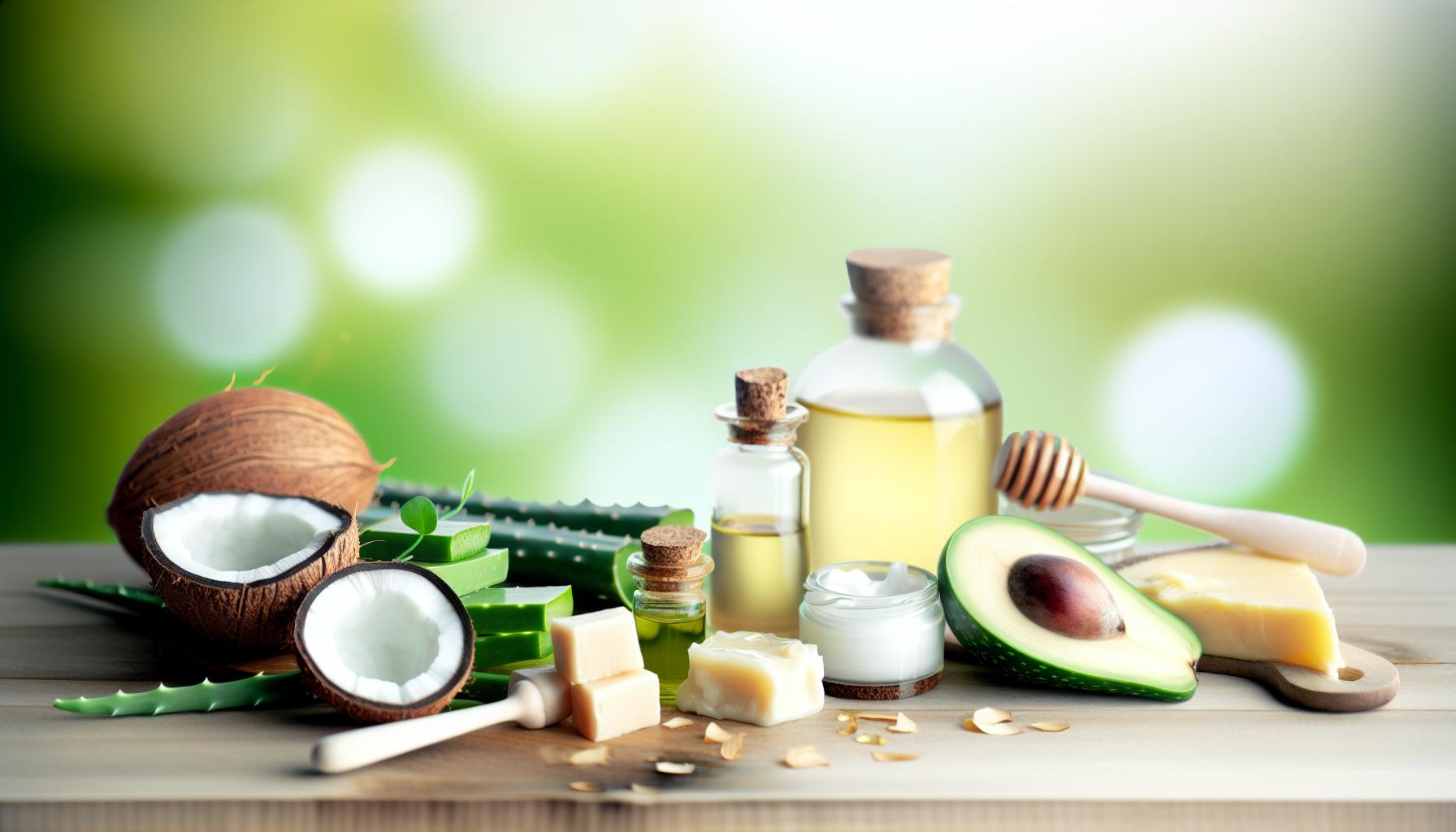
Natural ingredients can be powerful allies in the quest for healthy, frizz-free hair. Many of these ingredients not only help to tame unruly locks but also nourish and moisturize the hair from root to tip. By incorporating these essential elements into your hair care routine, you can improve the texture and shine of your hair, making it less susceptible to frizz caused by humidity and environmental factors.
Essential Natural Ingredients
- Coconut Oil: Known for its deep moisturizing properties, coconut oil penetrates the hair shaft, reducing protein loss and leaving hair smoother and shinier. When applied regularly, it can help prevent dryness and combat frizz.
- Aloe Vera: This versatile plant is loaded with vitamins and enzymes that nourish the hair. Aloe vera gel provides moisture, making it an excellent option for frizz control. Simply apply the gel directly to your hair or mix it with your favorite conditioner for added hydration.
- Argan Oil: Sometimes called “liquid gold,” argan oil is rich in fatty acids and antioxidants. A few drops applied to damp hair can help seal in moisture and provide a protective barrier against environmental stressors.
- Honey: This natural humectant attracts moisture to the hair, helping to keep it hydrated. When mixed with other ingredients like oils or yogurt, honey can create a nourishing hair mask that combats frizz effectively.
- Apple Cider Vinegar: Rinsing your hair with a diluted solution of apple cider vinegar can help smooth the hair cuticle, making it less prone to frizz while also enhancing shine.
Utilizing these natural ingredients not only supports hair health but also encourages a more sustainable and eco-friendly approach to beauty. Incorporating a few simple remedies into your hair care routine can yield impressive results, helping you achieve the smooth, manageable hair you desire. Always consider performing a patch test before trying new ingredients to ensure they are compatible with your hair type and health. Make sure to consult a healthcare professional or a dermatologist for personalized advice, especially if you have specific concerns about your hair or scalp health.
Effective Home Remedies for Frizz Control
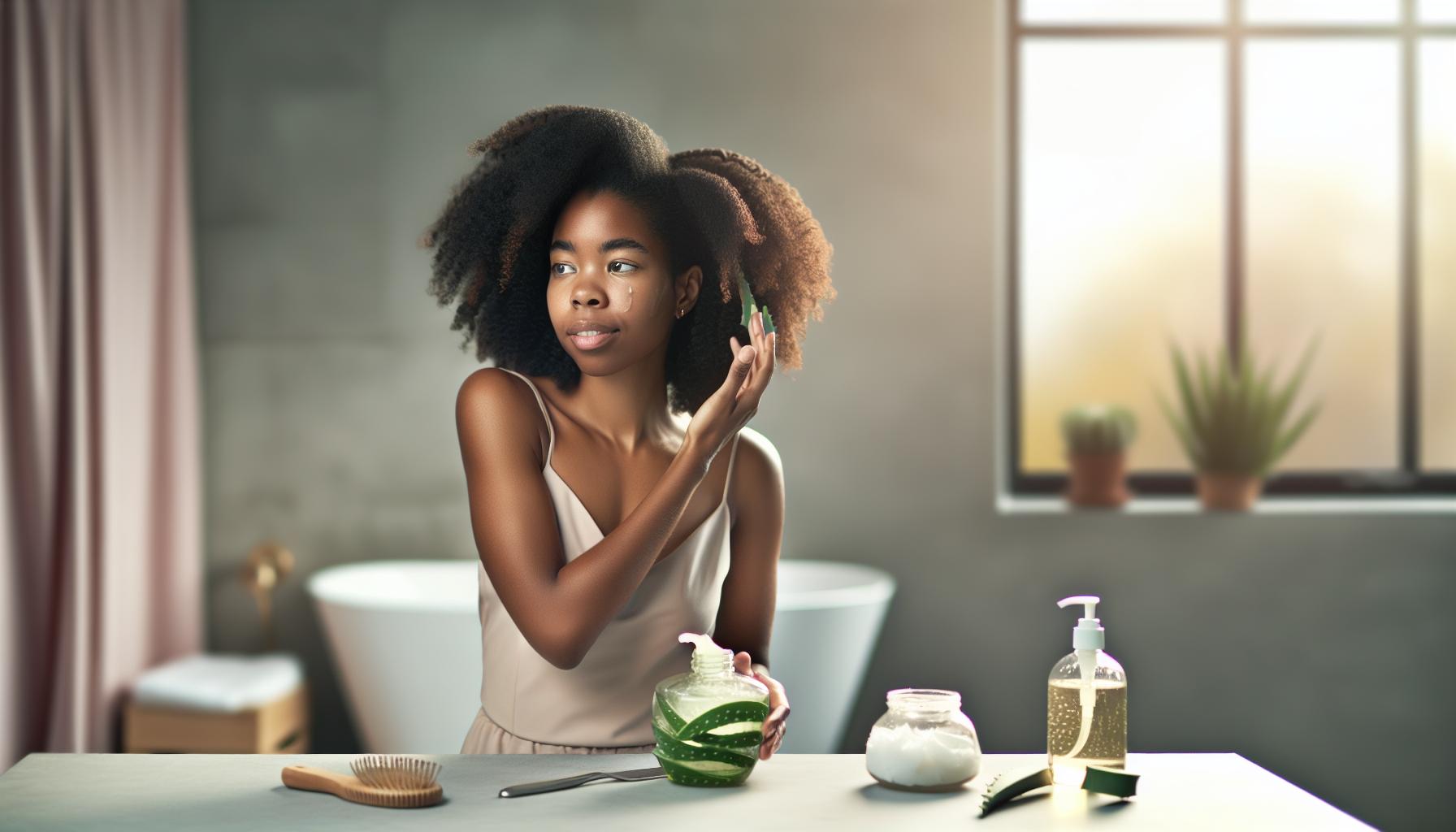
Frizz can be a persistent and frustrating issue, often caused by a lack of moisture, humidity, or damage from heat styling. Fortunately, there are numerous practical home remedies that can effectively help control frizz and restore a smooth, polished appearance to your hair. By harnessing the power of readily available natural ingredients, you can transform the texture of your hair without the need for harsh chemicals.
One of the simplest yet impactful remedies involves the use of coconut oil. Known for its deep moisturizing properties, coconut oil penetrates the hair shaft to help prevent protein loss and reduce frizz. For best results, apply a pea-sized amount to the palms of your hands and rub them together to warm the oil before massaging it into the ends of your hair, avoiding the roots to prevent greasiness. Additionally, creating a DIY hair mask by mixing coconut oil with honey and avocado can create a nourishing treatment that delivers moisture and shine, combating frizz effectively.
Another powerful remedy is aloe vera gel, which offers excellent hydration and nourishment for the hair. By simply applying fresh aloe vera gel from the plant directly to your damp hair, you can help smooth the hair cuticles and reduce moisture loss. This not only controls frizz but also promotes overall hair health. For an extra boost, consider combining aloe vera with a few drops of argan oil to create a leave-in conditioner that enhances shine and provides protection against environmental stressors.
Apple cider vinegar is also a fantastic option for frizz control. A quick rinse with a diluted apple cider vinegar solution after your regular shampoo and conditioning routine can promote shine and smoothness, making hair less susceptible to frizz. This simple rinse helps to balance the scalp’s pH and tighten hair cuticles, leading to a sleeker look.
Incorporating these effective home remedies into your hair care routine not only addresses frizz but also enhances the overall health of your hair. Always remember to customize your approach based on your unique hair type and texture, and consider consulting with a healthcare professional or dermatologist for tailored advice that suits your specific needs. Your journey to frizz-free hair can be both simple and rewarding!
DIY Hair Masks for Moisture and Shine
Frizzy hair can feel like an unmanageable beast, but with the right DIY hair masks, you can reclaim your locks with moisture and shine. The beauty of creating your own hair treatments lies not only in their effectiveness but also in the use of natural ingredients easily available at home. These masks help combat dryness, enhance luster, and provide essential nutrients to your hair, mitigating the effects of humidity and styling.
One of the most popular DIY hair masks involves the simple yet powerful combination of bananas and almond oil. Ripe bananas provide moisture and nourishment due to their high potassium and vitamin content, which help smooth hair cuticles. When blended into a smooth paste and mixed with almond oil, this mask not only hydrates but also adds shine. To apply, simply coat your hair from root to tip, leave it on for about 30 minutes, and then wash it out with a mild shampoo.
Another excellent choice for moisture and shine is a yogurt and honey mask. Yogurt acts as a natural conditioner, rich in protein and lactic acid, helping to repair and nourish damaged hair. Honey, known for its humectant properties, locks in moisture and promotes shine. To prepare this mask, mix plain yogurt with a tablespoon of honey and apply it to clean, damp hair. After 20-30 minutes, rinse thoroughly to reveal revitalized and shiny hair.
For those battling extreme dryness, consider an avocado and coconut oil mask. Both ingredients are celebrated for their deep moisturizing capabilities. Avocado is packed with vitamins E and B, which promote healthy hair growth, while coconut oil penetrates deeply to hydrate and strengthen hair. Mash a ripe avocado and mix it with two tablespoons of coconut oil, then apply it generously to your hair. Let it sit for 30-40 minutes before rinsing out, and you’ll be left with soft, manageable hair.
Incorporating these DIY hair masks into your weekly routine can lead to significant improvements in your hair’s health. By harnessing the power of natural ingredients, you can easily combat frizz and restore your hair’s natural beauty. Don’t forget to customize these recipes based on your hair type and concerns, and always consult a healthcare professional if you’re unsure about specific ingredients or if you experience significant hair issues.
Natural Oils to Tame Frizzy Hair
A common struggle for many individuals is frizzy hair, which can be exacerbated by environmental factors and styling practices. Utilizing natural oils can be a game-changer in creating smooth, manageable tresses. Essential and carrier oils not only provide moisture but also work to seal the hair cuticles, locking in hydration and reducing frizz. The right oils can transform unruly hair into soft, shiny locks, while also nourishing the scalp.
Key Oils for Taming Frizz
When it comes to choosing oils for frizz control, several stand out due to their unique properties:
- Argan Oil: Rich in fatty acids and vitamin E, argan oil is renowned for its ability to hydrate and soften hair while providing a protective barrier against humidity.
- Coconut Oil: This oil penetrates the hair shaft deeply, providing moisture and reducing protein loss. It’s particularly effective for dry, damaged hair and can also help define curls.
- Jojoba Oil: Mimicking the natural oils of the scalp, jojoba oil is excellent for moisture retention. It helps prevent frizz while promoting overall scalp health.
- Almond Oil: Known for its ability to nourish and strengthen hair, almond oil also imparts a natural shine and helps reduce static.
- Rosemary Oil: Not only beneficial for hair growth, rosemary oil can also moisturize and strengthen hair, making it less prone to frizz.
How to Use These Oils
Incorporating natural oils into your hair care routine can be simple and effective. Here are a few methods to apply them:
- Pre-Wash Treatment: Apply your chosen oil generously to dry hair as a pre-shampoo treatment. Leave it on for at least 30 minutes or overnight, then wash your hair as usual.
- Leave-In Conditioner: Mix a few drops of your preferred oil with water in a spray bottle. Lightly mist your dry or damp hair to tame flyaways and add moisture throughout the day.
- Scalp Massage: To improve scalp health and encourage hair growth, massage a small amount of oil into your scalp. This can also help to combat dryness and build-up that can contribute to frizz.
By experimenting with these oils, you can discover the best fit for your hair type and needs. Each oil offers a unique blend of nutrients, and finding the right combination can lead to healthier, more resilient hair. As with any new treatment, consider consulting with a healthcare professional or dermatologist if you’re unsure about which oils are best for your specific hair concerns.
Tips for Preventing Frizz with Hair Care
Frizz can be an ongoing battle, but with the right hair care practices, you can significantly reduce its appearance and maintain smooth, manageable hair. One fundamental strategy in preventing frizz is to choose the right hair care products and techniques tailored to your hair type. For instance, opt for sulfate-free shampoos, as sulfates can strip your hair of natural oils, leaving it dry and prone to frizz. Additionally, look for hydrating conditioners that contain ingredients like shea butter or glycerin, which help retain moisture and smooth the hair cuticle.
To further enhance frizz prevention, consider adjusting your drying and styling methods. Gently pat your hair with a microfiber towel instead of rubbing it with a regular towel, which can create friction and lead to frizz. When blow-drying, use a nozzle attachment and keep your dryer on a cool setting to minimize heat damage. For those who prefer air drying, try braiding your hair or putting it in a bun to encourage natural waves while keeping frizz at bay.
Another essential aspect is regular trims; split ends can contribute to frizz, so maintaining a routine of trimming your hair every 6-8 weeks can help ensure healthier strands. It can be beneficial to incorporate a deep conditioning treatment or hair mask into your routine once a week to provide an extra boost of hydration and nourishment. Ingredients like avocado oil or honey can be particularly effective for enhancing hair moisture and shine.
Lastly, consider the influence of environmental factors, such as humidity and pollution. Protecting your hair from harsh weather conditions can go a long way. Wearing a hat on humid days or using a silk scarf at night can help alleviate friction and preserve your hair’s moisture levels. By adopting these tips and being consistent in your hair care routine, you can pave the way towards smoother, frizz-free hair. Remember, personalized advice from a hairstylist or dermatologist can help tailor these strategies further to better suit your specific hair type and concerns.
Scalp Care: The Foundation of Healthy Hair
Maintaining a healthy scalp is often overlooked in the quest for vibrant, frizz-free hair, yet it serves as the vital foundation for hair growth and resilience. A well-nourished scalp promotes strong hair follicles and reduces issues such as dryness, itchiness, and inflammation, all of which can exacerbate frizz. By focusing on scalp care, you’re not only encouraging healthy hair growth but also minimizing the common triggers of frizziness.
To achieve a healthy scalp, regular exfoliation is key. Gentle scalp scrubs can remove dead skin cells, product buildup, and excess oil, thus promoting a cleaner environment for hair to grow. Additionally, incorporating natural oils-such as tea tree or jojoba oil-into your scalp care routine can provide anti-fungal and anti-inflammatory properties. These oils help regulate scalps prone to oiliness or dryness, creating a balanced foundation for hair health.
Hydration is another critical aspect of scalp care. Consider using a lightweight, hydrating scalp serum or mist that can deliver moisture directly to the scalp, especially after washing your hair. This is particularly helpful in dryer climates or seasons, where the risk of a dehydrated scalp increases. A hydrated scalp prevents the hair follicles from becoming brittle, consequently reducing the chances of frizz at the hair’s ends.
Lastly, don’t underestimate the importance of a balanced diet rich in vitamins and minerals that support scalp and hair health. Nutrients like omega-3 fatty acids found in fish, antioxidants from colorful fruits and vegetables, and proteins from legumes and nuts work synergistically to provide your hair with the nourishment it needs to remain strong and frizz-free. Always remember, for personalized recommendations tailored to your unique scalp and hair needs, consulting a healthcare professional like a dermatologist or trichologist can provide invaluable insights.
The Role of Diet in Hair Health
Diet plays a crucial role in maintaining healthy hair and minimizing frizz, greatly influencing its overall appearance and manageability. Certain nutrients are integral to promoting strong, shiny hair, while a deficiency in these can lead to dryness, breakage, and increased frizziness. Understanding how specific foods impact hair health can empower individuals to make dietary choices that support their goals for smoother, healthier hair.
To foster optimal hair health, consider incorporating the following essential nutrients into your daily diet:
- Omega-3 Fatty Acids: Found in fatty fish like salmon, walnuts, and flaxseeds, omega-3s keep the scalp hydrated and reduce inflammation, which can contribute to frizz.
- Proteins: Hair is primarily made of protein, making it vital to consume adequate protein sources from options like chicken, legumes, eggs, and dairy. These contribute to stronger, less brittle hair.
- Vitamins A and C: These vitamins, present in colorful fruits and vegetables, help produce sebum, which acts as a natural conditioner for the hair. Carrots, spinach, oranges, and bell peppers should be staple additions to your meals.
- Biotin: Known for its role in promoting hair growth, biotin can be found in eggs, nuts, and whole grains. A sufficient intake can prevent hair from becoming dry and frizzy.
- Zinc: Necessary for cell reproduction and repair, zinc-rich foods like pumpkin seeds and legumes can help combat frizz and support healthy hair growth.
In addition to incorporating these key nutrients, staying hydrated is paramount. Water intake directly affects bodily functions, including hair health. Aim for at least 8 cups of water a day, adapting your intake based on activity level and environment.
Transitioning to a balanced diet can take time, so start by introducing one or two new foods each week. Consider meal prepping or planning to ensure that nutrient-rich options are readily available, making it easier to maintain consistency. Ultimately, if you’re seeking personalized dietary advice tailored to your specific health and hair goals, consulting a healthcare professional, such as a registered dietitian, can provide valuable insights and recommendations.
Lifestyle Changes to Reduce Hair Frizz
Making simple lifestyle alterations can significantly reduce hair frizz and enhance overall hair health. One of the most effective strategies involves reassessing your hair care routine to include gentler practices. For example, consider using a wide-toothed comb instead of a brush, which can create more friction and lead to frizz. Additionally, when towel-drying your hair, opt for a soft cotton t-shirt instead of a traditional bath towel. This gentle method minimizes breakage and prevents hair from becoming frizzy.
Another important aspect is to be mindful of temperature. Hot water can strip moisture from your hair, so switching to a cooler rinse can be beneficial. Incorporate weekly deep conditioning treatments to replenish hydration and nutrients. Look for products that contain natural oils and nourishing ingredients, which can help lock in moisture. Limiting the use of heat styling tools is crucial as well; when you do use them, always apply a heat protectant spray to shield your hair from damage.
Hydration and Humidity Management
Staying well-hydrated is not just essential for your body; it also plays a critical role in hair health. Ensure you’re drinking sufficient water daily, as hydration directly affects hair texture. In addition, consider using a dehumidifier or anti-humidity hair products if you live in a particularly humid area. These products can create a barrier that protects your hair from the excess moisture in the air that can lead to frizz.
Stress and Sleep
Lastly, don’t overlook the impact of stress and sleep on your hair. High stress levels can lead to hair loss and a slew of other issues, including frizz. Focus on managing your stress through relaxation techniques like yoga or meditation. Additionally, aim for quality sleep, as this allows your body, including your hair, to recover and regenerate overnight. A consistent sleep schedule paired with a calming bedtime routine can improve not just your mood but your hair’s appearance too.
By integrating these lifestyle changes, you can drastically reduce frizz and enhance the natural beauty of your hair, giving it the shine and health you strive for.
Advanced Home Techniques for Lasting Results
To maintain beautiful, frizz-free hair, advanced home techniques can provide lasting results that complement your regular hair care routine. One effective approach involves hair plopping, a method popularized in the curly hair community. After washing your hair, instead of towel-drying, you can place your wet hair in a cotton t-shirt or microfiber towel. This technique reduces friction, allowing curls to form naturally while minimizing frizz and promoting defined locks. For optimal effectiveness, leave your hair wrapped for about 30 minutes before styling, letting the fabric absorb excess moisture without roughing up the hair cuticles.
Another innovative method is the use of cold water rinses after conditioning. While most people end their showers with a warm rinse, a cold rinse can help seal the hair cuticle, locking in moisture and shine. This simple adjustment not only enhances the smoothness of the strands but also helps in managing frizz, especially in humid conditions. Following this routine, you might consider using a lightweight, hydrating leave-in conditioner or serum, which can provide an additional barrier against humidity while nourishing the hair.
Hair oiling is another advanced technique that can yield significant benefits. Oils like argan, jojoba, and coconut can penetrate the hair shaft, providing deep hydration and preventing moisture loss. For optimal results, apply the oil to dry or damp hair, concentrating on the ends to avoid a greasy look. Allow it to sit for at least 30 minutes or overnight for a more intensive treatment, then proceed with your usual wash. Regular oiling not only combats frizz but also enhances the overall health of your hair by nourishing it from within.
Finally, incorporating an ultra-hydrating deep conditioning mask into your weekly regimen can work wonders. Formulate masks with ingredients such as avocado, honey, or yogurt, known for their intense moisturizing properties. Apply these masks weekly and leave them on for 20 to 30 minutes to restore moisture and shine to your hair. This approach, paired with the previously mentioned techniques, can form a comprehensive arsenal against frizz, leading to healthier, more manageable hair over time. By experimenting with these advanced methods, you can discover what works best for your unique hair type while continually improving its health and appearance.
User Testimonials: Real-Life Success Stories
Many individuals battling frizzy hair have sought solace in natural remedies, and their real-life success stories can inspire others on a similar journey. For instance, Jessica, a long-time user of coconut oil, found that a nightly application transformed her unruly locks into soft, manageable curls. She started with just a few drops, massaging it into her scalp and working it through her ends. After a couple of weeks, she noticed not only reduced frizz but also significant shine – something she never thought was achievable given her hair’s historical tendency to fly away.
Another inspiring account comes from Mark, whose hair turned frizzy after moving to a humid climate. He tried multiple products but saw no lasting results until he discovered the benefits of apple cider vinegar rinses. Mixing one part vinegar with two parts water, he began using this solution as a final rinse after shampooing. Not only did this reduce frizz, but it also balanced his scalp’s pH, leaving his hair feeling fresher and cleaner than ever. His experience illustrates how sometimes, the simplest solutions can yield impressive results.
Women like Sarah have turned to DIY masks as a key part of their hair care routines. After a friend introduced her to an avocado and honey mask, she noticed a significant change after just a few applications. The combination deeply moisturized her hair, and the results were visible-she enjoyed smoother, hydrated strands that were resilient against humidity. She shared her recipe with friends, encouraging them to try it out and experience the nourishing effects themselves.
These testimonials highlight that each person’s journey with frizzy hair can be unique. While natural ingredients like coconut oil, apple cider vinegar, and avocado have their fans, it often takes some experimentation to find what works best for individual hair types. Emphasizing the importance of persistence, these stories urge others who face similar challenges to explore natural remedies and embrace the process of discovering effective solutions tailored to their needs. By sharing their successes, individuals not only strengthen their own hair journey but also build a community of support for those striving for healthy, frizz-free hair.
Faq
Q: What are the best natural ingredients for frizzy hair?
A: Common natural ingredients for reducing frizz include coconut oil, shea butter, and honey. These provide moisture and help smooth the hair cuticle. Incorporate these ingredients into your hair masks or use them as leave-in treatments for best results.
Q: How can I make a homemade hair mask for frizz?
A: To create a homemade hair mask for frizz, mix two tablespoons of coconut oil with one tablespoon of honey. Apply this mixture to your hair, leave it on for 30 minutes, and then rinse thoroughly. This mask will hydrate and smooth frizzy strands effectively.
Q: Why is my hair frizzy after washing?
A: Hair can become frizzy after washing due to excessive moisture loss and rough cuticles. To mitigate this, use a sulfate-free conditioner and rinse with cold water to seal in hydration and close the hair cuticle.
Q: When should I apply hair oils to control frizz?
A: Apply hair oils, like argan or jojoba oil, on damp hair after washing for best results. This helps lock in moisture. You can also use a small amount on dry hair to tame any frizz throughout the day.
Q: How often should I use home remedies for frizz?
A: You can use home remedies for frizz once or twice a week, depending on your hair type. Assess how your hair responds to these treatments and adjust accordingly to achieve the desired level of moisture and shine.
Q: What lifestyle changes can help reduce hair frizz?
A: To reduce hair frizz, consider staying hydrated, using a silk pillowcase, and minimizing heat styling. These changes improve overall hair health and help maintain moisture, resulting in smoother hair.
Q: Are there specific foods that can help with frizzy hair?
A: Yes, including foods rich in omega-3 fatty acids, like salmon and walnuts, as well as those high in vitamins A and E, like spinach and avocados, can promote healthier hair, potentially reducing frizz.
Q: How can I prevent frizz on humid days?
A: To prevent frizz on humid days, apply a lightweight anti-frizz serum or cream before heading outside. Additionally, keep your hair tied back in a loose style to minimize exposure to moisture and frizz-causing elements in the air.
For further exploration on how to enhance your hair health naturally, refer to sections on “Essential Natural Ingredients for Hair Health” and “DIY Hair Masks for Moisture and Shine.” Always seek professional consultation for tailored advice on hair care and treatment.
Future Outlook
Thank you for exploring our effective home remedies for frizzy hair solutions! Remember, achieving smooth and manageable hair doesn’t have to be complicated. By incorporating natural treatments like aloe vera and coconut oil into your routine, you can address frizz while ensuring your hair stays healthy and nourished. Don’t wait-try these remedies today and feel the difference!
If you’re eager to learn more about hair care, check out our articles on “Best Oils for Hair Health” and “DIY Hair Masks for Any Hair Type” to enhance your self-care routine. We’d love to hear your experiences or any tips you have-leave a comment below! For ongoing health tips and exclusive content, consider signing up for our newsletter. Together, let’s keep your hair flourishing and fabulous!