Jock itch, a common fungal infection, can be both uncomfortable and frustrating, often making daily activities a challenge. Did you know that millions of people experience this itchy condition, especially in warm, humid environments? Whether you’re an athlete or just someone dealing with the heat, finding effective relief is essential. In this article, we’ll explore eight natural remedies that have shown promise in alleviating jock itch. By utilizing these home-based solutions, you can take control of your discomfort while addressing the underlying cause. Keep reading to discover how simple ingredients might offer you the relief you seek!
Home Remedies for Jock Itch: Understanding the Condition and Its Causes
Jock itch, medically known as tinea cruris, is a common condition that can cause significant discomfort and embarrassment. Characterized by a red, itchy rash in the groin area, it’s often caused by fungal infections that thrive in warm, moist environments. The fungi responsible for this condition can flourish particularly well where skin rubs together, such as in the groin, buttocks, and thighs. Understanding the underlying causes is essential for effective management and prevention.
The primary culprit behind jock itch is a group of fungi called dermatophytes, which feed on the keratin found in skin cells. Factors such as excessive sweating, tight clothing, and poor hygiene can exacerbate the condition. Additionally, individuals involved in activities that lead to heat and moisture buildup in the groin area-like sports or workouts-are more prone to developing jock itch. It’s also worth noting that jock itch can spread through direct skin-to-skin contact or sharing personal items such as towels or athletic gear.
To effectively address jock itch at home, it’s crucial to maintain dry and clean surroundings. Frequent changes of underwear, opting for breathable fabrics, and keeping the groin area dry can significantly reduce the risk of fungal growth. Embracing home remedies such as tea tree oil, coconut oil, and apple cider vinegar may also contribute to easing symptoms, thanks to their antifungal properties. However, while at-home treatments can be helpful, ongoing or severe cases should warrant a consultation with a healthcare professional to ensure appropriate care and to rule out more serious conditions. Engaging in preventive practices is equally important in keeping jock itch at bay, enabling a more comfortable and confident lifestyle.
The Most Effective Natural Ingredients for Jock Itch Relief
Discovering effective natural remedies for jock itch can greatly enhance comfort and well-being, especially since this common fungal infection thrives in warm, moist areas. Utilizing natural ingredients not only provides relief but also minimizes exposure to harsh chemicals found in over-the-counter treatments. Here are some of the most effective natural ingredients renowned for their antifungal properties and soothing abilities.
Tea Tree Oil
A powerhouse in natural medicine, tea tree oil is well-known for its antifungal and antimicrobial properties. This essential oil can effectively combat the fungi that cause jock itch. When using tea tree oil, it’s crucial to dilute it with a carrier oil, such as coconut or jojoba oil, to prevent skin irritation. Applying this mixture to the affected area twice daily can help alleviate symptoms and inhibit fungal growth.
Coconut Oil
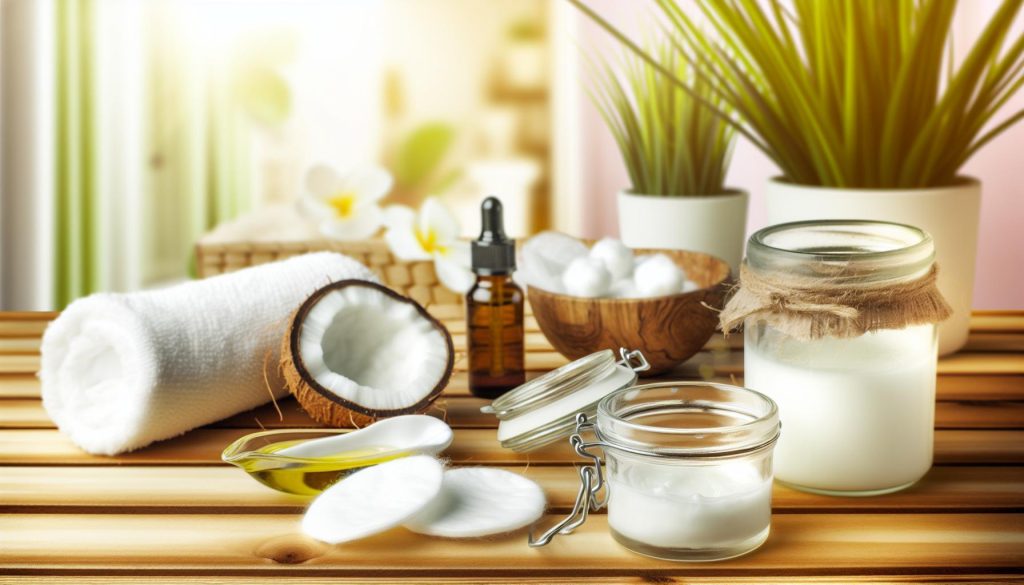
Coconut oil serves as both a moisturizer and a natural antifungal agent. Its medium-chain fatty acids, particularly lauric acid, have been shown to disrupt fungal cell membranes, making it an excellent choice for jock itch relief. Gently massaging coconut oil onto the affected skin can provide soothing relief while also keeping the area moisturized and preventing further irritation.
Apple Cider Vinegar (ACV)
Apple cider vinegar boasts formidable antifungal and antibacterial properties, making it an effective remedy for jock itch. Diluting ACV with equal parts water and applying it to the infected area can help to restore the skin’s natural pH balance and deter fungal growth. Its potent properties also make it an excellent option for a topical treatment when mixed into a bath soak for overall relief.
Aloe Vera
Aloe vera is renowned for its skin-soothing properties. This plant’s gel contains anti-inflammatory compounds and can provide a cooling effect on irritated skin. Applying fresh aloe vera gel directly to the affected area can help reduce redness and discomfort while promoting healing.
Baking Soda
Baking soda acts as a natural moisture absorber, which can help keep the affected area dry, thereby reducing conditions conducive to fungal growth. Creating a paste with water and applying it to the rash area can relieve itchiness and irritation. Let it sit for a few minutes before rinsing off; this simple remedy can have a considerable impact.
By incorporating these natural ingredients into your care routine, you can effectively manage and alleviate the discomfort associated with jock itch. Always remember to consult with a healthcare professional before starting any new treatment, especially if you have sensitive skin or underlying health issues. These natural approaches can provide relief and complement traditional medicinal treatments, allowing for a holistic approach to skin health.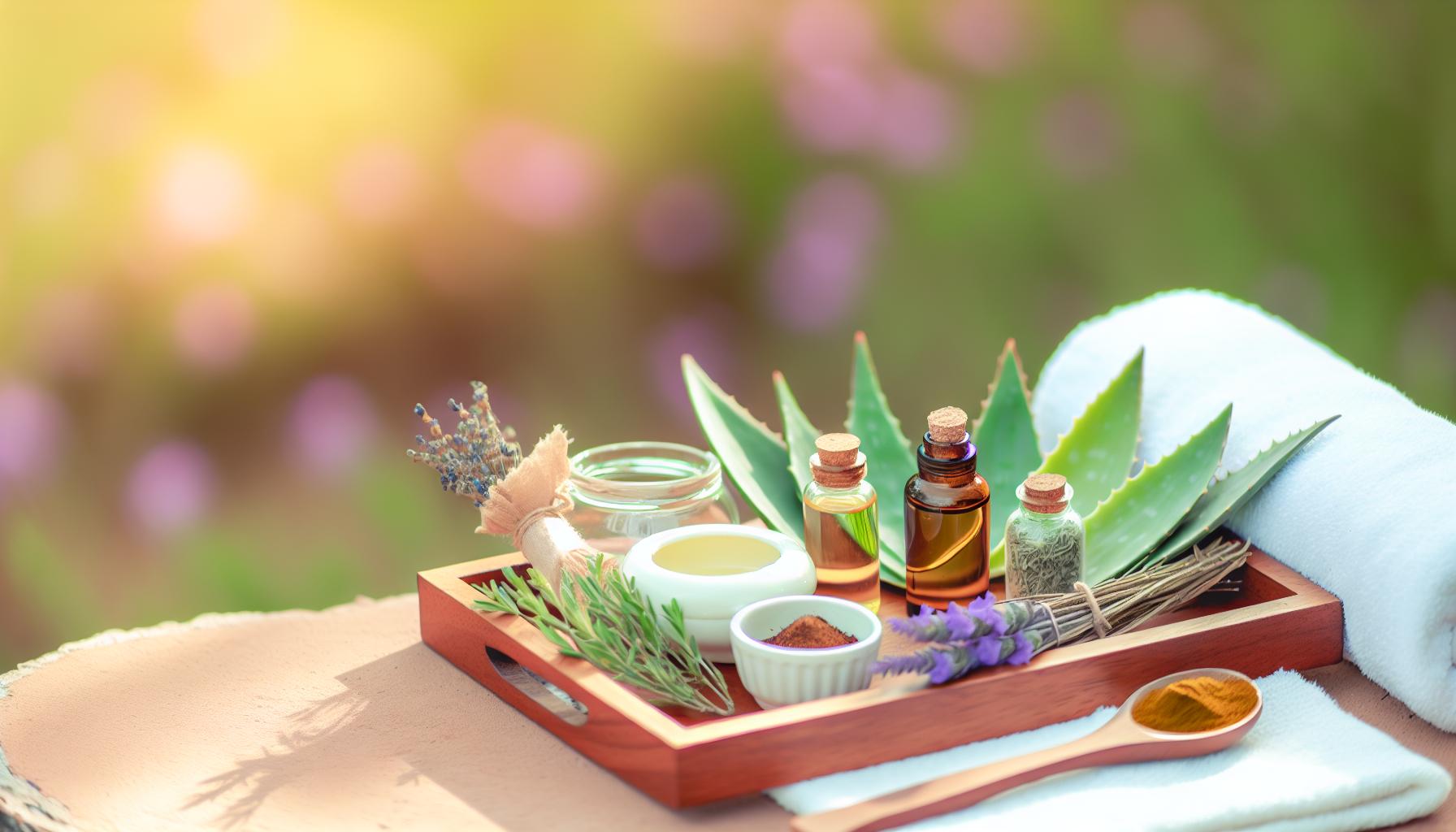
Step-by-Step Guide to Using Tea Tree Oil for Jock Itch
Using tea tree oil for jock itch can be a highly effective remedy due to its potent antifungal properties. This essential oil, derived from the leaves of the Melaleuca alternifolia tree, has been celebrated for centuries for its ability to combat infections and soothe irritated skin. Follow these steps to harness its benefits safely and effectively.
To begin, it’s essential to dilute tea tree oil before applying it to your skin, as its concentrated form can cause irritation. Start with a small bowl and mix about 1-2 teaspoons of a carrier oil, such as coconut or jojoba oil, with just a few drops of tea tree oil. The carrier oil not only dilutes the tea tree oil but also provides additional moisturizing benefits. Once you have your mixture, clean the affected area with warm water and a gentle soap, ensuring it’s free from moisture and dirt-this sets the stage for the oil to work effectively.
After the area is dry, use a clean cotton ball or your finger to gently apply the diluted tea tree oil mixture directly onto the irritated skin. Be sure to cover the entire affected area. Repeating this application twice daily is recommended for the best results. However, monitor your skin’s reaction; if you notice increased redness or irritation, discontinue use and consult a healthcare professional.
When incorporating tea tree oil into your skincare routine, be patient, as improvements may take several days to become noticeable. Meanwhile, remember to maintain good hygiene and keep the area dry, as moisture encourages fungal growth. By using tea tree oil judiciously and consistently, you can promote healing and alleviate the discomfort associated with jock itch, while also benefiting from its natural properties.
How to Use Apple Cider Vinegar for Jock Itch Treatment
Apple cider vinegar is a popular home remedy for various skin issues, including jock itch, due to its antifungal and antibacterial properties. The acetic acid in apple cider vinegar creates an environment hostile to the fungi that cause jock itch. By leveraging its natural benefits, you can alleviate symptoms and promote healing.
To use apple cider vinegar effectively, you can prepare a simple topical solution. Mix one part apple cider vinegar with one part water in a clean container. This dilution helps prevent skin irritation while still providing the antifungal benefits essential for combating jock itch. Before applying the solution, wash the affected area gently with warm water and mild soap, then pat it dry thoroughly. This ensures that no moisture remains, which can exacerbate the problem.
Using a clean cotton ball or pad, apply the diluted apple cider vinegar directly to the irritated skin. Allow it to sit for about 30 minutes before rinsing it off with cool water. This process can be done twice a day for optimal results, particularly after showering or exercising, when the area is most prone to moisture build-up. While many users report relief within a few days, it’s essential to monitor your skin’s reaction. If you encounter any signs of increased irritation or discomfort, discontinue its use and consult a healthcare professional.
In addition to application, you might consider adding apple cider vinegar to your diet as a way to enhance overall skin health. Some believe that the consumption of diluted apple cider vinegar can help balance body pH levels and provide the body with the necessary nutrients to ward off skin infections. As with any remedy, it’s important to discuss your use of apple cider vinegar, both topically and internally, with a healthcare provider, especially if you have underlying conditions or are taking medications that might interact negatively.
Herbal Solutions: Aloe Vera and Its Soothing Properties
Aloe vera, often referred to as the “plant of immortality,” has long been celebrated for its impressive healing properties, making it a powerful ally in the fight against jock itch. This common fungal infection thrives in warm, moist areas of the body, leading to discomfort characterized by itching, redness, and irritation. Luckily, aloe vera’s natural composition includes anti-inflammatory and antifungal properties, which can help soothe the affected areas while promoting skin healing.
To harness the benefits of aloe vera for alleviating jock itch, you can use the fresh gel extracted directly from the leaves of the plant. This topical application is incredibly easy: simply cut an aloe vera leaf, scoop out the gel, and apply it generously to the irritated skin. The gel not only calms inflammation but also provides hydration, helping to alleviate the dryness often associated with irritation. Its cooling effect can offer immediate relief, making aloe vera a great option after a shower or workout when symptoms may be exacerbated.
Incorporating aloe vera into your skincare routine can also help prevent the recurrence of jock itch. For those who are prone to fungal infections, regularly applying aloe vera as a preventive measure can keep the skin healthy and resilient. Additionally, you might choose to mix aloe vera gel with essential oils like tea tree or lavender, both known for their antifungal properties, to enhance the overall effectiveness against jock itch.
While aloe vera can be a potent remedy for jock itch, it is crucial to remember that persistent or severe symptoms may indicate a more serious issue. Thus, if you find that your condition does not improve with home remedies, consulting a healthcare professional is essential for appropriate diagnosis and treatment. This ensures you receive tailored advice to effectively manage your skin health.
Why Baking Soda is a Game Changer for Jock Itch
Baking soda is a multifunctional household ingredient that goes far beyond just being a leavening agent in your favorite recipes; it can also serve as an effective remedy for jock itch. This common fungal infection thrives in warm, moist areas, often generating discomfort characterized by intense itching and irritation. What makes baking soda a game changer in combating jock itch lies in its natural antifungal and antibacterial properties, coupled with its ability to soothe irritated skin.
One of the primary benefits of using baking soda is its capacity to absorb moisture, which is essential in creating an environment less hospitable to the fungi responsible for jock itch. To use baking soda for relief, you can create a simple paste by mixing equal parts of baking soda and water. Gently apply this paste to the affected area after cleaning it, letting it sit for about 15 minutes before rinsing with cool water. This not only helps to inhibit fungal growth but also soothes the skin and provides temporary relief from the itching and irritation associated with the condition.
Furthermore, baking soda can also be used in the bath. Adding half a cup of baking soda to a warm bath can help reduce inflammation and cool the skin, making it an excellent option after a strenuous workout or during hot weather. This method is especially useful because it delivers all the benefits to a larger area of the body and provides a relaxing experience that can help promote healing.
Incorporating baking soda into your jock itch treatment plan can be empowering, but it’s essential to remember that persistent symptoms should be evaluated by a healthcare professional. For effective management of skin health, individual medical advice is invaluable, ensuring that remedies like baking soda complement prescribed treatments if needed. Embracing natural remedies like these can enhance your overall wellness strategy while tackling the discomfort of jock itch effectively.
Essential Oils that Combat Jock Itch Naturally
Essential oils have garnered increasing attention for their natural antiseptic and antifungal properties, making them useful allies in the fight against jock itch. These concentrated plant extracts not only bring soothing scents but also provide significant relief from the discomfort caused by this common fungal condition.
One of the most effective essential oils for combating jock itch is tea tree oil. Renowned for its antifungal and antibacterial qualities, tea tree oil can help eliminate the fungus responsible for jock itch while alleviating itching and irritation. To use, mix a few drops of tea tree oil with a carrier oil, such as coconut or olive oil, and gently apply it to the affected area. This method allows the oil to penetrate the skin effectively while minimizing the risk of irritation associated with using it undiluted.
Another powerful option is lavender essential oil, celebrated for its calming scent and skin-healing properties. Lavender oil not only helps relieve itching but also promotes skin regeneration and has antimicrobial effects. Similar to tea tree oil, you can blend it with a carrier oil before application or add a few drops to your bath for an overall soothing experience.
Other essential oils to consider include oregano oil and peppermint oil. Oregano oil boasts potent antifungal properties, making it an effective treatment for jock itch, while peppermint oil can provide a cooling sensation and relief from itching. When using these oils, always ensure they are diluted properly to avoid skin irritation.
While essential oils can offer significant relief, it’s essential to use them wisely. Conduct a patch test before applying any new oil to ensure you do not have an adverse reaction. Additionally, maintaining good personal hygiene and dry conditions in affected areas is crucial for prevention. If symptoms persist, it is advisable to consult a healthcare professional for personalized treatment options to ensure effective management and care.
Preventing Jock Itch: Lifestyle Tips and Best Practices
To keep jock itch at bay, adopting a proactive approach is essential. This irritating fungal condition thrives in warm, moist environments, so focusing on personal hygiene and lifestyle choices can make a significant difference. Simple yet effective practices can help prevent the recurrence of jock itch, allowing you to maintain comfort and health.
First and foremost, keeping the groin area clean and dry is crucial. After showering or exercising, ensure you dry the area thoroughly with a clean towel. Consider using a blow dryer on a low setting to reach areas that might be prone to moisture accumulation. Wearing moisture-wicking underwear that draws sweat away from the skin can provide an extra layer of protection against humidity.
Additionally, be mindful of your athletic gear. Opt for loose-fitting clothing made from breathable fabrics rather than tight, synthetic materials that might trap heat and moisture. Changing out of sweaty clothes promptly after physical activity reduces the opportunity for fungal growth. Regularly washing workout clothes in hot water can further eliminate any lingering fungi.
Another important factor to consider is diet. A balanced diet rich in antioxidants can support skin health and potentially bolster your immune system’s ability to fight off fungal infections. Foods high in sugar may encourage fungal growth, so focusing on whole grains, fruits, vegetables, and probiotics can be beneficial. Staying hydrated is also key; adequate water intake helps maintain skin elasticity and supports overall health.
Lastly, maintain good personal hygiene practices such as washing your hands regularly and avoiding sharing towels or clothing can help minimize the risk of jock itch. Remember, while these preventive measures can be effective, consulting with a healthcare professional for personalized advice is always a good practice, especially if you experience recurring symptoms. With the right steps, you can enjoy an itch-free life!
When to Seek Professional Help for Jock Itch
Experiencing persistent discomfort from jock itch can be incredibly frustrating and inconvenient. While many individuals find relief through home remedies and lifestyle adjustments, there are crucial moments when seeking professional medical help is not just advisable but necessary. Knowing when to consult a healthcare provider can ensure that you address the underlying causes effectively and avoid further complications.
If you find that over-the-counter treatments and home remedies aren’t providing relief after a couple of weeks, it’s a clear signal to consult a healthcare professional. Chronic or worsening symptoms, such as increasing redness, swelling, or pain, indicate that the condition could be more serious than a simple fungal infection. Additionally, if the rash begins to ooze, develop blisters, or show signs of bacterial infection, immediate medical attention is warranted. These symptoms may require prescription-strength medications or alternative treatments that are not available without a doctor’s guidance.
Another important indicator for seeking help is the recurrence of jock itch despite following preventive measures. If you’ve adjusted your hygiene practices, clothing choices, and diet yet still experience frequent flare-ups, this may suggest an underlying issue that requires professional evaluation. Conditions such as diabetes, which can affect skin health and immunity, might be contributing to your ongoing problems with jock itch.
Finally, individuals with weakened immune systems or those taking immunosuppressive medications should be particularly vigilant. Jock itch in these cases can escalate more quickly or complicate your health further. Consulting a healthcare professional will help tailor your treatment plan to your specific health needs and ensure that you do not overlook any potential medical concerns.
In conclusion, while home remedies can be effective in managing jock itch, recognizing the right time to seek professional advice is essential for ensuring lasting relief and preventing complications. Always listen to your body and don’t hesitate to reach out for expert guidance when you feel something is off. Your skin health is an integral part of your overall well-being, and taking proactive steps can lead to a happier, itch-free life.
Understanding the Role of Diet in Skin Health
Eating the right foods can have a significant impact on your skin health, including conditions like jock itch. This common fungal infection thrives in warm, moist environments, and certain dietary choices can either exacerbate or alleviate the symptoms. For instance, a diet high in sugar and refined carbohydrates can promote inflammation and fungal growth, making it crucial to focus on nutrient-dense foods that support overall skin health.
Incorporating foods that are rich in antioxidants, probiotics, and vitamins can provide your skin with the support it needs. Foods such as berries, leafy greens, and nuts are excellent sources of antioxidants, which can help combat inflammation and protect skin cells. Probiotics found in yogurt, kefir, and fermented foods can aid in maintaining a balanced gut microbiome, which is essential for a robust immune system and healthy skin barrier. Additionally, a diet high in omega-3 fatty acids, found in fatty fish like salmon, walnuts, and flaxseeds, can help reduce inflammation and improve skin function.
To sum up, focusing on a balanced diet that includes plenty of fruits, vegetables, whole grains, and healthy fats can nurture your skin from within. Consider keeping a food journal to track what you eat and any effects it may have on your jock itch symptoms. If you notice that particular foods trigger flare-ups, it may be beneficial to limit their intake. Always consult with a healthcare professional for personalized dietary advice tailored to your specific needs, especially if you have ongoing skin issues or other health concerns. Making informed choices about your diet can significantly contribute to both skin health and overall wellness.
Frequently Asked Questions About Jock Itch Remedies
It’s common to have lingering questions about how to effectively treat jock itch, given its annoying symptoms and tendency to recur. Many individuals wonder about the most effective natural remedies, the duration of treatment, and preventative measures that can be taken. Understanding the various aspects of jock itch can empower individuals to take control of their skin health and seek appropriate remedies.
One frequently asked question is, “What natural ingredients are most effective for treating jock itch?” Popular options include tea tree oil, known for its antifungal properties, and apple cider vinegar, which can help restore the skin’s natural pH balance. Other remedies like baking soda and aloe vera are praised for their soothing effects and ability to help dry out excess moisture that fungi thrive in. Incorporating these ingredients into a regular skincare routine can significantly alleviate symptoms.
Another common concern is the “How long does it typically take to see improvement?” While response times can vary based on the severity of the infection and the treatment used, many people report noticeable improvement within a few days when using effective home remedies alongside good hygiene practices. It’s crucial to be consistent and patient, as fungal infections can take time to fully resolve.
Additionally, individuals often ask about preventative measures. Maintaining dryness in the affected area is key; opting for breathable fabrics, changing out of sweaty clothes promptly, and using antifungal powders can help minimize future outbreaks. It’s beneficial to establish a routine that includes these preventative practices to support skin health and reduce the risk of recurrence.
Ultimately, while home remedies can be effective, it’s essential to seek guidance from a healthcare professional if symptoms persist or worsen. Each person’s skin is unique, and a healthcare provider can offer personalized advice tailored to specific needs, helping ensure the best outcomes for managing and preventing jock itch.
FAQ
Q: What causes jock itch and how can natural remedies help?
A: Jock itch is primarily caused by fungal infections that thrive in warm, moist areas of the body. Natural remedies can create a less favorable environment for fungi, offering relief from itching and discomfort. Ingredients like tea tree oil and apple cider vinegar target the fungi effectively while promoting skin health.
Q: How long does it typically take for home remedies to work on jock itch?
A: Home remedies for jock itch can show results within a few days to a week, depending on the severity of the infection and the remedy used. Consistent application of treatments like aloe vera and baking soda can expedite healing, but if symptoms persist, consult a healthcare professional.
Q: Are there any dietary changes that can help prevent jock itch?
A: Yes, incorporating probiotic-rich foods like yogurt and fermented vegetables can improve gut health and potentially reduce fungal infections. Additionally, reducing sugar and refined carbs in your diet may help, as these can promote yeast growth, contributing to jock itch.
Q: How can I use baking soda effectively for jock itch treatment?
A: Baking soda can be used as a paste or a soak. Mix baking soda with water to form a paste and apply it directly to the affected area for 15-30 minutes, then rinse off. This helps to soothe irritation and absorb moisture, which is key in managing jock itch.
Q: What are some lifestyle tips to prevent jock itch from recurring?
A: To prevent jock itch, wear breathable fabrics, keep the groin area dry, and change out of wet or sweaty clothes promptly. Regularly using antifungal powder in your undergarments can also help maintain dryness and reduce the risk of infection recurrence.
Q: Can essential oils besides tea tree oil be effective against jock itch?
A: Yes, other essential oils such as lavender, eucalyptus, and peppermint oil also possess antifungal properties. They can be diluted with a carrier oil and applied to the affected area for relief from symptoms and to help clear the infection.
Q: When should I consider seeking medical help for jock itch?
A: If jock itch persists despite home treatment for more than two weeks, becomes increasingly painful, or shows signs of secondary infection (like pus or fever), it’s important to seek medical help. A healthcare provider can prescribe stronger antifungal medications when necessary.
Q: What natural remedies are safe for sensitive skin types dealing with jock itch?
A: For sensitive skin, remedies like aloe vera and coconut oil are particularly soothing and less likely to irritate the skin. Always perform a patch test before applying any natural remedy extensively, and consult a healthcare professional if unsure.
In Conclusion
Before you go, remember that conquering jock itch is achievable with the right natural remedies. By integrating these eight effective solutions into your self-care routine, you can alleviate discomfort and promote skin health. Don’t wait until irritation flares up-start your journey to relief today!
For more insights into maintaining skin and overall health, check out our articles on natural remedies for common skin issues and strategies for personal hygiene. Join our community for updates on health tips by signing up for our newsletter!
If you have any questions or experiences to share, feel free to comment below! Your well-being matters, and we’ve got the resources to support you every step of the way. Remember, it’s always wise to consult a healthcare professional when unsure about symptoms. Your comfort and health are our priority!