Did you know that hemorrhoids affect over half of adults by the age of 50? This common issue, though often shrouded in embarrassment, can lead to discomfort and frustration in daily life. For those seeking relief without resorting to prescription medications or invasive procedures, exploring home remedies can be a practical and empowering approach. In this guide, we’ll delve into eight natural cures that have shown effectiveness for managing hemorrhoid symptoms, helping you take control of your health. As you read, consider that while these remedies may offer relief, it’s important to consult with a healthcare professional for personalized advice tailored to your unique situation. Let’s uncover the natural strategies that can improve your comfort and well-being!
Home Remedies for Hemorrhoids: Understanding Causes and Symptoms
Many people experience the discomfort of hemorrhoids at some point in their lives, yet the causes and symptoms may not be widely understood. Hemorrhoids, which are swollen veins in the lower rectum or anus, can result from a variety of factors including prolonged sitting, straining during bowel movements, and a low-fiber diet. Conditions such as pregnancy and obesity also increase the likelihood of developing hemorrhoids due to increased pressure on the pelvic veins. Understanding these underlying causes is vital for effective prevention and management.
Symptoms of hemorrhoids can vary significantly, but they typically include itching, discomfort, pain during bowel movements, and the presence of blood in the stool. Some individuals may notice swelling around the anus or even protruding hemorrhoids. It’s important to recognize that while hemorrhoids are often benign, persistent symptoms may warrant a discussion with a healthcare professional to rule out other possible conditions.
To alleviate symptoms and enhance recovery, many individuals turn to home remedies. These remedies can include dietary adjustments, such as increasing fiber intake and hydration, which help promote regular bowel movements and reduce straining. Additionally, warm sitz baths can provide relief from pain and discomfort, soothing the affected area. By adopting these natural approaches, many find that they can manage their symptoms effectively and improve their quality of life. However, it is crucial to initiate any treatment plan with guidance from a healthcare provider to ensure safety and efficacy tailored to individual health needs.
Effective Dietary Changes to Relieve Hemorrhoids

Incorporating dietary changes is one of the most effective ways to relieve the discomfort associated with hemorrhoids. A diet rich in fiber can significantly enhance digestive health, promoting regular bowel movements and minimizing straining during defecation, which is a common aggravator of hemorrhoids. It is recommended that adults aim for 25 to 30 grams of dietary fiber per day. Increasing fiber intake can be achieved by including a variety of foods such as fruits, vegetables, whole grains, and legumes.
Foods to Include:
- Fruits: Apples, bananas, pears, and berries are excellent sources of fiber.
- Vegetables: Leafy greens, carrots, and broccoli provide not only fiber but also essential nutrients.
- Whole Grains: Opt for whole-grain bread, oatmeal, and brown rice instead of white flour products.
- Legumes: Beans, lentils, and chickpeas are incredibly fiber-rich and help to bulk up stools.
Including sufficient fluids in your diet also plays a crucial role in alleviating hemorrhoids. Hydration helps soften stools, making them easier to pass and reducing the risk of constipation. It is advisable to drink at least 8-10 glasses of water daily. Herbal teas and broths can also contribute to your fluid intake while providing soothing properties that may help relieve discomfort.
Moreover, certain adjustments in dietary habits can make a significant difference. Eating smaller meals more frequently throughout the day can ease the digestive process and prevent excessive pressure on the intestines. Additionally, avoiding highly processed foods, spicy dishes, and alcohol can minimize irritation in the gastrointestinal tract, further reducing the risk of hemorrhoids.
By focusing on these dietary changes, individuals can not only find relief from existing symptoms but also create a foundation for long-term digestive health and comfort. However, each person’s health needs are unique, and it’s important to consult with a healthcare professional before making significant changes to your diet, especially if you have underlying health conditions or persistent symptoms.
Natural Topical Treatments That Soothe Discomfort
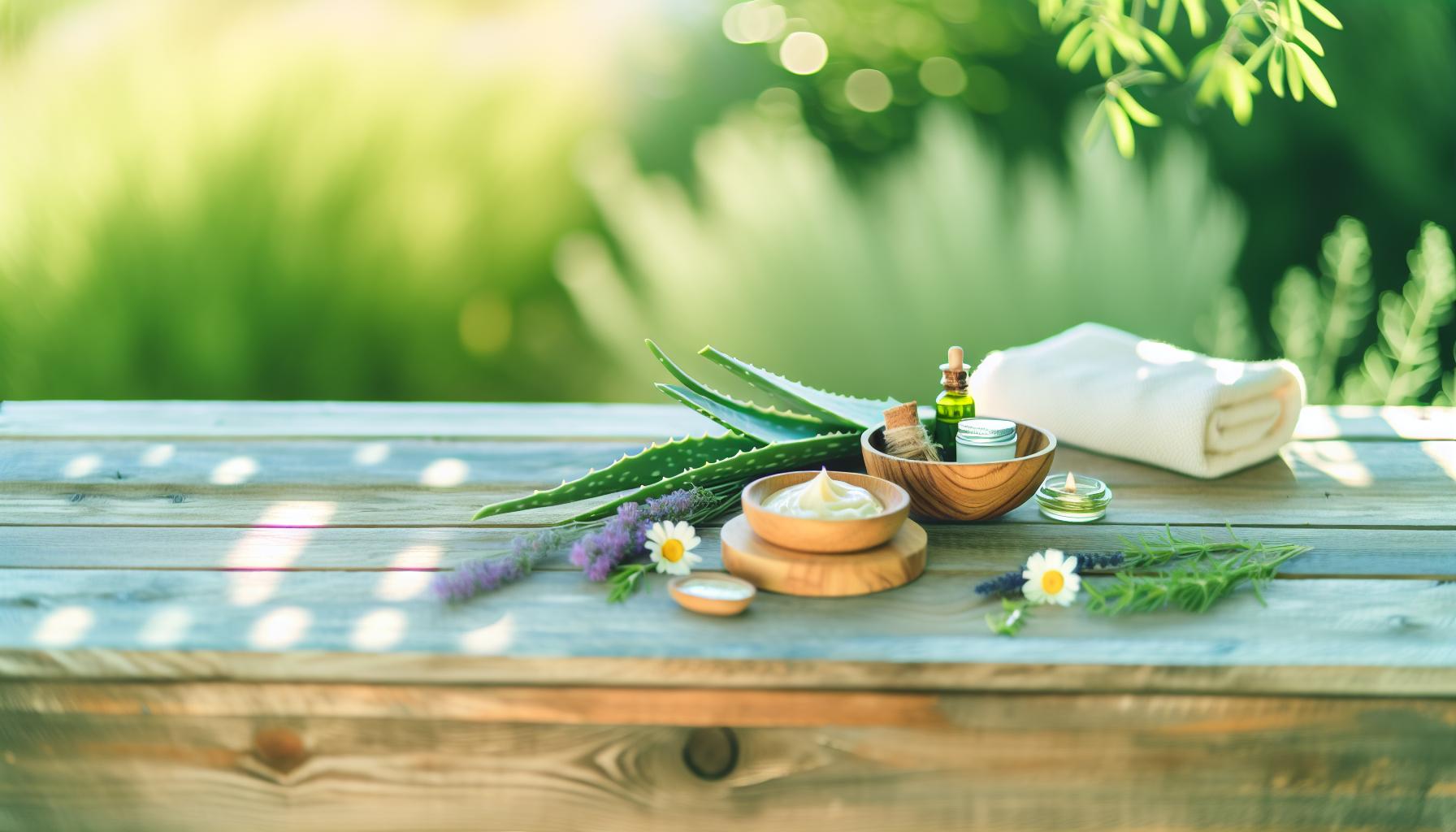
When dealing with hemorrhoids, finding effective methods to alleviate itching and discomfort is essential. Luckily, there are various natural topical treatments that can provide significant relief. Many of these remedies are readily available in your kitchen or local health store, making them convenient options for those seeking comfort from this condition.
Aloe vera is a popular choice for soothing skin irritations thanks to its anti-inflammatory properties. Applying pure aloe vera gel directly to the affected area can help reduce swelling and provide a cooling effect. Similarly, witch hazel is renowned for its ability to diminish pain and itching; its astringent properties help shrink swollen tissues and calm inflammation. Simply soak a cotton ball in witch hazel and gently dab it onto the hemorrhoids for relief.
Coconut oil is another natural remedy that works wonders for some individuals. Its moisturizing properties can prevent dryness and irritation, while its anti-inflammatory effects may help ease discomfort. Applying a small amount to the affected area can provide quick relief. Additionally, consider using warm baths with Epsom salt, which can help relax the muscles and promote healing. Sitting in a warm bath for about 15-20 minutes can be incredibly beneficial after a long day or following a bowel movement.
Lastly, don’t overlook the potential of essential oils like tea tree oil, which is often used for its antimicrobial and anti-inflammatory benefits. Dilute a few drops in a carrier oil, such as coconut oil, before applying it to the inflamed area. This combination can not only soothe discomfort but also support healing.
Incorporating these natural topical treatments into your self-care routine can significantly alleviate discomfort caused by hemorrhoids. However, it’s essential to remember that everyone’s body reacts differently. If symptoms persist or worsen, consulting a healthcare professional is crucial for personalized advice and treatment options.
Herbal Remedies for Hemorrhoids: What Works?
Exploring herbal remedies for hemorrhoids opens a gateway to natural relief methods that have been utilized for centuries. Many individuals seek alternatives to over-the-counter medications, and understanding which herbs are effective can empower those dealing with this uncomfortable condition. While scientific support for these remedies can vary, certain herbs have gained recognition for their purported benefits in treating hemorrhoids.
One of the most popular herbal options is horse chestnut. Rich in a compound called aescin, horse chestnut is believed to improve vein tone and reduce inflammation. It can be taken in capsule form or applied topically as a cream to the affected area. Another effective herb is butcher’s broom, which is often used for its strong astringent properties, helping to decrease swelling and boost circulation around the hemorrhoidal veins.
Furthermore, marshmallow root is known for its soothing qualities. It contains mucilage, which helps to coat and calm irritated tissue when either consumed as a tea or applied as a poultice. Similarly, flavonoid-rich herbs such as bilberry and grape seed extract can improve capillary strength and blood flow, potentially alleviating symptoms associated with hemorrhoids.
To maximize the potential of these herbal remedies, consider integrating them into your routine with these practical tips:
- Consultation: Always consult with a healthcare professional before incorporating new herbs into your treatment plan, especially if you’re on medication or have underlying health conditions.
- Consistency: Use herbal remedies consistently over a few weeks to gauge their effectiveness.
- Combination: Combining herbal treatments with dietary changes, such as increasing fiber intake, can enhance effectiveness.
Although many individuals find relief with herbs, it’s crucial to listen to your body and consult with healthcare providers if symptoms persist. They can help guide you toward a holistic approach that combines the best of herbal wisdom and modern medicine for optimal hemorrhoid management.
The Role of Hydration in Hemorrhoid Management
Maintaining adequate hydration is crucial in the management of hemorrhoids, a common issue characterized by swollen veins in the rectal area that can cause discomfort, pain, and bleeding. One of the primary factors contributing to the development and exacerbation of hemorrhoids is straining during bowel movements, which can be significantly mitigated through proper hydration. When the body is well-hydrated, it helps to soften stool, making it easier to pass and reducing the pressure on the affected veins.
To illustrate the importance of hydration, consider that many individuals do not meet their daily water intake needs, which can lead to constipation. As a result, harder stools require more effort to expel, resulting in increased strain that can aggravate or lead to the formation of hemorrhoids. For this reason, drinking sufficient water throughout the day is a simple yet effective approach to alleviate this common ailment. Aim for at least eight 8-ounce glasses of water daily, adjusting for factors such as climate, activity level, and individual health needs.
In addition to plain water, incorporating hydrating foods into your diet can further enhance fluid intake. Foods such as cucumbers, watermelon, oranges, and strawberries have high water content, providing a dual benefit of hydration and essential nutrients. Here are some practical tips to optimize your hydration efforts:
- Set reminders: Use your phone or a timer to remind yourself to drink water at regular intervals.
- Create a hydration schedule: Designate times during the day, such as first thing in the morning or with each meal, to ensure you consistently consume fluids.
- Flavor your water: If plain water feels monotonous, add slices of lemon, cucumber, or mint to make it more enjoyable.
Moreover, while increasing hydration is influential, it is essential to couple this practice with other lifestyle modifications. Complementing hydration with increased fiber intake (via whole grains, fruits, and vegetables) supports healthy digestion and can further prevent hemorrhoids. However, individuals should consult healthcare providers for personalized advice tailored to their unique circumstances, particularly if symptoms persist. Emphasizing the synergy between hydration, diet, and lifestyle adjustments fosters a holistic approach to hemorrhoid management, empowering individuals to take control of their health effectively.
Gentle Exercises to Improve Hemorrhoid Symptoms
Engaging in gentle exercises can significantly alleviate the discomfort associated with hemorrhoids. Not only do these exercises promote better circulation and strengthen the pelvic floor, but they also contribute to regular bowel movements, which are crucial in preventing the straining that often exacerbates hemorrhoid symptoms. Incorporating movement into your daily routine does not have to be strenuous; simple and mindful exercises can yield considerable benefits.
One effective way to start is with walking. A daily walk, even if it’s just for 20 to 30 minutes, can enhance blood flow to the pelvic area while also helping to keep your digestive system functioning optimally. Walking is low-impact and can be easily integrated into your daily life, whether as part of a commute or a leisure activity. Yoga is another excellent choice, as it combines movement with breath control, helping to relax the body and ease tension. Poses such as Child’s Pose and Cat-Cow can promote gentle stretching in the lower body, which helps improve circulation to the area and can relieve discomfort.
Additionally, pelvic floor exercises, commonly known as Kegel exercises, are beneficial in strengthening the muscles that support the pelvic organs. To perform Kegels, tighten the muscles used to stop urination and hold for a count of five, then relax. Aim to repeat this 10-15 times, three times a day. You’ll not only support a healthy pelvic region but may also find that regular practice aids in reducing hemorrhoid-related issues.
To round out your regimen, consider adding some light abdominal exercises. For example, lying on your back with your knees bent and feet flat on the floor, gently raise your head and shoulders while pressing your lower back into the floor. This controlled movement promotes core strength without adding strain, which is vital for managing hemorrhoids.
- Walking: Aim for 20-30 minutes daily.
- Yoga: Incorporate child’s pose and cat-cow stretches.
- Kegel Exercises: Tighten pelvic floor muscles for counts of five.
- Light abdominal exercises: Focus on controlled movements.
As a gentle reminder, always listen to your body. If any exercise induces pain or discomfort, it’s essential to stop and consult with a healthcare professional to tailor your exercise routine to your individual needs. Embracing these gentle activities not only aids in managing hemorrhoid symptoms but also contributes to overall well-being, providing a proactive approach in your journey toward better health.
Alternative Therapies: Acupuncture and Homeopathy
Exploring the world of alternative therapies reveals a range of options for managing hemorrhoids, notably acupuncture and homeopathy. Acupuncture, a practice rooted in Traditional Chinese Medicine, involves inserting thin needles into specific points on the body to stimulate blood circulation and promote healing. Many individuals report a decrease in pain and inflammation after undergoing acupuncture sessions, as the technique can effectively enhance local blood flow to the pelvic region and alleviate discomfort associated with hemorrhoids. Some studies have suggested that acupuncture may help decrease symptoms in patients with chronic pain conditions, which might extend to those suffering from hemorrhoid-related issues.
Homeopathy, on the other hand, operates on the principle of “like cures like.” In this system, highly diluted substances are used to trigger the body’s healing response. For hemorrhoids, remedies such as Aesculus hippocastanum (horse chestnut) and Hamamelis virginiana (witch hazel) are often explored. These substances are believed to address inflammation and improve venous circulation, potentially leading to symptom relief. However, it’s essential to consult with a trained homeopath to find the remedy that best fits your specific symptoms, as individualized treatment is a hallmark of this approach.
When considering these alternative therapies, it’s important to adopt a holistic outlook that includes lifestyle adjustments, diet, and hydration, which can also contribute significantly to relief. Always ensure to discuss these options with a healthcare professional to determine their suitability for your condition and to avoid any potential interactions with conventional treatments. By integrating acupuncture and homeopathy into a broader, supportive care plan, you may find a promising avenue toward easing your hemorrhoid discomfort while fostering overall wellness.
Lifestyle Adjustments to Prevent Hemorrhoids
Maintaining a healthy lifestyle can significantly reduce the risk of developing hemorrhoids, and simple adjustments can make a big difference. Hemorrhoids often stem from increased pressure in the lower rectum, which can be influenced by various factors, including diet, physical activity, and overall wellness. By incorporating specific lifestyle adjustments, you can not only prevent the onset of hemorrhoids but also support overall digestive health.
One of the most effective preventative measures is to focus on dietary choices. Increasing your intake of fiber-rich foods such as fruits, vegetables, whole grains, and legumes can help to soften stools and promote regular bowel movements. This can minimize straining during bowel movements, which is a primary cause of hemorrhoids. Aim for at least 25-30 grams of fiber each day. If you’re not used to a high-fiber diet, increase your fiber consumption gradually to prevent bloating or discomfort.
Staying Active
Regular physical activity is another essential component of hemorrhoid prevention. Engaging in moderate exercises such as walking, swimming, or cycling can improve circulation, promote digestion, and help maintain a healthy weight-all of which contribute to lower pressure on the veins in the rectal area. Aim for at least 30 minutes of exercise most days of the week. Additionally, avoid prolonged sitting or standing, as this can exacerbate pressure in the rectal area. If you have a sedentary job, consider taking short breaks to stand, stretch, or walk around every hour.
Hydration Matters
Hydration plays a critical role in preventing hemorrhoids as well. Drinking adequate amounts of water helps to keep stools soft and prevents constipation. Adult men should aim for about 3.7 liters (or about 13 cups) and women for 2.7 liters (or about 9 cups) of fluids daily, depending on individual needs, physical activity levels, and overall health considerations. If you’re active, you may need more fluids to stay hydrated.
Healthy Bathroom Habits
Additionally, adopting healthy bathroom habits can further prevent hemorrhoids. Avoiding straining or holding your breath while trying to pass stools is crucial, as this increases pressure on rectal veins. If you feel the urge to go, don’t delay. Establishing a consistent bathroom schedule can help your body develop a routine, making it easier to void stool without pressure.
Incorporating these conscious lifestyle adjustments-dietary enhancements, increased physical activity, staying properly hydrated, and good bathroom habits-can substantially reduce the likelihood of hemorrhoids developing. Remember, while these strategies are beneficial, it’s important to consult with a healthcare provider for personalized medical advice and support in managing your health. Taking these proactive steps not only promotes digestive health but enhances your overall well-being.
When to Seek Medical Help for Hemorrhoids
Despite the discomfort hemorrhoids can cause, many people can manage their symptoms effectively at home with simple remedies and lifestyle adjustments. However, it’s vital to recognize when the situation may require professional medical attention. If you experience certain warning signs, it’s crucial to reach out to a healthcare provider who can offer tailored advice and treatment options.
There are specific symptoms that should prompt a visit to your healthcare professional. First, if you notice severe pain or discomfort that does not improve, even with home remedies, this could indicate a more serious issue. Second, if you experience significant bleeding during bowel movements, particularly if the blood is bright red or has a high volume, an evaluation is necessary to rule out other conditions. Additionally, if your symptoms persist for more than a week despite home treatment, it’s time to seek medical guidance. Chronic symptoms can lead to complications and may require medical intervention.
In some cases, the physical examination alone may not suffice. If a lump near your anus appears or you feel a swelling, this too warrants a professional consultation because it could denote thrombosed hemorrhoids or other complications. It’s also advisable to seek medical advice if you face accompanying symptoms like dizziness or fainting, which could be related to blood loss.
Consulting a healthcare provider not only clarifies your condition but also opens avenues for various treatment options, such as prescription medications, minimally invasive procedures, or other therapeutic interventions that might offer more effective relief than over-the-counter solutions. Early intervention can not only alleviate discomfort but may also improve your quality of life and allow you to return to normal activities sooner. Always prioritize your health by consulting a qualified professional to navigate your symptoms effectively.
Comparing Home Remedies with Medical Treatments
When navigating the discomfort of hemorrhoids, understanding the spectrum of treatment options is essential for effective relief. Many people first turn to home remedies, often framed as the safest and most natural approach. Options like increased fiber intake, warm sitz baths, or topical treatments such as witch hazel can be both soothing and effective, addressing mild to moderate symptoms without the need for pharmaceuticals. However, the efficacy of these remedies can vary greatly among individuals, dependent on the severity of their condition. For initial, uncomplicated cases, following a self-care regimen can lead to significant improvement within a few days.
On the other hand, medical treatments offer a more targeted and often quicker resolution for more severe or persistent symptoms. Healthcare professionals can prescribe medications that specifically address inflammation and pain, along with minimally invasive procedures like rubber band ligation or sclerotherapy, which are designed to eliminate problematic hemorrhoids. These interventions can provide immediate relief and potentially prevent the recurrence of hemorrhoids, something that home remedies might not guarantee.
While home remedies can be a fantastic first step, it is important to recognize their limitations. Individuals facing severe pain, significant bleeding, or a lack of improvement after several days may need to transition to medical solutions. In these cases, a healthcare provider can evaluate the situation thoroughly and recommend appropriate treatments that may include prescription options or suggest necessary lifestyle changes to complement ongoing care.
Choosing between home remedies and medical treatments ultimately depends on the severity of the symptoms and the individual’s comfort level. Engaging in open dialogue with healthcare professionals is crucial. They can guide you in making informed decisions that balance effective treatment with personal health goals. Remember, while home treatments often provide a quick fix, persistent issues usually require more comprehensive medical evaluation and intervention to offer lasting relief.
Evidence-Based Research on Natural Hemorrhoid Cures
Research has shown that several natural remedies can effectively alleviate the discomfort associated with hemorrhoids. A deeper understanding of these treatments can empower individuals to make informed decisions about their health and wellness. For instance, one study highlighted that a combination of diosmin and hesperidin, two bioflavonoids, significantly reduced the frequency and severity of hemorrhoid flare-ups in participants compared to a placebo. This suggests that natural compounds can play a crucial role in managing symptoms and promoting healing [2].
Another promising natural treatment is the application of topical agents such as witch hazel and aloe vera. These remedies possess anti-inflammatory properties that can soothe pain and minimize swelling. Warm sitz baths, often recommended as a simple yet effective home remedy, can also provide relief by improving blood circulation and promoting relaxation in the affected area. Evidence supporting these practices comes from numerous anecdotal reports and some clinical observations, indicating their role in comfort management for individuals dealing with hemorrhoids [3].
Additionally, lifestyle factors such as hydration and dietary changes can significantly impact the prevention and management of hemorrhoids. Increasing fiber intake can soften stools and ease bowel movements, reducing the strain that often exacerbates hemorrhoid symptoms. The importance of hydration cannot be overstated; proper fluid intake supports overall digestive health, further helping to minimize the incidence of hemorrhoids. This holistic approach, combining dietary adjustments with targeted treatments, illustrates the multifaceted nature of hemorrhoid management [1].
Ultimately, while these natural remedies can be effective and complement medical treatment, it is essential for individuals to consult healthcare professionals for personalized advice. This ensures that they choose appropriate and evidence-based treatments tailored to their specific needs and circumstances.
Frequently Asked Questions
Q: What are the best home remedies for hemorrhoids?
A: Effective home remedies for hemorrhoids include warm sitz baths, witch hazel applications, and aloe vera gel. These methods help reduce inflammation and soothe discomfort. Additionally, dietary changes such as increasing fiber intake and hydration can prevent further issues. For more insights, check our section on effective dietary changes.
Q: How long do homemade remedies take to work for hemorrhoids?
A: Homemade remedies for hemorrhoids often provide relief within a few days to a week. However, results can vary based on severity. Consistent use of topical treatments and dietary modifications can enhance effectiveness over time.
Q: Can dietary changes help prevent hemorrhoids?
A: Yes, dietary changes such as increasing fiber intake and staying hydrated can help prevent hemorrhoids. A balanced diet with fruits, vegetables, and whole grains promotes easier bowel movements and reduces strain. Refer to our article on effective dietary changes for specific recommendations.
Q: Why do hemorrhoids occur, and can home remedies address the causes?
A: Hemorrhoids occur due to increased pressure in the rectal veins, often from straining during bowel movements, pregnancy, or prolonged sitting. Home remedies can alleviate discomfort and help manage symptoms but may not address underlying causes. For comprehensive solutions, consider lifestyle adjustments mentioned in our article.
Q: Are there any risks associated with using homemade hemorrhoid remedies?
A: Most homemade remedies are safe, but skin irritation can occur from topical applications like witch hazel or aloe vera. Always do a patch test first, and consult a healthcare provider if symptoms worsen or persist. For a more in-depth understanding, see our section on when to seek medical help.
Q: What alternative therapies can help with hemorrhoids?
A: Alternative therapies such as acupuncture and homeopathy can provide relief for some individuals. These treatments may help alleviate symptoms and address underlying issues without invasive methods. Explore our article’s alternative therapies section for detailed insights.
Q: How can gentle exercises improve hemorrhoid symptoms?
A: Gentle exercises like walking or yoga can improve circulation and reduce pressure on the veins, helping relieve hemorrhoid symptoms. Incorporating movement into your routine can also aid digestion and regular bowel movements, as discussed in our section on gentle exercises.
Q: When should I consider medical treatment for hemorrhoids?
A: If home remedies do not alleviate symptoms within a week or if you experience severe pain, bleeding, or prolapsed hemorrhoids, seek medical help. It’s crucial to consult a healthcare professional for personalized advice and treatment options when needed. For more guidance, see our section on when to seek medical help.
To Wrap It Up
As we conclude our exploration of “Home Remedies for Hemorrhoids: 8 Natural Cures That Work,” remember that finding relief is not just possible-it’s within your reach. Utilizing these natural remedies can help ease discomfort and promote healing. Don’t wait; start implementing these strategies today for a more comfortable tomorrow! If you have any questions or personal experiences to share, feel free to leave a comment below. Your insights could help others facing similar challenges.
For more health insights, check out our articles on “Nutrition for Digestive Health” and “Natural Supplements for Wellness” to further enhance your well-being. Consider signing up for our newsletter for the latest tips and resources delivered straight to your inbox. Your health is important-stay informed and empowered on your journey to better wellness!