Did you know that a healthy scalp is crucial for luscious hair growth and overall hair health? Many people struggle with various scalp conditions, from dryness and itching to dandruff and irritation. These issues can be frustrating not only because they affect your appearance but also due to the discomfort they cause. The good news is that natural homemade solutions can offer relief and restore your scalp’s balance, making it vital to explore effective remedies that are both safe and easy to prepare at home. By incorporating simple, everyday ingredients into your self-care routine, you can nourish your scalp, combat common problems, and enhance your hair’s vitality. Join us on this journey to discover practical, natural solutions that empower you to care for your scalp and achieve that healthy, beautiful hair you desire.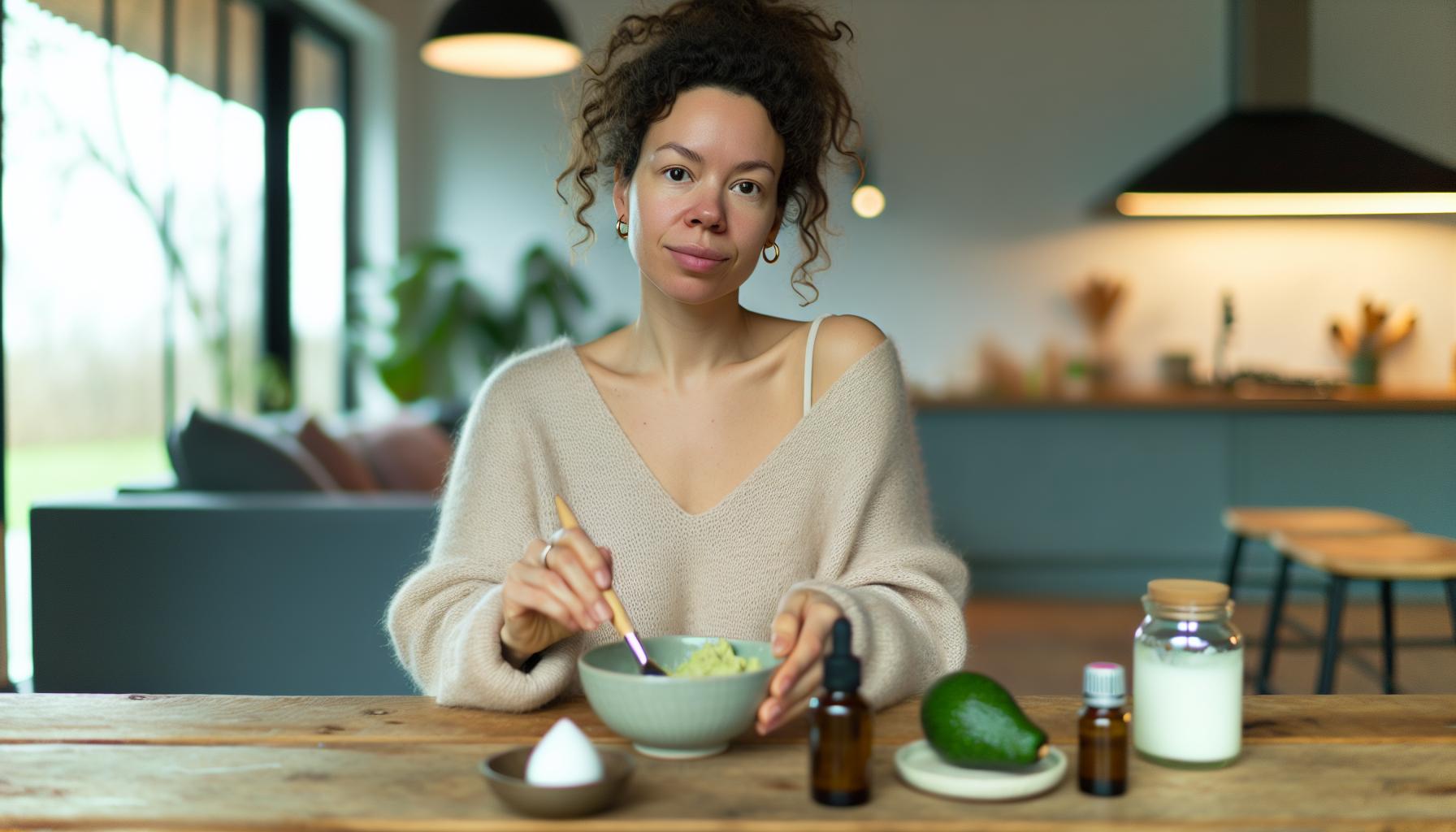
Understanding Your Scalp Health Needs
A healthy scalp is the foundation for beautiful hair, yet many people overlook its needs until issues arise. Understanding your scalp’s specific requirements is crucial, as its health directly impacts hair growth and overall appearance. Scalp health varies from person to person due to factors such as genetics, environmental conditions, and personal habits. For example, if your scalp feels itchy or appears flaky, it may indicate dryness or irritation that requires immediate attention. Conversely, an excessively oily scalp could point to overactive sebaceous glands that may need regulation through proper care.
To assess your scalp’s needs, start by observing its condition regularly. Signs of an unhealthy scalp can include redness, inflammation, excessive dandruff, or unusual sensitivity. Identifying these indicators early allows you to take proactive steps-such as adjusting your cleansing routine or incorporating scalp-specific treatments like oils or masks tailored to your scalp type. Understanding your scalp’s needs isn’t just about treating existing issues; it is also about implementing preventative measures, such as maintaining a balanced diet rich in vitamins and minerals that support both scalp and hair health.
Creating a personalized approach that includes both daily care and occasional intensive treatments can significantly improve scalp health. Consider incorporating natural homemade solutions, such as aloe vera or tea tree oil, which are known for their soothing and antifungal properties. To truly optimize your scalp’s health, it’s essential to combine these treatments with a comprehensive understanding of how factors like stress, diet, and environmental exposure affect your scalp’s condition. By placing emphasis on the unique requirements of your scalp, you empower yourself to foster an environment conducive to healthy, vibrant hair growth.
Natural Ingredients for Scalp Nourishment
Nourishing your scalp with natural ingredients can significantly enhance its health and contribute to vibrant hair growth. Many people are turning to homemade remedies to address various scalp issues, recognizing the power of simple, wholesome components found right in their kitchen. Ingredients like aloe vera, coconut oil, and honey are not only effective but also safe for frequent use, making them ideal choices for those seeking to improve their scalp condition naturally.
Aloe Vera
Aloe vera gel is renowned for its soothing properties. It’s packed with vitamins and minerals that can hydrate a dry scalp and calm irritation. Simply apply fresh aloe vera gel directly to your scalp, leave it on for 30 minutes, and rinse with a mild shampoo. Regular use can help mitigate symptoms of dandruff and promote healthier hair follicles.
Coconut Oil
Coconut oil is another powerful ally when it comes to scalp nourishment. Rich in fatty acids, it can penetrate the hair shaft, reducing protein loss and keeping the scalp moisturized. Warm up some coconut oil and gently massage it into your scalp. This not only hydrates but also stimulates blood circulation, promoting healthier hair growth. Allow it to sit for a few hours or overnight before washing it out for maximum benefits.
Honey
Honey is a humectant, meaning it helps retain moisture, making it perfect for hydrating a dry scalp. Mix honey with equal parts water or a carrier oil and apply it to your scalp. Let it sit for about 20-30 minutes before rinsing. Incorporating honey into your scalp care routine not only alleviates dryness but also adds a natural shine to your hair.
With their unique properties, these natural ingredients can effectively rejuvenate your scalp, addressing dryness, irritation, and flakiness. Remember, while these homemade solutions often yield positive results, it’s essential to consult with a healthcare professional, especially if you have persistent scalp issues or sensitivities. Balancing these natural treatments with a comprehensive understanding of your personal scalp health needs will empower you to foster a healthier, more vibrant scalp and ultimately enhance your hair’s appearance.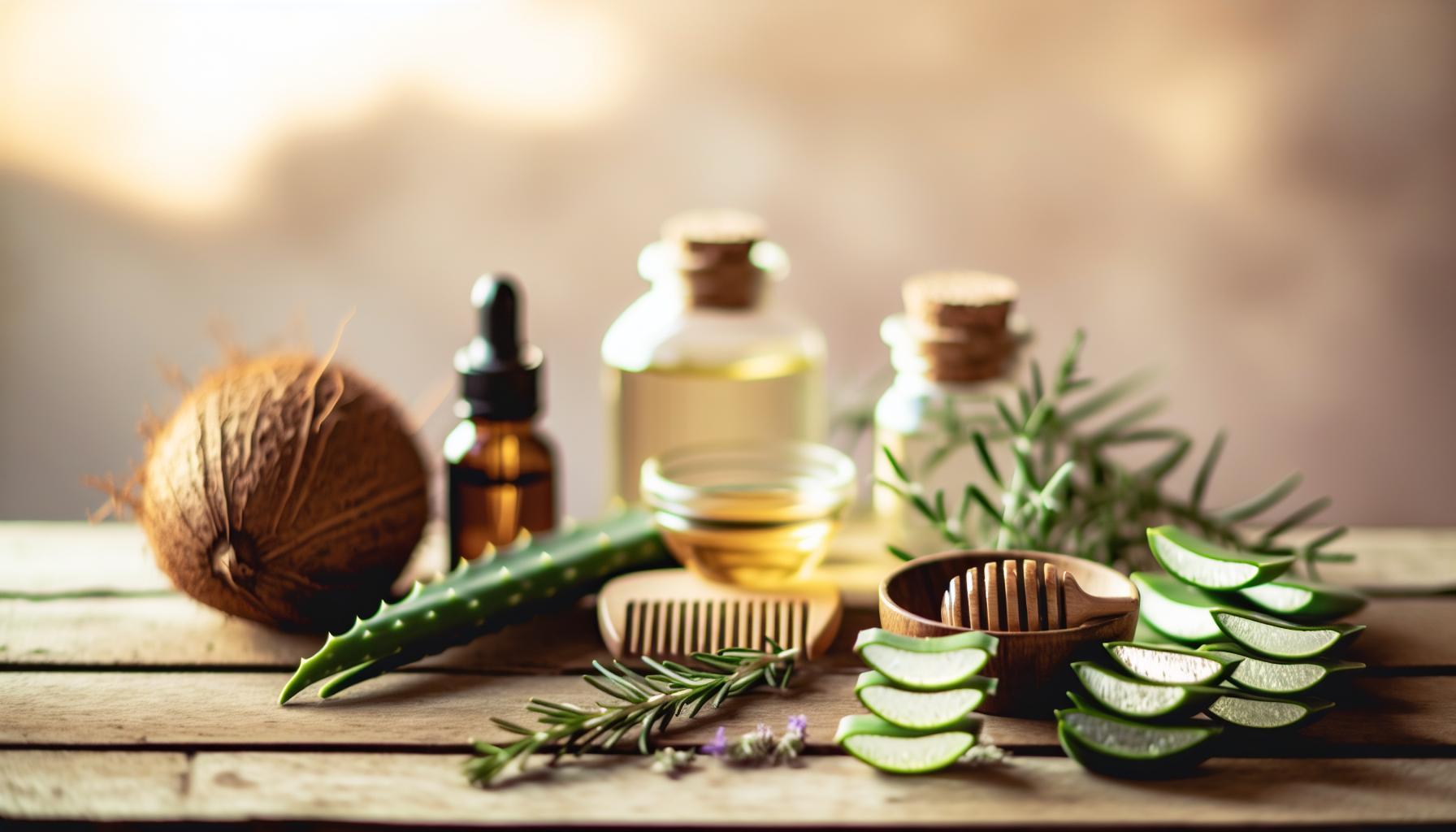
Step-by-Step: DIY Scalp Treatments
There’s something uniquely satisfying about crafting your own scalp treatments using natural ingredients from your kitchen. Not only can DIY treatments save you money, but they also allow you to tailor your scalp care routine to meet your specific needs. Here’s a step-by-step guide to creating some effective homemade solutions that can hydrate, soothe, and nourish your scalp.
Start by assessing your scalp needs. If you’re dealing with dryness, flaky skin, or irritation, consider a gentle scrub to exfoliate the scalp. A simple treatment can be made using sugar and olive oil: combine two tablespoons of sugar with three tablespoons of olive oil. Gently massage this mixture onto your scalp for about 5-10 minutes before rinsing with warm water. This will remove dead skin cells and unclog hair follicles, promoting a healthier environment for hair growth.
For more targeted treatment, essential oils offer a potent option. Consider a blend of rosemary and tea tree oil in a carrier oil like coconut. Mix a few drops of each oil into two tablespoons of coconut oil and apply it directly to your scalp. Leave it on for at least 30 minutes before washing it out with a mild shampoo. Rosemary oil is known for its ability to stimulate hair growth and improve circulation, while tea tree oil is renowned for its antifungal and antibacterial properties, making it excellent for combating dandruff.
For deeper nourishment, you might try a moisturizing mask using avocado and honey. Mash one ripe avocado and combine it with two tablespoons of honey until smooth. Apply this mixture liberally to your scalp and hair and allow it to sit for about 20-30 minutes. Avocados are rich in healthy fats and vitamins that deeply penetrate the scalp, while honey helps retain moisture, leaving your hair and scalp feeling revitalized.
Transitioning to a holistic approach, these DIY treatments not only make great use of natural ingredients but also empower you to take control of your scalp health. Remember to perform a patch test before trying any new ingredient to avoid adverse reactions. And when persistent issues arise, don’t hesitate to consult with a healthcare professional for tailored advice and solutions. By integrating these treatments into your routine, you can foster a healthier scalp and, consequently, more vibrant hair.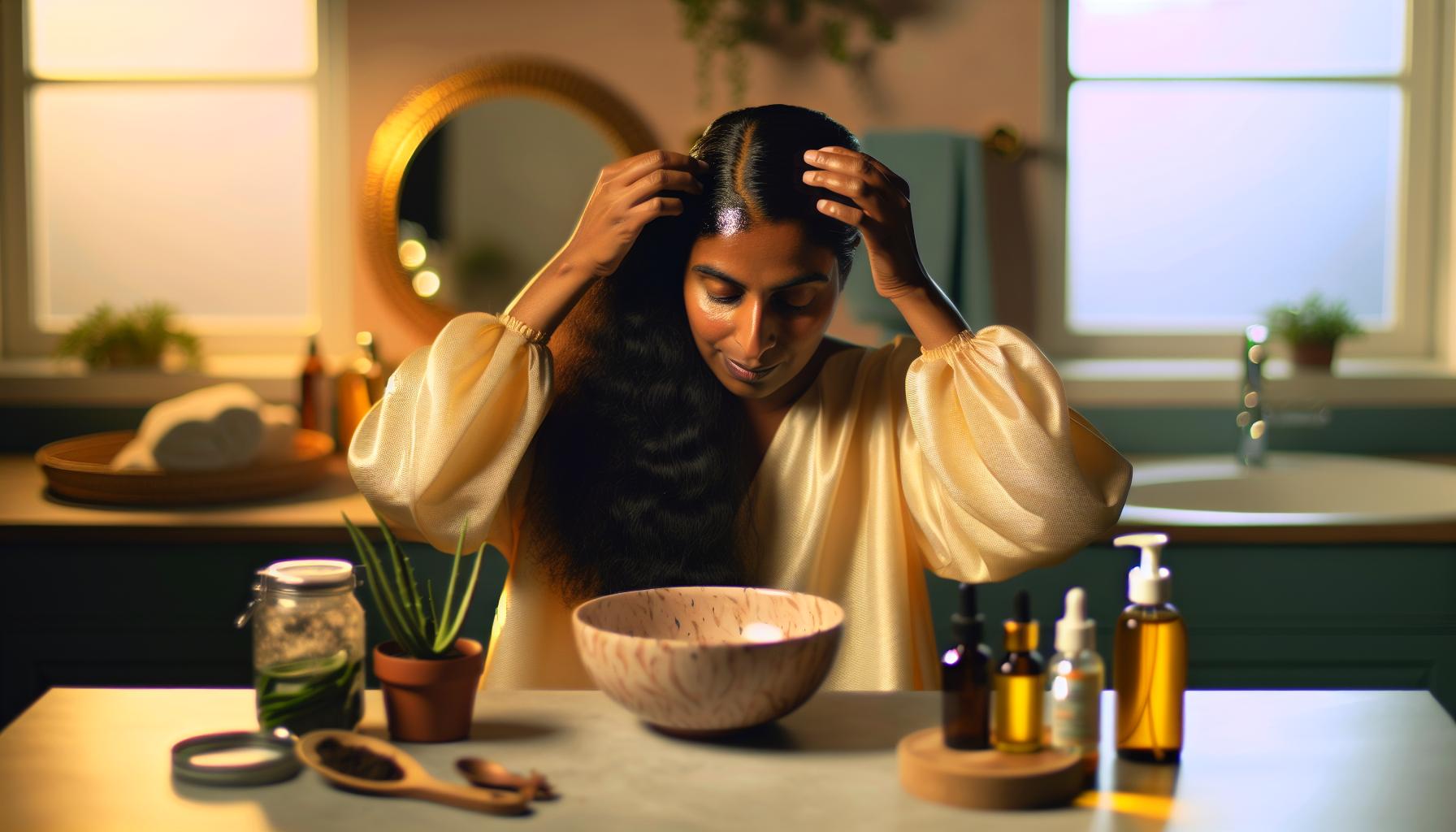
Benefits of Essential Oils for Scalp Care
Essential oils have surged in popularity for their myriad benefits, particularly when it comes to scalp care. Their concentrated nature offers powerful properties that can address a variety of scalp concerns, making them a fantastic addition to your DIY treatments. Many essential oils contain antifungal, antibacterial, and anti-inflammatory properties, which can help alleviate issues such as dandruff, itching, and even hair loss.
Using essential oils like rosemary, lavender, and tea tree can significantly enhance your scalp health. Rosemary oil is well-known for improving circulation, which can promote hair growth. A study found that when rosemary oil was applied to the scalp, participants experienced better hair growth compared to those using a placebo. Lavender oil not only adds a pleasant fragrance but also has calming properties, which can help reduce stress-another factor that may contribute to hair thinning and scalp issues. Meanwhile, tea tree oil stands out for its effectiveness against dandruff due to its ability to combat fungal growth.
How to Use Essential Oils Effectively
To harness the benefits of essential oils, they should always be diluted with a carrier oil-such as coconut, jojoba, or olive oil-before applying them to your scalp. A simple treatment involves blending a few drops of your chosen essential oil with a couple of tablespoons of carrier oil and gently massaging it into your scalp. This not only allows the oil to penetrate effectively but also provides the added benefit of a scalp massage, which promotes circulation.
Incorporating essential oils into your routine adds another layer of nourishment. For dry scalp issues, consider a mixture of peppermint oil and a carrier oil to stimulate circulation and provide a cooling sensation. If your scalp is feeling more irritated, geranium oil may help balance oil production and soothe any inflammation. By exploring different combinations, you can customize your scalp treatment to fit your unique needs.
Whether you’re struggling with dryness, itchiness, or just looking to maintain a healthy scalp, essential oils can play an essential role in your holistic approach to scalp care. Just remember to conduct a patch test before trying any new essential oil, and consult with a healthcare professional if you experience persistent issues. Integrating these nature-derived solutions can help empower you to take control of your scalp health, leading to not only a healthier scalp but also more vibrant, beautiful hair.
Herbal Remedies for Common Scalp Issues
Exploring herbal remedies can be a transformative approach to addressing common scalp issues, grounded in centuries of holistic care. Many plants are rich in properties that can nourish the scalp, reduce inflammation, and combat infections, making them effective allies for your scalp health. For instance, aloe vera is renowned for its soothing properties and can alleviate irritation and dryness. When applied as a gel, it not only hydrates the scalp but also promotes healing of minor abrasions and reduces dandruff by combating the fungus that often leads to flaking.
Another remarkable herb, neem, has potent antibacterial and antifungal properties that make it an excellent choice for treating scalp conditions like dandruff and scalp psoriasis. A simple infusion can be made by boiling neem leaves in water, then cooling and applying the strained liquid to the scalp. This treatment can help eliminate itchiness while purifying the scalp. Similarly, fenugreek seeds, which can be soaked overnight and blended into a paste, provide nourishment and hydration, helping to strengthen hair follicles and prevent hair loss.
Popular Herbal Remedies
- Aloe Vera: Apply pure aloe vera gel directly on the scalp to soothe and hydrate.
- Neem: Use neem-infused water as a rinse to combat dandruff and infection.
- Fenugreek: Create a paste from soaked seeds to nourish and strengthen hair.
- Brahmi: An ayurvedic herb that promotes hair growth and helps with relaxation; mix it with carrier oil for a scalp treatment.
- Hibiscus: Use the leaves or flowers to make a conditioner that nourishes the scalp and enhances hair shine.
Incorporating these herbs into your scalp care routine can enhance your overall hair health while addressing specific concerns. However, it’s essential to proceed with caution-always conduct a patch test before trying any new remedy and consult a healthcare professional for persistent or severe scalp issues. By integrating these natural solutions into your regimen, you can foster a healthier, balanced environment for your hair to thrive.
Nourishing Hair Masks to Revitalize Your Scalp
The health of your scalp is crucial not just for the appearance of your hair but also for its overall vitality. Creating homemade nourishing hair masks can be an excellent way to revitalize your scalp while using natural ingredients that provide essential nutrients. These masks can soothe irritation, promote hydration, and stimulate hair growth, making them a key component of a holistic hair care routine.
One effective mask can be made from avocado, known for its rich source of healthy fats and vitamins. To prepare, mash one ripe avocado and mix it with two tablespoons of olive oil and a tablespoon of honey. This combination will deeply moisturize your scalp and reduce dryness, while the antioxidants in avocado help combat oxidative stress. Apply the mask directly to your scalp and hair, leave it on for about 30 minutes, and rinse thoroughly to reveal softer, more nourished hair.
Another fantastic option is a yogurt and banana mask. Yogurt contains probiotics which can balance the scalp’s microbiome, reducing dandruff and itchiness, while bananas provide nourishment and hydration. Blend one ripe banana with half a cup of yogurt and a tablespoon of honey until smooth. Apply this mixture to your scalp and hair, letting it sit for 20-30 minutes before rinsing with lukewarm water. This mask not only moisturizes but also adds shine and smoothness to your hair.
For those dealing with oily scalp conditions, a green tea mask can work wonders. Brew two bags of green tea and allow it to cool, then mix it with half a cup of plain yogurt and a tablespoon of lemon juice. Green tea’s antioxidants help reduce excess oil, while lemon balances the scalp’s pH levels. Apply this mask, leave it on for about 25 minutes, and rinse out to enjoy a refreshed and rejuvenated scalp.
Utilizing these natural homemade solutions fosters a healthier environment for hair growth while addressing various scalp conditions. Remember to patch test any new ingredient to ensure you don’t have a sensitivity or allergy. Regular application of these nourishing masks can not only revitalize your scalp but also provide a sensory experience that enhances your self-care routine. As always, if you experience persistent scalp issues, consulting a healthcare professional is advisable for personalized care.
The Role of Diet in Scalp Health
A well-balanced diet plays a pivotal role in the health of your scalp, influencing not only its condition but also the quality of your hair. Nutrients derived from food can significantly enhance scalp vitality, promote hair growth, and combat various scalp issues like dryness and flakiness. Consuming nutrient-rich foods ensures that your scalp receives essential vitamins and minerals that support its barrier function and overall health.
To start, include foods high in omega-3 fatty acids, such as salmon, walnuts, and chia seeds, which help to keep your scalp hydrated. A healthy scalp requires adequate moisture, and omega-3s contribute to maintaining both hydration and elasticity. In addition, fruits and vegetables rich in antioxidants, like berries, spinach, and sweet potatoes, play a crucial role in combating oxidative stress, which can lead to scalp inflammation and hair loss. These antioxidants help protect scalp cells from damage and can promote a healthier environment for hair follicles.
Moreover, proper hydration cannot be overstated. Drinking sufficient water daily keeps your scalp hydrated from within, preventing dryness and flaking. Aim for at least eight glasses of water daily, and consider herbal teas as an additional source of hydration. Avoid excessive consumption of processed foods, sugars, and saturated fats, which can trigger inflammation and exacerbate scalp conditions.
Incorporating protein-rich foods is also essential, as hair is primarily made up of a protein called keratin. Lean meats, dairy products, legumes, and lentils should be regular features in your diet. Not only do these foods support hair strength, but they also contribute to the overall health of your scalp. As you focus on these dietary changes, remember that individual health variations exist. For personalized advice tailored to your specific health needs or conditions, consulting a healthcare professional is always a wise choice.
Exfoliating Techniques for a Healthier Scalp
Exfoliating your scalp is a crucial step for maintaining overall scalp health, yet it’s often overlooked in many hair care routines. Just like your facial skin, your scalp accumulates dead skin cells, product buildup, and excess oil, leading to issues like dandruff, itchiness, and even hindered hair growth. By incorporating exfoliation into your regimen, you can promote a cleaner, healthier scalp, paving the way for luscious, vibrant hair.
To effectively exfoliate your scalp, consider using natural ingredients that not only cleanse but also nourish. For instance, a mixture of sugar or sea salt with coconut oil or olive oil can create a gentle scrub. The grains help to physically remove dead skin cells while the oils moisturize the scalp, preventing any over-drying. When applying the scrub, use your fingertips to massage in circular motions, ensuring you cover the entire scalp. Rinse thoroughly afterward, and follow up with your regular shampoo and conditioner routine to remove any residual exfoliant.
Another effective method is to mix baking soda with water to form a paste. This mixture acts as a natural exfoliant, helping to lift away excess oil and product buildup. Apply it directly to the scalp, allow it to sit for a few minutes, and then rinse well. Alternatively, for a more delicate approach, use oatmeal or ground coffee as a gentle scrub, both of which are mild enough for sensitive skin but effective in addressing buildup.
It’s also beneficial to establish a regular exfoliating schedule. Depending on your hair type and scalp condition, exfoliating once every two weeks may be sufficient. However, individuals with oilier scalps may benefit from doing this weekly. Listen to your scalp’s needs, and adjust your routine accordingly. Always remember that if you notice any persistent irritation or discomfort, it’s best to consult with a healthcare professional or dermatologist for personalized advice and treatment options.
Scalp Massages: Techniques and Benefits
Stimulating your scalp through massage is not just a luxurious treat; it serves as a powerful intervention for promoting scalp health and hair vitality. Regular scalp massages enhance blood circulation, delivering essential nutrients to hair follicles, potentially leading to stronger and healthier hair growth. Additionally, they can alleviate tension, reduce stress, and improve your overall sense of well-being, fostering a nurturing environment for your scalp.
Here are some practical techniques to incorporate into your routine:
Basic Techniques
- Fingertip Massage: Use your fingertips to apply gentle pressure on your scalp in circular motions. Start from the front of your head and work your way back, ensuring complete coverage.
- Pressure Point Technique: Identify key pressure points, such as the area behind your ears or the base of your skull, and apply firm pressure for a few seconds to relieve tension.
- Pushing and Pulling: With one hand, support the scalp while using your fingertips to push or pull sections of hair gently. This method can help soothe tension and encourage relaxation.
Incorporating Natural Oils
To enhance the benefits of a scalp massage, consider using natural oils such as jojoba, coconut, or rosemary oil. These oils not only provide a soothing glide but also nourish the scalp:
- Jojoba Oil: This oil closely resembles the natural oils produced by the scalp, making it an excellent moisturizer and barrier against dryness.
- Coconut Oil: Known for its deep conditioning properties, coconut oil can penetrate hair fibers, strengthening them from within while nourishing the scalp.
- Rosemary Oil: Renowned for improving blood circulation, it can potentially stimulate hair growth while infusing your scalp with aromatic benefits.
Setting the Scene
Consider creating a relaxing environment by dimming the lights, playing soothing music, and taking deep breaths to help you unwind before starting your massage. Aim to integrate this practice into your weekly routine, dedicating around 10-15 minutes each session. This not only helps in maintaining scalp health but also allows for a moment of self-care and relaxation amid a busy lifestyle.
Always prioritize your comfort during these sessions, and if you experience consistent discomfort or notice changes in your scalp condition, consulting with a healthcare professional or dermatologist is recommended for personalized advice and treatment options.
How to Maintain Scalp Hygiene Naturally
Maintaining scalp hygiene is vital for promoting overall hair health and preventing scalp-related issues. Using natural methods can help you cleanse and nourish your scalp without the potential harsh effects of chemical-laden products. Start with a gentle cleansing routine that incorporates simple, natural ingredients that are readily available in your kitchen. Regularly washing your scalp helps remove built-up oils, dead skin cells, and impurities, creating a healthier environment for hair growth.
One effective approach is to utilize natural ingredients like apple cider vinegar, which can balance your scalp’s pH and remove product buildup. Mix parts of apple cider vinegar with water and apply it to your scalp after shampooing. Leave it for a few minutes before rinsing it out. This not only cleans the scalp but also adds shine to your hair. Additionally, consider using baking soda as a gentle exfoliant to tackle any excess oil or flakiness. Create a paste with water, apply it to your scalp, and massage it gently before rinsing thoroughly.
Another essential aspect of maintaining scalp hygiene is hydration. Natural oils-such as olive oil, coconut oil, or jojoba oil-can deeply moisturize the scalp and prevent dryness. Apply these oils weekly, massaging them into your scalp and leaving them in for a few hours or overnight for maximum effect. Rinse well to avoid greasy residue, but this practice can significantly enhance scalp health, especially for those prone to dryness or flakiness.
Lastly, regular brushing can contribute to scalp hygiene by helping distribute natural oils from the scalp down the hair shaft. Using a soft-bristled brush can stimulate your scalp and promote circulation. Remember that while these natural solutions are highly beneficial, everyone’s scalp may respond differently, so it’s essential to observe how your scalp reacts and consult with a healthcare professional if you notice persistent issues. By prioritizing natural methods for scalp care, you empower yourself to maintain a clean, healthy scalp conducive to vibrant hair growth.
Signs You Need Professional Scalp Care
Recognizing when it’s time to seek professional help for your scalp can be crucial in addressing ongoing issues and preventing more severe conditions down the line. Many people dismiss scalp concerns, attributing them to temporary irritations or using home remedies that may not be sufficient. However, understanding the signs that indicate the need for expert care can lead to better scalp health and hair vitality.
If you notice persistent symptoms such as severe itching, inflammation, or redness that doesn’t subside after a few days of treatment, it’s a clear signal to consult a dermatologist. Alongside these symptoms, the presence of unusual flakes-whether they are dry skin or oily, yellowish scales-can indicate conditions like psoriasis or seborrheic dermatitis, which require specific treatments beyond regular home remedies.
Additionally, hair thinning or noticeable hair loss can also be a sign that your scalp health may be compromised. This could be due to various underlying health issues, including hormonal imbalances or autoimmune conditions, and thus deserves professional evaluation. If you experience pain, burning sensations, or any changes in the texture or appearance of your scalp, seeking the advice of a healthcare professional is not just advisable, it’s essential.
To ensure your scalp remains healthy, be attentive to the signs your body is giving you. Keeping a record of the symptoms and any home treatments you’ve attempted can aid in providing your healthcare provider with comprehensive information for accurate diagnosis and effective treatment. Remember, while natural remedies can provide relief for minor scalp issues, ongoing or severe symptoms warrant a detailed investigation by a professional who can tailor a treatment plan specifically for your needs.
Creating a Personalized Scalp Care Routine
can be transformative, elevating not just the health of your scalp but also the vibrancy of your hair. Adopting a structured approach allows you to address individual needs, utilizing natural homemade solutions that suit various scalp conditions. A tailored routine helps not only in maintaining optimal scalp health but also in preventing potential issues down the line.
Start with identifying your specific scalp concerns. Do you struggle with dryness, oiliness, or dandruff? Each condition necessitates different treatments. For dry scalps, consider incorporating hydrating ingredients like coconut oil or aloe vera into your routine. Conversely, if you have an oily scalp, opting for ingredients like apple cider vinegar can help balance the oil production.
Next, establish a cleansing routine that complements your scalp’s needs. Use gentle, sulfate-free shampoos, and consider adding a scalp scrub every few weeks to eliminate dead skin cells and buildup. A simple homemade scrub can be made from brown sugar and a few drops of essential oils. Following cleansing, regularly apply nourishing masks containing ingredients such as honey or yogurt. These natural options can deeply moisturize your scalp while promoting healthier hair growth.
In addition to products, incorporate lifestyle factors into your routine. Eating a balanced diet rich in vitamins and minerals-especially omega-3s and biotin-can significantly influence scalp health. Hydration is also essential, as it affects the overall condition of your skin and scalp. Lastly, don’t underestimate the power of scalp massages; they can stimulate blood circulation and enhance the absorption of nourishing treatments, promoting a healthy scalp and hair environment.
Adopting these personalized strategies fosters better awareness of your scalp health. Remember, while natural solutions can be highly effective, persistent or severe symptoms should prompt a consultation with a healthcare professional for tailored medical advice.
Faq
Q: What natural ingredients can help soothe an itchy scalp?
A: Natural ingredients such as aloe vera, coconut oil, and tea tree oil can effectively soothe an itchy scalp. Aloe vera hydrates and cools the scalp, while coconut oil provides moisture and alleviates dryness. Tea tree oil has antifungal properties, making it a great choice for combating scalp irritation.
Q: How often should I use homemade scalp treatments?
A: It’s recommended to use homemade scalp treatments once a week for optimal results. This allows the natural ingredients to nourish your scalp without overwhelming it. Adjust the frequency based on your scalp type and the specific treatment being used for best outcomes.
Q: Can I use olive oil for scalp health?
A: Yes, olive oil is an excellent natural remedy for scalp health. It acts as a moisturizer, helps to balance scalp oils, and can prevent dandruff. Warm a few tablespoons and massage it gently into your scalp, leaving it on for at least 30 minutes before washing it out.
Q: What are some signs that my scalp needs more hydration?
A: Signs your scalp may need more hydration include itchiness, flakiness, and tightness. If you notice excessive dryness or irritation, it’s a good indicator to incorporate hydrating scalp treatments into your routine.
Q: How can I make an effective homemade scalp scrub?
A: To make an effective homemade scalp scrub, mix equal parts sugar or sea salt with a natural oil like coconut or olive oil. Gently massage the mixture into your scalp, then rinse thoroughly. This helps remove dead skin and improve circulation, promoting scalp health.
Q: What are the benefits of regular scalp massaging?
A: Regular scalp massaging promotes blood circulation, which can encourage hair growth and enhance scalp health. It also helps to relieve tension and stress, making it a simple yet effective addition to your self-care routine. Use your fingers or a scalp massager to incorporate this practice weekly.
Q: Can DIY hair masks improve scalp conditions?
A: Yes, DIY hair masks can significantly improve scalp conditions. Ingredients like honey and yogurt help moisturize and nourish the scalp, while ingredients like apple cider vinegar can balance pH levels. Tailor your masks to your specific scalp needs for best results.
Q: When should I consider professional help for my scalp issues?
A: If natural remedies and homemade treatments do not provide relief from persistent scalp issues like severe itching, flaking, or hair loss, consider seeking professional help. Dermatologists can diagnose and provide targeted treatments for underlying conditions affecting your scalp health.
To Conclude
As you explore the world of natural homemade solutions for your scalp, remember that nourishing your scalp not only boosts hair health but also enhances your overall wellness. Don’t let concerns hold you back; try these simple remedies today and watch your scalp transform! For more insights, check out our guides on herbal hair treatments and essential oils for scalp care.
If you found this article helpful, consider signing up for our newsletter for the latest tips on holistic health and natural remedies! We invite you to share your experiences in the comments below and connect with our community. Your journey to a healthier scalp and beautiful hair starts now-take the next step and dive deeper into our wealth of resources that await you.