Did you know that ginseng has been a staple in traditional medicine for centuries, celebrated for its numerous health benefits? As interest in natural remedies grows, many people are eager to learn how to cultivate this remarkable plant right in their own backyards. This complete beginner’s guide to growing and harvesting ginseng will equip you with essential knowledge about the process and benefits of this powerful herb. From improving energy levels to enhancing overall wellness, ginseng offers a unique addition to your health journey. Whether you’re motivated by health, gardening, or simply curiosity, you’ll discover valuable insights into the art of ginseng cultivation. As you explore the steps to successfully grow and harvest this renowned root, you’ll empower yourself to take charge of your health with nature’s gifts. Join us as we delve into the fascinating world of ginseng and unlock your potential to grow this incredible plant.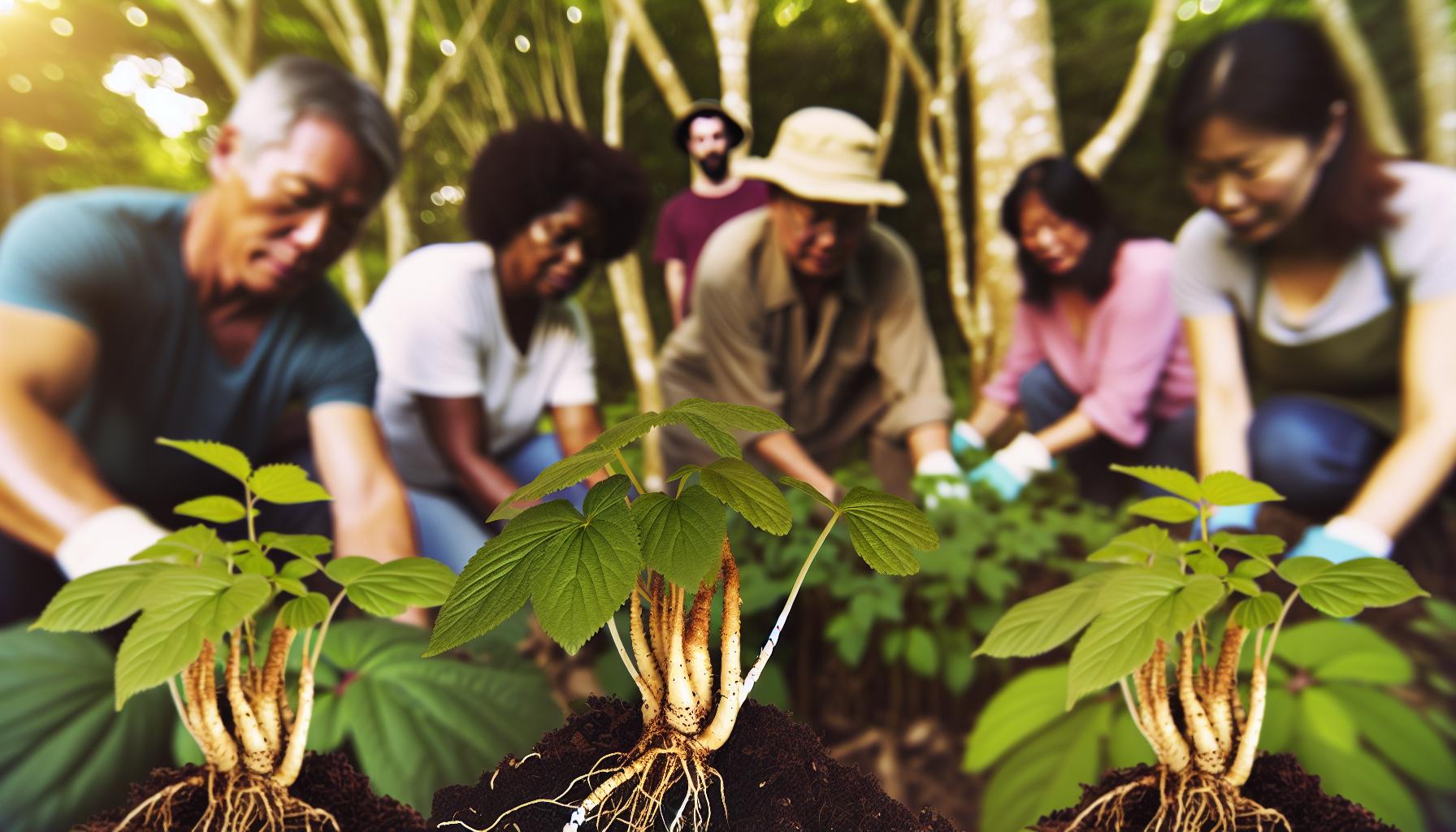
Understanding the Basics of Ginseng Cultivation
Ginseng cultivation is an art that has been perfected over centuries, particularly in Asia. Known not just for its unique flavor but also its potential health benefits, ginseng cultivation invites growers to delve into a world of precision and patience. involves recognizing the specific environmental and soil conditions required for optimal growth, as well as the importance of selecting the right variety for your cultivation goals.
Ginseng typically thrives in cool, temperate climates, favoring shady environments under hardwood trees, which provide the desired humidity and temperature regulation. Soil preparation is paramount; ginseng prefers well-drained, loamy soils rich in organic matter. Conducting a soil test before planting can help determine pH and nutrient levels, ensuring that your garden meets the needs of this delicate plant. Aim for a soil pH between 5.5 and 6.5, adjusting with lime or sulfur as necessary.
Planting ginseng can be broken down into key steps. First, it’s essential to choose seeds or rootlets from reliable sources to avoid diseases. The seeds should be stratified (a process of cold treatment) for several months before planting to mimic winter conditions, encouraging germination. When ready to plant, creating furrows in a shaded area and spacing the seeds correctly will allow enough room for growth without overcrowding, which can lead to poor air circulation and increased disease risk.
Watering is critical, especially during the seedlings’ first year. However, care must be taken to avoid waterlogging, which can be detrimental to ginseng. In addition to maintaining moisture, regularly monitoring for pests and diseases is crucial for a healthy crop. Integrated pest management techniques, such as encouraging beneficial insects and using organic repellents, can help protect your ginseng without compromising the ecosystem.
By grasping these foundational elements of ginseng cultivation, beginner growers can lay the groundwork for a successful ginseng garden. With diligence and attention to detail, the journey from seed to harvest can lead to both yields of various ginseng products and deeper insights into this revered plant’s cultivation.
Choosing the Right Ginseng Variety for Beginners
Choosing the right ginseng variety is crucial for beginners looking to cultivate this valuable plant successfully. With multiple ginseng species available, understanding their unique characteristics and growth requirements can help you make informed decisions that align with your cultivation goals. The most commonly grown varieties include Korean ginseng (Panax ginseng), American ginseng (Panax quinquefolius), and Chinese ginseng (Panax notoginseng), each offering distinct benefits and uses.
Ideally, beginners should start with American ginseng, particularly if you live in North America. This species is known for its adaptability to various soil types and its resilience to pests and diseases. It thrives in shaded woodlands and typically requires loamy, well-drained soil with a pH of 5.5 to 6.5. Additionally, American ginseng is often sought after for its medicinal properties, making it a profitable choice for growers interested in tapping into the herbal supplement market.
In contrast, Korean ginseng, while highly prized in traditional medicine, typically requires more specific growing conditions, including a cooler climate and more intensive care during the early growth stages. For beginners, the extra diligence needed for this variety may prove challenging. However, if your location and resources support its cultivation, you may find the rewards worth the effort, as Korean ginseng is known to have higher concentrations of beneficial compounds called ginsenosides.
When selecting your ginseng variety, consider not only your geographic location and climate but also your intended market. Research local demand for different types of ginseng, and consider speaking with experienced growers or agricultural extension services for tailored advice. Taking these steps can enhance your chances of establishing a thriving ginseng garden that provides satisfying yields while contributing to your personal or professional endeavors.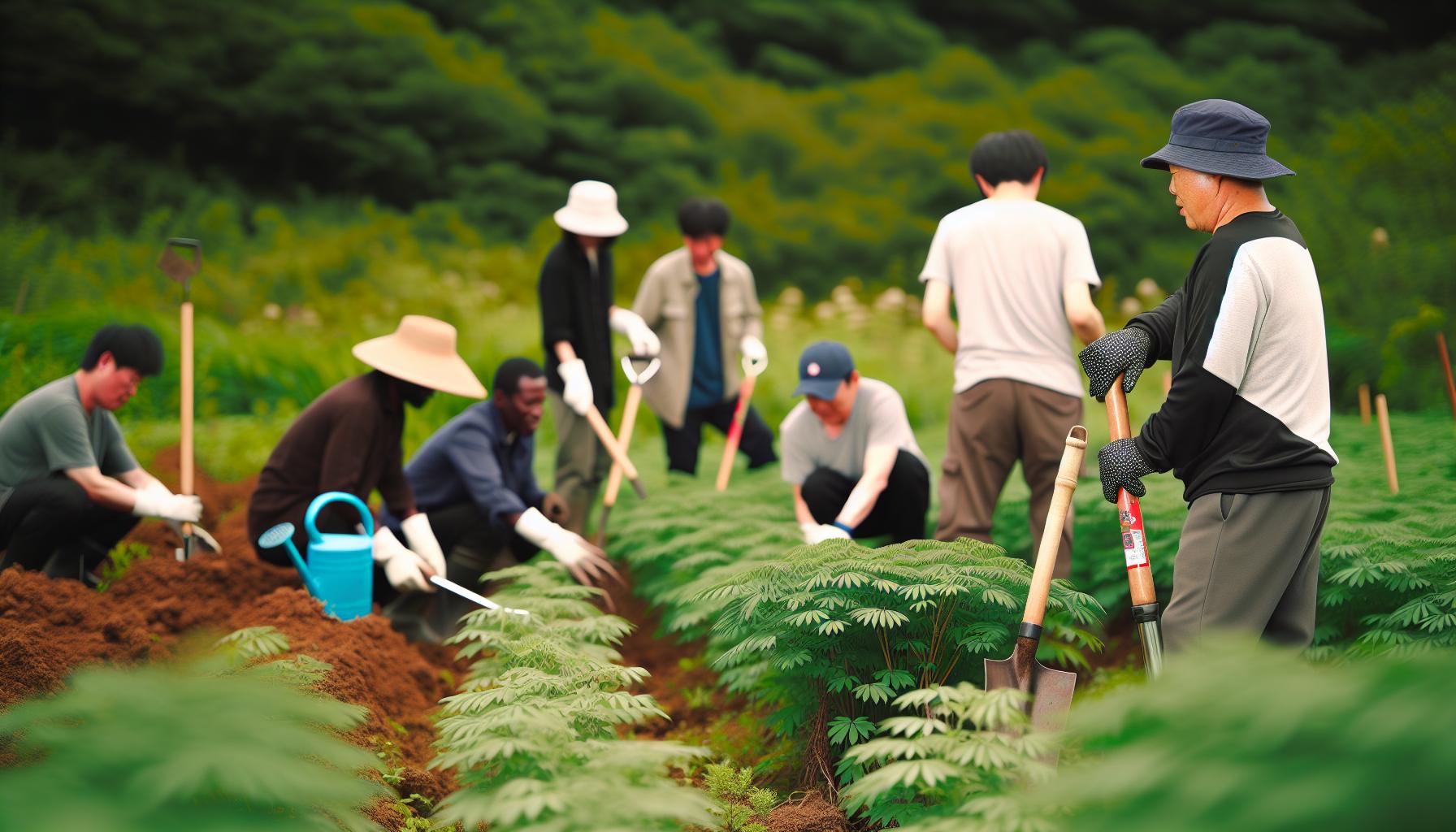
Essential Tools and Equipment for Ginseng Growing
To successfully cultivate ginseng, having the right tools and equipment is essential. These items not only enhance efficiency but also ensure a productive growing environment for this highly sought-after herb. Armed with the right gear, beginners can navigate the complexities of ginseng farming with more confidence.
One of the most critical requirements for ginseng cultivation is a good quality soil test kit. Before planting, understanding your soil’s pH and nutrient levels is vital, as ginseng prefers mildly acidic soil with a pH of 5.5 to 6.5. Additionally, investing in a pH meter can help you monitor soil conditions throughout the growing season.
In terms of basic tools, hand tools like shovels, trowels, and hoes are indispensable for preparing the land and planting. A sturdy rake is also useful for leveling the soil. Importantly, consider using mulching materials such as straw or wood chips to help maintain moisture and temperature. Besides, a good-quality garden sprayer can assist in applying any needed organic fertilizers or pest control solutions efficiently.
To protect your plants from pests and harsh weather, consider building or purchasing shade structures. Ginseng thrives in shaded woodland environments, so constructing these shelters can mimic natural growth conditions. Additionally, using breathable row covers during colder months can provide added protection.
In summary, equipping yourself with the right tools and gear is foundational for successful ginseng cultivation. These essentials not only streamline the planting and maintenance process but also help foster a conducive environment for your ginseng plants to flourish. Investing time and resources in gathering these tools will pay off in the long run, yielding bountiful harvests of this valuable crop.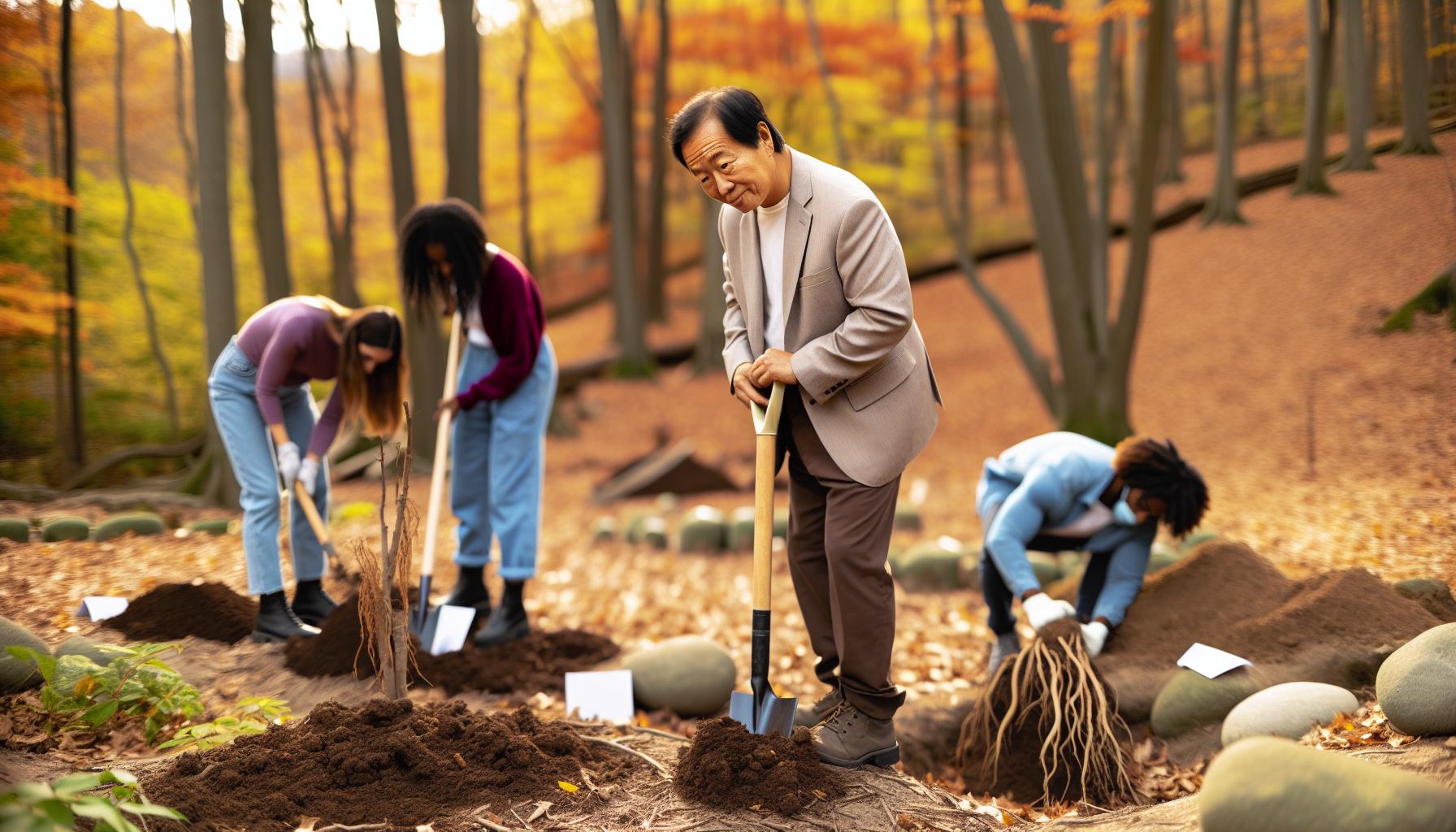
Steps to Prepare Your Land for Ginseng
Preparing your land properly is crucial for successful ginseng cultivation, as it lays the foundation for healthy growth and high-quality harvests. Begin by selecting a suitable site that replicates the natural wooded habitat where ginseng thrives-this includes dappled sunlight and protected areas from harsh winds. Ginseng prefers forested or semi-shaded locations, making an established woodland ideal. Assess the location for sufficient moisture, as ginseng requires consistent but not waterlogged soil.
Next, conduct a soil test to understand the pH and nutrient levels. Ginseng grows best in mildly acidic soil, with a pH ranging from 5.5 to 6.5. If your soil is too alkaline or possesses insufficient nutrients, consider amending it with organic materials such as compost or specific soil conditioners. It’s recommended to incorporate well-rotted leaf litter, which enhances soil structure and provides a rich source of nutrients.
Once your soil is prepared, it’s time to clear the area of any competing vegetation and debris. This step is vital to reduce competition for resources and mitigate potential pest habitats. Use hand tools to carefully remove weeds and excess foliage without disrupting the soil excessively. If the area is particularly dense, you may need to consider using non-selective herbicides, though exercise caution to protect surrounding plants and wildlife.
Lastly, after clearing the land and ensuring the soil is primed for planting, consider layering organic mulch over the planting area. Mulch not only retains moisture but also suppresses future weed growth, helping your ginseng plants thrive in their first few critical years. With these thorough preparations, you will create an environment conducive to the growth of ginseng, optimizing the chances for a fruitful harvest in the seasons to come.
Planting Techniques for Optimal Ginseng Growth
Planting ginseng is a delicate process that lays the groundwork for a successful and bountiful harvest. To optimize growth, it’s essential to replicate the plant’s natural woodland habitat. Begin by adequately spacing the seeds or rootlets. Typically, ginseng seeds should be planted approximately 4 to 6 inches apart, and if you’re using rootlets, space them about 12 inches apart. This allows for adequate air circulation and minimizes competition for nutrients and water, which is crucial during their early growth stages.
When you’re ready to plant, create small holes in the prepared soil-ideally, with a depth of about 1 inch for seeds and 2 to 3 inches for rootlets. Gently place the seeds or rootlets in these holes and cover them with soil, ensuring not to compact the soil too tightly, as ginseng thrives in a well-aerated environment. After planting, consider applying a thin layer of mulch, such as well-decomposed leaves. This not only helps retain soil moisture but also mimics the leaf litter found in natural forests, providing a more suitable habitat for the growing plants.
Another significant factor to consider is the timing of planting. Generally, the best time to plant ginseng is in the fall, as this allows seeds to undergo natural stratification over winter-a process that is essential for germination. Aim for planting in late September to early October, ensuring the seeds have enough time to settle into the soil before the winter chill sets in.
Lastly, maintain a close eye on the surrounding environment during the early growth period. Monitor factors such as the amount of sunlight, moisture, and potential pests. Ginseng prefers filtered sunlight, so if your planting site receives too much direct sun, consider using shade cloth or planting near taller trees to provide protection. By closely managing these factors during the planting process, you will set your ginseng plants up for healthy growth and a fruitful harvest in the seasons to come.
Watering and Soil Management Strategies
Ensuring the right balance of water and soil quality is crucial for cultivating healthy ginseng plants that thrive in their woodland-like environment. Ginseng, being a shade-loving perennial, requires consistent moisture levels to support its growth. Unlike many crops, ginseng can be sensitive to both overwatering and underwatering. During the crucial early growing stages, it’s essential to regularly monitor the moisture content of the soil, aiming for a consistently damp but well-drained substrate.
Watering Techniques
To provide adequate hydration without risking root rot, consider the following watering strategies:
- Frequent, light watering: Rather than infrequent, heavy watering, apply small amounts of water often. This method helps maintain the soil’s moisture without saturating it.
- Use mulch: A layer of organic mulch, such as shredded leaves or wood chips, can help retain soil moisture while regulating temperature fluctuations.
- Drip irrigation: Implementing a drip irrigation system can be beneficial; it allows precise watering directly to the roots, minimizing water waste and preventing soggy conditions.
Soil Management Strategies
The composition and pH of the soil are also key components in successful ginseng cultivation. Ginseng prefers well-drained, rich organic soil with a pH level between 5.5 and 6.5. Here are some effective soil management practices:
- Soil testing: Perform regular soil tests to determine pH and nutrient levels. This will help you make informed decisions regarding amendments.
- Organic matter: Incorporate organic matter, such as compost or well-rotted leaves, to enhance soil structure, nutrient content, and moisture retention.
- Avoid compaction: Ensure that soil remains loose, as compacted soil can hinder root growth and decrease moisture availability. Consider using raised beds if your soil is prone to compaction.
By following these , you can create an optimal growing environment for your ginseng plants, leading to healthier plants and a more bountiful harvest. The focus should always be on replicating the natural conditions in which ginseng thrives-moist, rich, and well-drained soil combined with appropriate watering techniques.
Pest and Disease Control in Ginseng Gardens
Pest and disease management often becomes the backbone of successful ginseng cultivation, safeguarding your crop from crippling threats. One of the most critical aspects of maintaining a healthy ginseng garden is a proactive approach to identify potential pests and diseases that can thrive in the humid, shaded environments ginseng prefers. Various pests such as the *ginseng borer*, *aphids*, and *slugs* are common adversaries; therefore, keeping a vigilant eye on your plants can help catch infestations early.
Common Pests and Control Strategies
Understanding which pests to look out for can make all the difference in protecting your ginseng plants. Here are some frequent offenders and recommended management practices:
- Ginseng Borer: This insect can cause significant damage by boring into the roots. To control them, consider using beneficial nematodes, which target larvae in the soil, or set up traps to monitor and reduce their population.
- Aphids: These tiny insects can weaken plants by sucking sap. An effective organic solution is introducing ladybugs to your garden; they feed on aphids without harming your ginseng plants.
- Slugs: These pests thrive in moist conditions. Make barriers with coarse materials like crushed eggshells or diatomaceous earth around your plants to deter them.
Disease Management Techniques
Just as with pests, diseases can pose serious risks to ginseng crops. Fungal infections such as *Phytophthora* can thrive in excessively wet conditions. Here are some effective methods to prevent and manage these diseases:
- Soil Drainage: Improving soil drainage can significantly reduce the risk of root rot diseases. Raised beds can help keep plant roots above excess moisture levels.
- Crop Rotation: Rotating ginseng with other crops can disrupt the life cycles of plant pathogens, helping to prevent soil-borne diseases.
- Use of Resistant Varieties: If available, select disease-resistant ginseng varieties to enhance your crop’s resilience against common ailments.
Incorporating these pest and disease control methods into your ginseng cultivation plan not only safeguards your plants but also encourages healthier growth and optimal yields. Remember that a little knowledge and maintenance go a long way in nurturing your ginseng garden to thrive and flourish. Regularly inspecting your plants, combined with these strategies, will empower you to face and overcome the challenges posed by pests and diseases effectively.
Harvesting: When and How to Gather Ginseng
Harvesting ginseng successfully is a gratifying process that requires careful timing and technique to maximize the quality and quantity of your yield. Generally, ginseng reaches maturity in three to five years, although this can vary based on the specific variety and growing conditions. If you’re looking to gather roots ready for harvest, the most favorable time is in the fall, typically between September and November, when the foliage has turned a vibrant yellow and the leaves have begun to drop. Collecting roots during this time ensures that the plants have finished their growing cycle and that their energy has been stored in the roots for optimal flavor and potency.
To harvest ginseng, it is paramount to take a gentle approach to avoid damaging the delicate roots. Begin by assessing the area around the plant, carefully clearing away any leaves or debris while being mindful not to disturb the surrounding soil more than necessary. Using a small garden spade or fork, dig around the base of the plant, ensuring you’re working from a distance that allows you to lift the root without snapping it off. Once you’ve loosened the soil, gently pull the plant upwards, using minimal force to extract the root intact.
After you’ve harvested the roots, it’s essential to conduct a proper cleaning process. Rinse the roots thoroughly with cool water to remove any soil, taking care not to scrub aggressively, as this could damage the skin. Once cleaned, you can choose to dry the roots-an important step if you plan to sell or store them. Lay the roots flat in a shaded, well-ventilated area to prevent mold, ensuring they dry completely to retain their beneficial properties.
As you navigate the harvesting process, keep in mind the importance of sustainable practices. This means only harvesting from your plants when they are mature and avoiding overharvesting to protect the future of your ginseng garden. Being mindful of these practices not only helps ensure that you have a continued supply of ginseng but also contributes to the health of the local ecosystem. By adhering to these harvesting guidelines, you can enjoy the fruits of your labor and support the sustainability of this prized herb.
Post-Harvest Processing for Maximum Quality
After the laborious yet rewarding process of harvesting ginseng, the next crucial step is post-harvest processing. Proper handling and processing can significantly impact the quality and market value of your ginseng roots. Freshly harvested roots contain moisture that can lead to mold and decay if not managed correctly, so implementing a thorough drying and storage process is essential.
Start by cleaning the roots gently to remove any residual soil. Rinse them under cool water, ensuring that you handle them delicately to prevent skin damage. Next, focus on drying the roots, as this step is vital for preservation and quality. Use a shaded, well-ventilated area free from direct sunlight to spread the roots out flat on a clean, dry surface, like a mesh screen or tray. Aim to keep them evenly spaced to allow for proper airflow, and check them regularly to ensure they are drying effectively. This process may take several days, depending on humidity and temperature, but the goal is to reach a moisture content of around 10%.
Once dried, it’s important to store the roots properly to maintain their integrity. Use breathable containers like burlap bags or cardboard boxes instead of plastic, which can trap moisture and promote mold growth. Store the ginseng in a cool, dark, and dry location to further extend its shelf life. Remember that ginseng can degrade in quality if exposed to heat or light over time, so optimal storage conditions are key.
Additionally, if you plan to sell your ginseng, packaging can play a pivotal role in marketing. Consider labeling your product clearly, detailing the variety, origin, and any organic practices followed during cultivation. Engaging your customers with information about the benefits of ginseng may elevate interest and demand, creating a narrative around quality and sustainability that appeals to health-conscious buyers. By investing time in post-harvest processing, you not only safeguard your product’s quality but also enhance its value in the marketplace, paving the way for a successful ginseng venture.
Selling Your Ginseng: Market Opportunities and Tips
Selling ginseng can be a lucrative venture, especially in health-conscious markets that recognize the value of herbal remedies. Once you’ve invested time and effort into cultivating and processing high-quality ginseng, the next step is to position your product effectively in the marketplace. Understanding your target audience and what they value can significantly enhance your selling strategy.
To start, identify the various market segments that are interested in ginseng products. These may include health food stores, herbal supplement retailers, and online health marketplaces. Engaging with potential customers through social media platforms can also expand your reach. Share informative content about the benefits of ginseng, how it can enhance wellness, and the unique qualities of your product. This not only builds trust but also establishes your brand as a knowledgeable player in the herbal market.
Packaging and Presentation
The way you package your ginseng can greatly influence purchasing decisions. Consider using recyclable or biodegradable materials to appeal to eco-conscious consumers. Ensure that your branding is clear and visually appealing, as this can attract more buyers on shelves or online. Labels should include detailed information about the ginseng variety, origin, and any organic or sustainable practices used during cultivation. This transparency can heighten consumer trust and loyalty.
Building relationships with local health practitioners to recommend your ginseng products can also create strong market opportunities. Additionally, consider participating in local farmers’ markets, herbal trade shows, or health fairs, where you can showcase your ginseng, discuss its benefits, and directly interact with customers.
Pricing Strategies
When setting prices for your ginseng, research competitors to find a price point that reflects the quality of your product while remaining competitive. Keep in mind that premium pricing may be appropriate for organically grown or specially cultivated varieties. Offering seasonal discounts or bundle deals can also entice new customers and boost sales.
By combining a strong marketing approach, effective packaging, and strategic pricing, you can maximize the potential of your ginseng business in a competitive marketplace. Focus on educating your consumers, building relationships, and maintaining high-quality standards, and you’ll likely see a rewarding return on your investment in ginseng cultivation.
Common Mistakes to Avoid in Ginseng Farming
Cultivating ginseng can be a rewarding venture, yet many beginners fall victim to common pitfalls that can hinder their success. One of the most significant mistakes is underestimating the specific requirements of ginseng, which is a shade-loving plant that thrives in well-drained, rich soil. Failing to provide the right environment, such as adequate shade and moisture, can lead to poor growth and lower yields. It’s essential to research and understand the unique conditions that ginseng requires before planting to set a solid foundation for your future harvest.
Another common error involves neglecting soil quality and preparation. Many new growers either don’t test their soil or ignore its composition, leading to inadequacies that could stunt ginseng development. Before planting, always conduct a soil test to ensure it is appropriately aerated and nutrient-rich. Amendments like compost or well-aged manure can help improve soil structure and fertility, promoting healthier roots. Regularly monitoring soil pH, which should ideally be between 5.5 and 6.5, is crucial for optimal nutrient absorption.
Overwatering is another frequent mistake that can be detrimental to ginseng plants. While ginseng requires consistent moisture, excessive water can lead to root rot and fungal diseases. Establish a regular watering schedule that keeps the soil evenly moist without becoming waterlogged. It’s beneficial to incorporate mulch to help retain soil moisture and regulate temperature, but be cautious not to overapply, as it can also suffocate the roots if too thick.
In addition to these factors, lack of pest and disease management can lead to serious setbacks. New growers often assume that ginseng is free from major pests, but in reality, it is susceptible to various issues such as root rot, the root-knot nematode, and fungal infections. Implementing an integrated pest management (IPM) strategy early on can save your crop. This strategy could involve regular monitoring for signs of pests, applying organic pesticides if necessary, and maintaining plant health through proper nutrients and care.
By being aware of these common mistakes and proactively addressing them, new ginseng growers can significantly improve their chances of a successful harvest. Learning from these pitfalls is part of mastering the art of ginseng cultivation and will ultimately lead to a more fruitful endeavor.
Advanced Techniques for Successful Ginseng Cultivation
Cultivating ginseng successfully involves more than following basic growing guidelines; it requires an understanding of advanced techniques that can elevate your harvest’s quality and yield. One significant factor to consider is the use of selective breeding to enhance the growth and vitality of your plants. This practice allows growers to cultivate varieties that are not only more resilient to pests and diseases but also possess superior medicinal properties. Engaging with local universities or agricultural programs can provide valuable insights into genetic selection and hybridization methods that can optimize your ginseng crops.
Another advanced technique is the implementation of a microclimate strategy. Ginseng thrives in shaded environments with specific humidity and temperature levels. By creating shaded areas, either through natural woodlands or artificial shade cloths that mimic forest canopy, you can maintain optimal conditions. Furthermore, employing windbreaks can protect your ginseng garden from harsh weather and strong winds, which can stress young plants. When combined with soil amendments that improve moisture retention, these practices lead to an environment where ginseng can flourish.
Effective nutrient management is also crucial for advanced ginseng cultivation. Instead of relying solely on traditional fertilizers, incorporating organic matter such as compost, worm castings, or mycorrhizal fungi can enhance nutrient availability and promote robust root development. Regular soil testing will inform you about the specific nutrient needs at different growth stages, allowing for tailored fertilization strategies. Understanding the timing of nutrient applications can significantly impact plant health and growth rates.
Lastly, establishing a cooperative approach with other ginseng growers can open opportunities for shared resources and knowledge. Engaging in cooperative marketing and pooling supplies can reduce costs while enhancing the overall quality of the product offered in the market. Participating in local ginseng growers’ associations can also provide networking opportunities that allow you to stay informed about the latest trends, regulations, and research in ginseng cultivation.
By implementing these advanced techniques, you’re not just growing ginseng; you’re elevating your practice to improve both crop quality and financial viability, making your ginseng farming venture more rewarding and sustainable.
Frequently Asked Questions
Q: How long does it take to grow ginseng before harvesting?
A: Ginseng typically takes 4 to 6 years to mature before harvesting. Factors like soil quality, climate, and care can influence growth rates. Ensuring optimal conditions can help achieve the best yields around this timeframe. For more on harvesting timing, refer to the section on “Harvesting: When and How to Gather Ginseng.”
Q: What type of soil is best for ginseng cultivation?
A: Ginseng grows best in well-drained, loamy soil with a high organic matter content. Soil pH should ideally be between 5.5 and 6.5. Conduct a soil test before planting to optimize conditions. Check the “Watering and Soil Management Strategies” section for more tips on soil care.
Q: Can I grow ginseng from seeds or do I need roots?
A: You can grow ginseng from both seeds and root cuttings. However, starting from seeds is more common and will require stratification (a cold treatment) for optimal germination. Explore the “Planting Techniques for Optimal Ginseng Growth” section for detailed guidelines on both methods.
Q: What are some common pests that affect ginseng plants?
A: Common pests include root maggots, nematodes, and deer. Implementing preventive measures such as good sanitation, crop rotation, and natural repellents can mitigate infestations. For more detailed pest management strategies, refer to the “Pest and Disease Control in Ginseng Gardens” section.
Q: How should I process ginseng after harvest for the best quality?
A: Post-harvest, ginseng roots should be cleaned carefully and then dried in a cool, shaded area to prevent spoilage. Aim for a moisture content of 10-12% before storage. Check the “Post-Harvest Processing for Maximum Quality” section for more techniques on improving product value.
Q: When is the best time to plant ginseng seeds?
A: The optimal time to plant ginseng seeds is in the fall, typically between September and November, allowing seeds to undergo natural stratification in cold soil. Ensure soil is adequately prepared beforehand, as discussed in “Steps to Prepare Your Land for Ginseng.”
Q: Are there any specific diseases that affect ginseng plants?
A: Yes, common diseases include leaf spot, root rot, and damping-off. Regular monitoring and early intervention, such as proper spacing and sanitation measures, can help prevent outbreaks. More preventive tips can be found in the “Pest and Disease Control in Ginseng Gardens” section.
Q: Can I grow ginseng indoors?
A: Growing ginseng indoors is challenging but possible with the right lighting and humidity control. Ensuring a shaded environment mimicking natural forest conditions is critical. For more details on conditions and setup, see the “Choosing the Right Ginseng Variety for Beginners” section.
Insights and Conclusions
Thank you for exploring our “Grow Harvest Ginseng: Complete Beginner’s Guide.” You’ve now unlocked the foundational knowledge needed to navigate the exciting world of ginseng cultivation. Remember, consistent care and research are key to achieving a fruitful harvest. Don’t miss out on diving deeper into related topics like effective fertilization methods or the benefits of ginseng as a supplement.
Take action now-consider signing up for our newsletter for ongoing tips and exclusive resources tailored to your ginseng journey. If you have questions or experiences to share, we invite you to comment below; your insights could inspire fellow enthusiasts! Continue your exploration of health topics such as herbal remedies and their impacts on wellness. Together, let’s cultivate knowledge for a healthier tomorrow!