Ficus Ginseng, with its unique gnarled roots and lush, shiny leaves, is not just a remarkable indoor plant but also a living piece of art that can transform your space. Known for its air-purifying qualities and low maintenance requirements, this plant is perfect for both novice and experienced plant enthusiasts. Many people seek to incorporate greenery into their homes not only for aesthetic purposes but also for the psychological benefits associated with nurturing plants. If you’ve ever struggled to keep houseplants alive or simply want to bring an element of tranquility into your living environment, this complete care guide will equip you with essential tips and tricks. From understanding light and water needs to troubleshooting common issues, you’ll discover how to help your Ficus Ginseng thrive and ensure it remains a source of joy for years to come. Join us as we explore the fascinating world of Ficus Ginseng and unlock its full potential in your home!
Understanding Ficus Ginseng: Plant Overview
The Ficus Ginseng, with its unique bulging trunk and glossy foliage, captures the hearts of indoor plant aficionados and novice gardeners alike. Known scientifically as Ficus microcarpa, this plant is a popular choice for bonsai enthusiasts due to its distinctive appearance and adaptability to indoor conditions. One of the most striking features of the Ficus Ginseng is its aerial roots that dramatically arch above the soil, creating a captivating visual appeal that brings a touch of nature indoors. Beyond aesthetics, this hardy plant is also celebrated for its resilience and ease of care, making it an ideal specimen for those who may not have a green thumb.
Traditionally, Ficus Ginseng is native to tropical regions and thrives in varied environments, which allows it to flourish in homes and offices around the globe. Its small, deep green leaves provide a lovely contrast to its textured trunk, adding character to any space. As a low-maintenance plant, it does well with moderate light and requires periodic watering and fertilization, which means you can enjoy the benefits of indoor gardening without a significant time commitment. Additionally, this species is known for its air-purifying qualities, making it not just a beautiful decorative piece but also a practical addition to your indoor ecosystem.
Understanding the needs of your Ficus Ginseng is essential to ensuring its longevity and health. Observation is key; the plant will often communicate its needs through changes in leaf color or growth patterns. Learning to read these signs can enhance your gardening experience, allowing for a deeper connection with your plant. Whether you’re seeking to enrich your living space or simply wish to embark on a new hobby, the Ficus Ginseng offers a wonderful entry point into the world of plants, promising not just beauty, but a fulfilling journey in plant care.
Essential Care Tips for Ficus Ginseng
Caring for a Ficus Ginseng can be incredibly rewarding, both for its impressive aesthetics and the health benefits it offers as an air-purifying plant. To keep this unique species thriving, it’s essential to simulate its natural environment as much as possible while being aware of its specific needs. By following these essential care tips, even novice plant owners can ensure their Ficus Ginseng flourishes and becomes a centerpiece in their living space.
Start with proper lighting; Ficus Ginseng prefers indirect sunlight, which mimics its natural habitat under the canopies of tropical forests. A location by a window with filtered light is ideal. Avoid direct sunlight as it can scorch the leaves, leading to brown edges and an unhealthy plant. Over time, pay attention to the leaves; a plant that is stretching or leaning towards the light may signal insufficient light, while a plant with scorched leaves indicates too much.
Maintaining the right moisture level is critical for the health of your Ficus Ginseng. Water your plant thoroughly when the top inch of soil feels dry, but refrain from letting it sit in water as this can cause root rot. It’s best to water less frequently in the winter when the plant enters a dormant phase. To keep track of your plant’s watering schedule, consider using moisture meters that can help gauge when it’s time for a drink without over or under-watering.
Choosing the right soil mix is another vital aspect of care. A well-draining potting mix formulated for tropical plants works best for Ficus Ginseng. You can enhance drainage by mixing in perlite or orchid bark, ensuring the tree roots remain aerated. Furthermore, consider potting your Ficus Ginseng in a container with drainage holes to prevent water accumulation, which could lead to fungal diseases.
Lastly, keeping an eye on humidity and temperature levels can greatly affect your Ficus Ginseng’s performance. This plant thrives in humidity levels of 50% or higher, so if you live in a drier climate or during winter months, using a humidifier or placing a tray of water near the plant can help increase moisture in the air. The ideal temperature range is between 60°F and 75°F (15°C-24°C). Consistency is key; avoid sudden temperature fluctuations, which can stress the plant and affect its growth.
By attentively managing its light, water, soil, and humidity requirements, you can nurture your Ficus Ginseng into a robust symbol of indoor serenity and elegance.
Light Requirements for Optimal Growth
Ficus Ginseng thrives in lighting conditions that closely resemble its natural tropical habitat, where sunlight filters through dense canopies. Understanding these light requirements is crucial for the health and vigor of your plant. Ideally, Ficus Ginseng prefers bright, indirect light, which allows it to photosynthesize effectively without being damaged by harsh rays. Placing your plant near a window with sheer curtains can provide just the right amount of filtered light.
It’s important to avoid direct sunlight, as this can cause leaf burn, resulting in unsightly brown edges and a stressed plant. If you notice your Ficus Ginseng stretching or leaning toward the light source, it may be an indication that it needs more light. Conversely, if the leaves appear scorched, it’s time to reposition your plant to a shadier spot. Regularly rotating your plant can also help it grow evenly and prevent it from becoming lopsided.
For those who have less-than-ideal lighting conditions, consider supplementing with artificial grow lights. LED grow lights can simulate the spectrum of sunlight and provide the necessary energy for your Ficus Ginseng’s growth, especially during the winter months when natural light is scarce.
In summary, achieving the right balance of light is fundamental for maintaining a healthy Ficus Ginseng. By ensuring it receives bright, indirect light and avoiding conditions that could cause leaf damage, you can foster an environment where your plant can flourish beautifully.
Watering Techniques: How Much is Enough?
Properly watering your Ficus Ginseng is fundamental to its overall health and vitality. This unique plant, known for its distinctive, gnarled trunk and lush foliage, typically thrives in a humid environment where water is plentiful. However, understanding the nuances of watering is crucial; both overwatering and underwatering can lead to dire consequences for your plant. The key lies in finding the right balance and being attentive to the plant’s specific needs.
To begin, it’s important to observe the top layer of soil. Ficus Ginseng prefers that the soil be allowed to dry out slightly between waterings. A general rule of thumb is to water the plant when the top 1-2 inches of soil feel dry to the touch. This not only helps prevent root rot-a common issue in overwatered plants-but also encourages the development of a robust root system seeking moisture deeper in the pot. When you do water, do so thoroughly until you see it draining through the bottom of the pot, eliminating any standing water.
Additionally, seasonal changes can influence your watering schedule. During the growing season, typically spring and summer, Ficus Ginseng may require more frequent watering due to increased light exposure and warmer temperatures. Conversely, in the dormant months of fall and winter, you should reduce watering frequency, as the plant’s metabolism slows down. It’s wise to invest in a moisture meter for a more precise gauge of soil moisture levels, ensuring that you are neither too heavy-handed nor too sparse with your watering.
Finally, remember that Ficus Ginseng thrives in more humid conditions, so consider integrating a humidity tray or misting your plant occasionally to create an ideal environment. Investing time in understanding the water requirements of your Ficus Ginseng not only minimizes stress on the plant but also promotes lush, vibrant growth, allowing you to enjoy its natural beauty for years to come.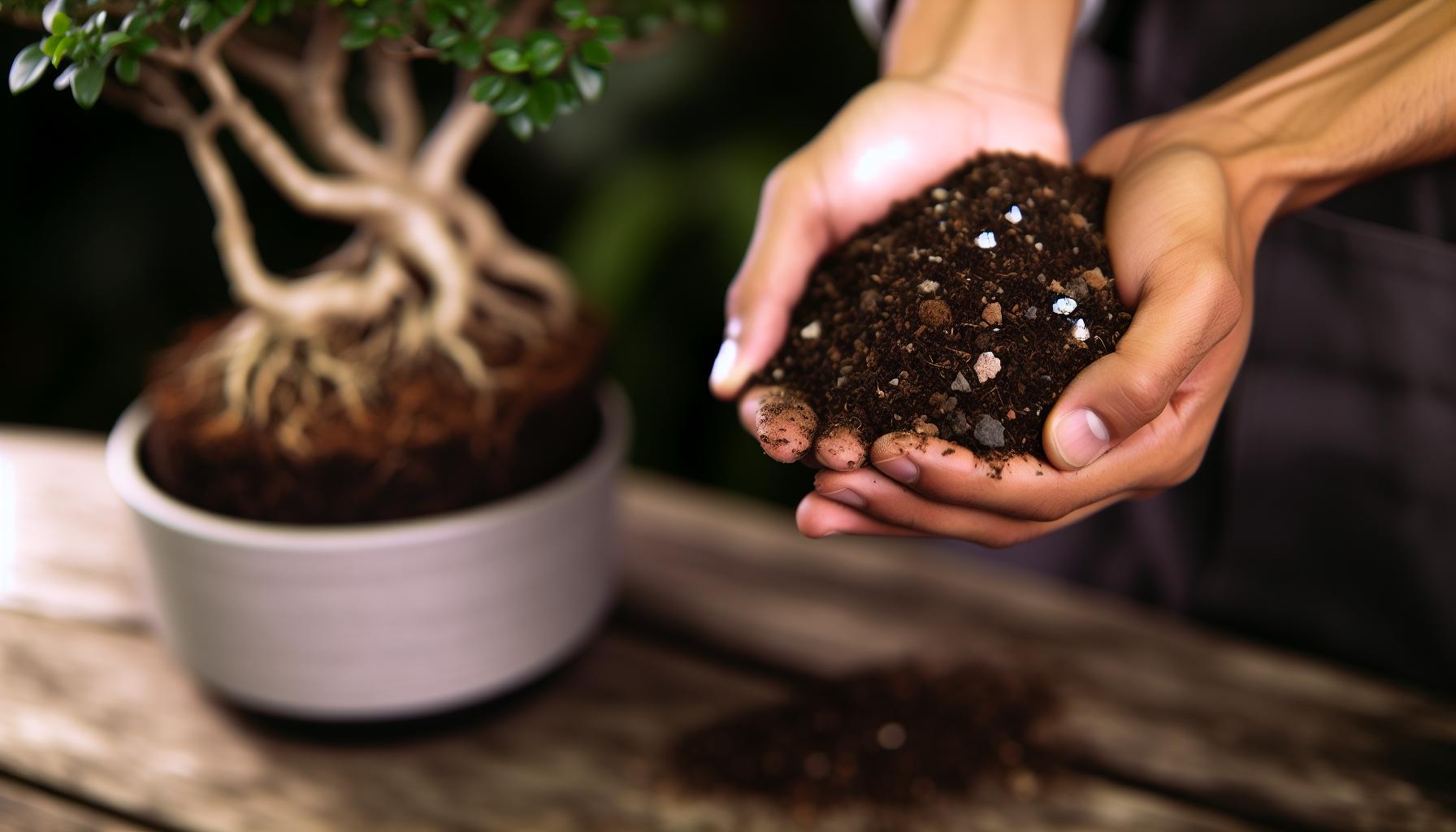
Soil Selection: Best Mix for Ficus Ginseng
Choosing the right soil mix for your Ficus Ginseng is essential for promoting healthy growth and preventing issues such as root rot. This unique plant, recognized for its iconic gnarled trunk and glossy leaves, thrives best in a well-draining soil that retains adequate moisture without becoming soggy. A balanced soil environment allows for proper aeration and optimal root development, which is crucial for the overall well-being of your Ficus Ginseng.
To create the perfect soil mix, consider combining different components that cater to the plant’s specific needs. A recommended blend includes:
- Pine Bark Fines: Provides excellent aeration and drainage.
- Coconut Coir: Retains moisture while preventing compaction, making it ideal for balancing water retention.
- Perlite or Vermiculite: Enhances drainage and encourages aeration in the soil.
- Potting Soil: Offers a nutrient base for your plant.
A typical recipe might consist of equal parts of these ingredients, although adjusting the ratios based on your environment and watering habits can fine-tune the mix further. This well-rounded approach allows the Ficus Ginseng to thrive, adapting to fluctuations in humidity and light exposure.
Additionally, taking care to select a soil that is slightly acidic to neutral (pH range of 6.0 to 7.0) will complement your plant’s preferences. Regularly check the soil’s texture and moisture retention capability, adjusting your mix as necessary. With the right soil, your Ficus Ginseng can flourish in your indoor space, showcasing its striking appearance beautifully.
Humidity and Temperature Needs Explained
Creating an optimal environment for your Ficus Ginseng is crucial for its health and overall vitality. This tropical plant thrives in conditions that mimic its natural habitat, which means keeping a close eye on both humidity and temperature. Ficus Ginseng prefers a humid atmosphere, ideally around 40-60% relative humidity. If the air in your home is too dry, especially during winter months or in arid climates, you may notice your plant’s leaves dropping or turning brown at the edges. To combat dry air, consider using a humidifier or placing the plant on a pebble tray filled with water, allowing the humidity to rise around it.
Temperature is another significant factor for the Ficus Ginseng’s well-being. The ideal range for this plant is between 60°F and 75°F (15°C to 24°C). Exposure to temperatures below 50°F (10°C) can stress the plant, leading to potential damage. Keep your Ficus Ginseng away from drafty windows, air conditioning units, or direct heating vents. Consistency is key; avoid sudden temperature fluctuations, which can make your plant vulnerable to stress.
To help your Ficus thrive, monitor the environment regularly, especially during seasonal changes. You may also notice that providing more humidity and maintaining a stable temperature can foster better growth and enhance the plant’s natural beauty. With attention to these details, your Ficus Ginseng can become a long-lasting and stunning addition to your indoor greenery.
Fertilization Guide: Nourishing Your Plant
To achieve vibrant growth and a lush appearance, the Ficus Ginseng requires a thoughtful approach to fertilization. This tropical plant thrives on nutrients that mimic its natural habitat, where the soil is rich and well-balanced. Regular feeding during the growing season, which spans from spring to early autumn, is essential to boost its health and support its impressive growth. A balanced, water-soluble fertilizer with equal parts nitrogen, phosphorus, and potassium (such as a 20-20-20 formula) works particularly well for Ficus Ginseng.
When fertilizing your Ficus Ginseng, adhere to the following guidelines to ensure optimal results:
Frequency and Method
- During Active Growth: Apply fertilizer every 4-6 weeks during the growing season. Diluting the fertilizer to half the recommended strength can prevent nutrient burn.
- During Dormancy: Reduce or suspend fertilization in the winter months, as the plant enters a dormant phase and requires fewer nutrients.
Signs of Nutritional Deficiency
It’s crucial to monitor your Ficus Ginseng for signs of nutrient deficiency, which may manifest as yellowing leaves, stunted growth, or leaf drop. If you notice any of these issues, it may be time to adjust your fertilization approach. Adding a slow-release fertilizer to the soil can also provide a consistent supply of nutrients over an extended period, allowing for sustained growth without the need for frequent applications.
As you care for your Ficus Ginseng, understand that the right amount of fertilization not only enhances its growth but also enriches its stunning aesthetic appeal. Regular feeding, tailored to its needs throughout the year, will ensure your plant remains healthy and vibrant, transforming your indoor space into a lush oasis.
Pruning and Repotting: Best Practices
To maintain the beauty and health of your Ficus Ginseng, regular pruning and repotting are essential practices that can greatly enhance its growth and overall appearance. Pruning not only helps in shaping the plant but also encourages bushier growth by promoting the development of new branches. When you notice sparse growth or excessive length in certain branches, it’s time to grab those pruning shears. Focus on cutting back stems to just above a leaf node, which can stimulate new growth in that area. Furthermore, removing any dead or yellowing leaves ensures that the plant directs its energy towards healthy foliage, enhancing its vibrancy.
Best Practices for Pruning
- Timing: Late spring to early summer is the best time to prune your Ficus Ginseng as it is actively growing.
- Tools: Use clean, sharp pruning shears to make clean cuts, reducing the risk of disease.
- Technique: Always cut just above a node and avoid taking off more than a third of the plant at once to minimize stress.
Repotting is another critical step in keeping your Ficus Ginseng thriving. This plant prefers a snug fit in its pot, so you may not need to repot every year. Generally, every 2-3 years is sufficient unless you notice that water is not draining well or the roots are visibly coming out of the pot’s drainage holes. When repotting, choose a pot that is only slightly larger than the current one and use a well-aerated potting mix to ensure proper drainage.
Steps for Repotting
- Preparation: Water the plant a day before repotting to minimize shock.
- Removing the plant: Carefully slide the plant out from its current pot, loosening any tightly bound roots.
- Fresh mix: Place the Ficus Ginseng in the new pot and fill in around the roots with fresh potting mix, leaving about an inch of space at the top.
- Post-Repotting Care: Water the plant thoroughly after repotting and place it in a location with consistent light, avoiding direct sun for a few days.
These pruning and repotting practices not only support your Ficus Ginseng’s growth but also contribute to a more attractive indoor environment. Regular attention to these aspects will result in a lush, healthy plant that serves as a beautiful focal point in your home.
Common Pests and Diseases to Watch For
A happy and healthy Ficus Ginseng can transform your indoor space, but it can also attract some uninvited guests. Being vigilant about potential pests and diseases is key to keeping this plant at its best. Common pests that often affect Ficus Ginseng include spider mites, mealybugs, and scale insects. Spider mites thrive in dry conditions and can cause stippling on leaves, leading to a decline in plant health. A simple way to combat them is to increase humidity around the plant, as they prefer arid environments. To remove mealybugs, which appear as white, fluffy spots, you can dab them with a cotton swab dipped in alcohol. For scale insects, a mixture of soap and water can help eliminate them effectively.
Diseases to Watch For
Apart from pests, Ficus Ginseng is also susceptible to certain diseases, predominantly root rot and leaf spot disease. Root rot occurs when the plant is overwatered or planted in poorly draining soil, leading to mushy roots and yellowing leaves. To prevent this, ensure your pot has ample drainage holes and allow the top inch of the soil to dry out between waterings. Leaf spot disease, which appears as dark or brown spots on leaves, can be mitigated by improving air circulation around the plant and avoiding overhead watering, which can contribute to fungal growth.
Monitoring and Prevention
Regular monitoring is vital for early detection of any issues. Inspect the leaves and stems of your Ficus Ginseng bi-weekly to catch signs of pests or diseases early. Maintaining clean and dry foliage can significantly reduce the likelihood of infestations. Additionally, ensuring proper light, watering, and humidity levels will keep your Ficus Ginseng robust and less susceptible to such threats. If an infestation occurs, don’t hesitate to act quickly; removing affected areas and using suitable treatments will usually resolve the issue before it escalates.
By staying informed and proactive, you can successfully care for your Ficus Ginseng, keeping it vibrant and healthy amidst potential pests and diseases.
Signs of Stress: Identifying and Fixing Issues
Determining whether your Ficus Ginseng is happy or experiencing stress can greatly influence its wellbeing. Common signs of stress include yellowing leaves, drooping branches, or leaf drop, which may indicate that the plant is suffering from improper care or environmental conditions. Understanding these signs can empower you to take action and restore your plant to optimal health.
One of the first indicators to monitor is leaf color. If you notice that the leaves are turning yellow, it could mean that your Ficus Ginseng is receiving either too much or too little water. Overwatering often leads to root rot, while underwatering can cause dehydration. To troubleshoot, check the soil moisture regularly and ensure that the plant is in well-draining soil. If the top inch of soil is dry, it’s time to water, but if it feels soggy, hold off, allowing the roots to dry out.
Other signs to watch for include wilting leaves or branches. This can suggest inadequate light or low humidity levels. Ficus Ginseng thrives in bright, indirect sunlight and generally prefers a humidity level of around 50%. If the plant appears droopy and is receiving sufficient water, consider relocating it to a brighter spot or using a humidifier to boost moisture in the air. Regularly misting the leaves can also help alleviate stress caused by dry indoor environments.
Lastly, be aware of any pests or diseases that may be contributing to your plant’s stress. Inspect your Ficus Ginseng for signs of infestations, such as webbing, sticky residue, or visible pests like spider mites and aphids. If you detect these, acting quickly can save your plant. Neem oil or insecticidal soap can be effective treatments against these pests. Maintaining clean foliage and ensuring good air circulation can also help prevent future issues, allowing your Ficus Ginseng to flourish in your indoor space.
By being proactive in monitoring your Ficus Ginseng, you can not only identify signs of stress promptly but also implement effective solutions that will enable your plant to thrive.
Propagation Methods: Grow Your Ficus Ginseng
One of the most rewarding aspects of caring for Ficus Ginseng is propagating this remarkable plant, allowing you to grow new specimens to share with friends or expand your own indoor garden. Propagation is a straightforward process, and by using cuttings or layering techniques, you can successfully grow new plants from your existing Ficus Ginseng. Both methods are effective, but understanding the best approach for your situation can significantly enhance your success rate.
For propagation through stem cuttings, follow these steps for optimal results:
- Select a healthy stem: Choose a healthy, non-flowering stem that is about 4 to 6 inches long. Ensure it has at least two leaves.
- Make the cut: Use sterilized scissors or a sharp knife to make a clean cut just below a node (the point where leaves attach to the stem).
- Prepare the cutting: Remove the lower leaves to prevent them from rotting when planted. You can also dip the cut end in rooting hormone to encourage faster root growth.
- Plant the cutting: Place the cutting in a small pot filled with a well-draining soil mix, ensuring the node is buried in the soil. Water the cutting lightly to settle the soil.
- Create a humid environment: Cover the pot with a plastic bag or place it in a propagator to maintain humidity while the cutting establishes roots. Ensure it gets indirect sunlight and monitor moisture levels.
Alternatively, the layering method is another fail-safe technique:
- Choose a healthy branch: Select a flexible and healthy branch on the parent plant.
- Wound the branch: Create a small wound or notch on the underside of the stem, ensuring you don’t cut all the way through.
- Bury the section: Bend the branch down to the soil surface and bury the wounded section in the soil, leaving the tip exposed. Use a small rock or stake to keep it in place.
- Water regularly: Keep the soil moist while the branch develops roots. This process may take several weeks to a few months.
- Separation: Once significant roots develop, you can cut the new plant from the parent and pot it separately.
With both methods, patience is key as Ficus Ginseng can take some time to root and establish itself. Whichever propagation method you select, be sure to provide your new plants with the same care regarding light, humidity, and temperature as you would with established plants. As they grow and develop, you can nurture them into beautiful new additions to your home. This not only enhances your collection but also offers insightful and fulfilling gardening experience.
Choosing the Right Pot for Your Ficus Ginseng
Selecting the appropriate pot for your Ficus Ginseng is crucial for its overall health and growth. The pot’s size, material, and drainage features can significantly impact the plant’s well-being, especially since Ficus Ginseng has unique growth requirements. This remarkable plant, recognized for its hypnotic aerial roots and beautifully twisted trunk, thrives in a conducive environment, and this starts with the right container.
When choosing a pot, consider the size. Ficus Ginseng prefers to be slightly root-bound, which means selecting a pot that is just a couple of inches larger than the previous one. Typically, a pot with a diameter of 6 to 10 inches is ideal for a young Ficus Ginseng. However, as the plant grows, you will eventually need to repot it into a larger container to accommodate its expanding root system. Keep an eye on the plant’s growth; if you notice roots emerging from the drainage holes or if watering becomes challenging, it may be time to consider a bigger pot.
Drainage is another critical factor. Ficus Ginseng does not tolerate standing water, which can lead to root rot. Therefore, your pot should have several drainage holes at the bottom. Consider opting for pots made from materials like clay or ceramic, which allow for better air circulation and moisture control. These materials not only enhance drainage but also add aesthetic appeal to your indoor space. For even better results, you can place a layer of pebbles at the bottom of the pot before adding soil, further improving drainage.
Additionally, consider the pot’s weight and stability. Ficus Ginseng can become top-heavy as it grows, particularly with its interesting aerial root structure. A heavier pot will help ensure that your plant remains upright and reduces the risk of tipping over. Lastly, think about the visual appeal of the pot. Ficus Ginseng is a stunning ornamental plant, and a beautifully chosen pot can enhance its natural beauty while fitting seamlessly into your home décor.
Faq
Q: What is the ideal pot size for Ficus Ginseng?
A: The ideal pot size for Ficus Ginseng should allow for at least an inch of space around the roots for growth, typically a 6 to 8-inch pot for younger plants. For larger plants, choose pots that are approximately 1 to 2 inches wider. Ensure proper drainage to prevent overwatering.
Q: How often should I fertilize my Ficus Ginseng?
A: Fertilize your Ficus Ginseng every 4-6 weeks during the growing season (spring and summer) with a balanced, water-soluble fertilizer. Reduce feeding in fall and winter when the plant’s growth slows. This promotes healthy growth and lush foliage.
Q: Can Ficus Ginseng survive in low light?
A: Ficus Ginseng can tolerate low light conditions but thrives in bright, indirect sunlight. If it’s kept in low light for too long, it may become leggy and lose its vibrant leaves. Place it near a window where it can receive some light daily.
Q: How do I propagate Ficus Ginseng?
A: Propagate Ficus Ginseng through stem cuttings. Take a cutting with at least two leaves, dip it in rooting hormone, and plant it in a well-draining soil mix. Keep the cutting in a moist environment with indirect light until roots develop.
Q: Why are the leaves on my Ficus Ginseng turning yellow?
A: Yellowing leaves on Ficus Ginseng can indicate overwatering, nutrient deficiency, or low light. Ensure the soil dries slightly between waterings and check for proper light conditions. Adjust your care routine as needed to remedy the issue.
Q: What are common pests that affect Ficus Ginseng?
A: Common pests include spider mites, scale, and mealybugs. Regularly inspect your plant and wipe leaves with a damp cloth. If infested, treat the plant with insecticidal soap or neem oil, following package instructions to control these pests.
Q: How can I increase humidity for my Ficus Ginseng?
A: To increase humidity, group plants together or use a humidity tray filled with water and pebbles beneath your Ficus Ginseng. Additionally, misting the leaves regularly can help maintain moisture levels, especially in dry indoor environments.
Q: When should I repot my Ficus Ginseng?
A: Repot your Ficus Ginseng every 2-3 years or when you notice roots growing out of the drainage holes. Spring is the best time to repot, as it aligns with the plant’s active growing season, allowing for quicker recovery and growth.
Wrapping Up
Thank you for exploring our “Ficus Ginseng: Complete Care Guide for This Indoor Plant.” By now, you should feel equipped to nurture and thrive your Ficus Ginseng, ensuring it remains a stunning addition to your indoor space. Remember, achieving success with this unique plant isn’t just about care but also understanding the specific needs and conditions it flourishes in. If you have questions, don’t hesitate to check out our articles on indoor plant pest management and best indoor plants for beginners for more valuable insights.
Act now-implement these tips today and watch your Ficus Ginseng flourish! For ongoing support, consider signing up for our newsletter to receive expert advice, plant care tips, and exclusive offers directly to your inbox. Your journey toward a vibrant indoor garden starts here. If you’ve enjoyed this guide, share your thoughts in the comments below or explore our related content for deeper knowledge on maintaining your plants’ health. Together, let’s keep your botanical dreams alive!