In today’s fast-paced world, many people seek ways to boost their energy levels without relying on caffeine. Did you know that ginseng, an ancient herbal remedy, can help revitalize your body and mind? Energizing ginseng tea is not only a delicious alternative but also packed with potential health benefits, like enhancing stamina and supporting immune function. This natural solution appeals to those looking to sustain their energy throughout the day while avoiding the jitters often associated with caffeine. In this article, we’ll explore the remarkable properties of ginseng tea, how it can fit seamlessly into your daily routine, and the ways it may contribute to your overall well-being. Stay with us to discover how this herbal powerhouse can invigorate your day without the crash!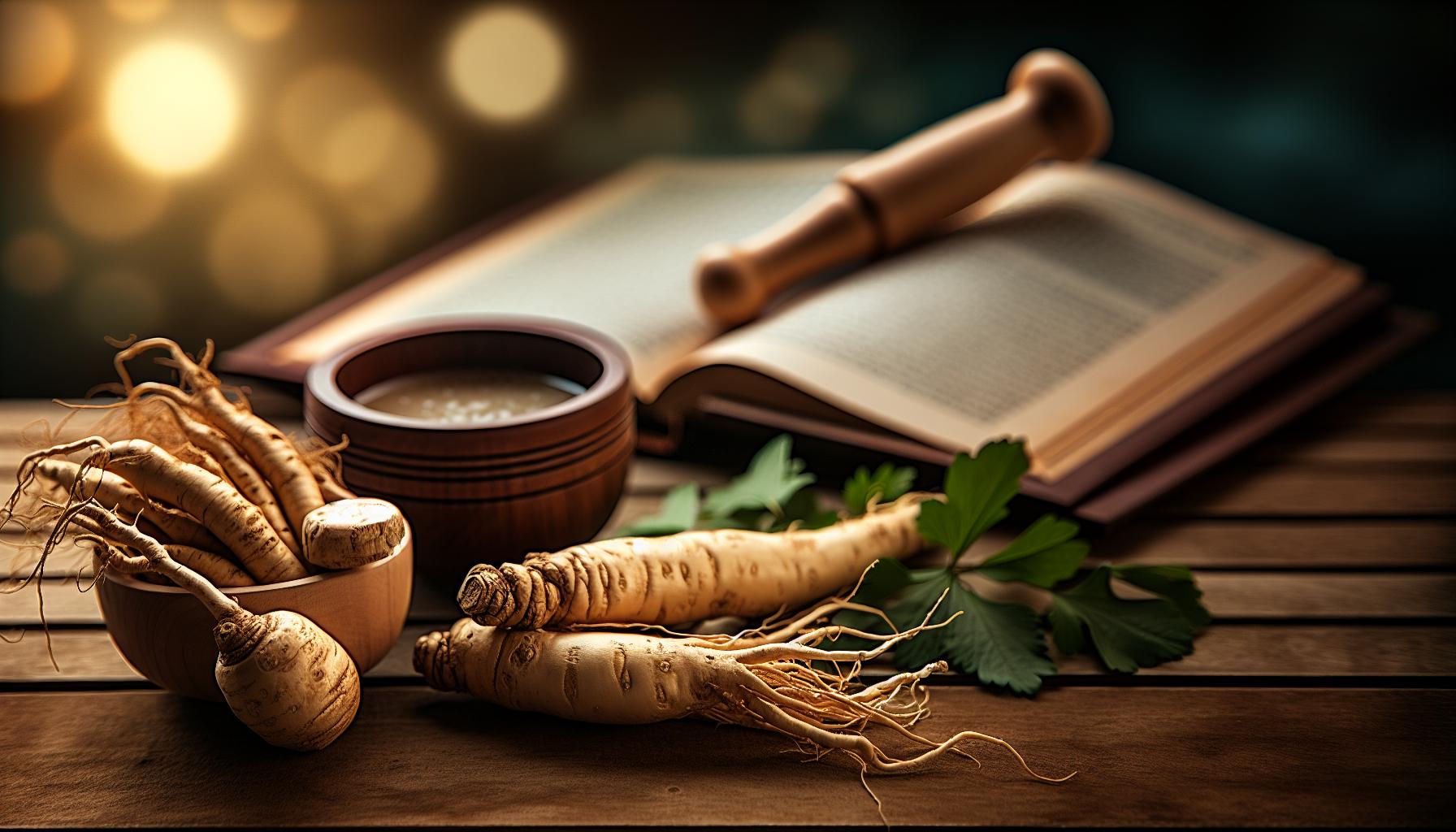
Understanding Ginseng: Origins and Benefits
Ginseng, a revered herb with deep roots in traditional medicine, is celebrated not just for its rich history but also for its potential health benefits. This remarkable plant, particularly known in varieties like Asian ginseng (Panax ginseng) and American ginseng (Panax quinquefolius), has been associated with enhancing energy levels, improving cognitive function, and supporting immune health. With a heritage that dates back thousands of years, ginseng has become a staple in many herbal remedies, frequently encountered in teas, tinctures, and supplements.
The benefits of ginseng stem largely from its active compounds, called ginsenosides, which are thought to boost stamina and reduce fatigue. Numerous studies suggest that ginseng may aid in enhancing physical performance, making it a popular choice for individuals seeking a natural energy boost without the jitters often associated with caffeine. Some research highlights ginseng’s potential to improve focus and mental clarity, lending itself well to anyone looking to maintain productivity throughout the day [1][2][3].
Moreover, ginseng is not just about energy; it also carries a range of other health benefits. It has been linked to anti-inflammatory properties, improved blood circulation, and a potential role in blood sugar regulation. These attributes make ginseng a versatile herb admired not only by those looking for increased vitality but also by individuals aiming to support their overall well-being. As you explore ginseng tea as a caffeine-free alternative, consider integrating this time-honored herb into your daily routine to harness its array of health benefits.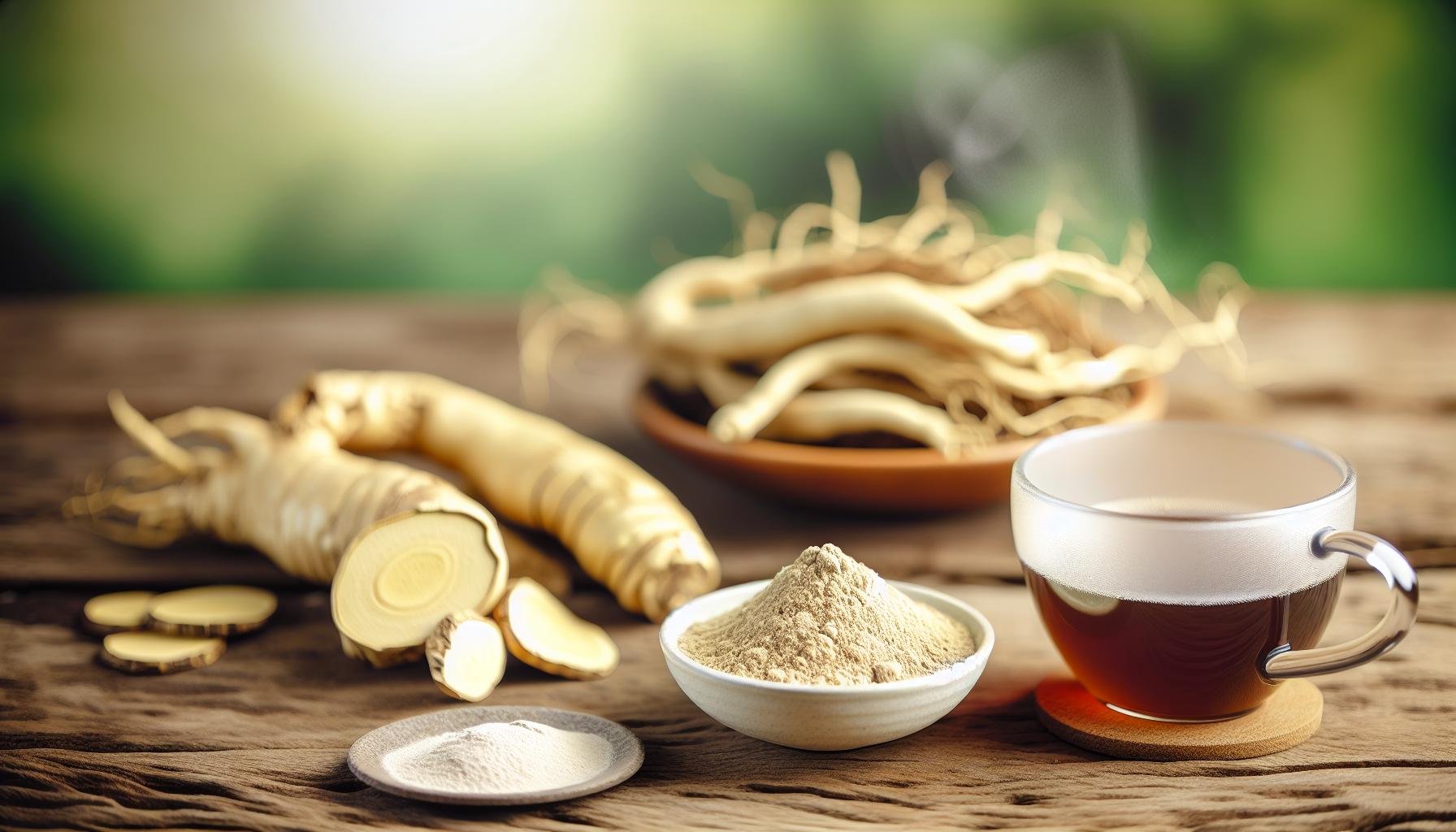
Types of Ginseng: Which One is Right for You?
Choosing the right type of ginseng can significantly enhance the benefits you receive, especially when seeking a natural boost in energy. The two primary varieties-Asian (or Korean) ginseng and American ginseng-are renowned for their distinctive properties and effects on the body. Understanding these differences can empower you to select the one that aligns best with your health needs and lifestyle.
Asian Ginseng (Panax Ginseng)
Asian ginseng, also known as Korean ginseng, is widely recognized for its ability to provide a stimulating effect. Often praised for enhancing physical performance and mental clarity, it contains higher amounts of ginsenosides that may invigorate and energize. Individuals looking for an energy boost, especially during periods of fatigue or stress, might find this variety particularly beneficial. It is commonly used to enhance athletic performance, increase stamina, and improve overall vitality.
American Ginseng (Panax Quinquefolius)
American ginseng, on the other hand, offers a more calming effect. This variety is noted for its ability to promote relaxation while still providing a subtle energy lift. Ideal for those who may experience jitters or anxiety from stimulants like caffeine, American ginseng serves as a wonderful option for maintaining focus without overstimulation. It is often recommended for individuals seeking to balance their energy levels throughout the day, especially during stressful situations.
Deciding Which Ginseng is Right for You
When choosing between these types, consider your specific needs. If you’re looking to enhance your workout or need a significant energy boost to tackle a demanding day, Asian ginseng might be the better fit. Conversely, if you’re seeking a means to cope with stress or prefer a gentler approach to energy enhancement, American ginseng could serve you well.
Incorporating ginseng into your routine can be done in various forms, such as teas, powders, and supplements. Always consult a healthcare professional before starting any new supplement regimen to ensure it aligns with your personal health goals and conditions. By understanding the characteristics of these two ginseng types, you can make an informed decision that not only boosts your energy naturally but also supports your overall wellness journey.
How Ginseng Boosts Energy Naturally
Ginseng, a revered herbal root known for its numerous health benefits, stands out as an exceptional natural energy booster. With centuries of usage in traditional medicine, this powerhouse herb helps increase energy levels while offering a balanced alternative to caffeine. When consumed as tea, ginseng not only revitalizes the body but also supports cognitive function, helping you stay sharp and focused throughout the day.
One way ginseng enhances energy is through its unique compounds called ginsenosides. These bioactive constituents stimulate the central nervous system, leading to an increase in endurance, reducing fatigue, and improving overall vitality. For individuals facing physical or mental exhaustion, ginseng can be a game-changer. By improving the body’s response to stress and inflammation, it fosters a more sustainable source of energy without the crash associated with caffeine or other stimulants. Many users report feeling a clean, enduring energy that allows them to tackle daily activities with renewed vigor.
Incorporating ginseng into your routine in the form of tea is particularly beneficial. Brewed ginseng tea unleashes its therapeutic properties in a delightful format, making it a soothing and invigorating beverage choice. To make the most of your ginseng tea, consider brewing it with additional supportive ingredients, such as ginger or lemon, which can further enhance its energizing effects. Regular consumption of ginseng tea can lead to cumulative benefits, helping you better manage stress and maintain energy levels throughout the day.
For anyone looking to sustain energy naturally without caffeine’s jitters, ginseng tea is an excellent option. It empowers you to navigate your day with a clear mind and steady stamina, making it an ideal companion for busy lifestyles. As always, consulting with a healthcare professional before introducing new supplements or herbs into your regimen is essential for tailored advice and optimal benefits.
Caffeine vs. Ginseng: Energizing Without Jitters
Many people rely on caffeine to kickstart their day, but the jitters and crashes that often accompany caffeinated beverages can lead to discomfort and anxiety, leaving you craving a more stable energy source. Ginseng, particularly when enjoyed as a tea, offers a natural alternative that gently elevates energy levels without the accompanying side effects of caffeine. This ancient herb is renowned for its adaptogenic properties, meaning it helps the body adapt to stress and promotes a more balanced energy level throughout the day.
Unlike caffeine, which stimulates the central nervous system rapidly and can lead to feelings of nervousness or restlessness, ginseng works more subtly. Its active compounds, known as ginsenosides, support a gradual increase in energy and endurance. Users often report a sustained sense of alertness without the rollercoaster of spikes and dips associated with caffeine consumption. This can be particularly beneficial for those sensitive to caffeine or looking to eliminate it from their diet, as ginseng’s effects can enhance physical and mental performance in a smoother manner.
Incorporating ginseng tea into your daily ritual not only boosts energy but also contributes to overall well-being. Brewing this herbal tea can create a delightful experience, especially when combined with health-promoting ingredients like honey or lemon. A cup of ginseng tea can act as a refreshing afternoon pick-me-up that avoids the sharp rise and fall associated with caffeinated drinks. Opting for ginseng as your energy booster allows for vital nourishment without the addictive qualities and potential drawbacks of traditional caffeinated options.
Ultimately, transitioning from caffeine to ginseng can redefine your relationship with energy. While caffeine may provide a quick fix, ginseng offers a more holistic approach to enhancing vitality and performance, allowing for a clearer mind and steadier energy throughout your busy day. Always consider discussing with a healthcare professional to tailor your choices to your individual health needs, ensuring that your new energy source aligns with your wellness goals.
Brewing the Perfect Cup of Ginseng Tea
Brewing a cup of ginseng tea can be a delightful ritual that not only energizes you but also immerses you in the rich history and benefits of this ancient herb. Ginseng, revered for its adaptogenic properties, allows you to embrace a natural energizer without the jitters commonly associated with caffeinated beverages. To begin brewing the perfect cup, selecting high-quality ginseng-such as Panax ginseng, known for its potency-is crucial. Whether using dried root slices or ginseng tea bags, the preparation process can elevate your tea experience.
To brew ginseng tea, start by boiling water to around 190°F (just below boiling). If you’re using dried ginseng roots, a common proportion is about 1 teaspoon of sliced root per cup of water. Place the ginseng in a teapot or tea infuser and pour the hot water over it. Letting it steep for 10-15 minutes helps extract the beneficial compounds like ginsenosides, maximizing the health properties of the tea. If you’re in a rush, ginseng tea bags offer a convenient alternative: simply steep for 5-7 minutes, adjusting based on your taste preference.
For those who enjoy a touch of sweetness, consider adding a spoonful of honey or a squeeze of lemon-both of which complement ginseng’s earthy flavor and enhance its antioxidant properties. You can also experiment by blending ginseng tea with other herbal teas, such as ginger or chamomile, creating a unique fusion that can bolster flavor and wellness benefits.
Enjoying ginseng tea as part of your daily routine can transform ordinary moments into powerful health-boosting experiences. As with any herbal supplement, it’s wise to consult with a healthcare professional before incorporating it into your regimen, especially if you are pregnant, nursing, or on medication.
Potential Health Benefits of Ginseng Tea
Ginseng tea is more than just a soothing beverage; it’s packed with potential health benefits that can transform your daily wellness routine. This ancient herbal remedy, derived from roots of the Panax genus, is renowned for its adaptogenic properties, meaning it can help the body resist stressors of all kinds. Research shows that ginseng may enhance overall vitality and well-being, making it an excellent caffeine-free alternative for those seeking an energy boost without the jitters.
One of the primary benefits of ginseng tea is its ability to support immune health. The bioactive compounds within ginseng, particularly ginsenosides, have been linked to improved immune functions. Regular consumption can help fortify your body’s defenses against common illnesses. Additionally, ginseng is celebrated for its role in reducing fatigue. Studies have indicated that incorporating ginseng into your diet may lead to an increase in energy levels and a decrease in perceived exertion during physical activities, making it a popular choice among athletes and those with demanding lifestyles.
Moreover, ginseng tea is believed to improve cognitive function. Some research suggests that ginseng can enhance memory and mental clarity, providing a refreshing alternative to caffeinated drinks that may leave you feeling anxious. It’s an excellent option for those who need sustained focus throughout the day-perfect for studying, working, or managing busy household activities.
To maximize the benefits of ginseng tea, consistency is key. Integrating it into your daily routine, whether in the morning as a wake-up call or in the afternoon as a revitalizing break, can help you harness its potential. While ginseng is generally safe for most people, consulting with a healthcare professional before starting any new supplement is wise, especially for individuals with existing health conditions or those taking other medications.
Ginseng Tea Recipes: Creative Ways to Enjoy
Exploring the sweetness of ginseng tea doesn’t have to stop at a single brew. With its energizing properties and adaptive flavors, ginseng can easily be incorporated into a variety of delicious recipes that make enjoying its benefits even more exciting. Whether you prefer a warm drink or a refreshing iced option, ginseng tea can be the star ingredient of several creative concoctions.
One fantastic way to enjoy ginseng is by incorporating it into smoothies. Combine brewed ginseng tea (cooled) with yogurt, your choice of fruit-like bananas or berries-and a drizzle of honey. This not only adds a nutritious punch from the ginseng but also enhances the flavor profile, providing a creamy and refreshing treat perfect for breakfast or a midday snack.
Alternatively, ginseng can be featured in a herbal-infused lemonade. Brew a strong pot of ginseng tea, allow it to cool, and then mix it with freshly squeezed lemon juice and a touch of agave syrup or honey for sweetness. This zesty beverage is not just refreshing, but also packed with vitamin C, making it a perfect summer drink to boost your immune system and energy levels.
For a unique dessert option, consider making ginseng tea-infused chia pudding. Mix brewed ginseng tea with chia seeds and a natural sweetener of your choice, then let it sit overnight in the fridge until it thickens. Serve with fresh fruit on top for a delightful and energizing breakfast or snack that harnesses the health benefits of both ginseng and chia seeds.
Overall, the versatility of ginseng allows you to experiment and find combinations that suit your taste. Each of these recipes provides not only a delicious way to enjoy ginseng but also an opportunity to enhance your daily nutritional intake while avoiding caffeine jitters. As you venture into ginseng cooking, remember to consult with a healthcare professional for personalized advice, especially if you have health conditions or are on medications. Enjoy the journey of flavor and wellness with ginseng!
Precautions and Side Effects of Ginseng
While ginseng is celebrated for its potential health benefits and energizing properties, it’s important to approach its use with caution. Just as with any herb or supplement, understanding the precautions and potential side effects is vital to ensuring safe consumption.
One of the main concerns with ginseng is its potential interaction with medications. For instance, ginseng may affect blood sugar levels and interact with diabetes medications, potentially leading to hypoglycemia (low blood sugar). Additionally, people taking blood thinners should be cautious, as ginseng can increase the risk of bleeding, especially if taken alongside anticoagulant medications. Due to these interactions, it’s essential to consult a healthcare professional before incorporating ginseng tea into your routine, especially if you are currently on medication or managing chronic health conditions.
Other possible side effects of ginseng can include insomnia, headaches, gastrointestinal issues, and changes in menstrual cycles. These symptoms are generally mild, but they can be uncomfortable for some individuals. It’s also worth noting that certain varieties of ginseng, such as Korean ginseng, may be more stimulating than others. Therefore, monitoring your body’s response after consuming ginseng tea is crucial. If you experience any adverse effects, such as increased heart rate or persistent insomnia, it might be best to reduce your intake or discontinue use altogether.
Lastly, pregnant or breastfeeding women should exercise caution with ginseng, as the effects on fetal or infant health are not thoroughly understood. The safest approach is to avoid herbal supplements during this time unless specifically advised by a healthcare provider. Always remember that while ginseng can be a beneficial addition to your wellness routine, it’s essential to prioritize your safety by seeking personalized advice from qualified health professionals to make informed choices based on your health status.
Incorporating Ginseng Tea into Your Daily Routine
can be a refreshing way to enhance your energy levels while avoiding caffeine jitters. As a natural adaptogen, ginseng helps the body respond to stress, making it an ideal companion for busy lifestyles. Whether you’re looking for a gentle morning boost or an afternoon pick-me-up, adding ginseng tea to your regimen can provide a myriad of benefits.
One easy way to start is to enjoy a warm cup of ginseng tea each morning instead of your regular coffee or black tea. Consider beginning your day with a ritual that includes steeping a teabag or loose leaves in hot water for about 10 minutes. Adding a touch of honey or lemon not only enhances the flavor but also contributes additional health benefits, such as immune support. For those who prefer a cold beverage, brewing ginseng tea and chilling it in the fridge can offer a refreshing iced option that’s ideal for warmer weather.
To effectively incorporate ginseng tea into your everyday life, consistency is key. Aim to set aside time each day to enjoy your tea, treating it as a moment to pause and recharge. You can even explore different types of ginseng to find the one that suits your needs best: Panax ginseng may provide more energy and clarity, while American ginseng tends to have a more calming effect. By experimenting, you can discover how each type influences your day and choose the right variety for specific times or activities.
Introduce ginseng tea during moments of the day when you typically experience energy dips-such as post-lunch slump or late afternoons-to replace any reliance on sugary snacks or caffeine-filled sodas. Pairing ginseng tea with healthy snacks like nuts or yogurt can also help sustain your energy levels longer. As always, it is important to listen to your body and adjust your intake based on how you feel. Consulting a healthcare professional before making significant changes to your wellness routine is advisable, especially if you have existing health conditions or are taking medication. By thoughtfully integrating ginseng tea into your daily life, you can harness its energizing properties while promoting overall well-being.
Comparing Ginseng Tea to Other Natural Energizers
Ginseng tea stands out in a crowded market of natural energizers due to its unique properties that set it apart from other popular alternatives. While many people turn to caffeine-laden beverages to combat fatigue, ginseng offers a much more balanced approach to boosting energy without the jitters or crash often associated with coffee or energy drinks. This herb, revered for centuries, functions as an adaptogen, helping the body manage stress and fatigue effectively, enabling sustained energy levels throughout the day.
When comparing ginseng tea with other natural energizers like green tea, yerba mate, or guarana, it’s important to consider their different mechanisms of action. Green tea, for example, contains a moderate amount of caffeine along with L-theanine, which promotes relaxation while providing a mild energy boost. In contrast, ginseng tea enhances physical and mental performance by adapting its effects to the individual’s needs, which often leads to increased endurance and improved concentration without the risks of overstimulation. Similarly, yerba mate contains caffeine but may cause jitters in sensitive individuals, whereas ginseng is gentler on the system, making it suitable for a wider audience.
How Ginseng Compares to Other Natural Energizers:
| Natural Energizer | Caffeine Content | Primary Benefits | Potential Side Effects |
|---|---|---|---|
| Ginseng Tea | None | Increased endurance, improved cognitive function | May cause insomnia if taken in large doses |
| Green Tea | Moderate | Antioxidants, supports metabolism | Anxiety, gastrointestinal issues |
| Yerba Mate | High | Boosts energy, enhances physical performance | Jitters, increased heart rate |
| Guarana | High | Energy boost, enhances mental focus | Heart palpitations, anxiety |
Integrating ginseng tea into your routine may offer a synergistic effect alongside other natural energizers, particularly those that are lower in caffeine. For instance, pairing it with a small amount of green tea can enhance antioxidant intake while still providing that gentle energy lift without the risk of overstimulation. Additionally, those who often reach for sugary snacks for an energy boost can benefit from substituting with ginseng tea, which supports steady energy levels and aids in preventing the typical energy crash that follows sugar consumption.
Overall, the versatility and adaptogenic properties of ginseng tea make it an excellent choice for anyone looking to sustain energy without the drawbacks of caffeine. As always, it’s vital to consult with a healthcare professional to tailor your approach to energy management based on your specific needs and health conditions. By understanding the differences between ginseng and other natural energy sources, you position yourself to make informed choices that can enhance your well-being and vitality.
User Experiences: Success Stories with Ginseng Tea
Users have reported a variety of positive experiences with ginseng tea, particularly in its ability to energize without the jitteriness often associated with caffeinated beverages. Many individuals have shared how incorporating ginseng tea into their daily routines has significantly improved their overall well-being and energy levels, especially during busy workdays or when managing stress. An office worker noted, “Switching from my morning coffee to ginseng tea has made a huge difference. I feel alert and focused without that mid-morning crash.”
In addition to its energizing effects, ginseng tea is praised for its adaptogenic properties, helping users cope with stress more effectively. For instance, a graduate student reported that ginseng tea has allowed her to remain calm and focused during intense study sessions, remarking, “I used to depend on energy drinks, but ginseng tea not only boosts my energy but also helps me stay centered during exams.” This adaptability is one of the reasons people appreciate ginseng tea; it can provide the necessary lift in energy while simultaneously supporting mental clarity.
Hearing from the Community
As ginseng tea gains popularity, numerous online forums and social media platforms have become hubs for sharing success stories. Individuals often post their personal testimonials, with many highlighting its beneficial impact on physical performance. Fitness enthusiasts have embraced ginseng tea as a pre-workout drink, claiming it enhances endurance and reduces fatigue during intense workouts. One user stated, “I’ve replaced my pre-workout with ginseng tea, and I’ve noticed that I can push through my workouts much longer without that jittery feeling.”
Practical Considerations
While the benefits seem promising, it is essential to approach the consumption of ginseng tea mindfully. Many users suggest starting with a smaller dosage to gauge its effects on individual energy levels and overall health. Some have experienced improved sleep patterns after switching to ginseng tea, as it’s less likely to interfere with rest compared to caffeine-laden options. As one satisfied drinker articulated, “I never thought I could get through my day without coffee, but now I sleep better and feel more energized using ginseng tea.”
Integrating ginseng tea into your daily routine could lead to similar positive outcomes. For those curious about trying it, consider compiling your experiences in a journal to track how it affects your productivity and energy levels. Just like others, you may find this ancient herbal remedy to be an ally in your quest for a balanced lifestyle without reliance on caffeine.
Q&A
Q: What is ginseng tea and how does it energize without caffeine?
A: Ginseng tea is a herbal infusion made from the root of the ginseng plant, known for its adaptogenic properties. It boosts energy naturally through its ability to enhance vitality and support mental clarity, unlike caffeine, which can lead to jitters.
Q: How often can I drink ginseng tea for energy enhancement?
A: You can drink ginseng tea 1-3 times a day to experience its energizing effects. However, starting with one cup daily is recommended to assess tolerance, gradually increasing if desired, as suggested in the “Incorporating Ginseng Tea into Your Daily Routine” section.
Q: Are there any age restrictions for consuming ginseng tea?
A: While ginseng tea is generally safe for adults, it is advisable for children, pregnant, or breastfeeding individuals to consult a healthcare professional before use, as indicated in the “Precautions and Side Effects of Ginseng” section.
Q: Can ginseng tea interact with medications?
A: Yes, ginseng tea may interact with certain medications, particularly blood thinners and stimulants. Always consult a healthcare provider if you’re taking medications before adding ginseng tea to your routine, as highlighted in our “Precautions” section.
Q: What types of ginseng are most effective for energy?
A: Both Asian (Panax ginseng) and American ginseng (Panax quinquefolius) have energy-boosting properties, but Asian ginseng is often favored for greater potency. For more details, refer to the “Types of Ginseng: Which One is Right for You?” section.
Q: Can I combine ginseng tea with other herbal teas?
A: Yes, ginseng tea can be effectively combined with other herbal teas like peppermint or green tea for added flavor and benefits. Explore creative recipes in the “Ginseng Tea Recipes: Creative Ways to Enjoy” section for more ideas.
Q: How does ginseng tea compare to other herbal energizers?
A: Ginseng tea provides a smoother energy boost compared to stimulants like guarana or yerba mate. It enhances stamina and reduces fatigue without the crash often associated with caffeine, as discussed in “Comparing Ginseng Tea to Other Natural Energizers.”
Q: What are the best times to drink ginseng tea for maximum energy?
A: The best times to drink ginseng tea for energy are in the morning or early afternoon when you need a boost. Avoiding late afternoon consumption can help prevent disruptions to sleep. For more tips, check the “Incorporating Ginseng Tea into Your Daily Routine” section.
Feel free to explore the main articles for a deeper understanding of ginseng, its benefits, and practical tips for incorporating it into your lifestyle!
To Wrap It Up
In conclusion, Energizing Ginseng Tea offers a unique, caffeine-free way to enhance your energy levels, making it a perfect choice for those seeking a natural boost. Remember, the benefits don’t just stop at energy-this herbal remedy can also contribute to improved mental clarity and overall well-being. Don’t miss out on revitalizing your routine; try our Ginseng Tea today and feel the difference for yourself!
If you’re eager to explore more about natural energy solutions, check out our articles on the Benefits of Herbal Teas and How Nutrition Affects Your Energy Levels. We invite you to leave your thoughts in the comments below or share your experience with Ginseng Tea on social media. For more tips on wellness and nutrition, consider signing up for our newsletter. Your journey to a more energized life starts now!