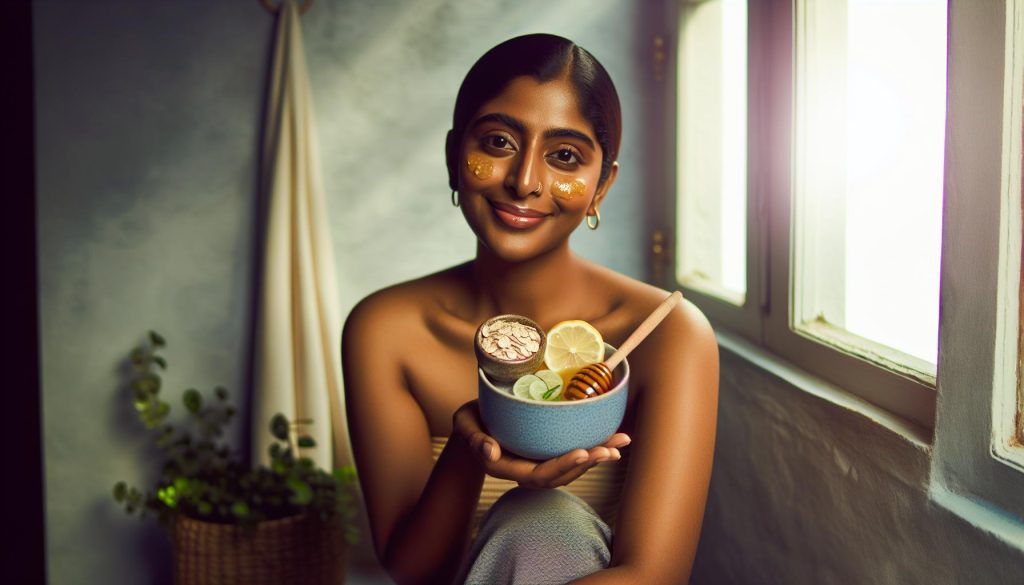
Blackheads are a common skin concern that often frustrate those trying to achieve a clear complexion. Did you know that they form when hair follicles become clogged with excess oil and dead skin cells? If you’re tired of battling these stubborn blemishes, exploring effective home remedies can be a game-changer. In this article, we will discuss five tried-and-true natural methods that not only help reduce blackheads but also support your skin’s overall health. We understand the importance of feeling confident in your skin, and these remedies offer approachable, DIY solutions right from your home. As you read on, you’ll discover how simple ingredients can make a significant impact, and why taking care of your skin is vital for both your appearance and self-esteem. Ready to unveil a clearer complexion? Let’s dive in!
Effective Home Remedies to Remove Blackheads Quickly
Finding effective home remedies to quickly remove blackheads can feel overwhelming, but there are several accessible solutions that can help clarify your skin without harsh chemicals. Blackheads occur when hair follicles become clogged with oil, dead skin, and dirt, leading to those pesky dark spots on your skin. Thankfully, natural treatments can address the root causes while being gentle on your skin.
One of the simplest methods is using a baking soda scrub. Combine two tablespoons of baking soda with water to form a paste, and gently rub it onto the blackhead-prone area. Baking soda helps exfoliate and remove dead skin cells, which is key in keeping pores unclogged. Rinse thoroughly with water afterward.
Another effective remedy is honey and lemon juice. Honey has natural antibacterial properties, while lemon juice acts as a natural astringent. Mixing one tablespoon of honey with the juice of half a lemon creates a potent mask; apply it to your face, leave it on for about 10-15 minutes, and then rinse off. This treatment not only helps reduce blackheads but also leaves your skin feeling fresh and clean.
Using apple cider vinegar is another home remedy that serves to balance your skin’s pH and minimize oil production. Mix equal parts apple cider vinegar and water, dab it onto the affected area, and allow it to sit for a few minutes before rinsing. The natural acidity of apple cider vinegar can help keep your pores clear.
It’s important to combine these treatments with good skincare practices such as regular cleansing and keeping your face moisturized. Always do a patch test of any new remedy to ensure your skin doesn’t react adversely. If you continue to struggle with blackheads, consider consulting a dermatologist for further advice tailored to your skin type.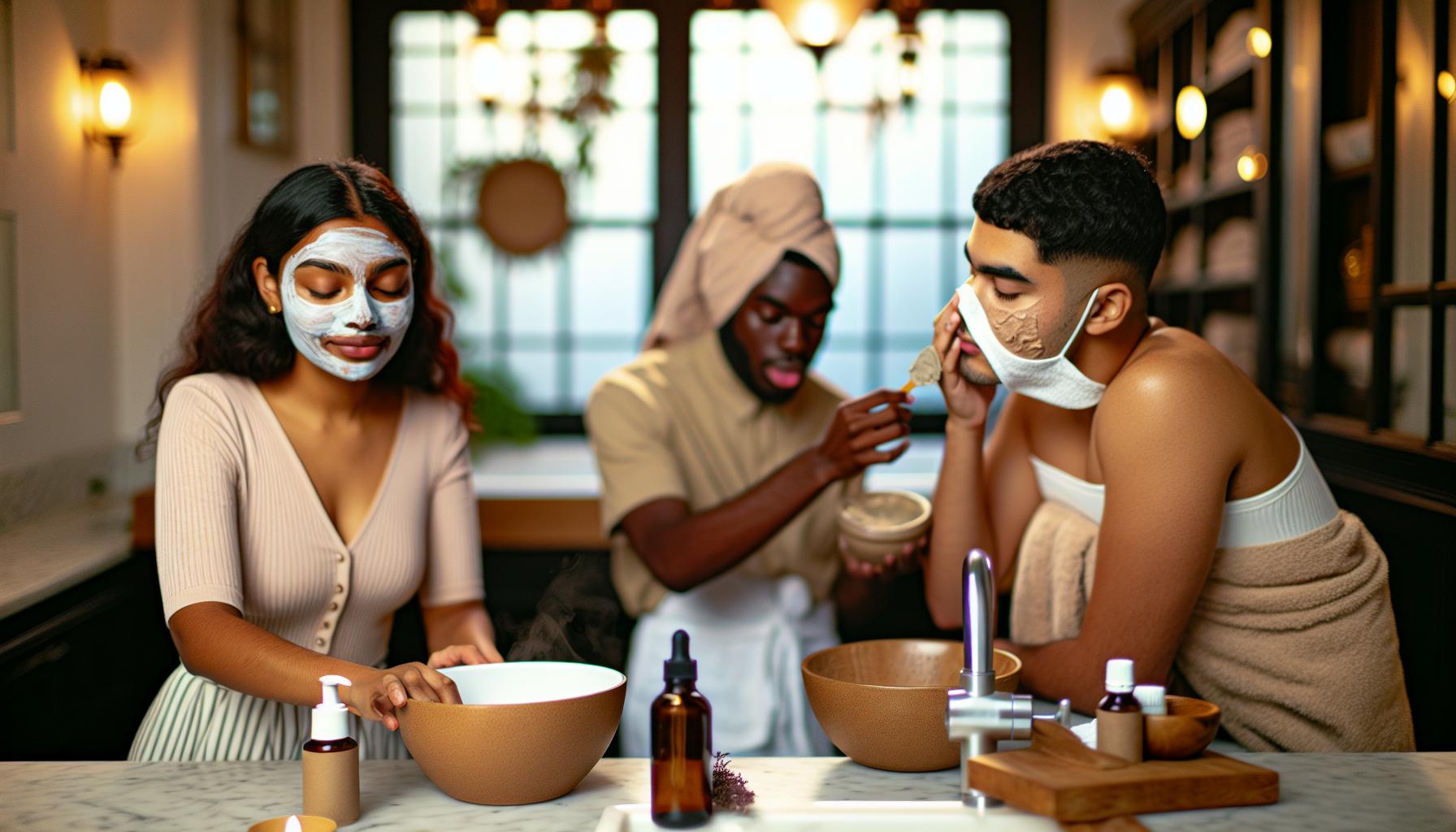
Understanding the Causes of Blackheads
Blackheads, those small dark spots on your skin, arise from a combination of factors that affect your pores on a daily basis. Understanding the underlying causes can empower you to take proactive steps in prevention and treatment. Primarily, blackheads form when hair follicles become clogged with excess oil, dead skin cells, and debris. This mixture creates a blockage that hardens over time, leading to the characteristic blemishes we recognize.
Several factors contribute to the overproduction of oil and the buildup of dead skin cells. Hormonal fluctuations, particularly during puberty, menstruation, or pregnancy, can significantly increase sebum production. Similarly, the use of certain skincare products that are not non-comedogenic may aggravate the situation by not allowing your pores to breathe. Environmental factors, like pollution and humidity, also play a role in intensifying the likelihood of blackheads, as they can introduce more dirt and oils to the skin’s surface.
To get a clearer picture, here are key contributors to blackhead formation:
- Excess oil (sebum): Produced by sebaceous glands, this natural oil can accumulate and combine with dead skin cells.
- Dead skin cells: The skin continuously sheds dead cells. When these cells are not removed effectively through cleansing, they can clog pores.
- Hormonal changes: Fluctuating hormones can lead to increased oil production, making blackheads more likely.
- Pore blockages: Products that clog pores can escalate the problem, particularly those heavy in texture or non-comedogenic labels.
By identifying these triggers, you can tailor your skincare routine to reduce their impact. Regular exfoliation and the use of clay masks can help keep your pores clean and oil production in check. However, it’s essential to consult with a dermatologist for personalized advice, particularly if you’re encountering persistent issues. Taking these initial steps can lead to clearer skin and a boost in your confidence.
Top Natural Ingredients for Blackhead Treatment
The battle against blackheads can be daunting, but nature offers a plethora of effective ingredients that can help clear your skin. Harnessing the power of natural remedies can not only reduce the appearance of blackheads but also promote healthier skin overall. Here are some of the top natural ingredients known for their effectiveness in blackhead treatment.
Salicylic Acid
Derived from willow bark, salicylic acid is a well-known exfoliant that penetrates deep into the pores to dissolve the debris causing blockages. This beta hydroxy acid (BHA) is particularly beneficial because it helps to reduce excess oil and encourages cell turnover. Regular use can lead to clearer skin and diminished blackheads, making it a favorite among skincare enthusiasts.
Tea Tree Oil
Known for its antimicrobial properties, tea tree oil is another powerful ally against blackheads. This essential oil can help reduce inflammation and kill the bacteria that often contribute to acne formation. When diluted with a carrier oil, tea tree oil can be applied directly to problem areas, alleviating the severity of blackheads while promoting overall skin health.
Honey
A natural humectant, honey is fantastic for maintaining moisture levels in the skin while possessing antibacterial properties. It can help soften blackheads, making them easier to remove. You can use raw honey as a mask or combine it with other ingredients like lemon juice for an added boost in cleansing power.
Clay
Clay masks, particularly bentonite or kaolin clay, are excellent for drawing out impurities and excess oil from the skin. When applied, these clays absorb sebum and toxins, leaving your pores clearer. Regular use of clay masks can contribute significantly to the reduction of blackheads while enhancing skin texture.
Apple Cider Vinegar
Apple cider vinegar acts as a natural astringent and toning agent. It can help restore the skin’s pH balance, reduce excess oil, and prevent pore blockages. Mixing equal parts of apple cider vinegar and water can create a simple yet effective toner that helps fight blackheads when applied to the affected areas.
Incorporating these natural ingredients into a regular skincare routine can be an effective approach to managing blackheads. However, it’s important to remember that everyone’s skin is different. Consulting with a healthcare professional or dermatologist can provide personalized recommendations, ensuring that your skincare regimen is tailored to meet your specific needs. Embracing these natural remedies can lead to clearer, healthier skin without harsh chemicals.
How to Create Your Own Blackhead Masks
Creating your own blackhead masks can be a fun and effective way to address stubborn skin issues while utilizing natural ingredients. Many store-bought options include harsh chemicals that may irritate sensitive skin, but homemade masks can be customized to your individual needs. With just a few simple ingredients often found in your kitchen, you can craft masks that not only fight blackheads but also nourish your skin.
Simple DIY Blackhead Mask Recipes
- Honey and Cinnamon Mask: This combination harnesses the antibacterial properties of honey and the exfoliating power of cinnamon. Mix 2 tablespoons of raw honey with 1 teaspoon of cinnamon. Apply the mixture to your face, focusing on areas with blackheads. Leave it on for about 10-15 minutes, then rinse with warm water to reveal softer and clearer skin.
- Charcoal Clay Mask: Activated charcoal is known for its ability to absorb impurities and toxins. Combine 1 tablespoon of activated charcoal powder with 2 tablespoons of bentonite clay and water to form a thick paste. Apply to the face and let it sit until it is dry (approximately 10 minutes). Rinse thoroughly to help unclog pores and reduce blackheads.
- Oatmeal and Yogurt Mask: Oatmeal acts as a natural exfoliant, while yogurt contains lactic acid, which can help break down dead skin cells. Mix equal parts of finely ground oatmeal and natural yogurt, and add a few drops of lemon juice for extra cleansing. Let the mask sit for about 20 minutes before rinsing with warm water.
- Apple Cider Vinegar Toner: While not a mask per se, this simple toner can effectively reduce oiliness and help prevent blackheads. Mix one part apple cider vinegar with one part water. Use a cotton pad to apply it to the face, focusing on areas prone to blackheads, and let it dry before following up with your regular moisturizer.
These masks utilize common kitchen ingredients, making them both accessible and affordable. While they can be effective for many people, results can vary based on skin type. It’s essential to perform a patch test on a small area of your skin to ensure no adverse reactions occur, especially if you have sensitive skin. Regular use of these masks, combined with a comprehensive skincare routine, can lead to improved skin texture and fewer blackheads.
For best practices, always keep your skin type in mind and consult with a healthcare professional or dermatologist if you’re unsure about your skincare choices. They can help tailor a routine that’s right for your individual skin concerns, enhancing your overall skin health.
Step-by-Step Guide to Using Steam for Blackheads
Steam therapy can be a transformative step in your skincare routine, especially when it comes to fighting blackheads. The gentle heat from steam helps to open up your pores, making it easier for impurities and excess oil to be expelled. By incorporating steaming into your regimen, you not only help to soften the materials clogging your pores but also enhance the effectiveness of subsequent treatments.
To begin, set everything you need within arm’s reach. You’ll require a bowl of hot water, a towel large enough to cover your head and the bowl, and some optional essential oils such as eucalyptus or tea tree for added benefits. Ensure the water is hot but not boiling; you want enough heat to create steam without risking burns.
Start by cleansing your face with a gentle cleanser to remove surface dirt and makeup. Next, lean over the bowl of hot water, draping the towel over your head to trap in the steam. This should be done for approximately 5 to 10 minutes, allowing the steam to work its magic. You might feel a bit clammy, but the heat should feel soothing. Remember to take breaks if it becomes too hot, and make sure to maintain a safe distance from the water to avoid burns.
After steaming, consider following up with your favorite blackhead treatment, such as a clay mask or a homemade exfoliant. The steam will have opened your pores, making them more receptive to these products. Finish your routine with a gentle moisturizer to keep your skin hydrated. Regularly incorporating steam therapy can lead to healthier-looking skin and a significant reduction in blackheads. However, if you have sensitive skin or conditions like rosacea, it’s wise to consult with a dermatologist before starting steam treatments to ensure it’s suitable for you.
The Magic of Exfoliation: Techniques that Work
Exfoliation is one of the most effective strategies for combating blackheads, as it helps to remove dead skin cells that can clog pores. In essence, exfoliation is the process of sloughing off the outer layer of skin to reveal fresh, healthy cells beneath. Regular exfoliation can significantly improve skin texture, diminish the appearance of blackheads, and enhance the effectiveness of your skincare products. By incorporating the right exfoliating techniques into your routine, you can achieve clearer and healthier skin.
Choosing the Right Exfoliant
When selecting an exfoliant, it is crucial to understand the two primary types: physical and chemical exfoliants. Physical exfoliants, such as scrubs with small granules, physically scrub away dead skin. However, they can be harsh on sensitive skin and may cause micro-tears if overused. Chemical exfoliants, on the other hand, utilize acids like salicylic acid, glycolic acid, or lactic acid to dissolve the bonds between dead skin cells, making them gentle yet effective. Salicylic acid, in particular, is beneficial for acne-prone skin as it penetrates deeper into pores to clear out excess oil and debris.
Implementing Exfoliation into Your Routine
To maximize the benefits of exfoliation in your skincare routine, consider the following steps:
- Frequency: Aim to exfoliate 2-3 times a week, depending on your skin type. Oily or combination skin can tolerate more frequent exfoliation, while dry or sensitive skin may require less.
- Gentle Technique: When using a physical exfoliant, apply it gently with circular motions and rinse with lukewarm water. For chemical exfoliants, follow the product instructions carefully to prevent irritation.
- Hydration: Post-exfoliation, always apply a hydrating moisturizer. Exfoliation can leave your skin temporarily more susceptible to dryness, so hydration is vital for maintaining a healthy barrier.
Incorporating Natural Exfoliants
For those who prefer natural ingredients, there are numerous options that can act as effective exfoliants. Honey and sugar scrubs are popular choices, as honey has antibacterial properties, and sugar dissolves easily in the skin. Likewise, oatmeal is gentle and soothes irritated skin while providing mild exfoliation. Simply mix your chosen exfoliant with water or a carrier oil and apply it in circular motions on clean, damp skin.
By including exfoliation in your skincare routine, you’re not only addressing existing blackheads but also preventing their future formation. Remember to listen to your skin-finding the right balance and technique for exfoliation can lead to a radiant and clearer complexion. If your blackheads persist despite your best efforts, consult with a skincare professional to explore more advanced treatments.
Lifestyle Changes to Prevent Blackheads
Making changes to your everyday routine can have a significant impact on preventing blackheads and maintaining clear skin. Often, we overlook how factors like diet, hygiene, and stress play crucial roles in the health of our skin. By adopting a few simple lifestyle adjustments, you can help minimize the formation of blackheads and promote overall skin clarity.
Start with your diet; incorporating more fruits and vegetables can improve skin health. Foods high in vitamins A, C, and E, like carrots, oranges, and spinach, can help combat skin issues by providing essential nutrients. Additionally, staying hydrated is key; drinking enough water flushes toxins from your body and keeps your skin well-hydrated. Aim for at least eight glasses of water a day to ensure your skin stays supple and clear.
Next, examine your skincare regimen. Make sure to cleanse your face twice daily using a gentle, non-comedogenic cleanser that won’t clog pores. If you wear makeup, it’s imperative to remove it thoroughly each night to prevent buildup that leads to blackheads. Consider using a toner with salicylic acid, which helps clear excess oil and minimize pore appearance. Lastly, avoid touching your face unnecessarily as this can transfer oils and dirt that contribute to breakouts.
Lastly, stress management plays a pivotal role in your skin’s health. Stress triggers hormonal fluctuations that can lead to increased oil production, fostering blackheads. Engage in regular physical activity, practice mindfulness techniques like yoga or meditation, and ensure you’re getting enough sleep each night. These practices not only support your overall health but also create a balanced environment for your skin to thrive.
In conclusion, making these lifestyle changes can significantly reduce the likelihood of blackhead formation. While home remedies will help, integrating these habits into your daily routine offers a proactive approach to skincare. For tailored advice based on your specific needs, always consult with a dermatology professional.
Comparing Home Remedies vs. Commercial Products
Though many people struggle with blackheads, understanding the difference between home remedies and commercial products can empower you to make informed choices about your skincare routine. Home remedies often consist of natural ingredients that are readily available, making them a popular choice for those seeking cost-effective and simple solutions. Examples include ingredients like baking soda, honey, and oatmeal, which can be mixed into masks or scrubs to gently exfoliate and unclog pores. The appeal of these natural methods lies in their generally mild nature; for individuals with sensitive skin or allergies, they can provide a safer alternative without the harsh chemicals found in many commercial products.
On the other hand, commercial products designed specifically for blackhead removal often contain active ingredients like salicylic acid, benzoyl peroxide, and retinoids. These ingredients are scientifically proven to penetrate pores, reduce oil production, and promote cell turnover, leading to quicker results compared to many home remedies. While these products may offer potent solutions to stubborn blackheads, they can sometimes lead to irritation, especially for those with sensitive skin types. Therefore, it’s crucial to read ingredient labels and patch-test new products before fully integrating them into your routine.
When to Choose Home Remedies vs. Commercial Products
The decision between home remedies and commercial products largely comes down to your specific skin type, personal preferences, and skin goals. If you’re someone who enjoys DIY approaches and has a mild case of blackheads, starting with home remedies may be worthwhile. However, for persistent or severe cases, or if you seek faster results, commercial products may be the better option. Consulting with a dermatologist can also provide personalized insights into which methods might work best for you, ensuring that your skincare routine aligns with your skin’s unique needs.
Ultimately, a combination of both approaches might yield the best results. Consider using gentle home remedies for regular care and maintenance, while incorporating more robust commercial products as needed for more intense treatments. Remember, individual skin conditions vary widely, so always listen to your skin’s reactions and adjust your methods accordingly. With the right balance and care, achieving clear skin free from blackheads can be a realistic goal.
Expert Tips for Maintaining Clear Skin
Maintaining clear skin is an essential aspect of feeling confident and healthy, especially for those prone to blackheads. A balanced skincare routine can make a significant difference in preventing their recurrence and promoting overall skin health. Hydration is key; ensure you drink plenty of water throughout the day to keep skin cells hydrated from within, which promotes natural oil balance and can help reduce excess sebum production that leads to clogged pores.
To maintain clarity, consider integrating gentle exfoliation into your routine, which removes dead skin cells that can contribute to the formation of blackheads. Products containing alpha hydroxy acids (AHAs) or beta hydroxy acids (BHAs) can be beneficial. For those leaning towards natural options, consider using ingredients like oatmeal or brown sugar mixed with honey for weekly scrubs. Remember to exfoliate no more than twice a week to avoid irritation.
Maintaining a consistent skincare regimen also means choosing the right products. Look for non-comedogenic moisturizers and sunscreens, which are specifically formulated not to clog pores. Additionally, when applying makeup, ensure that the products you use are easily removable at the end of the day; avoiding heavy layers can minimize the chance of pore blockage. Afterwards, always thoroughly cleanse your skin to remove any residual oils and products.
Lastly, adopting a balanced diet rich in fruits, vegetables, and healthy fats can greatly influence skin health. Foods high in antioxidants and omega-3 fatty acids support skin integrity, while processed foods can exacerbate oiliness and breakouts. Coupling dietary changes with stress management techniques, such as yoga or meditation, may also have positive effects on your skin, as stress can trigger hormonal fluctuations that lead to increased oil production. If persistent issues with blackheads continue despite these efforts, consulting a dermatologist can provide tailored advice and interventions.
Avoiding Common Mistakes in Blackhead Removal
To achieve success in blackhead removal, understanding and avoiding common pitfalls can make all the difference. One of the most prevalent mistakes is resorting to overly aggressive methods. Many people are tempted to squeeze blackheads manually, believing that this will deliver quick results. However, this can lead to skin trauma, infection, and scarring. Instead of squeezing, consider gentler methods that effectively clear pores without causing damage.
Another frequent error is neglecting a consistent skincare routine. Skipping steps like cleansing or moisturizing can exacerbate skin issues. It’s essential to establish a regimen that incorporates gentle exfoliation, appropriate cleansing, and hydration. Products such as salicylic acid cleansers can help dissolve excess oil and dead skin, preventing the development of new blackheads. Aim for consistency rather than intensity to maintain healthy skin.
Additionally, using products that are not non-comedogenic can worsen blackhead issues. Always check labels and select formulations that specifically state they won’t clog pores. Heavy creams, oils, or certain makeup products can contribute to the cycle of blackhead formation. Thus, being mindful of product choices and their ingredients is crucial to achieving clear skin.
Lastly, many individuals underestimate the impact of diet and hydration on their skin health. A diet high in sugar and processed foods can lead to increased oil production, which can worsen blackhead formation. Incorporating a variety of fresh fruits, vegetables, and plenty of water can promote healthier skin. If problems persist despite making these adjustments, it’s wise to consult with a dermatologist for tailored advice and treatment options. Emphasizing patience and a balanced approach will yield the best results in your skincare journey.
When to Seek Professional Help for Blackheads
Persistent blackheads can feel like a never-ending battle, and while home remedies are often effective for mild cases, there comes a time when seeking professional help is essential. The skin can be complex, and various factors, from skin type to hormonal changes, can affect your ability to manage blackheads. If you notice that your efforts aren’t yielding results despite consistent routines or if your skin shows signs of distress, it may be time to consult a dermatologist.
Understanding when to seek professional assistance primarily hinges on the severity and persistence of the problem. If your blackheads are accompanied by significant irritation, redness, or swelling, these symptoms could indicate an infection or a more serious acne condition requiring medical intervention. Furthermore, if you find that your usual methods-like topical treatments containing salicylic acid or exfoliating masks-no longer work or seem to exacerbate the issue, a healthcare provider can help tailor a treatment plan that addresses your unique skin concerns.
Additionally, certain skin types may require specialized treatments unavailable over the counter. For example, those with sensitive skin might react poorly to aggressive exfoliation or specific chemical treatments. A dermatologist can offer alternatives, such as professional extraction procedures or prescription-strength topical medications, which can provide more immediate results while reducing the risk of scarring or long-term damage.
Signs It’s Time to Consult a Dermatologist
- Persistent blackheads that don’t respond to home treatments
- Signs of infection or severe inflammation (redness, swelling, pain)
- Skin irritation from new products or treatments
- Worsening condition despite following a consistent skincare regimen
Always remember that prioritizing your skin health is essential. Engaging with a professional can save you time and potentially reduce the risk of future skin issues, paving the way for clearer skin and a more effective skincare routine.
Frequently asked questions
Q: What natural ingredients are effective for treating blackheads?
A: Effective natural ingredients for blackhead treatment include baking soda for exfoliation, honey for its antibacterial properties, and lemon juice for its astringent effects. Each of these can help unclog pores and reduce blackhead formation. Remember to patch test any ingredient before full application.
Q: How often should I use home remedies for blackheads?
A: Home remedies for blackheads can be used 1-2 times per week, depending on the sensitivity of your skin. Overuse may irritate your skin, so it’s essential to monitor your skin’s response and adjust accordingly. For a balanced routine, include gentle exfoliation and hydration in your skincare regimen.
Q: What lifestyle changes can help prevent blackheads?
A: To prevent blackheads, maintain a balanced diet rich in fruits and vegetables, stay hydrated, and avoid touching your face. Regularly cleansing your skin and using non-comedogenic products can also reduce the occurrence of blackheads. Lifestyle adjustments are crucial for lasting skin health.
Q: Are there any risks associated with home remedies for blackheads?
A: Yes, while many home remedies are generally safe, some may cause skin irritation or allergic reactions. Always perform a patch test before using new ingredients and discontinue use if redness or discomfort occurs. For persistent blackheads, consult a dermatologist for professional advice.
Q: How do I know if I should see a professional for my blackheads?
A: Consider seeking professional help if your blackheads are persistent, severe, or affecting your self-esteem. If home remedies and over-the-counter treatments do not yield improvements after a few weeks, a dermatologist can offer tailored treatments and further insights.
Q: Can steaming help remove blackheads?
A: Yes, steaming can effectively open up pores, making it easier to remove blackheads. Use a facial steamer or a bowl of hot water, allowing your face to be exposed to the steam for about 5-10 minutes before exfoliating. Always follow up with a gentle moisturizer to soothe the skin.
Q: Is it better to use commercial products or home remedies for blackheads?
A: Both commercial products and home remedies have their benefits. Home remedies tend to use natural ingredients and can be less irritating, while commercial products may contain active ingredients specifically formulated for skincare. Personal preference and skin type should guide your choice.
Q: What mistakes should I avoid when treating blackheads?
A: Common mistakes include using harsh scrubs too often, neglecting to moisturize after treatment, and picking or squeezing blackheads, which can lead to scarring. Always prioritize gentle skincare practices and remember that consistency is key for effective results.
In Conclusion
Thank you for exploring our insights on effective home remedies for blackheads! Remember, achieving clearer skin doesn’t happen overnight, but with consistent application of the remedies discussed, you’ll be well on your way to achieving your skincare goals. If you’re intrigued by natural approaches to wellness, be sure to check out our articles on “DIY Skincare Recipes” and “Guidelines for Healthy Skin Care Routines.”
Before trying new remedies, it’s always wise to consult with a healthcare professional to tailor advice to your individual needs. Ready to dive deeper? Subscribe to our newsletter for the latest tips, or explore our product recommendations to enhance your skincare regime. Your skin deserves the best care, and we’re here to support your journey-feel free to comment below with your experiences or share this guide with friends who might benefit!