Have you ever reached for a refreshing can of ginger ale, wondering what exactly is in that bubbly drink? While often considered a soothing option for upset stomachs, many drinkers might be surprised to learn that caffeine content can vary among brands. Understanding whether ginger ale contains caffeine is crucial for those who monitor their intake for health reasons or simply seek a caffeine-free beverage. As you contemplate your next sip, delve into this article to uncover the surprising truth about ginger ale and its caffeine content. Whether you’re looking for a cozy drink to relax after a long day or checking labels for dietary restrictions, knowing what’s in your drink can help you make informed choices for your health and well-being.
Does Ginger Ale Actually Contain Caffeine?
Most ginger ales are caffeine-free, making them a popular choice for those seeking a refreshing beverage without the stimulant effects of caffeine. This not only appeals to individuals who are sensitive to caffeine but also fits well into a variety of dietary restrictions and preferences. It’s important to note, however, that while traditional ginger ale is devoid of caffeine, some craft or specialty versions may contain added caffeine. Therefore, if you’re concerned about caffeine intake, always check the label before indulging.
The primary ingredients of ginger ale typically include carbonated water, ginger extract, sweeteners, and sometimes citric acid or flavorings. The ginger content can vary significantly between brands and types, which contributes to the taste differences under the broad category of ginger ales. Some manufacturers may choose to enhance their recipes with additional flavoring agents or even infuse caffeine to appeal to adult consumers looking for an energizing option. Consequently, when purchasing ginger ale, considering the ingredient list is crucial.
For those who enjoy the taste of ginger and are avoiding caffeine, ginger ale can also provide a fizzy alternative to soda, especially when paired with meals or enjoyed on its own. Furthermore, homemade versions can be made using ginger, water, and a sweetener of your choice, allowing you to control the ingredients entirely.
In summary, if you’re looking for a caffeine-free refreshment, classic ginger ale is generally the way to go. As always, it’s advisable to stay informed about the specific brand you are consuming, as formulations can vary widely.
The Ingredients Behind Ginger Ale’s Taste
Ginger ale is more than just a fizzy drink; its unique flavor profile is a delightful interplay of various ingredients that make it a widely enjoyed beverage. At its core, ginger ale is primarily made from carbonated water, sweeteners, and ginger extract, which together create a refreshing drink. The ginger content, often revered for its health benefits, can vary significantly between brands, ranging from subtle hints to assertive, spicy notes. This variation influences not only the taste but also the drink’s overall character.
In many commercial ginger ales, the sweetness plays an essential role in balancing the spiciness of ginger. Common sweeteners include cane sugar, high-fructose corn syrup, or natural options like honey or agave syrup. These sweeteners help enhance the ginger’s flavor, creating a pleasing blend of spiciness and sweetness that appeals to many palates. Some brands may also incorporate citric acid or other flavoring agents to add a zesty kick, further diversifying their flavor profiles. It’s important for consumers who are monitoring their sugar intake to look closely at the ingredient lists, as sugar content can vary widely.
When considering homemade ginger ale, the recipe can be adapted for personal preferences, using fresh ginger, sweeteners of choice, and sparkling water. This DIY approach not only allows for customization but can also result in a healthier beverage if natural or lower-calorie sweeteners are chosen. Furthermore, experimenting with additional herbs or fruits can yield unique flavor combinations that are both refreshing and satisfying.
Ultimately, understanding empowers consumers to make informed choices. Whether opting for a store-bought version or crafting a homemade brew, being mindful of ingredients can enhance the enjoyment of this age-old beverage, ensuring it’s both delicious and meets individual dietary needs. As always, consulting with a healthcare professional is advisable for those needing personalized dietary advice, particularly if they have specific health conditions or dietary restrictions.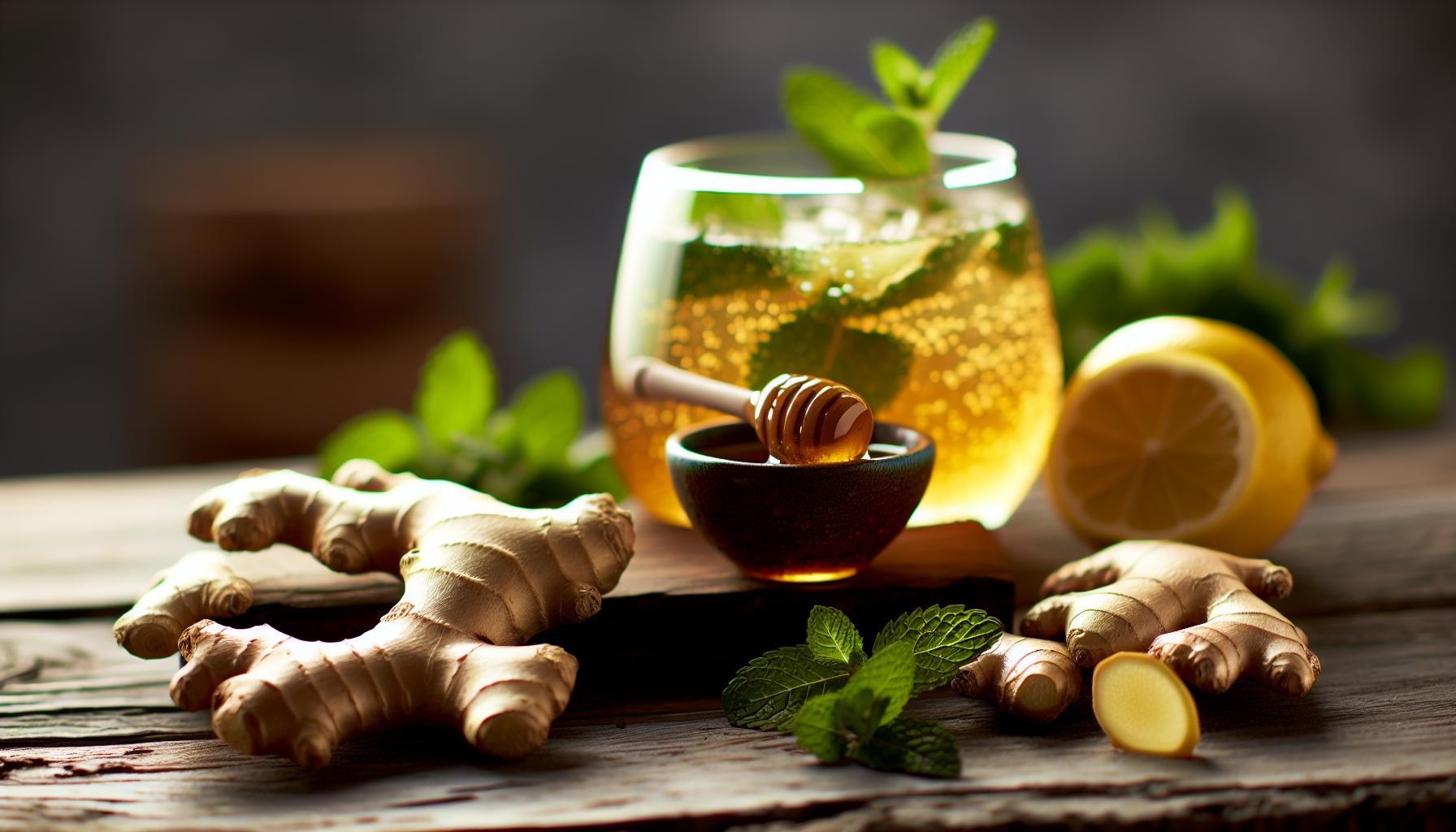
Exploring Health Benefits of Ginger Ale
Ginger ale, often celebrated for its refreshing taste, also boasts a variety of health benefits that make it more than just a fizzy drink. The key ingredient, ginger, has been used for centuries in traditional medicine due to its numerous health-promoting properties. Whether sipped for enjoyment or consumed as a natural remedy, ginger ale can offer several advantages, particularly when it comes to digestive health and immune support.
One of the most notable benefits of ginger ale comes from its ginger content, which is known to aid digestion. Ginger has been linked to reducing nausea, making it a popular home remedy for motion sickness, morning sickness during pregnancy, and even post-operative nausea. Drinking ginger ale, especially varieties made with real ginger, may provide a soothing effect on the stomach, helping to alleviate discomfort after a heavy meal or during moments of digestive distress.
In addition to digestive benefits, ginger is renowned for its anti-inflammatory and antioxidant properties. These characteristics can help boost overall immune function, promoting better resilience against common illnesses. A warm glass of ginger ale may also serve as a comforting option when dealing with colds or flu symptoms, thanks to its potential to provide warmth and hydration. While ginger ale can be helpful, it’s always best to choose varieties with real ginger for maximum health benefits, as many commercial brands rely on artificial flavorings instead.
Another aspect to consider is the hydrating effects of ginger ale when prepared with minimal added sugars or carbonation. Natural ginger ale can be a refreshing beverage option for those seeking a caffeine-free drink. For additional health benefits, consider making homemade ginger ale using fresh ingredients. By controlling the quantity of sweetener and carbonation, you can create a healthier version that suits your taste and health needs.
Ultimately, while ginger ale can present several health benefits, it’s important to remain mindful of the variations between brands and preparation methods. For specific health concerns or dietary needs, consulting with a healthcare professional is advisable to personalize your choices effectively. Whether enjoyed on its own or used as a health tonic, ginger ale’s rich history and diverse benefits continue to resonate with many health-conscious individuals.
Caffeine Sources in Popular Beverages
While many beverages can provide a caffeine jolt, remarkably, ginger ale is typically caffeine-free. However, understanding is essential for making informed choices about consumption, especially for those who prefer to limit or avoid caffeine.
Caffeine can be found in various types of drinks, including:
- Soft Drinks: Many colas and energy drinks contain significant caffeine levels, often ranging from 20 mg to over 100 mg per serving.
- Coffee: The caffeine content in coffee can be quite high, with an average cup containing around 95 mg, depending on the brewing method and type of coffee bean.
- Tea: Both black and green teas contain caffeine, although generally less than coffee, with about 30-50 mg per cup.
- Energy Drinks: These are often loaded with caffeine, with some brands containing up to 300 mg per serving, in addition to other stimulating ingredients.
It’s important to read labels carefully, as caffeine content can vary widely among brands and types of beverages. While ginger ale typically does not contain caffeine, some specialty sodas may incorporate it, particularly those that are marketed as energy-boosting or for specific health purposes. Therefore, if you’re looking for a refreshing, caffeine-free option, traditional ginger ale remains a reliable choice.
For those looking to avoid caffeine altogether, being aware of how to interpret beverage labels can be beneficial. Look for phrases such as “caffeine-free” or “naturally caffeine-free,” which indicate that the drink does not contain added caffeine. The absence of caffeine in ginger ale allows it to be enjoyed at any time of day without the worries associated with caffeine-induced jitters or sleeplessness, making it an excellent option for individuals looking to hydrate or soothe their stomach without additional stimulants.
How to Read Beverage Labels Effectively
Navigating beverage labels can often feel like deciphering a complex puzzle, especially regarding caffeine content. As consumers become more health-conscious, understanding how to read labels effectively is crucial for making informed choices. For those curious about ginger ale and whether it contains caffeine, knowing what to look for on the label can clarify uncertainties.
When examining beverage labels, start by looking for specific terms related to caffeine. Phrases like “caffeine-free” or “naturally caffeine-free” indicate that the product does not contain any added caffeine. Although traditional ginger ale is typically free of caffeine, some brands may produce specialty versions that could contain caffeine for energy or flavor enhancement. Therefore, always check the ingredients list for any caffeine-related mentions, such as coffee extract or guarana, which is often added for an energy boost.
Another essential aspect to consider is the serving size. The caffeine content may be listed per serving, so if you plan to consume more than one serving, be sure to multiply the listed amount accordingly. Understanding the nutritional information table can also provide insight into other ingredients that may affect your health choices. Look for added sugars or artificial sweeteners, as these can significantly impact your overall dietary intake.
Lastly, keep in mind that caffeine sensitivity varies from person to person. If you’re uncertain about your caffeine tolerance or how it interacts with your health conditions, consulting a healthcare professional is always a good idea. By becoming more adept at reading beverage labels, you empower yourself to choose drinks like ginger ale that align with your health goals, ensuring refreshment without the unintended caffeine jolt.
The Best Ginger Ale Brands Ranked
When it comes to finding the perfect ginger ale, it’s essential to know which brands stand out from the crowd – especially if you’re looking to enjoy a refreshing beverage without caffeine. Many consumers not only prioritize taste but also the health implications of what they’re drinking. Below is a ranked overview of some of the best ginger ale brands available today, celebrated for their distinctive flavors and commitment to quality.
Top Ginger Ale Brands
- Schweppes Ginger Ale: A classic choice that has been around for decades, Schweppes offers a crisp, refreshing taste and is often favored for its balanced sweetness and spice. Importantly, this brand does not contain caffeine, making it a great option for those looking to avoid stimulants.
- Canada Dry: Another household name, Canada Dry is renowned for its smooth flavor and ginger kick. It’s often used in cocktails but is delightful on its own. Like Schweppes, Canada Dry is typically caffeine-free, aligning with consumer preferences for non-caffeinated beverages.
- Barritt’s Ginger Beer: While technically categorized as a ginger beer, Barritt’s is worth mentioning for its rich ginger flavor and versatility in cocktails. It offers a spicier twist compared to traditional ginger ales and is caffeine-free, appealing to those looking to up the ante on ginger flavor without the caffeine hit.
- Fever Tree Ginger Ale: Fever Tree has earned a reputation for using high-quality, natural ingredients. With a light and refreshing profile, this ginger ale is often used in premium cocktails and is also caffeine-free, ensuring that drinkers aren’t compromising on flavor while avoiding caffeine.
- Q Ginger Ale: Known for its less sweet and more natural ginger flavor, Q Ginger Ale offers a sophisticated take on the classic drink. It caters especially to those who prefer a more pronounced ginger taste, and like its counterparts, it is traditionally caffeine-free.
These brands not only excel in taste but also provide peace of mind for those who wish to enjoy a ginger-flavored beverage without caffeine. As the market for ginger ales evolves, many consumers are becoming more discerning about ingredient quality and health implications. Always check labels to verify caffeine content and any added ingredients, ensuring you make informed choices that resonate with your preferences and lifestyle.
Ginger Ale vs. Ginger Beer: Key Differences
The world of ginger-flavored beverages can sometimes cause confusion, particularly when differentiating between ginger ale and ginger beer. While both drinks share a common ingredient, ginger, their production methods, flavor profiles, and culinary uses vary significantly, which can be paramount for consumers who are conscious about their choices-especially when it comes to caffeine content.
Ginger ale is usually a carbonated soft drink flavored with ginger and sweetened with sugar or artificial sweeteners. It’s often characterized by a light, refreshing taste with a subtle ginger flavor, making it an ideal mixer for cocktails or a soothing remedy for an upset stomach. Most commercial ginger ales are caffeine-free, offering a comforting and gentle beverage option without the stimulating effects associated with caffeinated drinks.
On the other hand, ginger beer is fermented and generally has a bolder, spicier flavor profile due to the yeast fermentation process, which can also contribute to its slight cloudiness. While traditionally brewed ginger beer may have a small amount of alcohol, most modern versions are non-alcoholic. Like ginger ale, ginger beer can also be caffeine-free, but it’s essential to check individual brands’ labels to confirm, as some may vary. Ginger beer is often enjoyed on its own or as a key ingredient in cocktails like the famous Moscow Mule.
In summary, both ginger ale and ginger beer are predominantly caffeine-free options, appealing to those who want a zesty beverage without the jitters. When choosing between the two, consider your flavor preference and how you intend to use the drink, whether as a refreshing soda or a robust mixer. Always check the labels to ensure you select a product that meets your dietary needs and preferences.
Alternative Drinks Without Caffeine
Looking for refreshing beverage options that won’t disrupt your caffeine-free lifestyle? You’re not alone. Many people are making the switch to caffeine-free drinks for various reasons, such as reducing anxiety, improving sleep, or avoiding caffeine’s diuretic effects. Fortunately, there are plenty of delicious and satisfying alternatives to traditional caffeinated beverages, allowing you to enjoy a flavorful drink without the jitters.
One excellent alternative is herbal tea, which comes in an array of flavors and blends. Varieties like chamomile, peppermint, and rooibos not only soothe your palate but also offer potential health benefits, such as aiding digestion and promoting relaxation. You can enjoy them hot or iced, making them versatile for any season. Another option is infused water, where you can create refreshing combinations by simply adding fruits like berries, cucumber, or citrus, along with herbs such as mint or basil. This not only hydrates but also enhances the flavor profile without any added sugars or caffeine.
If you’re in the mood for something carbonated, sparkling water or flavored seltzers are trendy choices. Many brands offer a variety of natural flavors-like lime, grapefruit, and even ginger-that mirror the fizzy quality of sodas without any caffeine or added sugars. For a nostalgic twist, you might consider tonic water or specialized non-alcoholic cocktails, which can provide a sophisticated fizz without the kick of caffeine or alcohol.
Lastly, you might explore various caffeine-free soft drinks available on the market. These can provide the sweet, fizzy flavor while still aligning with your health-conscious choices. Always remember to check the labels to ensure they fit your dietary needs, as formulations can vary widely among brands.
Incorporating these alternatives into your diet can lead not just to better hydration but also to discovering new flavors and enjoying beverages that align better with your lifestyle. Whether you’re unwinding after a long day or enjoying a meal, there’s a caffeine-free option for you that is both satisfying and flavorful.
Understanding the Effects of Caffeine on Health
Many people enjoy beverages like coffee, tea, and soft drinks for the quick boost of energy and focus they provide, but caffeine, the primary stimulant in these drinks, can come with its own set of health effects. For some, caffeine can be a double-edged sword: while it can improve alertness and concentration, excessive consumption may lead to anxiety, sleep disturbances, and even irritability. It’s essential to understand how this common ingredient can impact your health, especially when making choices about drinks like ginger ale.
Caffeine primarily affects the central nervous system, resulting in increased wakefulness and reduced fatigue. However, it can also elevate blood pressure temporarily and may interfere with your ability to fall asleep if consumed too late in the day. Individuals who are sensitive to caffeine may experience jitteriness, rapid heartbeat, or digestive upset. Moreover, the addictive nature of caffeine can lead to withdrawal symptoms such as headaches, fatigue, and mood changes when consumption is reduced.
When it comes to ginger ale, consumers often wonder if it contains caffeine and how it stacks up against other beverages in terms of health benefits and drawbacks. Most traditional ginger ales are caffeine-free, but always check labels as some brands may include caffeine. This is particularly important for individuals looking to reduce their caffeine intake for health reasons or personal preferences.
Making informed choices about caffeine consumption can lead to better overall health. It’s beneficial to maintain a balanced approach to caffeine intake, aiming to stay within the recommended daily limit of up to 400 mg for most adults, which equates to roughly four 8-ounce cups of brewed coffee. If you’re looking to reduce caffeine for reasons such as improving sleep quality or lower anxiety levels, consider switching to naturally caffeine-free beverages and gradually decreasing your intake. As always, consult with a healthcare professional for personalized advice tailored to your specific health needs.
Myths and Facts About Ginger Ale and Caffeine
Many people are surprised to learn the truth about ginger ale and caffeine. It’s a common belief that all sodas contain caffeine, but this isn’t always the case. Most traditional ginger ales, particularly the brands you find in grocery stores, are actually caffeine-free. This can make ginger ale an excellent choice for those looking to avoid caffeine while still enjoying a refreshing beverage. However, there are variations and brands that might include caffeine, so consumers should always check the labels.
Common Misconceptions
- All Ginger Ales Contain Caffeine: This is a widespread myth. Many popular brands, such as Canada Dry and Schweppes, do not use caffeine in their ginger ale formulations.
- Caffeine is Essential for Flavor: Some people think that caffeine enhances the flavor of ginger ale, but it is primarily the ginger and sugar that provide its distinct taste.
The Importance of Reading Labels
Understanding the ingredients in ginger ale can prevent misconceptions. It’s essential to read beverage labels carefully, especially for flavored sodas, as some brands may add caffeine for an extra kick. Consumers looking to limit their caffeine intake should ensure they are selecting ginger ale without added caffeine, which is typically marketed as “caffeine-free.”
Ultimately, if you’re uncertain about whether a specific brand of ginger ale contains caffeine, it’s beneficial to consult with the product’s website or contact customer service for clarity. By making informed choices, you can enjoy your ginger ale without worrying about unwanted caffeine intake, promoting better overall health and wellness.
Consumer Preferences: Why Choose Caffeine-Free?
Many consumers today are becoming increasingly health-conscious, carefully considering what goes into their bodies. One compelling reason to opt for caffeine-free beverages, such as ginger ale, is the desire to maintain balanced energy levels without the jitters associated with caffeine consumption. For many individuals, avoiding caffeine can lead to improved sleep quality and reduced anxiety, making caffeine-free options a popular choice, especially for those sensitive to stimulants.
Choosing caffeine-free ginger ale not only caters to personal health preferences but also meets various dietary needs. Pregnant women, children, and those with specific health conditions often need to limit caffeine intake. The refreshing taste of ginger ale provides a bubbly and enjoyable alternative to other sodas without compromising health. Additionally, caffeine-free beverages can be particularly appealing during social gatherings, allowing everyone to participate in the fun without the side effects of caffeine.
Moreover, opting for caffeine-free drinks aligns with a growing trend towards mindful consumption. As consumers become more aware of ingredient labels and potential additives, selecting beverages like ginger ale that are free from caffeine can contribute to a more healthful lifestyle. This proactive approach not only supports personal well-being but also encourages brands to produce and promote healthier options within the beverage industry.
It’s essential for consumers to educate themselves about the ingredients and nutritional profiles of their favorite drinks. Many brands clearly label their ginger ales as “caffeine-free,” making it easier for consumers to make informed choices. However, for those unsure about a specific product, checking the nutritional information or contacting customer service can help clarify any doubts. Ultimately, choosing caffeine-free beverages emphasizes a commitment to health that resonates with many today’s consumers, empowering them to enjoy flavorful drinks without unwanted side effects.
Homemade Ginger Ale: A Recipe Without Caffeine
Crafting your own ginger ale at home not only guarantees a caffeine-free beverage but also allows you to customize flavors and sweetness to your preference. Many commercial ginger ales contain added preservatives and sugars, but making your own means you can opt for fresh ingredients and monitor every component. The process is straightforward and can be a delightful activity, especially for those looking for a zesty refreshment without the side effects associated with caffeine.
To prepare a simple homemade ginger ale, you’ll need a few key ingredients. Begin with fresh ginger, which is the main flavoring agent. You’ll also require water, sugar, and a carbonated drink such as club soda. Here’s a quick recipe to get you started:
Simple Homemade Ginger Ale Recipe
- Ingredients:
- 1/2 cup fresh ginger, peeled and sliced
- 1 cup sugar (or less, to taste)
- 1 cup water
- 1/2 cup club soda (or more, to taste)
- Slices of lemon or lime for added flavor (optional)
Instructions:
- In a small saucepan, combine the sliced ginger, sugar, and water. Bring the mixture to a boil, then reduce the heat and let it simmer for about 10-15 minutes. This creates a ginger syrup.
- Once the syrup has cooled, strain out the ginger slices, leaving you with a sweet ginger flavor. You can store this syrup in the refrigerator for up to two weeks.
- To serve, mix about 1/4 cup of ginger syrup with 1 cup of club soda. Adjust the syrup’s quantity based on how strong you want the ginger flavor to be.
- Add ice, garnish with lemon or lime slices, and enjoy your homemade, caffeine-free ginger ale!
This recipe allows for flexibility-feel free to experiment with the sweetness or even incorporate other fruit juices for unique variations. Additionally, it highlights how one can enjoy traditional flavors without the negative impacts of caffeine. Regardless of dietary needs or health conditions, creating a refreshing drink at home serves as a great way to cultivate mindful eating habits and enjoy the natural benefits of ginger without any unwanted additives. Always consult with a healthcare professional if you have specific health conditions or dietary restrictions.
Faq
Q: Does all ginger ale contain caffeine?
A: Most ginger ales are caffeine-free. Popular brands typically do not include caffeine in their ingredients, making them a safe choice for those avoiding stimulants. However, always check the label to confirm, as some specialty or craft versions may vary.
Q: What are the main ingredients in ginger ale?
A: Ginger ale primarily contains carbonated water, sugar or sweeteners, ginger extract, and citric acid. The ginger extract is what contributes to its unique flavor and potential health benefits. For more details on ingredients, refer to the “The Ingredients Behind Ginger Ale’s Taste” section of the article.
Q: How does ginger ale compare to ginger beer regarding caffeine?
A: Both ginger ale and ginger beer are often caffeine-free, though ginger beer can sometimes have a stronger ginger flavor. If caffeine avoidance is essential for you, check the labels of each product type to ensure they meet your dietary requirements.
Q: What should I look for on the label of ginger ale?
A: When reading a ginger ale label, look for ingredients like sugar, ginger extract, and any preservatives. Also, check for the caffeine content, which will usually be indicated clearly. This is covered in detail in “How to Read Beverage Labels Effectively.”
Q: Can ginger ale have health benefits?
A: Yes, ginger ale may provide benefits such as aiding digestion and reducing nausea. However, the health benefits depend largely on the ginger content-look for brands that emphasize natural ginger extracts for better effects. More about this can be found in “Exploring Health Benefits of Ginger Ale.”
Q: Is there a caffeine-free alternative to ginger ale?
A: Yes, there are several alternatives to ginger ale that contain no caffeine, including sparkling lemonades and herbal teas. These beverages can provide a similar refreshing taste without the added stimulant. For homemade options, see “Homemade Ginger Ale: A Recipe Without Caffeine.”
Q: Why do people prefer caffeine-free beverages like ginger ale?
A: Many people choose caffeine-free beverages to avoid side effects such as jitters or disrupted sleep patterns associated with caffeine intake. These choices are often healthier for those sensitive to caffeine. More insights can be found in “Consumer Preferences: Why Choose Caffeine-Free?”
Q: Does ginger ale help with upset stomachs?
A: Ginger ale can help soothe an upset stomach due to the ginger content, which can aid digestion. However, it’s best to choose varieties with real ginger rather than artificial flavors for maximum benefits. Check “Exploring Health Benefits of Ginger Ale” for further information.
These FAQs are designed to enhance user engagement and provide concise, actionable information while linking back to relevant sections of your main article for further reading.
Concluding Remarks
Now that you know the surprising truth about whether ginger ale contains caffeine, you can make informed choices about your beverage preferences. If you’re looking for refreshing alternatives, check out our article on the health benefits of herbal teas or learn more about the caffeine content in other popular drinks.
Don’t miss out on staying updated-subscribe to our newsletter for the latest insights on nutrition and wellness. Have lingering questions about your favorite soft drinks or health topics? Leave a comment below, and we’ll be happy to help! Your journey toward better health continues here; explore more of our content tailored just for you. Remember, while we provide valuable information, always consult healthcare professionals for personalized advice. Join our community and continue your exploration into healthy living today!