Did you know that just 30 minutes of aerobic exercise five days a week can significantly enhance your heart health and boost your overall well-being? In today’s fast-paced world, finding ways to incorporate fitness into your daily routine can feel challenging. However, aerobic exercises are not only beneficial for your cardiovascular system but are also incredibly versatile. You can engage in activities like walking, cycling, or even upbeat dancing almost anywhere, making it easier to stay active, regardless of your schedule. As you explore various aerobic exercises that fit into your lifestyle, you’ll discover enjoyable ways to enhance your fitness journey while improving your energy levels and mood. Keep reading to learn more about the many aerobic exercises you can do anywhere, paving the way for a healthier, more vibrant life.
Understanding Aerobic Exercises: What You Need to Know
Engaging in aerobic exercises is not only beneficial for improving overall fitness but also essential for enhancing cardiovascular health and boosting stamina. Aerobic exercise, characterized by rhythmic and continuous movements that elevate your heart rate and breathing, includes activities like walking, running, cycling, and swimming. These activities stimulate the heart and lungs, promoting efficient oxygen utilization throughout the body, which is crucial for sustained physical activity and overall well-being. Notably, incorporating aerobic exercises into your routine can help reduce the risk of chronic diseases such as heart disease, diabetes, and hypertension [1][2].
One of the most appealing aspects of aerobic exercise is its accessibility; you can perform many aerobic activities almost anywhere. For instance, brisk walking or jogging can be done in local parks, on streets, or even on a treadmill at home. Simple movements such as jumping jacks or dancing can be integrated into your daily routine without the need for specialized equipment or facilities. This flexibility allows you to seamlessly include aerobic workouts into your life, making it easier to adhere to a regular fitness regime.
To maximize the benefits of your aerobic workouts, it’s essential to understand your target heart rate and exercise duration. Ideally, aim for at least 20 to 60 minutes of moderate to vigorous aerobic activity, maintaining a heart rate that elevates your cardiovascular endurance [2]. Additionally, utilizing a variety of exercises not only keeps your routine interesting but also engages different muscle groups, contributing to overall fitness. Remember, while the path to fitness can be personalized, consulting with a healthcare professional ensures that your approach aligns with your individual health needs and goals.
Benefits of Aerobic Exercise for Everyone
Engaging in aerobic exercise offers a multitude of benefits that extend beyond just physical fitness, making it an essential component of a healthy lifestyle. From enhancing cardiovascular health to improving mental well-being, aerobic activities like walking, running, or cycling can be seamlessly integrated into daily routines, regardless of one’s fitness level. The beauty of aerobic exercise lies in its accessibility; at any time, you can step outside for a brisk walk, use active transportation, or enjoy a dance class in your living room. This flexibility ensures that anyone can take advantage of the numerous advantages aerobic workouts provide.
One of the most significant benefits of aerobic exercise is its role in cardiovascular health. Regular engagement in aerobic activities can strengthen your heart, lower blood pressure, and improve circulation. This, in turn, reduces the risk of chronic diseases such as heart disease, stroke, and diabetes. According to health experts, committing to at least 150 minutes of moderate-intensity aerobic exercise or 75 minutes of vigorous activity per week can lead to substantial health improvements. Additionally, aerobic exercise has been shown to boost metabolism and aid in weight management, helping individuals maintain a healthy body composition.
Moreover, the benefits of aerobic exercise extend to mental health. Participants often report enhanced mood and decreased symptoms of anxiety and depression following aerobic sessions. This can be attributed to the release of endorphins, often referred to as “feel-good” hormones, during physical activity. Engaging in aerobic exercise also encourages better sleep quality and routine establishment, crucial for mental clarity and emotional stability.
Lastly, aerobic activities promote social connections and community building. Joining group classes, participating in local runs, or simply walking with friends can create social bonds that enhance motivation and accountability in your fitness journey. Encouraging family members or friends to join you in your aerobic pursuits not only fosters a sense of camaraderie but also adds an element of fun to the challenge of maintaining a consistent exercise routine. Integrating aerobic workouts into your life empowers you to take control of your health while enjoying a range of physical and psychological benefits.
Essential Equipment for Anywhere Workouts
Engaging in aerobic exercise can be as simple as putting on a pair of shoes and stepping outside, but having the right equipment can enhance your workout and make it more enjoyable. Whether you’re at home, in a park, or traveling, some essential items can boost your aerobic activities and keep you motivated. These tools are not just about convenience; they also ensure you get the most out of your workouts, making them safe and effective.
One key piece of equipment for anywhere workouts is a quality pair of athletic shoes. Investing in shoes that provide good support and comfort can significantly reduce the risk of injury, especially during activities like running or walking. Look for footwear tailored to your specific activity-running shoes for jogging, cross-trainers for a variety of exercises, or walking shoes for leisurely strolls.
For those who prefer structured workouts, resistance bands are incredibly versatile and portable. They can be used for various aerobic exercises, from low-impact movements to high-intensity interval training (HIIT). Plus, resistance bands are lightweight and easily fit into any gym bag, making them perfect for traveling or home workouts. Incorporating these bands into your routine can strengthen muscles while engaging in cardiovascular activities.
Another essential item is a workout mat, especially if you are doing floor exercises. A mat provides cushioning for your joints and stability for various movements, making it easier to perform aerobics or stretching exercises comfortably. It can also serve as a designated space for your workouts, whether indoors or outside.
Lastly, consider investing in a jump rope. Jumping rope is a fantastic aerobic exercise that improves cardiovascular fitness, coordination, and agility and is highly portable. You can easily take it with you on trips or keep it at home for a quick, high-intensity workout that can burn significant calories in a short amount of time.
Whether you’re jumping, running, or using bands, the right equipment can elevate your aerobic routine and make it more enjoyable. Remember to consult with a healthcare professional before starting any new fitness regimen, especially if you have pre-existing conditions or concerns, ensuring a safe and tailored approach to your health journey.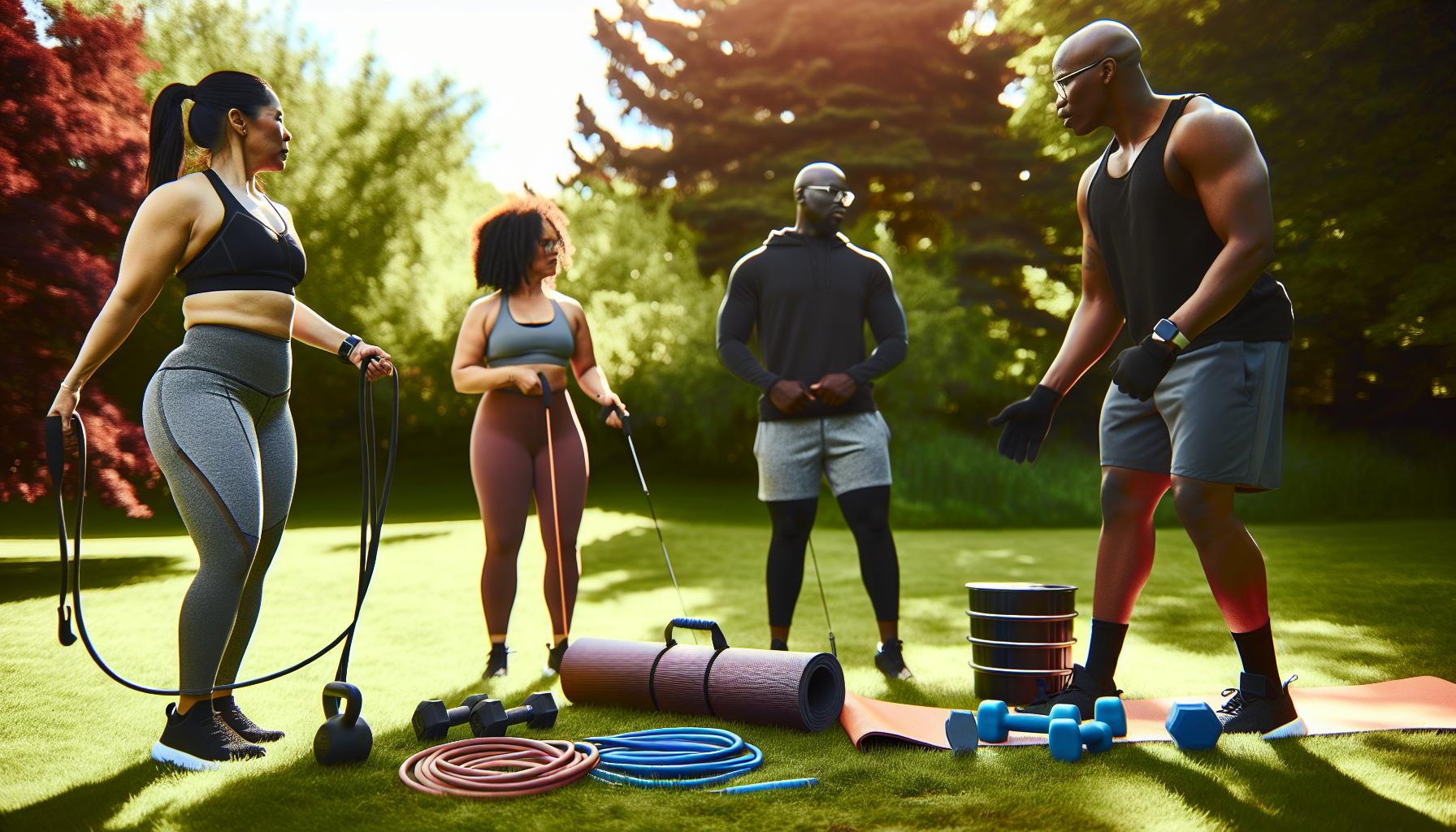
Top Aerobic Exercises You Can Do Outdoors
Engaging in outdoor aerobic exercises not only boosts cardiovascular health but also connects you with the beauty of nature, which can enhance your overall mood and make workouts more enjoyable. With a variety of options available, you can easily find activities that match your fitness level and preferences. Here are some top choices to consider when looking to elevate your outdoor aerobic workout routine.
Walking and Hiking
Walking is perhaps the simplest and most accessible aerobic exercise. Whether you’re strolling through your neighborhood or tackling a more challenging hiking trail, this activity allows you to engage your body while enjoying the fresh air. Hiking, in particular, adds an element of resistance thanks to varying terrain, which can help increase your heart rate and burn more calories. Aim to find trails in local parks or nature reserves to enjoy the scenery while you exercise.
Jogging and Running
If you’re seeking a more intense workout, jogging or running might be the way to go. These high-impact exercises can significantly enhance aerobic capacity and improve heart health. Begin with shorter distances if you’re new, gradually increasing your pace and distance as your fitness improves. Consider using a running app to track your progress and keep you motivated by setting new challenges for yourself.
Cycling
Cycling, whether on a stationary bike or out on the road, is another fantastic way to improve aerobic fitness. Cycling can be less jarring on the joints compared to running, making it suitable for people of all fitness levels. Explore biking trails or enjoy a leisurely ride through your city, allowing you to combine exercise with exploration. You can also join local cycling groups for a social component that can make the experience even more pleasurable.
Swimming and Water Aerobics
If you have access to a pool or a body of water, swimming is an excellent full-body aerobic workout that’s easy on the joints. Vary your strokes to work different muscle groups, and consider incorporating drills or laps for added intensity. Water aerobics classes can also be a fun way to stay fit, combining traditional aerobic movements with the resistance of water for a unique experience.
Group Sports
Playing group sports like soccer, beach volleyball, or ultimate frisbee offers a competitive and social aspect to aerobic exercise. Not only do these activities boost physical fitness, but they also allow for social interaction, making workouts more engaging. Find local leagues or clubs to join, which can provide both commitment and camaraderie that keeps you returning week after week.
Incorporating these outdoor aerobic exercises into your routine can boost your fitness while allowing you to enjoy the great outdoors. Remember to choose activities that you genuinely enjoy, as this will help you maintain consistency in your exercise routine. Always consult with a healthcare professional before initiating any new fitness program, especially if you have any pre-existing health conditions.
Effective Indoor Aerobic Workouts for Small Spaces
Finding the time and space for exercise can often feel like a challenge, especially for those living in small apartments or homes. However, engaging in indoor aerobic workouts doesn’t have to be restricted by your living space. You can effectively raise your heart rate and enhance your fitness level right from the comfort of your home without needing extensive equipment or large spaces.
Incorporating a variety of exercises can keep your routine fresh and exciting. Consider adding movements such as jumping jacks, high knees, and burpees, which are not only effective but also require minimal space. These dynamic exercises can elevate your heart rate quickly. For a complete workout, you can create a circuit by performing each exercise for 30 seconds, followed by a 15-second rest, and repeating the circuit 3 to 5 times.
Bodyweight Cardio Exercises
Bodyweight exercises can be powerful tools for aerobic training. Some excellent options include:
- Mountain Climbers: Start in a plank position and alternate bringing your knees to your chest rapidly. This engages your core while providing a great cardio boost.
- Squat Jumps: Perform a squat and then leap into the air, landing softly back into the squat position. This explosive movement is great for building power and increasing your heart rate.
- Dance Party: Crank up your favorite tunes and dance like no one’s watching! Dancing can be a fun way to elevate your heart rate while enjoying yourself.
Utilizing Everyday Objects
You can use common household items as props for your workouts. For instance, a sturdy chair can be turned into a platform for incline push-ups or dips, while a backpack filled with books can serve as a weight for squats. Simple agility drills, like lateral shuffles across a small space, can further enhance your aerobic fitness.
To conclude, effective indoor aerobic workouts are entirely feasible even in small spaces. By incorporating a mix of bodyweight exercises, utilizing everyday objects, and focusing on activities you enjoy, you can maintain or even elevate your cardiovascular health. Always remember to listen to your body and consult with a healthcare professional before starting any new exercise program, especially if you have existing health concerns.
Creating a Personalized Aerobic Routine
Establishing a personalized aerobic routine can unlock an array of benefits for your health and fitness goals. Whether your aim is to lose weight, boost your cardiovascular health, or enhance your overall stamina, customizing your workouts allows you to tailor the experience to fit your lifestyle and preferences. Start by evaluating your current fitness level; it will help you choose the right intensity and duration for your aerobic sessions. For beginners, this might mean starting with 15 to 20 minutes of brisk walking or cycling, while more advanced individuals may seek higher intensity through running or interval training.
Once you’ve established a baseline, consider the variety of aerobic exercises available. Mixing different activities not only combats boredom but also engages various muscle groups, enhancing overall fitness. Incorporate elements like jogging, cycling, swimming, or even dance workouts, depending on what you enjoy most. For instance, if you love the outdoors, you might schedule a few days for running in the park and a day for cycling through scenic routes. Alternatively, hopping onto an online dance class could add a fun twist to your home workout regimen.
As you finalize your routine, setting specific, achievable goals is vital for sustaining motivation. You could aim to increase the duration of your workouts gradually, challenge yourself with higher intensity, or even track improvements such as increased distance or longer sessions without breaks. Keeping a log of your progress can serve as a powerful incentive while highlighting milestones and achievements.
Lastly, be flexible and ready to adapt your routine over time. Life’s demands can change, so allow for adjustments based on your schedule and physical condition. Engaging in your preferred activities and gradually progressing will not only enhance your aerobic fitness but also create enjoyable habits that keep you committed. Always remember to listen to your body, and consult with a healthcare professional before beginning any new workout regimen, especially if you have preexisting medical conditions or concerns.
How to Stay Motivated for Regular Exercise
To keep your enthusiasm for regular exercise alive, especially when engaging in aerobic activities you can do anywhere, it’s important to cultivate enjoyable and sustainable practices that resonate with your lifestyle. Did you know that setting specific, tangible goals can dramatically increase your chances of sticking to an exercise routine? Rather than vague aspirations like “getting fit,” try aiming for measurable objectives such as “walking 10,000 steps daily” or “running for 30 minutes three times a week.” This clarity not only offers direction but also provides a sense of accomplishment as you reach each target.
Incorporate variety into your aerobic routine to combat monotony. Engaging in different types of exercises, such as dancing in your living room, cycling around your neighborhood, or swimming at a local pool, can keep your workouts fresh and exciting. Consider creating a weekly schedule that alternates activities, or even explore virtual classes and online workout videos that can introduce you to new techniques and practices. This not only makes your sessions more diverse but can also engage different muscle groups for a more well-rounded fitness experience.
Building a support system can be vital in maintaining your motivation. Whether it’s enlisting a workout buddy, joining an online fitness community, or participating in local group classes, sharing your goals and progress with others can enhance accountability and make exercising more enjoyable. Celebrating milestones and encouraging one another can foster a sense of camaraderie and make the journey less solitary. Plus, discussing challenges with peers can provide new insights and solutions that you might not have considered.
Lastly, remember that consistency is key, but flexibility is equally important. Life’s unpredictability may demand occasional adjustments to your routine, and that’s perfectly okay. Embrace these changes, adjust your expectations, and focus on sustaining your commitment rather than achieving perfection. Whether it means a shorter workout during a busy week or shifting to a light jog instead of an intense run, listening to your body and responding to its needs will keep your motivation high while ensuring long-term adherence to your fitness journey.
Tips for Maximizing Your Aerobic Workout Efficiency
To unlock the full benefits of aerobic exercise, it’s essential to adopt strategies that enhance workout efficiency. One effective approach is to utilize the concept of interval training, where periods of high intensity are alternated with lower intensity recovery periods. This method not only boosts cardiovascular fitness but also increases calorie burn in a shorter amount of time. For example, when jogging or cycling, try sprinting for 30 seconds followed by 1-2 minutes of walking or slow cycling. This pattern can significantly enhance workout productivity and keep you mentally engaged.
Another key factor in maximizing workout efficiency is utilizing proper form during exercises. Whether you’re doing jumping jacks, running, or dancing, maintaining correct posture and technique can lead to better results and reduce the risk of injury. Consider investing a few minutes into warming up to help your muscles prepare for more rigorous movements, which in turn can improve performance during the main workout.
Incorporating variety into your workouts will also keep your sessions dynamic and exciting. Engage in different aerobic activities, such as swimming, dancing, or cycling, to target various muscle groups and prevent plateaus. Not only will this variety enhance overall fitness, but it will also stave off boredom. Consider creating a weekly schedule that includes a mix of these activities, ensuring that each session feels fresh and invigorating.
Lastly, monitoring your heart rate can provide valuable insights into workout intensity. Using a heart rate monitor or fitness tracker can help you stay within your target heart rate zone, optimizing the benefits of your aerobic sessions. Recognizing signs of overexertion ensures that you’re pushing yourself appropriately without risking overtraining. By following these strategies, you can transform your aerobic exercises into efficient and enjoyable workouts that fit seamlessly into your lifestyle.
Incorporating Aerobic Exercises with Strength Training
can significantly enhance your overall fitness and health. While aerobic activities, like running or swimming, primarily improve cardiovascular endurance, strength training builds muscle strength and improves metabolic function. Together, they create a balanced routine that not only promotes weight loss but also boosts longevity and functional fitness, making daily activities easier and more enjoyable.
Start by creating a workout schedule that alternates between the two types of exercise. For example, you might dedicate certain days of the week to strength training while reserving others for aerobic workouts. This can also be combined within the same session. High-Intensity Interval Training (HIIT) sparingly blends aerobic and anaerobic exercises, allowing you to alternate between bursts of intense aerobic activities, like sprinting or jumping jacks, followed by strength-focused movements such as squats or push-ups. This method keeps workouts diverse, effective, and time-efficient.
When planning your sessions, ensure you include fundamental body-weight exercises such as lunges, pull-ups, and planks along with your aerobic choices. Using minimal equipment, such as resistance bands or dumbbells, you can enhance your strength training at home. Aim for at least two sessions of strength training per week, complemented by 150 minutes of moderate aerobic activity, as recommended by health authorities. This integrative approach not only enhances your cardiovascular capacity but also strengthens your muscles, leading to improved overall physical performance and a reduced risk of chronic diseases.
To maximize the benefits of this combined training approach, listening to your body is key. Ensure adequate recovery time between strength training sessions to allow muscles to repair and grow stronger. Engaging in active recovery through light aerobic exercise or stretching on off days can also facilitate recovery without overexerting your body. This holistic view of fitness will empower you to achieve not only your health goals but also foster a sustainable journey towards enhanced well-being and vitality.
Tracking Your Progress: Measuring Aerobic Fitness
Measuring your aerobic fitness is crucial in understanding your current health status and identifying areas for improvement. One effective method is using your VO2 max, a key indicator of cardiovascular health that reflects the maximum amount of oxygen your body can utilize during intense exercise. This metric can help track your aerobic capacity over time and is often available through fitness tracking devices. By regularly monitoring your VO2 max, you can set more informed fitness goals and motivate yourself with tangible progress metrics.
Additionally, incorporating heart rate measurements can further enhance your tracking efforts. Aim to work within specific heart rate zones during your aerobic workouts to optimize results. For instance, maintaining a heart rate within 60-70% of your maximum during moderate aerobic activity can promote fat burning and endurance. You can easily assess your heart rate using wearable technologies or mobile apps. Tracking how your heart rate responds to various intensities can provide insights into your aerobic fitness improvements and overall cardiovascular health.
Another practical approach to measuring aerobic fitness is the completion of timed distance runs or walks, which presents a straightforward way to gauge improvements in endurance. For example, keep a record of your time while covering a mile or a 5K distance. Regular retests every few weeks can reveal how your speed and endurance have progressed, offering a clear indication of your workout effectiveness. As your conditioning improves, aim for consistent reductions in time, reflecting enhanced aerobic capacity.
To further motivate yourself, consider setting specific, measurable goals related to your aerobic workouts. These could include increasing your workout duration, intensity, or frequency over time. Maintaining a workout log-either in a notebook or via a fitness app-can help keep you accountable, bringing awareness to your progress while allowing you to celebrate milestones along your fitness journey. Remember to consult with a healthcare professional or fitness expert when necessary, especially when setting ambitious goals or engaging in new training regimes. This holistic approach will ensure your progress is sustainable and beneficial for your overall health.
Common Mistakes to Avoid in Aerobic Workouts
Engaging in aerobic workouts can be transformative for your health, but many individuals unknowingly fall into common traps that hinder their progress. One major mistake is neglecting warm-ups and cool-downs. Skipping these essential components can lead to injuries and muscle soreness. A proper warm-up gradually increases your heart rate and blood flow to muscles, while a cool-down helps lower your heart rate and prevent dizziness. Take 5-10 minutes at the beginning and end of your workouts for dynamic stretches and lighter aerobic movements to set the stage for a productive session.
Another frequent error is doing the same aerobic exercise repeatedly without incorporating variety. Sticking exclusively to one type of routine can lead to boredom and plateauing results. Instead, mix things up with different activities such as cycling, brisk walking, dancing, or swimming. This variety not only prevents monotony but also engages different muscle groups, enhances overall fitness, and keeps your body challenged.
Additionally, many people miscalculate their workout intensity, either pushing too hard or not hard enough. Utilizing a heart rate monitor can be incredibly beneficial in maintaining your desired intensity. Aim to work within 60-85% of your maximum heart rate for optimal aerobic benefits. If you’re consistently feeling exhausted or not seeing improvements, reassessing the intensity of your workouts can provide insights into adjusting your efforts for better results.
- Neglecting Warm-Ups and Cool-Downs: Take 5-10 minutes to prepare your body and recover properly.
- Sticking to the Same Routine: Incorporate variety to keep your workouts fresh and challenging.
- Misjudging Workout Intensity: Monitor your heart rate to ensure you are exercising at the right intensity level.
By acknowledging and correcting these common mistakes, you can make your aerobic workout sessions more effective and enjoyable. Always remember the importance of listening to your body and seeking guidance from fitness professionals if you are unsure about your exercise regimen. Achieving your fitness goals is a journey that benefits from careful planning and self-awareness.
Finding Community: Group Workouts and Classes
Finding a community for group workouts and classes can significantly enhance your enthusiasm for aerobic exercises. Engaging in physical activity with others not only provides motivation but also fosters a sense of belonging and accountability. The camaraderie found in group settings can push you to achieve more than you might on your own while also making the experience enjoyable. Many fitness centers, community parks, and gyms offer specialized classes designed for various fitness levels, incorporating activities like Zumba, spinning, and aqua aerobics that are perfect for both beginners and seasoned athletes.
Participating in structured group workouts gives you access to professional guidance and additional resources. Instructors can provide tips on proper technique and form, which is particularly beneficial for those new to aerobic exercise. These classes often follow a carefully designed curriculum to ensure participants benefit fully while reducing the risk of injury. Additionally, many local community centers and organizations host walking clubs or outdoor boot camps that capitalize on the natural environment, which can be a refreshing alternative to indoor workouts. As you explore these opportunities, consider reaching out to friends, family, or coworkers to join you; working out with familiar faces can help ease any initial trepidation.
Joining a fitness community also opens doors to social activities outside of structured workouts. Many groups organize events such as fun runs or charity walks that not only support important causes but also amplify the positive aspects of working out together. This approach can transform your view of exercise from a solitary task into a social and rewarding experience. To maintain long-term adherence to your fitness routine, try to find a community that aligns well with your values and goals-this way, you’ll be more likely to stick around and support each other in your health journeys.
Ultimately, whether you find a local class at a gym, a community event online, or a walking club in your local park, the connections you make in a group can significantly enhance both your physical wellbeing and social life. Remember that while the camaraderie is vital, effective workouts are driven by consistency and enjoyment, supporting overall health benefits.
Frequently asked questions
Q: What are some aerobic exercises I can do at home without equipment?
A: You can do several aerobic exercises at home without any equipment, including jumping jacks, high knees, burpees, and dance routines. These moves elevate your heart rate and promote cardiovascular health. For a more structured routine, consider following online workout videos designed for home workouts.
Q: How can I incorporate aerobic exercises into my daily routine?
A: To incorporate aerobic exercises into your daily routine, try walking or cycling to work, taking the stairs instead of the elevator, or setting aside 20-30 minutes for a brisk workout at home. Small changes can lead to significant improvements in fitness over time.
Q: What is the best time of day to do aerobic exercise for maximum benefits?
A: The best time of day for aerobic exercise depends on your personal schedule and energy levels. Many find morning workouts help boost energy for the day, while others prefer exercising in the evening to relieve stress. The key is consistency.
Q: Can aerobic exercises help with weight loss?
A: Yes, aerobic exercises are effective for weight loss as they burn calories and increase metabolism. Combining regular aerobic workouts with a balanced diet helps create a calorie deficit essential for losing weight.
Q: How often should I do aerobic workouts for optimal health?
A: For optimal health, aim for at least 150 minutes of moderate aerobic exercise or 75 minutes of vigorous exercise per week, as recommended by health authorities. This can be broken down into shorter sessions throughout the week to fit your schedule.
Q: What are some fun ways to do aerobic exercises outdoors?
A: Fun outdoor aerobic exercises include hiking, cycling, jogging in a local park, or organizing a group game of basketball or soccer. Engaging in these activities with friends or family makes workouts enjoyable and social.
Q: How can I measure my progress in aerobic fitness?
A: You can measure your progress in aerobic fitness by tracking your workout duration, heart rate, or the distance covered in activities like running or cycling. Consider using fitness apps or wearable devices to monitor and analyze your improvements over time.
Q: Are there any aerobic exercises that are safe for beginners?
A: Yes, beginners can safely start with low-impact aerobic exercises such as walking, cycling, or swimming. These activities reduce the risk of injury and build stamina and cardiovascular strength gradually. Always consult with a healthcare professional before starting a new exercise regimen.
For additional tips on creating personalized aerobic routines and staying motivated, feel free to check our article sections on those topics!
Final Thoughts
Thank you for joining us in exploring the many aerobic exercises you can do anywhere! Remember, incorporating these workouts into your routine can boost your health and well-being. If you enjoyed this content, check out our articles on effective home workout tips and nutrition strategies for enhanced fitness results. Don’t miss out-subscribe to our newsletter for the latest insights and expert advice right in your inbox!
Feeling unsure about how to get started? Our beginner’s guide provides practical steps to ease you into your fitness journey. Remember, your health is your greatest asset, and we’re here to support you every step of the way. Share your thoughts in the comments below and let us know which exercise you’re excited to try next! Keep moving, stay active, and let’s make fitness a fun part of your everyday life.