Did you know that engaging in aerobic dance can not only boost your mood but also improve heart health and contribute to weight management? Aerobic dance combines rhythm, movement, and fun, making it an enjoyable form of exercise that fits seamlessly into your lifestyle. As you dance to the beat, you’re not just having a great time; you’re effectively elevating your heart rate and enhancing your overall fitness. This dynamic workout is perfect for those looking to achieve amazing results while addressing common health concerns like stress and inactivity. Whether you’re a seasoned dancer or just starting out, learning how to integrate aerobic dance into your routine can offer significant benefits. Dive into this article to discover how to make aerobic dance a fun and rewarding part of your journey toward a healthier, happier life!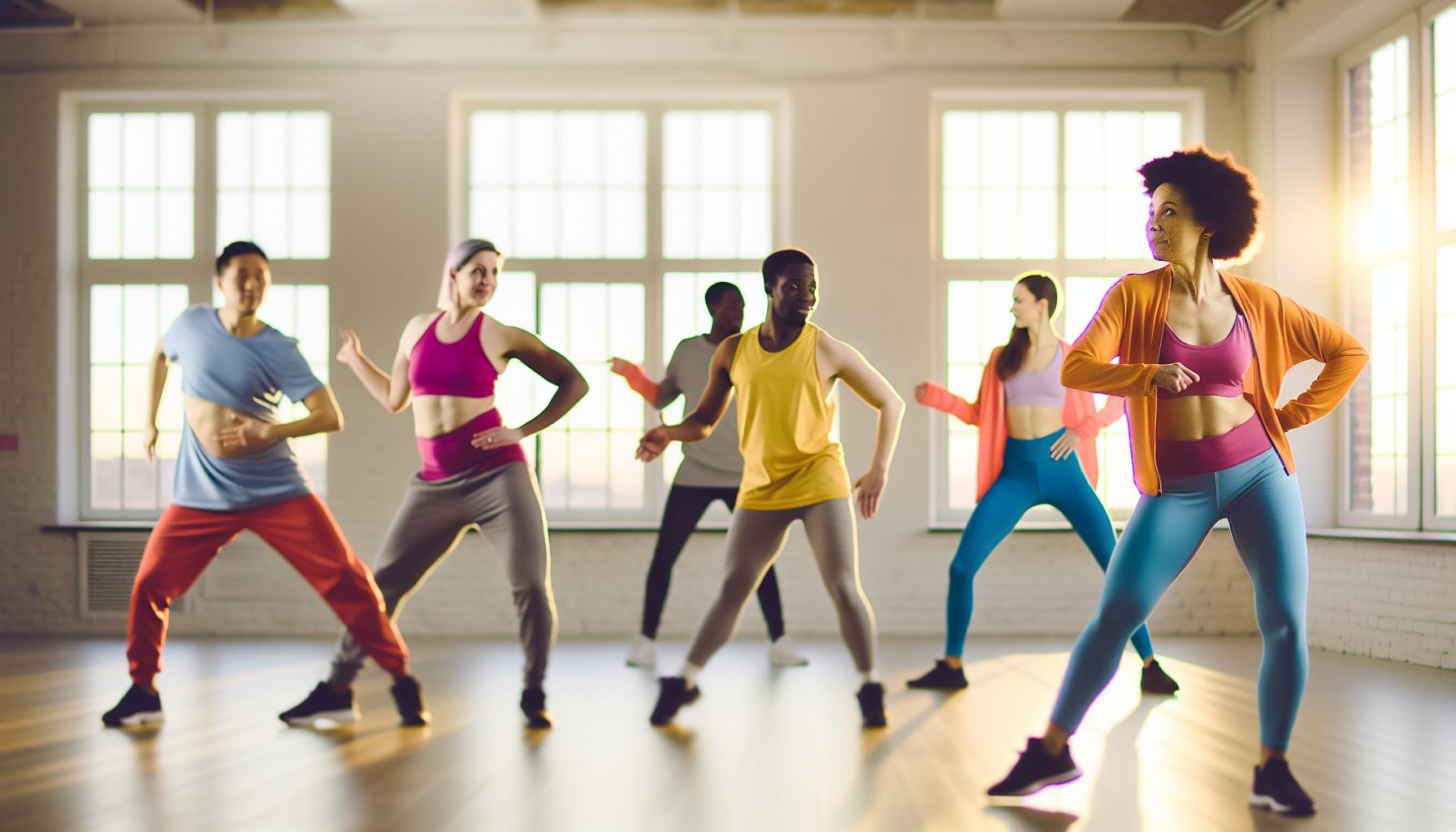
Aerobic Dance: An Introduction to the Basics
Engaging in aerobic dance can transform your fitness journey into an enjoyable and dynamic experience. This lively form of exercise combines rhythmic movements with music, encouraging not just physical engagement but also mental upliftment. The beauty of aerobic dance lies in its accessibility-whether you’re a seasoned dancer or a complete beginner, it offers a platform for everyone to join in, making it a great way to enhance your cardiovascular health while having fun.
Aerobic dance is defined by its elevated heart rate and rhythmic movements, designed to work major muscle groups. As you sway, step, and twirl to beat, you’re not just dancing; you’re engaging in a high-energy workout that can improve stamina, coordination, and flexibility. Plus, the social aspect often found in group classes can foster a sense of community, further motivating participants to remain active and committed to their fitness goals.
Moreover, an essential aspect of aerobic dance is its versatility. Classes vary widely, incorporating elements from jazz, hip-hop, Zumba, and even ballet, allowing participants to explore different styles while improving their physical fitness. This diversity not only keeps workouts fresh and exciting but also makes it easier for individuals to find a class that aligns with their personal interests and fitness levels.
Ultimately, starting your journey with aerobic dance can lead to remarkable health benefits, including enhanced cardiovascular fitness, improved mood, and weight management. So lace up your sneakers, turn up the music, and get ready to dance your way to a healthier life!
Benefits of Aerobic Dance for Your Health
Engaging in aerobic dance is not just a spirited way to express oneself; it encompasses a multitude of health benefits that can enhance overall wellness. Studies have shown that individuals who incorporate aerobic dance into their fitness routine often experience improved cardiovascular health. This dynamic workout elevates heart rates, increases lung capacity, and enhances blood circulation, contributing to a more robust and efficient cardiovascular system. Regular participation can lower the risk of heart disease, hypertension, and other cardiovascular conditions.
Moreover, aerobic dance has been linked to substantial benefits for mental health. The combination of movement, music, and social interaction can lead to reduced levels of stress and anxiety. When participants immerse themselves in rhythm and dance, the body releases endorphins, the “feel-good” hormones that can elevate mood and create a sense of euphoria. This makes aerobic dance not only a workout but also a mental escape, fostering a positive mindset and bolstering self-esteem.
Additionally, this form of exercise acts as an effective tool for weight management and fat loss. By engaging multiple muscle groups simultaneously, participants can burn a significant number of calories, making it easier to maintain a healthy weight or lose unwanted pounds. A fun aspect of aerobic dance is its variety – whether through high-energy Zumba sessions or rhythmical hip-hop classes, switching up routines can keep the motivation alive while continuously challenging the body.
Furthermore, the communal aspect of group aerobic dance sessions builds a supportive environment, enhancing motivation and accountability. Classes often foster friendships and connections, making workouts enjoyable and encouraging regular attendance. Through this engagement, participants can not only reap the physical benefits but also cultivate a sense of belonging and teamwork essential for sustaining long-term fitness habits. Whether you’re a beginner or an experienced dancer, aerobic dance offers a vibrant pathway to better health and happiness.
How to Get Started with Aerobic Dance Workouts
Starting your journey into aerobic dance can be both exciting and rewarding, offering a unique blend of fitness and fun. To get the most out of your experience, it’s important to approach your sessions with a plan. A solid understanding of the fundamentals, combined with practical tips, can help you effectively integrate aerobic dance into your routine.
First, embrace the essence of aerobic dance by choosing the right type of class or workout for you. There is a wide range of styles available, from high-energy Zumba to more relaxed groove sessions. To find what resonates with you, consider attending a few different classes. Not only will this keep your workouts fresh and engaging, but it will also help you discover the kind of music and dance moves that make you feel good. Start with classes labeled as beginner-friendly, allowing you to ease into the dance while developing your confidence.
Setting Up for Success
To make your workouts as effective as possible, ensure you have the right attire and space. Wear comfortable, breathable clothing, and opt for supportive shoes that provide adequate grip. If you’re dancing at home, clear a safe space free of obstacles where you can move freely. You might also want to invest in a good pair of quality headphones or speakers, as the right music can significantly enhance your experience.
Moreover, it’s beneficial to incorporate warm-up and cool-down sessions into your routine. Begin each workout with a few minutes of light stretching and low-impact movements to gradually raise your heart rate. After dancing, take time to cool down and stretch again, which will help prevent injury and facilitate recovery.
Stay Consistent and Have Fun
Scheduling your aerobic dance sessions can help you establish a consistent routine. Aim for at least three sessions per week, and try to vary the styles and intensities to keep things exciting. Remember, the goal is not only to get fit but also to enjoy the process. Dance with friends, share playlists, or even combine your sessions with a social event. This community aspect can enhance your motivation and make it easier to stick with it long-term.
Lastly, as with any fitness program, listen to your body and consult with a healthcare professional if needed, especially if you have underlying health conditions. You’re embarking on a fun journey towards better health, and taking the time to set yourself up for success will lead to amazing results in both fitness and wellbeing.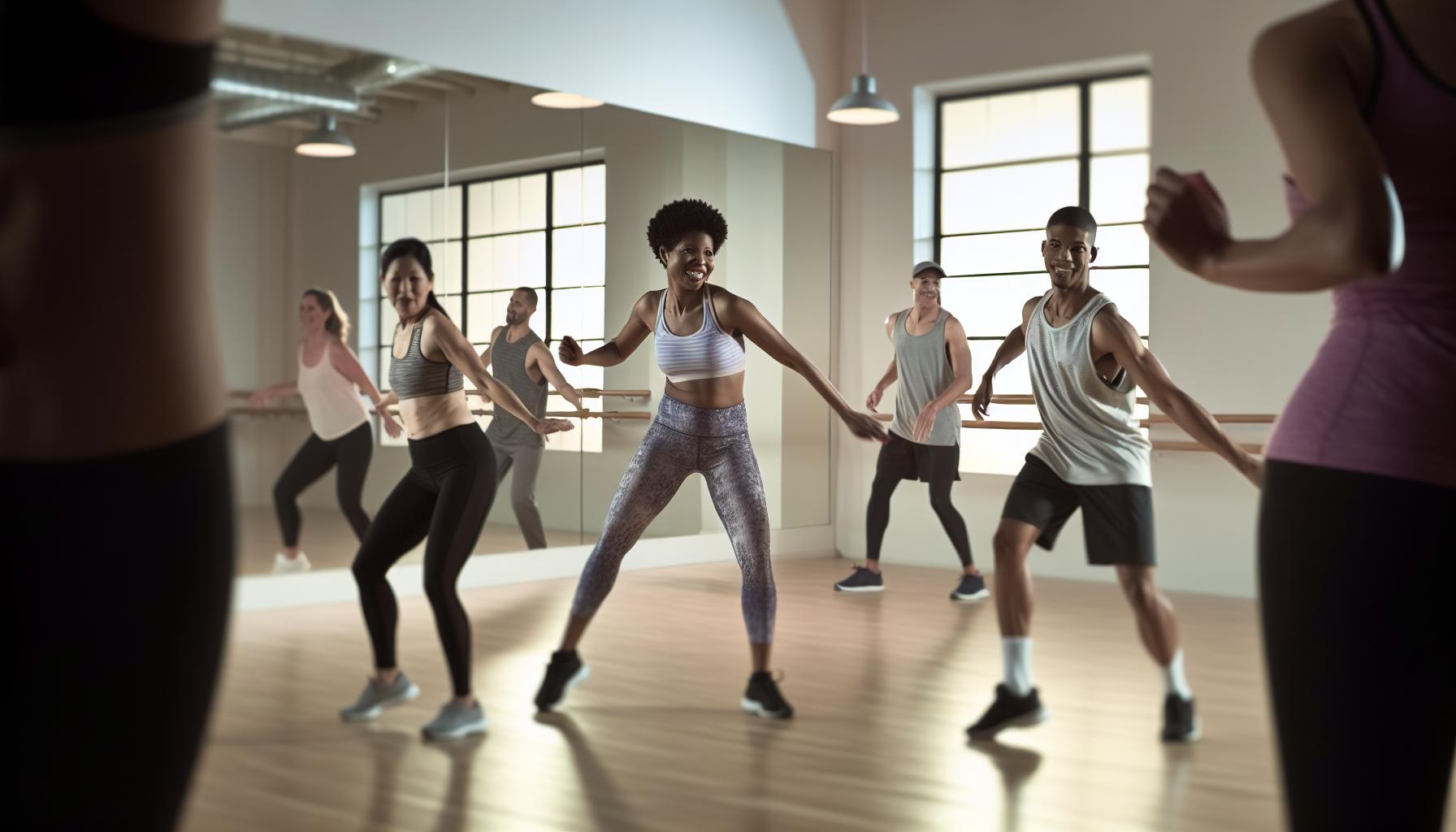
Top Aerobic Dance Styles for Every Fitness Level
Aerobic dance provides a vibrant platform for fitness enthusiasts at every level, showcasing an array of styles that cater to various preferences and abilities. Whether you’re a beginner seeking a fun introduction to movement or an advanced dancer looking to refine your technique, there are aerobic dance options that can energize your routine while enhancing your fitness. Understanding the different styles available can help you find the perfect match for your goals and tastes.
One of the most popular styles is Zumba, a high-energy dance workout that combines Latin and international music with dance moves. Zumba is renowned for its workout efficiency; it offers a fun way to burn calories while dancing to joyful rhythms. Beginners may find the classes engaging due to the simple choreography, making it easy to follow along while gaining confidence.
For those who prefer a more rhythmic approach, Hip-Hop dance classes could be an appealing choice. This style integrates street dance elements and offers an upbeat atmosphere that is both dynamic and exhilarating. It’s particularly suited for individuals who enjoy contemporary music and want to improve their cardiovascular fitness while embracing a bit of urban flair in their movements.
If you’re looking for something with a moderate pace, Dance Aerobics might be the perfect fit. This style combines traditional aerobics with popular dance routines, focusing on choreographed sequences that enhance coordination and flexibility. It’s a great option for beginners who want to learn the basics of rhythm and movement without feeling overwhelmed.
More advanced dancers might gravitate toward Ballet-based aerobics, which incorporates ballet techniques into high-energy workouts. It not only improves strength and posture but also enhances gracefulness in movement. This fusion of classical and aerobic dance helps elevate overall fitness while maintaining the essence of dance art.
Regardless of which style you choose, ensuring that your selection aligns with your interests and comfort level is essential. Experimenting with different classes and instructors can uncover surprising favorites and keep your workouts lively. Embrace the journey of discovering the best aerobic dance style for you, and remember to consult fitness professionals or healthcare providers when embarking on a new exercise regimen to ensure it suits your individual health needs.
Creating an Effective Aerobic Dance Routine
Creating a well-structured aerobic dance routine can significantly enhance your fitness journey while keeping the experience enjoyable and engaging. An effective routine not only targets your cardiovascular health but also helps improve flexibility, strength, and emotional well-being. To create a successful routine, start by defining your goals. Are you looking to lose weight, improve endurance, or simply have fun while dancing? Focusing on your objectives will help you customize your workouts to meet your specific needs.
Incorporate a variety of movements to maintain enthusiasm and challenge different muscle groups. Your routine could include an array of elements such as a warm-up, dance sequences, cooldown, and stretches. Here’s a simple framework to consider:
Suggested Structure for Your Aerobic Dance Routine
- Warm-Up (5-10 mins): Start with light movements to prepare your body, like gentle stretch and rhythmic stepping.
- Main Workout (20-40 mins): Dance through a series of songs, mixing high-energy segments with moderate tempos. Aim for at least 20 minutes of continuous dancing.
- Cooldown (5-10 mins): Gradually reduce intensity with slower, relaxing movements, finishing with stretches to promote flexibility.
As you design your routine, consider the different styles of aerobic dance you enjoy. Mixing styles, like Zumba for cardio, and ballet for strength, can keep your workouts dynamic and full of variety. Listening to energetic music that motivates you can elevate your mood and provide a rhythm to your movements. Remember that your routine should feel natural and enjoyable-don’t hesitate to switch things up regularly to keep your enthusiasm high.
Lastly, incorporating social elements, such as dancing with friends or joining a class, can enhance motivation and accountability. Having a workout buddy can make the experience more enjoyable and encourage you to stick with your routine. If you have any health concerns, it’s always a good idea to consult with a healthcare professional or fitness expert before starting a new exercise regimen to ensure it aligns with your capabilities and health needs.
Nutrition Tips to Fuel Your Aerobic Dance Sessions
To truly amplify the benefits of your aerobic dance sessions, proper nutrition plays a pivotal role. Fueling your body with the right nutrients can enhance your energy levels, optimize performance, and aid in recovery, allowing you to dance your way to fitness with enthusiasm and vigor. A well-balanced diet that supports your workout regime not only helps sustain energy during high-intensity movements but also contributes to overall health and well-being.
Prior to your dance session, consider consuming a light meal or snack rich in carbohydrates and moderate in protein. Carbohydrates are your body’s preferred energy source, especially for aerobic activities. Options like a banana, whole-grain toast with avocado, or a small bowl of oatmeal can provide you with a quick energy boost. Aim to eat your pre-workout snack about 30 to 60 minutes before you start dancing to allow your body to digest and utilize the nutrients effectively. Hydration is equally important; drink water leading up to your session to ensure you’re well-hydrated, as even mild dehydration can impair performance.
After your rhythmic workout, your body craves nourishment to recover. Focus on replenishing lost energy and repairing muscles with a post-dance meal that combines carbohydrates and proteins. A smoothie with fruits, Greek yogurt, and a splash of almond milk can be both refreshing and restorative. Similarly, a quinoa salad with chickpeas and mixed vegetables can offer the essential nutrients your body needs to recover.
Incorporating a variety of foods rich in vitamins and minerals can also enhance your energy levels and improve recovery times. Foods like berries, spinach, nuts, and seeds are excellent choices, providing antioxidants that help combat inflammation and support overall health. As you embark on your aerobic dance journey, remember that a balanced diet intertwined with your fitness routine can produce remarkable results, allowing you to enjoy every dance step while feeling energized and vibrant. Always consult with a healthcare professional or a registered dietitian for personalized nutrition advice tailored to your specific fitness goals and dietary needs.
Common Mistakes to Avoid in Aerobic Dance
It’s easy to get caught up in the rhythm and excitement of aerobic dance; however, overlooking fundamental aspects can hinder your progress and enjoyment. Starting off on the right foot can not only enhance your experience but also maximize the health benefits you’re aiming to achieve. Avoiding common mistakes will help you engage fully in this engaging form of exercise while ensuring that it remains both safe and effective.
One prevalent mistake is neglecting proper warm-up and cool-down routines. Jumping straight into high-intensity movements can lead to injuries and reduce overall performance. Spend 5 to 10 minutes warming up with gentle movements to prepare your muscles and joints for the workout ahead. Similarly, cooling down post-session is crucial for recovery. Stretching your muscles after dancing helps reduce stiffness and promotes flexibility.
Another common error is choosing the wrong footwear. Proper shoes are essential for providing the support and cushioning your feet require during aerobic dance. Wearing inappropriate or worn-out shoes can lead to discomfort and even serious injuries over time. Look for shoes specifically designed for dance or aerobic activities that provide stability and shock absorption.
Additionally, many individuals tend to ignore their body’s signals. Pushing through fatigue or discomfort can lead to overexertion and potential injury. It’s important to listen to your body and recognize when you need to take a break or modify movements. Consider interacting with fellow dancers or instructors for modifications to suit your fitness level, ensuring that the workout remains enjoyable and manageable.
Lastly, some participants may become overly fixated on the choreography or trying to impress others, which can detract from the enjoyment of dancing itself. Remember that aerobic dance should be about having fun and expressing yourself rather than achieving perfection. Remember to celebrate your progress, however small, and focus on the joy of moving your body to the music.
By steering clear of these pitfalls, you’ll create a more positive and effective aerobic dance experience that contributes to your overall fitness journey. As always, consult with a healthcare professional or fitness trainer for personalized advice tailored to your unique needs and goals, ensuring a safe approach to this enjoyable form of exercise.
Incorporating Aerobic Dance into Your Daily Life
Incorporating rhythmic movement into your daily routine can transform not just your fitness level but also your overall well-being. Aerobic dance is a fantastic way to elevate your heart rate, boost mood, and enhance flexibility, all while having fun. Maximize the benefits of this engaging activity by weaving it seamlessly into your everyday life, making it as much a part of your routine as brushing your teeth.
One effective approach is to start small. Dedicate just 10 to 15 minutes a day to dancing, perhaps during breaks at work or while cooking dinner. Put on your favorite upbeat songs, and let the music guide you-whether it’s a quick jig in the kitchen or a mini dance session in your living room. This not only gets your heart rate up but can also serve as an excellent stress reliever. You might even invite family or friends to join, turning a simple dance break into a delightful social activity.
Additionally, consider integrating aerobic dance into your regular workout schedule. Instead of a traditional cardio session, swap in a dance class or follow an online session that excites you. This diversity not only keeps things fresh but also helps prevent burnout. For those who enjoy structured routines, try setting aside specific days of the week for dance workouts, allowing you to plan for consistency. Practicing in a group setting, whether in-person or virtually, can also help keep motivation high and foster a sense of community.
Lastly, don’t overlook the power of visual reminders throughout your day. Post sticky notes with dance inspirations around your home or workplace, or set alarms on your phone that encourage you to take a dance break. This simple strategy can nudge you back to the rhythm when life gets hectic, reminding you to enjoy those fleeting moments of movement.
By creatively embedding aerobic dance into your daily life, you enhance not only your physical health but also your mental well-being, making each day a celebration of movement. As always, consult with a healthcare provider before starting any new fitness program, especially if you have pre-existing health conditions. Embrace the joy of dancing; your body and mind will thank you!
Tracking Progress: Measuring Results from Aerobic Dance
Tracking your progress in aerobic dance can provide invaluable insights into your health and fitness journey, making it easier to stay motivated and committed. It’s not just about enjoying the rhythm and movement; measuring your progress helps you recognize improvements in your endurance, strength, and overall well-being. In fact, studies have shown that tracking physical activity can significantly increase motivation and adherence to fitness routines.
To effectively monitor your progress, start by setting clear, achievable goals. These could include measurable outcomes such as increasing the duration of your dance sessions, enhancing your flexibility, or targeting specific weight loss goals. Consider using fitness trackers or mobile apps designed to log aerobic dance workouts, allowing you to easily track metrics like heart rate, calories burned, and workout frequency. By setting up milestones, you can celebrate small victories along the way, reinforcing your commitment to dance as a regular exercise practice.
Another key method for tracking progress is to maintain a weekly or monthly journal. In this journal, note down the details of each dance session, including how you felt, the intensity of the workout, and any physical changes you observe. This not only helps in monitoring your physical progress but also encourages reflection on your emotional and mental experiences while dancing. Over time, you’ll likely notice improvements not just in your fitness levels but also in your mood and energy, contributing to a more holistic view of your health.
Incorporating periodic assessments can also provide a snapshot of your overall progress. You might decide to record how long you can sustain a dance session without feeling fatigued or how much your flexibility improves via specific stretches over time. Don’t forget to share your journey with friends or in fitness communities-social support can significantly enhance motivation and provide additional accountability.
Make sure to consult with a healthcare provider regarding your fitness routine and any health-related goals, especially if you’re just starting out or have existing health conditions. By consistently tracking and celebrating your progress in aerobic dance, you not only enhance your physical health but also cultivate a joyful relationship with movement and fitness that can last a lifetime.
Inspiring Success Stories: Transformations through Aerobic Dance
Many individuals who embark on the journey of aerobic dance experience profound transformations, both physically and mentally. From shedding unwanted pounds to improving overall fitness levels, the stories of participants illustrate that aerobic dance is not just a workout-it’s a path to a healthier, happier life. One inspiring example is Sarah, a busy mother of three, who found herself struggling with energy levels and self-esteem. After joining an aerobic dance class, she not only lost 30 pounds but also gained a newfound sense of vitality that positively impacted her family life.
Success stories often highlight the community aspect of aerobic dance as a crucial element in sustaining motivation. Each week, participants come together to share their experiences, celebrate milestones, and encourage one another. This camaraderie is illustrated beautifully in the story of Mike, who, initially hesitant about group exercise, discovered a group of friends in his dance class. Through shared laughter and encouragement, he not only improved his coordination and fitness but also built lifelong friendships, making each session something he eagerly anticipated.
The benefits of aerobic dance extend beyond weight loss, impacting mental health as well. Participants like Elaine have reported significant improvements in mood and emotional well-being. After struggling with anxiety, she found dancing to be a therapeutic outlet. The rhythmic movement combined with uplifting music provided not only an excellent cardiovascular workout but also an escape that lifted her spirits. Many people find that the joy of expressing themselves through dance fosters a powerful emotional release, making it easier to combat stress and anxiety.
For those considering taking up aerobic dance, it’s important to remember that transformations come in various forms and timelines. Embrace your journey, set realistic goals, and don’t hesitate to seek support from peers and instructors. Your success story could inspire someone else, proving that aerobic dance can indeed be a fun, engaging, and effective way to achieve amazing results in health and fitness.
Expert Tips for Advanced Aerobic Dance Techniques
To elevate your aerobic dance experience and unlock advanced techniques, understanding the nuances behind movements and styles is essential. By incorporating variations and refining your skills, you can enhance your fitness level while enjoying the rhythm and energy that aerobic dance offers. Here are some expert tips to help you master advanced techniques in your aerobic dance routine.
Focus on Form and Technique
Proper form is vital for maximizing performance and preventing injuries. Pay attention to your posture, alignment, and foot placement as you execute dance moves. A strong foundation will not only improve your efficiency but also enable you to engage the right muscle groups effectively. Consider focusing on the following aspects of your technique:
- Body Alignment: Keep your spine straight and shoulders relaxed.
- Core Engagement: Activate your core muscles to maintain stability and balance.
- Footwork Precision: Pay attention to your foot placements during transitions and changes in direction.
Incorporate Strength and Flexibility Training
To progress in aerobic dance, strengthen the muscles that support your movements. Adding resistance training to your regimen helps build the muscular endurance necessary for more complex routines. Additionally, integrating flexibility exercises can enhance your range of motion, enabling smoother transitions and reducing the risk of injury. Here are two effective training methods:
- Strength Training: Use resistance bands or weights during your dance workouts to increase the intensity.
- Flexibility Routines: Incorporate yoga or stretching sessions at least twice a week.
Experiment with Different Styles
Advanced dancers often explore various aerobic dance styles such as Zumba, hip-hop, or ballet-inspired workouts. Each style offers unique benefits and challenges, helping to improve coordination, rhythm, and creativity. Engaging with a diverse range of movements encourages muscle adaptation and keeps your workouts exciting. Don’t hesitate to attend different classes to find what resonates with you.
Set Personal Challenges
Introducing personal goals into your aerobic dance journey can drive significant improvement. Consider setting specific targets such as mastering a complex routine, increasing your dance time, or improving your endurance. Support your aspirations by tracking your progress-record changes in your stamina, skill level, or overall enjoyment. Remember, the journey is personal, and each milestone achieved is a step forward in your fitness adventure.
By embracing these advanced tips, you’ll not only enhance your aerobic dance skills but also deepen your enjoyment of this dynamic and uplifting workout. Feel empowered to push your limits and relish in the progress you make along the way. Always consult with fitness professionals to tailor advice specifically to your health and goals.
Boosting Motivation: Staying Committed to Aerobic Dance
Finding joy in aerobic dance can significantly boost your motivation and commitment to a healthier lifestyle. The energetic beats and rhythm of the music can transform a workout into a fun and engaging experience, making it easier to stick with your routine. Research suggests that individuals who enjoy their workouts are more likely to maintain them, creating a sustainable path to fitness. By tapping into the social and motivational aspects of aerobic dance, you can enhance your journey toward fitness.
To keep the momentum going, consider forming or joining a dance group. Exercising with friends not only adds an element of accountability but also creates a supportive community. Sharing the experience, celebrating achievements, and motivating each other can make a substantial difference. Whether it’s signing up for a local dance class or simply inviting friends over for a dance party, the social component can turn exercise into a cherished social activity.
Setting achievable goals is another effective way to maintain motivation. Begin with small, measurable objectives related to your aerobic dance workouts, such as increasing the duration of your sessions, learning a new routine, or perfecting a specific technique. Tracking your progress can also help. Use a journal or fitness app to note your accomplishments and feelings after each workout. Reflecting on positive changes in your mood, energy levels, and skills serves as encouragement to continue dancing.
Embrace the variety available within aerobic dance styles, such as Zumba, jazzercise, or dance cardio. Exploring different genres keeps your routine fresh and exciting, preventing boredom. Each style offers unique movements and challenges that with consistent practice can enhance your skills. Don’t hesitate to experiment and find what resonates with you while blending your favorite dance break playlists. Remember, the key is to prioritize enjoyment in your workouts; let the rhythm guide you and indulge in the sheer joy of movement.
Ultimately, staying committed to aerobic dance is about finding personal joy and connection in the process. Embrace the music, enjoy the company, and celebrate your progress, no matter how small. Each step taken on this dance journey is a step toward a healthier you, and by cultivating a positive and enthusiastic mindset, you can reap the amazing results it offers.
Frequently Asked Questions
Q: What are the health benefits of aerobic dance?
A: Aerobic dance improves cardiovascular health, enhances flexibility, and boosts mental well-being. It burns calories, strengthens muscles, and can elevate your mood by releasing endorphins. Regular participation in aerobic dance can also help manage weight and reduce stress levels, contributing to overall health benefits.
Q: How can I incorporate aerobic dance into my daily routine?
A: To incorporate aerobic dance into your daily life, schedule short sessions-start with 20-30 minutes, three times a week. Consider online classes or joining a local dance group for motivation. Explore different styles and choose music that inspires you to keep it enjoyable and engaging.
Q: What is the ideal frequency for aerobic dance workouts?
A: Aim for at least 150 minutes of moderate-intensity aerobic dance per week, spread out over several days. This can be broken down into manageable sessions, like 30 minutes a day, five times a week. This frequency will help maximize health benefits and maintain your fitness level.
Q: Can beginners do aerobic dance effectively?
A: Yes, beginners can effectively participate in aerobic dance! Start with basic steps and gradually learn more complex routines. Choose beginner-friendly classes or online tutorials that emphasize fun over intensity, helping you build confidence and skills at your own pace.
Q: What equipment do I need for aerobic dance workouts?
A: Minimal equipment is required for aerobic dance. Comfortable workout clothing and supportive shoes suited for dancing are essential. Optional items include a yoga mat for floor exercises, water for hydration, and wrist or ankle weights to enhance workouts as you become more advanced.
Q: How can I track my progress in aerobic dance?
A: Tracking your progress can involve setting specific goals like duration, energy level, or frequency of sessions. Use fitness apps or journals to log your workouts and improvements. Measuring physical changes, such as weight loss or increased stamina, can also be encouraging and motivating.
Q: Are there any risks associated with aerobic dance?
A: While aerobic dance is generally safe, risks include overexertion, injuries from improper technique, or inadequate warm-up. To minimize risks, ensure you warm up before dancing, choose appropriate routines, and listen to your body’s signals. Consultation with a healthcare professional is advised if you have existing health concerns.
Q: What should I eat before an aerobic dance session?
A: Before an aerobic dance session, eat a light meal or snack rich in carbohydrates and low in fat and protein, like a banana or yogurt. This will provide quick energy without weighing you down. Aim to eat about 30-60 minutes before your workout for optimal performance.
Wrapping Up
Thank you for joining us on this empowering journey towards a healthier lifestyle with “Aerobic Dance Healthy Life: Fun Workout for Amazing Results.” By incorporating these dynamic dance workouts into your routine, you lay the groundwork for not just improved fitness but also enhanced mood and energy. Remember, every step you take is a step towards a healthier you!
Feeling inspired? Don’t stop here! Dive deeper into our resources on nutrition tips and effective workout regimens by checking out our articles on healthy meal prep and strength training techniques. Consider subscribing to our newsletter for ongoing motivation and exclusive content tailored just for you.
Ready to take action? Share your experiences in the comments below, and connect with others on their fitness journeys. Let’s keep the momentum going-explore our site further for even more ways to stay active and healthy. Together, we can achieve amazing results!