Did you know that the average human heart beats over 100,000 times a day? This remarkable organ is the cornerstone of the circulatory system, responsible for delivering oxygen and nutrients throughout the body. Understanding the functions and potential diseases of the circulatory system is crucial for maintaining overall health. Many people overlook how vital a well-functioning circulatory system is to energy levels and long-term wellness. Conditions like hypertension, heart disease, and stroke can silently develop and significantly impact life quality. By exploring the intricacies of this system, you can empower yourself with knowledge to make informed health choices, engage in preventive care, and discuss concerns with your healthcare provider. Join us as we delve into fascinating facts, essential functions, and the common diseases associated with the human circulatory system, so you can better appreciate and care for your heart health.
Facts About the Human Circulatory System Explained
Did you know that the human circulatory system is often compared to a vast highway network, constantly transporting important cargo throughout the body? This intricate system not only serves as the lifeblood of our physiology but also plays a pivotal role in maintaining homeostasis, delivering essential nutrients, hormones, and oxygen to every cell while removing waste products like carbon dioxide.
The circulatory system consists of the heart, blood vessels, and blood, each crucial for its overall function. The heart, a muscular pump, works tirelessly to circulate blood through two main pathways: the pulmonary circulation, which moves blood between the heart and lungs, and the systemic circulation, which delivers blood from the heart to the rest of the body. This dual pathway allows for efficient oxygenation of blood and nutrient distribution, ensuring that every part of the body receives what it needs to function optimally.
Understanding the components of blood is equally important. Blood is made up of red blood cells, which carry oxygen; white blood cells, which are key players in the immune system; platelets, which aid in clotting; and plasma, the liquid component that transports various substances. This blend of components highlights the complexity and efficiency of the circulatory system, illustrating how it adapts to meet the needs of the body during various activities, such as exercise or periods of rest.
A well-functioning circulatory system is vital for overall health, but it faces threats from a range of diseases, such as heart disease, hypertension, and stroke. Factors like poor diet, lack of exercise, and smoking can significantly increase the risk of developing these conditions. To maintain cardiovascular health, it’s essential to adopt preventive measures, including a balanced diet rich in fruits, vegetables, and whole grains, regular physical activity, and routine medical check-ups. By understanding the circulatory system’s functions and keeping it in good shape, individuals can significantly enhance their well-being and reduce the risk of serious health issues.
Key Functions of the Circulatory System
The human circulatory system is an intricate network that plays a fundamental role in sustaining life by facilitating the movement of vital substances throughout the body. At its core, the circulatory system is responsible for several key functions that not only keep our organs working correctly but also help maintain our overall health and homeostasis.
One of the primary functions of the circulatory system is the transport of oxygen and nutrients to tissues. Oxygen-rich blood is pumped from the heart through the arteries, where it reaches every cell, delivering the essential element needed for cellular respiration. In addition to oxygen, blood carries vital nutrients absorbed from the digestive system, ensuring that all bodily tissues receive what they need to function properly. This nutrient delivery is crucial for energy production, cellular repair, and growth.
Additionally, the circulatory system plays a significant role in removing waste products, such as carbon dioxide and urea, from the body. These metabolic wastes are transported back to the heart and then to the lungs and kidneys for excretion. This waste removal process is essential for maintaining the body’s chemical balance and preventing toxicity.
Moreover, the circulatory system helps regulate body temperature and pH levels. Blood vessels can constrict or dilate to either conserve or dissipate heat as necessary, a vital function for maintaining homeostasis. The plasma in blood also helps buffer pH changes, ensuring that the body stays within its optimal range for enzymatic and metabolic functions.
Lastly, the circulatory system is integral to the immune response. White blood cells, which travel via the bloodstream, identify and eliminate pathogens, while antibodies and other substances circulate to provide defense against infections. This ability to transport immune cells rapidly throughout the body highlights the circulatory system’s role in safeguarding health and responding to threats.
In sum, the circulatory system is indispensable in the overall functioning of the human body, performing a range of functions from delivering oxygen and nutrients to defending against disease and helping maintain homeostasis. Understanding these key functions can empower individuals to make informed lifestyle choices that support cardiovascular health, ultimately enhancing their well-being.
Understanding Blood Components and Their Roles
Did you know that blood accounts for about 7-8% of your total body weight? This remarkable fluid is not just a red liquid; it’s a complex mixture of components that each play vital roles in maintaining your health. Understanding these components can help you appreciate how essential they are to your overall well-being and enable you to make lifestyle choices that support circulatory health.
Blood consists of several key components: red blood cells (RBCs), white blood cells (WBCs), platelets, and plasma. Each of these plays a unique role in your body:
- Red Blood Cells (RBCs): These cells contain hemoglobin, a protein that binds oxygen in the lungs and transports it to tissues throughout the body. RBCs are crucial for oxygen delivery, and any deficiencies can lead to conditions like anemia, where the body lacks adequate oxygen.
- White Blood Cells (WBCs): Different types of WBCs protect the body against infections and foreign invaders. They mobilize and function as part of the immune response, identifying and eliminating pathogens like bacteria and viruses. A well-functioning immune system relies on an adequate supply of WBCs.
- Platelets: These tiny cell fragments are essential for blood clotting. They help to prevent excessive bleeding when injuries occur, forming a plug at the site of a wound and releasing chemicals that facilitate healing.
- Plasma: This yellowish fluid makes up about 55% of blood volume and is primarily composed of water, electrolytes, proteins, hormones, and waste products. Plasma serves as a medium for transporting nutrients, hormones, and proteins throughout the body and plays a pivotal role in maintaining blood pressure and volume.
The interrelationship of these components is vital for maintaining homeostasis. For example, after an injury, platelets activate and begin the clotting process, while WBCs increase in number to fend off any potential infections. This dynamic balance is critical-an imbalance in any component can lead to health issues such as excessive bleeding, vulnerability to infections, or insufficient oxygen transport.
While understanding these blood components is essential, it’s crucial to maintain a healthy lifestyle to support the circulatory system. A balanced diet rich in iron, vitamins (especially B12 and folate), and adequate hydration can promote healthy blood production. Regular exercise also enhances circulation and overall cardiovascular health. If you have specific concerns about your blood health or circulatory system, consulting with a healthcare professional is always advisable to receive personalized guidance and support.
The Heart: Structure and Function Unveiled
The human heart is an astonishing organ, often referred to as the body’s engine, tirelessly pumping blood throughout the circulatory system. Weighing about 200 to 300 grams, the heart beats over 100,000 times a day, circulating approximately 5 liters of blood every minute. This remarkable efficiency is essential for delivering oxygen and nutrients while removing carbon dioxide and waste products. Understanding the heart’s structure and function is crucial for appreciating its vital role in maintaining overall health.
The heart consists of four chambers: the right atrium, right ventricle, left atrium, and left ventricle. These chambers work in unison to facilitate blood flow through two primary circuits-pulmonary and systemic. In the pulmonary circuit, deoxygenated blood from the body enters the right atrium, travels to the right ventricle, and is pumped to the lungs for oxygenation. From there, oxygen-rich blood returns to the left atrium, moves into the left ventricle, and is then propelled into the systemic circuit to nourish the body’s tissues. The heart’s muscular walls, known as myocardium, are particularly thick in the left ventricle, allowing for powerful contractions necessary to distribute blood effectively across the body.
The heart is equipped with specialized structures that ensure the unidirectional flow of blood. Heart valves, including the tricuspid, pulmonary, mitral, and aortic valves, act like gates, opening and closing at precise moments to prevent backflow. Additionally, the heart features an electrical conduction system that includes the sinoatrial (SA) node, often termed the natural pacemaker. This node generates electrical impulses that prompt heartbeats, ensuring that the heart maintains a rhythmic and coordinated contraction.
Maintaining a healthy heart is vital for overall well-being. Lifestyle factors such as diet, exercise, and stress management significantly influence heart health. A heart-healthy diet rich in fruits, vegetables, whole grains, and lean proteins can prevent diseases like hypertension and atherosclerosis. Regular physical activity strengthens the heart muscle, enhances circulation, and aids in weight management. Moreover, engaging in stress-reducing activities like yoga or meditation can contribute to a healthier heart by reducing the burden of chronic stress, which can adversely affect cardiovascular health. Always consult with a healthcare provider for personalized advice regarding heart health and preventive measures tailored to individual needs.
Major Blood Vessels: Arteries, Veins, and Capillaries
The circulatory system is an intricate network of blood vessels that serves as a lifeline for the human body, transporting essential substances to and from every cell. Among its most crucial components are the . Each plays a unique role in ensuring efficient blood flow and nutrient delivery, significantly impacting overall health.
Arteries are responsible for carrying oxygen-rich blood away from the heart. They have thick elastic walls to withstand the high pressure created by the heart’s pumping action. The largest artery in the body, the aorta, branches off from the heart and distributes blood to smaller arteries that lead to various body parts. As arteries branch out, they become arterioles and finally transition into capillaries, where the exchange of nutrients and waste occurs.
Capillaries are the smallest blood vessels, forming a vast network that facilitates the exchange of oxygen, carbon dioxide, nutrients, and waste products between blood and tissues. Their thin walls allow for efficient diffusion and are essential for cellular health. Once oxygen and nutrients pass into the cells, the blood, now deoxygenated, begins its journey back to the heart through the veins.
Veins, in contrast to arteries, are responsible for returning deoxygenated blood back to the heart. They have thinner walls compared to arteries and contain valves that prevent backflow, helping maintain the unidirectional flow of blood. The role of veins is particularly important, as they collect blood from capillaries throughout the body and channel it to large veins that ultimately lead back to the heart. Notable veins include the superior and inferior vena cavae, which are critical for returning blood to the heart from the upper and lower parts of the body, respectively.
Understanding the relationship and functions of arteries, veins, and capillaries is vital for recognizing how the circulatory system influences overall health. Conditions such as atherosclerosis, where arteries narrow due to plaque buildup, can lead to serious cardiovascular diseases. Maintaining healthy blood vessels through a balanced diet, regular exercise, and avoiding smoking can help mitigate these risks. Always consult with healthcare professionals for personalized strategies to support circulatory health, as individual needs may vary.
How Blood Circulation Works Step-by-Step
The journey of blood circulation is a remarkable and intricate process, crucial for maintaining life and health. At its core, the circulatory system operates like a well-oiled machine, continuously moving blood throughout the body to deliver essential nutrients and oxygen while removing waste. This cycle begins when oxygen-poor blood returns to the heart through the veins, particularly through the superior and inferior vena cavae. Once inside the right atrium of the heart, the blood then flows into the right ventricle, which pumps it into the lungs via the pulmonary arteries.
In the lungs, a vital exchange occurs: carbon dioxide is released from the blood, and oxygen is absorbed. This oxygen-rich blood then travels back to the heart, entering the left atrium and moving into the left ventricle. The left ventricle plays a critical role by generating enough force to propel oxygenated blood into the aorta, the body’s largest artery. From here, the blood is distributed through a network of arteries that branch into smaller arteries and arterioles, ultimately reaching the capillaries.
Within the capillaries, the real magic of the circulatory system happens. These tiny blood vessels facilitate the exchange of gases, nutrients, and waste products between the blood and surrounding tissues. Oxygen and nutrients are delivered to cells, while carbon dioxide and metabolic waste products are absorbed into the blood. After this exchange, the now-deoxygenated blood returns to the heart through the venous system, completing the cycle. This efficient system not only supports cellular functions but also helps maintain overall homeostasis in the body.
To promote optimal circulation, consider key practices such as maintaining a balanced diet rich in fruits, vegetables, whole grains, and lean proteins. Regular exercise can significantly enhance blood flow and heart health by strengthening the heart muscle and improving vascular function. Additionally, staying hydrated and avoiding smoking can further protect the circulatory system from damage, ensuring it continues to perform its essential functions effectively. Always consult with healthcare professionals for personalized strategies to maintain heart health and address any individual concerns.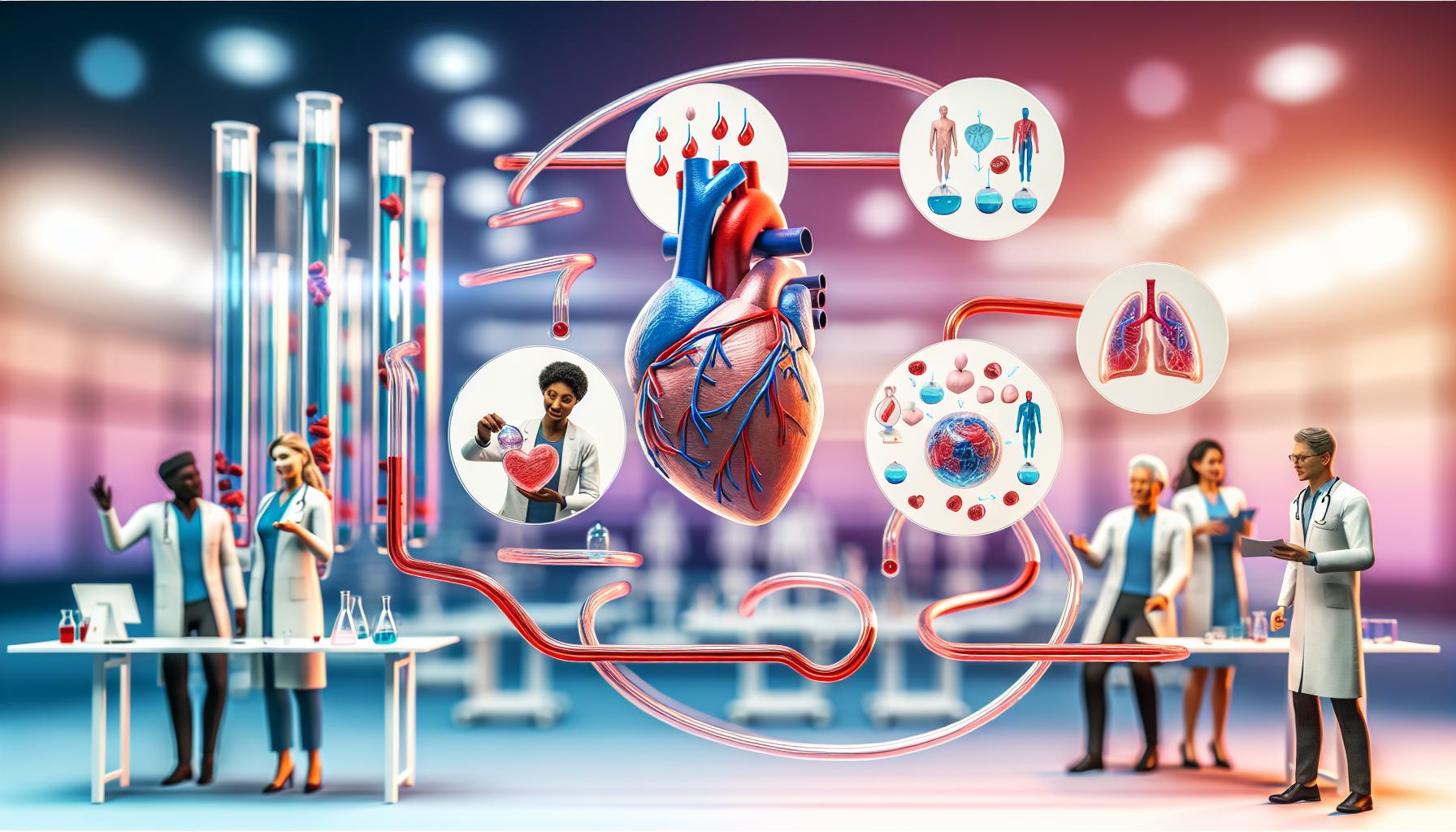
Common Diseases of the Circulatory System
Did you know that cardiovascular diseases (CVDs) are the leading cause of death globally, accounting for an estimated 17.9 million lives lost each year? The impact of these diseases on public health is profound, necessitating a broader understanding of the various disorders within the circulatory system, which comprises the heart and blood vessels.
Among the common diseases affecting the circulatory system are atherosclerosis, hypertension, and heart attacks. Atherosclerosis occurs when fatty deposits build up in the arteries, leading to narrowing and reduced blood flow. This condition can lead to significant complications, including heart attacks and strokes. Hypertension, or high blood pressure, puts added strain on the heart and blood vessels, increasing the risk for further cardiovascular issues and can often go unnoticed until serious health problems arise. Heart attacks occur when blood flow to a part of the heart is blocked, typically due to a blood clot, resulting in damage to the heart muscle.
Understanding the symptoms associated with these diseases is critical for early intervention. Signs such as chest pain, shortness of breath, and unusual fatigue should never be ignored. Regular check-ups can help in monitoring blood pressure and cholesterol levels, allowing for proactive management of any developing conditions.
Prevention plays an essential role in circulatory health. Engaging in regular physical activity, maintaining a balanced diet rich in fruits and vegetables, avoiding smoking, and managing stress are all effective strategies. These lifestyle choices not only improve overall wellness but also significantly reduce the risk of circulatory diseases. Always consult with healthcare professionals for personalized advice and strategies tailored to your individual health needs.
Risk Factors for Circulatory System Diseases
Cardiovascular diseases account for numerous preventable deaths each year, a fact that underscores the importance of understanding the risk factors associated with circulatory system diseases. Recognizing these factors can empower individuals to make informed lifestyle choices that significantly lower their risk. Various elements can contribute to circulatory diseases, including genetic predispositions, lifestyle choices, and environmental influences.
Genetic Factors
Family history plays a crucial role in cardiovascular health. If parents or siblings have experienced heart disease, individuals may be genetically predisposed to similar conditions. It’s essential to have open dialogues with healthcare providers about family health history, as this may influence screening and prevention strategies tailored for specific individuals.
Lifestyle Choices
Certain habits can heighten the likelihood of developing circulatory system diseases. These include:
- Poor Diet: Diets high in saturated fats, cholesterol, and sodium can lead to plaque build-up in arteries, increasing the risk of atherosclerosis and hypertension.
- Lack of Physical Activity: Sedentary behavior is linked to obesity and other risk factors, such as elevated blood pressure and cholesterol levels.
- Smoking: Tobacco use is known to damage blood vessels and can significantly increase the risk of developing coronary artery disease.
- Excessive Alcohol Consumption: Drinking alcohol in moderation is considered acceptable, but heavy consumption can raise blood pressure and lead to heart failure.
Environmental Factors
Environmental influences such as stress, exposure to pollution, and even socioeconomic status contribute to cardiovascular health. Chronic stress can lead to unhealthy coping mechanisms, while pollution has been linked to increased heart disease risk. Ensuring a supportive environment can mitigate these risks, making mental health and community support vital.
Understanding and addressing these risk factors is a proactive approach to heart health. However, it is equally important to consult healthcare professionals for personalized assessments and recommendations based on individual risk profiles to maintain optimal cardiovascular health.
Preventive Measures for Heart Health
A proactive approach to heart health can significantly diminish the risk of cardiovascular diseases and promote overall well-being. Engaging in preventive measures not only empowers individuals to take charge of their health but also fosters long-term lifestyle changes essential for a healthy circulatory system.
One of the most impactful ways to maintain heart health is through proper nutrition. A balanced diet rich in fruits, vegetables, whole grains, lean proteins, and healthy fats can help manage weight and lower cholesterol levels. Specifically, incorporating foods high in omega-3 fatty acids, such as salmon and walnuts, can reduce inflammation and support heart health. It’s equally important to limit the intake of saturated fats, trans fats, sodium, and added sugars, which can contribute to heart disease.
Regular physical activity is another cornerstone of heart health. Aim for at least 150 minutes of moderate aerobic exercise or 75 minutes of vigorous exercise each week. Activities such as brisk walking, swimming, or cycling can not only improve cardiovascular fitness but also help in managing stress and maintaining a healthy weight. Strength training exercises are also beneficial, as they can enhance metabolic health.
Additionally, managing stress plays a critical role in heart health. Techniques such as mindfulness, meditation, or even simple breathing exercises can help reduce hypertension and anxiety, which are known risk factors for heart disease. Establishing a support network of family and friends can also provide emotional stability and motivation for making healthier choices.
Avoiding tobacco products and limiting alcohol consumption can further safeguard your cardiovascular health. Quitting smoking is one of the most powerful steps you can take to reduce your risk of coronary artery disease. For alcohol, moderation is key; this means up to one drink per day for women and up to two drinks per day for men.
Ultimately, routine check-ups with healthcare providers are vital for early detection and management of potential health issues. Regular screenings for blood pressure, cholesterol levels, and diabetes can help identify risks before they escalate. Seeking professional guidance ensures that preventive measures are tailored to individual health needs and risk factors, creating a comprehensive approach to heart health.
Effective Treatments for Circulatory Disorders
are vital in managing conditions that affect the heart and blood vessels, ultimately improving quality of life and preventing serious complications. When it comes to cardiovascular health, understanding the available treatment options can empower individuals to make informed decisions and foster proactive management of their health.
One of the primary approaches to treating circulatory disorders includes lifestyle modifications. Engaging in regular exercise not only strengthens the heart but also improves circulation. Healthcare providers often recommend a blend of aerobic and resistance training exercises tailored to an individual’s capabilities. Additionally, maintaining a nutritious diet-rich in fruits, vegetables, whole grains, and healthy fats-can significantly lower the risk of worsening circulatory issues. The Mediterranean diet, known for its heart-healthy components, is particularly beneficial.
Medications play an essential role in the management of various circulatory disorders. Depending on the specific condition, doctors may prescribe drugs such as:
- Antihypertensives: To help control high blood pressure.
- Anticoagulants: To prevent blood clots in patients with conditions like atrial fibrillation.
- Statins: To lower cholesterol levels and reduce the risk of heart disease.
- Beta-blockers: To reduce heart rate and lower blood pressure, easing the heart’s workload.
In some cases, medical procedures may be necessary. For individuals suffering from severe arterial blockages, options such as angioplasty or stenting can restore proper blood flow. More advanced scenarios might require surgical interventions like coronary artery bypass grafting (CABG) to reroute blood around blocked arteries. It’s crucial for patients to discuss the risks and benefits of these procedures thoroughly with their healthcare providers.
Complementary therapies can also serve as effective adjuncts to standard treatment. Practices like yoga and meditation can help manage stress-an important factor influencing heart health. Moreover, supplementation with omega-3 fatty acids has shown promise in reducing inflammation and supporting heart function.
Ultimately, collaborative care involving healthcare professionals, including cardiologists, nutritionists, and physical therapists, is key to crafting a personalized treatment strategy. Individuals are encouraged to maintain open lines of communication with their healthcare team to optimize treatment plans that address their specific circulatory health needs. This multi-faceted approach not only treats existing issues but also promotes long-term cardiovascular wellness.
The Impact of Diet on Circulatory Health
A heart-healthy diet is one of the most powerful tools you have to improve your circulatory health. A balanced approach to nutrition can help lower the risk of cardiovascular diseases, manage blood pressure, and maintain healthy cholesterol levels. Research suggests that certain dietary patterns, like the Mediterranean diet, which emphasizes fruits, vegetables, whole grains, lean proteins, and healthy fats, can significantly reduce the risk of heart disease and enhance overall circulatory function.
To effectively support your circulatory system, consider incorporating the following nutrient-rich foods into your meals:
- Fruits and Vegetables: Aim for a variety of colors on your plate. Berries, leafy greens, and citrus fruits are particularly beneficial due to their high levels of antioxidants, vitamins, and minerals.
- Whole Grains: Foods like oats, quinoa, and brown rice provide fiber, which helps lower cholesterol and regulate blood sugar levels.
- Healthy Fats: Incorporate sources of omega-3 fatty acids, such as fatty fish, flaxseeds, and walnuts, which are known to reduce inflammation and promote better heart health.
- Lean Proteins: Options such as chicken, turkey, beans, and legumes offer protein without the high levels of saturated fats found in red meat.
Additionally, it is essential to reduce your intake of processed foods, sugars, and trans fats, which can contribute to weight gain and increase the risk of heart disease. Instead of high-sugar snacks, opt for healthier alternatives like nuts or yogurt. Staying hydrated with water is also crucial; proper hydration aids the circulation of blood and helps the heart function effectively.
Educating yourself about nutrition can empower you to make better choices that will positively affect your circulatory health. However, it’s always recommended to consult a healthcare provider or a nutritionist to personalize your diet according to your unique health needs and conditions. Adopting a heart-healthy diet is not just about managing weight; it’s a proactive lifestyle change that can lead to a longer, healthier life.
The Role of Exercise in Circulatory System Wellness
Engaging in regular exercise is one of the most effective strategies for enhancing circulatory health. Physical activity not only improves overall well-being but also strengthens the heart and improves blood flow, making it vital for maintaining a healthy circulatory system. Just as your heart pumps blood throughout your body, exercise acts like a workout for your entire cardiovascular system, helping it function more efficiently.
When you engage in aerobic exercise-such as walking, running, cycling, or swimming-you challenge your heart to pump more blood, which in turn increases your heart’s capacity and reduces your resting heart rate over time. This improved efficiency means your heart doesn’t have to work as hard during daily activities, lowering your risk of cardiovascular diseases. Moreover, exercise helps to lower blood pressure, improve cholesterol levels, and maintain a healthy weight, all crucial factors in preventing heart-related conditions.
To maximize the benefits for your circulatory health, aim for at least 150 minutes of moderate aerobic activity or 75 minutes of vigorous activity each week. Incorporating a mix of cardiovascular exercises and strength training can offer a well-rounded approach. Additionally, flexibility exercises like yoga or stretching can improve circulation and overall physical function. Here are some simple ways to incorporate more exercise into your daily routine:
- Add movement to your day: Take the stairs instead of the elevator, or go for a brisk walk during your lunch break.
- Set realistic goals: Start small and gradually increase the intensity and duration of your workouts.
- Find activities you enjoy: Whether it’s dancing, hiking, or playing a sport, engaging in enjoyable activities can help keep you motivated.
- Stay consistent: Try to exercise at the same time each day to build a habit.
Beyond physical benefits, exercise significantly contributes to mental health-reducing stress and anxiety levels, which can also impact heart health. Remember, it’s crucial to consult with a healthcare professional before beginning any new exercise program, especially if you have existing health conditions. They can provide personalized recommendations tailored to your individual needs, helping to ensure you embark on an exercise journey that’s both safe and effective.
Faq
Q: What role does the circulatory system play in regulating body temperature?
A: The circulatory system helps regulate body temperature by adjusting blood flow to the skin. When it’s hot, blood vessels dilate to release heat; when it’s cold, they constrict to retain warmth, ensuring the body maintains a stable internal environment.
Q: How does the circulatory system affect overall health and wellness?
A: A healthy circulatory system delivers oxygen and nutrients efficiently, supports metabolic processes, and removes waste. Maintaining a strong heart and unobstructed blood vessels is vital for preventing chronic diseases and enhancing overall wellness.
Q: What lifestyle changes can improve circulatory system health?
A: To improve circulatory health, incorporate regular exercise, maintain a balanced diet rich in fruits and vegetables, stay hydrated, and avoid smoking. These changes enhance blood flow, reduce cholesterol, and lower blood pressure, ultimately supporting heart health.
Q: How does stress impact the circulatory system?
A: Chronic stress can negatively affect the circulatory system by increasing heart rate and blood pressure, leading to potential heart disease. Practicing stress management techniques like mindfulness or yoga can help maintain a healthier cardiovascular system.
Q: What are the signs of poor circulatory health to watch for?
A: Signs of poor circulatory health include persistent fatigue, numbness or tingling in extremities, swelling, and cold hands or feet. If you experience these symptoms, consult a medical professional for proper evaluation and guidance.
Q: What is the connection between diabetes and the circulatory system?
A: Diabetes can damage blood vessels and nerves, increasing the risk of circulatory issues like peripheral artery disease. Effective blood sugar management is crucial to protect circulatory health and prevent complications related to diabetes.
Q: How do age and gender affect circulatory health?
A: Age impacts circulatory health, as blood vessels tend to become stiffer over time. Additionally, men are generally at higher risk for heart disease earlier in life, while women may experience increased risk post-menopause. Regular check-ups can help monitor these risks.
Q: What are some effective treatments for circulatory system diseases?
A: Treatments for circulatory system diseases include lifestyle changes, medications to manage blood pressure and cholesterol, and in severe cases, surgical interventions like angioplasty or bypass surgery. Consult a healthcare provider for a personalized treatment plan.
Final Thoughts
Thank you for exploring the fascinating world of the human circulatory system. By understanding its vital functions and common diseases, you’re better equipped to make informed health decisions. Don’t wait-take the next step towards a healthier you! Explore our detailed articles on heart health and lifestyle tips that can support your cardiovascular wellness.
Curious about how nutrition impacts your circulatory health? Dive into our resources on heart-healthy foods and supplements that can enhance your wellbeing. If you have questions or insights, we’d love to hear from you in the comments.
Remember, staying informed is the key to a healthy lifestyle. Sign up for our newsletter for more tips and insights, ensuring you stay up-to-date on essential health topics. Your journey towards understanding and improving your health starts now!