Have you ever experienced that annoying twitch in your eyebrow, catching you off guard during a meeting or a conversation? Eyebrow twitching, or myokymia, is a common yet often overlooked phenomenon that affects many of us at some point. Though usually harmless, understanding its causes-including stress, fatigue, and caffeine intake-can significantly enhance your overall well-being. This article explores the potential triggers behind eyebrow twitching and offers practical, quick relief methods to help alleviate this pesky issue. By learning how to manage and reduce these involuntary spasms, you not only improve your comfort but also gain insight into the signals your body sends you. Join us as we delve into the causes and discover effective strategies for relief, empowering you to take charge of your health and well-being.
Eyebrow Twitching Explained: Understanding the Basics
Eyebrow twitching, or eyelid myokymia, is a common phenomenon that can occur unexpectedly and often catches individuals off guard. This involuntary movement typically manifests as a quick, repetitive contraction of the muscles in the eyebrow area, which can be both distracting and irritating. While most episodes are brief and harmless, many people wonder what causes these twitches and how they can alleviate the discomfort they bring. Understanding the basics of eyebrow twitching can help individuals recognize its benign nature and explore practical methods for relief.
Twitching often stems from a variety of everyday triggers. One of the leading culprits is stress, which can lead to muscle tension and spasms. Additionally, excessive consumption of caffeine and alcohol can aggravate the situation, as these stimulants can disrupt normal muscle function. Lack of sleep and other factors, such as dehydration or nutrient deficiencies, can also contribute to this common nuisance. In most cases, eyebrow twitching resolves on its own without intervention, yet its recurrence prompts many to seek advice on effective management.
To mitigate twitching, individuals can adopt several practical strategies. First and foremost, ensuring sufficient rest is crucial, as fatigue can exacerbate muscle spasms. Staying hydrated and maintaining a balanced diet that includes essential vitamins and minerals might also prove beneficial. For some, simple relaxation techniques or mindfulness practices can help alleviate stress-induced twitching, making it a proactive step toward managing this fleeting annoyance effectively. By integrating these approaches into daily routines, many individuals find relief and regain control over their muscle movements, allowing them to focus on what truly matters.
Common Causes of Eyebrow Twitching You Should Know
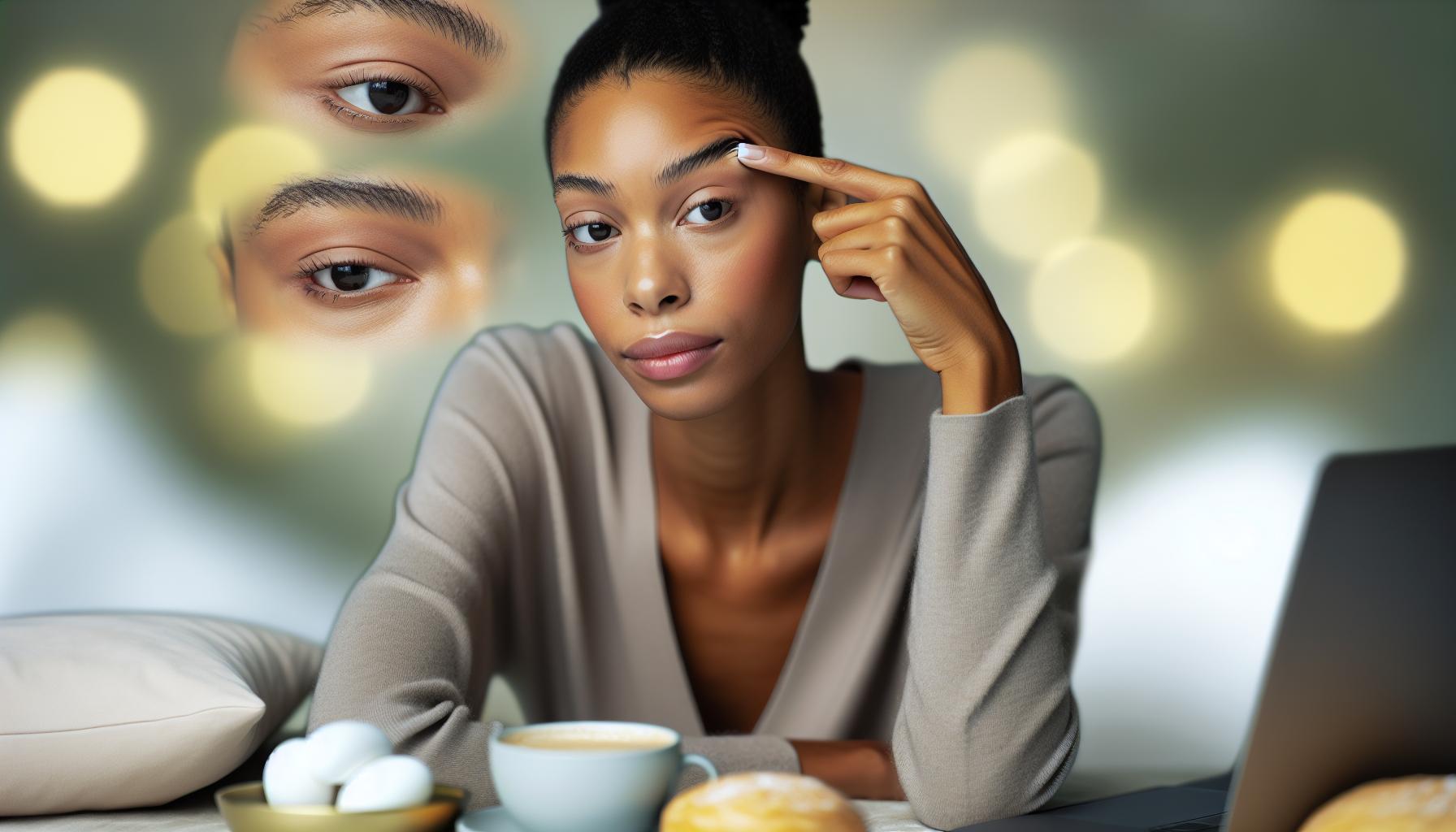
Eyebrow twitching can often feel like an annoying surprise, but understanding the common causes behind this phenomenon is the first step toward managing it effectively. One of the most significant factors contributing to eyebrow twitching is stress. When you’re under pressure, your body reacts with muscle tension, which can trigger spasms in the facial muscles, including those around the eyebrows.
Another prevalent cause is the consumption of caffeine and alcohol. These substances can overstimulate the nervous system and lead to muscle hyperactivity. If you find yourself indulging in high levels of caffeine from coffee or energy drinks, or consuming alcohol, it might be worth considering reducing these to see if it alleviates your symptoms.
Fatigue also plays a crucial role. Lack of sleep doesn’t just diminish your overall well-being; it can lead to involuntary muscle movements, making you more susceptible to twitches. In addition, environmental factors such as dehydration and nutrient deficiencies, especially in magnesium or potassium, can exacerbate the likelihood of twitching. Other elements, like changes in routine or significant life transitions, can elevate stress levels and contribute further.
Recognizing these triggers can empower you to take proactive steps to minimize the frequency of eyebrow twitching. By managing stress through techniques like deep breathing exercises or yoga, moderating your intake of stimulants, ensuring you get adequate sleep, and staying hydrated, you may find relief from those unwelcome eyebrow spasms. Always remember, while these common causes can shed light on the issue, professional medical advice is invaluable for a tailored approach to your individual health.
Medical Conditions Linked to Eyebrow Twitching

Eyebrow twitching, while often a benign annoyance, can sometimes signal underlying medical conditions that warrant attention. Understanding these possible health issues can provide insight into the nature of your symptoms and help you determine the best course of action. Some of the more common medical conditions associated with eyebrow twitching include neurological disorders, dry eyes, and nutritional deficiencies.
Neurological Disorders
Conditions affecting the nervous system, such as Bell’s palsy and multiple sclerosis, can manifest through involuntary muscle movements, including twitching around the eyes and eyebrows. Bell’s palsy typically results in temporary weakness or paralysis of facial muscles on one side of the face, sometimes accompanied by twitching as the muscles recover. In multiple sclerosis, nerve damage may lead to irregular muscle contractions and spasms.
Dry Eyes and Eye Strain
Another common cause of eyebrow twitching is related to dry eyes or prolonged eye strain, particularly in our tech-driven world where screens are prevalent. When eyes become dry or fatigued, the resulting discomfort can trigger spasms in the muscles surrounding the eyes and eyebrows. Symptoms often include a gritty sensation or heaviness in the eyelids. Keeping your eyes well-hydrated and taking regular breaks from screens can alleviate these symptoms.
Nutritional Deficiencies
Nutritional deficiencies-particularly in magnesium and potassium-are also significant contributors to muscle spasms, including eyebrow twitches. A well-balanced diet rich in fruits, vegetables, whole grains, and lean proteins can help prevent these deficiencies. Supplements may be considered if dietary changes are insufficient, but consultation with a healthcare professional is essential to determine appropriate dosages and potential interactions with other medications.
It’s important to remain vigilant about your health and well-being. If eyebrow twitches persist or are accompanied by other concerning symptoms, consulting a healthcare provider for a thorough evaluation and tailored advice is crucial. Understanding the potential can empower you to seek the right help and facilitate a healthier lifestyle.
Stress and Lifestyle: How They Contribute to Eye Twitches

Experiencing an eyebrow twitch can be more than just an irritating distraction; it may also be a signal from your body about the stressors in your life. When we think about how stress manifests physically, we often overlook the subtler signs like muscle spasms. In many cases, these twitches can be a direct response to the mental and emotional pressures we face in our daily lives. Understanding this connection is crucial for both managing twitching and improving your overall well-being.
Stress can trigger the release of certain hormones in the body, leading to increased muscle tension. This heightened state can result in involuntary muscle contractions, including twitches around the eyes and brows. Lifestyle choices play a significant role in this dynamic. For example, excessive caffeine and nicotine consumption can exacerbate stress-induced muscle spasms. Limiting these substances may not only reduce the frequency of eyebrow twitching but also contribute to a calmer state of mind. Consistent sleep patterns and regular physical activity can also mitigate stress levels, giving your body the chance to recover from daily pressures.
Moreover, a lack of self-care and relaxation practices can make you more susceptible to stress-related eye spasms. Techniques such as mindfulness meditation, yoga, or even simple breathing exercises can help reduce tension in your body, including the muscles surrounding your eyes. Taking breaks from screens and ensuring proper hydration are also key components in your stress management strategy. Creating an environment that promotes relaxation, perhaps through soothing music or a comfortable space for unwinding, can enhance your ability to cope with daily stressors.
Incorporating these strategies into your routine not only helps with the immediate issue of eyebrow twitching but also contributes positively to your mental health. If you find that stress continues to be a trigger for muscle spasms, it may be beneficial to consult a healthcare professional. They can provide personalized advice and possible interventions to support both your physical and emotional well-being.
Natural Remedies for Quick Relief from Eye Twitches
Eyebrow twitching can be a pesky irritant, often catching you off guard in the middle of a conversation or while trying to focus on a task. While it may seem trivial, there are natural remedies that can provide effective relief when those sudden twitches occur. Lightening the load naturally often starts with simple lifestyle adjustments and home-based strategies.
One of the first tips to consider is adequate hydration. Dehydration can lead to muscle cramps and spasms, including in your facial muscles. Aim to drink enough water throughout the day, which varies by individual but is generally around eight 8-ounce glasses. Additionally, applying a warm compress over your eyes can soothe the area and relax the muscles. Simply soak a clean cloth in warm water, wring it out, and place it gently on your closed eyes for several minutes.
Rest is crucial too; ensuring you get quality sleep every night can greatly reduce the incidence of eye twitches. Fatigue tends to exacerbate muscle spasms, so establish a relaxing bedtime routine that encourages restful sleep. Techniques such as deep breathing, progressive muscle relaxation, or gentle yoga can help you unwind at the end of the day.
Consider incorporating dietary changes as well. Foods rich in magnesium, such as nuts, seeds, and leafy greens, are known to promote muscle health and may help alleviate twitching. A balanced diet that includes adequate vitamins and minerals supports overall health, which can consequently minimize twitching episodes. Pay attention to your caffeine intake; excessive consumption can trigger or worsen the condition. If you’re a coffee or energy drink lover, try gradually reducing your intake to observe if there’s a positive change.
Lastly, always be mindful of stress management techniques. Practicing mindfulness and meditation can help mitigate stress-induced twitching and foster a more relaxed state of mind. Even short 5 to 10-minute sessions can provide significant benefits, so try to incorporate them into your daily routine.
While these natural remedies are helpful for quick relief, it’s important to remember that persistent eyebrow twitching may warrant a consultation with a healthcare professional for personalized advice and to rule out any underlying conditions.
When to Seek Professional Help for Eye Twitching
Experiencing eyebrow twitching can be more than just an occasional nuisance; it can sometimes signal underlying health issues. While sporadic twitches are typically harmless, there are circumstances that warrant seeking professional advice. If you notice that your eyebrow twitching persists for an extended period-generally more than a few weeks-it could indicate more serious conditions that should be evaluated by a healthcare provider.
Key Indicators for Professional Consultation
Consider reaching out to a medical professional if you experience any of the following alongside your eyebrow twitches:
- Visual Changes: Any alterations in vision, such as blurriness or double vision, should prompt immediate attention.
- Facial Muscle Weakness: If you experience weakness in the eyelids or other facial muscles, it’s important to consult a doctor.
- Pain or Discomfort: Twitches that are accompanied by pain, or if you feel discomfort in your eye area, require further investigation.
- Frequent Episodes: If your twitching becomes frequent or is accompanied by spasms in other parts of your face or body, it may indicate an underlying neuromuscular disorder.
Possible Underlying Conditions
Eyebrow twitching can sometimes be associated with conditions such as:
- Hemifacial Spasm: A condition that causes involuntary muscle contractions on one side of the face.
- Blepharospasm: A disorder characterized by involuntary blinking or spasms of the eyelids.
- Caffeine Sensitivity or Drug Withdrawal: Excessive intake of stimulants like caffeine or withdrawal from certain medications can trigger prolonged twitching.
Being aware of these symptoms and the potential implications can help you make informed decisions about your health. When in doubt, don’t hesitate to schedule an appointment with a healthcare provider who can guide you through diagnostic tests and offer tailored advice. Remember, understanding your body and seeking help when needed is an important aspect of maintaining your overall well-being.
Preventive Strategies to Avoid Eyebrow Twitching
To effectively manage and prevent eyebrow twitching, adopting a holistic approach to your lifestyle can make a significant difference. Maintaining a balanced routine that minimizes stress and promotes overall well-being can alleviate many common triggers associated with eye twitches. For instance, setting aside time for relaxation techniques such as yoga, meditation, or deep breathing exercises can help you cope with daily stressors that may otherwise lead to involuntary spasms.
Another important aspect of prevention involves monitoring your caffeine intake. Excessive consumption of caffeinated beverages can over-stimulate the nervous system, potentially causing muscle spasms. Consider replacing some of your daily caffeine sources with herbal teas or decaffeinated alternatives. Additionally, ensuring that you are staying sufficiently hydrated throughout the day can also help reduce the likelihood of twitching, as dehydration can lead to electrolyte imbalances and muscle cramps.
Moreover, maintaining a regular sleep schedule plays a crucial role in preventing eyebrow twitching. Aim for 7-9 hours of quality sleep each night, as fatigue can exacerbate muscle spasms. Creating a sleep-friendly environment by reducing screen time before bed, maintaining a comfortable room temperature, and following a calming pre-sleep routine can contribute to better rest.
Lastly, being mindful of your nutritional intake can support nerve health. Consuming a diet rich in magnesium, potassium, and calcium may be beneficial, as these minerals help regulate muscle function. Incorporating foods such as bananas, leafy greens, nuts, and dairy products could offer supportive benefits.
Should you notice persistent twitching or if you have concerns about underlying health conditions, consult a healthcare professional for personalized guidance and appropriate interventions. Empowering yourself with knowledge and proactive strategies can help you navigate the challenges of eyebrow twitching effectively.
Myths and Facts About Eyebrow Twitching
Understanding eyebrow twitching often involves navigating through a landscape of common myths and established facts. Many people believe that twitching signifies a severe health issue, but this is not always the case. In reality, eyebrow twitching is typically harmless and can be linked to a variety of benign factors, such as fatigue, dehydration, or excessive caffeine consumption. Recognizing the distinction between myth and fact can help alleviate unnecessary worry.
One prevalent myth is that a twitching eyebrow is an omen of bad luck or something ominous about to happen. This superstition, while intriguing, has no basis in medical science. Instead, the twitching is more likely related to stress, lack of sleep, or muscle strain. On the other hand, it’s vital to understand that persistent twitching could signal an underlying condition that warrants attention, such as a hemifacial spasm or neurological disorder, though these cases are rare.
Another common belief is that only excessive caffeine causes eyebrow twitching. While caffeine is indeed a trigger for some, it’s essential to recognize that various lifestyle factors contribute as well. Stress, lack of sleep, and nutritional deficiencies-particularly in magnesium and potassium-can intensify muscle spasms. Therefore, a comprehensive approach that includes stress management and a balanced diet is crucial for prevention.
For those seeking quick relief from eyebrow twitching, it’s important to debunk the idea that there is a one-size-fits-all remedy. Although methods like reducing caffeine intake and staying hydrated are helpful, techniques such as relaxation exercises and magnesium-rich foods can also play significant roles. Remember, when in doubt about the recurrence or severity of eyebrow twitching, consulting a healthcare professional is the best course of action to obtain tailored advice and peace of mind.
The Role of Nutrition in Twitching Reduction
Incorporating the right nutrition into your diet can play a significant role in reducing eyebrow twitching. Nutritional deficiencies, particularly in essential minerals like magnesium and potassium, are often linked to increased muscle spasms and twitches. Ensuring that you consume adequate amounts of these nutrients can not only help mitigate twitching but also contribute to overall muscle health and relaxation.
To start, magnesium is known for its role in muscle function and relaxation. Deficiencies in magnesium can lead to increased irritability and muscle cramps. Foods high in magnesium include leafy greens such as spinach, nuts like almonds and cashews, seeds, whole grains, and legumes. Integrating these foods into your daily meals can help maintain proper magnesium levels and potentially lessen the frequency and intensity of eyebrow twitching.
Similarly, potassium is vital for muscle contractions and nerve transmission. Low levels of potassium can contribute to muscle weakness and cramps. Foods rich in potassium include bananas, sweet potatoes, avocados, and beans. Including these foods in your diet not only supports muscle function but also enhances your overall health.
Moreover, staying well-hydrated is crucial for muscle performance. Dehydration can exacerbate muscle spasms, including those pesky twitches. Aim to drink plenty of water throughout the day to support your body’s hydration needs.
In conclusion, adopting a balanced diet rich in magnesium and potassium, complemented by adequate hydration, can aid in the reduction of eyebrow twitching. While nutrition significantly impacts muscle health, it’s advisable to consult with a healthcare professional for a tailored approach that addresses your specific needs and circumstances.
Coping Mechanisms: Dealing with Persistent Eye Twitches
Understanding how to effectively cope with persistent eyebrow twitches can be empowering for those who experience this often frustrating condition. Whether your eyebrow twitches occasionally due to stress or happens more frequently, there are several practical strategies that can help manage and alleviate these spasms.
One of the most effective approaches is to incorporate relaxation techniques into your daily routine. Practices such as meditation, yoga, or even deep breathing exercises can significantly reduce the tension often associated with muscle spasms. For example, setting aside just 10-15 minutes each day to practice mindfulness meditation can help ease stress, potentially lowering the frequency of twitches. Mindfulness techniques encourage you to focus on your breath and the present moment, pulling your mind away from the stressors in your life that could contribute to muscle tension.
Furthermore, engaging in regular physical activity is beneficial. Exercise increases blood circulation and can help alleviate tension in the muscles, including those around the eyes. Activities such as walking, swimming, or cycling can act as stress relievers while promoting overall health. Make sure to find a form of exercise that you enjoy to ensure consistency.
Hydration cannot be overstated; ensuring you consume enough water throughout the day is crucial for muscle function. Dehydration can lead to muscle cramps and spasms, so drinking ample fluids helps maintain overall fluid balance in the body. Aim for at least 8 cups (2 liters) of water daily, adjusting based on your activity level and environment.
Additionally, maintaining a healthy sleep routine can play a vital role in reducing eye twitches. Aim for 7-9 hours of quality sleep each night, as fatigue and lack of rest can exacerbate muscle spasms. Create a calming bedtime routine and adjust your sleep environment to promote restful sleep.
If these strategies do not bring relief, it may be beneficial to keep a twitch diary. Document when the twitches occur, their duration, and any possible triggers, such as stress levels, diet, or sleep patterns. This can help identify patterns or potential allergens and inform discussions with healthcare providers.
In conclusion, adopting a proactive approach to managing persistent eyebrow twitching can significantly improve your quality of life. Through relaxation techniques, regular physical activity, adequate hydration, quality sleep, and conscious tracking of symptoms, you empower yourself in dealing with this condition. However, always remember to consult with a healthcare professional to discuss persistent issues or if symptoms worsen, ensuring a comprehensive approach to your health.
Faq
Q: What are the common reasons for eyebrow twitching?
A: Eyebrow twitching can be caused by fatigue, stress, caffeine consumption, eye strain, or nutritional deficiencies. Understanding these triggers can help manage and reduce episodes effectively.
Q: How can I relieve eyebrow twitching quickly?
A: To relieve eyebrow twitching quickly, try methods such as applying a warm compress, reducing caffeine intake, practicing relaxation techniques, and ensuring you get adequate sleep.
Q: Is eyebrow twitching a sign of an underlying health condition?
A: While eyebrow twitching is often benign, it can indicate underlying conditions like blepharospasm or neurological disorders in severe cases. If twitching persists, consult a healthcare professional for evaluation.
Q: How does stress contribute to eyebrow twitching?
A: Stress can lead to muscle tension and fatigue, which may provoke eyebrow twitching. Managing stress through techniques such as meditation and regular exercise can help reduce incidence.
Q: When should I see a doctor for eyebrow twitching?
A: You should consult a doctor if eyebrow twitching persists for weeks, is accompanied by other symptoms like vision changes, or interferes with your daily life, as these may indicate a serious condition.
Q: Can dietary changes help reduce eyebrow twitching?
A: Yes, incorporating foods rich in magnesium, potassium, and calcium, such as leafy greens, bananas, and dairy, can help mitigate twitching by ensuring proper muscle function and hydration.
Q: What lifestyle changes can prevent eyebrow twitching?
A: Preventing eyebrow twitching can include reducing caffeine and alcohol intake, establishing a regular sleep schedule, managing stress, and taking regular breaks from screen time.
Q: Are there any myths associated with eyebrow twitching?
A: A common myth is that twitching is always caused by fatigue or stress. While these are significant factors, other causes like nutritional deficiencies and excessive screen time should also be considered for effective management.
Wrapping Up
Thank you for diving into our guide on eyebrow twitching! Remember, understanding the causes and effective relief methods can significantly improve your wellbeing. If you’re still feeling uneasy about your symptoms or want to explore how to manage stress, check out our articles on relaxation techniques and dietary changes for stress relief.
Don’t miss our newsletter for tips and the latest insights on health and wellness. It’s time to take control of your health – start by consulting a professional for personalized advice tailored to your needs. Share your experiences or ask questions in the comments below; we love hearing from you! Your journey toward wellness continues here, so explore our resources and empower yourself with knowledge.